علاج الورم الأرومي النخاعي في كوريا الجنوبية: 6 مستشفيات


تمت مراجعة المقالة طبيا من قبل
فهد مولود
ما هي تكلفة الورم الأرومي النخاعي إجراءات التشخيص والعلاج في كوريا الجنوبية؟ اعرف الآن
تتضمن تكلفة علاج الورم الأرومي النخاعي في جمهورية كوريا عادةً التشخيصات الأساسية مثل استشارة طبيب الأورام، والتي تتراوح ما بين $50 إلى $75. من $20,000. تعتمد التكاليف الإجمالية على مرحلة الورم، ودورات العلاج الإشعاعي المطلوبة، ومستوى العيادة. وغالبًا ما يجد المرضى توفيرًا يتراوح بين 30% إلى 50% مقارنة بالولايات المتحدة. تقع أفضل مراكز العلاج في سيول.
تكاليف علاج الورم الأرومي النخاعي النموذجية في جمهورية كوريا
- استشارة طبيب الأورام: $50 – $75
- استشارة جراح أعصاب: من $53
- حج القحف: من $20,000
- العلاج الكيميائي: من $3,000
رؤية خبراء Bookimed: يجب على المرضى من الأطفال والبالغين الذين يحتاجون إلى إزالة معقدة لأورام المخ إعطاء الأولوية للمراكز المعتمدة من قبل اللجنة الدولية المشتركة (JCI) مثل مستشفى سيفيرانس (Severance Hospital) أو مستشفى جامعة سيول الوطنية (SNUH). تستخدم هذه المرافق الذكاء الاصطناعي والتصوير الرقمي لتعزيز سلامة الجراحة. وللحصول على رعاية متعددة التخصصات، يعد مركز آسان الطبي (Asan Medical Center) أكبر مقدم للخدمات في كوريا، حيث يجري أكثر من 65,000 عملية جراحية سنويًا. يتخصص جراحو الأعصاب الخبراء مثل دو هيون نام في مركز سامسونج الطبي في التقنيات التنظيرية، مما يوفر خيارات طفيفة التوغل لاستئصال الأورام.
| كوريا الجنوبية | تركيا | إسبانيا | |
|---|---|---|---|
| حج القحف | من $20,000 | من $8,900 | من $32,500 |
| جراحة التجسيمي | ≈ $9,500 | من $6,400 | من $18,100 |
| العلاج الكيميائي لسرطان الثدي | من $3,000 | من $3,000 | من $1,700 |
| العلاج الإشعاعي لسرطان القولون والمستقيم | ≈ $9,000 | من $5,000 | من $7,500 |
مزاياك وضماناتك مع Bookimed
أسعار مباشرة
Bookimed لا يضيف رسوماً إضافية على أسعار علاج الورم الأرومي النخاعي. الأسعار مأخوذة من قوائم الأسعار الرسمية للعيادات. تدفع مباشرة في العيادة مقابل علاجك عند وصولك إلى البلد.
عيادات وأطباء معتمدون فقط
Bookimed ملتزم بسلامتك. نحن نعمل فقط مع المؤسسات الطبية التي تحافظ على معايير دولية عالية في علاج الورم الأرومي النخاعي ولديها التراخيص اللازمة لخدمة المرضى الدوليين في جميع أنحاء العالم.
مساعدة مجانية على مدار الساعة
Bookimed يقدم مساعدة خبراء مجانية. منسق طبي شخصي يدعمك قبل وأثناء وبعد العلاج، ويحل أي مشاكل. لن تكون وحيداً أبداً في رحلة علاج الورم الأرومي النخاعي.

منسقك الطبي الشخصي في Bookimed
- يدعمك في كل مرحلة
- المساعدة في اختيار العيادة الطبية المناسبة والطبيب المناسب
- يضمن الوصول السريع والمريح إلى المعلومات
اكتشف أفضل الورم الأرومي النخاعي العيادات في كوريا الجنوبية: 6 خيارات معتمدة والأسعار












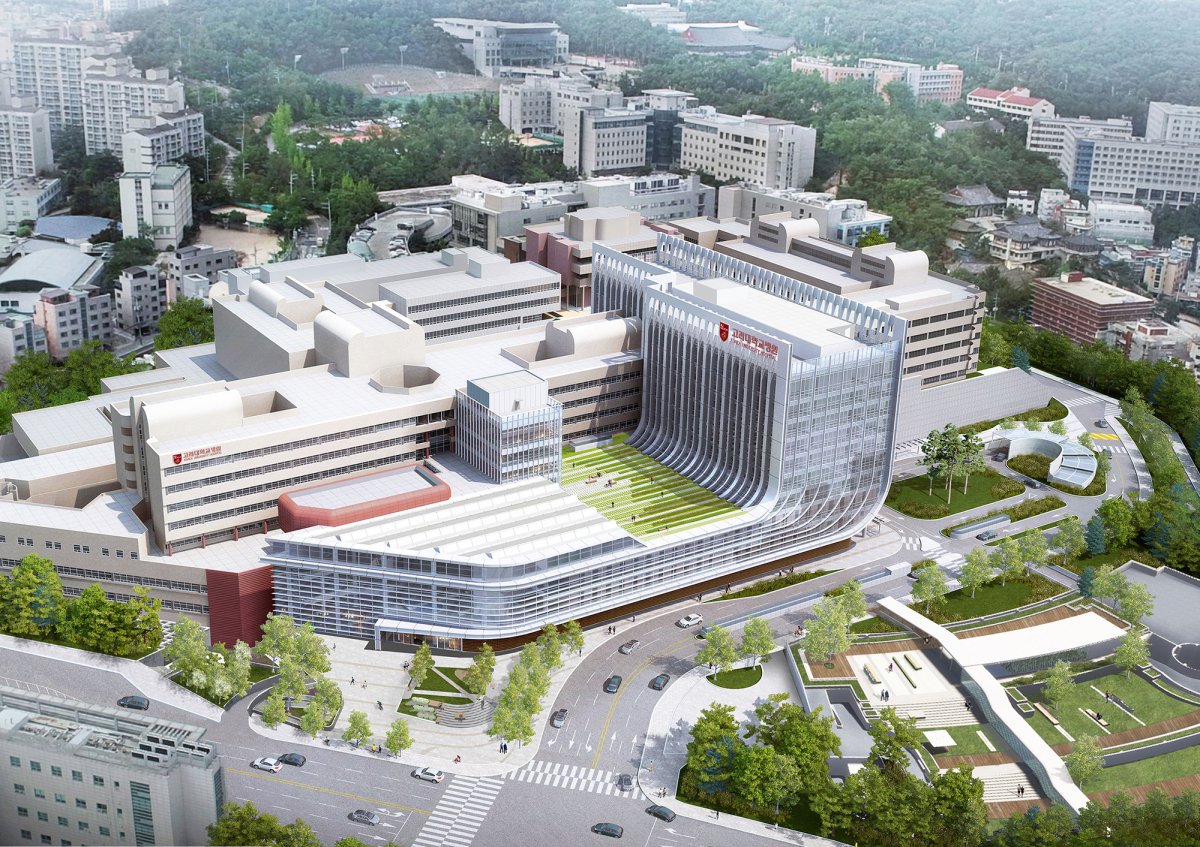
احصلوا على تقييم طبي لـ الورم الأرومي النخاعي في كوريا الجنوبية: استشيروا أطباء ذوي خبرة الآن
عرض جميع الأطباء
Do Hyun Nam
الدكتور دو هيون نام هو جراح أعصاب بارز في كوريا الجنوبية، متخصص في إزالة أورام المخ والجراحات بالمنظار في مركز سامسونج الطبي.
- خبير في علاج المرضى من الأطفال والبالغين
- متخصص في تقنيات الجراحة بالمنظار والجراحة الإشعاعية
- يركز على أورام المخ الحميدة والخبيثة
مشاركة المحتوى
قصص فيديو من مرضى Bookimed
 Anna Leonova
أسئلة متكررة حول علاج الورم الأرومي النخاعي في كوريا الجنوبية
لماذا تختار كوريا الجنوبية لعلاج ورم الأرومة النخاعية (Medulloblastoma)؟
توفر كوريا الجنوبية علاجاً رفيع المستوى لورم الأرومة النخاعية من خلال مراكز معتمدة من اللجنة الدولية المشتركة (JCI) وفرق متخصصة في طب أورام الأعصاب للأطفال. يحصل المرضى على تقنيات متقدمة مثل الجراحة الإشعاعية التجسيمية وإزالة أورام المخ بالمنظار. توفر هذه المرافق خدمات أورام وإشعاع منسقة مع وفورات كبيرة مقارنة بتكاليف الرعاية الصحية في الولايات المتحدة.
- جراحة أعصاب خبيرة: يقوم متخصصون مثل الدكتور دو هيون نام بإجراء عمليات معقدة لإزالة أورام المخ.
- الرعاية الصحية الرقمية: يستخدم مستشفى جامعة سيول الوطنية في بوندانغ أنظمة رقمية لمنع الأخطاء الطبية.
- أحجام عمل عالية: يدير مركز أسان الطبي أكثر من 60,000 إجراء جراحي كل عام.
- رعاية متخصصة: يحافظ مستشفى سيفيرانس على عيادات مخصصة للأطفال لتقديم علاج شامل لسرطان الأطفال.
رؤية خبير Bookimed: تظهر البيانات اتجاهاً واضحاً حيث تخدم أكبر مراكز كوريا، مثل مستشفى جامعة سيول الوطنية، أكثر من 10,000 مريض يومياً. يسمح هذا الحجم الهائل للجراحين برؤية الأنواع الفرعية النادرة من ورم الأرومة النخاعية بشكل متكرر أكثر من المستشفيات الإقليمية الغربية التقليدية. غالباً ما يوفر اختيار هذه المرافق الحكومية ذات الحجم الكبير الوصول إلى بروتوكولات الأورام الأكثر رسوخاً في البلاد.
إجماع المرضى: تؤكد العائلات على قيمة الوصول السريع إلى الفرق المتخصصة التي تجمع بين الجراحة والعلاج الكيميائي والإشعاعي. ويشيرون إلى أن وجود جميع المتخصصين في نظام واحد يجعل إدارة تعافي الأطفال المعقد أسهل بكثير.
ما هي أفضل المستشفيات التي تعالج ورم الأرومة النخاعية (Medulloblastoma) في كوريا الجنوبية؟
تشمل أفضل المستشفيات الكورية الجنوبية لعلاج ورم الأرومة النخاعية مستشفى جامعة سيول الوطنية، ومركز آسان الطبي، ومستشفى سيفيرانس. تستخدم هذه المرافق المعتمدة من قبل اللجنة الدولية المشتركة (JCI) فرقاً متعددة التخصصات وجراحة أعصاب متقدمة. وقد سجلت مراكز مثل مستشفى جامعة سيول الوطنية أعلى الإحصائيات لعلاج السرطان في البلاد. تجمع بروتوكولات العلاج بين الاستئصال الجراحي، والإشعاع، والعلاج الكيميائي.
- مركز آسان الطبي: يخدم أكبر مستشفى متعدد التخصصات أكثر من 11,000 مريض خارجي يومياً.
- مستشفى سيفيرانس: مركز بارز ذو حجم كبير مع عيادة مخصصة لأورام الأطفال.
- اعتماد JCI: تضمن مؤسسات مثل جامعة كوريا آنام السلامة والجودة على المستوى الدولي.
- التكنولوجيا المتقدمة: تستخدم المرافق الذكاء الاصطناعي، والتصوير الرقمي، والجراحة الروبوتية لضمان الدقة.
رؤية خبير Bookimed: توجد مؤشرات الجودة لورم الأرومة النخاعية في حجم الحالات والتكامل الرقمي للمستشفى. يستخدم مستشفى جامعة سيول الوطنية في بوندانغ النظام الرقمي الفريد BESTcare. تنسق هذه البنية التحتية الرعاية بين أقسام الأورام وجراحة الأعصاب بشكل أكثر كفاءة. هذا التكامل حيوي لاتخاذ القرار السريع المطلوب في حالات أورام المخ لدى الأطفال.
إجماع المرضى: تشير العائلات إلى أن نجاح العلاج يعتمد على فريق موحد لطب أعصاب الأورام لدى الأطفال. يؤكد المرضى على اختيار المراكز التي تدير الجراحة، وعلم الأمراض، والإشعاع في موقع واحد.
ما هي طرق العلاج الأساسية المستخدمة؟
يتبع علاج ورم الأرومة النخاعية (Medulloblastoma) في كوريا الجنوبية نهجاً متعدد الوسائط يبدأ بالاستئصال الجراحي لإزالة الورم. تستخدم المراكز المتخصصة للغاية حج القحف (craniotomy)، يليه العلاج الكيميائي الموجه والجراحة الإشعاعية التجسيمية. تدمج المرافق المعتمدة من اللجنة الدولية المشتركة (JCI) في سيؤول أدوات تشخيصية متقدمة مثل التصوير المقطعي والمتابعة طويلة الأمد بالرنين المغناطيسي لضمان الدقة.
- الاستئصال الجراحي: يقوم الجراحون بإجراء حج القحف لإزالة أكبر قدر ممكن من كتلة الورم بأمان.
- العلاج الإشعاعي: يستخدم الأطباء الجراحة الإشعاعية التجسيمية أو الإشعاع القحفي النخاعي لاستهداف الخلايا السرطانية المتبقية.
- بروتوكولات العلاج الكيميائي: يقوم أطباء الأورام بإعطاء أدوية جهازية لمنع التكرار عبر السائل النخاعي.
- التصوير التشخيصي: يشمل المتخصصون الأشعة المقطعية ومتابعات الرنين المغناطيسي لمراقبة مرحلة الورم والاستجابة للعلاج.
رؤية خبراء Bookimed: تعمل المراكز الرائدة في كوريا الجنوبية مثل مستشفى جامعة سيؤول الوطنية كمستشفيات رقمية بأنظمة مثل BESTcare. تسمح هذه الرقمنة بتنسيق سلس بين جراحي الأعصاب وأطباء الأورام. يركز خبراء الأطفال المتخصصون مثل الدكتور دو هيون نام على التقنيات التنظيرية لتقليل فترات التعافي. تدير هذه المؤسسات أكثر من 1,000,000 مريض سنوياً، مما يضمن حجماً جراحياً كبيراً وخبرة سريرية.
إجماع المرضى: يشير المرضى إلى أن العلاج رحلة متسلسلة تنتقل عادةً من العملية إلى الإشعاع والعلاج الكيميائي. من المهم التخطيط مب
ما هو التنبؤ (معدل الشفاء) لورم الأرومة النخاعية (Medulloblastoma)؟
يتجاوز معدل البقاء على قيد الحياة الإجمالي لمدة 5 سنوات لورم الأرومة النخاعية 80% مع العلاج الشامل. تعتمد النتائج في المقام الأول على النوع الجزيئي الفرعي وانتشار الورم. غالباً ما يحقق المرضى ذوو المخاطر القياسية معدلات بقاء تتراوح بين 80% و90%. بينما تشهد الحالات عالية المخاطر أو النقيلية عادةً معدل بقاء بنسبة 60%.
- النوع الجزيئي الفرعي: تُظهر الأورام المنشطة بواسطة WNT أعلى معدلات شفاء، وغالباً ما تتجاوز 90%.
- الاستئصال الجراحي: تعمل إزالة الورم بشكل جذري على تحسين التنبؤ طويل الأمد ونتائج البقاء على قيد الحياة بشكل كبير.
- حالة النقائل: تتمتع الأورام الموضعية بمعدل بقاء يتراوح بين 70-85% بدون انتشار في العمود الفقري.
- بروتوكول العلاج: يُعد الجمع بين الجراحة والإشعاع والعلاج الكيميائي أمراً ضرورياً للنتائج التي تهدف إلى الشفاء.
رؤية خبراء Bookimed: توفر كوريا الجنوبية كثافة عالية من المرافق المعتمدة من قبل اللجنة الدولية المشتركة (JCI)، مثل مستشفى سيفيرانس ومستشفى جامعة كوريا أنام. يُبلغ مستشفى جامعة سيؤول الوطنية عن بعض أعلى إحصائيات علاج السرطان على المستوى الوطني. يسمح هذا التركيز من الخبرة بإجراء تحديد دقيق للمرحلة الجزيئية، وهو أمر بالغ الأهمية لتحديد النوع الفرعي المحدد لورم الأرومة النخاعية وتصميم العلاج المناسب.
إجماع المرضى: يؤكد المرضى أن التنبؤ يعتمد بشكل كبير على المخاطر، ويقدرون أن العديد من الحالات قابلة للشفاء من خلال الرعاية المكثفة والمتعددة التخصصات. ويشيرون إلى أن المراقبة طويلة الأمد ضرورية لإدارة الآثار
كم تستغرق مدة العلاج الإجمالية؟
يستغرق العلاج الكلي للورم الأرومي النخاعي في كوريا الجنوبية عادةً ما بين 6 إلى 12 شهرًا. يتضمن هذا الإطار الزمني إزالة الورم الأولية متبوعة بعدة أسابيع من التعافي. يخضع معظم المرضى بعد ذلك لدورات متعددة من الإشعاع والعلاج الكيميائي للقضاء على الخلايا السرطانية المتبقية.
- المرحلة الجراحية: تتطلب جراحة حج القحف عادةً إقامة في المستشفى لمدة تتراوح بين 7 إلى 14 يومًا.
- مدة الإشعاع: غالبًا ما تمتد بروتوكولات العلاج الإشعاعي لمدة 6 أسابيع متتالية بعد التعافي من الجراحة.
- دورات العلاج الكيميائي: يستمر العلاج الكيميائي المساعد بشكل متكرر لمدة 6 إلى 9 أشهر على مراحل.
- مراقبة التعافي: تستمر المراقبة السريرية النشطة وإعادة التأهيل لسنوات بعد انتهاء العلاج المكثف.
رؤية خبراء Bookimed: تُظهر البيانات الواردة من مراكز رائدة في سيول، مثل مستشفى سيفيرانس (Severance Hospital)، تركيزًا على البروتوكولات المرحلية. الجراحة الأولية هي مجرد الخطوة الأولى في رحلة تستغرق عامًا كاملًا. تستخدم العيادات هنا أنظمة رقمية مثل BESTcare لإدارة هذه الجداول الزمنية المعقدة التي تمتد لأشهر. وهذا يقلل من الخطأ البشري أثناء الانتقال من جراحة الأعصاب إلى دورات الأورام طويلة الأمد.
إجماع المرضى: يؤكد المرضى أن العلاج عبارة عن ماراثون من مراحل مختلفة وليس مجرد إقامة واحدة في المستشفى. ويشيرون إلى أن بداية الإشعاع تعتمد كليًا على مدى سرعة التئام موقع الجراحة.