علاج سرطان المستقيم في كوريا الجنوبية — احصل على 3 عيادات مختارة خصيصاً لك


تمت مراجعة المقالة طبيا من قبل
فهد مولود
كيف نعمل؟
ما هي تكلفة سرطان المستقيم إجراءات التشخيص والعلاج في كوريا الجنوبية؟ اعرف الآن
تتراوح تكلفة علاج سرطان المستقيم في جمهورية كوريا من $14,000 إلى $21,000 للجراحة الروبوتية المتقدمة، بينما تتراوح تكلفة التشخيصات الأساسية مثل الموجات فوق الصوتية عبر المستقيم من السعر عند الطلب إلى السعر عند الطلب. تعتمد النفقات الإجمالية على مرحلة الورم، والنهج الجراحي، ومستوى العيادة. وعادة ما يحقق المرضى وفورات تتراوح بين 30-50% مقارنة بالولايات المتحدة. تقع أفضل مراكز العلاج في سيول.
تكاليف علاج سرطان المستقيم النموذجية في جمهورية كوريا
- استشارة طبيب الأورام: $50 – $75
- الموجات فوق الصوتية عبر المستقيم (TRUS): السعر عند الطلب
- خزعة: من $370
- مراجعة الأنسجة المرضية: السعر عند الطلب
- استئصال المستقيم: من $18,000
- نظام دافنشي الروبوتي: $14,000 – $21,000
- سايبر نايف (CyberKnife): $14,000 – $19,000
- نانو نايف (NanoKnife): $17,500 – $28,000
- العلاج الكيميائي مفرط الحرارة داخل الصفاق (HIPEC): من $18,000
- العلاج المناعي باستخدام كيترودا (Keytruda): $5,200 – $8,500
رؤية خبراء Bookimed: يجب على المرضى الذين يسعون للحصول على نتائج عالية الدقة إعطاء الأولوية للمراكز الطبية المتخصصة والرقمية. يستخدم مستشفى جامعة سيول الوطنية في بوندانغ (SNUBH) نظام BESTcare لتقليل الأخطاء الطبية. بالنسبة للحالات المعقدة، يقدم مركز سامسونج الطبي رعاية بمستوى رئاسي مع علاج إشعاعي متقدم موجه بالصور. يُعد مستشفى جامعة كوريا أنام الأفضل للجراحة الروبوتية، حيث يقودون آسيا في بروتوكولات الأورام الروبوتية المحددة مع الحد الأدنى من الندوب.
| كوريا الجنوبية | تركيا | إسبانيا | |
|---|---|---|---|
| نانو نايف NanoKnife | ≈ $17,500 | ≈ $9,500 | ≈ $9,500 |
| منظومة دا فينشي الجراحية | ≈ $14,000 | من $23,900 | من $16,800 |
| سايبر نايف CyberKnife | ≈ $14,000 | من $4,900 | من $14,800 |
| المعالجة المقطعية | ≈ $9,000 | من $6,700 | ≈ $7,500 |
| العلاج المناعي مع Keytruda (Pembolizumab) | ≈ $5,200 | من $3,900 | من $10,300 |
اكتشف أفضل سرطان المستقيم العيادات في كوريا الجنوبية: 9 خيارات معتمدة والأسعار









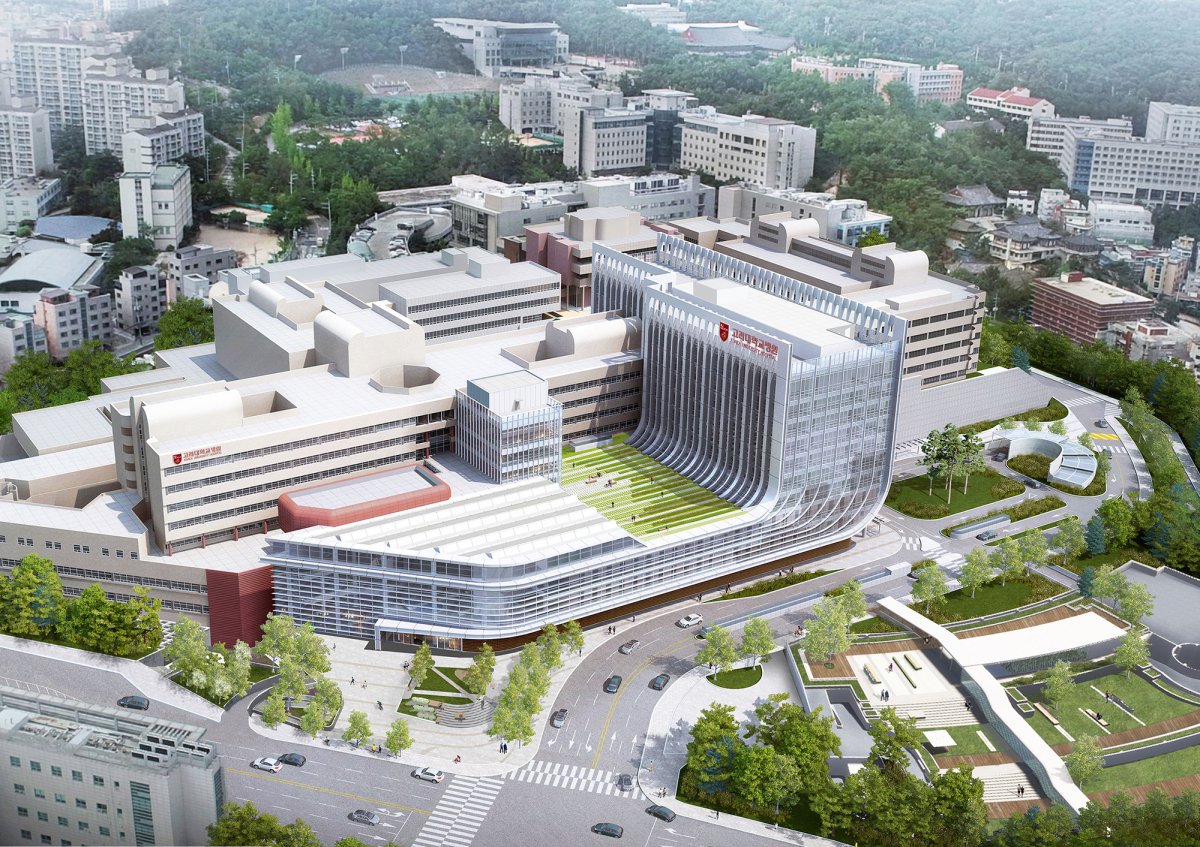
احصلوا على تقييم طبي لـ سرطان المستقيم في كوريا الجنوبية: استشيروا أطباء ذوي خبرة الآن
عرض جميع الأطباء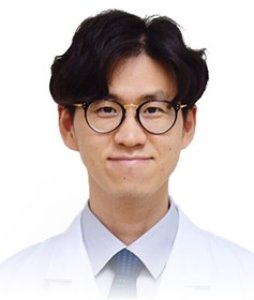
Yu Yeonghun
الدكتور يو يونغهون جرّاح جهاز هضمي ويحمل دكتوراه في الطب. يختص بأمراض وأورام الكبد والبنكرياس والقنوات الصفراوية (HPB). يتركز عمله على سرطانات الكبد والبنكرياس والقنوات الصفراوية والمرارة، إضافة إلى حصوات المرارة وأمراض المرارة الأخرى.
أتمّ فترة الامتياز وإقامة الجراحة العامة في مركز تشا بوندانغ الطبي، ثم أنهى زمالة جراحة HPB في مركز سامسونغ الطبي. عمل أستاذاً مساعداً سريرياً للجراحة في مستشفى جامعة كونكوك تشونغجو وفي مركز سامسونغ الطبي، ثم أصبح أستاذاً للجراحة في مستشفى جامعة أولجي.
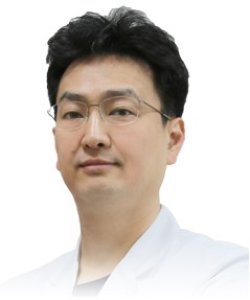
Kim Taekhyeon
الدكتور كيم تايكهيون جرّاح جهاز هضمي ورئيس قسم جراحة الجهاز الهضمي في مستشفى نايون. حصل على درجتَي دكتوراه الطب والماجستير من كلية الطب بجامعة تشونغ أنغ. أكمل فترة الامتياز في مستشفى سونغاي، وإقامة الجراحة العامة في مستشفى جامعة تشونغ أنغ، ثم أنهى زمالة في جراحة الجهاز الهضمي في مستشفى سانت ماري بسيول. عمل سابقًا جرّاحًا استشاريًا في مستشفى غوانغميونغ سونغاي.
تشمل أبحاثه السيرفايفين وHSP90 في سرطان القولون والمستقيم، والسرطانات الأولية الثانية لدى مرضى سرطان المعدة، وسرطان المعدة من نو
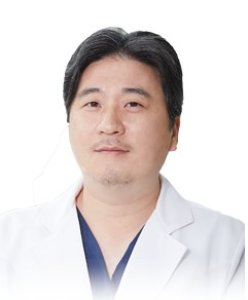
Park Sundo
الدكتور بارك سوندو اختصاصي في جراحة الجهاز الهضمي والجراحة العامة في مستشفى نايون. تشمل خبرته جراحة القولون والمستقيم، وجراحة الشرج والمستقيم، وجراحة الثدي، والغدة الدرقية، والجراحة بالمنظار، وجراحة الجهاز الصفراوي، والبنكرياس، وجراحة الأطفال.
تشمل العلاجات الرئيسية جراحة الشرج والمستقيم مثل استئصال البواسير وعلاج البواسير والناسور الشرجي. يجري جراحات بالمنظار لحصوات المرارة (تحصّي المرارة) والتهاب الزائدة الدودية. يشمل علاجه الأورامي سرطان المعدة والقولون والمستقيم. كما يجري إصلاح الف
مشاركة المحتوى
قصص فيديو من مرضى Bookimed
 Anna Leonova
أسئلة متكررة حول علاج سرطان المستقيم في كوريا الجنوبية
ما هي مسارات العلاج القياسية المعترف بها لسرطان المستقيم في كوريا الجنوبية؟
تعطي مسارات علاج سرطان المستقيم في كوريا الجنوبية الأولوية للرعاية متعددة التخصصات والجراحة طفيفة التوغل. تشمل البروتوكولات القياسية العلاج الكيميائي والإشعاعي المساعد الجديد متبوعاً باستئصال كامل للميزوركتوم للمراحل المتقدمة. تستخدم ما يقرب من 90% من العمليات الجراحية تقنيات تنظير البطن أو الروبوت في مرافق مثل مركز سامسونج الطبي لتعظيم نتائج الحفاظ على العضلة العاصرة.
- بروتوكول المرحلة المبكرة: يظل الاستئصال الجراحي هو الأساس، مع خيارات التنظير الداخلي لأورام T1 منخفضة المخاطر.
- علاج المرحلة المتقدمة: يعمل العلاج الكيميائي والإشعاعي قبل الجراحة أو العلاج المساعد الجديد الشامل على خفض مرحلة الأورام المتقدمة موضعياً بفعالية.
- التكنولوجيا الجراحية: يستخدم الجراحون في مستشفى سيفيرانس روبوتات دافنشي لعمليات تشريح الحوض المعقدة.
- معايير التعافي: تتبع المستشفيات بروتوكولات التعافي المحسن بعد الجراحة (ERAS) لتقليل فترات الإقامة في المستشفى.
- رعاية النقائل: تشمل مسارات المرحلة الرابعة العلاج الكيميائي الجهازي والجراحة الجذرية للآفات القابلة للاستئصال.
رؤية خبير Bookimed: تظهر البيانات من مراكز سيول الرائدة مثل مركز أسان الطبي تحولاً كبيراً نحو العلاج المساعد الجديد الشامل (TNT). يكمل هذا البروتوكول جميع جلسات العلاج الكيميائي والإشعاعي قبل الجراحة بدلاً من تقسيمها. ساعد هذا النهج المراكز الكورية في الحفاظ على معدلات التكرار الموضعي أقل من 5% للحالات المتقدمة.
إجماع المرضى: يؤكد المرضى على ضرورة إجراء
ما مدى أمان وفعالية جراحة سرطان المستقيم الروبوتية وبالمنظار في كوريا؟
تعد كوريا رائدة عالمياً في علاج سرطان المستقيم. تستخدم ما يقرب من 90% من الحالات تقنيات طفيفة التوغل. تبلغ معدلات البقاء على قيد الحياة لمدة 5 سنوات باستخدام الطرق الروبوتية وبالمنظار من 92% إلى 93%. توفر هذه الإجراءات دقة عالية داخل الحوض الضيق. وهي تقلل بشكل كبير من وقت التعافي وفقدان الدم.
- معدلات البقاء على قيد الحياة: تحقق كلتا الطريقتين معدلات بقاء إجمالية لمدة 5 سنوات تتجاوز 92%.
- خطر التحويل: تقلل الجراحة الروبوتية من التحويل إلى الجراحة المفتوحة إلى أقل من 1%.
- الحفاظ على الوظائف: يساعد التصور ثلاثي الأبعاد المحسن في الحفاظ على الوظائف البولية والجنسية الحيوية.
- حجم المستشفى: تعالج المراكز الكبرى مثل مستشفى سيفيرانس أكثر من 4,000,000 مريض خارجي سنوياً.
رؤية خبير Bookimed: يتميز مستشفى أنام بجامعة كوريا ببروتوكولاته للجراحة بدون دم والابتكار الروبوتي. في حين تقدم العديد من المراكز هذه التقنيات، كانت أنام رائدة في أساليب روبوتية محددة كأول مركز في المنطقة. يستفيد المرضى الذين يختارون مراكز ذات حجم كبير مثل مركز أسان الطبي من فرق تجري أكثر من 65,000 عملية سنوياً. غالباً ما يؤدي هذا النطاق الهائل إلى خبرة جراحية أكثر دقة ومعالم تعافي يمكن التنبؤ بها.
إجماع المرضى: يؤكد المرضى أن الجراحة الروبوتية تسمح عادةً بالعودة إلى العمل في غضون 2-4 أسابيع. الخبرة هي المفتاح، لذا يقترحون اختيار جراحين لديهم عدد كبير من الحالات السنوية لضمان استئصال شامل للعقد الليمفاوية.
ما هي المستشفيات والجراحون المعترف بهم دوليًا لعلاج سرطان المستقيم في كوريا الجنوبية؟
تهيمن كوريا الجنوبية على رعاية سرطان المستقيم عالميًا بمعدلات نجاح تتجاوز الولايات المتحدة. يحتل مركز سامسونج الطبي المرتبة الثالثة عالميًا في الأورام ويقود آسيا. تستخدم مؤسسات مثل مركز أسان الطبي ومستشفى سيفيرانس أنظمة دافنشي الروبوتية والعلاج الإشعاعي الموجه بالصور لضمان جراحة عالية الدقة.
- تصنيفات العيادات: يحتل مركز سامسونج الطبي المرتبة الثالثة عالميًا في الأورام وفقًا لمجلة نيوزويك.
- حجم العمليات الجراحية: أجرى مركز أسان الطبي أكثر من 40,000 إجراء للقولون والمستقيم حتى الآن.
- سلامة النظام: يستخدم مستشفى SNU Bundang نظام BESTcare لتقليل الأخطاء أثناء استئصال السرطان.
- الجراحون الخبراء: يتخصص الدكتور كيم سيون هان في استئصال المستقيم الروبوتي في مستشفى أنام.
رؤية خبير Bookimed: بينما يبحث الكثيرون عن مراكز الأورام، فإن تركيز الخبرة في سيول لا مثيل له. يجري مركز أسان الطبي أكثر من 65,000 عملية سنويًا في جميع الأقسام. يسمح هذا الحجم الهائل من المرضى للجراحين مثل البروفيسور يون يونغ سيك بتحقيق دقة استثنائية في استئصال المستقيم الروبوتي. بالنسبة للمرضى، تعني هذه البيئة عالية التردد أن الفرق مستعدة لكل تباين جراحي ممكن.
إجماع المرضى: يشير المرضى إلى أنه من المهم اختيار المستشفيات ذات الأقسام الدولية القوية. غالبًا ما يشعرون براحة أكبر في عيادات مثل أسان أو سامسونج بسبب أنظمة دعم المرضى المنظمة لديهم.
كم من الوقت أحتاج للبقاء في كوريا للتقييم والجراحة والتعافي المبكر بعد الجراحة؟
يجب على المرضى الذين يعالجون من سرطان المستقيم في كوريا الجنوبية التخطيط لإقامة تتراوح بين 14 إلى 21 يوماً. يغطي هذا الجدول الزمني التشخيص المرحلي، والاستئصال الجراحي، والمراقبة المبكرة بعد الجراحة. غالباً ما تتطلب الحالات المعقدة التي تنطوي على جراحة روبوتية أو رعاية متعددة التخصصات ما يقرب من 3 أسابيع للحصول على تصريح السفر الجوي الآمن.
- التقييم التشخيصي: يستغرق التشخيص المرحلي عادةً من 3 إلى 4 أيام في مراكز سيول.
- فترة الاستشفاء: يبقى معظم المرضى في المستشفى لمدة 7 إلى 10 أيام بعد الجراحة.
- مراقبة التعافي: يستمر التعافي محلياً لمدة 5 إلى 7 أيام بعد الخروج من المستشفى.
- نوع العلاج: قد يسمح الاستئصال الروبوتي بفترات تعافي أولية أقصر.
رؤية خبير Bookimed: يجري مركز سامسونج الطبي أكثر من 45,000 عملية سنوياً ويحافظ على معايير صحية رئاسية. تظهر البيانات أن المراكز الكبيرة مثل مستشفى جامعة سيول الوطنية في بوندانغ تستخدم نظام BESTcare الرقمي لتقليل الأخطاء الطبية. غالباً ما تعمل هذه الأتمتة العالية على تبسيط فترة الـ 10 أيام بعد الجراحة من خلال ضمان الدقة خلال مراحل التعافي المبكرة.
إجماع المرضى: يشير المرضى إلى أنه من المهم البقاء بالقرب من العيادة بعد الخروج من المستشفى للعناية بالجروح. ويؤكدون أن الفرق الطبية الكورية الجنوبية دقيقة للغاية خلال الفحص النهائي قبل الرحلة.
ما هي المتابعة ودعم الرعاية اللاحقة التي يمكن للمرضى الدوليين توقعها؟
يتلقى المرضى الدوليون رعاية متابعة منظمة من خلال أنظمة الصحة الرقمية والمراكز الدولية المتخصصة. يشمل الدعم استشارات عن بعد عبر الفيديو، وخطوط ساخنة تعمل على مدار الساعة طوال أيام الأسبوع، وسجلات طبية مترجمة. يضمن التخطيط لمدة تتراوح بين أسبوعين إلى 4 أسابيع في سيول إكمال المراقبة الأساسية بعد الجراحة والفحوصات الأولية.
- المراقبة الرقمية: تستخدم المستشفيات أنظمة إلكترونية لتخزين البيانات وتسهيل الاستشارات عن بعد.
- تخطيط الخروج: توفر المراكز حزمًا مخصصة تحتوي على الأدوية وتمارين إعادة التأهيل والتوجيه الغذائي.
- الفحوصات المجدولة: غالبًا ما تتضمن المتابعة فحوصات الأشعة المقطعية على فترات 3 و 6 و 12 شهرًا.
- دعم اللغة: يساعد المنسقون الناطقون بالإنجليزية وتطبيقات الترجمة في التواصل المستمر ومشاركة السجلات.
رؤية خبير Bookimed: تظهر البيانات من المراكز الرئيسية في سيول مثل مركز أسان الطبي ومركز سامسونج الطبي اعتمادًا كبيرًا على التكامل الرقمي. تستخدم هذه المرافق أنظمة إلكترونية شاملة لضمان استمرارية الرعاية بسلاسة. يجب على المرضى إعطاء الأولوية للعيادات الحاصلة على اعتماد الرعاية الصحية العالمي (GHA) للحصول على أقوى بروتوكولات الرعاية اللاحقة الدولية. تؤكد هذه الشهادة أن المرفق يلبي معايير محددة لإدارة المرضى الأجانب بعد عودتهم إلى ديارهم.
إجماع المرضى: يسلط المرضى الضوء على أهمية البقاء في كوريا لمدة تصل إلى 4 أسابيع بعد الجراحة للتعامل مع التعافي الأولي. يشير الكثيرون إلى أنه على الرغم من أن الدعم الافتراضي ممتاز، إلا أن
هل أنا مرشح جيد لجراحة الحفاظ على العضلة العاصرة أو استراتيجية "المراقبة والانتظار" (watch-and-wait)؟
تعتمد الأهلية لجراحة الحفاظ على العضلة العاصرة أو استراتيجية "المراقبة والانتظار" على استجابتك السريرية للعلاج الأولي. تُطبق استراتيجية "المراقبة والانتظار" إذا اختفى الورم تماماً بعد العلاج الكيميائي. تُعد جراحة الحفاظ على العضلة العاصرة هي المعيار إذا ظل الورم موجوداً ولكنه يقع على بعد 1-2 سم على الأقل من عضلات الشرج.
- معايير "المراقبة والانتظار": تتطلب استجابة سريرية كاملة في التصوير بالرنين المغناطيسي، والتنظير، والفحوصات البدنية.
- الحفاظ الجراحي: ممكن للأورام التي انكمشت بعيداً عن عضلات العضلة العاصرة.
- تقنيات الحفاظ: تحافظ إجراءات مثل الاستئصال الأمامي المنخفض بمساعدة الروبوت على وظيفة الأمعاء الطبيعية.
- الالتزام بالمراقبة: تتطلب المراقبة فحوصات متابعة مكثفة كل 3 أشهر لمدة 5 سنوات.
رؤية خبراء Bookimed: تُظهر البيانات الواردة من المراكز الكبرى في سيول، مثل مركز أسان الطبي، حجماً كبيراً من حالات الأورام المعقدة. يسمح هذا الحجم للجراحين بتحسين التقنيات الروبوتية للاستئصال المنخفض للغاية. في كوريا، غالباً ما يستخدم الجراحون نظام دافنشي للتنقل في مساحات الحوض الضيقة. تحافظ هذه الدقة على الأعصاب ووظيفة العضلة العاصرة حتى في حالات T3 الصعبة. يستفيد المرضى من هذه الخبرة المتخصصة عند السعي للحصول على نتائج تحافظ على الأعصاب.
إجماع المرضى: يشير المرضى إلى أن الاختيار بين الجراحة والمراقبة هو قرار كبير يتعلق بنوعية الحياة. يؤكد الكثيرون على الحاجة إلى وجود أخصائي أشعة ذي خبرة لمراجعة فحوصات ما بعد العلاج بعناية.
ما هي المدن الكورية التي توفر أسهل وصول للسياح الطبيين المصابين بسرطان المستقيم؟
تعد سيول المركز الرئيسي للسياحة الطبية لعلاج سرطان المستقيم في كوريا الجنوبية. فهي تضم مرافق من الدرجة الأولى مثل مركز سامسونج الطبي ومركز أسان الطبي. توفر هذه المؤسسات وصولاً مبسطاً من خلال مراكز دولية مخصصة. يستفيد المرضى من أنظمة دافنشي الروبوتية المتقدمة والسجلات الصحية الرقمية المتكاملة.
- مركز طبي: تضم سيول معظم المستشفيات التي صنفتها مجلة نيوزويك عالمياً للتميز في الأورام.
- معالجة سريعة: توفر مرافق مثل مستشفى جامعة سيول الوطنية أنظمة استشارة سريعة في نفس اليوم.
- الريادة التقنية: كان مستشفى سيفيرانس رائداً في جراحة المستقيم الروبوتية مع دعم واسع للمرضى الدوليين.
- السلامة الرقمية: يستخدم مستشفى جامعة سيول الوطنية (SNUBH) نظام BESTcare لتقليل الأخطاء الطبية أثناء العلاج.
رؤية خبراء Bookimed: بينما توفر مدن مثل إنتشون القرب من المطارات، تظل سيول الخيار العملي الوحيد لأورام المستقيم المعقدة. تظهر بياناتنا تركيزاً هائلاً للخبرات، حيث يخدم مركز سامسونج الطبي وحده أكثر من 2,000,000 مريض سنوياً. البنية التحتية للموظفين الناطقين بالإنجليزية ودعم التأشيرات الطبية أكثر قوة بشكل ملحوظ في سيول مقارنة بالمراكز الساحلية الإقليمية.
إجماع المرضى: يشير المرضى إلى أن البقاء في سيول أمر حيوي لسرطانات الجهاز الهضمي لأن المدن الصغيرة غالباً ما تفتقر إلى خدمات الترجمة المخصصة. التنسيق السلس بين التشخيص والجراحة في عيادات سيول يمنع التأخير الموجود عادة في الأنظمة الإقليمية الأكثر تشتتاً.