سرطان المعدة العلاج في كوريا الجنوبية - التكاليف 2026


تمت مراجعة المقالة طبيا من قبل
فهد مولود
ما هي تكلفة سرطان المعدة إجراءات التشخيص والعلاج في كوريا الجنوبية؟ اعرف الآن
تتضمن تكلفة علاج سرطان المعدة في جمهورية كوريا عادةً الفحوصات الأساسية مثل تنظير المعدة، والتي تتراوح تكلفتها من $150 إلى $210. من $19,500. تعتمد التكاليف الإجمالية على مرحلة السرطان، واستخدام التكنولوجيا الروبوتية، واختيار المستشفى. وغالباً ما يجد المرضى توفيراً بنسبة 40-60% مقارنة بالولايات المتحدة. وتعد سيول وإنشيون المدينتين الرئيسيتين لهذا العلاج.
تكاليف علاج سرطان المعدة النموذجية في جمهورية كوريا
- التشخيص المعقد لسرطان المعدة: السعر عند الطلب
- فحص التصوير المقطعي بالإصدار البوزيتروني (PET-CT): $1,100 – $1,300
- الخزعة: من $370
- استشارة طبيب الأورام: $50 – $75
- جراحة سرطان المعدة: من $19,500
- نظام دافنشي الروبوتي: $14,000 – $21,000
- استئصال المعدة: من $15,000
- العلاج الكيميائي داخل الصفاق بفرط الحرارة (HIPEC): من $18,000
- جاما نايف (Gamma Knife): من $10,000
- استئصال المعدة (Gastroectomy): السعر عند الطلب
رؤية خبراء Bookimed: يجب على المرضى في مراحل متقدمة إعطاء الأولوية للمراكز التي تتمتع بقيادة متخصصة في الأورام. البروفيسور سونغ هون نوه في مستشفى سيفيرانس هو خبير معترف به عالمياً في جراحة سرطان المعدة المتقدم. بالنسبة لأولئك الذين يبحثون عن تكنولوجيا مبتكرة، يوفر مستشفى جامعة كوريا أنام مهارات جراحية روبوتية عالمية المستوى. يعد مركز سامسونج الطبي الأفضل للرعاية متعددة التخصصات، حيث يستخدم تقنيات نوفاليس (Novalis) والعلاج الإشعاعي الموجه بالصور (IGRT). توفر المرافق الحاصلة على اعتماد اللجنة الدولية المشتركة (JCI) مثل مستشفى جانجنام سيفيرانس باقات تشخيصية معقدة للمرضى الدوليين. تضمن هذه المراكز ذات الكفاءة العالية الدقة من خلال أنظمة بيانات المرضى الرقمية.
| كوريا الجنوبية | تركيا | إسبانيا | |
|---|---|---|---|
| نانو نايف NanoKnife | ≈ $17,500 | ≈ $9,500 | ≈ $9,500 |
| منظومة دا فينشي الجراحية | ≈ $14,000 | من $23,900 | ≈ $9,500 |
| سايبر نايف CyberKnife | ≈ $14,000 | من $4,900 | من $14,800 |
| جراحة سرطان المعدة | من $19,500 | من $10,500 | من $28,500 |
| العلاج بالبروتون (انظر العلاج بحزم البروتون) | ≈ $22,000 | من $25,000 | من $43,300 |
مزاياك وضماناتك مع Bookimed
أسعار مباشرة
Bookimed لا يضيف رسوماً إضافية على أسعار علاج سرطان المعدة. الأسعار مأخوذة من قوائم الأسعار الرسمية للعيادات. تدفع مباشرة في العيادة مقابل علاجك عند وصولك إلى البلد.
عيادات وأطباء معتمدون فقط
Bookimed ملتزم بسلامتك. نحن نعمل فقط مع المؤسسات الطبية التي تحافظ على معايير دولية عالية في علاج سرطان المعدة ولديها التراخيص اللازمة لخدمة المرضى الدوليين في جميع أنحاء العالم.
مساعدة مجانية على مدار الساعة
Bookimed يقدم مساعدة خبراء مجانية. منسق طبي شخصي يدعمك قبل وأثناء وبعد العلاج، ويحل أي مشاكل. لن تكون وحيداً أبداً في رحلة علاج سرطان المعدة.

منسقك الطبي الشخصي في Bookimed
- يدعمك في كل مرحلة
- المساعدة في اختيار العيادة الطبية المناسبة والطبيب المناسب
- يضمن الوصول السريع والمريح إلى المعلومات
اكتشف أفضل سرطان المعدة العيادات في كوريا الجنوبية: 10 خيارات معتمدة والأسعار














احصلوا على تقييم طبي لـ سرطان المعدة في كوريا الجنوبية: استشيروا أطباء ذوي خبرة الآن
عرض جميع الأطباء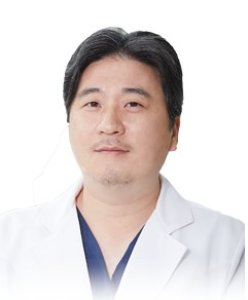
Park Sundo
الدكتور بارك سوندو اختصاصي في جراحة الجهاز الهضمي والجراحة العامة في مستشفى نايون. تشمل خبرته جراحة القولون والمستقيم، وجراحة الشرج والمستقيم، وجراحة الثدي، والغدة الدرقية، والجراحة بالمنظار، وجراحة الجهاز الصفراوي، والبنكرياس، وجراحة الأطفال.
تشمل العلاجات الرئيسية جراحة الشرج والمستقيم مثل استئصال البواسير وعلاج البواسير والناسور الشرجي. يجري جراحات بالمنظار لحصوات المرارة (تحصّي المرارة) والتهاب الزائدة الدودية. يشمل علاجه الأورامي سرطان المعدة والقولون والمستقيم. كما يجري إصلاح الف

Lim Do Hoon
رئيس قسم علاج الأورام بالإشعاع في مركز سامسونج الطبي، يتخصص البروفيسور ليم في علاج سرطان المعدة مع التركيز على العلاج الإشعاعي الدقيق.
- تدرب في مستشفى جامعة سيول الوطنية ومركز سامسونج الطبي
- متخصص في أورام المعدة، والقنوات الصفراوية والبنكرياس، والجهاز العصبي المركزي
- يرأس قسماً رائداً لعلاج الأورام بالإشعاع

Sung Hoon Noh
يقود البروفيسور سونغ هون نوه مركز يونسي للسرطان ويتخصص في علاج سرطان المعدة المتقدم، حيث يجمع بين الخبرة الجراحية والأورام.
- مدير مركز يونسي للسرطان في نظام يونسي الصحي الجامعي
- الرئيس السابق للجمعية الكورية لسرطان المعدة
- حاصل على جائزة السرطان الأكاديمية من الجمعية الكورية لسرطان المعدة
- متخصص في العلاج الجراحي والأورام لسرطان المعدة
المراجعات
جميع المراجعاتمواد ذات صلة
كم تكلفة علاج سرطان المعدة؟
كتب بواسطة Halina Shubala
مشاركة المحتوى
قصص فيديو من مرضى Bookimed
 Anna Leonova
أسئلة متكررة حول علاج سرطان المعدة في كوريا الجنوبية
لماذا تُعتبر كوريا الجنوبية وجهة رائدة لعلاج سرطان المعدة؟
تهيمن كوريا الجنوبية على علاج سرطان المعدة بمعدل بقاء على قيد الحياة لمدة 5 سنوات يتجاوز 77%، وهو معدل رائد عالمياً. معدلات البقاء على قيد الحياة أعلى بكثير مما هي عليه في الولايات المتحدة أو المملكة المتحدة. يضمن الفحص الوطني الشامل تشخيص 63% من الحالات في مراحل مبكرة. يحافظ الجراحون على كفاءة عالية من خلال أحجام إجراءات هائلة.
- الكفاءة الجراحية: تجري المراكز ذات الحجم الكبير عمليات جراحية للمعدة أكثر بـ 10 مرات سنوياً مقارنة بنظيراتها العالمية.
- التكنولوجيا المتقدمة: تستخدم مرافق مثل مركز سامسونج الطبي أنظمة دافنشي الروبوتية ونوفاليس.
- الكشف المبكر: يحدد الفحص بالمنظار معظم الحالات في مراحل مبكرة قابلة للعلاج.
- الريادة في الجراحة طفيفة التوغل: يبتكر المتخصصون في استئصال الغشاء المخاطي بالمنظار لتجنب إزالة المعدة بالكامل.
رؤية خبراء Bookimed: بينما تعطي العديد من الدول الأولوية للعلاج الكيميائي أولاً، تستفيد المراكز الكورية الجنوبية مثل مستشفى جامعة سيول الوطنية من بيانات جراحية ضخمة لتفضيل التدخل المبكر القوي. تسمح هذه الخبرة ذات الحجم الكبير لعيادات مثل مركز أسان الطبي بالحفاظ على معدلات مضاعفات جراحية أقل من 5%، وهو أقل بكثير من المتوسط العالمي البالغ 15%.
إجماع المرضى: يسافر المرضى إلى سيول خصيصاً لإجراءات مثل استئصال الغشاء المخاطي بالمنظار للحفاظ على معدتهم والعودة إلى نظام غذائي طبيعي بسرعة. يلاحظ الكثيرون أن سرعة الرعاية مثيرة للإعجاب، حيث يبدأ العلاج في غضون أسبوعين من الوصول.
ما هي الخيارات الجراحية وغير الجراحية المتاحة لسرطان المعدة في كوريا؟
توفر المراكز الطبية في كوريا علاجات شاملة بما في ذلك الاستئصال بالمنظار، واستئصال المعدة بالمنظار، والجراحة بمساعدة الروبوت. كما تقدم مراكز الأورام المتخصصة خيارات غير جراحية متقدمة مثل العلاج الموجه، والعلاج المناعي باستخدام Keytruda، وHIPEC. تساهم أحجام العمليات الجراحية العالية في تحقيق معدلات بقاء تتجاوز 70% للحالات المتقدمة.
- الاستئصال بالمنظار: يستخدم الجراحون ESD أو EMR لإزالة أورام الغشاء المخاطي في مراحلها المبكرة.
- الجراحة طفيفة التوغل: تعد عمليات استئصال المعدة بالمنظار والجراحة بمساعدة الروبوت هي المعيار لأكثر من 60% من الحالات.
- استئصال العقد الليمفاوية D2: يزيل هذا البروتوكول الروتيني العقد الليمفاوية الإقليمية لتقليل تكرار الإصابة بالسرطان.
- العلاج الجهازي: تشمل الخيارات العلاج الكيميائي بنظام FLOT، والأدوية الموجهة لـ HER2، ومثبطات PD-1.
رؤية خبير Bookimed: يتعامل مركز سامسونج الطبي ومركز أسان الطبي مع أحجام هائلة من المرضى، حيث يعالج مركز أسان أكثر من 11,000 مريض خارجي يوميًا. يسمح هذا التردد العالي للجراحين مثل الدكتور سونغ هون نوه في مستشفى سيفيرانس بصقل تقنيات تشريح العقد الليمفاوية D2 المعقدة. هذه الخبرة هي سبب رئيسي للحفاظ على كوريا في المرتبة الرابعة عالميًا في قاعدة بيانات الوجهات الطبية الخاصة بنا.
إجماع المرضى: يؤكد المرضى أن المراكز الكورية أكثر عدوانية بكثير في الرعاية التلطيفية، مثل تقديم HIPEC أو وضع الدعامات، مقارنة بالنهج الغربي المحافظ. يلاحظ الكثيرون أن وجود منسق يتحدث الإنجليزية أمر
ما هي مستشفيات سيول التي تعالج في أغلب الأحيان مرضى سرطان المعدة الدوليين؟
يعد مركز سامسونج الطبي، ومستشفى سيفيرانس، ومركز آسان الطبي المؤسسات الرئيسية في سيول التي تعالج مرضى سرطان المعدة الدوليين. توفر هذه المرافق المعتمدة من اللجنة الدولية المشتركة (JCI) استئصال المعدة الروبوتي والعلاج المناعي المتقدم. وهي تحتفظ بمراكز دولية مخصصة للتعامل مع الحجم الكبير لحالات الأورام العالمية سنويًا.
- مركز سامسونج الطبي: يجري 45,800 عملية سنويًا مع خدمات رعاية أولية دولية مخصصة.
- مستشفى سيفيرانس: أول مرفق كوري معتمد من اللجنة الدولية المشتركة متخصص في جراحة سرطان المعدة في مراحل متقدمة.
- مركز آسان الطبي: أكبر مستشفى وطني يجري أكثر من 1,500 جراحة لسرطان المعدة سنويًا.
- طاقم جراحي خبير: يرأس البروفيسور سونغ هون نوه في سيفيرانس جمعيات سرطان المعدة الدولية.
رؤية خبير Bookimed: بينما تتصدر سامسونج وآسان في إجمالي حجم المرضى، يتميز مستشفى سيفيرانس بالريادة الجراحية. شغل الدكتور سونغ هون نوه منصب رئيس جمعيات سرطان المعدة الكورية والدولية. هذه السلطة الأكاديمية تجعل سيفيرانس خيارًا استراتيجيًا لحالات المعدة المعقدة أو المتقدمة.
إجماع المرضى: يشير المرضى إلى أن هذه المستشفيات كبيرة جدًا ولكنها تقدم مساعدة يسهل الوصول إليها. ويؤكدون أن استخدام شريك للتقديم أكثر فعالية من الاتصال بالمستشفيات مباشرة.
كم من الوقت يجب أن أخطط للبقاء في كوريا للجراحة والمتابعة المبكرة؟
يجب على المرضى التخطيط للبقاء في كوريا الجنوبية لمدة تتراوح بين 4 إلى 8 أسابيع لعلاج سرطان المعدة. تغطي هذه الفترة التشخيصات الأساسية قبل الجراحة، والإجراء الجراحي، والمراقبة بعد الجراحة. تتطلب معظم الحالات الجراحية ما لا يقل عن 10 إلى 14 يومًا من الإقامة في المستشفى تليها رعاية الجروح في العيادات الخارجية.
- مرحلة التشخيص: خصص من 5 إلى 7 أيام للحصول على نتائج التصوير المقطعي بالإصدار البوزيتروني (PET/CT)، وتنظير المعدة، والخزعة.
- الإقامة في المستشفى: يبقى مرضى استئصال المعدة عادةً في المستشفى لمدة 10 إلى 14 يومًا.
- رعاية المتابعة: ابقَ لمدة 2 إلى 3 أسابيع بعد الخروج لإزالة الدبابيس واستشارات التغذية.
- خطة العلاج: الإقامات الطويلة ضرورية إذا كان العلاج الكيميائي المساعد أو العلاج المناعي مطلوبًا.
رؤية خبير Bookimed: تتعامل مراكز الأورام الرائدة في كوريا مثل مركز سامسونج الطبي وSNUH مع أحجام هائلة من المرضى يوميًا. نظرًا لأن هذه المستشفيات تدير أكثر من 10,000 مريض كل يوم، فإن جداول الجراحة ضيقة للغاية. المرضى الذين ينهون مراجعة الخزعة والأشعة المقطعية في الأسبوع الأول يتجنبون التأخير الطويل. الحصول على تأشيرة طبية لمدة شهرين أكثر أمانًا من دخول السائح العادي لتجنب الأوراق المرهقة للتمديد.
إجماع المرضى: يشير المرضى إلى أنه على الرغم من أن المستشفيات كبيرة، إلا أن المساعدة متاحة دائمًا. يوصي الكثيرون بحزم الأمتعة لإقامة لمدة شهرين لأن التعافي من استئصال المعدة الكامل غالبًا ما يستغرق وقتًا أطول مما كان متوقعًا في البداية
ما هي الخطة الغذائية المتبعة بعد جراحة سرطان المعدة في كوريا؟
تتبع المستشفيات الكورية نظاماً غذائياً مرحلياً يبدأ بقطع الثلج في اليوم الأول. ينتقل المرضى إلى السوائل الصافية بحلول اليوم الثالث وعصيدة الأرز بحلول الأسبوع الأول. يركز هذا البروتوكول المنظم على 6 وجبات صغيرة يومياً. ويهدف إلى منع متلازمة الإغراق وإدارة سعة المعدة المنخفضة.
- تقدم المراحل: يبدأ برشفات من الماء ثم ينتقل إلى الأنظمة الغذائية السائلة.
- الغذاء الأساسي: تعمل عصيدة الأرز (juk) كأساس رئيسي للطعام اللين.
- هدف البروتين: يهدف المرضى إلى تناول 60 جراماً يومياً من التوفو أو السمك أو البيض.
- تقنية الأكل: يؤكد الأطباء على المضغ 30 مرة لكل لقمة لمنع الانسداد.
- فصل السوائل: اشرب السوائل قبل أو بعد الوجبات بـ 30 إلى 60 دقيقة.
رؤية خبير Bookimed: تحافظ كوريا على إحصائيات عالية لعلاج السرطان في مراكز مثل مستشفى جامعة سيول الوطنية. تظهر بياناتنا أن عيادات مثل مركز أسان الطبي تدير أكثر من 65,000 جراحة سنوياً. يسمح هذا الحجم الكبير للفرق الكورية بتحسين بروتوكولات التعافي مثل ERAS. تعطي هذه البروتوكولات الأولوية للتناول الفموي المبكر لتسريع تعافي الأمعاء.
إجماع المرضى: يلاحظ المرضى أن الممرضات يراقبن بصرامة جدول الوجبات الست المكون من الأرز المائي وحساء الأعشاب البحرية. يوصي الكثيرون بتخزين عبوات juk العادية ومساحيق البروتين قبل العودة إلى المنزل لضمان سهولة تحضير الوجبات.