علاج سرطان القولون في كوريا الجنوبية — احصل على 3 عيادات مختارة خصيصاً لك


تمت مراجعة المقالة طبيا من قبل
فهد مولود
كيف نعمل؟
ما هي تكلفة سرطان القولون إجراءات التشخيص والعلاج في كوريا الجنوبية؟ اعرف الآن
تعد تكلفة علاج سرطان القولون في جمهورية كوريا أقل بكثير منها في الولايات المتحدة، حيث يتراوح سعر فحص PET-CT عادةً بين $1,100 و $1,300. من $13,500. تعتمد النفقات الإجمالية على مرحلة السرطان والتكنولوجيا المستخدمة. وغالباً ما يحقق المرضى وفورات تتراوح بين 40-60% مقارنة بالولايات المتحدة. وتعد سيول الوجهة الرئيسية لهذا العلاج.
تكاليف علاج سرطان القولون النموذجية في جمهورية كوريا
- فحص PET-CT: $1,100 – $1,300
- خزعة (Biopsy): من $370
- استشارة طبيب أورام: $50 – $75
- الأشعة المقطعية (CT): $300 – $330
- مراجعة الأنسجة المرضية: السعر عند الطلب
- استئصال القولون (استئصال الأمعاء الغليظة): من $13,500
- نظام دافنشي الجراحي (Da Vinci Robotic System): $14,000 – $21,000
- العلاج الكيميائي مفرط الحرارة داخل الصفاق (HIPEC): من $18,000
- سايبر نايف (CyberKnife): $14,000 – $19,000
- استئصال الأمعاء الغليظة: السعر عند الطلب
رؤية خبراء Bookimed: يجب على المرضى الذين يسعون للحصول على أعلى معدلات البقاء على قيد الحياة التفكير في المرافق الحكومية المعتمدة من قبل اللجنة الدولية المشتركة (JCI) في سيول. يسجل مستشفى جامعة سيول الوطنية (SNUH) أعلى إحصائيات لعلاج السرطان في البلاد. وبالنسبة للحالات المعقدة التي تتطلب دقة عالية، يقدم مركز سامسونج الطبي رعاية بمستوى رئاسي باستخدام تقنيات Novalis و IGRT. تعد الجراحة الروبوتية مثالية لتقليل وقت التعافي. وقد أجرى مستشفى جامعة كوريا أنام أول جراحة روبوتية ناجحة لسرطان المثانة في آسيا، مما يدل على خبرة جراحية استثنائية.
| كوريا الجنوبية | تركيا | إسبانيا | |
|---|---|---|---|
| نانو نايف NanoKnife | ≈ $17,500 | ≈ $9,500 | ≈ $9,500 |
| منظومة دا فينشي الجراحية | ≈ $14,000 | من $23,900 | ≈ $9,500 |
| سايبر نايف CyberKnife | ≈ $14,000 | من $4,900 | من $14,800 |
| المعالجة المقطعية | ≈ $9,000 | من $6,700 | ≈ $7,500 |
| العلاج المناعي مع Keytruda (Pembolizumab) | ≈ $5,200 | من $4,200 | من $10,300 |
اكتشف أفضل سرطان القولون العيادات في كوريا الجنوبية: 10 خيارات معتمدة والأسعار













احصلوا على تقييم طبي لـ سرطان القولون في كوريا الجنوبية: استشيروا أطباء ذوي خبرة الآن
عرض جميع الأطباء
Yu Yeonghun
الدكتور يو يونغهون جرّاح جهاز هضمي ويحمل دكتوراه في الطب. يختص بأمراض وأورام الكبد والبنكرياس والقنوات الصفراوية (HPB). يتركز عمله على سرطانات الكبد والبنكرياس والقنوات الصفراوية والمرارة، إضافة إلى حصوات المرارة وأمراض المرارة الأخرى.
أتمّ فترة الامتياز وإقامة الجراحة العامة في مركز تشا بوندانغ الطبي، ثم أنهى زمالة جراحة HPB في مركز سامسونغ الطبي. عمل أستاذاً مساعداً سريرياً للجراحة في مستشفى جامعة كونكوك تشونغجو وفي مركز سامسونغ الطبي، ثم أصبح أستاذاً للجراحة في مستشفى جامعة أولجي.
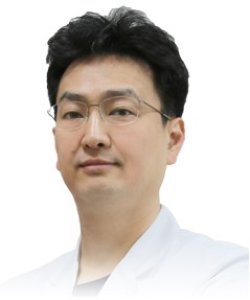
Kim Taekhyeon
الدكتور كيم تايكهيون جرّاح جهاز هضمي ورئيس قسم جراحة الجهاز الهضمي في مستشفى نايون. حصل على درجتَي دكتوراه الطب والماجستير من كلية الطب بجامعة تشونغ أنغ. أكمل فترة الامتياز في مستشفى سونغاي، وإقامة الجراحة العامة في مستشفى جامعة تشونغ أنغ، ثم أنهى زمالة في جراحة الجهاز الهضمي في مستشفى سانت ماري بسيول. عمل سابقًا جرّاحًا استشاريًا في مستشفى غوانغميونغ سونغاي.
تشمل أبحاثه السيرفايفين وHSP90 في سرطان القولون والمستقيم، والسرطانات الأولية الثانية لدى مرضى سرطان المعدة، وسرطان المعدة من نو
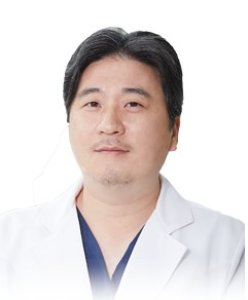
Park Sundo
الدكتور بارك سوندو اختصاصي في جراحة الجهاز الهضمي والجراحة العامة في مستشفى نايون. تشمل خبرته جراحة القولون والمستقيم، وجراحة الشرج والمستقيم، وجراحة الثدي، والغدة الدرقية، والجراحة بالمنظار، وجراحة الجهاز الصفراوي، والبنكرياس، وجراحة الأطفال.
تشمل العلاجات الرئيسية جراحة الشرج والمستقيم مثل استئصال البواسير وعلاج البواسير والناسور الشرجي. يجري جراحات بالمنظار لحصوات المرارة (تحصّي المرارة) والتهاب الزائدة الدودية. يشمل علاجه الأورامي سرطان المعدة والقولون والمستقيم. كما يجري إصلاح الف

Jong Kyun Lee
يُعد البروفيسور جونغ كيون لي من بين أفضل أطباء الجهاز الهضمي في كوريا الجنوبية وآسيا، وهو متخصص في سرطانات البنكرياس والقنوات الصفراوية في مركز سامسونج الطبي.
- تدرب في جامعة سيول الوطنية وجامعة كاليفورنيا
- عضو الجمعية الكورية للتنظير الهضمي
- خبير في علاج التهاب البنكرياس وحصوات المرارة
- عضو في الجمعية الكورية لأمراض البنكرياس والقنوات الصفراوية
مواد ذات صلة
عرض المزيد من التفاصيل
العلاج الحديث لسرطان الأمعاء في ألمانيا
كتب بواسطة Veronika Kazina

الأعراض الرئيسية لسرطان الجهاز الهضمي (الأمعاء)
كتب بواسطة Veronika Kazina

تشخيص سرطان الأمعاء
كتب بواسطة Veronika Kazina

أكثر الأسئلة شيوعًا حول تشخيص سرطان الأمعاء وعلاجه
كتب بواسطة Veronika Kazina

بديل حديث لتنظير القولون "المخيف"
كتب بواسطة Veronika Kazina
مشاركة المحتوى
قصص فيديو من مرضى Bookimed
 Anna Leonova
أسئلة متكررة حول علاج سرطان القولون في كوريا الجنوبية
كيف تقارن معدلات البقاء على قيد الحياة في كوريا الجنوبية بالدول الأخرى؟
تحافظ كوريا الجنوبية على معدل بقاء نسبي لمدة 5 سنوات بنسبة 73.7% لجميع أنواع السرطان، مما يضعها ضمن الأعلى عالمياً. تتفوق الدولة على متوسط منظمة التعاون الاقتصادي والتنمية في الوفيات التي يمكن تجنبها. معدل البقاء على قيد الحياة لسرطان القولون والمستقيم مرتفع بشكل خاص، حيث تظهر الحالات في المرحلة الموضعية معدلات نجاح تصل إلى 92.7%.
- التصنيف الدولي: تمتلك كوريا الجنوبية أعلى درجات البقاء على قيد الحياة من السرطان في مؤشر الرعاية الصحية العالمي (World Healthcare Index).
- نجاح سرطان القولون: يصل معدل البقاء على قيد الحياة لسرطان القولون والمستقيم الموضعي إلى 92.7% من خلال الفحص المكثف والكشف المبكر.
- السلامة الجراحية: تحافظ المراكز الكبرى مثل مركز آسان الطبي (Asan Medical Center) على معدل نجاح بنسبة 90% لعمليات الزرع.
- حجم العلاج: يعالج مركز سامسونج الطبي (Samsung Medical Center) أكثر من 2,000,000 مريض ويجري أكثر من 45,000 عملية جراحية سنوياً.
رؤية خبير Bookimed: تتعامل كوريا الجنوبية مع حجم هائل من المرضى مما يدفع بشكل مباشر إحصائيات البقاء على قيد الحياة المرتفعة لديها. على سبيل المثال، يدير مركز سامسونج الطبي ومستشفى جامعة سيول الوطنية في بوندانغ أكثر من 1,500,000 مريض كل عام. تسمح هذه الخبرة المركزة للجراحين بتحسين التقنيات الروبوتية، مما يؤدي إلى دقة أعلى وتعافٍ أسرع لمرضى السرطان.
إجماع المرضى: غالباً ما يعزو المرضى ثقافة الفحص الروتيني في كوريا إلى اكتشاف السرطان في وقت أبكر مما هو عليه في الدول الغربية. يجد الكثي
ما هي طرق العلاج المستخدمة في المستشفيات الكورية الجنوبية لسرطان القولون؟
تعالج المستشفيات الكورية الجنوبية سرطان القولون باستخدام تقنيات جراحية طفيفة التوغل، والعلاج الكيميائي الموحد، والعلاج المناعي الموجه. أكثر من 85% من الإجراءات تستخدم طرقاً بالمنظار أو بمساعدة الروبوت. توفر المراكز المتخصصة خيارات دقيقة مثل استئصال القولون بمساعدة روبوت دافنشي، والعلاج الكيميائي المسخن أثناء الجراحة، والتحليل الجيني السريع لخطط الطب الشخصي.
- الطرق الجراحية: يمثل استئصال القولون بالمنظار وبمساعدة الروبوت غالبية الإجراءات.
- التقنيات المتقدمة: تستخدم العيادات أنظمة دافنشي، وسايبر نايف، ونانو نايف للدقة.
- العلاج الكيميائي المتخصص: يعالج HIPEC (العلاج الكيميائي داخل الصفاق المسخن) السرطان الذي انتشر إلى الصفاق.
- التشخيص الدقيق: تساعد اختبارات طفرة BRAF و PET/CT الأطباء في اختيار العلاجات المناعية الموجهة.
- الرعاية متعددة التخصصات: تنسق فرق من الجراحين وأطباء الأورام الرعاية للحالات المعقدة.
رؤية خبير Bookimed: يستفيد مركز سامسونج الطبي ومستشفى جامعة سيول الوطنية من أحجام المرضى الهائلة لتحسين الدقة الجراحية. تخدم سامسونج وحدها أكثر من 2,000,000 مريض سنوياً. يسمح هذا التردد العالي للجراحين بالحفاظ على مجموعات مهارات متخصصة. على سبيل المثال، تحقق بعض المراكز الكورية أكثر من 90% من الحفاظ على العضلة العاصرة الشرجية في حالات سرطان المستقيم.
إجماع المرضى: يلاحظ المرضى أن التعافي أسرع مما هو عليه في الدول الغربية. أفاد الكثيرون بخروجهم من المستشفى بعد 3-4 أيام من الجراحة بمساعدة الروبوت
ما هي المستشفيات الأكثر خبرة في رعاية سرطان القولون؟
تشمل المستشفيات الكورية الجنوبية الرائدة لعلاج سرطان القولون مركز سامسونج الطبي ومركز أسان الطبي. توفر هذه المرافق إجراءات استئصال القولون المتقدمة والجراحة الروبوتية باستخدام نظام دافنشي. تحمل معظم المراكز الكبرى اعتمادات JCI و KOIHA. وهي تحافظ على معدلات بقاء عالية وتخدم ملايين المرضى سنويًا.
- مركز أسان الطبي: يجري أكثر من 65,000 عملية جراحية سنويًا عبر 88 قسمًا طبيًا متخصصًا.
- مركز سامسونج الطبي: يستخدم روبوتات دافنشي وتقنية IGRT لعلاج أورام دقيق.
- جامعة كوريا أنام: متخصص في الجراحة الروبوتية بدون دم لتقصير أوقات التعافي بعد الجراحة.
- جامعة سيول الوطنية: تسجل أعلى إحصائيات لنجاح علاج السرطان في كوريا.
رؤية خبير Bookimed: يعد مركز سامسونج الطبي ومركز أسان الطبي من القادة الثابتين في تصنيفات نيوزويك. يشتهر مركز سامسونج الطبي بتقديم رعاية بمستوى رئاسي لأكثر من مليوني مريض سنويًا. تدمج هذه المؤسسات الذكاء الاصطناعي والتصوير الرقمي في علم الأمراض القولونية والمستقيمية لضمان دقة التشخيص قبل الجراحة.
إجماع المرضى: يلاحظ المرضى كفاءة المستشفيات الكورية. يسلط الكثيرون الضوء على مدى سرعة انتقالهم من فحوصات PET التشخيصية الأولية إلى العلاج الجراحي دون تأخير طويل.
ما هي المدة التي يجب أن يتوقعها المرضى الدوليون لإقامتهم؟
يجب على المرضى الدوليين القادمين لعلاج سرطان القولون في كوريا الجنوبية توقع إقامة تتراوح بين 14 إلى 28 يوماً. تغطي هذه الفترة بروتوكول التشخيص قبل الجراحة، والتدخل الجراحي، والتعافي الإلزامي. تتطلب إجراءات البطن الكبرى 10 إلى 14 يوماً من التعافي المحلي قبل أن يصبح السفر الجوي آمناً.
- مرحلة التشخيص: تتطلب البروتوكولات الأورام المعقدة ومسح PET/CT من 3 إلى 7 أيام.
- مدة الإقامة في المستشفى: تتراوح فترات الإقامة القياسية للمرضى الداخليين لاستئصال القولون عادةً من 5 إلى 10 أيام.
- فترة التعافي: يوصي الجراحون بالبقاء لمدة 7 إلى 14 يوماً بعد الخروج من المستشفى لإدارة المضاعفات.
- سلامة السفر: ينصح الخبراء بالانتظار لمدة 14 يوماً بعد جراحة البطن لتجنب جلطات الدم.
رؤية خبير Bookimed: تظهر البيانات من المراكز الرئيسية في سيول تفضيلاً واضحاً للتكامل الرقمي لتقصير فترات الإقامة. تستخدم مرافق مثل مستشفى جامعة سيول الوطنية في بوندانغ نظام BESTcare لتبسيط التنسيق. وهذا يسمح للمرضى الدوليين بإكمال تحديد المرحلة الشامل والجراحة في غضون فترة زمنية أكثر إحكاماً تبلغ 14 يوماً. وهذا أسرع بكثير من المتوسط البالغ 21 يوماً الذي يظهر في مراكز الأورام الإقليمية غير الرقمية.
إجماع المرضى: يشير المرضى إلى أنه من الضروري التخطيط لإقامتك بزيادة أسبوع واحد على الأقل. يساعد هذا الوقت الإضافي في حالة حدوث مشكلات بسيطة مثل إجهاد الأمعاء أو الالتهابات أثناء التعافي.
ما هي التطورات الأخيرة التي يتم دراستها أو تقديمها في كوريا؟
تقدم كوريا الجنوبية تطورات متطورة في رعاية سرطان القولون من خلال دمج الذكاء الاصطناعي والطب التجديدي المتقدم. يتمكن المرضى من الوصول إلى تقنيات متطورة مثل جراحة دافنشي الروبوتية وتقنية النانو نايف (NanoKnife) للتحلل الكهربائي. كما تسمح التغييرات التنظيمية الأخيرة بالاستخدام المدفوع للعلاجات الجينية والخلوية قيد البحث.
- الأنظمة الروبوتية: يستخدم الجراحون نظام دافنشي لإزالة الأورام بدقة وبأقل تدخل جراحي.
- تكنولوجيا الاستئصال: توفر تقنية NanoKnife تدميراً غير حراري للأنسجة للحالات المعقدة بالقرب من الهياكل الحيوية.
- الطب التجديدي: يسمح قانون الطب التجديدي الحيوي المتقدم بالاستخدام السريري للعلاجات القائمة على الخلايا المتخصصة.
- التشخيص الذكي: تدمج المراكز الرائدة الذكاء الاصطناعي في التصوير الرقمي لتحسين دقة اكتشاف الأورام.
رؤية خبير Bookimed: توفر البنية التحتية للمستشفيات الرقمية في كوريا ميزة أمان فريدة للمرضى الدوليين. تستخدم مرافق مثل مستشفى جامعة سيول الوطنية في بوندانغ نظام BESTcare لمنع الأخطاء الطبية. تجري المراكز ذات الحجم الكبير مثل مركز آسان الطبي أكثر من 65,000 عملية جراحية سنوياً. يضمن هذا الحجم الهائل احتفاظ الجراحين بكفاءة عالية في إجراءات القولون والمستقيم المعقدة.
إجماع المرضى: غالباً ما ينبهر المرضى بسرعة الفحوصات التشخيصية والاستخدام السلس لتطبيقات المستشفيات. يلاحظ الكثيرون أن بيئة التكنولوجيا العالية تبدو فعالة، على الرغم من أن الوتيرة في عيادات سيول الكبيرة قد تبدو سريعة جداً.