مرحلة سرطان القولون 4 العلاج في كوريا الجنوبية - التكاليف 2026


تمت مراجعة المقالة طبيا من قبل
فهد مولود
ما هي تكلفة مرحلة سرطان القولون 4 إجراءات التشخيص والعلاج في كوريا الجنوبية؟ اعرف الآن
تتضمن تكلفة علاج سرطان القولون في المرحلة الرابعة في جمهورية كوريا عادةً التشخيصات الأساسية مثل استشارة طبيب الجهاز الهضمي والتي تتراوح بين $55 و $75. من $13,500. تعتمد النفقات الإجمالية على مدى تعقيد العلاج ومستوى العيادة، مما يوفر وفورات بنسبة 40-60% مقارنة بالولايات المتحدة. تشمل أفضل المدن للعلاج سيول وسيونغنام.
تكاليف علاج سرطان القولون في المرحلة الرابعة المعتادة في جمهورية كوريا
- استشارة طبيب الجهاز الهضمي: $55 – $75
- استئصال القولون: من $13,500
- العلاج الكيميائي المسخن داخل الصفاق (HIPEC): من $18,000
- العلاج الكيميائي: من $3,000
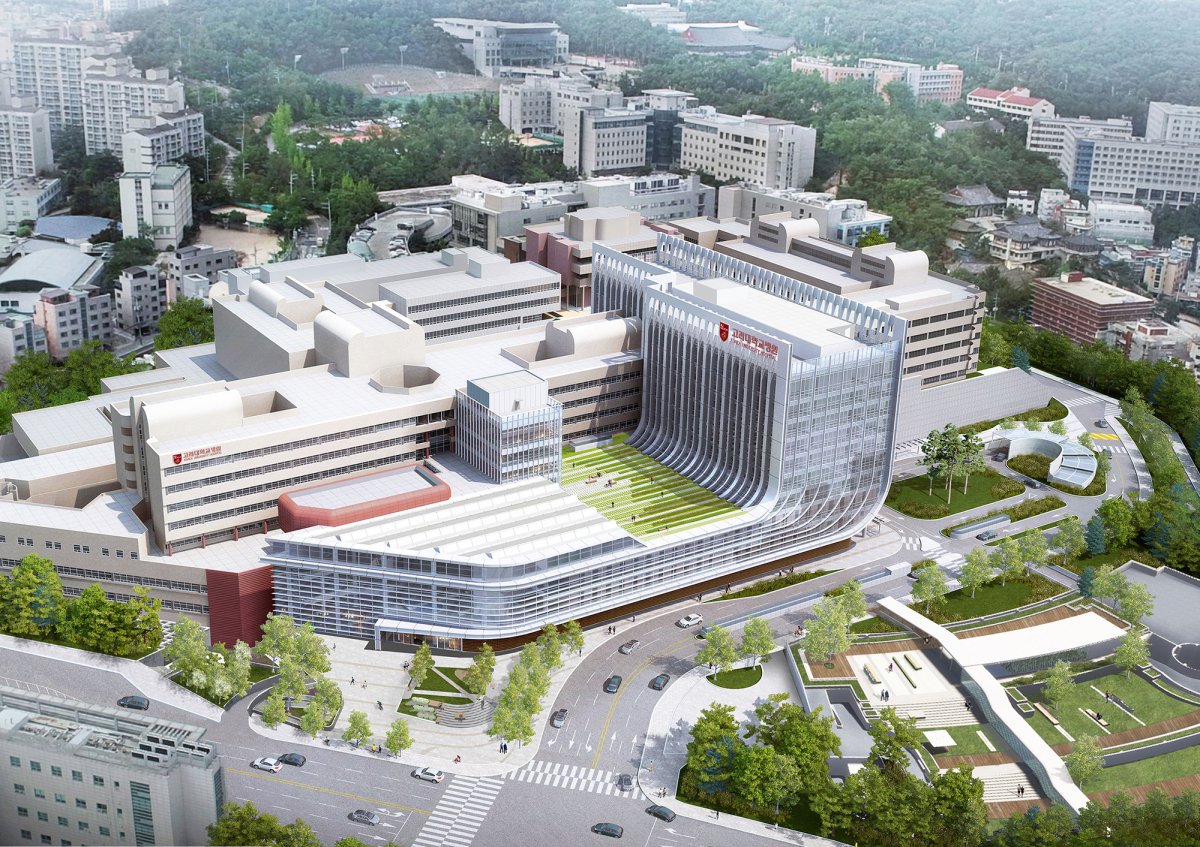
رؤية خبير Bookimed: يستفيد المرضى الذين يحتاجون إلى رعاية متكاملة ومعقدة بشكل أكبر من المستشفيات الرقمية الرائدة في كوريا. يُعد مستشفى جامعة سيول الوطنية (SNUH) مثالياً للحالات المتقدمة، حيث يمتلك أعلى إحصائيات لعلاج السرطان في البلاد. وبالنسبة لأولئك الذين يبحثون عن الدقة، يتخصص مستشفى جامعة كوريا أنام في الجراحة الروبوتية والتقنيات التي لا تتطلب نقل دم لتقليل مخاطر العدوى. غالباً ما يختار المرضى الدوليون مستشفى سيفيرانس لنهجه متعدد التخصصات الحاصل على اعتماد اللجنة الدولية المشتركة (JCI).
مزاياك وضماناتك مع Bookimed
أسعار مباشرة
Bookimed لا يضيف رسوماً إضافية على أسعار علاج مرحلة سرطان القولون 4. الأسعار مأخوذة من قوائم الأسعار الرسمية للعيادات. تدفع مباشرة في العيادة مقابل علاجك عند وصولك إلى البلد.
عيادات وأطباء معتمدون فقط
Bookimed ملتزم بسلامتك. نحن نعمل فقط مع المؤسسات الطبية التي تحافظ على معايير دولية عالية في علاج مرحلة سرطان القولون 4 ولديها التراخيص اللازمة لخدمة المرضى الدوليين في جميع أنحاء العالم.
مساعدة مجانية على مدار الساعة
Bookimed يقدم مساعدة خبراء مجانية. منسق طبي شخصي يدعمك قبل وأثناء وبعد العلاج، ويحل أي مشاكل. لن تكون وحيداً أبداً في رحلة علاج مرحلة سرطان القولون 4.

منسقك الطبي الشخصي في Bookimed
- يدعمك في كل مرحلة
- المساعدة في اختيار العيادة الطبية المناسبة والطبيب المناسب
- يضمن الوصول السريع والمريح إلى المعلومات
اكتشف أفضل مرحلة سرطان القولون 4 العيادات في كوريا الجنوبية: 6 خيارات معتمدة والأسعار












احصلوا على تقييم طبي لـ مرحلة سرطان القولون 4 في كوريا الجنوبية: استشيروا أطباء ذوي خبرة الآن
عرض جميع الأطباء
Keun-Wook Lee
مشاركة المحتوى
قصص فيديو من مرضى Bookimed
 Anna Leonova
أسئلة متكررة حول علاج مرحلة سرطان القولون 4 في كوريا الجنوبية
لماذا تختار كوريا الجنوبية لعلاج سرطان القولون في المرحلة الرابعة؟
تقدم كوريا الجنوبية معدلات بقاء على قيد الحياة لمدة 5 سنوات رائدة عالميًا لسرطان القولون في المرحلة الرابعة من خلال مراكز جراحية ذات حجم كبير ورعاية متعددة التخصصات متقدمة. تستخدم المرافق في سيول أنظمة دافنشي الروبوتية وتوفر تدخلات معقدة مثل HIPEC واستئصال الكبد. تحمل معظم المراكز تصنيفات من قبل اللجنة الدولية المشتركة (JCI) أو مجلة نيوزويك.
- معدلات النجاح: تصنف كوريا الجنوبية باستمرار ضمن الأعلى عالميًا في درجات البقاء على قيد الحياة لسرطان القولون والمستقيم.
- حجم العمليات الجراحية: يجري مركز أسان الطبي أكثر من 65,000 عملية جراحية سنويًا كأكبر مستشفى في كوريا.
- اعتماد رفيع المستوى: تحافظ المراكز الرائدة مثل مستشفى سيفيرانس على المعايير الذهبية للجنة الدولية المشتركة (JCI).
- السلامة الرقمية: يستخدم مستشفى جامعة سيول الوطنية أنظمة إلكترونية لتقليل الأخطاء الطبية أثناء العلاج.
رؤية خبير Bookimed: تتعامل البنية التحتية الطبية في كوريا مع أحجام ضخمة من المرضى تفوق العديد من المراكز الغربية. يعالج مركز أسان الطبي أكثر من 2,500 مريض داخلي يوميًا. هذا النطاق يسمح للجراحين بإجراء آلاف عمليات استئصال القولون سنويًا. غالبًا ما يؤدي هذا التكرار إلى نتائج أفضل في حالات المرحلة الرابعة المعقدة.
إجماع المرضى: يقدر المرضى كيف تسعى المراكز الكورية غالبًا لإجراء جراحة قوية حتى عندما يشعر الأطباء الآخرون بالعجز. يؤكدون على طلب مراجعة جديدة للأشعة، حيث قد يحدد أخصائيو الأشعة الكوريون خيارات علاجية جديدة.
ما هي خطة العلاج النموذجية لسرطان القولون في المرحلة الرابعة؟
يتبع علاج سرطان القولون في المرحلة الرابعة في جمهورية كوريا نهجًا نظاميًا لإدارة الانتشار النقيلي. تشمل البروتوكولات الأولية العلاج الكيميائي متعدد الأدوية مثل FOLFOX أو FOLFIRI. تدمج المراكز الكورية المعتمدة من قبل JCI العلاجات الموجهة والعلاج المناعي بناءً على التنميط الجيني BRAF وMSI-H لتحسين النتائج.
- العلاج الكيميائي النظامي: تجمع أنظمة الخط الأول بين أدوية مثل 5-FU، أوكساليبلاتين، وإيرينوتيكان لتقليص الأورام.
- الاستهداف الجزيئي: يضيف الأطباء بيفاسيزوماب أو سيتوكسيماب بعد تأكيد حالة طفرة KRAS وBRAF.
- التدخل الجراحي: يقوم الجراحون بإزالة الأورام الأولية أو النقائل (استئصال الكبد) إذا أصبحت الأورام قليلة الانتشار.
- العلاج داخل الصفاق: قد تستخدم المراكز المتقدمة مثل SNUBH العلاج الكيميائي داخل الصفاق بالحرارة المفرطة للانتشار البريتوني.
رؤية خبير Bookimed: تُظهر البيانات الصادرة عن مرافق كبرى في سيول مثل مركز أسان الطبي اعتمادًا كبيرًا على التشخيص المدعوم بالذكاء الاصطناعي لتحسين العلاج. تجري هذه المستشفيات أكثر من 65,000 عملية جراحية سنويًا وتعطي الأولوية للتنميط الجيني المبكر. وهذا يسمح للجراحين بتأخير إزالة الورم الأولي إذا كان العلاج النظامي أكثر فعالية في البداية.
إجماع المرضى: يؤكد المرضى أن العلاج شخصي للغاية بناءً على العلامات الجينية وغالبًا ما يتضمن مراقبة متكررة عبر الأشعة المقطعية. يلاحظ الكثيرون أن الجراحة انتقائية وتعتمد عادةً على مدى استجابة السرطان لدورات العلاج الكيميائي الأولى.
هل لا تزال الجراحة خياراً إذا انتشر السرطان؟
تظل الجراحة خياراً قابلاً للتطبيق لسرطان القولون في المرحلة الرابعة إذا كان الانتشار محدوداً أو يتطلب تحكماً موضعياً. يقوم الجراحون بإجراء استئصال النقائل للآفات المعزولة في الكبد أو الرئة. كما تعالج الإجراءات التلطيفية مضاعفات مثل انسداد الأمعاء أو النزيف أو الألم لتحسين جودة حياة المريض.
- استئصال النقائل: يقوم الجراحون بإزالة الانتشار المحدود للسرطان في الكبد أو الرئتين لإطالة أمد البقاء على قيد الحياة.
- علاج HIPEC: يتم تطبيق العلاج الكيميائي الساخن مباشرة في البطن أثناء الجراحة في حالات الانتشار البريتوني.
- الجراحة التلطيفية: إجراءات لتجاوز أو إزالة الأورام التي تسبب انسداداً معوياً يهدد الحياة أو نزيفاً داخلياً.
- استئصال الأمعاء: استئصال القولون يزيل الورم الأولي لمنع الانثقاب حتى في حالات النقائل.
رؤية خبير Bookimed: تُظهر مراكز الأورام في كوريا الجنوبية مثل مركز أسان الطبي ومستشفى جامعة كوريا أنام قدرة تقنية عالية للحالات المعقدة. يجري مركز أسان الطبي أكثر من 65,000 عملية سنوياً مع معدلات نجاح في زراعة الأعضاء تصل إلى 90%. هذه الخبرة حاسمة عندما يحتاج مرضى المرحلة الرابعة إلى استئصال متعدد الأعضاء أو تقنيات الجراحة بدون دم لتسريع التعافي.
إجماع المرضى: يشير المرضى إلى أن المرحلة الرابعة ليست سبباً لاستبعاد الجراحة تلقائياً. يؤكد الكثيرون أن النتائج الناجحة تعتمد غالباً على ما إذا كان العلاج الكيميائي يقلص الأورام بما يكفي لجعلها قابلة للاستئصال.
ما هي العلاجات الموجهة أو العلاجات المناعية المستخدمة عادةً لسرطان القولون في المرحلة الرابعة في كوريا؟
تستخدم المراكز في جمهورية كوريا علاجات موجهة مخصصة بما في ذلك بيفاسيزوماب، سيتوكسيماب، وبانيتوموماب جنبًا إلى جنب مع العلاج الكيميائي الجهازي لسرطان القولون في المرحلة الرابعة. العلاجات المناعية مثل بيمبروليزوماب مخصصة لحالات MSI-H أو dMMR. يتبع اختيار العلاج التنميط الجزيئي عبر تسلسل الجيل التالي في مرافق معتمدة من JCI.
- العوامل الموجهة: عادةً ما يتم إقران بيفاسيزوماب (أفاستين) مع أنظمة FOLFOX أو FOLFIRI.
- العلامات الجزيئية: يعد اختبار طفرات KRAS وNRAS وBRAF V600E أمرًا قياسيًا.
- معايير العلاج المناعي: ينطبق بيمبروليزوماب أو نيفولوماب فقط على أورام dMMR أو MSI-H.
- موقع الورم: غالبًا ما تتلقى أورام RAS ذات النوع البري الموجودة في الجانب الأيسر مثبطات EGFR مثل سيتوكسيماب.
رؤية خبراء Bookimed: توفر كوريا الجنوبية كثافة عالية من رعاية الأورام الرقمية في مراكز مثل مستشفى جامعة سيول الوطنية. تضمن هذه الرقمنة دمج البيانات الجزيئية في خطط العلاج بشكل أسرع مما هو عليه في العديد من المناطق الأخرى. يجب أن يلاحظ المرضى أن المستشفيات الرائدة مثل مركز أسنان الطبي تتعامل مع أحجام هائلة، حيث تعالج أكثر من 11,000 مريض خارجي يوميًا. تؤدي هذه التجربة السريرية الضخمة غالبًا إلى جرعات دواء أكثر دقة وإدارة استباقية للآثار الجانبية من البيولوجيات الموجهة.
إجماع المرضى: يؤكد المرضى أن الاختبار الجزيئي لطفرات RAS وBRAF هو خطوة أولى غير قابلة للتفاوض. وغالبًا ما يذكرون أنه على الرغم من أن العلاجات الموجهة توفر نتائج أفضل، فإن إدارة الآثار ال
هل تتوفر خيارات علاجية متطورة لسرطان القولون في المرحلة الرابعة في كوريا الجنوبية؟
توفر كوريا الجنوبية رعاية متقدمة لسرطان القولون في المرحلة الرابعة من خلال الطب الدقيق والتكنولوجيا الروبوتية. تستخدم المستشفيات مرافق معتمدة من اللجنة الدولية المشتركة (JCI) وعلاج الأيونات الثقيلة لعلاج الحالات المعقدة. تعطي الفرق متعددة التخصصات الأولوية للتحليل الجزيئي وعلاج HIPEC للسيطرة على الانتشار النقيلي مع الحفاظ على معايير عالية للبقاء على قيد الحياة.
- التشخيص الدقيق: الاختبارات الجينية وتحليل BRAF توجه خطط العلاج الموجه والعلاج المناعي.
- علاج الأيونات الثقيلة: تستهدف حزم أيونات الكربون في مستشفى سيفيرانس الأورام المقاومة للإشعاع بدقة عالية.
- الجراحة الروبوتية: يستخدم الجراحون أنظمة Da Vinci لإجراء استئصال طفيف التوغل للنقائل المتقدمة.
- علاج HIPEC: يتم إعطاء العلاج الكيميائي الساخن مباشرة في البطن لعلاج الانتشار الصفاقي.
رؤية خبير Bookimed: بينما يركز معظم المرضى على التكنولوجيا، فإن الحجم الهائل للحالات في مراكز سيول يخلق ميزة خبرة هائلة. يعالج مركز أسان الطبي أكثر من 2500 مريض داخلي يومياً ويجري أكثر من 65000 عملية جراحية سنوياً. تضمن هذه البيئة عالية الكثافة أن الجراحين قد تعاملوا مع تنوعات المرحلة الرابعة أكثر من معظم المتخصصين الغربيين.
إجماع المرضى: يشير المرضى إلى أن المستشفيات الجامعية الكبرى تقدم رعاية أورام قياسية ممتازة. ويؤكدون أن الاختبارات الجزيئية هي خطوة حيوية للوصول إلى خيارات الأدوية الحديثة أثناء العلاج.