سرطان اللوزتين العلاج في كوريا الجنوبية - التكاليف 2026


تمت مراجعة المقالة طبيا من قبل
فهد مولود
ما هي تكلفة سرطان اللوزتين إجراءات التشخيص والعلاج في كوريا الجنوبية؟ اعرف الآن
تتضمن تكلفة علاج سرطان اللوزتين في جمهورية كوريا عادةً فحوصات تشخيصية أساسية مثل مسح PET-CT الذي يتراوح سعره بين $1,100 و $1,300. من $3,000. تعتمد النفقات الإجمالية على مرحلة السرطان، ومتطلبات الجراحة الروبوتية، ومستوى العيادة. غالبًا ما يوفر المرضى ما بين 30-50% مقارنة بالولايات المتحدة. تتركز معظم الرعاية المتخصصة في سيول.
تكاليف علاج سرطان اللوزتين النموذجية في جمهورية كوريا
- استشارة طبيب الأورام: $50 – $75
- مسح PET-CT: $1,100 – $1,300
- الأشعة المقطعية (CT): $300 – $330
- العلاج الكيميائي لسرطان الثدي: من $3,000
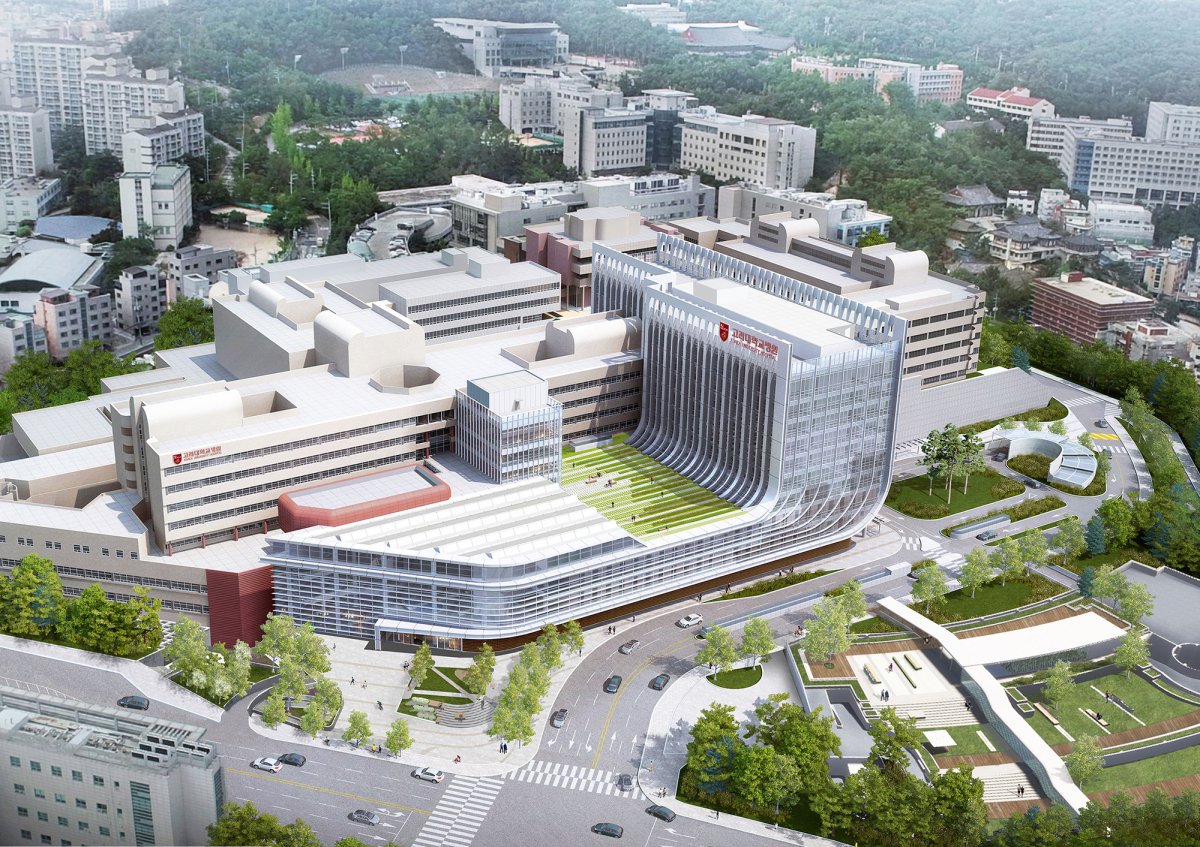
رؤية خبراء Bookimed: يجد المرضى الذين يبحثون عن جراحة الأورام الروبوتية أفضل قيمة في مستشفى جامعة كوريا أنام (Korea University Anam Hospital). لقد أجروا أول جراحة روبوتية للغدة الدرقية عن طريق الفم في العالم ويقدمون بروتوكولات جراحية بدون دم. بالنسبة لسرطان اللوزتين المتقدم، يوصى بمستشفى جامعة سيول الوطنية (SNUH) لمعاييرها التي تضاهي المستوى الرئاسي. تسجل SNUH بعض أعلى إحصائيات علاج السرطان في البلاد. يعد مستشفى سيفيرانس (Severance Hospital) خياراً أول للمرضى الدوليين الذين يحتاجون إلى رعاية متعددة التخصصات. وهو حاصل على اعتماد اللجنة الدولية المشتركة (JCI) ويضم قسماً مخصصاً للأنف والأذن والحنجرة للحالات المعقدة في الحلق.
| كوريا الجنوبية | تركيا | إسبانيا | |
|---|---|---|---|
| نانو نايف NanoKnife | ≈ $17,500 | ≈ $9,500 | ≈ $9,500 |
| العلاج الكيميائي لسرطان الثدي | من $3,000 | من $3,000 | من $1,700 |
| العلاج الإشعاعي لسرطان القولون والمستقيم | ≈ $9,000 | من $5,000 | من $7,500 |
| Halcyon (هالسيون) | ≈ $9,000 | ≈ $9,500 | ≈ $6,500 |
| Cryodestruction | ≈ $900 | من $500 | ≈ $900 |
مزاياك وضماناتك مع Bookimed
أسعار مباشرة
Bookimed لا يضيف رسوماً إضافية على أسعار علاج سرطان اللوزتين. الأسعار مأخوذة من قوائم الأسعار الرسمية للعيادات. تدفع مباشرة في العيادة مقابل علاجك عند وصولك إلى البلد.
عيادات وأطباء معتمدون فقط
Bookimed ملتزم بسلامتك. نحن نعمل فقط مع المؤسسات الطبية التي تحافظ على معايير دولية عالية في علاج سرطان اللوزتين ولديها التراخيص اللازمة لخدمة المرضى الدوليين في جميع أنحاء العالم.
مساعدة مجانية على مدار الساعة
Bookimed يقدم مساعدة خبراء مجانية. منسق طبي شخصي يدعمك قبل وأثناء وبعد العلاج، ويحل أي مشاكل. لن تكون وحيداً أبداً في رحلة علاج سرطان اللوزتين.

منسقك الطبي الشخصي في Bookimed
- يدعمك في كل مرحلة
- المساعدة في اختيار العيادة الطبية المناسبة والطبيب المناسب
- يضمن الوصول السريع والمريح إلى المعلومات
اكتشف أفضل سرطان اللوزتين العيادات في كوريا الجنوبية: 7 خيارات معتمدة والأسعار













مشاركة المحتوى
قصص فيديو من مرضى Bookimed
 Anna Leonova
أسئلة متكررة حول علاج سرطان اللوزتين في كوريا الجنوبية
ما هي طرق العلاج الرئيسية لسرطان اللوزتين في كوريا الجنوبية؟
يتبع علاج سرطان اللوزتين في كوريا الجنوبية بروتوكولات متعددة التخصصات. تستخدم المراكز المتخصصة المعتمدة من قبل اللجنة الدولية المشتركة (JCI) الجراحة الروبوتية عبر الفم (TORS) والعلاج الإشعاعي المعدل الشدة (IMRT). تركز هذه الطرق على الحفاظ على وظائف البلع والنطق. تعالج التقنيات عالية الدقة مثل علاج الأيونات الثقيلة الأورام المقاومة للإشعاع في الحالات المتقدمة.
- الجراحة الروبوتية: تتيح أنظمة دا فينشي إزالة الأورام طفيفة التوغل عبر الفم.
- العلاج الإشعاعي: تستهدف تقنيات IMRT وIGRT الأورام مع حماية الغدد اللعابية السليمة.
- العلاج الجهازي: غالبًا ما يتم الجمع بين العلاج الكيميائي أو الأدوية الموجهة والإشعاع للمراحل المتقدمة.
- بروتوكولات فيروس الورم الحليمي البشري (HPV): قد يقوم الأطباء بتقليل جرعات العلاج للحالات الإيجابية لفيروس HPV لتحسين التعافي.
رؤية خبير Bookimed: كوريا الجنوبية رائدة في التكنولوجيا الروبوتية. طور مستشفى جامعة كوريا أنام أول جراحة روبوتية للغدة الدرقية عبر الفم في العالم. تمتد هذه الخبرة إلى سرطان اللوزتين. يتخصص الجراحون هنا في الأساليب عبر الفم التي تقلل الندبات بشكل كبير. يمكن لبعض الطرق الروبوتية تقليل حجم الندبة بنسبة 90% مقارنة بالجراحة المفتوحة التقليدية. وهذا يجعل سيول وجهة رئيسية للمرضى الذين يعطون الأولوية للنتائج الوظيفية والتجميلية.
إجماع المرضى: يؤكد المرضى على أهمية اختيار المستشفيات ذات الكثافة العالية في سيول. غالبًا ما يشعرون بالقلق بشأن التغيرات الدائمة في البلع والنطق والتذوق بعد ال
هل تتلقى سرطانات اللوزتين إيجابية فيروس الورم الحليمي البشري (HPV) علاجاً مختلفاً في كوريا؟
يميز أطباء الأورام الكوريون علاج سرطان اللوزتين إيجابي فيروس الورم الحليمي البشري (HPV) نظراً لحساسيته العالية للعلاج. وبينما تظل البروتوكولات موحدة، غالباً ما يعطي المتخصصون الأولوية للحفاظ على الأعضاء. تشمل الأساليب الجراحة مع الإشعاع المساعد أو العلاج الكيميائي الإشعاعي الجذري داخل المرافق المعتمدة من قبل اللجنة الدولية المشتركة (JCI) في سيول.
- اختيار العلاج: يفضل معظم الخبراء الكوريين الجراحة بالإضافة إلى الإشعاع المساعد للحالات في مراحلها المبكرة.
- الاستراتيجيات المتقدمة: يظل العلاج الكيميائي الإشعاعي المتزامن الخيار الأساسي لـ 50% من المرضى في المراحل المتقدمة.
- اتجاهات تقليل التصعيد: قد يقوم ما يقرب من 20% من أطباء الأورام بالإشعاع بتقليل الجرعات للحالات إيجابية فيروس الورم الحليمي البشري.
- الوصول إلى التكنولوجيا: تستخدم مراكز مثل مركز سامسونج الطبي العلاج الإشعاعي الموجه بالصور (IGRT) لتقليل الآثار الجانبية.
رؤية خبير Bookimed: بينما يعتقد الكثيرون أن حالة إيجابية فيروس الورم الحليمي البشري تعني تلقائياً علاجاً أقل، تركز المراكز الكورية مثل مستشفى جامعة كوريا أنام على تقنيات متخصصة مثل الجراحة الروبوتية. تشير البيانات إلى أن هذه المرافق الكبرى في سيول تعطي الأولوية للحفاظ على وظيفة البلع من خلال تكنولوجيا دقيقة بدلاً من مجرد تقليل جرعات الإشعاع. اختيار عيادة ذات أحجام جراحية عالية، مثل مركز أسان الطبي الذي يجري أكثر من 65,000 عملية سنوياً، يضمن غالباً نتائج وظيفية أفضل بعد العلاج.
إجماع المرضى: يشير المرضى إل
ما هو معدل النجاح / البقاء على قيد الحياة لسرطان اللوزتين الذي يتم علاجه في كوريا؟
تُبلغ العيادات الكورية الجنوبية عن معدلات بقاء على قيد الحياة لمدة 5 سنوات لسرطان اللوزتين تتراوح بين 81% و 82%. تُظهر الأساليب الجراحية الحديثة للحالات المتقدمة معدل بقاء بنسبة 64% مقارنة بـ 49% للعلاج الكيميائي الإشعاعي. تكون النتائج في أعلى مستوياتها عند العلاج المبكر باستخدام التقنيات الروبوتية مثل نظام دافنشي الجراحي.
- معيار البقاء: تصل معدلات البقاء على قيد الحياة لمدة 5 سنوات إلى 81% إلى 82% في المجموعات الحديثة.
- مقارنة العلاج: تُظهر المجموعات الجراحية معدل بقاء بنسبة 64% مقابل 49% للعلاج الكيميائي الإشعاعي.
- توقعات المرحلة المبكرة: يحافظ مرضى المرحلتين الأولى والثانية على معايير نجاح أعلى بكثير.
- التكنولوجيا المتقدمة: يستخدم مركز سامسونج الطبي تقنيات IGRT و Novalis للإشعاع الدقيق.
رؤية خبراء Bookimed: تنبع ميزة البقاء على قيد الحياة في كوريا من الحجم الهائل للمرضى في المراكز المتخصصة. يعالج مستشفى سيفيرانس ومركز سامسونج الطبي ملايين المرضى سنويًا. يسمح هذا النطاق الضخم للجراحين بإتقان الأنظمة الروبوتية مثل دافنشي. وغالبًا ما يقومون بعمليات إزالة عالية الدقة تحافظ على الكلام والبلع بشكل أفضل من الطرق القياسية.
إجماع المرضى: على الرغم من ارتفاع معدلات البقاء على قيد الحياة، يؤكد المرضى أن النجاح الحقيقي يشمل جودة الحياة. يشير الكثيرون إلى أن التعافي يتضمن إدارة مشاكل البلع وجفاف الفم بعد الإشعاع. العثور على مركز متخصص في الرأس والرقبة في وقت مبكر هو النصيحة الأكثر شيوعًا للحصول على نتائج أفضل على المدى الطويل.
كم يستغرق برنامج العلاج الكامل عادةً؟
يستغرق علاج سرطان اللوزتين في كوريا الجنوبية عادةً من 3 إلى 7 أشهر لبرنامج كامل. غالبًا ما يستغرق العلاج النشط مثل الجراحة أو الإشعاع اليومي من 6 إلى 8 أسابيع. يمتد التعافي الشامل، بما في ذلك إعادة تأهيل البلع ومسح المراقبة، إلى ما بعد فترة الإقامة الأولية في المستشفى بشكل كبير.
- مرحلة التشخيص: تتطلب الفحوصات وتحديد المرحلة عادةً من أسبوع إلى أسبوعين في مستشفيات سيول.
- التدخل الجراحي: تتضمن الجراحة بمساعدة الروبوت عادةً من 5 إلى 10 أيام من الرعاية المتخصصة للمرضى الداخليين.
- دورة الإشعاع: يتطلب العلاج الإشعاعي الموجه بالصور (IGRT) عادةً جلسات يومية على مدار 6 إلى 7 أسابيع.
- فترة التعافي: تستمر إعادة تأهيل البلع وشفاء الأنسجة عمومًا لمدة 3 إلى 6 أشهر.
رؤية خبراء Bookimed: بينما يتوقع الكثيرون تعافيًا سريعًا، تظهر البيانات من المراكز ذات الحجم الكبير مثل مستشفى سيفيرانس أن إعادة التأهيل المتخصصة هي المفتاح. فهم يخدمون أكثر من 1,600,000 مريض خارجي سنويًا، وغالبًا ما يدمجون علاج النطق والبلع في وقت مبكر. قد تمدد هذه البرامج المتكاملة الإقامة لمدة أسبوعين ولكنها تحسن بشكل كبير الحفاظ على النطق على المدى الطويل.
إجماع المرضى: يشير المرضى إلى أن العلاج النشط في المستشفى يبدو قصيرًا، لكن الدعم الغذائي وإدارة جفاف الفم غالبًا ما تستمر لفترة أطول بكثير. يؤكد الكثيرون على التخطيط لعدة أشهر من التعافي حتى بعد اكتمال جلسة الإشعاع الأخيرة.
هل يتم إجراء العلاج بالكامل كحالة تنويم في المستشفى؟
يتبع علاج سرطان اللوزتين في كوريا الجنوبية نموذجاً هجيناً. تتطلب العمليات الجراحية الكبرى والتعافي الأولي دخول المستشفى. عادة ما يتم إجراء الرعاية بعد الجراحة والعلاج الإشعاعي والعلاج الكيميائي كجلسات خارجية. ينتقل معظم المرضى إلى الرعاية الخارجية بمجرد وصولهم إلى مؤشرات صحية مستقرة ومستويات ألم يمكن التحكم فيها.
- الدخول الجراحي: يتطلب إقامة في المستشفى معتمدة من JCI لاستئصال الأورام المعقدة.
- جلسات الإشعاع: تُعطى يومياً في وحدات خارجية على مدى عدة أسابيع.
- حقن العلاج الكيميائي: تُجرى في مراكز نهارية مخصصة مع الخروج في نفس اليوم.
- التعافي الروبوتي: غالباً ما تقلل تقنيات الوصول البسيط مثل Da Vinci من وقت التنويم في المستشفى.
رؤية خبير Bookimed: تعطي مراكز الأورام في كوريا الجنوبية الأولوية لسرعة دوران المرضى والكفاءة القصوى. في مرافق مثل مركز أسان الطبي، يتم علاج أكثر من 11,800 مريض خارجي يومياً. هذا الحجم الكبير يعني أن الجراحين غالباً ما يخرجون المرضى في وقت أقرب مما هو عليه في البلدان الأخرى. خطط لإقامة في المستشفى لمدة 7 أيام للجراحة، ولكن توقع إقامة في فندق قريب خلال الشهر التالي للعلاج الإشعاعي.
إجماع المرضى: يشير المرضى إلى أن الإقامة في المستشفى للجراحة غالباً ما تكون قصيرة. يؤكد معظمهم أن إدارة الألم والتغذية السائلة في المنزل هي الجزء الأكثر صعوبة في التعافي.
كيف يدير المرضى الدوليون المواعيد والترجمة والخدمات اللوجستية في كوريا؟
يدير المرضى الدوليون رعايتهم من خلال مراكز الرعاية الصحية الدولية (IHCs) داخل المستشفيات الكبرى في سيول. تتعامل هذه الأقسام المتخصصة مع الجدولة والترجمة الإنجليزية والوثائق الطبية. يسهل المنسقون المتخصصون التواصل بين فرق الأورام والمرضى. تحافظ المرافق عمومًا على اعتماد اللجنة الدولية المشتركة (JCI) لضمان معايير السلامة العالمية.
- بروتوكولات التنقل: تعمل مراكز الرعاية الصحية الدولية كنقطة دخول أساسية لحجز مواعيد سرطان اللوزتين.
- طبقات الترجمة: توفر المستشفيات منسقين ثنائي اللغة للمناقشات السريرية وشرح نماذج الموافقة.
- الدعم اللوجستي: تساعد الفرق في وثائق التأشيرة، ونقل المطار، وترتيبات الإقامة بالقرب من المستشفى.
- رقمنة البيانات: تستخدم مراكز مثل مستشفى جامعة سيول الوطنية أنظمة رقمية لتقليل الأخطاء.
رؤية خبير Bookimed: يتحرك النظام الطبي في كوريا بسرعة لا تصدق بمجرد دخولك إلى النظام. يتعامل مركز آسان الطبي وحده مع أكثر من 11,800 مريض خارجي يوميًا. هذا الحجم الكبير يعني أن المواعيد منظمة للغاية ودقيقة. لتجنب التأخير، أحضر نسخًا رقمية من جميع شرائح علم الأمراض والمسوحات الضوئية. إن توفر هذه الوثائق يسمح للجراحين بإنهاء خطط العلاج دون تكرار التشخيصات الأساسية.
إجماع المرضى: يؤكد المرضى أن الموعد الأولي هو أصعب خطوة يمكن ترتيبها بشكل مستقل. بمجرد التسجيل، تصبح العملية متوقعة، على الرغم من أنهم يوصون بالبقاء بالقرب من المستشفى لإدارة زيارات المتابعة المتكررة بسهولة.