مرحلة سرطان الكبد 2 العلاج في كوريا الجنوبية - التكاليف 2026


تمت مراجعة المقالة طبيا من قبل
فهد مولود
ما هي تكلفة مرحلة سرطان الكبد 2 إجراءات التشخيص والعلاج في كوريا الجنوبية؟ اعرف الآن
تتضمن تكلفة علاج سرطان الكبد في المرحلة الثانية في جمهورية كوريا عادةً الفحوصات الأساسية مثل استشارة طبيب الأورام، والتي تتراوح ما بين $50 إلى $75. من $3,000. تختلف النفقات الإجمالية بناءً على مستوى المستشفى وتعقيد الورم، على الرغم من أن المرضى غالباً ما يحققون وفورات تتراوح بين 30-50% مقارنة بالولايات المتحدة. تقع معظم المراكز الطبية رفيعة المستوى في سيول.
تكاليف علاج سرطان الكبد في المرحلة الثانية المعتادة في جمهورية كوريا
- استشارة طبيب الأورام: $50 – $75
- تصوير الصدر بالأشعة المقطعية (CT): من $230
- العلاج الكيميائي: من $3,000
رؤية خبراء Bookimed: يجب على المرضى الذين يبحثون عن أعلى المعايير السريرية التفكير في مستشفى جامعة سيول الوطنية، الذي يسجل إحصائيات الأورام الرائدة في البلاد. بالنسبة للحالات المعقدة التي تنطوي على احتياجات طبية ثانوية، يوفر مركز أسان الطبي معدل نجاح بنسبة 90% في زراعة الأعضاء وتنسيقاً بين الفرق متعددة التخصصات. تعتبر المرافق المعتمدة من قبل اللجنة الدولية المشتركة (JCI) مثل مستشفى سيفيرانس مثالية للمرضى الدوليين الذين يرغبون في بروتوكولات سلامة بمعايير غربية وطاقم عمل يتحدث الإنجليزية.
| كوريا الجنوبية | تركيا | إسبانيا | |
|---|---|---|---|
| العلاج الكيميائي لسرطان الثدي | من $3,000 | من $3,000 | من $1,700 |
| العلاج الإشعاعي لسرطان القولون والمستقيم | ≈ $9,000 | من $5,000 | من $7,500 |
مزاياك وضماناتك مع Bookimed
أسعار مباشرة
Bookimed لا يضيف رسوماً إضافية على أسعار علاج مرحلة سرطان الكبد 2. الأسعار مأخوذة من قوائم الأسعار الرسمية للعيادات. تدفع مباشرة في العيادة مقابل علاجك عند وصولك إلى البلد.
عيادات وأطباء معتمدون فقط
Bookimed ملتزم بسلامتك. نحن نعمل فقط مع المؤسسات الطبية التي تحافظ على معايير دولية عالية في علاج مرحلة سرطان الكبد 2 ولديها التراخيص اللازمة لخدمة المرضى الدوليين في جميع أنحاء العالم.
مساعدة مجانية على مدار الساعة
Bookimed يقدم مساعدة خبراء مجانية. منسق طبي شخصي يدعمك قبل وأثناء وبعد العلاج، ويحل أي مشاكل. لن تكون وحيداً أبداً في رحلة علاج مرحلة سرطان الكبد 2.

منسقك الطبي الشخصي في Bookimed
- يدعمك في كل مرحلة
- المساعدة في اختيار العيادة الطبية المناسبة والطبيب المناسب
- يضمن الوصول السريع والمريح إلى المعلومات
اكتشف أفضل مرحلة سرطان الكبد 2 العيادات في كوريا الجنوبية: 6 خيارات معتمدة والأسعار











احصلوا على تقييم طبي لـ مرحلة سرطان الكبد 2 في كوريا الجنوبية: استشيروا أطباء ذوي خبرة الآن
عرض جميع الأطباء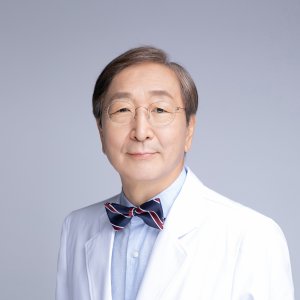
Lee Seok Gu
يعد الأستاذ الدكتور لي سيوك-غو جراحاً رائداً في مجال زراعة الكبد في مستشفى ميونغجي، حيث أجرى حوالي 2000 عملية زراعة كبد. وقد حقق أول عملية زراعة كبد بدون نقل دم في كوريا، كما أجرى عملية زراعة خلايا كبدية لرضيع يبلغ من العمر شهراً واحداً. وقاد أول استخدام سريري للكبد الحيوي الاصطناعي لعلاج فشل الكبد الحاد، بالإضافة إلى إجرائه عمليات زراعة من متبرعين أحياء في مصر وتدريبه لفرق طبية في فيتنام.
يشغل منصب أستاذ الجراحة في مستشفى ميونغجي، وهو المدير السابق لمركز زراعة الأعضاء في مركز سامسونج
مشاركة المحتوى
قصص فيديو من مرضى Bookimed
 Anna Leonova
أسئلة متكررة حول علاج مرحلة سرطان الكبد 2 في كوريا الجنوبية
هل يعتبر زرع الكبد خيارًا شائعًا وآمنًا لسرطان الكبد في المرحلة الثانية في المستشفيات الكورية؟
تعد عملية زرع الكبد خيارًا علاجيًا شائعًا وآمنًا لسرطان الكبد في المرحلة الثانية في كوريا الجنوبية. تبلغ المرافق مثل مركز أسعد الطبي (Asan Medical Center) عن معدلات نجاح تصل إلى 90% لعمليات زرع الأعضاء. توفر المراكز ذات الحجم الكبير معدلات بقاء على قيد الحياة لمدة 5 سنوات تزيد عن 75% للمرضى المؤهلين.
- انتشار التبرع من متبرع حي: تعد عملية زرع الكبد من متبرع حي (LDLT) هي الخيار الأساسي بسبب نقص المتبرعين.
- نتائج البقاء على قيد الحياة: تبلغ المستشفيات الكورية عن معدلات بقاء على قيد الحياة لمدة 10 سنوات تبلغ حوالي 70% لمتلقي الأعضاء.
- حجم العمليات في المستشفى: تعالج المراكز الرائدة مثل مستشفى جامعة سيول الوطنية (SNUH) أكثر من 10,700 مريض يوميًا لاحتياجات أورام متنوعة.
- معايير الاعتماد: تحافظ مرافق الزرع الرائدة على شهادات JCI و KOIHA لضمان السلامة الجراحية.
رؤية خبير Bookimed: يعد حجم المرضى مؤشرًا موثوقًا للنجاح في طب الزرع الكوري. يجري مركز أسعد الطبي أكثر من 65,000 عملية سنويًا ويتعامل مع أكثر من 2,500 مريض داخلي يوميًا. يساعد هذا الحجم الهائل الجراحين في الحفاظ على الدقة التقنية في إجراءات التبرع الحي المعقدة. هذه الخبرة هي سبب رئيسي وراء تقرير كوريا عن واحدة من أعلى معدلات البقاء على قيد الحياة عالميًا.
إجماع المرضى: يلاحظ المرضى أن الزرع غالبًا ما يكون خيارًا انتقائيًا يعتمد على تليف الكبد وتوافر الأعضاء. يوصون بتأكيد معايير الأهلية المحددة في مراكز التعليم العالي الكبيرة قبل وضع خطط العلاج النهائية.
ما هي التقنيات الجراحية المتقدمة وطفيفة التوغل المتاحة في كوريا لعلاج سرطان الكبد في المرحلة الثانية؟
تستخدم المراكز الكورية الجنوبية استئصال الكبد الروبوتي واستئصال الكبد بالمنظار لعلاج سرطان الكبد في المرحلة الثانية. تستخدم هذه التقنيات شقوقاً صغيرة لتقليل الصدمات. يستخدم الجراحون تقنية التلوين بـ Indocyanine Green للدقة. تضمن هذه التقنية الحصول على حواف سلبية مع الحفاظ على أنسجة الكبد السليمة والأوعية الدموية.
- استئصال الكبد الروبوتي: يستخدم أذرعاً روبوتية لرؤية ثلاثية الأبعاد وتحكم دقيق في الأوعية الدموية بدون اهتزاز.
- استئصال الكبد بالمنظار: إزالة جراحية قياسية باستخدام أنابيب موجهة بالكاميرا لأوقات تعافٍ أسرع.
- الفلورة بـ ICG: يساعد الصباغ المحقون الجراحين على رؤية حواف الورم بوضوح أثناء الجراحة.
- تقنيات الاستئصال: خيارات مثل الاستئصال بالترددات الراديوية تستهدف الأورام الصغيرة في المرحلة الثانية دون جراحة.
رؤية خبير Bookimed: تعمل كوريا كمركز لحجم جراحي هائل. يتعامل مستشفى جامعة سيول الوطنية مع بعض أعلى إحصائيات السرطان على المستوى الوطني. تترجم هذه الخبرة الواسعة إلى دقة عالية. يقوم مركز أسان الطبي بإجراء أكثر من 65,000 عملية سنوياً. يسمح هذا الحجم للفرق بإتقان عمليات الاستئصال التشريحية التي نادراً ما يتم إجراؤها في أماكن أخرى.
إجماع المرضى: يلاحظ المرضى أن هذه الفرق المتخصصة تجعل التعافي أسرع بكثير. وغالباً ما يؤكدون أن الإقامة في المستشفى أقصر مما كان متوقعاً بعد إجراءات المنظار.
كيف تقارن معدلات البقاء على قيد الحياة لسرطان الكبد في المرحلة الثانية في كوريا بالمعايير العالمية؟
أبلغت كوريا الجنوبية عن معدل بقاء لمدة 5 سنوات بنسبة 71.3% لمرضى سرطان الكبد. وهذا يتفوق بشكل كبير على المتوسط العالمي ومعايير أمريكا الشمالية التي تتراوح بين 50% إلى 70%. تساهم النجاحات الجراحية العالية والمراقبة الأورام الوطنية في هذه النتائج السريرية المتفوقة في كوريا.
- معيار البقاء: أبلغت كوريا عن معدل بقاء لمدة 5 سنوات يصل إلى 71.3% للحالات الموضعية.
- ميزة مقارنة: تتجاوز المعدلات الكورية عتبة الـ 50% التي أبلغت عنها شبكات الأورام الغربية الكبرى.
- النجاح الجراحي: تبلغ المراكز الرائدة مثل مركز Asan الطبي عن معدلات نجاح في عمليات الزرع تبدأ من 90%.
- تكنولوجيا الدقة: تستخدم المستشفيات أنظمة BESTcare لتقليل الأخطاء الطبية وتحسين سلامة العلاج.
رؤية خبير Bookimed: بينما تحافظ العديد من الدول على معدل بقاء بنسبة 50%، تستفيد أفضل العيادات الكورية من أحجام المرضى الهائلة لصقل خبراتها. يتعامل مركز Asan الطبي وحده مع أكثر من 65,000 عملية سنوياً. تتيح هذه البيئة ذات التكرار العالي للجراحين الكوريين إتقان تقنيات معقدة مثل جراحة السرطان الروبوتية. حتى أن مستشفى جامعة كوريا Anam طور أول طريقة جراحة روبوتية للغدة الدرقية عن طريق الفم. بالنسبة لسرطان الكبد في المرحلة الثانية، تعد هذه الدقة الجراحية عاملاً حاسماً في ميزة البقاء بنسبة 71% في كوريا.
ما هي العلاجات الجهازية أو الموجهة الحديثة التي يمكن للمرضى الدوليين الحصول عليها لسرطان الكبد في المرحلة الثانية في كوريا؟
يحصل المرضى الدوليون في كوريا على علاجات جهازية حديثة لسرطان الكبد في المرحلة الثانية، بما في ذلك تركيبات أتيزوليزوماب-بيفاسيزوماب والعوامل الموجهة مثل ريجورافينيب أو سورافينيب. توفر المراكز المعتمدة من قبل JCI في سيول هذه البروتوكولات للحالات غير القابلة للاستئصال أو المتكررة بعد التشخيص الدقيق بالأشعة المقطعية للبطن والصدر.
- العلاج الموجه: تثبط مثبطات تيروزين كيناز مثل سورافينيب وكابوزانتينيب نمو الأوعية الدموية للورم.
- العلاج المناعي: يُستخدم مزيج أتيزوليزوماب-بيفاسيزوماب للمرضى الذين يحتاجون إلى رعاية جهازية بدلاً من المحلية.
- عوامل محددة: يتوفر راموسيروماب للمرضى الذين لديهم مستويات ألفا فيتوبروتين تتجاوز 400 نانوغرام/مل.
- بروتوكولات مركبة: قد يجمع الأطباء بين الانصمام الكيميائي والعلاج الإشعاعي لتحسين النتائج في حالات المرض الموضعي.
رؤية خبير Bookimed: بينما يبحث الكثيرون عن الأدوية الجهازية، تعطي المستشفيات الكورية مثل مركز آسان الطبي (Asan Medical Center) ومستشفى جامعة سيول الوطنية (SNUH) الأولوية للخبرة الجراحية عالية الحجم. يجري مركز آسان الطبي أكثر من 65,000 عملية سنوياً بنسبة نجاح 90% في عمليات زراعة الأعضاء. تعني هذه القدرة الجراحية غالباً أن المرضى الذين تم تشخيصهم في البداية للعلاج الجهازي قد يتم إعادة تقييمهم لاستئصال علاجي أو جراحة روبوتية متقدمة في مراكز مثل مستشفى جامعة كوريا آنام (Korea University Anam Hospital).
إجماع المرضى: يؤكد المرضى على أهمية التأكد من قابلية استئصال الورم قبل الالتزام بخطط
ما الذي تستلزمه رعاية المتابعة الروتينية بعد علاج سرطان الكبد في المرحلة الثانية في كوريا؟
تتضمن المتابعة الروتينية لسرطان الكبد في المرحلة الثانية في كوريا مراقبة منظمة كل شهرين إلى 6 أشهر خلال العامين الأولين. تشمل الفحوصات المعتمدة على البروتوكول الأشعة المقطعية الديناميكية المعززة بالتباين، والتصوير بالرنين المغناطيسي الخاص بالكبد، وتحاليل دم ألفا فيتوبروتين (AFP) للكشف عن تكرار الإصابة مبكراً.
- تكرار المراقبة: تتم المواعيد كل 3-6 أشهر بعد الفترة المكثفة الأولية التي تبلغ عامين.
- التصوير التشخيصي: تحدد الأشعة المقطعية أو التصوير بالرنين المغناطيسي المعزز بالتباين الآفات الجديدة قبل ظهور الأعراض.
- علامات الأورام: تراقب تحاليل الدم المنتظمة مستويات مصل ألفا فيتوبروتين لتتبع التكرار المحتمل.
- إدارة التهاب الكبد: يتلقى المرضى علاجاً مضاداً للفيروسات نشطاً لالتهاب الكبد B أو C.
- وظائف الكبد: تضمن الاختبارات المستمرة احتفاظ أنسجة الكبد المتبقية بقدرة صحية.
رؤية خبير Bookimed: تتعامل المراكز الكورية مثل مركز آسان الطبي (Asan Medical Center) ومستشفى جامعة سيول الوطنية (SNUH) مع أعداد هائلة من المرضى، تصل إلى الملايين سنوياً. يخلق هذا النطاق أنظمة متابعة رقمية عالية الكفاءة حيث يتم مراجعة نتائج المختبر والتصوير غالباً في نفس اليوم. يستفيد المرضى من سرعة التنفيذ هذه، حيث يمكن معالجة التكرار على الفور بعلاجات موضعية أو تقييمات متعلقة بالزراعة.
إجماع المرضى: يجد المرضى الجدول الزمني أكثر كثافة مما كان متوقعاً، لكنهم يقدرون سرعة الحصول على نتائج الأشعة. يلاحظ الكثيرون أن المواعيد تركز بالتس