عيادات طب زراعة الأعضاء في تركيا

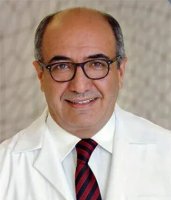
تمت مراجعة المقالة طبيا من قبل
Kamil Yalcin Polat
ما هي تكلفة طب زراعة الأعضاء في تركيا؟ اكتشف الآن
تتراوح تكلفة عمليات زراعة الأعضاء في تركيا عادةً ما بين $97,300 و $216,700، مما يجعلها وجهة يسهل الوصول إليها لإجراء العمليات الجراحية المعقدة. تعتمد الأسعار على نوع العضو المحدد، والحالة الصحية للمتبرع، ومستوى الرعاية المطلوبة بعد الجراحة في وحدة العناية المركزة. يمكن للمرضى توقع توفير ما بين 70-90% مقارنة بالولايات المتحدة.
متوسط تكاليف زراعة الأعضاء في تركيا
- استشارة مع وضع خطة علاجية: $110 – $220
- تحديد النمط الجيني (HLA-typing): $1,100 – $1,500
- اختبار الحمض النووي (DNA): من $4,000
- زراعة الكلى: $16,000 – $19,000
- زراعة الكبد: $45,000 – $55,000
- زراعة القرنية: $6,000 – $11,500
- زراعة الرئة: $140,000 – $190,000
- زراعة القلب: $175,000 – $250,000
- زراعة القلب والرئة: $150,000 – $210,000
يتم إجراء معظم عمليات زراعة الأعضاء في مراكز طبية مثل إسطنبول وأنقرة وأنطاليا، حيث توجد المستشفيات الجامعية المتخصصة. تظل الأسعار متسقة نسبيًا عبر هذه المراكز الرئيسية. يرجى استشارة أخصائي للحصول على تسعير دقيق لحالتك الطبية المحددة.
| تركيا | إسبانيا | ألمانيا | |
|---|---|---|---|
| زرع القلب | ≈ $175,000 | ≈ $140,000 | ≈ $130,000 |
| زرع القرنية | من $6,000 | من $8,400 | من $6,800 |
| زراعة الكلى | من $16,000 | ≈ $68,000 | من $85,000 |
| زراعة الكبد | من $45,000 | من $150,000 | من $180,000 |
| زراعة القلب والرئة | ≈ $150,000 | ≈ $185,000 | ≈ $230,000 |
مزاياك وضماناتك مع Bookimed
أسعار مباشرة
Bookimed لا يضيف رسوماً إضافية على أسعار علاج طب زراعة الأعضاء. الأسعار مأخوذة من قوائم الأسعار الرسمية للعيادات. تدفع مباشرة في العيادة مقابل علاجك عند وصولك إلى البلد.
عيادات وأطباء معتمدون فقط
Bookimed ملتزم بسلامتك. نحن نعمل فقط مع المؤسسات الطبية التي تحافظ على معايير دولية عالية في علاج طب زراعة الأعضاء ولديها التراخيص اللازمة لخدمة المرضى الدوليين في جميع أنحاء العالم.
مساعدة مجانية على مدار الساعة
Bookimed يقدم مساعدة خبراء مجانية. منسق طبي شخصي يدعمك قبل وأثناء وبعد العلاج، ويحل أي مشاكل. لن تكون وحيداً أبداً في رحلة علاج طب زراعة الأعضاء.

منسقك الطبي الشخصي في Bookimed
- يدعمك في كل مرحلة
- المساعدة في اختيار العيادة الطبية المناسبة والطبيب المناسب
- يضمن الوصول السريع والمريح إلى المعلومات
اكتشف أفضل عيادات طب زراعة الأعضاء: 108 خيارات معتمدة والأسعار









أفضل مراكز طب زراعة الأعضاء في تركيا
- Dunyagoz Eye Hospital Istanbul Etiler, تركيا
- Memorial Bahçelievler Hospital, تركيا
- Group Florence Nightingale Hospitals, تركيا
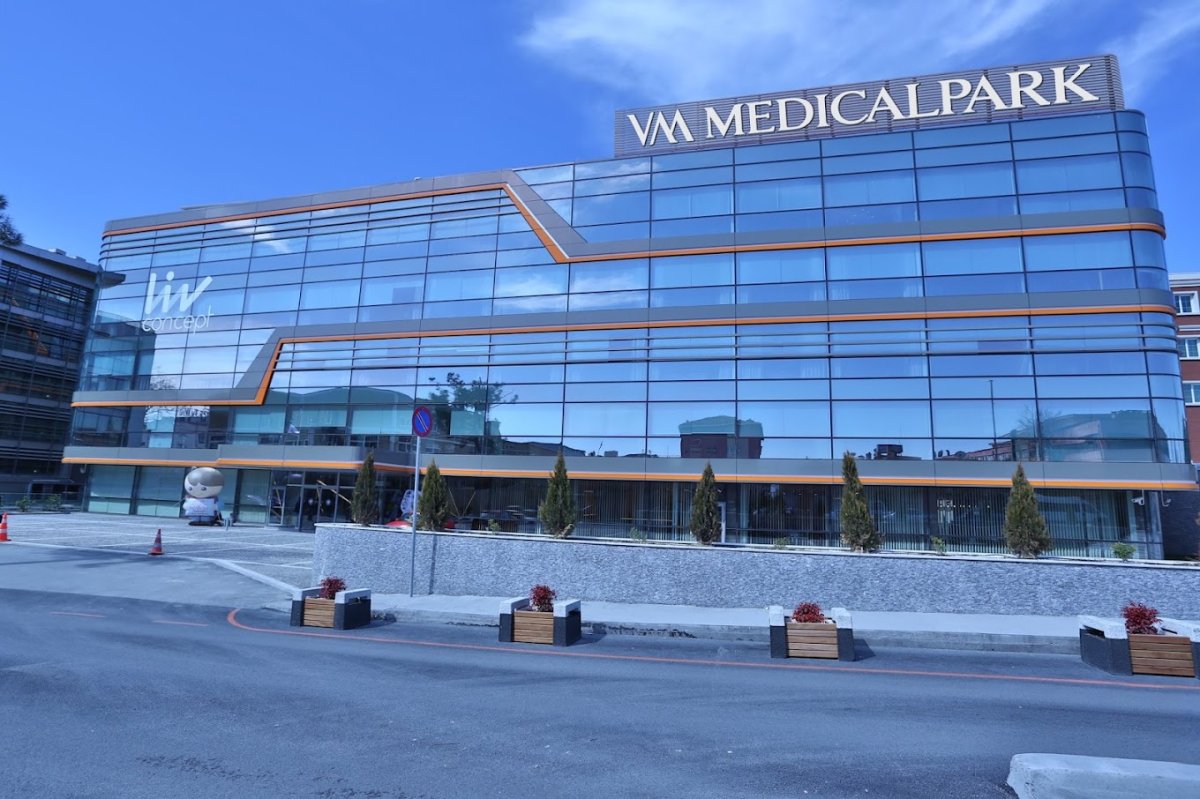
- VM Medical Park Florya Hospital, تركيا
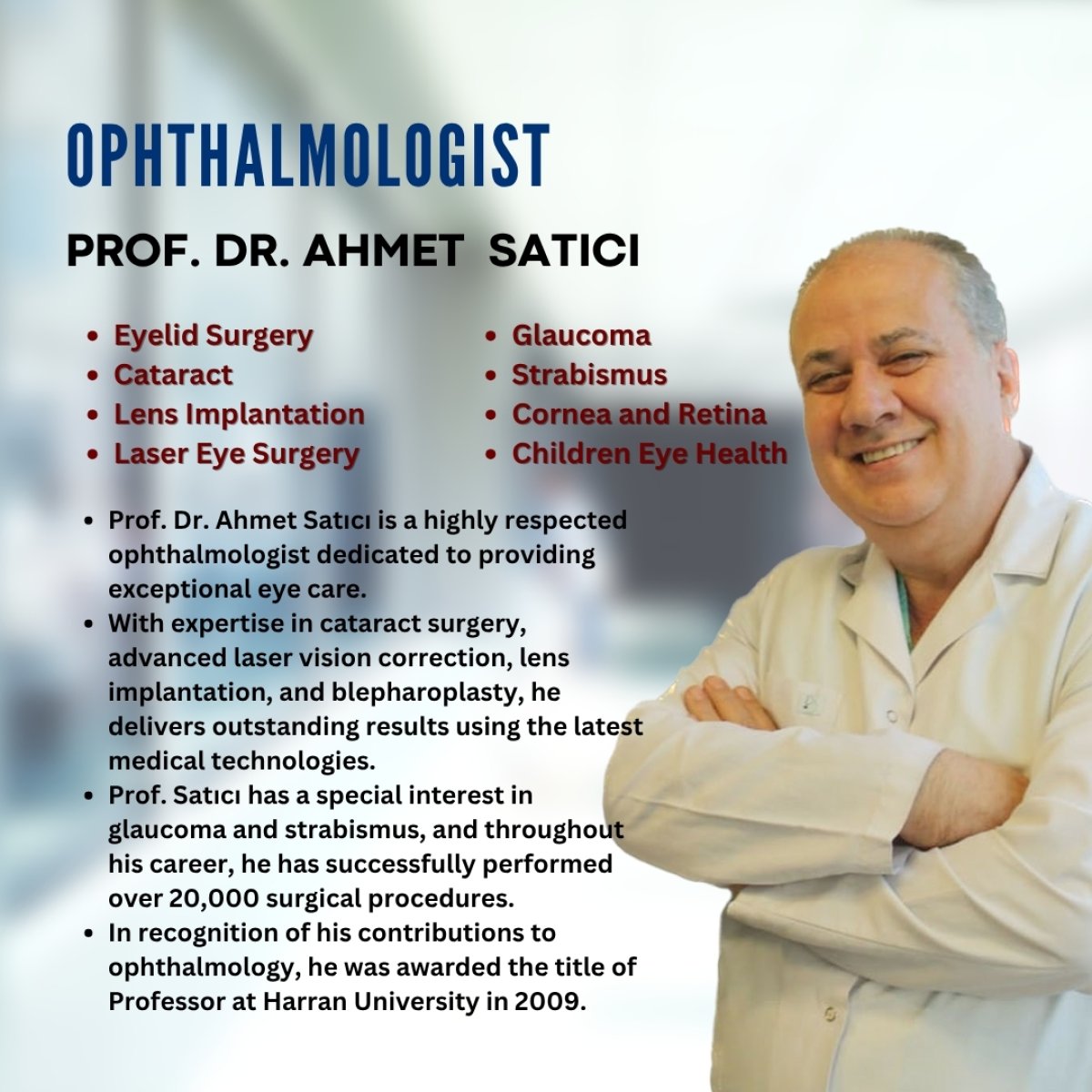
- Prof. Dr. Ahmet Satici's Private Practice, تركيا
- Valued Med Hub Hospitals, تركيا
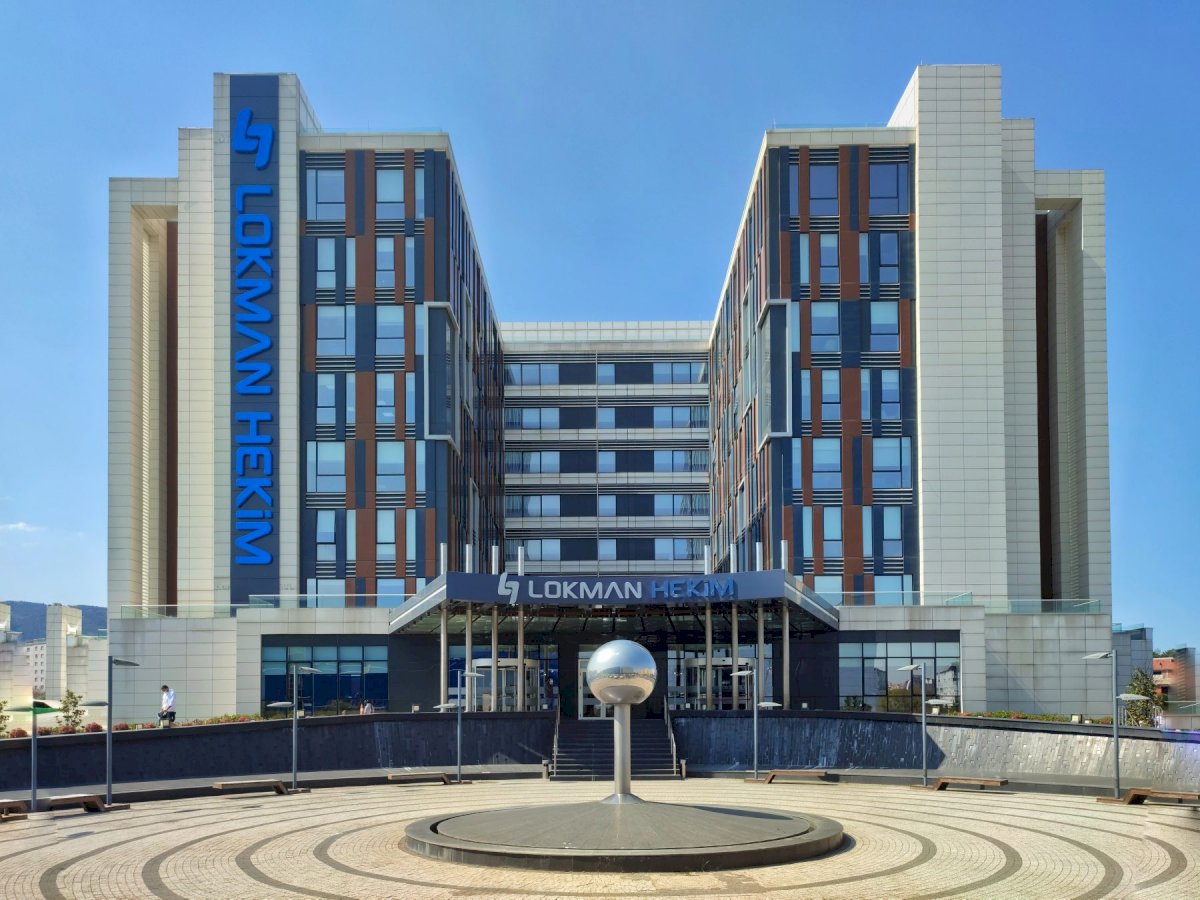
- Lokman Hekim Istanbul Hospital, تركيا
- Memorial Şişli Hospital, تركيا
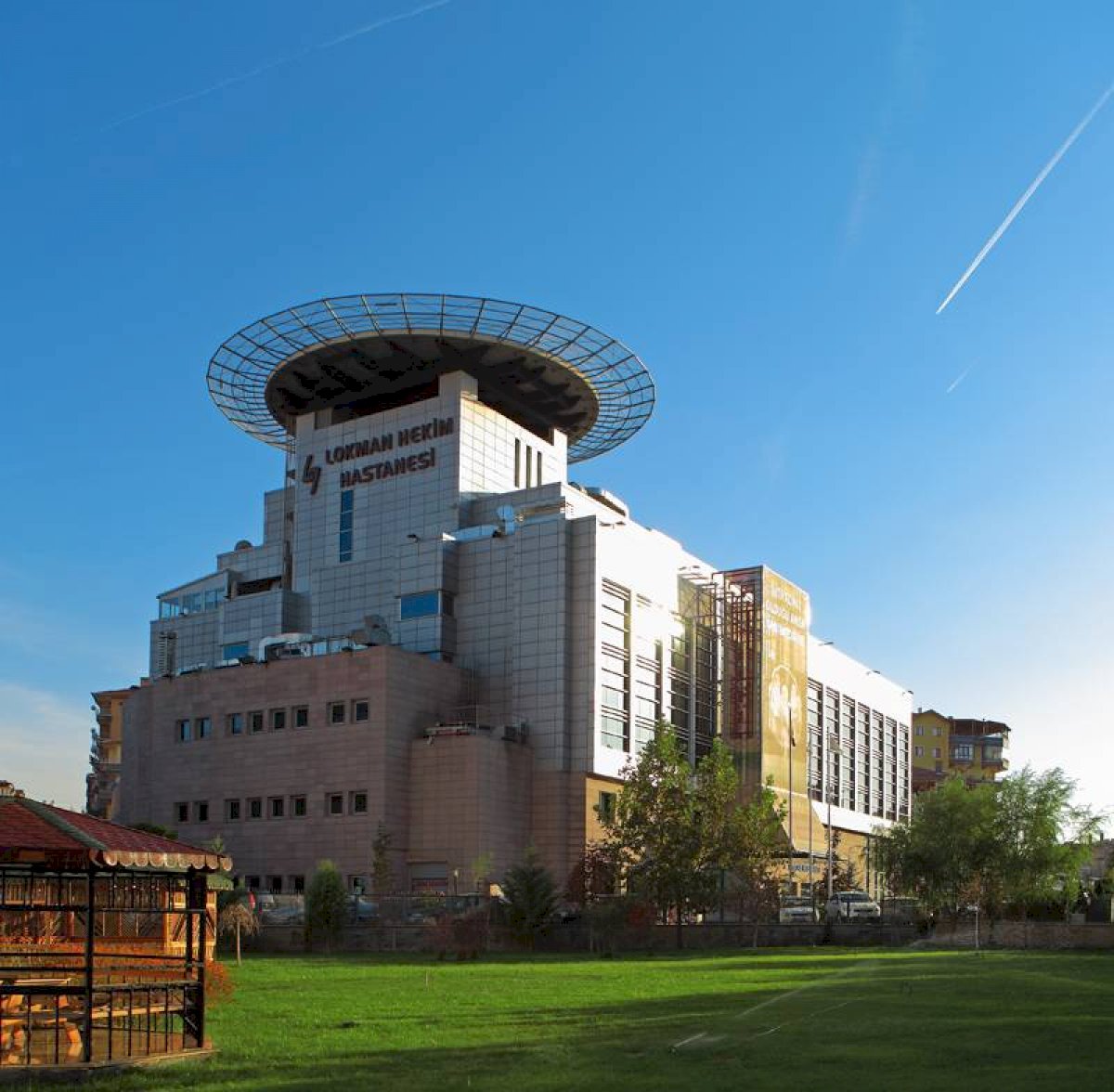
- Lokman Hekim University Ankara Hospital, تركيا
- Associate Professor M. Derda Ozer DERDA SAGLIK HIZMETLERI , تركيا
احصل على تقييم طبي لـ طب زراعة الأعضاء في تركيا. استشر الآن 114 أطباء ذوي الخبرة.
عرض جميع الأطباء
Omer Faruk Oge
يمتلك الطبيب خبرة واسعة في طب العيون، متخصص في العلاجات والجراحات للحول، وجماليات العين، والغمش، وإعتام عدسة العين، وأمراض الشبكية. بالإضافة إلى ذلك، يتمتع الطبيب بمهارة في صحة عيون الأطفال ويجري فحوصات شاملة للعين.<\/p>
تخرج الطبيب من كلية الطب في إسطنبول وأكمل تخصصه في مستشفى تدريب وأبحاث العيون في بيوغلو. الطبيب عضو في الجمعية الطبية التركية، وجمعية طب العيون التركية، والجمعية الأوروبية لجراحي الساد والانكسار.<\/p>
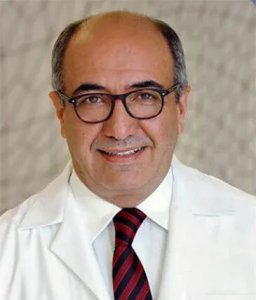
Kamil Yalcin Polat
يجلب الأستاذ المشارك بولات تدريبًا متخصصًا في التجارب السريرية والطب التناسلي إلى ممارسته لزراعة الأعضاء في مستشفى ميموريال باهتشيلي إيفلر.
- درجة الماجستير في التجارب السريرية من جامعة لندن
- تدريب في التخصص الدقيق في الطب التناسلي في المستشفى الأمريكي
- الإقامة في طب النساء والتوليد في مستشفى إسطنبول غوزتيبي
- درجة الطب من كلية جراح باشا المرموقة بجامعة إسطنبول

Muhammet Derda Ozer
يجلب الدكتور أوزير أكثر من 10 سنوات من الخبرة في طب العيون إلى DERDA SAGLIK HIZMETLERI، مع تدريب متقدم في أورام العين من معهد ويلز للعيون.
- تدريب زمالة في جراحة الجسم الزجاجي والشبكية في جامعة كانساس
- أبحاث منشورة حول أمراض العين النادرة والعلاجات المبتكرة
- عضو نشط في الجمعية التركية لطب العيون
- قدم عروضاً في مؤتمرات دولية حول تطورات طب العيون

Volkan Turunc
بخبرة تزيد عن 15 عاماً مكرسة حصرياً لعمليات زراعة الكلى والكبد، يقود الدكتور تورونش برنامج زراعة الأعضاء في مستشفى ميموريال شيشلي.
- متخصص في إجراءات زراعة الكلى والكبد
- مسؤول سابق عن مراكز زراعة الكلى في ميديكال بارك جوزتيبي وميديكانا تشامليجا
- عضو في الجمعية الوطنية لجراحة الصدمات والطوارئ
- عضو هيئة التدريس في كلية الطب بجامعة بهتشه شهير
المراجعات
جميع المراجعاتمواد ذات صلة
عرض المزيد من التفاصيل
تكلفة جراحة زرع الكلى المعقولة - من أين تجد وكيف تحصل عليها
كتب بواسطة Ana Hurevska

أفضل 5 مستشفيات لزراعة الكلى في العالم
كتب بواسطة Ana Hurevska

فضيحة السوق السوداء تهز أكبر مستشفى في الهند
كتب بواسطة Veronika Kazina

قصة نجاح زراعة الكبد: الجراحة الأولى في العالم لطفل عمره 5 أيام
كتب بواسطة Veronika Kazina
أسئلة وأجوبة حول زراعة الكبد
كتب بواسطة Veronika Kazina
مشاركة المحتوى
قصص فيديو من مرضى Bookimed
 Anna Leonova
أسئلة متكررة حول طب زراعة الأعضاء في تركيا
ما هي معدلات النجاح المثبتة لعمليات زراعة الكلى والكبد التي تُجرى في تركيا؟
تصل نسب نجاح عمليات زراعة الكلى والكبد في تركيا إلى 94% و90% على التوالي في المراكز ذات المستوى العالي. تتطابق هذه النتائج مع المعايير العالمية بفضل الكفاءة السريرية والحجم الكبير للحالات. المرافق الرائدة المعتمدة من قبل JCI غالباً ما تسجل نسب بقاء الكسب الحي لمدة سنة تتراوح بين 95% و99%.
- بقاء الكلى: تُظهر عمليات زراعة الكلى من متبرع حي نسبة بقاء الكسب لمدة سنة تصل إلى 96% في جميع أنحاء البلاد.
- نجاح الكبد: تُبلغ المستشفيات الرائدة عن نسبة بقاء تتجاوز 90% لعمليات زراعة الكبد في المراحل المبكرة.
- الخبرة العالية: الدكتور ألب جوركان في مستشفى جامعة إسطنبول أوكان أجرى أكثر من 1,900 عملية زراعة كلى.
- القدرة السريرية: يحافظ مستشفى ميموريال شيشلي على نسبة نجاح مؤكدة تبلغ 90% لعمليات زراعة الأعضاء.
رؤية خبراء Bookimed: تكون نِسب النجاح الأعلى في المراكز ذات "الحجم الكبير" مثل مستشفى جامعة ميديبول ميجا، الذي يخدم 1,000,000 مريض سنوياً. تُظهر بياناتنا أن المراكز ذات الخبرة التي تتجاوز 10 سنوات، مثل ميموريال شيشلي، تقدم غالباً مراقبة أفضل طويلة الأمد. تحتوي هذه المستشفيات المرموقة عادةً ما على 10 أقسام متخصصة أو أكثر للتعامل مع التعافي بعد العملية.
إجماع المرضى: يُلاحظ المرضى أن اختيار مستشفى معتمد من JCI أمر حيوي للسلامة وجودة الرعاية. ويؤكدون على أهمية التخطيط لإقامة تتراوح بين 3-6 أشهر بعد الجراحة لضمان المتابعة الطبية المناسبة.
ما هي قواعد التبرع القانونية للمرضى الدوليين الذين يسعون لزراعة الأعضاء في تركيا؟
المرضى الدوليون في تركيا يقتصرون قانونيًا على زراعة الأعضاء من متبرعين أحياء من الأقارب حتى الدرجة الرابعة. لا يستطيع الأجانب الوصول إلى قائمة الانتظار الوطنية للجثث أو تلقي أعضاء من مواطنين أتراك متوفين. يجب أن يكون المتبرعون لا يقل عن 18 عامًا، وأن يكونوا ذوي أهلية عقلية، وأن يقدموا موافقة طوعية.
- درجة القرابة: يجب أن يكون المتبرعون من أفراد الأسرة حتى الدرجة الرابعة من القرابة.
- التحقق من الوثائق: يتطلب إثبات العلاقة ترجمة مصدقة وتصديق الأبوستيل على جميع الشهادات الرسمية.
- لجنة الأخلاقيات: يجب أن يجتاز المتبرعون غير الأقارب تدقيقًا شاملًا من لجنة حكومية للتحقق من الدوافع.
- الشهادة الاحترافية: يجب أن تحمل المستشفيات شهادة السياحة الصحية الدولية لعلاج المرضى الأجانب.
رؤية خبراء Bookimed: تشير بيانات من 1,000,000 مريض سنويًا في مستشفى جامعة ميديبول ميجا إلى اتجاه واضح: الحجم يقود النجاح. غالبًا ما تحافظ المراكز الكبيرة على نسبة نجاح لزراعة الأعضاء تصل إلى 90% لأنها تجري الآلاف من الإجراءات، مما يبسط عملية الموافقة القانونية لمدة 2-4 أسابيع للعائلات الدولية.
إجماع المرضى: يشدد المرضى على أن السلطات تتحقق بصرامة من العلاقات الأسرية باستخدام اختبارات الحمض النووي. أشار أحد المرضى إلى أن حتى أبناء العم أو الخالات غالبًا ما يتم رفضهم، مما يبدو وكأنهم يفضلون أقرب الأقارب المباشرين فقط للموافقة.
كم من الوقت ينبغي على مريض زرع الأعضاء الدولي أن يتوقع البقاء في تركيا بعد الجراحة؟
بشكل عام، يبقى المرضى الدوليون الذين يجرون عمليات زرع الأعضاء في تركيا من 2 إلى 4 أسابيع لعمليات زرع الكلى وحتى 3 أشهر لعمليات زرع الكبد. تشمل هذه الجداول الزمنية مراقبة المستشفى والتعافي في العيادات الخارجية. تضمن المراكز المعتمدة من قبل JCI في إسطنبول وأنقرة سلامة المرضى من خلال بروتوكولات متابعة صارمة بعد الجراحة.
- زرع الكبد: يبقى المرضى من 15 إلى 21 يومًا في المستشفى ومن شهرين إلى 3 أشهر إجمالي في تركيا.
- زرع الكلى: يحتاج المتلقون إلى 7 إلى 15 يومًا في المستشفى وإجمالي إقامة من 2 إلى 4 أسابيع.
- المتبرعون الأحياء: عادة ما يغادر المتبرعون بالكلى بعد 3 أيام ويمكنهم السفر في غضون 15 يومًا.
- زرع القرنية: غالبًا ما تتطلب هذه العملية الخارجية أو الإقامة القصيرة 3 إلى 7 أيام فقط.
رؤية خبير Bookimed: تُظهِر البيانات من المنشآت المتقدمة مثل مستشفى ميموريال شيشلي، الذي يحتفظ بنسبة نجاح 90% في زراعة الأعضاء، اتجاهاً نحو التحرك المبكر. غالبًا ما تستخدم المراكز ذات الحجم العالي تقنيات التنظير البطني للمتبرعين الأحياء. هذه الطريقة تقلل عادة من فترة بقاء المتبرع في المستشفى إلى 1-3 أيام فقط. ينبغي على المرضى اختيار العيادات المجهزة بمختبر في الموقع لتسريع تحاليل الدم الأسبوعية الإلزامية.
إجماع المرضى: يؤكد المرضى على الإقامة في سكن تابع للعيادة لتبسيط السفر لإجراء الفحوصات المتكررة. يقترح الكثير حجز رحلات عودة مرنة لأن الجراحين قد يمددون فترة المراقبة بناءً على سرعة التعافي الفردية.
ما هي الفحوصات الصحية والقانونية المتعلقة بالعمر التي يجب أن يجتازها المتبرع الحي قبل التبرع؟
يجب أن يكون المتبرعون الأحياء في تركيا يبلغون من العمر 18 عامًا على الأقل وأن يكونوا بصحة جسدية جيدة. تتطلب المعايير القانونية فحوصات طبية متعمقة وموافقة طوعية. تُبلغ مراكز مثل مستشفى ميموريال شيشلي عن معدل نجاح بنسبة 90٪. يجب أن يكون المتبرعون خاليين من الأمراض المزمنة مثل السكري أو السرطان النشط.
- الحد الأدنى للسن: يجب أن يكون المتبرعون من العمر 18 عامًا فأكثر، مع بعض المرونة السريرية للمتبرعين الأصحاء الذين تزيد أعمارهم عن 65 عامًا.
- الفحص الصحي: تشمل الفحوصات الشاملة تحديد النمط الجيني HLA واختبارات الحمض النووي لضمان التوافق في الأنسجة والدم.
- الاستثناءات الطبية: عادة ما تستبعد ارتفاع ضغط الدم غير المسيطر عليه، أو العدوى النشطة، أو السمنة الزائدة المتبرعين المحتملين.
- المتطلبات القانونية: يتطلب القانون التركي موافقة مستنيرة وتقييمًا من قبل طبيب مستقل ثاني.
رأي الخبراء من بوكيميد: تركز العيادات التركية بشكل كبير على التوافق التشريحي في الحالات المعقدة. على سبيل المثال، أجرى الدكتور أيهان دينتشان أكثر من 5000 عملية زرع كلى. غالبًا ما تستخدم المراكز ذات الحجم الكبير التصوير المتقدم مثل التصوير المقطعي المحوسب لرسم خريطة الأوعية الدموية. يتيح هذا الدقة النجاح في عمليات زراعة الأعضاء المتعددة بشكل متزامن والتي لا تستطيع العديد من المرافق الصغيرة التعامل معها.
إجماع المرضى: يلاحظ المرضى أن اختبارات الأمراض المعدية للـ HIV والالتهاب الكبدي صارمة للغاية. في حين أن الفحوصات الطبية دقيقة، إلا أن بعضهم يجد التقييم النفسي أ
كيف يمكن للسياح الطبيين التحقق من أن مركز زراعة الأعضاء أو عيادة استعادة الشعر التركية قانونية ومعتمدة دولياً؟
تحقق من مراكز زرع الأعضاء التركية من خلال تأكيد حصولها على شهادة الترخيص السياحي الصحي الدولي من وزارة الصحة. يجب على المرضى أيضًا التحقق من اعتماد اللجنة الدولية المشتركة (JCI) لضمان الأمان العالمي. تؤكد هذه الاعتمادات أن المنشأة تفي بالمعايير القانونية والطبية الصارمة للمرضى الدوليين.
- الترخيص الحكومي: تحقق من رقم الرخصة الرسمي للسياحة الصحية الدولية.
- الاعتماد الدولي: مراكز ذات أولوية مثل مستشفى ميموريال شيشلي حاصلة على اعتماد اللجنة الدولية المشتركة (JCI).
- اعتماد الجراحين: تأكد من انتماء الأطباء إلى الجمعية الدولية لجراحة استعادة الشعر (ISHRS).
- ترخيص الوكالة: تحقق من أن العيادة أو شريكها يحمل ترخيص السياحة من TÜRSAB.
نظرة من خبير في بوكيمد: تُظهر البيانات أن المراكز المعتمدة من JCI، مثل مستشفى جامعة ميديبول ميغا، غالبًا ما تدير أعداداً أكبر بكثير من المرضى. تقدم هذه العيادة خدمات لأكثر من 1,000,000 مريض سنويًا. تستثمر المراكز ذات الأحجام الكبيرة عادةً في تقنيات متقدمة مثل نظام الجراحة دا فينشي. عادةً ما تشير هذه البنية التحتية إلى بيئة أكثر استقرارًا متوافقة مع القوانين للإجراءات المعقدة.
إجماع المرضى: يلاحظ المرضى أنه من المهم طلب استشارات فيديو مع الجراح الفعلي قبل السفر. يؤكدون أنه بينما تستوفي العديد من العيادات المتطلبات القانونية، فإن بعضها فقط يوفر الوصول المباشر إلى الأساتذة الرائدين مثل الدكتور كميل يالتشين بولات للتخطيط التفصيلي.