عيادات طب زراعة الأعضاء في إسرائيل

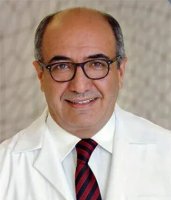
تمت مراجعة المقالة طبيا من قبل
Kamil Yalcin Polat
ما هي تكلفة طب زراعة الأعضاء في إسرائيل؟ اكتشف الآن
تتراوح تكلفة زراعة الأعضاء في إسرائيل عادةً ما بين $164,200 و $316,700. تعتمد النفقات النهائية على نوع العضو أو الأنسجة، ومدى توافق المتبرع، وعمر المريض. توفر إسرائيل معدلات نجاح عالية مع توفير ما يقرب من 35-60% مقارنة بالولايات المتحدة، مما يجعلها وجهة رئيسية لعلاجات الخلايا المتخصصة وإجراءات التبرع من متبرعين أحياء.
تكاليف زراعة الأعضاء النموذجية في إسرائيل
- تحديد النمط الجيني (HLA-typing): من $480
- زراعة الكلى: $70,000 – $100,000
- زراعة الكبد: $150,000 – $220,000
يتم إجراء معظم عمليات الزراعة في تل أبيب والقدس، حيث تتركز المراكز الطبية ذات المستوى العالمي. وعلى الرغم من أن التكاليف متسقة بشكل عام عبر المراكز الرئيسية في البلاد، يجب عليك استشارة أخصائي للحصول على تسعير دقيق وتوجيه قانوني لحالتك الخاصة.
| إسرائيل | تركيا | إسبانيا | |
|---|---|---|---|
| زرع القلب | ≈ $140,000 | ≈ $175,000 | ≈ $140,000 |
| زرع القرنية | ≈ $6,500 | من $6,200 | من $8,400 |
| زراعة الكلى | ≈ $70,000 | من $16,000 | ≈ $68,000 |
| زراعة الكبد | ≈ $150,000 | من $45,000 | من $150,000 |
| زراعة القلب والرئة | ≈ $280,000 | ≈ $150,000 | ≈ $185,000 |
مزاياك وضماناتك مع Bookimed
أسعار مباشرة
Bookimed لا يضيف رسوماً إضافية على أسعار علاج طب زراعة الأعضاء. الأسعار مأخوذة من قوائم الأسعار الرسمية للعيادات. تدفع مباشرة في العيادة مقابل علاجك عند وصولك إلى البلد.
عيادات وأطباء معتمدون فقط
Bookimed ملتزم بسلامتك. نحن نعمل فقط مع المؤسسات الطبية التي تحافظ على معايير دولية عالية في علاج طب زراعة الأعضاء ولديها التراخيص اللازمة لخدمة المرضى الدوليين في جميع أنحاء العالم.
مساعدة مجانية على مدار الساعة
Bookimed يقدم مساعدة خبراء مجانية. منسق طبي شخصي يدعمك قبل وأثناء وبعد العلاج، ويحل أي مشاكل. لن تكون وحيداً أبداً في رحلة علاج طب زراعة الأعضاء.

منسقك الطبي الشخصي في Bookimed
- يدعمك في كل مرحلة
- المساعدة في اختيار العيادة الطبية المناسبة والطبيب المناسب
- يضمن الوصول السريع والمريح إلى المعلومات
اكتشف أفضل عيادات طب زراعة الأعضاء: 9 خيارات معتمدة والأسعار



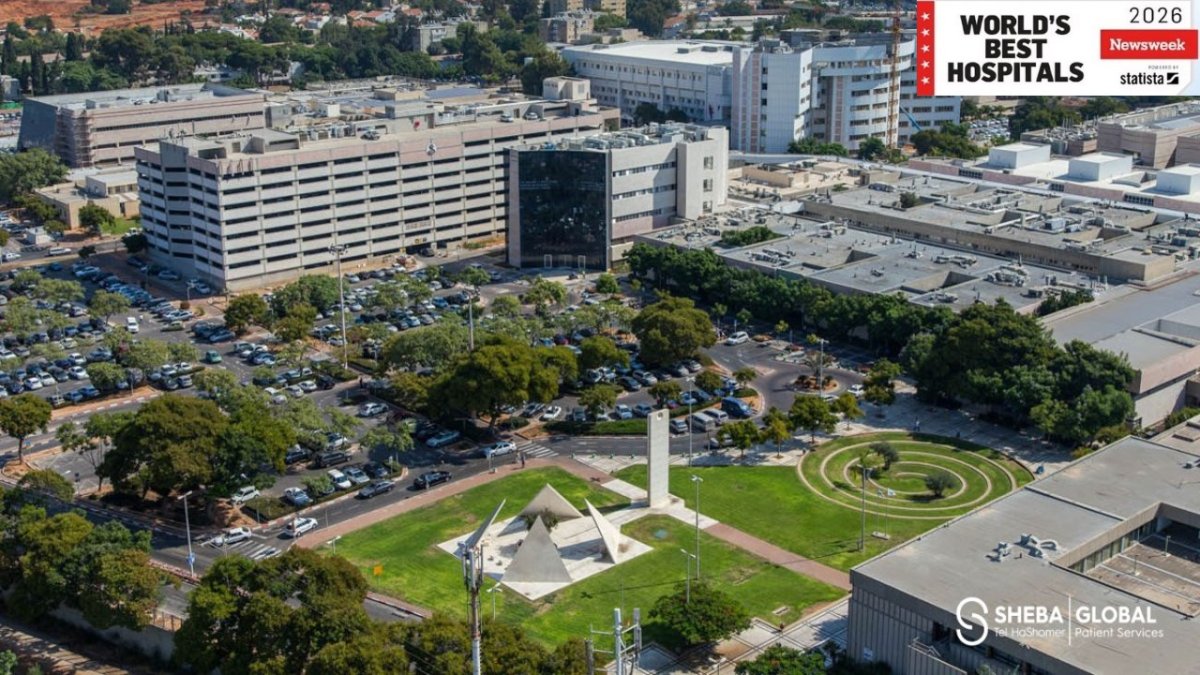






Sheba Tel HaShomer

Dental Clinic Dr. Mark Ratner
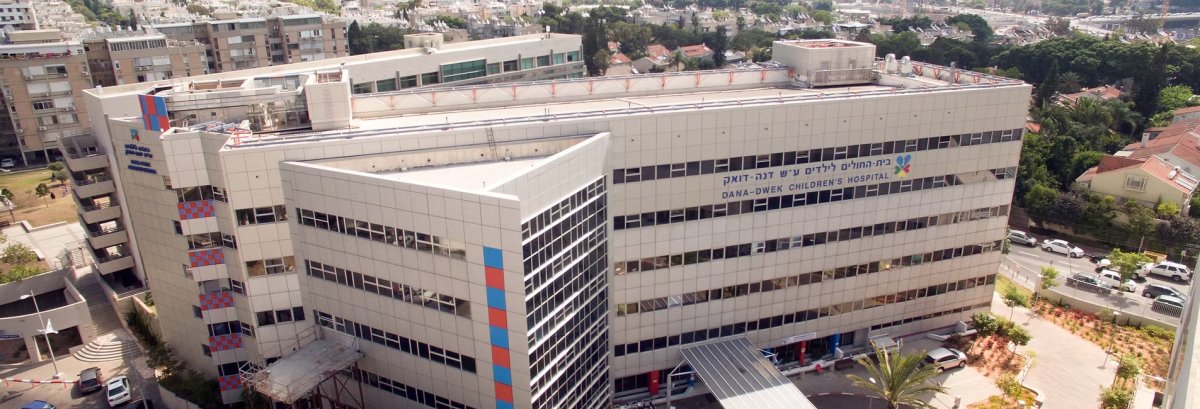
Tel Aviv Sourasky Medical Center (Ichilov)
أفضل مراكز طب زراعة الأعضاء في إسرائيل
- Sourasky Medical Center (Ichilov), إسرائيل
- مركز شيبا الطبي, إسرائيل
- Assuta Medical Center, إسرائيل
- Hadassah Medical Center, إسرائيل
- Rambam Medical Center, إسرائيل
- Rabin Medical Center, إسرائيل
- Sheba Tel HaShomer, إسرائيل
- Dental Clinic Dr. Mark Ratner, إسرائيل
- Tel Aviv Sourasky Medical Center (Ichilov), إسرائيل
احصل على تقييم طبي لـ طب زراعة الأعضاء في إسرائيل. استشر الآن 11 أطباء ذوي الخبرة.
عرض جميع الأطباء
Amos Toren
البروفيسور آموس تورين، MD، PhD، MHA، اختصاصي أمراض دم وأورام الأطفال وخبير زرع نخاع العظم. شغل منصب مدير أمراض دم وأورام الأطفال وزرع نخاع العظم في مركز شيبا الطبي.
حاصل على البورد في طب الأطفال، وأمراض دم وأورام الأطفال، وزرع نخاع العظم. يحمل دكتوراه في علم الوراثة البشرية. ترأس شعبة أمراض الدم في جامعة تل أبيب لولايتين. وهو عضو في ASH وCOG وESPHI وEBMT وCIBMTR، ويعمل أيضاً في لجنة دم الحبل السري بوزارة الصحة.
قاد أحد أكثر برامج أورام الأطفال وزرع نخاع العظم تقدماً في إسرائيل.
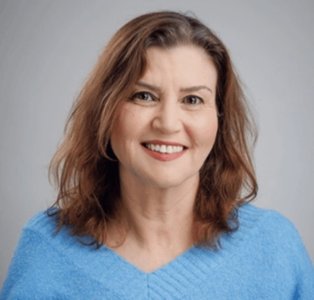
Hana Golan
الدكتورة هنا غولان، MD، ترأس قسم أمراض الدم والأورام لدى الأطفال وزراعة نخاع العظم (BMT) في مركز شيبا الطبي. تتخصص في سرطانات الطفولة، مع تركيز على الورم الأرومي العصبي وأورام الأنسجة الصلبة عالية الخطورة.
تقود أحد أكثر برامج أورام الأطفال تقدماً في المنطقة. تدير حالات معقدة وعالية الخطورة، وتمارس عملها في مستشفى مصنّف ضمن أفضل عشرة عالمياً.
هي الباحثة الرئيسية في بروتوكول ESIOP للورم الأرومي العصبي عالي الخطورة. وتشغل منصب باحثة في تجارب دولية من المرحلتين الأولى والثانية، والم
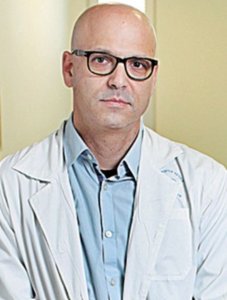
Professor Ido Nachmany
البروفيسور إيدو ناخماني يرأس القسم الجراحي الثاني في مركز شيبا الطبي. يختص بجراحات HPB (الكبد والبنكرياس والقنوات الصفراوية) والجراحة الروبوتية لأمراض الكبد والبنكرياس والقنوات الصفراوية، ولأورام الغدد الصماء العصبية في الجهاز الهضمي. كما يجري جراحات الغدة الكظرية والطحال والمعدة. أدرجته فوربس ضمن أفضل أطباء إسرائيل.
يطوّر تقنيات جراحية طفيفة التوغل بالروبوت والمنظار، بهدف دقة أعلى وتعافٍ أسرع.
المؤهلات: محاضر كبير في جامعة تل أبيب. عضو في ASTS وIHPBA. أتمّ زمالتَي HPB وزراعة ال
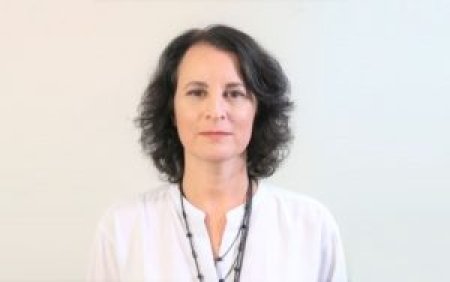
Einat Shacham Shmueli
الدكتورة عينات شاحام‑شموئيلي استشارية أورام طبية في عيادة الجهاز الهضمي، مركز السرطان، مركز شيبا الطبي. تعالج سرطانات القولون والمعدة والبنكرياس، وتدير حالات المرض النقيلي. تستخدم التشخيص الدقيق والواسمات الحيوية، والعلاجات الجهازية، والعلاج الإشعاعي. تُقدَّم الرعاية ضمن فريق متعدد التخصصات.
نشرت أكثر من 25 مقالة مُحكَّمة حول أورام الجهاز الهضمي وبيولوجيا الأورام والعلاجات الجديدة، ويشمل عملها دراسات عن وضع الدعامات لعلاج الانسداد الخبيث في القولون. تعمل باحثة في برامج دولية، منها المع
مواد ذات صلة
عرض المزيد من التفاصيل
تكلفة جراحة زرع الكلى المعقولة - من أين تجد وكيف تحصل عليها
كتب بواسطة Ana Hurevska

أفضل 5 مستشفيات لزراعة الكلى في العالم
كتب بواسطة Ana Hurevska

فضيحة السوق السوداء تهز أكبر مستشفى في الهند
كتب بواسطة Veronika Kazina

قصة نجاح زراعة الكبد: الجراحة الأولى في العالم لطفل عمره 5 أيام
كتب بواسطة Veronika Kazina
أسئلة وأجوبة حول زراعة الكبد
كتب بواسطة Veronika Kazina
مشاركة المحتوى
قصص فيديو من مرضى Bookimed
 Anna Leonova
أسئلة متكررة حول طب زراعة الأعضاء في إسرائيل
هل يمكن للمرضى الدوليين الحصول على عضو من متبرع متوفى في إسرائيل؟
لا يمكن للمرضى الدوليين عملياً الحصول على أعضاء من متبرعين متوفين في إسرائيل بسبب قيود قانونية صارمة. يعطي قانون زراعة الأعضاء لعام 2008 الأولوية للمواطنين والمقيمين. يتم وضع الأجانب في أسفل قائمة الانتظار الوطنية. وهذا يجعل الوصول إلى أعضاء المتبرعين المتوفين شبه مستحيل لغير المقيمين.
- القيود القانونية: يعطي قانون زراعة الأعضاء لعام 2008 الأولوية للمواطنين الإسرائيليين والمتبرعين المسجلين.
- نظام الأولوية: نظام يعتمد على النقاط يفضل أولئك الذين يحملون بطاقة متبرع ADI.
- قائمة الانتظار: يظل غير المقيمين في أسفل قائمة الانتظار الوطنية الوحيدة.
- التبرع من الأحياء: لا يمكن للمرضى الدوليين الحصول على أعضاء إلا من متبرعين أحياء تربطهم بهم علاقة عاطفية وثيقة.
رؤية خبير Bookimed: في حين أن التبرع من المتوفين مقيد، تتفوق إسرائيل في إجراءات التبرع من الأحياء المعقدة. تظهر البيانات معدلات نجاح عالية في مرافق مثل مركز سوراسكي الطبي، الذي يعالج 1,800,000 مريض سنوياً. بالنسبة للحالات الدولية، فإن التركيز على التبرع بالكلى أو الكبد من متبرع حي مع فرد من العائلة متوافق هو المسار الوحيد القابل للتطبيق.
إجماع المرضى: يشير المرضى إلى أن موظفي المستشفى يؤكدون عدم الأهلية للحصول على أعضاء من متبرعين متوفين منذ البداية. يقترح الكثيرون استكشاف التبرع من الأحياء أو النظر في بلدان أخرى إذا لم يتوفر متبرع من العائلة.
ما هي معدلات نجاح عمليات الزرع في إسرائيل؟
تُبلغ إسرائيل عن بعض أعلى معدلات نجاح عمليات الزرع في العالم. يرى متلقو زراعة الكلى معدل بقاء على قيد الحياة لمدة عام واحد يتراوح بين 90% إلى 95%. تحقق المراكز الرائدة مثل مركز شيبا الطبي ومركز هداسا الطبي هذه النتائج من خلال كتابة HLA المتقدمة وبرامج المتبرعين الأحياء. يتم تنفيذ معظم الإجراءات فوق المتوسطات العالمية.
- بقاء الكلى: يتراوح معدل بقاء المتلقي على قيد الحياة لمدة عام واحد بين 90% و95%.
- نخاع العظم: يصل معدل البقاء على قيد الحياة الإجمالي إلى 84% عند استبعاد الشهر الأول.
- نتائج الكبد: يبلغ المرضى عن معدلات بقاء تتجاوز 95% في أفضل المرافق.
- ترقيع القرنية: تتجاوز معدلات النجاح 90% مع التعافي في غضون أسابيع فقط.
- زراعة الرئة: يصل معدل البقاء على قيد الحياة لمدة عام واحد إلى 81% للمرضى الذين تقل أعمارهم عن 60 عامًا.
رؤية خبير Bookimed: يقلل نظام النقاط الفريد في إسرائيل للمتبرعين بالأعضاء من قوائم الانتظار بشكل كبير. تُظهر البيانات أن مراكز مثل شيبا وسوراسكي تتعامل مع أحجام هائلة، مع أكثر من 1,800,000 مريض سنويًا. يسمح هذا التردد العالي للجراحين بتحسين التقنيات، مما يؤدي إلى أشهر قياسية مع أكثر من 50 عملية زرع ناجحة على مستوى البلاد.
إجماع المرضى: يؤكد المرضى على اختيار إجراءات المتبرع الحي كلما أمكن ذلك للحصول على نتائج متفوقة. كما يوصون بالتحقق من أوراق اعتماد الجراح من خلال السجلات الرسمية لوزارة الصحة قبل الإجراء.
ما هي المستشفيات التي تعتبر مراكز رائدة في عمليات الزرع؟
تشمل مراكز الزرع الرائدة في إسرائيل مركز هداسا الطبي، ومركز سوراسكي الطبي، ومركز شيبا الطبي. هذه المؤسسات المعتمدة من قبل اللجنة الدولية المشتركة (JCI) معترف بها من قبل مجلة نيوزويك كأفضل المستشفيات في العالم. وهي متخصصة في عمليات زرع الكلى والكبد والقلب ونخاع العظم المعقدة للمرضى الدوليين.
- مركز هداسا الطبي: أجرت الدكتورة بولينا ستيبينسكي أكثر من 3500 عملية زرع نخاع عظم للأطفال في القدس.
- مركز سوراسكي الطبي: يعالج هذا المركز في تل أبيب أكثر من 400 ألف مريض سنوياً باستخدام الجراحة الروبوتية المتقدمة.
- مركز شيبا الطبي: يصنف ضمن أفضل 10 مراكز عالمياً، ويغطي 1990 تخصصاً طبياً.
- مركز رابين الطبي: يقود الدكتور إيثان مور جراحة زرع الكبد المتخصصة في هذا المجمع الطبي الكبير.
رؤية خبير Bookimed: غالباً ما تقوم المراكز الطبية الإسرائيلية بتوحيد الخبرات من خلال تعيين متخصصين مصنفين في قائمة فوربس لقيادة أقسام مخصصة. على سبيل المثال، يضم مركز هداسا الطبي العديد من الأطباء مثل الدكتور غال غولدشتاين والدكتورة بولينا ستيبينسكي المعترف بهم كأخصائيين بارزين. وهذا يخلق بيئة ذات كثافة عالية من الخبرات المعتمدة من قبل الأقران داخل منشأة واحدة.
إجماع المرضى: يشير المرضى إلى أن مطابقة الأعضاء غالباً ما تتم بشكل أسرع في إسرائيل مقارنة بأوروبا بسبب قوانين التبرع المحلية. ويؤكدون على أهمية الحصول على آراء طبية ثانية والتنقل في نظام الرعاية ثنائي اللغة بمساعدة محامي المرضى.
ما هي الطرق الجراحية المستخدمة لعمليات المتبرعين؟
تستخدم عمليات المتبرعين في إسرائيل بشكل أساسي تقنيات طفيفة التوغل مثل الجراحة بالمنظار والجراحة بمساعدة الروبوت. تقلل هذه الطرق من وقت التعافي للمتبرعين الأحياء بالكلى والكبد. يستخدم الجراحون أدوات عالية الدقة مثل نظام دافنشي لضمان السلامة وحيوية الأعضاء أثناء الإجراء.
- استئصال الكلية بالمنظار: يستخدم شقوقًا من 0.5 إلى 1 بوصة لإزالة الكلية.
- الجراحة بمساعدة الروبوت: توظف أنظمة دافنشي للتشريح المعقد للنقير.
- الطريقة المساعدة باليد: توفر ردود فعل لمسية لتقصير وقت نقص تروية العضو.
- استئصال الكبد بالمنظار البحت: يتيح التبرع بالكبد مع فترة تعافي تبلغ 6 أسابيع فقط.
رؤية خبير Bookimed: تعطي المراكز الإسرائيلية مثل مركز سوراسكي الطبي (إيخيلوف) الأولوية لتقنيات المنظار الهجينة. يوازن هذا النهج بين السرعة الجراحية والحد الأدنى من الندوب. تظهر بياناتنا أن متبرعي الكبد يعودون إلى أنشطتهم أسرع بمرتين مقارنة بالجراحة المفتوحة التقليدية. اختيار العيادات التي تستخدم تقنية دافنشي يؤدي غالبًا إلى إقامات أقصر في المستشفى.
إجماع المرضى: غالبًا ما يذكر المتبرعون أن الشقوق الصغيرة وإدارة الألم المتخصصة تجعل التعافي أسهل بكثير. يشعر الكثيرون بالاطمئنان من خلال الاختبارات الشاملة قبل الجراحة مثل كتابة HLA واختبارات الحمض النووي.
هل التواصل باللغة الإنجليزية متاح في مرافق زراعة الأعضاء الإسرائيلية؟
يعد التواصل باللغة الإنجليزية معياراً في جميع مرافق زراعة الأعضاء الإسرائيلية. تحتفظ المراكز الكبرى مثل شيبا وهداسا بأقسام دولية مخصصة. معظم جراحي زراعة الأعضاء، بما في ذلك البروفيسور مايكل شابيرا في مركز سوراسكي الطبي، يتحدثون الإنجليزية بطلاقة. وغالباً ما يكملون زمالاتهم في الولايات المتحدة أو أوروبا.
- الطاقم الطبي: العديد من المتخصصين في رمبام وشيبا تدربوا دولياً. وهم يتحدثون الإنجليزية بطلاقة.
- خدمات الدعم: توفر الأقسام الدولية منسقين للمساعدة في التعليمات الطبية.
- التوثيق: تقدم مستشفيات مثل هداسا استشارات وملخصات طبية باللغة الإنجليزية.
- الترجمة الفورية: يمكن للمرافق الوصول إلى مركز الترجمة الطبية المتخصص التابع لوزارة الصحة.
رؤية خبير Bookimed: تظهر بياناتنا أن العيادات ذات التصنيف العالي مثل شيبا وسوراسكي تتعامل مع أحجام هائلة من المرضى. يعالج شيبا 1.5 مليون مريض سنوياً عبر 1990 تخصصاً. هذا الحجم الكبير يدفع هذه المراكز إلى توحيد التواصل باللغة الإنجليزية. وهذا يضمن السلامة لآلاف المرضى الدوليين الذين يخدمونهم.
إجماع المرضى: يشير المرضى إلى أنه على الرغم من أن الجراحين عادة ما يكونون طلقاء في الإنجليزية، يجب عليك طلب نسخ إنجليزية من أوراق الخروج صراحةً. التنسيق مع المكتب الدولي مسبقاً يساعد في تجنب أي احتكاك لغوي محتمل مع الموظفين الإداريين.
ما هي قاعدة الأولوية الإسرائيلية "Don’t Give, Don’t Get"؟
قاعدة "Don't Give, Don't Get" (لا تعطي، لا تأخذ) الإسرائيلية هي نظام أولوية لزراعة الأعضاء تم إنشاؤه بموجب قانون زراعة الأعضاء لعام 2008. وهي تمنح وضعاً تفضيلياً في قوائم الانتظار للمتبرعين المسجلين. تنطبق هذه السياسة عندما يكون لدى مريضين نفس درجة الاستعجال الطبي لإجراء عملية زراعة.
- الهدف الأساسي: زيادة معدلات التبرع بالأعضاء المنخفضة تاريخياً من خلال توفير حافز قائم على المعاملة بالمثل.
- الأولوية المتدرجة: الأولوية الأولى للمتبرعين الأحياء وأفراد أسرهم المباشرين.
- ميزة التسجيل: الأولوية الثانية للأفراد المسجلين كمتبرعين لمدة لا تقل عن 3 سنوات.
- الضرورة الطبية: تظل الاستعجال السريري هي المعيار الأعلى قبل تطبيق قاعدة الأولوية.
رؤية خبراء Bookimed: تدير المراكز الطبية الإسرائيلية مثل شيبا وسوراسكي أحجاماً هائلة من المرضى، وغالباً ما تتجاوز 1,500,000 مريض سنوياً. هذا المستوى العالي من النشاط يجعل قاعدة الأولوية عاملاً حاسماً. نظراً لأن هذه المراكز تجري عشرات الآلاف من العمليات سنوياً، فإن التواجد في مستوى أولوية أعلى يمكن أن يؤثر بشكل كبير على أوقات الانتظار للمرضى المستقرين.
إجماع المرضى: يشير المرضى إلى أن المسافرين الدوليين يتم وضعهم عادةً في أدنى مستوى أولوية ما لم يتمكنوا من تقديم وثائق تسجيل متبرع رسمية. من المهم مناقشة حالة التبرع الخاصة بك مع طبيبك المعالج في وقت مبكر لفهم كيفية تأثير ذلك على جدولك الزمني.
هل يتم تلبية الاحتياجات الدينية أثناء الإقامة في المستشفى؟
تلبي المستشفيات الإسرائيلية الاحتياجات الدينية من خلال خدمات موحدة تشمل تقديم الطعام الكوشر، وغرف الصلاة، والمرافق المتوافقة مع السبت. تدمج المراكز المعتمدة من قبل اللجنة الدولية المشتركة (JCI) مثل شيبا وهداسا القيم الروحية في رعاية عمليات الزرع. توفر المرافق إمكانية الوصول إلى رجال الدين وخطط غذائية متخصصة لدعم خلفيات المرضى المتنوعة.
- الامتثال الغذائي: توفر المستشفيات وجبات كوشر معتمدة وتلبي متطلبات الحلال أو النباتيين عند الطلب.
- مرافق الصلاة: تتوفر كنس مخصصة وغرف تأمل محايدة للمرضى والعائلات الزائرة.
- مراعاة السبت: تستخدم المراكز الكبرى مصاعد السبت وتوفر الدعم للطقوس الدينية أثناء التعافي.
- التوجيه الروحي: يمكن للمرضى الوصول إلى الدعم الحاخامي أو تنسيق زيارات من رجال دينهم.
رؤية خبير Bookimed: تدير مراكز الزرع الإسرائيلية مثل هداسا ومركز شيبا الطبي أكثر من 1,000,000 مريض سنويًا. هذا الحجم الكبير يجعل التكيف الديني جزءًا روتينيًا من التدفق السريري. على سبيل المثال، يتم تدريب الفرق الطبية بشكل خاص على الهالاخاه، الشريعة اليهودية، لتحقيق التوازن بين إجراءات الزرع المنقذة للحياة والممارسة الدينية.
إجماع المرضى: يشير المرضى إلى أنه على الرغم من أن العادات اليهودية هي الافتراضية، إلا أن الموظفين يوفرون بسهولة طعام الحلال ومساحة للصلاة للديانات الأخرى. يوصي الكثيرون بإحضار أغراض شخصية مثل الكتاب المقدس أو سجادة الصلاة ليشعروا وكأنهم في منزلهم.
لماذا تُعد إسرائيل واحدة من الوجهات الرائدة في جراحة الأعصاب؟
تُعدّ إسرائيل مركزًا رائدًا في جراحة الأعصاب بفضل مزيجها من التطورات الطبية عالية التقنية والخبرات الجراحية المتميزة. وتستخدم مرافق متطورة مثل مركز شيبا الطبي أنظمة ملاحة تعتمد على الذكاء الاصطناعي والتصوير بالرنين المغناطيسي أثناء الجراحة في الوقت الفعلي. وتشير المراكز المتخصصة إلى نسبة نجاح تصل إلى 98% في العمليات الجراحية المعقدة، بما في ذلك جراحة الدماغ مع اليقظة وعلاج اضطرابات الحركة.
- التكنولوجيا المتقدمة: تستخدم العيادات الموجات فوق الصوتية المركزة الموجهة بالرنين المغناطيسي (MRgFUS) والأنظمة الروبوتية لإجراء الشقوق.
- الخبرة الجراحية: يقود جراحون مثل الدكتور تسفي رام جمعيات دولية بخبرة تزيد عن 25 عامًا.
- الوصول السريع: يمكن للمرضى الدوليين عادةً تحديد مواعيد لإجراء عمليات جراحية معقدة في الدماغ أو العمود الفقري في غضون 2-4 أسابيع.
- الرعاية الطبية المعتمدة: المراكز الكبيرة مثل سوراسكي (إيشيلوف) وأسوتا معتمدة من قبل اللجنة الدولية المشتركة، مما يؤكد سلامتها.
رأي خبراء بوكيمد: تُظهر البيانات فرقًا واضحًا بين خيارات العلاج في القطاعين العام والخاص في إسرائيل. تُجري المراكز الخاصة، مثل مركز أسوتا الطبي، أكثر من 92,000 عملية جراحية سنويًا، وتتيح للمرضى اختيار جراح را
ما هي أنواع الأمراض العصبية التي يتم علاجها في إسرائيل؟
يعالج جراحو الأعصاب الإسرائيليون طيفاً واسعاً من الحالات، بدءاً من أورام الدماغ والحبل الشوكي وصولاً إلى الاضطرابات الوظيفية المعقدة. وتستخدم المراكز المتخصصة أحدث التقنيات، مثل جهاز جاما نايف، والتحفيز العميق للدماغ، والتصوير بالرنين المغناطيسي أثناء الجراحة، لتشخيص دقيق للغاية لحالات الصرع، ومرض باركنسون، وأمراض الأوعية الدموية الدماغية.
- الأمراض السرطانية: علاج الأورام الدبقية والأورام السحائية وأورام الغدة النخامية باستخدام استئصال قاعدة الجمجمة.
- الاضطرابات الوظيفية: علاج مرض باركنسون والرعاش الأساسي باستخدام التحفيز العميق للدماغ.
- أمراض العمود الفقري: تصحيح الجنف، وانزلاق الغضروف، وأورام العمود الفقري باستخدام الأنظمة الروبوتية.
- علاج أمراض الأوعية الدموية الدماغية: العلاج الجراحي لتمدد الأوعية الدموية الدماغية والتشوهات الشريانية الوريدية باستخدام التدخلات داخل الأوعية الدموية.
- جراحة الأعصاب للأطفال: رعاية متخصصة لاستسقاء الرأس والتشوهات الخلقية في مراكز طب الأطفال المتخصصة.
رأي خبراء بوكيمد: غالبًا ما تجمع المستشفيات الإسرائيلية بين تخصصات طبية متعددة لمعالجة الحالات المعقدة. ففي مركز سوراسكي ا
ما هي المستشفيات في إسرائيل التي تشتهر بأقسام جراحة الأعصاب فيها؟
تضم إسرائيل مراكز جراحة أعصاب عالمية المستوى، مثل مركز سوراسكي الطبي، ومركز شيبا الطبي، ومركز هداسا الطبي. وتُعدّ هذه المؤسسات رائدة عالميًا في علاج أورام الدماغ المعقدة، وأمراض العمود الفقري، واضطرابات الحركة. وتستخدم أحدث التقنيات، مثل جهاز جاما نايف، والأنظمة الروبوتية، والتصوير بالرنين المغناطيسي أثناء الجراحة.
- سوراسكي (إيخيلوف): يجري أكثر من 2500 عملية جراحية عصبية سنوياً في تل أبيب بنسبة نجاح تبلغ 98%.
- مركز شيبا الطبي: مصنف ضمن أفضل عشرة مستشفيات في العالم، حيث يعالج 1.9 مليون مريض سنوياً.
- مركز هداسا الطبي: مرشح لجائزة نوبل للسلام. رائد في جراحة الأعصاب للأطفال والعلاج الجيني.
- مركز أسوتا الطبي: أكبر منشأة طبية خاصة في إسرائيل. متخصص في جراحات العمود الفقري والدماغ طفيفة التوغل.
- مستشفى شنايدر للأطفال: مركز رائد في جراحة الأعصاب للأطفال، يعالج 275000 طفل سنوياً.
رأي خبراء بوكيمد: تُظهر بياناتنا أنه بينما يلجأ معظم المرضى للعلاج في تل أبيب، يُقدّم مركز رامبام الطبي في حيفا رعايةً فريدةً لإصابات الدماغ. فهو يضم وحدةً متخصصةً للعناية المركزة العصبية تُعالج ما يقارب مليون مريض سنويًا. وهذا ما يجعله