العودة إلى الصفحة الرئيسية
820К+ مريضًا حصلوا على المساعدة منذ عام 2014
50 دول
1,500 عيادات
6K+ تقييمات
3K+ طبيب مؤهل

ما هي تكلفة طب زراعة الأعضاء في الصين؟ اكتشف الآن

Transplantology in China typically costs from $128,600 to $237,500. Final expenses depend on the specific organ, hospital type, and whether the patient is local or international. Patients searching for advanced surgical options in China can often find savings of 40-60% compared to the US.

Typical Transplantology Costs in China

  • Kidney transplant: $68,500 – $115,000
  • Liver transplant: $92,000 – $158,000
  • Corneal transplant: $6,800 – $11,200
  • Lung transplant: $85,000 – $165,000
  • Heart transplant: $120,000 – $190,000
  • Heart and lungs transplant: $165,000 – $285,000

Major medical centers for transplantation are located in Beijing, Shanghai, and Tianjin. While public tertiary hospitals in these hubs follow standardized procurement fees, costs in private facilities may vary. Consult with a specialist to get accurate pricing for your specific medical situation.

الصينتركياإسبانيا
زرع القلبمن $120,000من $175,000من $250,000
زرع القرنيةمن $6,800من $3,500من $12,546
زراعة الكلىمن $68,500من $18,000من $80,000
زراعة الكبدمن $92,000من $45,000من $120,000
زراعة القلب والرئةمن $165,000من $250,000من $600,000
تم التحقق من البيانات بواسطة Bookimed اعتبارًا من June 2026، استنادًا إلى طلبات المرضى والعروض الرسمية من 1 عيادة حول العالم. تستند التكاليف المتوسطة إلى الفواتير الحقيقية (2025–2026) ويتم تحديثها شهريًا. قد تختلف الأسعار الفعلية.

مزاياك وضماناتك مع Bookimed

أسعار مباشرة

Bookimed لا يضيف رسوماً إضافية على أسعار علاج طب زراعة الأعضاء. الأسعار مأخوذة من قوائم الأسعار الرسمية للعيادات. تدفع مباشرة في العيادة مقابل علاجك عند وصولك إلى البلد.

عيادات وأطباء معتمدون فقط

Bookimed ملتزم بسلامتك. نحن نعمل فقط مع المؤسسات الطبية التي تحافظ على معايير دولية عالية في علاج طب زراعة الأعضاء ولديها التراخيص اللازمة لخدمة المرضى الدوليين في جميع أنحاء العالم.

مساعدة مجانية على مدار الساعة

Bookimed يقدم مساعدة خبراء مجانية. منسق طبي شخصي يدعمك قبل وأثناء وبعد العلاج، ويحل أي مشاكل. لن تكون وحيداً أبداً في رحلة علاج طب زراعة الأعضاء.

لماذا نحن؟

منسقك الطبي الشخصي في Bookimed

  • يدعمك في كل مرحلة
  • المساعدة في اختيار العيادة الطبية المناسبة والطبيب المناسب
  • يضمن الوصول السريع والمريح إلى المعلومات

احصل على تقييم طبي لـ في الصين: اختر أخصائيك من بين الأفضل في هذا المجال

عرض جميع الأطباء
يؤكد

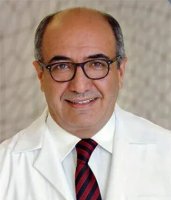
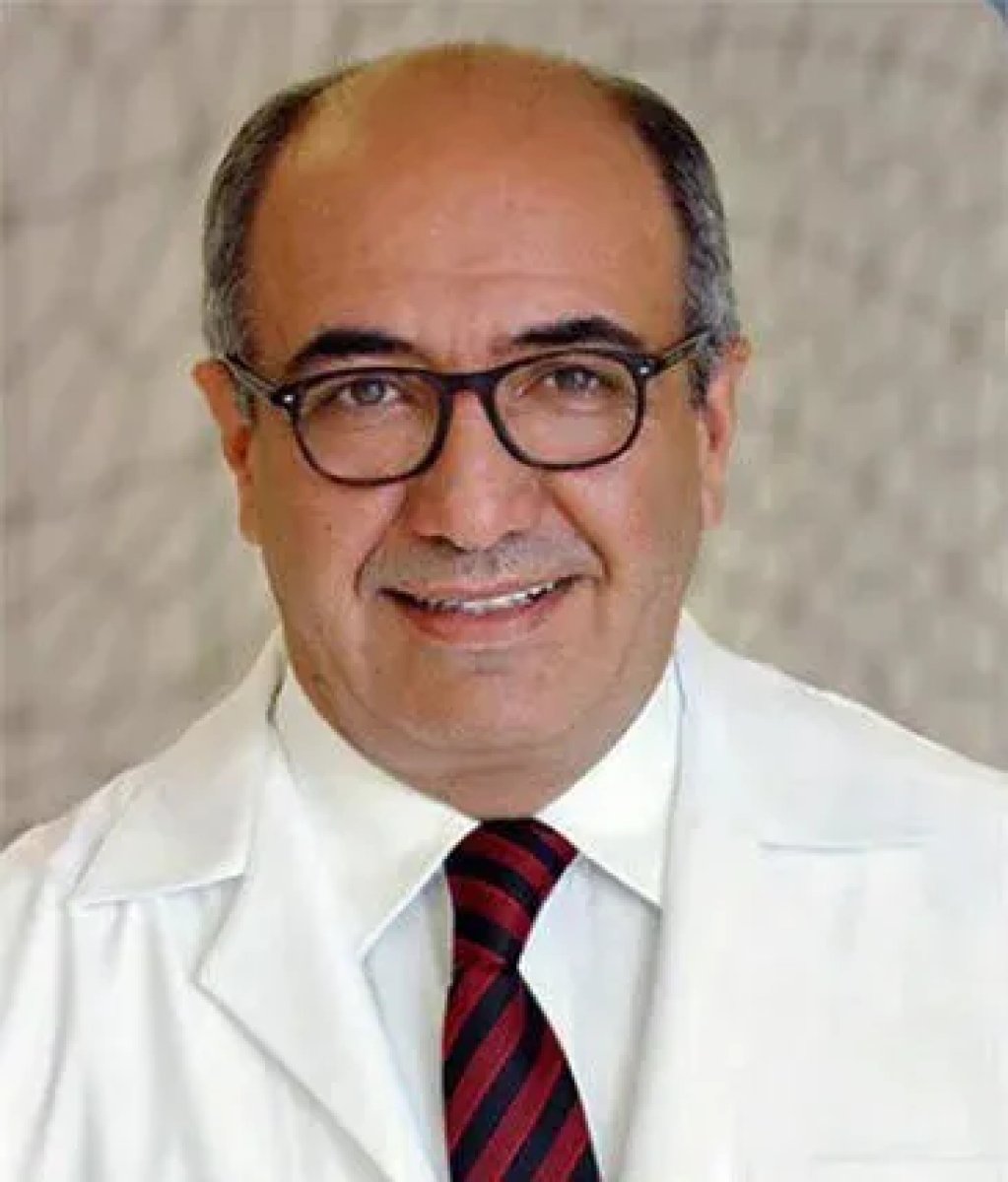
Fan Yu

34سنة خبره ١٦ سنة

الأستاذ فان يو كبير الأطباء ومدير قسم زراعة الكلى. تصدّر مركزه ترتيب فوجيان ثلاث سنوات متتالية في زراعة الكبد والكلى. أجرى فريقه 112 عملية زراعة كلى وعملية زراعة كبد-كلية مشتركة واحدة خلال عامين.

يتخصص في زراعة الكلى، ومضاعفات ما بعد الزراعة، وإدارة العلاج المثبط للمناعة. وطوّر نظامًا يحسّن بقاء الطعوم والمرضى على المدى الطويل.

كان رائدًا في تشخيص وعلاج الرفض المزمن وتحت السريري. قاد بصفته الباحث الرئيسي أكثر من 10 منح، ونشر أكثر من 30 مقالة مفهرسة في SCI. وهو نائب رئيس فرع جرّاحي زراعة الأعضاء في رابطة الأطباء الصينية وفرع زراعة الأعضاء في جمعية شنغهاي الطبية. وهو رئيس تحرير مجلة «أصدقاء الكلى الصينية»، وعضوًا في هيئات تحرير أكثر من 20 مجلة، منها النسخة الصينية من مجلة Transplantation.

يؤكد

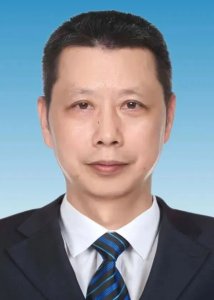
Liu Qifa

33سنة خبره ١٦ سنة

مواد ذات صلة

مشاركة المحتوى

Twitter XLinkedinFacebookWhatsAppEmail
أحصل على الرابط

قصص فيديو من مرضى Bookimed

Dayana
جمعت بين إجازتي في أنطاليا والفحص الطبي.
إجراء: فحص صحة الإناث (انظر فحص النساء)
Igor
كان رائعاً! التنقلات والإقامة والعلاج - كل شيء مشمول.
إجراء: زرع الأسنان
مستشفى: WestDent Clinic
Marina
قام Bookimed بكل شيء من أجلي. لم أضطر للقلق بشأن أي شيء.
إجراء: فحص صحة الإناث (انظر فحص النساء)
مستشفى: Severance Hospital
محدث: 11/10/2025
تأليف
Anna Leonova
Anna Leonova
رئيس فريق تسويق المحتوى
محررة طبية معتمدة لديها خبرة تزيد عن 10 سنوات، طوّرت محتوى Bookimed الموثوق، مدعومة بماجستير في علم اللغة ومقابلات مع خبراء طبيين من جميع أنحاء العالم.
تمت المراجعة من قبل المستشار الطبي في Bookimed
Kamil Yalcin Polat
جراح اختصاص زراعة الأعضاء
الأستاذ الدكتور كامل يالتشين بولات متخصص في زراعة الأعضاء. وقد أجرى أكثر من 2000 عملية زراعة كبد و1000 عملية زراعة كلى. الدكتور بولات هو رئيس مركز زراعة الأعضاء في مستشفى ميموريال بهتشلي إيفلر.
Kamil Yalcin Polat Linkedin
قد تحتوي هذه الصفحة على معلومات تتعلق بمختلف الحالات الطبية والعلاجات وخدمات الرعاية الصحية المتوفرة في بلدان مختلفة. يرجى العلم أن المحتوى مقدم لأغراض إعلامية فقط ولا ينبغي تفسيره على أنه نصيحة أو إرشادات طبية. يرجى استشارة طبيبك أو أخصائي طبي مؤهل قبل البدء أو تغيير العلاج الطبي.

أسئلة متكررة حول طب زراعة الأعضاء في الصين

هذه الأسئلة الشائعة مأخوذة من مرضى حقيقيين يبحثون عن رعاية طبية عبر Bookimed. يتم تقديم الإجابات من قبل منسقين طبيين ذوي خبرة وممثلين موثوقين من العيادات.

What accreditation and safety standards do Chinese transplant centres follow for international patients?

Chinese transplant centres follow National Health Commission (NHC) regulations and the COTRS allocation system. High-end facilities like Lu Daopei Hematology Hospital adhere to strict clinical protocols. Most top centres maintain Tertiary Class A status. They often use ISQua-accredited standards for international quality alignment.

  • Hospital grading: Centers typically hold Tertiary Class A (Level 3 Grade A) status.
  • Quality oversight: Facilities follow the National Performance Evaluation using 55 safety indicators.
  • Organ traceability: All transplants must use the automated COTRS system for transparency.
  • Ethical review: Hospital ethics committees must approve every procedure and donation case.

Bookimed Expert Insight: Quality signals in China often link to specialist volume rather than general labels. Lu Daopei Hematology Hospital operates with highly specialized doctors like Dr. Liu Qifa. These focused institutions often provide more robust internal protocols for complex transplant cases than general hospitals.

Patient Consensus: Patients note that domestic Ministry of Health approvals are standard. Many suggest verifying English-speaking staff availability and international patient protocols before traveling for care.

Who qualifies as a recipient, and how is donor-recipient matching handled for foreigners?

Foreigners qualify as transplant recipients in China by meeting clinical criteria and providing significant upfront payment. Medical need and blood type compatibility are the primary factors for matching. Hospitals like Lu Daopei Hematology Hospital in Beijing specialize in complex transplants for international patients from Europe and Asia.

  • Medical necessity: A doctor must confirm that a transplant is the only viable treatment option.
  • Financial clearance: Recipients must often pay large sums upfront before the matching process begins.
  • Matching factors: Focus is primarily on blood type and body size compatibility for donors.
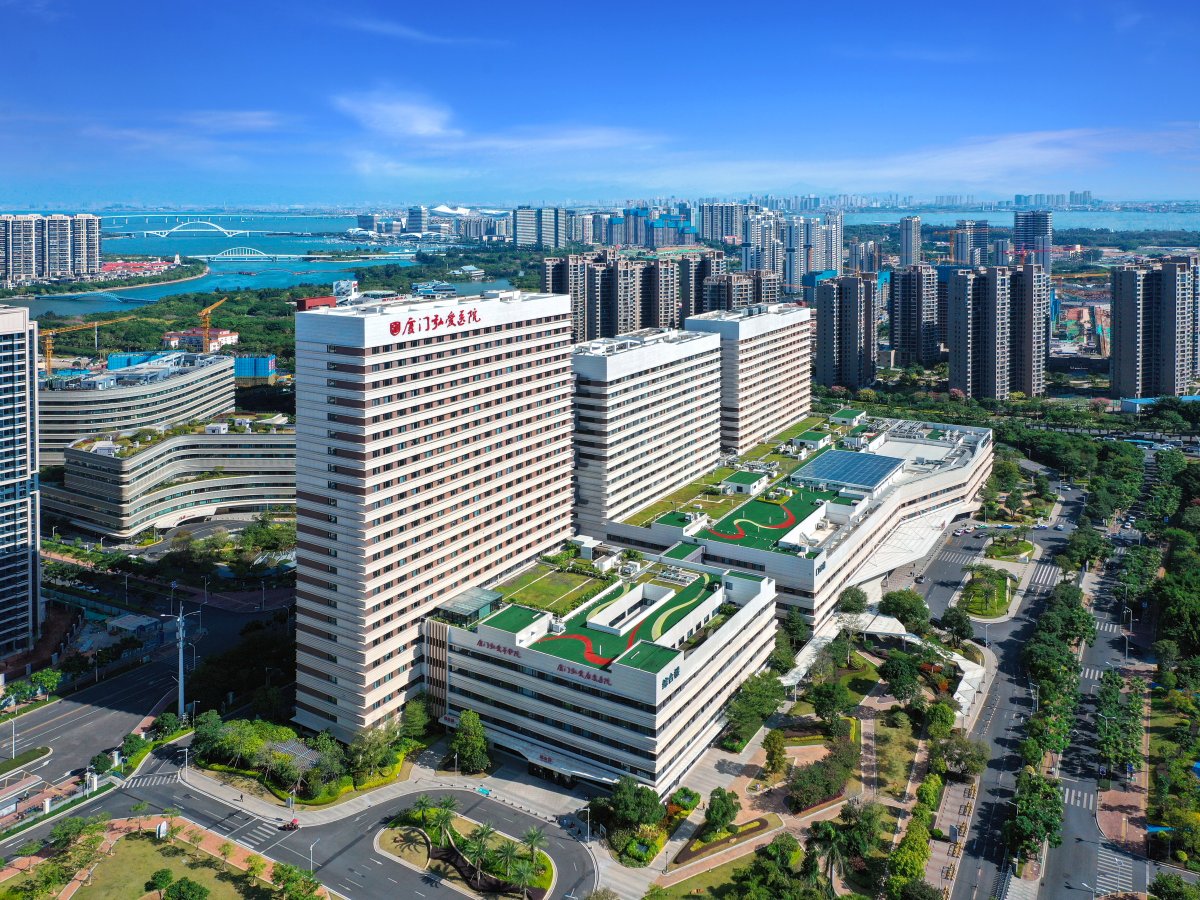
  • Facility capacity: Large centers like Xiamen Humanity Hospital manage 1,000,000 patients across 47 departments.

Bookimed Expert Insight: Clinical volume often dictates the speed of matching in Beijing medical hubs. Lu Daopei Hematology Hospital uses its specialized infrastructure to serve a high volume of international transplant cases. This indicates that centers with more departments and beds typically offer faster processing for foreign recipients.

Patient Consensus: Patients note that matching happens very quickly, often within days of arrival. Many express concern that speed sometimes takes priority over detailed tissue typing reports during the process.

How long is the typical stay and what does the in-hospital recovery timeline look like?

Patients undergoing transplants in China typically stay in the hospital for 7 to 14 days. This timeframe covers intensive monitoring and initial recovery. Shorter stays occur for stable kidney transplants. Complex liver cases often require the full 2-week period for safety.

  • Immediate monitoring: Patients spend 1 to 3 days in the ICU after surgery.
  • Clinical focus: Doctors perform daily bloodwork and ultrasounds to monitor for organ rejection.
  • Active recovery: Mobility training starts by day 2 to prevent post-surgical complications.
  • Discharge criteria: Patients must stabilize creatinine levels and transition to oral feeding before leaving.

Bookimed Expert Insight: High-capacity centers like Xiamen Humanity Hospital manage 1,000,000 patients annually using 1,000 beds. This high volume often results in streamlined protocols where physical therapy begins faster than in smaller facilities. Efficient turnarounds at such major tertiary hospitals help reduce the risk of hospital-acquired infections.

Patient Consensus: Patients suggest packing for at least 2 weeks but staying ready for a quick exit. Many emphasize using translator apps to bridge communication gaps with vigilant nursing staff during recovery steps.

What post-operative surveillance plan should a medical tourist plan for after returning home?

A post-operative surveillance plan for transplant patients returning from China centers on immediate local clinical integration. Secure all English medical records and imaging before departure. Arrange a local specialist consultation within 7 days of return. Regular bloodwork and immunosuppressant monitoring are vital for long-term organ function and safety.

  • Medical documentation: Secure English copies of operative reports, discharge summaries, and medication lists.
  • Clinical follow-up: Schedule an appointment with a local specialist within 7 days.
  • Biochemical monitoring: Perform bloodwork every 1–2 weeks to check creatinine and tacrolimus levels.
  • Medication verification: Have a local pharmacist transition foreign prescriptions to locally available formulations.
  • Symptom tracking: Monitor daily weight and blood pressure to detect early signs of rejection.

Bookimed Expert Insight: Coordination is key as some specialized centers like Lu Daopei Hematology Hospital manage high volumes of complex cases. Patients should verify if their Chinese clinical team can provide digital updates to local doctors. This ensures seamless transitions for patients treated by experts such as Dr. Liu Qifa.

Patient Consensus: Patients emphasize the need to book local appointments before even leaving for treatment. They note that tracking daily weight and urine output helps identify issues faster than waiting for scheduled tests.

How are rejection episodes detected and managed when the patient is abroad?

Patients detect rejection abroad by monitoring for fever, sudden weight gain, or swelling. Clinical detection involves creatinine blood tests and tacrolimus level monitoring. Management requires immediate contact with the transplant team and local emergency care. Specialized centers like Lu Daopei Hematology Hospital provide expert transplantology support.

  • Symptom tracking: Monitor daily for fatigue, fever over 38°C, or decreased urine output.
  • Diagnostic tests: Local labs check creatinine and liver enzymes to identify silent rejection.
  • Gold standard: A biopsy is necessary to confirm the severity of any rejection episode.
  • Initial treatment: Doctors typically use high-dose intravenous steroids to dampen the immune response.
  • Medication supply: Carry a 3–6 month supply of immunosuppressants to avoid local pharmacy delays.

Bookimed Expert Insight: Chronic transplant patients should use home testing kits for creatinine and tacrolimus levels. This data allows for preemptive dose adjustments before symptoms appear. Clinics with high patient volumes, such as Xiamen Humanity Hospital which serves 1,000,000 patients annually, emphasize that early biochemical detection prevents 90% of acute travel-related complications.

Patient Consensus: Patients emphasize the need for English translations of all prescriptions before leaving. Many note that having emergency funds for an urgent flight home is vital if local doctors recommend a biopsy.

Which cities offer the best infrastructure and English-speaking staff for transplant tourists?

Beijing and Shanghai offer the most advanced infrastructure for transplantology in China. Beijing features facilities like Lu Daopei Hematology Hospital. These centers support international patients from Europe and Asia. However, English proficiency remains low among surgical staff. Most clinics require professional translation services for medical consultations.

  • Medical infrastructure: Beijing hubs like Xiamen Humanity Hospital manage 1,000,000 patients annually.
  • Specialized expertise: Dr. Liu Qifa at Lu Daopei Hematology Hospital specializes in transplantology.
  • Clinical capacity: Top facilities maintain 1,000 beds and over 45 departments for care.
  • Research standards: Major centers are accredited to conduct Phase I-IV medical device trials.

Bookimed Expert Insight: Professional medical centers in Beijing often handle massive patient volumes. Lu Daopei Hematology Hospital stands out for specialized transplantology expertise. High patient turnover typically indicates very streamlined clinical protocols. This efficiency often compensates for the communication gap found in public facilities.

Patient Consensus: Patients note that even top-tier hospitals have modern operating rooms. However, most surgeons do not speak English. Many travelers now hire private translators. They also suggest using video calls to verify a doctor's communication skills before booking travel.

What documentation must foreigners bring, and how long in advance should visas and testing be arranged?

Foreigners traveling to China for transplantology require a passport valid for 6+ months and a medical visa. Applicants should arrange visa documentation 10–12 weeks before their target transplant date. Certified Mandarin translations of medical records and infectious disease clearances are mandatory for hospital acceptance.

  • Visa processing: Applications typically take 2–4 weeks but require an official hospital invitation letter.
  • Medical records: All imaging and blood tests must be translated by certified professionals.
  • Pre-arrival testing: Complete tissue matching and infectious disease screening within 30 days of travel.
  • Financial proof: Hospitals require bank statements or upfront payment proof before finalizing surgery dates.

Bookimed Expert Insight: Coordination speed often depends on the hospital's specific administrative capacity. For example, Xiamen Humanity Hospital manages over 1,000,000 patients annually across 47 departments. This high volume means their international departments have standardized document templates. Using these specific forms can prevent the 1–2 week delays caused by generic translations.

Patient Consensus: Patients emphasize that documentation is the most unpredictable part of the journey. One patient noted that missing a single certified translation delayed their entire clinical evaluation by two weeks.

احصل على استشارة مجانية

حدد أفضل طريقة للاتصال بك