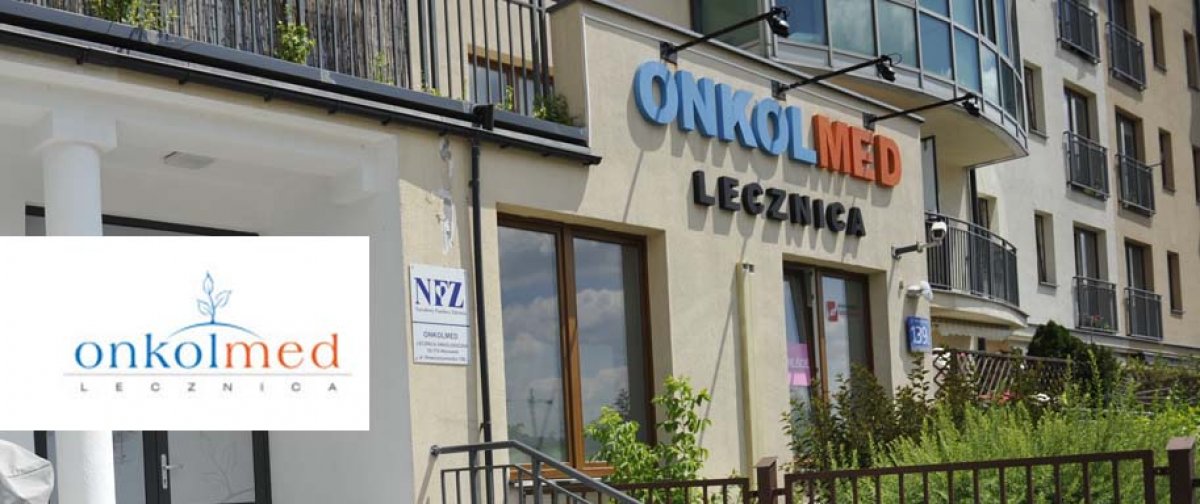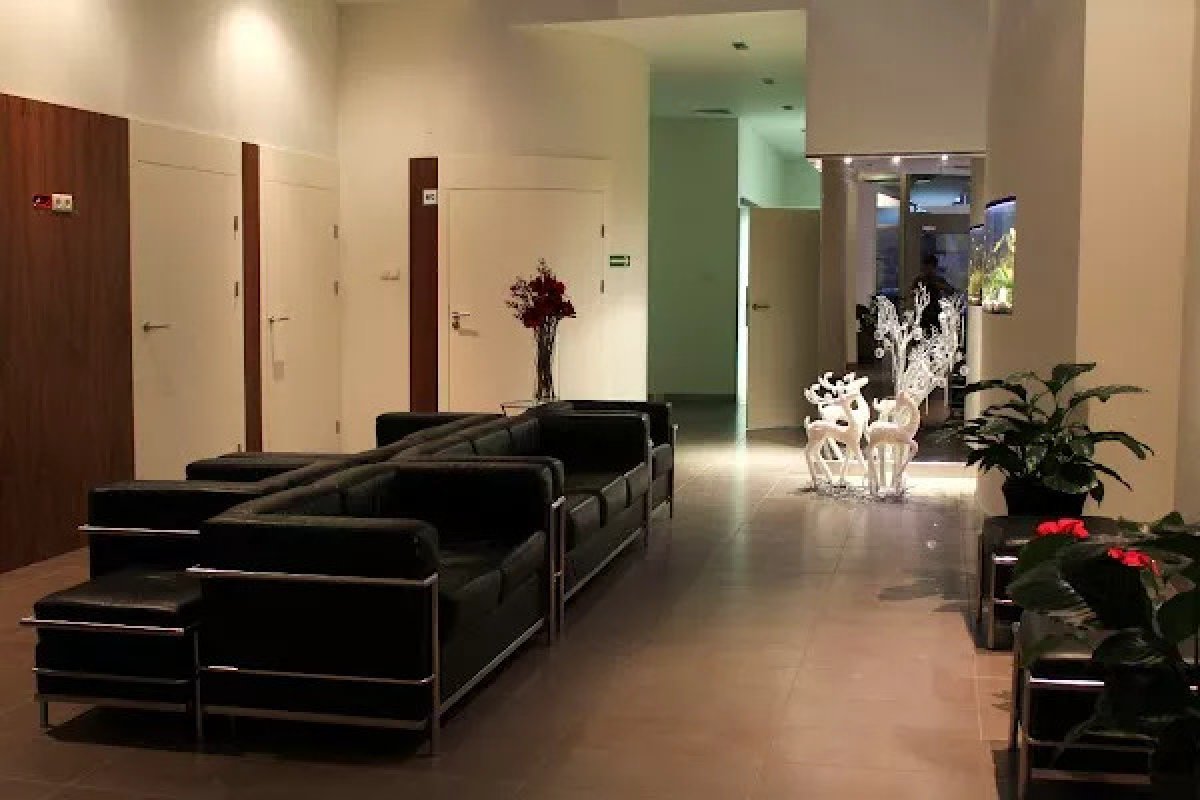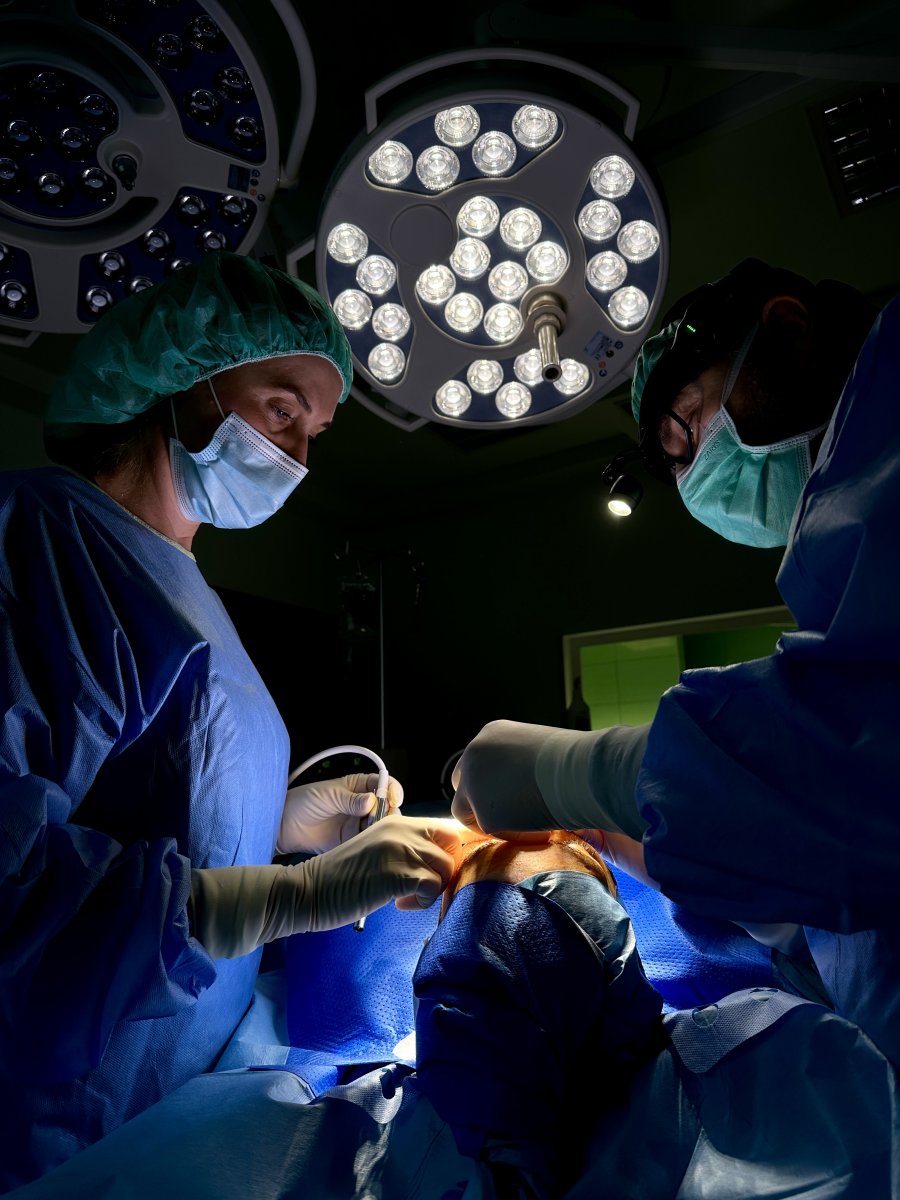
عيادة بروميديون
بولندا, وارسو

تمت مراجعة المقالة طبيا من قبل
Kamil Yalcin Polat
تتراوح تكلفة زراعة الأعضاء في بولندا عادةً ما بين $99,500 و $198,300. تعتمد النفقات النهائية على العضو أو الأنسجة المحددة المطلوبة، ومدى تعقيد التقنية الجراحية، ومدة الإقامة في المستشفى اللازمة للتعافي. يمكن للمرضى عمومًا تحقيق وفورات تتراوح بين 40-60% مقارنة بالولايات المتحدة لهذه الإجراءات.
تكاليف زراعة الأعضاء النموذجية في بولندا
تقع مراكز زراعة الأعضاء المتخصصة بشكل رئيسي في وارسو وكراكوف وفروتسواف. وفي حين تظل التكاليف ثابتة نسبيًا عبر هذه المراكز الرئيسية، فقد يختلف توافر خبرات جراحية معينة. استشر أخصائيًا للحصول على تسعير دقيق وتأكيد الأهلية لحالتك الخاصة.
| بولندا | تركيا | إسبانيا | |
|---|---|---|---|
| زرع القلب | ≈ $150,000 | ≈ $175,000 | ≈ $140,000 |
| زرع القرنية | ≈ $2,600 | من $6,000 | من $8,400 |
| زراعة الكلى | ≈ $28,000 | من $16,000 | ≈ $68,000 |
| زراعة الكبد | ≈ $75,000 | من $45,000 | من $150,000 |
| زراعة القلب والرئة | ≈ $140,000 | ≈ $150,000 | ≈ $185,000 |
Bookimed لا يضيف رسوماً إضافية على أسعار علاج طب زراعة الأعضاء. الأسعار مأخوذة من قوائم الأسعار الرسمية للعيادات. تدفع مباشرة في العيادة مقابل علاجك عند وصولك إلى البلد.
Bookimed ملتزم بسلامتك. نحن نعمل فقط مع المؤسسات الطبية التي تحافظ على معايير دولية عالية في علاج طب زراعة الأعضاء ولديها التراخيص اللازمة لخدمة المرضى الدوليين في جميع أنحاء العالم.
Bookimed يقدم مساعدة خبراء مجانية. منسق طبي شخصي يدعمك قبل وأثناء وبعد العلاج، ويحل أي مشاكل. لن تكون وحيداً أبداً في رحلة علاج طب زراعة الأعضاء.

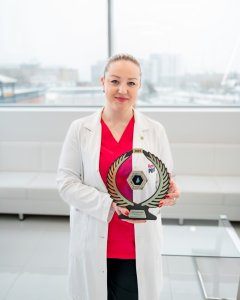
الدكتورة ماريانا ميسلوفيتش طبيبة جلدية وأخصائية أمراض الشعر وخبيرة زراعة شعر، بخبرة تتجاوز 9 سنوات في استعادة الشعر. أسست العيادة وتشغل منصب الطبيبة الرئيسية. تُدرّب فريق الزراعة على أساليبها وتلتزم بالمعايير الطبية الأوروبية. وهي عضو في الجمعية الأوروبية لأبحاث الشعر وتحمل ترخيصاً طبياً بولندياً سارياً.
أجرت الدكتورة ماريانا عدة آلاف من عمليات زراعة الشعر، وتركّز على نتائج طبيعية وغير ملحوظة. صمّمت كل خطوة في العملية. تستخدم تقنية Micro FUE أدوات فائقة الصِغَر لتقليل الأذى النسيجي. وت

كتب بواسطة Ana Hurevska

كتب بواسطة Ana Hurevska

كتب بواسطة Veronika Kazina

كتب بواسطة Veronika Kazina
كتب بواسطة Veronika Kazina
 Anna Leonova
يمكن للمواطنين الأجانب الانضمام إلى قائمة الانتظار الوطنية لزراعة الأعضاء في بولندا إذا استوفوا معايير إقامة ومعايير سريرية صارمة. يتم التسجيل من خلال المركز البولندي لتنسيق عمليات الزرع (POLTRANSPLANT). معظم الأجانب المسجلين هم من المواطنين الأوكرانيين. تتطلب الأهلية عادةً رقم تعريف وطني (PESEL) وإثبات دفع اشتراكات التأمين الصحي المحلي.
رؤية خبير Bookimed: تُظهر البيانات أن المراكز الكبيرة متعددة التخصصات مثل مستشفى جامعة كراكوف تدير أكثر من 450,000 مريض سنويًا. غالبًا ما تمتلك هذه المرافق ذات الحجم الكبير أكبر قدر من الخبرة في التعامل مع المتطلبات الإدارية المعقدة لمرشحي زراعة الأعضاء الأجانب. يجب على المرضى إعطاء الأولوية للمستشفيات التي لديها أقسام تشخيصية واسعة للتعامل مع اختبارات HLA والحمض النووي الإلزامية بكفاءة.
إجماع المرضى: يشير المرضى إلى أن الحصول على رقم PESEL والتسجيل الدائم (zameldowanie) هو الخطوة الأولى الأساسية للأهلية. يؤكد معظمهم أن مواطني الدول غير الأعضاء في الاتحاد الأوروبي الذين ليس لديهم إقامة يواجهون عوائق كبيرة وعادة ما يحتاجون إلى اتفا
تضع قوانين الموافقة المفترضة في بولندا قاعدة قانونية افتراضية حيث يعتبر كل مواطن متبرعاً محتملاً ما لم يرفض ذلك. عملياً، يهدف هذا النظام إلى زيادة توافر الأعضاء وتقليل فترات الانتظار لإجراءات مثل زراعة الكلى، التي تتراوح تكلفتها بين $28,000 و $42,000.
رؤية خبراء Bookimed: تشير البيانات الصادرة عن المستشفى الجامعي في كراكوف، الذي يخدم 455,000 مريض سنوياً، إلى أن حجم المرضى الكبير والبنية التحتية أكثر حسماً من القانون وحده. على الرغم من وجود الإطار القانوني، فإن وجود أكثر من 100 قسم متخصص يضمن القدرة التقنية على إجراء عمليات زراعة معقدة بالفعل.
إجماع المرضى: يشير المرضى إلى أنه على الرغم من أن القانون يساعد، إلا أن العائق الحقيقي يظل ندرة الأعضاء والتنسيق بين المستشفيات. يلاحظ الكثيرون أن الأطباء نادراً ما يشرعون في الإجراء دون موافقة العائلة على الرغم من الافتراض القانوني للموافقة.
تشمل المراكز الرائدة في بولندا لإجراءات الأعضاء المتعددة المعقدة المركز السريري الجامعي التابع للجامعة الطبية في وارسو والمستشفى الجامعي في كراكوف. تتخصص هذه المؤسسات في عمليات زراعة القلب والكبد، والكبد والكلى، والقلب والكلى المتزامنة. وهي تستخدم أنظمة تروية OCS متقدمة لحفظ الأعضاء.
رؤية خبير Bookimed: يظهر المستشفى الجامعي في كراكوف قدرة سريرية استثنائية مع أكثر من 100 قسم متخصص وأكثر من 1000 طبيب. يسمح هذا النطاق بتنسيق سلس بين الفرق الجراحية المختلفة أثناء إجراءات الأعضاء المتعددة. عادة ما توفر المراكز الأكاديمية الكبيرة مثل هذا نتائج أكثر استقراراً للحالات المركبة المعقدة.
إجماع المرضى: يشير المرضى إلى أن هذه المراكز الجامعية توفر رعاية مركزة عالمية المستوى. يقترح الكثيرون استخدام منسق للمساعدة في إدارة الأوراق المعقدة وحواجز اللغة أثناء العملية.
تظل قائمة الانتظار الوطنية لزراعة الأعضاء في بولندا مستقرة مع وجود ما يقرب من 1800 إلى 2000 مريض نشط حالياً. تمثل عمليات زراعة الكلى الطلب الأكبر. تتراوح فترات الانتظار المتوسطة بين سنتين و 5 سنوات. تدير المراكز المتخصصة مثل المستشفى الجامعي في كراكوف أحجاماً كبيرة لتحسين هذه الجداول الزمنية.
رؤية خبراء Bookimed: تشير بيانات حجم المرضى إلى أن المرافق رفيعة المستوى مثل المستشفى الجامعي في كراكوف تتعامل مع 455,000 مريض سنوياً. غالباً ما يرتبط هذا التدفق الهائل ببنية تحتية تشخيصية أكثر قوة. العيادات ذات أحجام الجراحات العالية في وضع أفضل لإدارة كتابة HLA المعقدة واختبارات الحمض النووي اللازمة لتحقيق تطابق ناجح.
إجماع المرضى: يؤكد المرضى أن التسجيل المبكر في النظام الوطني أمر حيوي. يلاحظ البعض أن الحفاظ على لياقة بدنية عالية أثناء الانتظار يساعدهم على البقاء مؤهلين عندما يظهر تطابق أخيراً.
تعد زراعة الشعر خدمة شائعة للسياح الطبيين في بولندا. وتعمل المدن الكبرى مثل وارسو وكراكوف كمراكز رئيسية. وتعمل حوالي 45 عيادة متخصصة في جميع أنحاء البلاد. وغالبًا ما يوفر المرضى ما بين 50% إلى 70% مقارنة بأوروبا الغربية. وتتبع العيادات اللوائح الطبية الصارمة للاتحاد الأوروبي.
رؤية خبير Bookimed: تجذب بولندا ملفًا شخصيًا محددًا للمرضى يبحثون عن تجربة متميزة. تدير المرافق الكبيرة مثل مستشفى الجامعة في كراكوف 455,000 مريض سنويًا عبر 103 أقسام. تدعم هذه البنية التحتية الطبية الضخمة عيادات الشعر المتخصصة. توفر هذه البيئة نسب مريض إلى طبيب أصغر من المراكز ذات الحجم الكبير في البلدان الأخرى.
إجماع المرضى: يشير المرضى إلى أنه من المهم اختيار عيادات بها موظفون يتحدثون الإنجليزية. يوصي الكثيرون بحجز باقات شاملة تجمع بين الإجراء والإقامة في الفندق وخدمات النقل من المطار.
تُقدم جراحة الأعصاب في بولندا رعاية عالية الجودة في مرافق معتمدة من قبل اللجنة الدولية المشتركة (JCI) والمنظمة الدولية للمعايير (ISO). يلتزم جراحو الأعصاب البولنديون بمعايير تدريب صارمة معتمدة من قبل الاتحاد الأوروبي. وقد أكمل العديد منهم زمالات في الولايات المتحدة أو ألمانيا. وتتوفر التقنيات المتقدمة، مثل جهاز سايبر نايف وجهاز جاما نايف والأنظمة الروبوتية، على نطاق واسع في المراكز الخاصة.
رأي خبراء بوكيمد: تُظهر البيانات وجود علاقة وثيقة بين تخصص العيادة وأصول مرضاها. تعالج عيادة KCM أكثر من 700 مريض دولي سنويًا، وهي متخصصة في جراحة العمود الفقري طفيفة التوغل. يُمكّنها هذا الحجم من العمل من تقديم باقات خدمات متخصصة، تشمل غالبًا حواجز تشخيصية وزرعات محددة،
يُعدّ جراحو الأعصاب البولنديون متخصصين ذوي كفاءة عالية، إذ أتموا ما لا يقل عن 13 عامًا من التدريب الطبي المكثف. يشمل ذلك ست سنوات من الدراسة في كلية الطب، و13 شهرًا من التدريب العملي، وست سنوات من الإقامة. ويجب عليهم اجتياز امتحان التخصص الحكومي (PES)، وغالبًا ما يحصلون على شهادة من الجمعية الأوروبية لجمعيات جراحة الأعصاب (EANS).
رأي خبراء بوكيميد: تشير البيانات إلى أن جراحي الأعصاب البولنديين غالبًا ما يتخصصون في تقنيات بالغة التخصص، مثل نظام ApiFix أو نظام SED-YESS لتنظير الفقرات القطنية. ويجمع أخصائيون مثل الدكتور ستانيسواف كويك من عيادة KCM بين أبحاث ما بعد الدكتوراه والممارسة الجراحية النشطة. هذا المزيج من المعرفة الأكاديمية المتعمقة والخبرة الجراحية الوا
من بين أفضل عيادات جراحة الأعصاب في بولندا مستشفى كارولينا، وعيادة KCM، ومراكز أكاديمية رائدة مثل مستشفى جامعة كراكوف. تقدم هذه المؤسسات علاجات متطورة لأمراض العمود الفقري والدماغ، مطابقة لمعايير الجودة ISO، وتضم أخصائيين أعضاء في منظمات دولية مثل AO Spine.
رأي خبراء بوكيمد: بينما يتجه الكثيرون إلى أكبر المستشفيات، تُظهر البيانات أن عيادات مثل مستشفى كارولينا تُقدم كفاءة أعلى في العمليات الجراحية الاختيارية. فمع وجود أكثر من 40 طبيباً متخصصاً في هذه المنشأة التي تضم 30 سريراً، تكون نسبة الأطباء إلى المرضى أعلى بكثير مما هي عليه في المراكز الجامعية الحكومية. وهذا يعني رعاية ما بعد الجراحة أكثر عناية، وجدولة أسرع بكثير لإجراءات مثل علاج الانزلاق الغضروفي
في بولندا، يركز طب جراحة الأعصاب بشكل أساسي على جراحات العمود الفقري واستئصال أورام الدماغ. وتُجري المستشفيات بشكل متكرر عمليات استئصال القرص المجهرية، ودمج الفقرات، وتحفيز الدماغ العميق. وتستخدم مراكز مثل مستشفى كارولينا وعيادة كي سي إم تقنيات طفيفة التوغل لعلاج الانزلاق الغضروفي، وإصابات العمود الفقري، والاضطرابات العصبية المعقدة.
رأي خبراء بوكيميد: أصبحت بولندا مركزًا متخصصًا في تثبيت العمود الفقري. تتعاون عيادات مثل مستشفى كارولينا مع الفرق الرياضية الوطنية، مما يعكس خبرتها العالية في علاج إصابات العمود الفقري المعقدة. تُظهر بياناتنا أن هذه المؤسسات غالبًا ما تُدمج إعادة التأهيل مباشرةً في العلاج الجراحي. هذا الدمج يقلل من خطر الم
تتوفر خدمات إعادة التأهيل العصبي على نطاق واسع في بولندا من خلال مراكز متخصصة ومستشفيات متعددة التخصصات. وتشمل هذه البرامج التعافي بعد السكتة الدماغية، وإصابات الحبل الشوكي، والأمراض التنكسية. وتقدم مؤسسات مثل مستشفى كارولينا في وارسو وعيادة KCM علاجًا تحت إشراف طبي. وتتضمن معظم برامج جراحة الأعصاب تقييمًا أوليًا لإعادة التأهيل بعد العملية.
رأي خبراء بوكيمد: تشير البيانات إلى أن العيادات التي تستقبل أعدادًا كبيرة من المرضى الدوليين، مثل عيادة KCM، غالبًا ما تُدرج إعادة التأهيل الأساسية ضمن برامجها الجراحية. تُعد هذه ميزة هامة، إذ قد يكون تنسيق إعادة التأهيل العصبي بشكل مستقل في بولندا أمرًا صعبًا. يضمن اختيار عيادة تضم أخصائي إعادة تأهيل متواجدًا فيها بدء التعافي في غضون 24 ساعة بعد الجراحة، وهو