طب زراعة الأعضاء في ليتوانيا: 1 عيادة

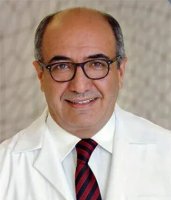
تمت مراجعة المقالة طبيا من قبل
Kamil Yalcin Polat
ما هي تكلفة طب زراعة الأعضاء في ليتوانيا؟ اكتشف الآن
| تركيا | إسبانيا | |
|---|---|---|
| زرع القلب | ≈ $175,000 | ≈ $140,000 |
| زرع القرنية | من $6,200 | من $8,400 |
| زراعة الكلى | من $16,000 | ≈ $68,000 |
| زراعة الكبد | من $45,000 | من $150,000 |
| زراعة القلب والرئة | ≈ $150,000 | ≈ $185,000 |
مزاياك وضماناتك مع Bookimed
أسعار مباشرة
Bookimed لا يضيف رسوماً إضافية على أسعار علاج طب زراعة الأعضاء. الأسعار مأخوذة من قوائم الأسعار الرسمية للعيادات. تدفع مباشرة في العيادة مقابل علاجك عند وصولك إلى البلد.
عيادات وأطباء معتمدون فقط
Bookimed ملتزم بسلامتك. نحن نعمل فقط مع المؤسسات الطبية التي تحافظ على معايير دولية عالية في علاج طب زراعة الأعضاء ولديها التراخيص اللازمة لخدمة المرضى الدوليين في جميع أنحاء العالم.
مساعدة مجانية على مدار الساعة
Bookimed يقدم مساعدة خبراء مجانية. منسق طبي شخصي يدعمك قبل وأثناء وبعد العلاج، ويحل أي مشاكل. لن تكون وحيداً أبداً في رحلة علاج طب زراعة الأعضاء.

منسقك الطبي الشخصي في Bookimed
- يدعمك في كل مرحلة
- المساعدة في اختيار العيادة الطبية المناسبة والطبيب المناسب
- يضمن الوصول السريع والمريح إلى المعلومات
اكتشف أفضل عيادات طب زراعة الأعضاء: 1 خيار معتمدة والأسعار


مواد ذات صلة
عرض المزيد من التفاصيل
تكلفة جراحة زرع الكلى المعقولة - من أين تجد وكيف تحصل عليها
كتب بواسطة Ana Hurevska

أفضل 5 مستشفيات لزراعة الكلى في العالم
كتب بواسطة Ana Hurevska

فضيحة السوق السوداء تهز أكبر مستشفى في الهند
كتب بواسطة Veronika Kazina

قصة نجاح زراعة الكبد: الجراحة الأولى في العالم لطفل عمره 5 أيام
كتب بواسطة Veronika Kazina
أسئلة وأجوبة حول زراعة الكبد
كتب بواسطة Veronika Kazina
مشاركة المحتوى
قصص فيديو من مرضى Bookimed
 Anna Leonova
أسئلة متكررة حول طب زراعة الأعضاء في ليتوانيا
أين يتم إجراء عمليات الزرع في ليتوانيا؟
يتم إجراء عمليات الزرع في ليتوانيا بشكل أساسي في فيلنيوس وكاوناس. تتولى المستشفيات الجامعية العامة عمليات زرع الأعضاء الرئيسية مثل الكلى والقلب والكبد. وتركز المراكز الخاصة المتخصصة، مثل المركز الطبي للتشخيص والعلاج (Medical Diagnostic and Treatment Center)، على الدعم التشخيصي وإعادة التأهيل لمرضى الزرع.
- مركز الزرع الرئيسي: يدير مستشفى جامعة فيلنيوس سانتاروس كلينيكوس (Santaros Klinikos) معظم عمليات زرع الأعضاء الصلبة.
- الرعاية المتخصصة: تجري عيادات كاوناس عمليات زرع القرنية وإجراءات نخاع العظم.
- جراحة الأطفال: يتولى مستشفى الأطفال بجامعة فيلنيوس جميع حالات زرع الأطفال المتخصصة.
- التشخيص الخاص: يوفر المركز الطبي للتشخيص والعلاج فحوصات ما قبل الجراحة وخدمات التعافي.
رؤية خبير Bookimed: تظهر البيانات تمييزاً واضحاً بين القطاعين العام والخاص في ليتوانيا. فبينما تمتلك المستشفيات العامة تراخيص حصرية للأعضاء الرئيسية، تخدم العيادات الخاصة مثل المركز الطبي للتشخيص والعلاج 60,000 مريض سنوياً بتشخيصات معتمدة من اللجنة الدولية المشتركة (JCI). يسمح هذا النظام ثنائي المستوى للمرضى بالجمع بين الفحوصات الخاصة الفعالة والخبرة الجراحية العامة المتخصصة.
إجماع المرضى: يشير المرضى إلى أن التعامل مع الأوراق الطبية في ليتوانيا يتطلب غالباً منسقاً ثنائي اللغة. ويؤكدون أنه على الرغم من أن فترات الانتظار للبالغين قد تصل إلى 3 سنوات، إلا أن حالات الأطفال تتحرك بشكل أسرع بكثير من خلال الشبكات المتخصصة.
ما هي الأعضاء الأكثر شيوعاً في عمليات الزرع؟
تعتبر الكلية العضو الأكثر شيوعاً في عمليات الزرع على مستوى العالم. فهي تمثل ما يقرب من 65% من جميع إجراءات زراعة الأعضاء الصلبة. ويأتي الكبد في المرتبة الثانية من حيث التكرار. وتلي هذه العمليات الجراحية عمليات زراعة القلب والرئة والبنكرياس. كما يتم زراعة القرنيات بشكل متكرر في جميع أنحاء العالم.
- الأعضاء الأساسية: الكلى والكبد هما أكثر عمليات الزرع شيوعاً في ليتوانيا.
- الحجم العالمي: حوالي 80% من جميع عمليات زراعة الأعضاء الصلبة في العالم هي كلى.
- الإجراءات المشتركة: غالباً ما يتم دمج عمليات زراعة البنكرياس مع الكلى لمرضى السكري.
- القدرة الإقليمية: تجري المراكز الليتوانية حوالي 200 عملية زراعة كلى كل عام.
رؤية خبير Bookimed: تظهر البيانات من المرافق الرئيسية في فيلنيوس مثل المركز الطبي للتشخيص والعلاج تدفقاً كبيراً للمرضى الدوليين. وبينما يتعاملون مع 48,000 حالة سنوياً، فإن تركيز المتخصصين متعددي التخصصات يشير إلى بنية تحتية قوية للمراقبة المعقدة بعد الزرع والمتابعات التشخيصية.
إجماع المرضى: يشير المرضى إلى أن عمليات زراعة الكبد غالباً ما تتم بشكل أسرع في ليتوانيا. ويوصي الكثيرون باستخدام متبرعين أحياء لإجراءات الكلى لتقليل وقت الانتظار في قائمة الانتظار بشكل كبير.
ما هي مدة قوائم الانتظار؟
تتراوح قوائم انتظار زراعة الأعضاء في ليتوانيا عادةً من سنتين إلى 5 سنوات. وغالبًا ما تواجه عمليات زراعة الكلى أطول فترات التأخير بسبب نقص المتبرعين على المستوى الإقليمي. يمكن لوجود متبرع حي تجاوز القوائم العامة تمامًا، مما يقلل وقت الانتظار إلى بضعة أسابيع فقط.
- زراعة الكلى: غالبًا ما ينتظر المرضى من سنتين إلى 5 سنوات للحصول على متبرع متوفى مطابق.
- المتبرعون الأحياء: استخدام متبرع من العائلة يقلل الجدول الزمني للجراحة إلى عدة أسابيع.
- توافر المتبرعين: النقص المزمن في منطقة البلطيق يطيل فترات الانتظار الوطنية بشكل مباشر.
- القدرة السريرية: يخدم مركز التشخيص والعلاج الطبي (Medical Diagnostic and Treatment Center) 48,000 مريض سنويًا في فيلنيوس.
رؤية خبير Bookimed: تُظهر بيانات مركز التشخيص والعلاج الطبي أن 10% من المرضى دوليون. غالبًا ما تمتلك العيادات ذات الحجم الكبير والحاصلة على اعتماد JCI بروتوكولات تشخيصية أكثر انسيابية. تساعد هذه الكفاءة المرضى على إكمال الفحوصات اللازمة قبل الزراعة بشكل أسرع من المرافق الإقليمية الأصغر.
إجماع المرضى: يشير المرضى إلى أن أوقات الانتظار الرسمية غالبًا ما يصعب تأكيدها مباشرة. ويؤكد الكثيرون أن العثور على متبرع حي هو الطريقة الوحيدة الموثوقة لتسريع الجراحة.
ما هي معدلات نجاح عمليات الزرع في ليتوانيا؟
تُبلغ ليتوانيا عن معدلات نجاح لزراعة الأعضاء تضاهي تلك الموجودة في المراكز الطبية الأوروبية الرائدة. تحقق عمليات زراعة الكلى معدل بقاء للمرضى لمدة عام واحد بنسبة 97%. وتظهر عمليات زراعة نخاع العظم لسرطان الدم النخاعي الحاد لدى الأطفال معدل بقاء لمدة 5 سنوات بنسبة 76.5%. تعكس هذه النتائج المعايير العالية في مرافق فيلنيوس وكاوناس.
- بقاء الكلى: يصل معدل بقاء الكُلى المزروعة لمدة عام واحد إلى 93% لعمليات زراعة المتبرعين الأحياء.
- نتائج الكبد: يبلغ معدل البقاء على قيد الحياة لمدة عام واحد 81% للمتلقين البالغين.
- زراعة القلب: يبلغ معدل البقاء على قيد الحياة لمدة 5 سنوات 58% للمرضى البالغين.
- نجاح الخلايا الجذعية: انخفضت معدلات انتكاس سرطان الدم لدى الأطفال إلى 6.7%.
- استعادة الشعر: تتراوح نسبة نجاح بقاء الطعوم التقنية بين 90% و98% في العيادات.
رؤية خبير Bookimed: غالبًا ما تأتي مؤشرات الجودة في ليتوانيا من مرافق متعددة الاعتمادات مثل المركز الطبي للتشخيص والعلاج (Medical Diagnostic and Treatment Center). تحمل هذه العيادة كلاً من اعتماد JCI واعتماد Temos International Healthcare. مثل هذا الاعتماد المزدوج نادر. وهو يؤكد أن مريضاً واحداً من بين كل 10 مرضى يسافرون إلى هناك من الخارج يتلقى رعاية عالمية موحدة.
إجماع المرضى: يشير المرضى إلى أن جدولة عمليات زراعة الشعر خلال الأشهر الأكثر برودة قد تساعد في سرعة الشفاء. يؤكد الكثيرون على أهمية التحقق من صور المتابعة لمدة عام واحد للتأكد من كثافة الطعم الفعلي
ما هي المتطلبات القانونية والأخلاقية للتبرع؟
يتبع التبرع في ليتوانيا متطلبات قانونية صارمة تركز على الموافقة المستنيرة وشهادة الموت الدماغي. يتطلب القانون الحالي تسجيلاً كتابياً صريحاً في السجل الوطني للمتبرعين. يجب على الفرق الطبية إعلان الموت الدماغي رسمياً. يستخدمون اختبارات سريرية موحدة قبل بدء أي عملية استرداد.
- نموذج الموافقة: تستخدم ليتوانيا نظام الموافقة المسبقة (opt-in) الذي يتطلب تسجيلاً نشطاً.
- التوثيق القانوني: تشمل الموافقة الصالحة نماذج موقعة أو إدخالات رسمية في السجل.
- المعايير الطبية: يجب على الأطباء تأكيد الموت الدماغي من خلال بروتوكولات سريرية صارمة.
- الرقابة الأخلاقية: يتحقق المنسقون من عدم وجود أي إكراه مالي أثر على التبرع.
رؤية خبير Bookimed: تظهر البيانات أن مراكز مثل المركز الطبي للتشخيص والعلاج في فيلنيوس تحافظ على تقييمات عالية من خلال التركيز على شفافية المرضى الدوليين. على الرغم من تخصصهم في التشخيص، فإن اعتماد JCI الخاص بهم يؤكد التزامهم بالمعايير الأخلاقية العالمية لسلامة المرضى والموافقة. هذا أمر حيوي عند التنقل في الأطر القانونية المعقدة في الرعاية الصحية الأوروبية.
إجماع المرضى: يشير المرضى إلى أن الرغبات الشفهية غالباً ما تسبب نزاعات عائلية خلال الأوقات العاطفية. ويؤكدون أن تسجيل قرارك رسمياً هو الطريقة الوحيدة لمنع التأخير القانوني أو الارتباك لأحبائك.
من يمكنه أن يكون متبرعاً حياً في ليتوانيا؟
يجب أن يكون المتبرعون الأحياء في ليتوانيا بالغين مؤهلين قانونياً ولديهم رابطة عائلية أو عاطفية مؤكدة مع المتلقي. يشمل المتبرعون المؤهلون الأزواج، الآباء، الأشقاء، الأبناء، العمات أو الأعمام. يجب أن يكون التبرع طوعياً وغير تجاري ومتحققاً منه من قبل المكتب الوطني للزراعة.
- حالة العلاقة: يمكن للأزواج أو الأقارب بالدم حتى الدرجة الثانية التبرع.
- متطلبات العمر: يجب أن يكون عمر المتبرعين 18 عاماً على الأقل ومؤهلين قانونياً.
- الصحة الطبية: يجب ألا يعاني المرشحون من حالات مزمنة مثل السكري أو السرطان النشط.
- التبرع الحي: التبرع بالكلى هو الإجراء الرئيسي المسموح به للمتبرعين بالأعضاء الأحياء.
رؤية خبير Bookimed: يتم التحقق من معايير الجودة والسلامة في عيادات فيلنيوس من قبل هيئات دولية مثل JCI وTemos. يخدم مركز التشخيص والعلاج الطبي أكثر من 60,000 مريض سنوياً من خلال 53 قسماً متخصصاً. غالباً ما يؤدي هذا الحجم الكبير من المرضى إلى فحص تشخيصي أكثر كفاءة للمتبرعين المحتملين.
إجماع المرضى: يؤكد المرضى أن مطابقة مؤشر كتلة الجسم وفصيلة الدم هي أكبر العقبات أثناء الفحص. يجد القادمون من الاتحاد الأوروبي العملية أكثر سلاسة بسبب المعايير الطبية المشتركة ومرونة الإقامة.
هل يؤثر العمر على التبرع بالأعضاء؟
لا يستبعد العمر المرضى من التبرع بالأعضاء في ليتوانيا. يعطي المهنيون الطبيون الأولوية للصحة الفسيولوجية على السنوات الزمنية. يقوم الجراحون بتقييم وظائف الأعضاء على أساس كل حالة على حدة في وقت التبرع. غالبًا ما يوفر المتبرعون الأحياء والمتوفون الذين تزيد أعمارهم عن 70 عامًا أعضاء قابلة للحياة.
- التبرع بعد الوفاة: لا يوجد حد أقصى للسن للتبرع بالأعضاء بعد الوفاة.
- التبرع من الأحياء: يجب أن يبلغ عمر المتبرعين 18 عامًا على الأقل لتقديم الموافقة.
- الصحة الفسيولوجية: يركز الأطباء على اللياقة البدنية العامة وحالة الأعضاء بدلاً من تواريخ الميلاد.
- التبرع بالأنسجة: تم التبرع بالقرنيات وأنسجة أخرى بنجاح من قبل مرضى تزيد أعمارهم عن 80 عامًا.
رؤية خبير Bookimed: تظهر البيانات من المراكز الليتوانية الكبرى مثل المركز الطبي للتشخيص والعلاج تركيزًا على التشخيص السريع. هذه السرعة حيوية للمتبرعين الأكبر سنًا. يساعد الفحص الفعال الجراحين على تأكيد صلاحية الأعضاء بسرعة. هذه العملية ضرورية حيث تدير ليتوانيا أكثر من 200 مريض في قوائم انتظار زراعة الأعضاء سنويًا.
إجماع المرضى: يلاحظ المرضى أن العادات الصحية مثل الحفاظ على مؤشر كتلة جسم صحي تهم أكثر من العمر. يتفاجأ الكثيرون بمعرفة أن الكلى من متبرعين تزيد أعمارهم عن 60 عامًا غالبًا ما تعمل بشكل مثالي لعقود.