عيادات طب زراعة الأعضاء في إسبانيا

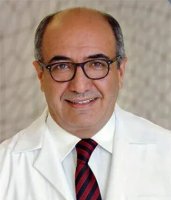
تمت مراجعة المقالة طبيا من قبل
Kamil Yalcin Polat
ما هي تكلفة طب زراعة الأعضاء في إسبانيا؟ اكتشف الآن
تتراوح تكلفة زراعة الأعضاء في إسبانيا عادةً ما بين $156,300 و $213,300. تعتمد النفقات النهائية على نوع العضو، ومدى تعقيد الجراحة، ومدة الرعاية الطبية في المستشفى بعد العملية. وغالباً ما يجد المرضى الدوليون أن الإجراءات الطبية في إسبانيا توفر ما بين 30 إلى 50% من التكاليف مقارنة بالولايات المتحدة.
تكاليف زراعة الأعضاء النموذجية في إسبانيا
- استشارة مع وضع خطة علاجية: من $400
- مراجعة نتائج التصوير بالرنين المغناطيسي: من $160
- زراعة الكلى: $68,000 – $95,000
- زراعة الكبد: من $150,000
- زراعة القرنية: من $8,400
- زراعة الرئة: $150,000 – $200,000
- زراعة القلب: $140,000 – $190,000
- زراعة القلب والرئة: $185,000 – $250,000
تتواجد مراكز زراعة الأعضاء المتخصصة بشكل أساسي في برشلونة ومدريد وبامبلونا. وعلى الرغم من أن التكاليف متسقة نسبياً، إلا أن العيادات في المراكز الرئيسية مثل برشلونة قد تفرض رسوماً أعلى قليلاً. استشر أخصائياً للحصول على تسعير دقيق لحالتك الطبية المحددة.
| تركيا | إسبانيا | ألمانيا | |
|---|---|---|---|
| زرع القلب | ≈ $175,000 | ≈ $140,000 | ≈ $130,000 |
| زرع القرنية | من $6,200 | من $8,400 | من $6,800 |
| زراعة الكلى | من $16,000 | ≈ $68,000 | ≈ $85,000 |
| زراعة الكبد | من $45,000 | من $150,000 | من $180,000 |
| زراعة القلب والرئة | ≈ $150,000 | ≈ $185,000 | ≈ $230,000 |
مزاياك وضماناتك مع Bookimed
أسعار مباشرة
Bookimed لا يضيف رسوماً إضافية على أسعار علاج طب زراعة الأعضاء. الأسعار مأخوذة من قوائم الأسعار الرسمية للعيادات. تدفع مباشرة في العيادة مقابل علاجك عند وصولك إلى البلد.
عيادات وأطباء معتمدون فقط
Bookimed ملتزم بسلامتك. نحن نعمل فقط مع المؤسسات الطبية التي تحافظ على معايير دولية عالية في علاج طب زراعة الأعضاء ولديها التراخيص اللازمة لخدمة المرضى الدوليين في جميع أنحاء العالم.
مساعدة مجانية على مدار الساعة
Bookimed يقدم مساعدة خبراء مجانية. منسق طبي شخصي يدعمك قبل وأثناء وبعد العلاج، ويحل أي مشاكل. لن تكون وحيداً أبداً في رحلة علاج طب زراعة الأعضاء.

منسقك الطبي الشخصي في Bookimed
- يدعمك في كل مرحلة
- المساعدة في اختيار العيادة الطبية المناسبة والطبيب المناسب
- يضمن الوصول السريع والمريح إلى المعلومات
اكتشف أفضل عيادات طب زراعة الأعضاء: 10 خيارات معتمدة والأسعار













Derma Clinic Spain
أفضل مراكز طب زراعة الأعضاء في إسبانيا
- Centro Médico Teknon, إسبانيا
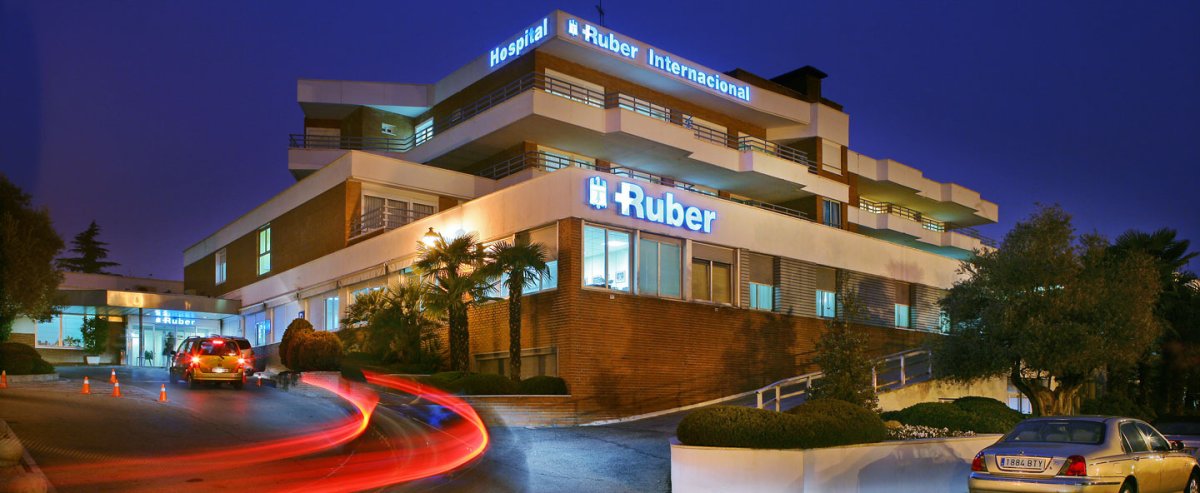
- مستشفى Ruber Internacional, إسبانيا
- Quironsalud Madrid, إسبانيا
- Hospital Quiron Barcelona, إسبانيا
- Clinica Universidad de Navarra (Navarra Hospital), إسبانيا
- Hospital HM Sanchinarro, إسبانيا
- Hospital HM Puerta del Sur, إسبانيا
- Hospital HM Monteprincipe, إسبانيا
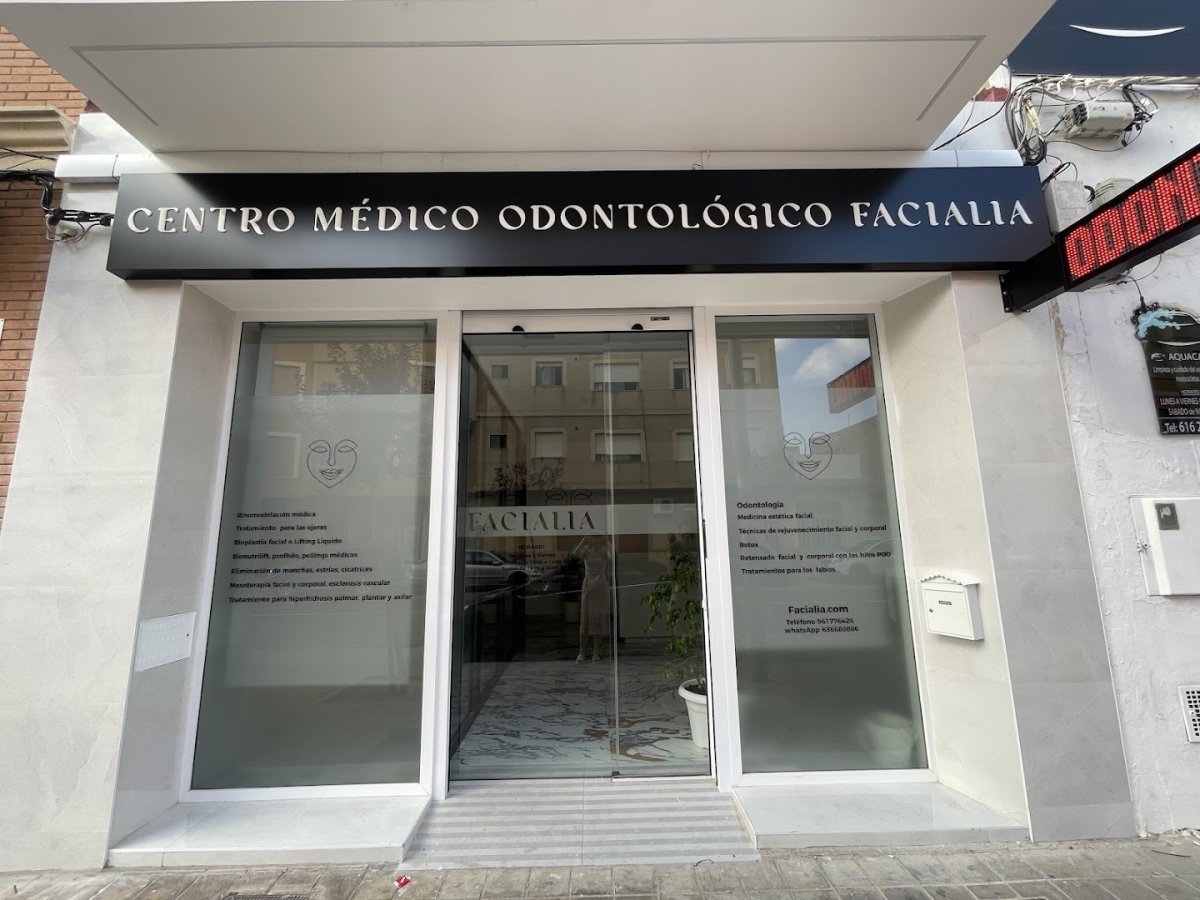
- Facialia, إسبانيا
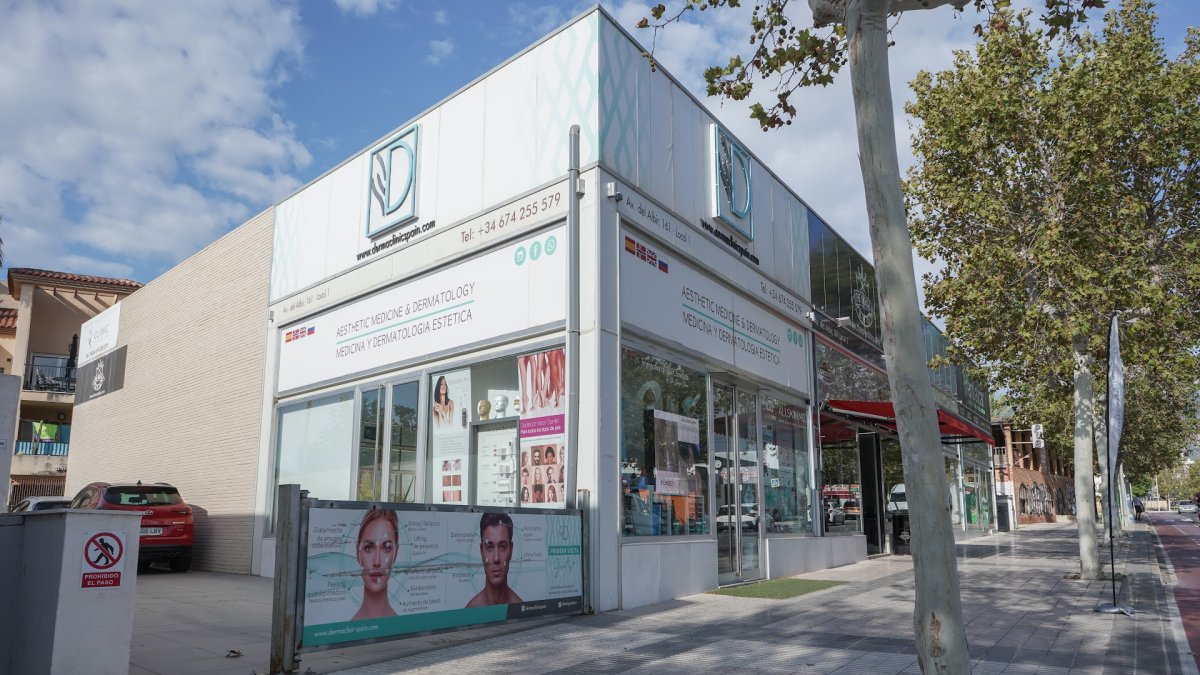
- Derma Clinic Spain, إسبانيا
احصل على تقييم طبي لـ طب زراعة الأعضاء في إسبانيا. استشر الآن 8 أطباء ذوي الخبرة.
عرض جميع الأطباء
Antonio Alcaraz
أجرى أكثر من 500 عملية زراعة كلى بتقنيات طفيفة التوغل - يقود الدكتور ألكاراز قسم المسالك البولية في مركز تكنون الطبي.
- أكثر من 30 عامًا من التخصص في جراحات المسالك البولية والإجراءات الروبوتية
- خبير في نظام دا فينسي الروبوتي لجراحات الكلى المعقدة
- يعالج سرطان البروستاتا والحالات البولية الخلقية لدى الأطفال
- عضو في الاتحاد الأمريكي للمسالك البولية والجمعية الأوروبية للمسالك البولية
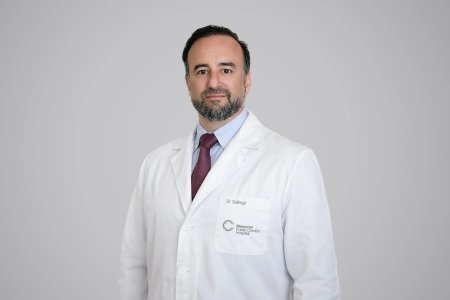
Javier de Juan Bagudá
الدكتور خافيير دي خوان باغودا اختصاصي أمراض القلب في مستشفى بوبليو كوردون التذكاري في مدريد. يعالج قصور القلب المزمن واعتلال عضلة القلب التوسعي ومرض الشريان التاجي. ويتولى تدبير حالات زراعة القلب والرجفان الأذيني. يعمل الدكتور دي خوان باغودا في منشأة معتمدة من اللجنة الدولية المشتركة (JCI). كما يعالج ارتفاع ضغط الدم وغيره من أمراض القلب والأوعية الدموية ضمن هذه الشبكة الطبية.
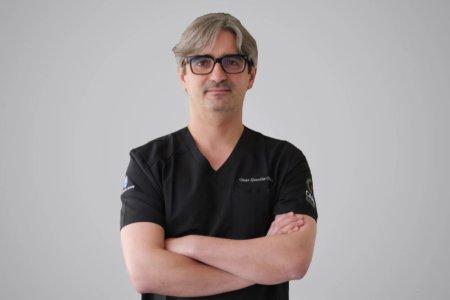
Diego González Rivas
الدكتور دييغو غونزاليس ريفاس هو جراح صدر في مستشفى بوبليو كوردون التذكاري في مدريد. وهو يجري جراحات سرطان الرئة، واستئصال فص الرئة الروبوتي، وعمليات زراعة الرئة. يعمل الدكتور غونزاليس ريفاس في منشأة حاصلة على اعتماد اللجنة الدولية المشتركة (JCI) وشهادة من الجمعية الأوروبية للخصوبة وعلم الأجنة.
وهو زميل في كلية الجراحين الأمريكية (FACS). يعالج الدكتور غونزاليس ريفاس الحالات المعقدة التي تتطلب خبرة في أمراض الرئة وزراعة الأعضاء. يضم المستشفى أكثر من 110 أطباء ويتبع معايير السلامة المعترف
المراجعات
جميع المراجعاتمواد ذات صلة
عرض المزيد من التفاصيل
تكلفة جراحة زرع الكلى المعقولة - من أين تجد وكيف تحصل عليها
كتب بواسطة Ana Hurevska

أفضل 5 مستشفيات لزراعة الكلى في العالم
كتب بواسطة Ana Hurevska

فضيحة السوق السوداء تهز أكبر مستشفى في الهند
كتب بواسطة Veronika Kazina

قصة نجاح زراعة الكبد: الجراحة الأولى في العالم لطفل عمره 5 أيام
كتب بواسطة Veronika Kazina
أسئلة وأجوبة حول زراعة الكبد
كتب بواسطة Veronika Kazina
مشاركة المحتوى
قصص فيديو من مرضى Bookimed
 Anna Leonova
أسئلة متكررة حول طب زراعة الأعضاء في إسبانيا
هل يمكن لمريض أجنبي السفر إلى إسبانيا خصيصاً لإجراء عملية زراعة أعضاء؟
يمكن للمرضى الأجانب السفر إلى إسبانيا لإجراء عمليات زراعة الأعضاء فقط إذا قدموا متبرعاً حياً متوافقاً. يحظر القانون الإسباني وإعلان إسطنبول بصرامة سياحة زراعة الأعضاء من المتبرعين المتوفين لغير المقيمين. يجب على المرضى الخضوع لمراجعات قضائية وطبية صارمة لضمان أن جميع التبرعات تتم بدافع الإيثار.
- قاعدة المتبرع الحي: يجب على غير المقيمين إحضار أحد أفراد الأسرة أو صديق لعمليات زراعة الكلى أو الكبد.
- زراعة المكونات المكونة للدم: يمكن للمرضى الذين يحتاجون إلى زراعة نخاع العظم الوصول إلى سجلات المتبرعين الدولية دون الحاجة إلى متبرع شخصي.
- الخيارات التكنولوجية: يستخدم جراحون مثل الدكتور أنطونيو ألكاراز أنظمة دافنشي الروبوتية واستئصال الكلية عبر المهبل بالمنظار.
- الاعتماد: مراكز رائدة مثل عيادة جامعة نافارا (Clinica Universidad de Navarra) ومركز تيكنون الطبي (Centro Médico Teknon) حاصلة على اعتماد اللجنة الدولية المشتركة (JCI).
رؤية خبير Bookimed: على الرغم من أن إسبانيا رائدة عالمياً في مجال زراعة الأعضاء، إلا أن نظامها العام مغلق أمام غير المقيمين للتبرع بالأعضاء من المتوفين. ومع ذلك، تتخصص المراكز الخاصة مثل عيادة جامعة نافارا في حالات المتبرعين الأحياء المعقدة. تظهر بياناتنا أن هذه المرافق تستفيد من أكثر من 20 عاماً من الخبرة لإدارة العملية القضائية الإسبانية الإلزامية لأزواج المتبرعين والمتلقين الدوليين.
إجماع المرضى: يلاحظ المرضى أن إسبانيا تعطي الأولوية لمواطنيها والمقيمين لفترات طويلة لإجراء الجراحة. ويؤكدون أن الزوا
كيف أعرف أن العضو المزروع يعمل بشكل صحيح؟
يؤكد الأطباء وظيفة العضو في إسبانيا من خلال المراقبة السريرية، والتشخيصات المتقدمة، والمؤشرات الحيوية المحددة. يُشار إلى النجاح من خلال قيم مخبرية مستقرة وغياب أعراض الرفض. تستخدم المراكز المعتمدة من قبل JCI مثل Clinica Universidad de Navarra اختبارات الحمض النووي (DNA) وتحديد النمط الجيني (HLA) لضمان توافق العضو وأدائه على المدى الطويل.
- وظيفة الكلى: إنتاج البول المستمر وانخفاض مستويات الكرياتينين يشير إلى أن العضو يقوم بتصفية الفضلات بفعالية.
- مؤشرات الكبد: تطبيع إنزيمات الكبد وبشرة صافية بدون يرقان يشير إلى إنتاج صحي للصفراء.
- أدوات المراقبة: يستخدم المتخصصون التصوير المقطعي بالإصدار البوزيتروني (PET-CT) والرنين المغناطيسي (MRI) لضمان تدفق الدم المناسب إلى العضو المزروع.
- إشارات التحذير: زيادة الوزن المفاجئة، أو الحمى، أو الألم في موقع الشق قد تشير إلى مضاعفات.
رؤية خبير Bookimed: تحافظ المراكز ذات الحجم الكبير في إسبانيا مثل Clinica Universidad de Navarra على تصنيفات عالية من خلال الجمع بين جراحة الزرع والبحث المكثف. تظهر البيانات أن المرافق التي تعالج أكثر من 140,000 مريض سنوياً غالباً ما توفر بروتوكولات مراقبة ما بعد الجراحة أكثر قوة. وهذا يشمل الوصول المبكر إلى الخزعات المتخصصة التي تكتشف الرفض الصامت قبل ظهور الأعراض الجسدية.
إجماع المرضى: يؤكد المرضى على أهمية تتبع الوزن اليومي وإخراج البول لاكتشاف التغيرات الصغيرة في وقت مبكر. يلاحظ الكثيرون أن الشعور بأعراض تشبه الإنفلونزا أو التعب غير المعتاد غالباً ما يك
ما هي متطلبات إسبانيا للمتبرع الحي؟
تتطلب إسبانيا أن يكون المتبرعون الأحياء في سن 18 عاماً على الأقل وأن يكونوا مؤهلين عقلياً لتقديم موافقة مستنيرة. العملية إيثارية بحتة وغير مدفوعة الأجر بموجب القانون 30/1979. يجب على المتبرعين الخضوع لموافقة قضائية أمام قاضي السجل المدني وفترة انتظار إلزامية مدتها 24 ساعة بعد التوقيع.
- الصحة الطبية: يجب أن يتمتع المتبرعون بصحة بدنية ممتازة دون أمراض مصاحبة كبيرة مثل مرض السكري غير المنضبط.
- الفحص السريري: يشمل التقييم كتابة HLA، واختبارات الحمض النووي، وفحص الأمراض المعدية على مدى 3 إلى 6 أشهر.
- توافق الأعضاء: يجب أن يتم تعويض وظيفة العضو المتبقي بعد الإزالة بأمان من قبل جسم المتبرع.
- المراجعة النفسية: يجب أن تؤكد لجنة الأخلاقيات ومحامٍ مستقل أن القرار طوعي وغير قسري.
رؤية خبير Bookimed: تظهر البيانات السريرية من وحدات مثل Clinica Universidad de Navarra ميزة واضحة في أنظمة الزرع المتكاملة في إسبانيا. غالباً ما تجمع هذه المراكز بين أكثر من 30 عاماً من الخبرة الجراحية، مثل خبرة الدكتور أنطونيو ألكاراز، مع كتابة HLA السريعة. يمكن لهذه الكفاءة تقصير الجدول الزمني لتقييم المتبرع في البيئات الخاصة مقارنة بالسجلات العامة.
إجماع المرضى: يشير المرضى إلى أن عملية التقييم شاملة للغاية ولكن يمكن تأخيرها لغير الناطقين بالإسبانية. من الضروري إحضار مترجم في وقت مبكر للتنقل في المقابلات القانونية الصارمة والفحوصات الطبية المطلوبة في مدريد أو برشلونة.
هل يمكن للمرضى الدوليين تلقي عمليات زرع نخاع العظم أو الخلايا الجذعية في إسبانيا؟
يصل المرضى الدوليون إلى عمليات زرع نخاع العظم والخلايا الجذعية في إسبانيا من خلال مراكز خاصة متخصصة. يسمح القانون الإسباني بهذه الإجراءات للمواطنين الأجانب. يمكن للمرضى استخدام السجل الإسباني للمتبرعين بنخاع العظم (REDMO). يرتبط هذا النظام بشبكات عالمية تضم ملايين المتبرعين المحتملين.
- العلاجات المتاحة: معتمدة لعلاج سرطان الدم (اللوكيميا)، والليمفوما، والورم النخاعي المتعدد.
- الوصول إلى المتبرعين: يمكن للمرضى الوصول إلى بنوك المتبرعين الدولية إذا كان الأقارب غير متوافقين.
- وحدات متخصصة: توفر مجموعة HM Hospitales عمليات الزرع كتقنية أمراض دم أساسية.
- الخبرة السريرية: عالجت Clinica Universidad de Navarra مرضى من أكثر من 70 دولة.
- المعايير التنظيمية: تحافظ مرافق مثل Centro Médico Teknon على اعتماد اللجنة الدولية المشتركة (Joint Commission International).
رؤية خبير Bookimed: تدمج المراكز الخاصة الإسبانية مثل Hospital Universitario HM Montepríncipe زراعة الخلايا الجذعية المكونة للدم مباشرة في أقسام الأورام لديها. غالبًا ما يؤدي هذا الدمج إلى تسريع الانتقال من العلاج الكيميائي إلى الزرع. تظهر البيانات أن المراكز في مدريد وبرشلونة تتعامل مع أحجام دولية أعلى بكثير من العيادات الإقليمية. هذه الخبرة تبسط الأوراق القانونية المعقدة المطلوبة لمطابقة المتبرعين الأجانب.
إجماع المرضى: يشير المرضى إلى أنه على الرغم من أن الرعاية الطبية ممتازة، إلا أن الخطوات الإدارية مثل تمديد التأشيرة والترجمات الطبية تتطلب
ما هي فترات الانتظار النموذجية لكل عضو في إسبانيا؟
تقدم إسبانيا بعض أقصر فترات الانتظار لزراعة الأعضاء على مستوى العالم بسبب معدلات التبرع المرتفعة بعد الوفاة. عادةً ما تكون عمليات زراعة الكبد هي الأقصر بمتوسط انتظار يبلغ 55 يوماً. يبلغ متوسط انتظار زراعة القلب 66 يوماً، بينما ينتظر مرضى الكلى غالباً أقل من 8 أشهر على الرغم من الطلب المرتفع.
- الكبد: متوسط الانتظار 55 يوماً؛ تبلغ بعض المراكز الإقليمية عن 30 يوماً فقط.
- القلب: متوسط 66 يوماً؛ غالباً ما يتلقى حالات الطوارئ ذات الأولوية الصفرية الأعضاء في غضون أيام.
- الرئة: متوسط 112 يوماً؛ تظل فترات الانتظار مستقرة على الرغم من نمو الإجراءات بنسبة 30%.
- الكلى: أقل من 240 يوماً؛ تظل الأنظمة أسرع من معظم الدول المتقدمة.
- البنكرياس: حوالي 371 يوماً؛ وهي حالياً أطول فترة انتظار في النظام الإسباني.
رؤية خبير Bookimed: تستفيد المراكز ذات الحجم الكبير مثل عيادة جامعة نافارا (Clinica Universidad de Navarra) أو مستشفى كيرون برشلونة (Hospital Quiron Barcelona) من معدل المتبرعين في إسبانيا البالغ 52.6 لكل مليون نسمة. يسمح هذا الحجم للجراحين مثل الدكتور أنطونيو ألكاراز بإجراء عمليات متخصصة، بما في ذلك أول عمليات استئصال الكلية عبر المهبل في العالم، مما قد يؤثر على تخصيص الموارد المحلية والسرعة.
إجماع المرضى: يشير المرضى إلى أن التواجد في فئة عاجلة أو امتلاك فصيلة دم شائعة يمكن أن يقلل من وقت الانتظار بشكل كبير. يؤكد الكثيرون على أهمية تتبع الحالة من خلال تطبيقات المستشفيات والتسجيل المبكر عبر المنظمة الوطني
ما هي تغييرات نمط الحياة التي سأحتاج إلى إجرائها بعد الزرع؟
تركز الحياة بعد الزرع على حماية عضوك الجديد ومنع العدوى من خلال تناول الأدوية مدى الحياة واتباع عادات سلامة صارمة. يجب عليك تناول مثبطات المناعة في أوقات محددة يومياً لمنع الرفض. يجب على المرضى أيضاً تجنب أطعمة معينة وبيئات عالية المخاطر لحماية جهازهم المناعي المثبط.
- إدارة الأدوية: تناول أدوية منع الرفض كل يوم دون تفويت أي جرعة لتجنب فشل العضو.
- القيود الغذائية: تجنب الجريب فروت والرمان بشكل دائم لأنهما يتداخلان مع مستويات الدواء.
- مكافحة العدوى: تجنب المأكولات البحرية النيئة، ومنتجات الألبان غير المبسترة، والأماكن المزدحمة خلال مواسم الإنفلونزا.
- الحماية من الشمس: استخدم واقي شمس بمعامل حماية 30+ يومياً لأن مثبطات المناعة تزيد من مخاطر الإصابة بسرطان الجلد بشكل كبير.
- النشاط البدني: ابدأ بالمشي الخفيف؛ وتجنب رياضات الالتحام مثل الملاكمة لحماية العضو.
رؤية خبير Bookimed: تحافظ المراكز الإسبانية مثل عيادة جامعة نافارا (Clinica Universidad de Navarra) على معدلات نجاح عالية من خلال دمج تتبع الصحة الرقمي. تظهر بياناتنا أن العيادات الحاصلة على اعتماد JCI غالباً ما توفر تنسيقاً أكثر تنظيماً بعد الجراحة. يساعد هذا المرضى على إدارة الانتقال لتناول أكثر من 10 أقراص يومياً بشكل أكثر فعالية.
إجماع المرضى: يؤكد المرضى أن ضبط منبهات الهاتف لكل جرعة هو الطريقة الوحيدة للبقاء بأمان. يلاحظ الكثيرون أيضاً أن شرب كميات أكبر بكثير من الماء يصبح عادة طبيعية وضرورية لدعم العضو الجديد.
هل يعتبر الجميع في إسبانيا متبرعاً بالأعضاء تلقائياً؟
تستخدم إسبانيا نظام الموافقة المفترضة أو نظام الانسحاب (opt-out) للتبرع بالأعضاء. يُعتبر جميع البالغين الذين يحملون بطاقة هوية وطنية متبرعين قانونياً ما لم يسجلوا اعتراضاً رسمياً. من الناحية العملية، لا يزال الأطباء يستشيرون العائلة. يمكن للعائلات تجاوز هذه الحالة إذا كانت رغبات المتوفى غير واضحة.
- الوضع القانوني: البالغون متبرعون تلقائياً ما لم يسجلوا رفضاً لدى طبيبهم العام.
- مشاركة العائلة: تتحدث الفرق الطبية دائماً مع الأقارب لتأكيد رغبات الشخص المتوفى.
- الاستثناءات: القاصرون والرضع والسياح الذين لا يحملون بطاقة هوية وطنية لا يُعتبرون متبرعين مفترضين.
- التوثيق: يمكن للمقيمين تسجيل تفضيلاتهم عبر وصية طبية أو سجل وطني.
رؤية خبير Bookimed: تُظهر البيانات الصادرة عن مراكز رائدة مثل Clinica Universidad de Navarra، التي عالجت أكثر من 700,000 مريض دولي، أن التوفر العالي للمتبرعين في إسبانيا يقلل من أوقات الانتظار بشكل كبير. هذه الكفاءة هي السبب في ريادة البلاد في الإجراءات المعقدة مثل زراعة الكبد والقلب. يعزز الحجم الكبير الذي يتجاوز 23,500 عملية سنوياً في مراكز مثل Centro Médico Teknon خبرة البلاد في مجال الزراعة.
إجماع المرضى: يشير المرضى إلى أنه على الرغم من أن القانون يفترض الموافقة، فإن إبلاغ عائلتك أمر حيوي لأنهم يتخذون القرار النهائي. تُظهر التجربة العملية أن الوافدين الجدد أو المقيمين الذين لا يحملون بطاقة هوية وطنية يجب أن يسجلوا وضعهم بشكل استباقي لضمان اتباع رغباتهم.