طب زراعة الأعضاء في المكسيك — التكاليف 2026

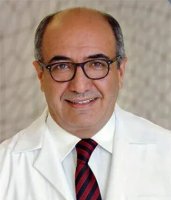
تمت مراجعة المقالة طبيا من قبل
Kamil Yalcin Polat
ما هي تكلفة طب زراعة الأعضاء في المكسيك؟ اكتشف الآن
تتراوح تكلفة زراعة الأعضاء في المكسيك عادةً ما بين $129,600 و $233,300. تختلف الأسعار بناءً على نوع العضو، ومستوى العيادة، وما إذا كانت الباقة تشمل التقييمات قبل الجراحة والإقامة في المستشفى. عادةً ما يوفر المرضى القادمون من الخارج ما بين 50-80% مقارنة بالولايات المتحدة لهذه الإجراءات المعقدة.
تكاليف زراعة الأعضاء النموذجية في المكسيك
- الاستشارة مع وضع خطة علاجية: من $25
- تحديد النمط الجيني HLA: $150 – $380
- اختبار الحمض النووي (DNA): $180 – $400
- زراعة الكلى: $45,000 – $68,000
- زراعة الكبد: من $110,000
- زراعة القرنية: $3,800 – $5,300
- زراعة الرئة: $140,000 – $190,000
- زراعة القلب: $150,000 – $250,000
- زراعة القلب والرئة: $180,000 – $260,000
تتواجد مراكز زراعة الأعضاء المتخصصة بشكل أساسي في مكسيكو سيتي، وغوادالاخارا، وتيخوانا، وميكسيكالي. وفي حين تضم مكسيكو سيتي العديد من المرافق المعتمدة، غالباً ما تشمل العيادات في المدن الحدودية الخدمات اللوجستية ضمن أسعارها. استشر أخصائياً للحصول على تسعير دقيق لاحتياجاتك الطبية المحددة.
| المكسيك | تركيا | إسبانيا | |
|---|---|---|---|
| زرع القلب | ≈ $150,000 | ≈ $175,000 | ≈ $140,000 |
| زرع القرنية | ≈ $3,800 | من $6,000 | من $10,100 |
| زراعة الكلى | ≈ $45,000 | من $15,500 | ≈ $68,000 |
| زراعة الكبد | من $110,000 | من $45,000 | من $150,000 |
| زراعة القلب والرئة | ≈ $180,000 | ≈ $150,000 | ≈ $185,000 |
مزاياك وضماناتك مع Bookimed
أسعار مباشرة
Bookimed لا يضيف رسوماً إضافية على أسعار علاج طب زراعة الأعضاء. الأسعار مأخوذة من قوائم الأسعار الرسمية للعيادات. تدفع مباشرة في العيادة مقابل علاجك عند وصولك إلى البلد.
عيادات وأطباء معتمدون فقط
Bookimed ملتزم بسلامتك. نحن نعمل فقط مع المؤسسات الطبية التي تحافظ على معايير دولية عالية في علاج طب زراعة الأعضاء ولديها التراخيص اللازمة لخدمة المرضى الدوليين في جميع أنحاء العالم.
مساعدة مجانية على مدار الساعة
Bookimed يقدم مساعدة خبراء مجانية. منسق طبي شخصي يدعمك قبل وأثناء وبعد العلاج، ويحل أي مشاكل. لن تكون وحيداً أبداً في رحلة علاج طب زراعة الأعضاء.

منسقك الطبي الشخصي في Bookimed
- يدعمك في كل مرحلة
- المساعدة في اختيار العيادة الطبية المناسبة والطبيب المناسب
- يضمن الوصول السريع والمريح إلى المعلومات
اكتشف أفضل عيادات طب زراعة الأعضاء: 10 خيارات معتمدة والأسعار



Renium Hemodialysis Clinic



Narrathrive Therapeutic Systems

Hospital Angeles Lomas




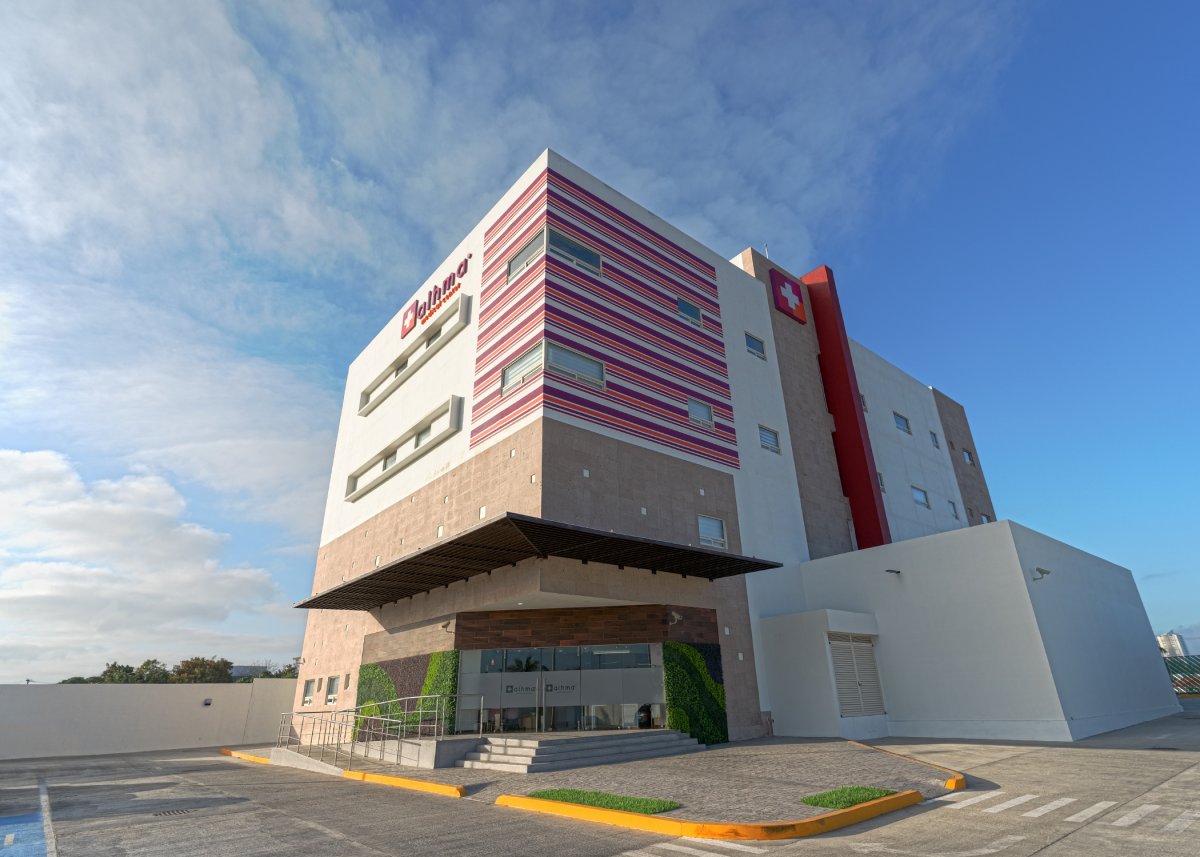
Hospital Alhma


أفضل مراكز طب زراعة الأعضاء في المكسيك
- Hospital de la Familia, المكسيك
- Renium Hemodialysis Clinic, المكسيك
- Sani Dental Group Platinum, المكسيك
- Narrathrive Therapeutic Systems , المكسيك
- Hospital Angeles Lomas, المكسيك
- Sani Dental Group Cancun, المكسيك
- Muela Dental Tijuana, المكسيك
- Hospital Alhma, المكسيك
- Dental Del Rio, المكسيك
- Hair Medical Restoration (HMR), المكسيك
احصل على تقييم طبي لـ طب زراعة الأعضاء في المكسيك. استشر الآن 9 أطباء ذوي الخبرة.
عرض جميع الأطباء
Anna Lara
تتخصص الدكتورة آنا لارا في الطب التجديدي مع خلفية قوية في التغذية وإدارة السمنة.
- عضو في الجمعية الدولية لتطبيقات الخلايا الجذعية (ISSCA)
- حاصلة على شهادة SCOPE من الاتحاد العالمي للسمنة
- تتخصص في العلاجات القائمة على الأدلة للحالات الاستقلابية
- خبيرة في المعايير التنظيمية لـ COFEPRIS في المكسيك

Jose Horacio Cano Cervantes
يتخصص الدكتور خوسيه هوراسيو كانو سيرفانتس في أمراض كلى زراعة الأعضاء، مع تدريب في مؤسسات كبرى تشمل المعهد الوطني للعلوم الطبية والتغذية 'سلفادور زوبيران' ومؤسسة خيمينيز دياز في مدريد.
- تخرج مع مرتبة الشرف في الجراحة الطبية من جامعة تشياباس المستقلة
- تخصص في أمراض الكلى من الجامعة الوطنية المستقلة في المكسيك
- درجة الماجستير في العلوم الصحية من المعهد الوطني للفنون التطبيقية
- عضو في جمعية الزراعة المكسيكية
Mendelssohn Mata

Karen Guerrero
مواد ذات صلة
عرض المزيد من التفاصيل
تكلفة جراحة زرع الكلى المعقولة - من أين تجد وكيف تحصل عليها
كتب بواسطة Ana Hurevska

أفضل 5 مستشفيات لزراعة الكلى في العالم
كتب بواسطة Ana Hurevska

فضيحة السوق السوداء تهز أكبر مستشفى في الهند
كتب بواسطة Veronika Kazina

قصة نجاح زراعة الكبد: الجراحة الأولى في العالم لطفل عمره 5 أيام
كتب بواسطة Veronika Kazina
أسئلة وأجوبة حول زراعة الكبد
كتب بواسطة Veronika Kazina
مشاركة المحتوى
قصص فيديو من مرضى Bookimed
 Anna Leonova
أسئلة متكررة حول طب زراعة الأعضاء في المكسيك
هل يمكن للأجنبي الحصول على زراعة أعضاء بشكل قانوني في المكسيك؟
يمكن للأجانب الحصول على زراعة أعضاء بشكل قانوني في المكسيك من خلال اتباع لوائح قانون الصحة العامة. لا يمكن للسياح الطبيين قصيري الأجل الوصول إلى القائمة الوطنية للمتبرعين المتوفين. يجب على المرضى عادةً توفير متبرع حي وإثبات إقامة لمدة 6 أشهر أو تاريخ سريري محلي.
- متطلبات الإقامة: تتطلب معظم المراكز إقامة مستمرة لمدة 6 أشهر قبل الإدراج في القائمة.
- التاريخ السريري: يحتاج المرضى إلى ملف سريري موثق لمدة 6 أشهر في المنشأة.
- نوع المتبرع: يستخدم المرضى الدوليون بشكل أساسي متبرعين أحياء لزراعة الكلى أو الكبد.
- الامتثال القانوني: يجب ترجمة جميع الوثائق الطبية والقانونية رسميًا إلى اللغة الإسبانية.
رؤية خبير Bookimed: تظهر البيانات أن عيادات مثل عيادة Renium لغسيل الكلى تخدم أكثر من 2000 مريض سنويًا. غالبًا ما ترتبط أحجام المرضى الكبيرة بمعالجة قانونية أكثر سلاسة لحالات أمراض الكلى المعقدة. يتمتع الأخصائي الدكتور خوسيه هوراسيو كانو سيرفانتس بتدريب دولي من إسبانيا. يساعد اختيار الأطباء الحاصلين على مؤهلات مكسيكية وأوروبية في التعامل مع موافقات لجنة الزراعة الصارمة المطلوبة لغير الأقارب.
إجماع المرضى: يشير المرضى إلى أنه على الرغم من أن أوقات الانتظار أقصر مما هي عليه في كندا، يجب عليك توظيف محامٍ محلي للأعمال الورقية. ويؤكدون أن أعضاء المتبرعين المتوفين مخصصة للمواطنين، لذا فإن إحضار متبرع حي خاص بك أمر ضروري.
هل شراء أو بيع الأعضاء مسموح به في المكسيك؟
يُحظر شراء أو بيع الأعضاء البشرية منعاً باتاً في المكسيك. ينص القانون الفيدرالي على أن التبرع بالأعضاء يجب أن يكون إيثارياً وطوعياً ومجانياً بالكامل. تخضع جميع أنشطة زراعة الأعضاء لقانون الصحة العام. يشرف المركز الوطني لزراعة الأعضاء (CENATRA) على كل إجراء لضمان الامتثال القانوني.
- الإطار القانوني: يحكم قانون الصحة العام جميع عمليات الزرع ويحظر أي تفاوض مالي.
- الرقابة التنظيمية: يتحقق CENATRA من أصول الأعضاء ويدير قائمة الانتظار الوطنية لضمان الشفافية.
- متطلبات التبرع: يجب على المتبرعين والمتلقين التوقيع على وثائق تشهد بعدم وجود أي دفع مالي.
- العقوبات الجنائية: تؤدي تجارة الأعضاء غير القانونية إلى عقوبات سجن شديدة بموجب قوانين الاتجار بالبشر.
رؤية خبير Bookimed: تُظهر بيانات عيادة Renium لغسيل الكلى أنهم يخدمون 2000 مريض سنوياً. غالباً ما يرتبط حجم المرضى الكبير في المراكز المتخصصة بالتنقل الخبير في بروتوكولات زراعة الأعضاء القانونية. أكمل الأخصائي الدكتور خوسيه هوراسيو كانو سرفانتس تدريباً متقدماً في زراعة الأعضاء في إسبانيا والمكسيك. تساعد خبرته في كلا البلدين المرضى على فهم المعايير الأخلاقية الدولية الصارمة التي تتبعها المكسيك.
إجماع المرضى: يشير المرضى إلى أن عمليات الزرع القانونية تتطلب متبرعين موثوقين مثل العائلة أو الأصدقاء. ويؤكدون على الالتزام بالقنوات الرسمية للمستشفيات لتجنب الوسطاء غير القانونيين الذين يعدون بمطابقات سريعة.
كيف تقارن جودة الرعاية في مراكز زراعة الأعضاء المكسيكية بتلك الموجودة في الولايات المتحدة أو كندا؟
توفر مراكز زراعة الأعضاء الخاصة في المكسيك جودة تضاهي المعايير الأمريكية والكندية للإجراءات الشائعة. تحافظ المرافق من الدرجة الأولى على اعتماد اللجنة الدولية المشتركة (JCI) وتبلغ عن معدلات نجاح لزراعة الكلى تزيد عن 95%. وهذا يطابق نتائج المؤسسات الرائدة في أمريكا الشمالية مثل مايو كلينك.
- معدلات النجاح: تحقق المراكز الخاصة ذات الحجم الكبير معدل بقاء 95% لمرضى زراعة الكلى.
- خبرة الجراحين: يحمل متخصصون مثل الدكتور خوسيه هوراسيو كانو سرفانتس مؤهلات متقدمة في أمراض الكلى وزراعة الأعضاء.
- أوقات الانتظار: غالباً ما يحصل المرضى على عمليات جراحية من متبرعين أحياء في غضون أسابيع بدلاً من عدة سنوات.
- معايير العيادات: يحمل مستشفى دي لا فاميليا اعتماد CSG من المجلس الصحي العام في المكسيك.
رؤية خبير Bookimed: تعمل مراكز زراعة الأعضاء المكسيكية الواقعة بالقرب من الحدود، مثل مستشفى دي لا فاميليا في مكسيكالي، على سد الفجوة بين الأنظمة. توفر هذه المرافق غرفاً خاصة وإمكانية الوصول إلى المتخصصين على بعد خطوات فقط من حدود كاليفورنيا. تظهر البيانات أن هذه المراكز غالباً ما تخدم الوافدين الدوليين الذين يبحثون عن تبادل أسرع للمتبرعين الأحياء مما هو ممكن في بلدانهم.
إجماع المرضى: يشير المرضى إلى أن العيادات الخاصة توفر تكنولوجيا حديثة وموظفين يتحدثون الإنجليزية. وغالباً ما ينصحون بالتخطيط للمتابعة بعد الجراحة مع الأطباء في الوطن لضمان مراقبة الأدوية والعدوى على المدى الطويل.
ما هي مستشفيات زراعة الأعضاء الأكثر شهرة للمرضى الدوليين؟
تشمل مستشفيات زراعة الأعضاء ذات السمعة الطيبة في المكسيك للمرضى الدوليين مرافق ذات حجم كبير حاصلة على شهادات وطنية ودولية. تقدم المراكز الرائدة مثل مستشفى دي لا فاميليا (Hospital de la Familia) وعيادة رينيوم لغسيل الكلى (Renium Hemodialysis Clinic) رعاية متخصصة لإجراءات الكلى. توفر هذه المؤسسات موظفين ثنائيي اللغة وتنسق الخدمات اللوجستية المعقدة للمرضى من الولايات المتحدة وكندا.
- اعتمادات المستشفى: يحمل مستشفى دي لا فاميليا اعتماد CSG من المجلس العام للصحة في المكسيك.
- الخبرة المتخصصة: الدكتور خوسيه هوراسيو كانو سرفانتس في عيادة رينيوم هو طبيب كلى متخصص في زراعة الأعضاء ومدرب دولياً.
- حجم المرضى: تعالج عيادة رينيوم لغسيل الكلى 2000 مريض سنوياً بسبب الفشل الكلوي والرعاية ذات الصلة.
- الوصول إلى الحدود: يقع مستشفى دي لا فاميليا على بعد خطوات من الحدود الأمريكية المكسيكية في مكسيكالي.
رؤية خبير Bookimed: تشير البيانات إلى أن اختيار العيادات في مدن مثل مكسيكو سيتي أو مكسيكالي يوفر ميزة أمان. تدير عيادة رينيوم لغسيل الكلى 2000 حالة سنوياً، مما يوفر النطاق اللازم لأمراض الكلى المتخصصة. إن الجمع بين هذا الحجم والأطباء مثل الدكتور خوسيه هوراسيو كانو سرفانتس، الذي يتمتع بتدريب دولي، يضمن نتائج سريرية عالية الجودة.
إجماع المرضى: يشير المرضى إلى أن المرافق الخاصة في تيخوانا ومونتيري أكثر موثوقية من المستشفيات العامة في التعامل مع التأشيرات ورعاية المتابعة. يؤكد الكثيرون على الحاجة إلى تخصيص ميزانية للمراقبة في الولايات المتحدة ب
كم من الوقت يجب أن يخطط المرضى للبقاء في المكسيك بعد زراعة الأعضاء؟
يجب على المرضى التخطيط للبقاء في المكسيك لمدة تتراوح بين 4 إلى 12 أسبوعاً بعد زراعة الأعضاء. تسمح هذه الفترة الزمنية بمراقبة الرفض الضرورية وتعديلات الأدوية. عادة ما يبقى متلقو الكلى من 4 إلى 6 أسابيع. تتطلب عمليات زراعة الكبد والرئة من شهر إلى 3 أشهر من المراقبة المحلية.
- التعافي من زراعة الكلى: يبقى المرضى من 5 إلى 7 أيام في المستشفى و3 إلى 4 أسابيع في مكان قريب لإجراء الفحوصات المخبرية.
- مراقبة الكبد: تتطلب من أسبوعين إلى 3 أسابيع من الاستشفاء وما يصل إلى 3 أشهر من الإقامة المحلية.
- تكرار المتابعة: توقع زيارات للعيادة مرتين أسبوعياً للتحقق من مستويات الأدوية المثبطة للمناعة في الدم وإجراء التشخيصات.
- تصريح السفر: يجب على الجراحين تقديم تصريح رسمي قبل السفر جواً لمنع مخاطر تجلط الدم.
رؤية خبير Bookimed: تظهر البيانات من عيادة رينيوم لغسيل الكلى أن النتائج الناجحة على المدى الطويل تعتمد على التثبيط المناعي الأولي الدقيق. يؤكد الدكتور خوسيه هوراسيو كانو سيرفانتس، أخصائي أمراض الكلى وزراعة الأعضاء، أن المراقبة بعد العملية الجراحية لا تقل أهمية عن الجراحة نفسها. يضمن البقاء بالقرب من المرافق المكسيكية المتخصصة الوصول الفوري إلى اختبارات HLA واختبارات الحمض النووي في حال ظهور علامات الرفض.
إجماع المرضى: يقترح العديد من المرضى تخصيص ميزانية لمدة 4 أسابيع على الأقل لتجنب إعادة الإدخال للطوارئ عند العودة إلى الوطن. ويشيرون إلى أن البقاء لفترة أطول غالباً ما يكون أقل تكلفة من مواجهة مضاعفات دون الوصول الفوري إلى فريقهم الجر
هل تعمل المكسيك بموجب "الموافقة الضمنية" للتبرع بالأعضاء؟
لا تعمل المكسيك بموجب نظام صارم للموافقة الضمنية للتبرع بالأعضاء. يتبع الإطار القانوني المادة 321 من قانون الصحة العام، والتي تتطلب موافقة ضمنية أو صريحة. من الناحية العملية، يحتاج المتخصصون في الرعاية الصحية إلى موافقة الأسرة قبل المتابعة. لا يمكن إجراء التبرع من المتوفى إذا اعترض الأقارب.
- نموذج الموافقة: تستخدم المكسيك نظام الاشتراك الاختياري الذي يتطلب تسجيلًا رسميًا أو تفويضًا من الأسرة.
- دور الأسرة: يمتلك الأقارب حق النقض النهائي حتى لو كان المتوفى مسجلاً.
- السجل الرسمي: يسجل المواطنون رغبات التبرع من خلال قاعدة بيانات النظام الوطني لزراعة الأعضاء (CENATRA).
- الإصلاح القانوني: توقفت حركة تشريعية في عام 2018 نحو الموافقة الضمنية في الهيئة التشريعية الفيدرالية.
رؤية خبراء Bookimed: تظهر البيانات السريرية أن نجاح زراعة الأعضاء في المكسيك يعتمد بشكل كبير على الخبرة المتخصصة بدلاً من الأنظمة الآلية. على سبيل المثال، يتمتع الدكتور خوسيه هوراسيو كانو سيرفانتس في عيادة رينيوم لغسيل الكلى بتدريب تخصصي عالٍ من المعهد الوطني للعلوم الطبية. هذا المستوى من التخصص أمر بالغ الأهمية لأن تكاليف زراعة الكلى في المكسيك تتراوح بين $45,000 و $68,000، مما يجعل التخطيط الجراحي المتخصص ضروريًا لقيمة المريض.
إجماع المرضى: يشير المرضى إلى أنه من الضروري مناقشة رغبات التبرع مع أفراد الأسرة مسبقًا. نظرًا لأن الجراحين يؤكدون دائمًا مع الأقارب، فإن التواصل الواضح يمنع التأخير في سيناريوهات الزراعة المحتملة.