زرع القرنية في ألمانيا — احصل على 3 عيادات مطابقة مع التكاليف


تمت مراجعة المقالة طبيا من قبل
فهد مولود
ما هي تكلفة زرع القرنية في ألمانيا؟ اكتشف الآن
من $6,800. يعتمد السعر النهائي على التقنية الجراحية المستخدمة، مثل رأب القرنية الصفائحي أو النافذ، ومستوى العيادة. تشمل التكلفة عادةً الجراحة، وتوفير نسيج المتبرع، والإقامة في مراكز طبية كبرى في هامبورغ أو فرانكفورت أو برلين.
- رأب القرنية: من $4,800 إلى $8,000، ويشمل استبدال النسيج بالكامل أو جزئياً.
- زراعة الحلقات القرنية: من $2,500 لعلاج القرنية المخروطية دون الحاجة لزراعة كاملة.
- تثبيت القرنية: من $1,500 لتقوية نسيج القرنية ومنع تدهور بروزها.
- التقنيات الصفائحية الحديثة: تزيد التكلفة عادةً بنسبة 20-30% مقارنةً بعمليات رأب القرنية النافذ التقليدية.
- رسوم التشخيص: تضيف الفحوصات الطبية قبل الجراحة عادةً ما بين 850 $ و 1,050 $ إلى الميزانية.
رأي خبراء Bookimed: توفر ألمانيا دقة جراحية فائقة، خاصة في عيادات مثل مستشفى أسكليبيوس بارمبيك في هامبورغ. صنف تحالف جودة السياحة الطبية (MTQA) هذه المنشأة كأفضل وجهة للمرضى الدوليين. لمن يبحث عن جراحين متخصصين، يتمتع أولريش شاوديغ بخبرة تزيد عن 20 عاماً. تشمل الرعاية في هذه المؤسسات دعماً شاملاً للمرضى المقيمين. يضمن اختيار مستشفى متعدد التخصصات الوصول الفوري للخبراء عند ظهور أي أمراض مصاحبة.
المزايا الرئيسية
لماذا تختار ألمانيا لزراعة القرنية؟
- عيادات معتمدة: تستضيف ألمانيا العديد من المستشفيات المعتمدة من KTQ، والتي تضمن معايير عالية في رعاية المرضى والسلامة.
- طرق مبتكرة: تستخدم العيادات طرقًا مثل زراعة الغشاء الداخلي للقرنية (DMEK) وزراعة القرنية بمساعدة الليزر الفيمتوثانية. هذه الأساليب تعزز الدقة وتحسن أوقات التعافي.
- نسب نجاح عالية: تتمتع زراعة القرنية في ألمانيا بنسبة فعالية تصل إلى 90% للمرشحين المناسبين، مما يوفر نتائج ممتازة على المدى الطويل.
- جراحون خبراء: تحتضن ألمانيا كبار أطباء العيون. العديد منهم قام بأكثر من 500 عملية زراعة قرنية ويحملون شهادات مرموقة، معترف بهم لخبرتهم في الحالات المعقدة.
احصل على حلول متقدمة لزراعة القرنية في عيادات موثوقة من $6,800.
مزاياك وضماناتك مع Bookimed
أسعار مباشرة
Bookimed لا يضيف رسوماً إضافية على أسعار زرع القرنية. الأسعار مأخوذة من قوائم الأسعار الرسمية للعيادات. تدفع مباشرة في العيادة مقابل زرع القرنية عند وصولك.
عيادات وأطباء معتمدون فقط
Bookimed ملتزم بسلامتك. نحن نعمل فقط مع المؤسسات الطبية التي تحافظ على معايير دولية عالية في زرع القرنية ولديها التراخيص اللازمة لخدمة المرضى الدوليين في جميع أنحاء العالم.
مساعدة مجانية على مدار الساعة
Bookimed يقدم مساعدة خبراء مجانية. منسق طبي شخصي يدعمك قبل وأثناء وبعد العلاج، ويحل أي مشاكل. لن تكون وحيداً أبداً في رحلة زرع القرنية.

منسقك الطبي الشخصي في Bookimed
- يدعمك في كل مرحلة
- المساعدة في اختيار العيادة الطبية المناسبة والطبيب المناسب
- يضمن الوصول السريع والمريح إلى المعلومات
اكتشف أفضل زرع القرنية العيادات في ألمانيا: 5 خيارات معتمدة والأسعار




Spreebogen Ophthalmology Clinic



زرع القرنية في ألمانيا: جدول زمني يومي
اليوم 1: الوصول إلى ألمانيا
- عند الهبوط، يجب أن تكون جميع المستندات اللازمة، بما في ذلك السجلات الطبية والهوية الشخصية، جاهزة لمواعيدك القادمة.
- تحقق من مكان إقامتك واسترح بعد رحلتك. يجب أن تكون مرتاحاً جيداً للاستشارات والإجراءات الأولية.
- إذا كانت لديك أي أسئلة أو استفسارات فورية، اتصل بخدمات المرضى في العيادة للحصول على المساعدة.
اليوم 2: الاستشارة الأولية والتقييم قبل الجراحة
- احضر موعدك المحدد في العيادة لإجراء استشارة أولية مع طبيب العيون.
- ستخضع لفحص شامل للعين لتأكيد التشخيص ووضع اللمسات الأخيرة على نوع زراعة القرنية المطلوب. قد يشمل ذلك رأب القرنية الرقائقي الخلفي أو رأب القرنية الرقائقي الأمامي، اعتماداً على ما إذا كانت الطبقات الداخلية أو الخارجية للقرنية مصابة.
- ناقش أي أدوية تتناولها حالياً وأي حساسية قد تكون لديك مع طبيبك.
- تلقي تعليمات مفصلة حول الرعاية قبل الجراحة، والتي قد تشمل التوقف عن تناول بعض الأدوية أو استخدام قطرات العين الموصوفة.
اليوم 3: يوم إجراء عملية زراعة القرنية
- الوصول إلى العيادة حسب التعليمات، وعادةً ما تكون صائماً إذا لزم الأمر لإجراء العملية.
- تستغرق جراحة زراعة القرنية حوالي 45 إلى 60 دقيقة. يتضمن الإجراء استبدال الجزء التالف من قرنيتك بنسيج متبرع سليم.
- بعد الجراحة، سيتم نقلك إلى منطقة الإفاقة حيث ستتم مراقبتك حتى تستقر حالتك بما يكفي لخروجك من المستشفى.
- ستتلقى تعليمات الرعاية بعد الجراحة، بما في ذلك كيفية استخدام قطرات العين الموصوفة لمنع العدوى والرفض.
- قم بالترتيب للنقل إلى مكان إقامتك حيث قد تعاني من عدم وضوح الرؤية أو عدم الراحة.
اليوم 4: الراحة بعد العملية الجراحية والتعافي الأولي
- اقضِ اليوم في الراحة في مكان إقامتك. تجنب أي أنشطة أو حركات مجهدة قد تجهد عينيك.
- يجب عليك اتباع نظام قطرات العين والأدوية الموصوفة لك بدقة للمساعدة في الشفاء ومنع المضاعفات.
- ارتدِ أي نظارات واقية مقدمة لك لحماية عينيك من الغبار والإصابات المحتملة.
- اتصل بالعيادة إذا كنت تعاني من ألم شديد أو احمرار أو أي أعراض غير عادية.
اليوم 5: موعد المتابعة
- ارجع إلى العيادة لتحديد موعد للمتابعة حيث سيتحقق طبيب العيون من تقدم الشفاء.
- ناقش أي مشاكل أو أعراض عانيت منها منذ الجراحة مع طبيبك.
- تلقي إرشادات بشأن الاستئناف التدريجي للأنشطة اليومية وتعليمات الرعاية الإضافية.
- حدد مواعيد إضافية للمتابعة حسب الضرورة لمراقبة تعافيك.
اليوم 6-7: استمرار التعافي والاستعداد للمغادرة
- استمر في الراحة وتجنب الأنشطة التي قد تجهد عينيك، مثل القراءة أو استخدام الشاشات لفترات طويلة.
- التزم بجدول مواعيد الأدوية الخاصة بك وحضور أي مواعيد متابعة إضافية إذا تم تحديدها.
- ابدأ الاستعدادات لعودتك إلى المنزل، وتأكد من حصولك على جميع الأدوية اللازمة وتعليمات الرعاية اللاحقة.
- اتصل بالعيادة إذا كانت لديك أي أسئلة أو تحتاج إلى توضيح بشأن الرعاية بعد الجراحة.
اليوم 8: المغادرة والعودة إلى المنزل
- احرص على أن تكون رحلتك إلى المنزل مريحة، وتجنب رفع أي أحمال ثقيلة أو القيام بأي أنشطة قد تؤثر على تعافيك.
- استمر في اتباع تعليمات الرعاية التي يقدمها لك طبيب العيون بمجرد عودتك إلى المنزل.
- ابق على اتصال مع العيادة للحصول على أي استشارات أخرى أو إذا واجهت أي مضاعفات.
- حافظ على إجراء فحوصات منتظمة مع طبيب العيون المحلي لضمان استمرار تعافيك وصحة عينيك.
بصفتنا المنصة العالمية الرائدة في مجال السياحة العلاجية ، فإننا نتحمل مسؤولية كبيرة أمام عملائنا - المرضى والمراكز الطبية - في تزويدهم بمعلومات دقيقة ومفيدة تتعلق بزراعة القرنية في ألمانيا. تستند جميع المعلومات المقدمة على Bookimed.com إلى البحث والاستبصار والخبرة وتفي بالاهتمام الكبير المتعلق بالمنتج وما يلي:
نظام التصنيف التلقائي الذكي لعيادات زراعة القرنية في ألمانيا
نحن نشكل قوائمنا لعيادات زرع القرنية والأطباء في ألمانيا مع لوائح صارمة لنظام التصنيف التلقائي الذكي الخاص بنا. يعتمد النظام على أسعار Bookimed الحقيقية للمرضى لتوفير المعلومات الأكثر موضوعية وشفافية حول العيادات والخدمات الطبية هناك.
يجمع عالم البيانات ذو الخبرة لدينا البيانات يوميًا ، ويراقب ويحسن نظام التصنيف باستخدام التعلم الآلي والذكاء الاصطناعي لضمان تحديث نظام التصنيف وتقديم نتائج دقيقة.
تجربة حقيقية للناس فقط مع عيادات زراعة القرنية في ألمانيا
نقوم بجمع آراء عملاء Bookimed فقط بعد الحصول على خبرة طبية مع عيادة زراعة القرنية في ألمانيا - لذلك يمكن لكل شخص على المنصة الوثوق بالمنشأة التي يختارونها. نحن نسعى جاهدين لجعل المحتوى على منصتنا مفيدًا قدر الإمكان ونضمن حرية التعبير عن الآراء النقدية. وبالتالي ، ننشر مراجعات إيجابية وسلبية ، بهدف أن نكون مصدرًا لاتخاذ قرارات مستنيرة لعملائنا في المستقبل.
مواضيع ذات مستويات عالية من الخبرة والسلطة والجدارة بالثقة فيما يتعلق بزراعة القرنية في ألمانيا
على موقع Bookimed.com ، قد تجد الاختيار والراحة للعثور على أفضل الحلول الطبية من كبار مزودي الخدمات الطبية في مكان واحد فقط ، وغالبًا بأسعار تنافسية. للتأكد من تقديم أحدث المعلومات ، يقوم ممثلو العيادة بتحديث السير الذاتية للأطباء ، وقدرات العيادات ، والصور قبل وبعد ، والأسعار ، والحزم ، والعروض الخاصة بأنفسهم قريبًا. يمكنك مقابلة ممثل العيادة والتحقق من تاريخ المحتوى المحدث في صفحة كل عيادة للتأكد من مصداقيتها.
تم إنشاء مدونتنا والقطع الداعمة المتعلقة بزراعة القرنية في ألمانيا من قبل مؤلفين محترفين يتمتعون بخبرة لا تقل عن 3 سنوات في الكتابة الطبية ويتم تحريرها من قبل متخصصين طبيين يتمتعون بخبرة إكلينيكية وبحثية ذات صلة - تم تعيينهم جميعًا بعناية في الفريق. نحن نسعى جاهدين لتعزيز وصول المريض إلى المعلومات الصحية ، مما يجعلها خبيرة ولكن يسهل فهمها. تتبع جميع القطع إرشادات التحرير الخاصة بـ Bookimed.
القيم المحجوزة لزراعة القرنية في ألمانيا
نحن مصنوعون من الناس ومن أجلهم - وهذه هي قيمتنا الأساسية. لهذا السبب يتم جمع جميع البيانات المقدمة على المنصة وتحريرها ومراجعتها وتحديثها بانتظام من قبل مرضانا وعياداتنا الشريكة المتخصصة في زراعة القرنية في ألمانيا وفريقنا ، بما في ذلك المجلس الاستشاري الطبي Bookimed ، الذي يتكون من العالم- أطباء مشهورون يتمتعون بخبرة قيمة تزيد عن 20 عامًا من الممارسة ، وسمعة طيبة. تعلم المزيد عنا وعن مهمتنا .
في حال وجدت أي خطأ أو كان لديك أي أسئلة حول المعلومات المقدمة على Bookimed.com المتعلقة بزراعة القرنية في ألمانيا ، فلا تتردد في الاتصال بنا على marketing@bookimed.com .
احصل على تقييم طبي لـ زرع القرنية في ألمانيا: اختر أخصائيك من بين الأفضل في هذا المجال
عرض جميع الأطباء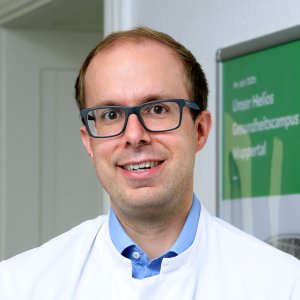
André Rosentreter Chief Of Ophthalmology
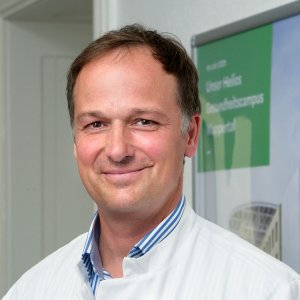
Ansgar Neußer
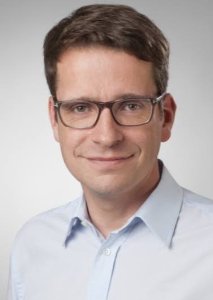
Gernot Rößler

Manfred Tetz
رئيس عيادة Spreebogen للعيون – الدكتور تيتز متخصص في عمليات زراعة القرنية وجراحات تصحيح النظر بالليزر.
- طبيب عيون ذو خبرة في علاج المياه البيضاء (الكاتاركت) والمياه الزرقاء (الجلوكوما)
- يقود فريقاً متخصصاً في عيادة عيون متخصصة
- يجري جراحات متقدمة لتصحيح النظر بالليزر
قصص فيديو من مرضى Bookimed
مشاركة المحتوى
 Anna Leonova
أسئلة متكررة حول زرع القرنية في ألمانيا
ما هي تقنيات زراعة القرنية الأكثر استخداماً في ألمانيا؟
تعد تقنية رأب القرنية البطاني بغشاء ديسميه (DMEK) هي تقنية زراعة القرنية الرائدة في ألمانيا، حيث تشكل حوالي 65% من جميع الحالات. يستخدم أطباء العيون الألمان إجراءات رأب القرنية الصفائحي جزئي السماكة بشكل متكرر أكثر من رأب القرنية النافذ كامل السماكة لعلاج حثل فوكس البطاني وتفكك القرنية.
- انتشار تقنية DMEK: تستبدل الطبقات الداخلية، وتستخدم في حوالي 65% من عمليات الزراعة في ألمانيا.
- رأب القرنية النافذ: تستبدل القرنية بالكامل؛ وتستخدم حالياً في 31% من الحالات المعقدة.
- تقنية DALK: تحافظ على البطانة السليمة للمرضى الذين يعانون من القرنية المخروطية المتقدمة أو الندبات.
- استخدام DSAEK/DSEK: يمثل أقل من 1% من الحالات، ويقتصر على العمليات الجراحية الصعبة تقنياً.
رؤية خبير Bookimed: الجراحون الألمان مثل الدكتور تيم شولتز هم من أوائل المتبنين للتقنيات الصفائحية. بينما لا تزال العديد من المناطق العالمية تعتمد على DSAEK لمشاكل البطانة، تحولت ألمانيا بالكامل تقريباً إلى DMEK. يوفر هذا للمرضى مخاطر رفض أقل ونتائج بصرية أفضل. توفر عيادات مثل عيادة سبري بوغن للعيون في برلين خبرة متخصصة لهذه الإجراءات المتقدمة.
إجماع المرضى: يجد المرضى الذين يعانون من حثل فوكس أن DMEK غالباً ما يتم تقديمها كمعيار ذهبي. إنهم يقدرون التعافي الأسرع، على الرغم من أن الكثيرين يحذرون من أن الرؤية الواضحة قد تستغرق وقتاً أطول مما هو متوقع.
ما هو معدل نجاح عمليات زراعة القرنية في العيادات الألمانية؟
تحقق عمليات زراعة القرنية في العيادات الألمانية معدل نجاح يصل إلى 90% للحالات غير المعقدة، ويرتفع إلى 95% في المراكز المتخصصة مثل عيادة نوردويست (Nordwest Clinic). توفر التقنيات الحديثة مثل رأب القرنية البطاني الغشائي لديسيميه (DMEK) معدلات نجاح تصل إلى 100% لاستعادة حدة البصر للمرشحين المناسبين.
- نجاح التقنية: تستعيد تقنية DMEK الرؤية المثالية لدى 95% إلى 100% من المرضى المناسبين.
- تأثير الحالة: يحقق مرضى القرنية المخروطية معدل نجاح يصل إلى 97% بسبب انخفاض خطر الرفض.
- بقاء الطعم: تحافظ عملية رأب القرنية النافذ على معدل بقاء بنسبة 91% خلال السنة الأولى.
- ميزة الابتكار: تستخدم المراكز الألمانية أنظمة حقن لتقليل اللمس وتقليل فشل الطعم.
رؤية خبير Bookimed: بينما يبحث الكثيرون عن أحدث التقنيات، فإن حجم العمليات هو المؤشر الأفضل للنجاح. يقوم جراحون بارزون مثل الدكتور كلاوس لوك في بريمن-ميتي أو الدكتور تيم شولتز في هامبورغ بإجراء آلاف جراحات العيون. المراكز التي تخدم أكثر من 60,000 مريض سنوياً لديها هوامش خطأ أقل ونتائج تكامل طعم أكثر قابلية للتنبؤ.
إجماع المرضى: يؤكد المرضى أن النجاح يعني رؤية مفيدة بدلاً من رؤية مثالية. ويحذرون من أن الاستخدام المنضبط لقطرات الستيرويد والمتابعة المتكررة أكثر أهمية من الجراحة نفسها.
كم تستغرق فترة التعافي، ومتى يمكن توقع رؤية مستقرة؟
يتطلب التعافي من زراعة القرنية في ألمانيا عادةً من 6 إلى 12 شهرًا لتحقيق استقرار بصري كامل. في حين تتحسن الرؤية الوظيفية الأولية في غضون أسابيع، يعتمد الوضوح التام على إزالة الغرز واندماج الأنسجة. غالبًا ما يستخدم كبار أطباء العيون الألمان تقنيات متقدمة مثل DMEK لتسريع الشفاء وتحسين النتائج.
- الشفاء الأولي: يعود معظم المرضى إلى الأنشطة اليومية الخفيفة في غضون أسبوع إلى أسبوعين.
- إدارة الغرز: غالبًا ما تتقلب الرؤية حتى يتم تعديل الغرز أو إزالتها بشكل احترافي بعد أشهر.
- فترة الاستقرار: يتم الوصول إلى الحدة النهائية عادةً بعد 6 أشهر بمجرد استقرار شكل القرنية.
- الخبرة الألمانية: تحافظ عيادات مثل EuroEyes وNordwest على معايير ISO العالية ومعايير مجلة Focus.
رؤية خبير Bookimed: تُظهر مراكز طب العيون الألمانية مثل Spreebogen وAugenCentrum am Rothenbaum حجمًا استثنائيًا، حيث يقوم بعض الجراحين بإجراء أكثر من 30,000 عملية. تشير البيانات إلى أن العيادات التي تعطي الأولوية لأقسام القرنية المتخصصة غالبًا ما توفر مراقبة طويلة المدى أكثر دقة، وهو أمر بالغ الأهمية لأن الرؤية يمكن أن تتغير بشكل كبير بعد مرحلة الشفاء الأولية التي تستغرق 3 أشهر.
إجماع المرضى: توقع أن تتحسن الرؤية ثم تتقلب مع انخفاض التورم وتعديل الغرز. يعد الاستخدام الصارم لقطرات الترطيب أمرًا حيويًا للتحكم في جفاف العين والحفاظ على اتساق الرؤية خلال رحلة الشفاء الطويلة.
كيف يتم تنظيم والحصول على أنسجة القرنية المانحة في ألمانيا؟
تنظم ألمانيا أنسجة القرنية المانحة كمنتج طبي بموجب قانون المنتجات الطبية (AMG)، مما يضمن تلبية الطعوم لمعايير عالية لسلامة الأدوية. يعتمد التوريد على إطار موافقة اختياري موسع تديره منظمات غير ربحية مثل الجمعية الألمانية لزراعة الأنسجة (DGFG).
- التصنيف القانوني: تُعامل القرنيات كمنتجات طبية بموجب التشريعات الألمانية الصارمة للأدوية.
- نموذج الموافقة: يلزم وجود وثائق أو موافقة الأقارب للاسترجاع بعد الوفاة القلبية الوعائية.
- شبكات الأنسجة: تدير DGFG الإمدادات من خلال مؤسسات الصحة العامة والمستشفيات الجامعية.
- الاسترجاع المعقم: يجب على المنسقين المدربين استرجاع الأنسجة في غضون 72 ساعة من وفاة المتبرع.
رؤية خبير Bookimed: تستخدم العيادات الألمانية مثل Spreebogen وBremen-Mitte طعومًا غالبًا ما يتم تقطيعها مسبقًا إلى طبقات صفائحية رقيقة للغاية. يسمح هذا الإعداد الفني على مستوى بنك العيون للجراحين مثل الدكتور كلاوس لوك بإجراء عمليات DMEK عالية الدقة التي تسرع بشكل كبير من التعافي البصري مقارنة بالتقنيات القديمة. تعد معالجة الأنسجة المتخصصة هذه ميزة رئيسية للنظام الطبي الألماني.
إجماع المرضى: يجب على المرضى التركيز على نوع الطعم ورعاية المتابعة بدلاً من محاولة الحصول على الأنسجة بأنفسهم. يعتمد النجاح على قنوات بنك العيون الرسمية التي تتعامل مع جميع عمليات الفحص والمطابقة والاختبارات الإلزامية للأمراض المعدية.
ما هي القيود الفورية بعد الجراحة التي يجب اتباعها؟
يتطلب التعافي الفوري بعد زراعة القرنية في ألمانيا التزاماً صارماً بالقيود الجسدية لحماية الطعم. يجب على المرضى تجنب فرك العين، أو رفع الأشياء الثقيلة، أو الانحناء لمدة 48 ساعة. يعد استخدام غطاء العين أثناء النوم واتباع جدول دقيق لقطرات العين أمراً حيوياً للنجاح.
- حماية العين: ارتدِ غطاءً واقياً للعين أثناء النوم لمنع الضغط أو الفرك العرضي.
- الإجهاد البدني: تجنب رفع أكثر من 4.5 كجم أو القيام بأنشطة شاقة لمنع ارتفاع ضغط العين.
- سلامة النظافة: حافظ على إبقاء الماء والصابون بعيداً عن العينين أثناء الاستحمام لمدة 48 ساعة.
- وضعية النوم: نم على ظهرك أو على الجانب غير المصاب وفقاً لتوجيهات الجراح.
رؤية خبراء Bookimed: تعطي مراكز طب العيون الألمانية مثل Spreebogen أو AugenCentrum am Rothenbaum الأولوية لتقنيات DMEK المتخصصة التي تتطلب غالباً وضعية دقيقة للرأس بعد العملية. بينما يعتبر التعافي العام قياسياً، يؤكد جراحون مثل الدكتور تيم شولتز أن أول 48 ساعة هي الأكثر أهمية لالتصاق الطعم. يعد اتباع جدول القطرات باستخدام المنبه العامل الأكثر أهمية في منع الرفض المبكر.
إجماع المرضى: يؤكد المرضى على معاملة العين التي أجريت لها الجراحة كأنها زجاج هش خلال الأسابيع القليلة الأولى. يوصي الكثيرون باستخدام النظارات الشمسية فوراً للتعامل مع حساسية الضوء ويحذرون من العودة السريعة للقيادة.
ما هي المدة المتوقعة للجراحة ونوع التخدير؟
تستغرق جراحة زراعة القرنية في ألمانيا عادةً من 45 إلى 150 دقيقة، اعتمادًا على التقنية المحددة المستخدمة. يقوم الجراحون عمومًا بإجراء هذه العمليات تحت التخدير الموضعي أو الناحي مع التخدير الوريدي، على الرغم من أن الأطفال والمرضى الذين يعانون من قلق شديد غالبًا ما يتلقون تخديرًا عامًا.
- مدة الإجراء: عادةً ما تنتهي إجراءات DMEK أو DSAEK الخاصة بطبقات القرنية في غضون 45 إلى 90 دقيقة.
- اختلاف التقنية: تتضمن عملية رأب القرنية النافذة كاملة السماكة خياطة أكثر تعقيدًا وتستغرق من 90 إلى 150 دقيقة.
- أنواع التخدير: توفر كتل الأعصاب الناحية تخديرًا كاملاً للعين بينما يضمن التخدير الوريدي استرخاء المريض.
- الإعداد السريري: تتم الإجراءات في مراكز متخصصة مثل عيادة سبريبوجن لطب العيون أو AugenCentrum am Rothenbaum.
رؤية خبير Bookimed: بينما يقلق العديد من المرضى بشأن التخدير، يركز المتخصصون الألمان مثل الدكتور تيم شولتز على تقنيات DMEK الخاصة بطبقات القرنية. هذه الأساليب الحديثة أسرع بكثير من عمليات الزرع الكاملة التقليدية. تقلل أوقات العمليات الأقصر بطبيعة الحال من مدة التخدير، مما يقلل من مخاطر التعافي للمرضى الأكبر سنًا الشائع وجودهم في هذه العيادات.
إجماع المرضى: يجد العديد من المرضى أن حقن كتلة الأعصاب الناحية غير مريحة أكثر من الجراحة نفسها. غالبًا ما تكون المتطلبات بعد العملية، مثل الحفاظ على وضعية رأس معينة لـ DMEK، أكثر صعوبة من التخدير نفسه.
ما هي المستشفيات في ألمانيا التي تحظى بأعلى التقييمات في جراحة الأعصاب؟
تضم ألمانيا بعضًا من أرقى أقسام جراحة الأعصاب في العالم، بقيادة مستشفى شاريتيه الجامعي في برلين ومستشفى جامعة هايدلبرغ. وتتميز هذه المراكز بخبرتها الواسعة في علاج أورام الدماغ المعقدة وأمراض الأوعية الدموية الدماغية. ولتحقيق أقصى قدر من الفعالية في عملياتها، تستخدم هذه المراكز أحدث التقنيات، مثل التصوير بالرنين المغناطيسي أثناء الجراحة والتوجيه العصبي بمساعدة الحاسوب.
- مستشفى شاريتيه برلين: يُجري أكثر من 5000 عملية جراحية سنوياً. ويرأس العيادة جراح الأعصاب الشهير الدكتور بيتر فايكوتشي.
- المركز الطبي في سولينجن: أجرى الدكتور رالف بوهل أكثر من 4000 عملية جراحية، بما في ذلك جراحات العمود الفقري طفيفة التوغل.
- عيادة أسكليبيوس نورد: مجهزة بنظام التصوير بالرنين المغناطيسي الثنائي الوحيد في ألمانيا أثناء الجراحة لضمان الدقة الجراحية في الوقت الحقيقي أثناء إزالة الورم.
- عيادة نوردويست: تم الاعتراف بها من قبل مجلة نيوزويك كمستشفى رائد في مجال الابتكار في تكنولوجيا الموجات فوق الصوتية ثلاثية الأبعاد.
رأي خبراء بوكيمد: تشير البيانات إلى أن اختيار المراكز ذات الحجم الجراحي الكبير غالبًا ما يؤدي إلى توصيات علاجية أكثر تحفظًا. ففي مركز سولينجن الطبي، الذي يعالج أكثر من 60,000 مريض
ما هي نسب نجاح العمليات الجراحية العصبية المعقدة في ألمانيا؟
في ألمانيا، تتميز العمليات الجراحية العصبية بالغة التعقيد بمستوى أمان استثنائي. تصل نسبة نجاح عمليات دمج الفقرات إلى 99%، بينما تبلغ نسبة النجاة بعد استئصال أورام الدماغ الأولية 97%. كما يتمتع المرضى بقدرة عالية على الاعتماد على أنفسهم في أداء وظائفهم اليومية، حيث يغادر أكثر من 82% منهم المستشفى مباشرةً بعد العلاج. وتولي المراكز الألمانية اهتماماً بالغاً بالحفاظ على الوظائف العصبية باستخدام أحدث تقنيات التخطيط العصبي.
- استئصال الورم: يحقق الجراحون استئصالًا كاملاً للورم في 87.2% من حالات النقائل الدماغية.
- النجاح في علاج أمراض الأوعية الدموية: أفادت المستشفيات الألمانية بنسبة نجاة بلغت 98.7% لحالات تمدد الأوعية الدموية غير الممزقة.
- تحسن الحالة العصبية: يشهد ما يقرب من 43% من المرضى تحسناً في المعايير الوظيفية بعد عمليات الاستئصال المعقدة.
- سلامة التدخلات الجراحية: في المراكز الجراحية الكبيرة، تتراوح معدلات بقاء المرضى على قيد الحياة بعد جراحة العمود الفقري بين 98-99%.
رأي خبراء بوكيمد: يُجري جراحون ذوو خبرة، مثل الدكتور أوفه كولر من عيادة أسكليبيوس ألتونا، أكثر من 2000 عملية جراحية سنويًا. تُشير البيانات إلى أن هؤلاء المتخصصين يحافظون على معدلات نجاح تصل إلى 90%، حتى
ما هي التقنيات المتقدمة المتوفرة عادةً في عيادات جراحة الأعصاب الألمانية؟
تُدخل عيادات جراحة الأعصاب الألمانية بانتظام أدوات رقمية عالية الدقة وتقنيات تصوير فوري في الممارسة الجراحية. تشمل التقنيات الرئيسية الملاحة العصبية الحاسوبية لجراحات الدماغ والحبل الشوكي. تستخدم مؤسسات مثل عيادة أسكليبيوس نورد التصوير بالرنين المغناطيسي أثناء الجراحة للتحقق من استئصال الورم في الوقت الفعلي. توفر هذه الأنظمة للجراحين نظام ملاحة ثلاثي الأبعاد.
- الملاحة العصبية: توفر تصورًا ثلاثي الأبعاد وتتبعًا فوريًا للأدوات لتحقيق دقة جراحية تصل إلى مستوى أقل من المليمتر.
- التصوير أثناء العملية: تسمح أنظمة مثل التصوير بالرنين المغناطيسي أثناء العملية (iMRI) والتصوير المقطعي المحوسب ذي الذراع O (O-arm CT) بالتأكيد الفوري على نجاح عملية الاستئصال.
- المراقبة العصبية: تراقب الوظائف الحركية والحسية أثناء الجراحة لحماية الجهاز العصبي.
- التشخيص الفلوري: يتم استخدام صبغة 5-ALA لتسليط الضوء على حدود الورم من أجل إزالته بشكل أكثر اكتمالاً.
- المساعدة الروبوتية: تعمل أنظمة مثل نظام دافنشي على تحسين الدقة في الإجراءات المعقدة ذات التدخل الجراحي البسيط.
رأي خبراء بوكيمد: تُجري مراكز طبية كبيرة، مثل مستشفى شاريتيه الج
ما هي التدريبات المتخصصة التي يتلقاها جراحو الأعصاب الممارسون في ألمانيا؟
في ألمانيا، يتعين على جراحي الأعصاب إكمال برنامج إقامة تخصصي لمدة ست سنوات بعد التخرج من كلية الطب. يشمل هذا البرنامج المنظم العناية المركزة، والتدريب السريري، وكتابة مقالات في مجلة جراحية إلزامية. بعد ذلك، يجتاز المرشحون امتحانًا حكوميًا للحصول على لقب طبيب مقيم (Facharzt für Neurochirurgie).
- الإقامة السريرية: تتطلب من 48 إلى 72 شهرًا من الممارسة المتخصصة في جراحة الأعصاب.
- العناية المركزة: تتضمن فترة تدريب إلزامية لمدة 6 أشهر في وحدة العناية المركزة لجراحة الأعصاب.
- المجلة الجراحية: يوثق الجراحون مئات العمليات الجراحية، بما في ذلك عمليات فتح الجمجمة وجراحات العمود الفقري.
- امتحان الترخيص: يجب على المتقدمين اجتياز امتحان طبي شفوي وعملي تديره الدولة.
رأي خبراء بوكيميد: يركز التدريب الألماني في جراحة الأعصاب على الخبرة الجراحية الواسعة. فعلى سبيل المثال، أجرى الدكتور رالف بول من المركز الطبي في سولينجن أكثر من 4000 عملية جراحية. ويتمتع الدكتور يورغن كيويت من مستشفى ميوكلينيك بخبرة تزيد عن 25 عامًا. يضمن هذا النظام الدقيق أن يتعامل المتخصصون في المراكز الكبرى مع الحالات المعقدة بدقة مثبتة.
آراء المرضى: يشع