Hair Med
أوكرانيا, Dnieper

تمت مراجعة المقالة طبيا من قبل
Kamil Yalcin Polat
تتراوح تكلفة زراعة الأعضاء في أوكرانيا عادةً ما بين $63,000 و $123,300. تعتمد النفقات الإجمالية على العضو المحدد، ومطابقة المتبرع اللازمة، ومدة الرعاية في المستشفى بعد العملية. غالبًا ما يجد المرضى الدوليون توفيرًا بنسبة 60-90% مقارنة بالولايات المتحدة عند تلقي العلاج في المراكز الطبية الكبرى.
تكاليف زراعة الأعضاء النموذجية في أوكرانيا
يتم إجراء معظم عمليات زراعة الأعضاء في كييف ولفيف. وفي حين تظل الأسعار في المراكز الكبرى متسقة نسبيًا، فإن التوافر يختلف بناءً على متطلبات مطابقة المتبرعين. استشر أخصائي زراعة أعضاء للحصول على تسعير دقيق وتوجيه قانوني لحالتك الخاصة.
| أوكرانيا | تركيا | إسبانيا | |
|---|---|---|---|
| زرع القلب | ≈ $45,000 | ≈ $175,000 | ≈ $140,000 |
| زرع القرنية | من $1,500 | من $6,000 | من $10,000 |
| زراعة الكلى | ≈ $28,000 | من $16,000 | ≈ $68,000 |
| زراعة الكبد | ≈ $55,000 | من $45,000 | من $150,000 |
| زراعة القلب والرئة | ≈ $110,000 | ≈ $150,000 | ≈ $185,000 |
Bookimed لا يضيف رسوماً إضافية على أسعار علاج طب زراعة الأعضاء. الأسعار مأخوذة من قوائم الأسعار الرسمية للعيادات. تدفع مباشرة في العيادة مقابل علاجك عند وصولك إلى البلد.
Bookimed ملتزم بسلامتك. نحن نعمل فقط مع المؤسسات الطبية التي تحافظ على معايير دولية عالية في علاج طب زراعة الأعضاء ولديها التراخيص اللازمة لخدمة المرضى الدوليين في جميع أنحاء العالم.
Bookimed يقدم مساعدة خبراء مجانية. منسق طبي شخصي يدعمك قبل وأثناء وبعد العلاج، ويحل أي مشاكل. لن تكون وحيداً أبداً في رحلة علاج طب زراعة الأعضاء.


يتخصص بارانوف إيفان في زراعة الشعر في Hair Med، مع خبرة تزيد عن 15 عامًا في هذا المجال.

الدكتور أندري كوفالتشوك هو جراح عظام وأخصائي في الطب التجديدي في عيادة Coollaser في كييف. يشغل منصب أستاذ مشارك في جامعة تيرنوبل الطبية الوطنية (I.Ya. Gorbachevsky TNMU) وهو حاصل على درجة مرشح في العلوم الطبية. يعالج الدكتور كوفالتشوك حالات العظام والحروق باستخدام العلاج بالخلايا الجذعية.


كتب بواسطة Ana Hurevska

كتب بواسطة Ana Hurevska

كتب بواسطة Veronika Kazina

كتب بواسطة Veronika Kazina
كتب بواسطة Veronika Kazina
 Anna Leonova
تعد زراعة الأعضاء قانونية في أوكرانيا بموجب قانون زراعة الأعضاء البشرية لعام 2018. تستخدم البلاد نظام الموافقة الصريحة (opt-in) الذي يتطلب موافقة كتابية للتبرع بعد الوفاة. يضمن نظام معلومات الدولة الموحد للزراعة (EDIST) مطابقة شفافة بين المتبرع والمتلقي وتخصيص الأعضاء عبر المستشفيات المرخصة.
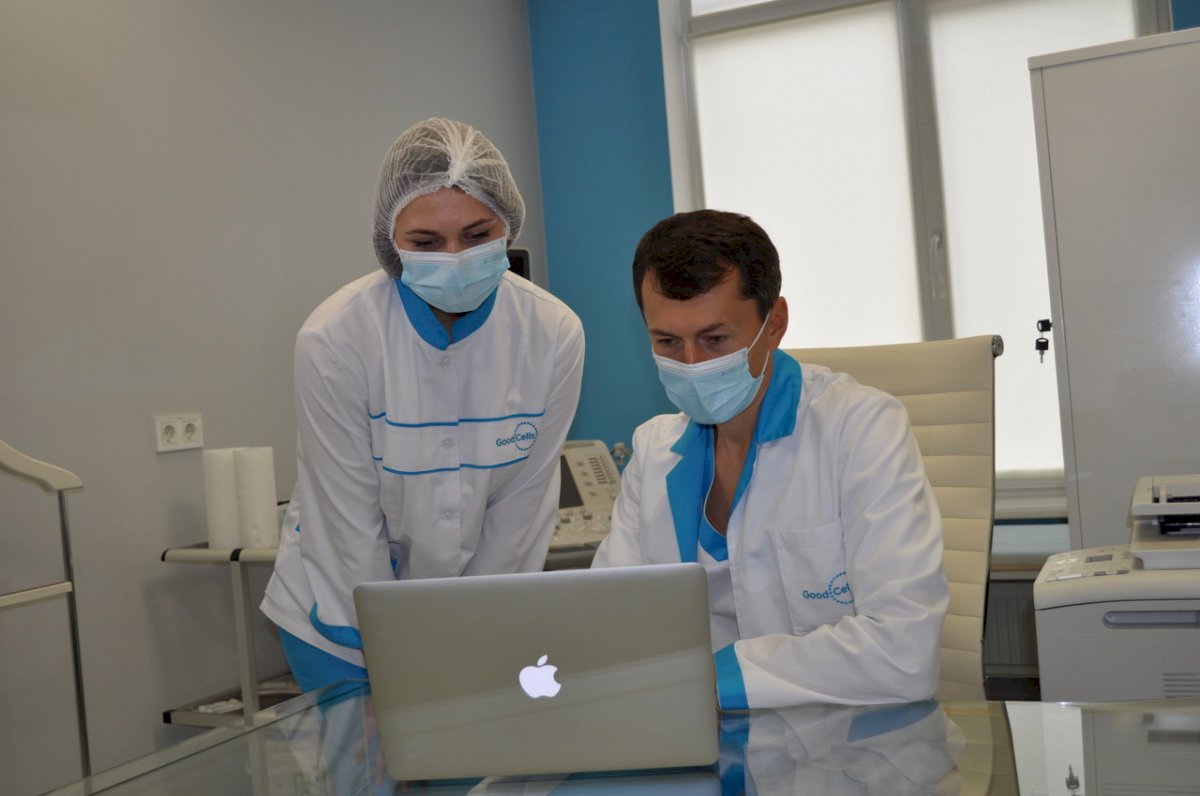
رؤية خبير Bookimed: لقد لامركز نظام الزراعة في أوكرانيا بشكل كبير للحفاظ على العمليات خلال التحديات اللوجستية. تعد التعديلات القانونية لعام 2022 التي تسمح بفرق زراعة متنقلة سابقة عالمية فريدة من نوعها. يضمن هذا التكيف استمرار العمليات الجراحية المنقذة للحياة، مثل تلك التي يتم إجراؤها في عيادة Good Cells، على الرغم من عدم الاستقرار الإقليمي.
إجماع المرضى: يشير المرضى إلى أنه على الرغم من أن الإطار القانوني حديث، إلا أن البنية التحتية قد تتخلف عن معايير الاتحاد الأوروبي. يؤكد الكثيرون على أهمية التحقق من اعتماد المستشفى من خلال وزارة الصحة قبل بدء العملية.
لا توجد قيود مطلقة على العمر أو نمط الحياة تمنعك من التسجيل كمتبرع بالأعضاء. تحدد الفرق الطبية مدى الملاءمة في وقت الوفاة بناءً على الظروف السريرية. في حين أن معظم الأمراض المزمنة لا تستبعد المتبرعين، فإن السرطان النقيلي النشط والالتهابات الجهازية الشديدة تعد عوائق مطلقة أمام زراعة أعضاء معينة.
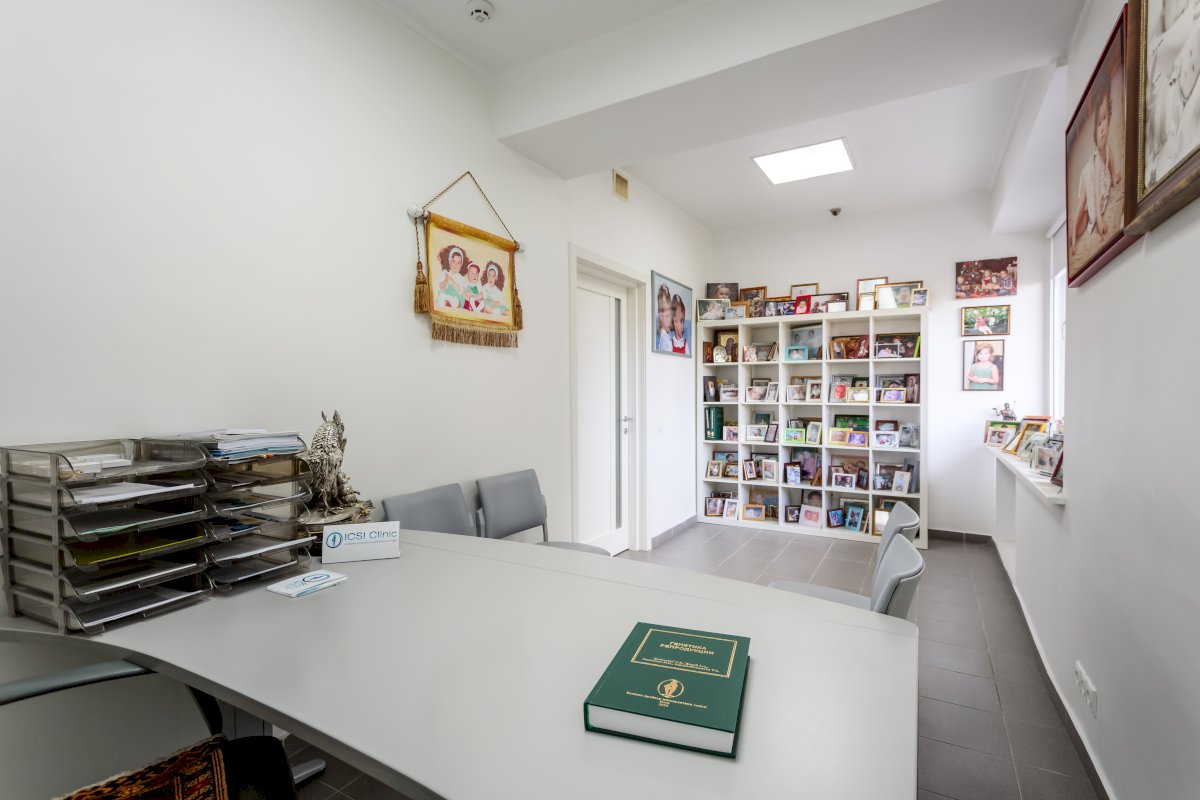
رؤية خبير Bookimed: تتحول معايير الجودة في أوكرانيا نحو المعايير الدولية. تمتلك عيادات مثل Good Cells Clinic وICSI Clinic شهادات ISO. يضمن هذا التركيز على توحيد الجودة الطبية أن فحص المتبرعين يتبع بروتوكولات سلامة موثوقة. يجب على المرضى إعطاء الأولوية للمرافق التي تحمل علامات الجودة الدولية المحددة هذه للتشخيصات المتعلقة بالزراعة.
إجماع المرضى: يشير المرضى إلى أن العدوى النشطة مثل فيروس نقص المناعة البشرية أو التهاب الكبد هي عوائق فورية أمام التبرع. يقترح الكثيرون أيضًا إجراء فحوصات الأمراض المعدية في وقت مبكر لتجنب الرفض اللوجستي في مركز الزراعة.
أجبر النزاع المستمر خدمات زراعة الأعضاء الأوكرانية على الانتقال من المناطق الشرقية إلى مدن أكثر أماناً في الغرب مثل لفيف. تواجه البنية التحتية الطبية اضطرابات منتظمة بسبب انقطاع التيار الكهربائي والهجمات الصاروخية. تستخدم المراكز المتخصصة الآن وحدات متنقلة ووسائل نقل معدلة للحفاظ على عمليات الحصول على الأعضاء الحيوية وبروتوكولات السلامة الجراحية.
رؤية خبير Bookimed: تظهر البيانات زيادة بنسبة 30% في أحجام عمليات الزرع في المناطق الغربية مثل لفيف حتى عام 2024. بينما تواصل مراكز كييف مثل Noviy Zir تقديم رعاية العيون، تم نقل عمليات زراعة القلب المعقدة بالكامل. يجب على المرضى إعطاء الأولوية للعيادات التي تحتوي على أنظمة طاقة احتياطية مدمجة لمنع تعطل المعدات أثناء تقلبات التيار.
إجماع المرضى: يشير المرضى إلى أن انقطاع التيار الكهربائي أمر روتيني ويوصون بحمل بنوك طاقة (Power Banks) في جميع الأوقات. يعتمد الكثيرون الآن على الخدمات اللوجستية عبر الحدود من بولندا لتأمين أعضاء المتبرعين وتجنب الطرق المحلية المتضررة.
تُبلغ زراعة الأعضاء في أوكرانيا عن معدلات نجاح عالية للإجراءات المنقذة للحياة. تُظهر برامج زراعة الكلى معدل بقاء على قيد الحياة لمدة عام واحد بنسبة 92%. تحقق عمليات زراعة الكبد نجاحاً بنسبة 85-90% بعد اثني عشر شهراً. تُبلغ مراكز متخصصة مثل مركز أفيسينا ميد الطبي عن معدل نجاح بنسبة 99% للتدخلات الجراحية العامة في كييف.
رؤية خبير Bookimed: غالباً ما توفر المراكز ذات الحجم الكبير في أوكرانيا مطابقة أسرع للمتبرعين مقارنة بالمرافق الغربية. يستخدم الدكتور بارانوف إيفان في Hair Med تقنية هجينة فريدة مع نظام تريفيليني. هذه المعدات المتخصصة نادرة في المنطقة وتحسن بشكل كبير من بقاء الطعم. تُظهر البيانات السريرية من أفيسينا ميد أن الجمع بين تنظير البطن ثلاثي الأبعاد وبروتوكولات الزراعة يحافظ على معدل نجاحهم البالغ 99%.
إجماع المرضى: غالباً ما يتفاجأ المرضى بأوقات الانتظار القصيرة لمطابقة الأعضاء. ويشيرون إلى أنه على الرغم من أن النجاح السريري مرتفع، فمن الضروري التأكد من أن ا
تجري أوكرانيا مجموعة واسعة من عمليات زرع الأعضاء والخلايا. يقوم الجراحون بنجاح بزراعة الكلى والكبد والقلب والرئتين. كما توفر المراكز المتخصصة عمليات زرع القرنية وإجراءات نخاع العظم. تشمل التطورات الأخيرة عمليات مركبة معقدة مثل زراعة الكلى والبنكرياس وزراعة القلب والرئة حتى خلال الفترات الصعبة.
رؤية خبير Bookimed: أصبحت أوكرانيا مركزاً للطب التجديدي المتخصص. تخدم عيادات مثل عيادة Coollaser وعيادة Good Cells أكثر من 4500 مريض سنوياً. وهي تركز على علاجات الخلايا الجذعية للكبد ونظام القلب والأوعية الدموية. يسمح هذا الحجم الكبير لهذه المراكز الخاصة بالحفاظ على معايير مختبرية معتمدة من ISO قابلة للمقارنة بمرافق أوروبا الغربية.
إجماع المرضى: يشير المرضى إلى أن عمليات زراعة الكلى تعتبر روتينية في المدن الكبرى. ويؤكدون على أهمية التحقق من اعتمادات العيادات والاستعداد للدفع النقدي والإقامة الممتدة أثناء فترة التعافي.
قوائم انتظار عمليات الزرع في أوكرانيا غير متوقعة حاليًا بسبب تحديات البنية التحتية وانخفاض معدلات التبرع. على الرغم من وجود أنظمة تسجيل رسمية، غالبًا ما يواجه المرضى فترات انتظار تتراوح من 6 أشهر إلى عدة سنوات. عادةً ما تشهد الحالات المعقدة مثل زراعة القلب أو الرئة أطول فترات التأخير.
رؤية خبير Bookimed: تُظهر بياناتنا تحولًا نحو الطب التجديدي في كييف كبديل لقوائم الزرع التقليدية. تستخدم عيادات مثل Good Cells Clinic وRenaissannce Technology Clinic الآن علاجات الخلايا الجذعية لعلاج أمراض الكبد والقلب والأوعية الدموية. يتجاوز هذا النهج نقص المتبرعين بالأعضاء ويخدم ما يقرب من 300 إلى 5000 مريض سنويًا عبر المراكز الرائدة.
إجماع المرضى: يشير المرضى إلى أن قوائم الانتظار العامة غالبًا ما تكون غير موثوقة ويقترحون بناء اتصالات محلية أو استكشاف طرق خاصة. يجد الكثيرون أن أوقات الانتظار الفعلية للجراحة المنقذة للحياة يمكن أن تتجاوز 18 شهرًا بدون روابط عيادة محددة.
تحافظ أوكرانيا على معدلات بقاء لعمليات زرع الأعضاء تتماشى مع المعايير الدولية. تظهر البيانات الحديثة معدل بقاء لمدة 30 يوماً يتراوح بين 94.2% و 97.3% لعمليات زرع القلب. تبلغ برامج الكلى للأطفال عن معدل بقاء للكُلى المزروعة بنسبة 95% خلال أول 30 يوماً من الإجراء.
رؤية خبراء Bookimed: توسعت البنية التحتية لعمليات الزرع في أوكرانيا بسرعة على الرغم من التحديات الخارجية، حيث تدير المراكز الجراحية الآن أكثر من 460 عملية زرع سنوياً. تقوم المراكز ذات الحجم الكبير مثل الجمعية الطبية الأولى في لفيف بإجراء أكثر من 100 عملية زرع سنوياً. يساعد هذا التركيز للحالات في عدد قليل من المراكز المتخصصة في الحفاظ على كفاءة جراحية عالية ونتائج متوقعة للمرضى.
إجماع المرضى: يشير المرضى إلى أن الإجراءات التجميلية مثل زراعة الشعر تظل موثوقة للغاية مع معدل بقاء للكُلى المزروعة بنسبة 95%. يؤكد أولئك الذين يسعون للحصول على عمليات زرع أعضاء على الحاجة إلى فحص قوي للعدوى قبل الجراحة وخطط متابعة استباقية.
يعد التبرع بالأعضاء بعد الوفاة قانونياً في أوكرانيا بموجب نظام الموافقة الصريحة (opt-in) الذي يتطلب موافقة كتابية واضحة. في حال عدم وجود قرار مسبق، ينقل القانون السلطة إلى أقرب الأقارب. منذ عام 2025، تحظر اللوائح بصرامة حصاد الأعضاء من الأفراد الذين توفوا بسبب الأعمال العدائية العسكرية أو الإجراءات المتعلقة بالحرب.
رؤية خبير Bookimed: على الرغم من أن الإطار القانوني قوي، إلا أن التحولات اللوجستية تحدد المشهد الحالي. نظرًا لتقييد الطيران، تسافر الآن فرق متنقلة متخصصة إلى المتبرعين. تحافظ عيادات مثل مركز Avicenna Med الطبي على معدل نجاح يصل إلى 99% في التدخلات الجراحية، مما يظهر أن الخبرة التقنية المحلية لا تزال عالية على الرغم من تحديات النقل هذه.
إجماع المرضى: ينصح الكثيرون بتوثيق رغباتك لدى كاتب عدل أو مع العائلة في وقت مبكر. يساعد هذا في تجنب الارتباك أثناء حالات الطوارئ، خاصة في ظل التدقيق المتزايد على الإجراءات الطبية خلال النزاع الحالي.
توفر أوكرانيا تمويلاً حكومياً لعمليات الزرع من خلال برامج طبية متخصصة وإعانات التأمين الصحي. تهدف هذه المبادرات الحكومية إلى خفض تكاليف إجراءات الكلى والكبد والقلب. غالباً ما يصل السكان إلى هذه الأموال من خلال السجلات الوطنية والمرافق المعتمدة من قبل JCI أو ISO في مدن مثل كييف ودنيبرو.
رأي خبير Bookimed: تظهر البيانات أنه على الرغم من وجود تمويل حكومي، يختار العديد من المرضى في عيادات مثل Avicenna Med أو Hair Med المسارات الخاصة. غالباً ما تدير العيادات ذات التصنيف الأعلى في كييف أحجاماً أكبر من المرضى، مما يساعدها على تبسيط الأعمال الورقية المكثفة المطلوبة للحصول على الإعانات. يجب على المرضى إعطاء الأولوية للمرافق التي لديها أكثر من 5000 حالة سنوياً لتجاوز هذه العقبات الإدارية بشكل أسرع.
إجماع المرضى: يشير المرضى إلى أن التغطية الحكومية متاحة ولكنها محدودة، مما يتركهم غالباً يدفعون تكاليف اختبارات ما قبل الزرع والأدوية. يذكر الكثيرون أن فترات الانتظار الطويلة للجراحة الممولة تجعل الخيارات الخاصة أو السياحة العلاجية بديلاً ضرورياً.
تحظر القوانين الدولية والأوكرانية بشكل صارم حصاد الأعضاء من ضحايا الحرب لمنع الاستغلال وجرائم الحرب. تحمي اتفاقيات جنيف كرامة المتوفين. وبشكل خاص، يحظر التشريع الأوكراني إزالة المواد التشريحية من المقاتلين الذين قتلوا في العمليات القتالية أو الأفراد غير المعروفين لضمان ممارسات زراعة الأعضاء الأخلاقية.
رؤية خبير Bookimed: تظهر البيانات من مراكز متخصصة مثل Hair Med وعيادة Good Cells أن أوكرانيا تحافظ على بروتوكولات صارمة معتمدة من ISO حتى أثناء تغيرات حجم المرضى. في حين يعتقد البعض أن الحرب تزيد من إمدادات الأعضاء، فإن الواقع هو أن الحظر التشريعي الصارم على الضحايا العسكريين يعطي الأولوية للسلامة القانونية على الحجم. وهذا يضمن أن أي عملية زراعة يتم إجراؤها في كييف أو دنيبرو تلبي معايير الشفافية الدولية.
إجماع المرضى: يشير المرضى إلى أنه على الرغم من أن الحرب تعقد الخدمات اللوجستية الطبية، إلا أن القواعد الأساسية للتبرع تظل دون تغيير. ويؤكدون أن الوفيات العسكرية تُعامل بتمحيص عالٍ، ولا يزال يتعين على العائلات تقديم الموافقة بعد الوفاة ما لم