العودة إلى الصفحة الرئيسية
820К+ مريضًا حصلوا على المساعدة منذ عام 2014
50 دول
1,500 عيادات
6K+ تقييمات
3K+ طبيب مؤهل

ما هي تكلفة طب زراعة الأعضاء في ماليزيا؟ اكتشف الآن

السعر يقدم بعد الطلب
ماليزياتركياإسبانيا
زرع القلبمن $55,000من $175,000من $250,000
زرع القرنيةمن $4,800من $3,500من $12,354
زراعة الكلىمن $38,000من $18,000من $80,000
زراعة الكبدمن $95,000من $45,000من $120,000
زراعة القلب والرئةمن $195,000من $250,000من $600,000
تم التحقق من البيانات بواسطة Bookimed اعتبارًا من July 2026، استنادًا إلى طلبات المرضى والعروض الرسمية من 2 عيادة حول العالم. تستند التكاليف المتوسطة إلى الفواتير الحقيقية (2025–2026) ويتم تحديثها شهريًا. قد تختلف الأسعار الفعلية.

مزاياك وضماناتك مع Bookimed

أسعار مباشرة

Bookimed لا يضيف رسوماً إضافية على أسعار علاج طب زراعة الأعضاء. الأسعار مأخوذة من قوائم الأسعار الرسمية للعيادات. تدفع مباشرة في العيادة مقابل علاجك عند وصولك إلى البلد.

عيادات وأطباء معتمدون فقط

Bookimed ملتزم بسلامتك. نحن نعمل فقط مع المؤسسات الطبية التي تحافظ على معايير دولية عالية في علاج طب زراعة الأعضاء ولديها التراخيص اللازمة لخدمة المرضى الدوليين في جميع أنحاء العالم.

مساعدة مجانية على مدار الساعة

Bookimed يقدم مساعدة خبراء مجانية. منسق طبي شخصي يدعمك قبل وأثناء وبعد العلاج، ويحل أي مشاكل. لن تكون وحيداً أبداً في رحلة علاج طب زراعة الأعضاء.

لماذا نحن؟

منسقك الطبي الشخصي في Bookimed

  • يدعمك في كل مرحلة
  • المساعدة في اختيار العيادة الطبية المناسبة والطبيب المناسب
  • يضمن الوصول السريع والمريح إلى المعلومات

اكتشف أفضل عيادات طب زراعة الأعضاء: 2 خيارات معتمدة والأسعار
تم تصنيف العيادات بواسطة نظام Bookimed الذكي، باستخدام تحليل علوم البيانات عبر 5 معايير رئيسية.

مواد ذات صلة

مشاركة المحتوى

Twitter XLinkedinFacebookWhatsAppEmail
أحصل على الرابط

قصص فيديو من مرضى Bookimed

Dayana
جمعت بين إجازتي في أنطاليا والفحص الطبي.
إجراء: فحص صحة الإناث (انظر فحص النساء)
Igor
كان رائعاً! التنقلات والإقامة والعلاج - كل شيء مشمول.
إجراء: زرع الأسنان
مستشفى: WestDent Clinic
Marina
قام Bookimed بكل شيء من أجلي. لم أضطر للقلق بشأن أي شيء.
إجراء: فحص صحة الإناث (انظر فحص النساء)
مستشفى: Severance Hospital
محدث: 03/21/2023
تأليف
Anna Leonova
Anna Leonova
رئيس فريق تسويق المحتوى
محررة طبية معتمدة لديها خبرة تزيد عن 10 سنوات، طوّرت محتوى Bookimed الموثوق، مدعومة بماجستير في علم اللغة ومقابلات مع خبراء طبيين من جميع أنحاء العالم.
تمت المراجعة من قبل المستشار الطبي في Bookimed
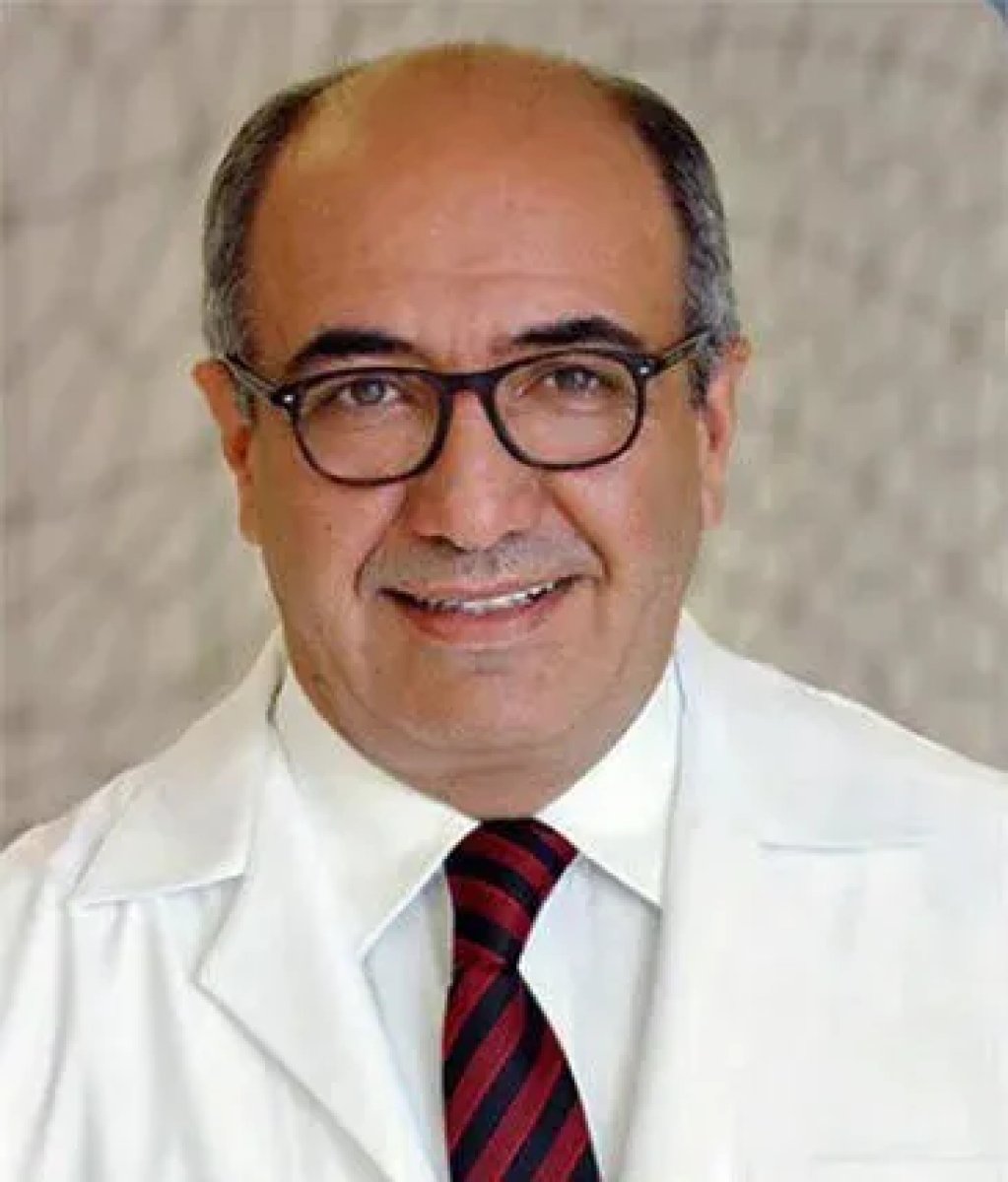
Kamil Yalcin Polat
جراح اختصاص زراعة الأعضاء
الأستاذ الدكتور كامل يالتشين بولات متخصص في زراعة الأعضاء. وقد أجرى أكثر من 2000 عملية زراعة كبد و1000 عملية زراعة كلى. الدكتور بولات هو رئيس مركز زراعة الأعضاء في مستشفى ميموريال بهتشلي إيفلر.
Kamil Yalcin Polat Linkedin
قد تحتوي هذه الصفحة على معلومات تتعلق بمختلف الحالات الطبية والعلاجات وخدمات الرعاية الصحية المتوفرة في بلدان مختلفة. يرجى العلم أن المحتوى مقدم لأغراض إعلامية فقط ولا ينبغي تفسيره على أنه نصيحة أو إرشادات طبية. يرجى استشارة طبيبك أو أخصائي طبي مؤهل قبل البدء أو تغيير العلاج الطبي.

أسئلة متكررة حول طب زراعة الأعضاء في ماليزيا

هذه الأسئلة الشائعة مأخوذة من مرضى حقيقيين يبحثون عن رعاية طبية عبر Bookimed. يتم تقديم الإجابات من قبل منسقين طبيين ذوي خبرة وممثلين موثوقين من العيادات.

How long do I need to stay in Malaysia after a transplant?

Patients typically stay in Malaysia for 4 weeks to 3 months following major organ transplants. Clinical stability determines the exact timeline. Doctors monitor blood tests and surgical recovery before clearing international travel. Heart and liver cases often require longer local observation than kidney transplants.

  • Clinical monitoring: Most patients remain in Malaysia for at least 1 to 3 months.
  • Initial recovery: Kidney recipients sometimes travel sooner if blood results remain consistently stable.
  • Complex cases: Liver transplant recovery may require local monitoring for up to 12 months.
  • Flying clearance: Surgeons look for consistent blood work and physical stamina before approving flights.

Bookimed Expert Insight: Wellness-integrated facilities in George Town, such as VITA Medical Wellness Resort, offer 175-room recovery environments. These integrated resorts allow patients to transition from hospital wards to clinical hotel settings. This setup supports the lengthy monitoring phase required for major organ transplants in Malaysia.

Patient Consensus: Patients note that reaching clinical milestones matters more than fixed timelines. They emphasise carrying double medication in hand luggage. They also emphasise sticking to bottled water and cooked food to avoid infections while recovering in Malaysia.

Can international patients undergo an organ transplant in Malaysia?

International patients can undergo organ transplants in Malaysia, but strict regulations apply. Procedures are limited to living donor cases. In these cases, the donor is typically a spouse or close relative. Deceased donor organs are prioritised for Malaysian citizens. This makes local registry access virtually impossible for non-residents.

  • Donor requirements: Patients must bring a first-degree or second-degree living relative as a donor.
  • Unrelated donors: Cases involving non-relatives require approval from the Ministry of Health (MOH) committee.
  • Anti-trafficking laws: Malaysia strictly follows the Declaration of Istanbul, prohibiting any commercial organ sales.
  • Transplant types: Available living donor procedures include kidney and liver transplants for international cases.

Bookimed Expert Insight: Malaysia is a major medical hub. However, the internal organ shortage creates 10-year waiting lists for locals. International patients should only consider Malaysia if they already have a compatible living donor. Hospitals in cities like Selangor and George Town offer sophisticated infrastructure. However, they cannot bypass the national policy that reserves deceased organs for citizens.

Patient Consensus: Patients note that cultural factors often impact local donation rates, so bringing a donor is essential. Many find the medical facilities very modern. However, they warn others to secure clear legal documentation for donor relationships before travel.

Who can be a living donor for a transplant in Malaysia?

Living organ donors in Malaysia must usually be direct family members. This includes legally recognised spouses, parents, siblings, children, grandparents, or extended relatives like aunts and uncles. Malaysian guidelines follow strict ethical rules so all donations are voluntary and free from commercial interests.

  • Family eligibility: Donors must be first-degree or second-degree relatives or legal spouses.
  • Committee approval: Unrelated donors require formal clearance from the Unrelated Transplant Approval Committee.
  • Medical fitness: Donors must have excellent cardiovascular health and normal kidney function.
  • Age requirement: All living donors must be legally consenting adults aged 18 or older.

Bookimed Expert Insight: Malaysian transplant protocols require intensive screening. Both the donor and recipient must be screened in the same facility. VITA Medical Wellness Resort Penang handles 500 patients annually with 8 specialised departments. However, transplant cases require tertiary hospital settings. Bookimed data shows these centres strictly follow the National Organ Policy 2007. This helps manage wait times effectively.

Patient Consensus: Patients note that family consent is vital. This is because relatives can sometimes block donations even if the donor is registered. Australians should prepare for rigorous psychological checks. They should also be ready for potential wait times if a related donor is not available.

Which hospitals in Malaysia specialise in transplant surgery?

Malaysia provides transplant surgery through a network of specialised tertiary centres. Public facilities like Hospital Kuala Lumpur and Hospital Selayang lead in complex organ transplantation. These hospitals manage kidney and liver transplants. Private centres like Prince Court Medical Centre also offer renal transplant programs.

  • Hospital Kuala Lumpur: Performs renal transplants for both living and deceased donors.
  • Hospital Selayang: Acts as a major hub for liver and kidney transplants.
  • Prince Court: Provides private renal transplant services including spousal kidney programs.
  • Clinical pathways: Patients often get diagnosed in private clinics before provincial referral.

Bookimed Expert Insight: Patients should note that Malaysia's public hospitals handle the highest volume of complex transplant cases. Private facilities offer faster initial diagnostics. However, surgical capacity for organ transplants has consolidated within the government sector. This concentration means specialists at centres like Hospital Selayang maintain high clinical exposure.

Patient Consensus: Patients find that Malaysian government hospitals offer excellent surgical expertise for complex transplants. They note that the process involves more bureaucracy and longer waits than private care. Many get their initial tests at private clinics for speed. After that, they transfer to public specialists.

What is the process for evaluation before a transplant in Malaysia?

The evaluation for a transplant in Malaysia involves a rigorous multifaceted multidisciplinary assessment. Teams of nephrologists and surgeons perform tissue matching and HLA typing. Candidates undergo heart, lung, and cancer screenings to ensure surgical fitness. Legal clearance by the Ministry of Health is mandatory for all donors.

  • Medical screening: Testing includes blood groups, tissue matching, and infectious disease panels.
  • Fitness assessment: Doctors use heart and lung tests to confirm patients can survive surgery.
  • Legal clearance: The Ministry of Health approves all unrelated donors to prevent trafficking.
  • Psychosocial review: Specialists assess the support system and ability to follow medication plans.

Bookimed Expert Insight: Malaysian medical centres often integrate diagnostics within medical wellness hubs to streamline the process. Clinics in medical hubs like Selangor offer infrastructure for international cases. This environment helps patients manage the extensive testing required for complex procedures like kidney transplants.

Patient Consensus: Patients note that while some screenings complete in a day, matching results usually take a week. After clearance, most are advised to avoid high-risk foods like raw sushi to prevent post-surgery infections.

What is the legal framework for organ donation in Malaysia?

Malaysia follows an opt-in system governed primarily by the Human Tissues Act 1974. Potential donors must explicitly register their intent during their lifetime. However, medical teams need final consent from the next of kin. They must obtain this before proceeding with any deceased organ recovery.

  • Informed consent: Donors must voluntarily pledge via registers like the MySejahtera application.
  • Family authority: Relatives hold legal power to override a deceased person's donor pledge.
  • Brain death: Organ donation in Malaysia strictly requires a clinical declaration of brain death.
  • Living donors: No specific legislation exists for living donors; common law and ethics apply.

Bookimed Expert Insight: Malaysia's legal framework relies heavily on institutional protocols rather than a single standalone law. Major medical hubs in Selangor and George Town operate under these strict Ministry of Health guidelines. Patients should note that organs only become available through a single national list. This ensures equitable distribution.

Patient Consensus: Patients emphasise that registering as a donor is only the first step. In Malaysia, family communication is vital. This is because relatives can still deny donation after a patient is declared brain dead.

What types of organ transplants are commonly performed in Malaysia?

Malaysia performs kidney, liver, heart, lung, and corneal transplants. Kidney transplants are the most common solid organ procedure. Major tertiary centres like Institut Jantung Negara handle heart and lung cases. Specialists focus on living donor procedures to address the regional donor shortage.

  • Kidney transplant: High volume procedure treating end-stage renal disease from diabetes.
  • Liver transplant: Performed for chronic failure using living donor techniques.
  • Corneal transplant: Common procedure for blindness, often using imported donor tissue.
  • Heart and lung: Specialist centres manage these complex cases despite longer waits.

Bookimed Expert Insight: Malaysia has a distinct legal framework that excludes testis and uterus transplants. This protects family lineage under local gift laws. Patients should focus on clinics in Selangor or George Town for transplant-related diagnostics. These hubs offer strong infrastructure for international medical travellers.

Patient Consensus: Patients note that family consent remains mandatory even if donors register. Many emphasise that religious authorities confirm organ donation is fully permissible in Malaysia. The waiting list for kidneys is long, so early registration via official apps is essential.

احصل على استشارة مجانية

حدد أفضل طريقة للاتصال بك