عيادات طب زراعة الأعضاء في تايلاند

تمت مراجعة المقالة طبيا من قبل
Kamil Yalcin Polat
ما هي تكلفة طب زراعة الأعضاء في تايلاند؟ اكتشف الآن
تتراوح تكلفة زراعة الأعضاء في تايلاند عادةً ما بين $67,800 / 2,305,200฿ و $146,700 / 4,987,800฿. تعتمد النفقات النهائية على نوع العضو، ومستوى اعتماد المستشفى، وما إذا كان الإجراء يتضمن متبرعاً حياً أو متوفى. يمكن للمرضى توقع توفير ما بين 70-90% مقارنة بالولايات المتحدة لهذه الإجراءات المنقذة للحياة.
تكاليف زراعة الأعضاء النموذجية في تايلاند
- اختبار الحمض النووي (DNA): من $500 / 17,000฿
- زراعة الكلى: $32,000 / 1,088,000฿ – $42,000 / 1,428,000฿
- زراعة الكبد: $70,000 / 2,380,000฿ – $95,000 / 3,230,000฿
- زراعة القرنية: $4,300 / 146,200฿ – $6,500 / 221,000฿
- زراعة الرئة: من $6,000 / 204,000฿
- زراعة القلب: $100,000 / 3,400,000฿ – $135,000 / 4,590,000฿
- زراعة القلب والرئة: $125,000 / 4,250,000฿ – $180,000 / 6,120,000฿
تقع معظم مراكز زراعة الأعضاء المتقدمة في بانكوك ونونثابوري. وفي حين تظل الأسعار تنافسية في جميع أنحاء البلاد، غالباً ما توفر المرافق المركزية في بانكوك باقات شاملة. استشر أخصائياً للحصول على تسعير دقيق وتوجيه قانوني لحالتك الخاصة.
| تايلاند | تركيا | إسبانيا | |
|---|---|---|---|
| زرع القلب | ≈ $100,000 / 3,400,000฿ | ≈ $175,000 / 5,950,000฿ | ≈ $140,000 / 4,760,000฿ |
| زرع القرنية | ≈ $4,300 / 146,200฿ | من $6,200 / 210,800฿ | من $8,400 / 285,600฿ |
| زراعة الكلى | ≈ $32,000 / 1,088,000฿ | من $16,000 / 544,000฿ | ≈ $68,000 / 2,312,000฿ |
| زراعة الكبد | ≈ $70,000 / 2,380,000฿ | من $45,000 / 1,530,000฿ | من $150,000 / 5,100,000฿ |
| زراعة القلب والرئة | ≈ $125,000 / 4,250,000฿ | ≈ $150,000 / 5,100,000฿ | ≈ $185,000 / 6,290,000฿ |
مزاياك وضماناتك مع Bookimed
أسعار مباشرة
Bookimed لا يضيف رسوماً إضافية على أسعار علاج طب زراعة الأعضاء. الأسعار مأخوذة من قوائم الأسعار الرسمية للعيادات. تدفع مباشرة في العيادة مقابل علاجك عند وصولك إلى البلد.
عيادات وأطباء معتمدون فقط
Bookimed ملتزم بسلامتك. نحن نعمل فقط مع المؤسسات الطبية التي تحافظ على معايير دولية عالية في علاج طب زراعة الأعضاء ولديها التراخيص اللازمة لخدمة المرضى الدوليين في جميع أنحاء العالم.
مساعدة مجانية على مدار الساعة
Bookimed يقدم مساعدة خبراء مجانية. منسق طبي شخصي يدعمك قبل وأثناء وبعد العلاج، ويحل أي مشاكل. لن تكون وحيداً أبداً في رحلة علاج طب زراعة الأعضاء.

منسقك الطبي الشخصي في Bookimed
- يدعمك في كل مرحلة
- المساعدة في اختيار العيادة الطبية المناسبة والطبيب المناسب
- يضمن الوصول السريع والمريح إلى المعلومات
اكتشف أفضل عيادات طب زراعة الأعضاء: 16 خيارات معتمدة والأسعار


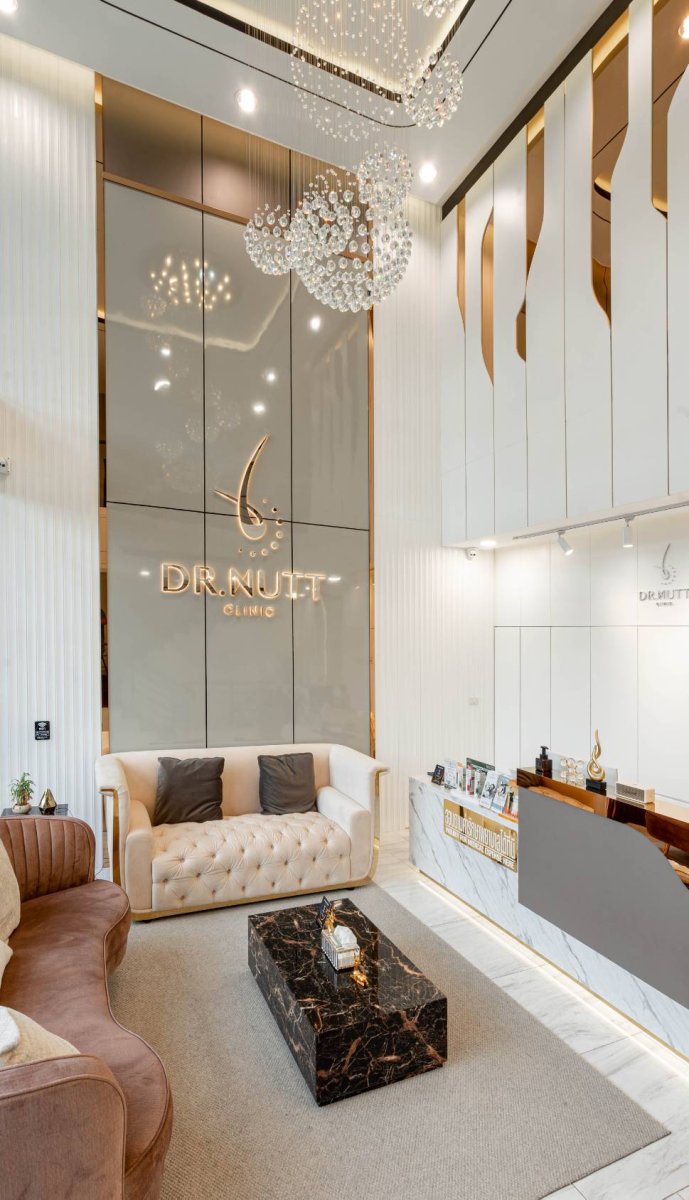
Dr.Nutt Clinic


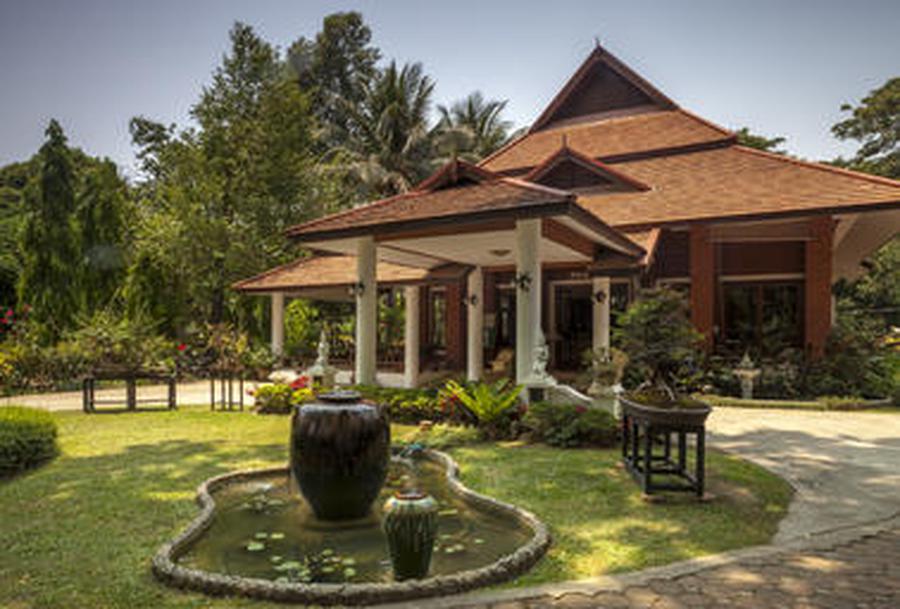
Mantak Chia | Universal Healing Tao | Tao Garden (Tao Garden Health Spa & Resort)


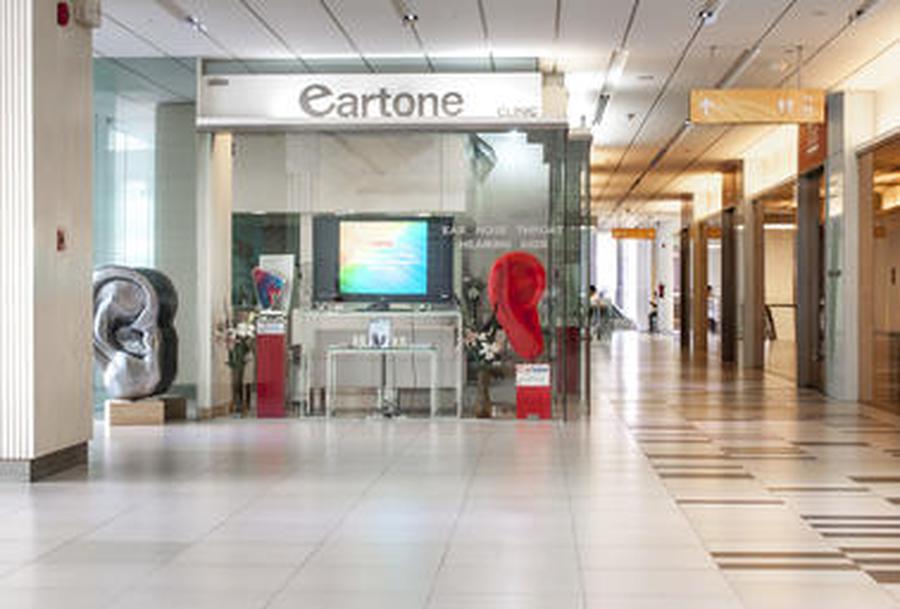
Eartone


أفضل مراكز طب زراعة الأعضاء في تايلاند
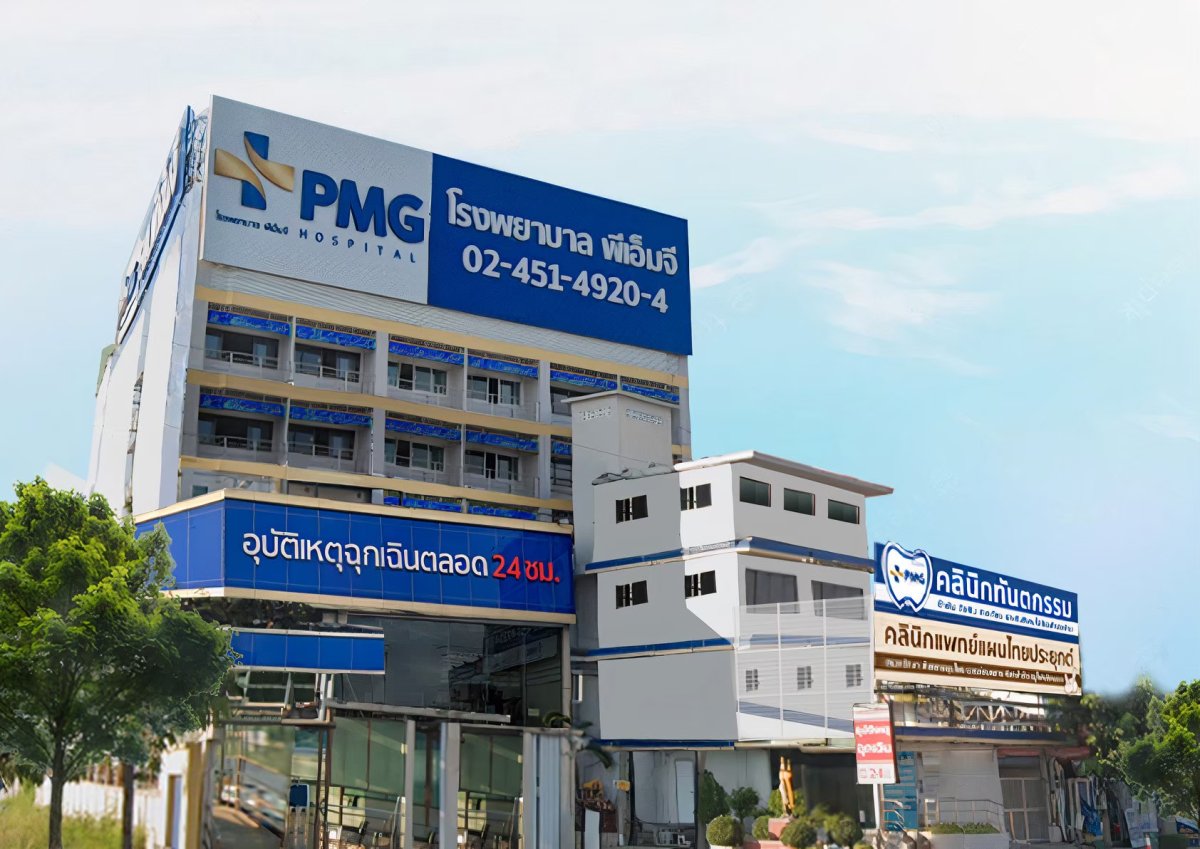
- PMG Hospital, تايلاند
- Dr.Nutt Clinic, تايلاند
- Bumrungrad International Hospital, تايلاند
- Mantak Chia | Universal Healing Tao | Tao Garden (Tao Garden Health Spa & Resort), تايلاند
- B. Care Spa, تايلاند
- Thanyapura Health & Sports Resort, تايلاند
- Eartone, تايلاند
- Lyfe Medical Wellness, تايلاند
- Smile Signature at Ratchadapisek, تايلاند
احصل على تقييم طبي لـ طب زراعة الأعضاء في تايلاند. استشر الآن 19 أطباء ذوي الخبرة.
عرض جميع الأطباء
Bee Thamonwan Trongpanyachot
الدكتورة ثامونوان ترونغبانياتشوت (د. بي) طبيبة في مركز بليناري ويلنس في بوكيت، متخصصة في الطب التجميلي، ومكافحة الشيخوخة، والطب التجديدي. حصلت على شهادة الطب من جامعة لوبلين الطبية في بولندا.
تتقن الدكتورة بي العلاجات التجميلية المتقدمة مثل البوتوكس، والفيلر، وسكلبترا، وحقن المحفزات الحيوية، مع التركيز على تحقيق نتائج طبيعية ودائمة. في الطب التجديدي، تقدم علاج البلازما الغنية بالصفائح الدموية للشعر، وميزوثيرابي الشعر بالبلازما، وعلاج الخلايا الجذعية لمكافحة الشيخوخة وتجديد البشرة.
Siriporn Cheawchanwej
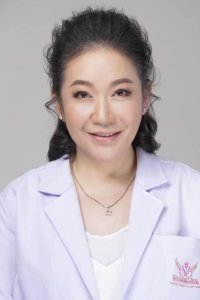
الدكتورة سيريبورن تشياوتشانويج هي طبيبة تجميل في عيادة سومشاي في بانكوك. أجرت أكثر من 15,000 إجراء طوال مسيرتها المهنية. وهي حاصلة على دبلوم في الطب التجميلي من الأكاديمية الأمريكية للطب التجميلي. أكملت الدكتورة تشياوتشانويج تدريباً متخصصاً في تصميم الوجه في جامعة ماي فاه لوانغ.
- متخصصة في تجميل الأنف، ونقل الدهون للوجه، وجراحة شد الرقبة.
- أكملت تدريباً دولياً في سم البوتولينوم والجراحة طفيفة التوغل في سيول.
- تجري عمليات زراعة الشعر بتقنية FUE وشفط الدهون بتقنية Vaser.

Thanaphat Pomyukon
الدكتور ثانافات بوميكون جرّاح عام (ศัลยแพทย์ทั่วไป). رقم الترخيص الطبي التايلاندي: ว.50550. حصل على درجة دكتور في الطب (MD) من كلية الطب بجامعة شولالونغكورن. كما يحمل دبلوم البورد التايلاندي في الجراحة العامة من مستشفى روي إت، وزارة الصحة.
يركّز عمله السريري على الفتوق والبواسير. كما يعالج كتل الثدي وحصوات المرارة. ويعالج أمراض الجهاز الهضمي. ويُجري تنظير الجهاز الهضمي، بما في ذلك تنظير المعدة وتنظير القولون.
اللغات: التايلاندية (الرئيسية) والإنجليزية (مستوى مهني سريري).
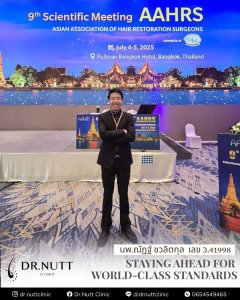
Nutt Chawalitkul
يتخصص الدكتور نات تشاواليتكول في استعادة الشعر وطب مكافحة الشيخوخة، حيث يجمع بين التقنيات المتقدمة والنهج الشمولي.
- حاصل على شهادة البورد في طب مكافحة الشيخوخة والطب التجديدي من قبل A4M
- خبير في تقنيات زراعة الشعر بالاقتطاف (FUE)
- عضو في ISHRS وAAHRS لاستعادة الشعر
- حاصل على عدة دبلومات في الطب الجنسي والوقائي
مواد ذات صلة
عرض المزيد من التفاصيل
تكلفة جراحة زرع الكلى المعقولة - من أين تجد وكيف تحصل عليها
كتب بواسطة Ana Hurevska

أفضل 5 مستشفيات لزراعة الكلى في العالم
كتب بواسطة Ana Hurevska

فضيحة السوق السوداء تهز أكبر مستشفى في الهند
كتب بواسطة Veronika Kazina

قصة نجاح زراعة الكبد: الجراحة الأولى في العالم لطفل عمره 5 أيام
كتب بواسطة Veronika Kazina
أسئلة وأجوبة حول زراعة الكبد
كتب بواسطة Veronika Kazina
مشاركة المحتوى
قصص فيديو من مرضى Bookimed
 Anna Leonova
أسئلة متكررة حول طب زراعة الأعضاء في تايلاند
هل يمكن للأجنبي أن يحصل على زراعة عضو في تايلاند؟
يمكن للأجانب تلقي عمليات زراعة الأعضاء في تايلاند ولكن يجب أن يوفروا متبرعًا حيًا خاصًا بهم. تحظر اللوائح المحلية على المرضى الدوليين تلقي الأعضاء من المتبرعين المتوفين التايلانديين. يجب على المتلقين والمتبرعين إثبات وجود علاقة جينية مباشرة أو زواج قانوني لمدة لا تقل عن 3 سنوات.
- متطلبات المتبرع: يجب أن يكون المتبرعون من الأقارب بالدم المباشر أو الأزواج القانونيين للمتلقين.
- التحقق القانوني: يجب أن يثبت اختبار الحمض النووي والوثائق المصادق عليها من السفارة العلاقة بين المتبرع والمتلقي.
- الموافقة الأخلاقية: يجب أن تؤكد لجان المستشفيات والأطباء النفسيون أن جميع التبرعات تمت بشكل تطوعي بحت.
- زراعة الكلى: تكاليف عمليات زراعة الكلى تتراوح من $32,000 إلى $42,000.
- زراعة الكبد: تتراوح تكاليف زراعة الكبد في تايلاند من $70,000 إلى $95,000.
رؤية خبراء Bookimed: تدير المنشآت المعتمدة من JCI مثل مستشفى بومرونجراد الدولي أكثر من 1,000,000 مريض سنويًا مع وصول 50% منهم من أكثر من 190 دولة. هذا الحجم الكبير من المرضى الدوليين يعني أن إداراتهم القانونية فعّالة بشكل استثنائي في تنسيق الشهادات المعقدة المطلوبة من السفارة للمتبرعين والمتلقين الأجانب. إن اختيار المراكز التي تتمتع بهذه الخبرة الإدارية المحددة يمكن أن يقلل الوقت المستغرق في الأعمال الورقية بأسابيع.
إجماع المرضى: يلاحظ المرضى أن استخدام متبرع حي من بلدك هو الطريقة الواقعية الوحيدة لتجاوز قوائم الانتظار المحلية
هل تُعتبر عمليات الزرع في تايلاند آمنة وتضاهي النتائج العالمية؟
زراعة الأعضاء في تايلاند آمنة وتتناسب مع معدلات النجاح العالمية. يصل معدل البقاء على قيد الحياة بعد زراعة الكلى إلى 97.2% للمتبرعين المتوفين و99.4% للمتبرعين الأحياء. المستشفيات مثل مستشفى بومرونجراد الدولي تحمل اعتماد اللجنة الدولية المشتركة (JCI). تستخدم هذه المراكز الجراحة الروبوتية المتقدمة وفرقاً متعددة التخصصات لضمان أعلى معايير السلامة.
- معدلات البقاء: يبلغ معدل البقاء على قيد الحياة للكلية المزروعة لمدة عام 95.9%، مما يتماشى مع المعايير الوطنية الأمريكية.
- جودة المستشفيات: تستضيف تايلاند العديد من المنشآت المعتمدة من JCI، مما يضمن بروتوكولات سلامة دولية صارمة.
- فرق الخبراء: تشمل الإجراءات الجراحين المتخصصين وأخصائيي أمراض الكلى والمنسقين لتقديم رعاية شاملة.
- الإشراف التنظيمي: تدير جمعية الصليب الأحمر التايلاندية توزيع الأعضاء الأخلاقي والسجلات.
رأي خبير من Bookimed: توفر المراكز ذات الحجم الكبير مثل مستشفى بومرونجراد الدولي، الذي يخدم مليون مريض سنويًا، ميزة أمان مميزة. خبرتهم مع المرضى الدوليين من أكثر من 190 دولة تعني أنهم قاموا بتحسين البروتوكولات للمراقبة ما بعد الجراحة والتنسيق عن بعد. غالبًا ما ينتج عن هذا النطاق بنية تحتية أكثر قوة للحالات المعقدة مقارنة بالعيادات الإقليمية الصغيرة.
اتفاق المرضى: أفاد المرضى بأن الرعاية المقدمة لزراعة الكلى والقرنية سلسة وتتماشى مع المعايير الغربية. يشدد الكثيرون على أهمية التحقق من اعتماد JCI وينصحون بالبقاء من 3 إلى 6 أشهر بعد الجراحة لضمان المراقبة المناسبة.
ما هي المدة التي ينبغي أن أخطط للبقاء فيها في تايلاند من أجل جراحة الزرع ورعاية ما بعد الجراحة؟
خطط لإقامة إجمالية من 6 إلى 8 أسابيع في تايلاند لجراحة الزرع. تشمل هذه الفترة أسبوعًا للتقييمات قبل الجراحة و7 إلى 14 يومًا من الاستشفاء. يجب أن يبقى المرضى بالقرب من العيادة لمدة 4 إلى 6 أسابيع لمتابعة ما بعد الجراحة قبل العودة إلى الوطن.
- المرحلة التحضيرية للجراحة: الوصول قبل 7 أيام لإجراء اختبارات HLA وتحليل الحمض النووي في المختبرات المتخصصة.
- مدة البقاء في المستشفى: تحتاج زراعة الكلى من 5 إلى 10 أيام، بينما تستغرق زراعة الكبد عادة 7 إلى 14 يومًا.
- فترة التعافي: البقاء 4 إلى 6 أسابيع بعد الخروج لمتابعة إدارة تثبيط الجهاز المناعي وضمان استقرار وظيفة العضو المزروع.
- إذن السفر: يتطلب الجراحون شهادة صلاحية للطيران بمجرد شفاء الجرح وتقليل مخاطر الرفض.
نظرة خبيرة من Bookimed: المراكز عالية الكثافة مثل مستشفى بومرونجراد الدولي، الذي يخدم مليون مريض سنويًا، غالباً ما تكون لديها بروتوكولات منظمة للحالات الدولية. يجب على العائلات الحصول على تأشيرة سياحية لمدة 60 يومًا في البداية. يمكن أن تؤدي الرطوبة العالية في مدن مثل بانكوك إلى إبطاء شفاء الجروح الخارجية، لذا فإن حجز سكن مكيف بالقرب من العيادة خطوة حيوية في عملية التعافي.
إجماع المرضى: يلاحظ المرضى أهمية وجود مُقدّم رعاية خلال الأسابيع الأولى بعد الخروج. يوصي الكثيرون بحجز سكن قابل للاسترداد لمراعاة التمديدات المحتملة في حال حدوث مضاعفات بسيطة مثل احتباس السوائل.
هل شراء عضو قانوني في تايلاند؟
شراء أو بيع الأعضاء البشرية في تايلاند أمر غير قانوني. يُحظر الاتجار التجاري بموجب قانون مكافحة الاتجار بالبشر ولوائح المجلس الطبي. يُواجه المخالفون السجن من 3 إلى 10 سنوات. تتطلب عمليات الزرع القانونية وجود علاقة جينية أو قانونية مثبتة بين المتبرعين والمرضى.
- أنواع المتبرعين القانونية: يُسمح فقط بالتبرع من المتبرعين الأحياء الأقرباء أو التبرعات من المتوفين بشكل تطوعي.
- المرافق المعتمدة: يجب أن تتم عمليات الزرع في المستشفيات المرخصة من قبل الصليب الأحمر التايلاندي.
- التحقق من العلاقة: تتطلب المستشفيات إجراء اختبار الحمض النووي أو تقديم شهادات الزواج لإثبات الروابط بين المتبرع والمستقبل.
- عدم التعويض: يُعتبر أي شكل من أشكال الدفع أو المكافأة المادية للأعضاء جريمة.
نظرة خبير Bookimed: يلتزم مراكز ذات حجم زراعة عالٍ مثل مستشفى بومرونجراد الدولي ببروتوكولات صارمة معتمدة من JCI لمنع السياحة غير المشروعة لعمليات الزرع. نلاحظ أن المرافق المتقدمة الآن تتطلب وثائق مستفيضة واختبارات الحمض النووي قبل أي إجراء يتعلق بالمتبرعين الأحياء. يحمي هذا الإجراء الشامل المرضى من المخاطر القانونية ويضمن الأمان الجراحي في مستشفيات بانكوك.
إجماع المرضى: يؤكد المرضى على تجنب الوسطاء الذين يقدمون وعودًا بتوفير متبرعين بسرعة مقابل المال. تبرز الحسابات الحقيقية أن المستشفيات التايلاندية الشرعية تتبع بدقة إرشادات الصليب الأحمر ولا تسمح مطلقًا بعمليات تجارة الأعضاء المدفوعة.
ما هي أفضل المستشفيات لعمليات زراعة الأعضاء في تايلاند؟
يعد مستشفى بومرونجراد الدولي وشبكة مستشفيات بانكوك الخيارات الرائدة لعمليات زراعة الأعضاء في تايلاند. تتخصص هذه المرافق المعتمدة من اللجنة المشتركة الدولية في عمليات الكلى والكبد. تسجل معدلات بقاء عالية وتوظف جراحين لديهم آلاف العمليات المنجزة. تركز معظم المراكز الخاصة على زراعة الأعضاء من متبرعين أحياء للمرضى الدوليين.
- اعتمادات العيادة: يحمل بومرونجراد اعتماد اللجنة المشتركة الدولية والاعتماد العالمي للرعاية الصحية (GHA) للتميز في السياحة الطبية.
- معدلات النجاح: تبلغ المستشفيات التايلاندية الرائدة عن نسبة بقاء تتراوح بين 95% إلى 98% بعد عام واحد لمرضى زراعة الكلى.
- المتطلبات القانونية: يجب على المرضى الدوليين توفير متبرع حي بعلاقة جينية أو قانونية مثبتة.
- عدد المرضى: يعالج بومرونجراد أكثر من مليون مريض سنويًا من أكثر من 190 دولة مختلفة.
رؤية خبير من Bookimed: تُظهر البيانات أن العيادات ذات التصنيف الأعلى مثل بومرونجراد تدمج تقنية المباني الذكية وسجلات الصحة الإلكترونية (EHRs). هذه البنية التحتية ضرورية لطب زرع الأعضاء. فهي تمنع أخطاء الأدوية أثناء كبت المناعة المكثف. الأنظمة التي تستخدم الذكاء الاصطناعي للمراقبة تحقق غالبًا نتائج طويلة الأمد أكثر استقرارًا للمرضى.
إجماع المرضى: يلاحظ المرضى أن تنسيق عمليات الزراعة سريع، لكنهم يؤكدون على البقاء لمدة 3 أشهر بعد الجراحة. يساعد هذا البقاء الممتد في إدارة المخاطر المحتملة للعدوى نتيجة المناخ الرطب.
ما هي الخدمات الطبية التي تكون مشمولة عادةً في باقة زرع الأعضاء الدولية؟
عادةً ما تغطي باقات زرع الأعضاء الدولية في تايلاند الجراحة، والإقامة في المستشفى، ورسوم الفريق الطبي، والتشخيصات الأساسية. وتتضمن معظم الحزم الفحوصات قبل الجراحة مثل فحص توافق الأنسجة HLA، ومراقبة ما بعد الجراحة. تدمج المرافق الكبرى مثل مستشفى بومرونجراد الدولي أيضًا تقنيات متقدمة ودعمًا دوليًا للمرضى في رعايتها الجراحية.
- الجراحة الأساسية: تشمل إجراء الزرع والرسوم المهنية للجراحين وأطباء التخدير.
- الإقامة في المستشفى: تتضمن عادةً من 7 إلى 14 يومًا في المستشفى، وتشمل تكاليف الغرفة والرعاية المركزة.
- التشخيصات: تتضمن الحزم الفحوصات الأساسية مثل فحص توافق الأنسجة HLA، والذي يتراوح سعره بين $220 إلى $380.
- اللوجستيات: توفر العديد من الباقات خدمات النقل من وإلى المطار ومترجمين مخصصين للمرضى الدوليين.
رأي خبير Bookimed: تُظهر البيانات من العيادات الكبرى في بانكوك اتجاهًا نحو حزم التشخيص المتكاملة. من $50.
توافق المرضى: يلاحظ المرضى أنه من الضروري التأكد مما إذا كانت النفقات الطبية للمتبرع مشمولة. ويوصي العديد من المرضى بتخصيص ميزانية إضافية تتراوح بين 20% و30% للأدوية الطويلة الأمد ولتمديدات التأشيرة المحتملة.