عيادات طب زراعة الأعضاء في ألمانيا

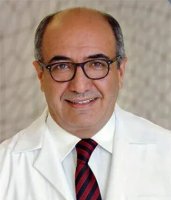
تمت مراجعة المقالة طبيا من قبل
Kamil Yalcin Polat
ما هي تكلفة طب زراعة الأعضاء في ألمانيا؟ اكتشف الآن
تتراوح تكلفة عمليات زراعة الأعضاء في ألمانيا عادةً ما بين $184,000 و $287,500 للمرضى الدوليين. تعتمد الأسعار بشكل كبير على نوع العضو، ومدى تعقيد عملية مطابقة المتبرع، ومدة الرعاية المركزة بعد الجراحة. يوفر اختيار ألمانيا لهذه الإجراءات توفيراً يتراوح بين 45-70% تقريباً مقارنة بالولايات المتحدة.
تكاليف زراعة الأعضاء النموذجية في ألمانيا
- مراجعة نتائج التصوير بالرنين المغناطيسي: من $340
- زراعة الكلى: من $85,000
- زراعة الكبد: من $180,000
- زراعة القرنية: من $6,800
- زراعة الرئة: $190,000 – $265,000
- زراعة القلب: $130,000 – $190,000
- زراعة القلب والرئة: $230,000 – $310,000
تقع مراكز زراعة الأعضاء الرئيسية في ميونخ وبرلين وهايدلبرغ وإيسن. وعلى الرغم من أن الأسعار تخضع لرقابة صارمة من قبل الحكومة، إلا أن المستشفيات الجامعية في المراكز الكبرى مثل ميونخ قد تفرض رسوماً إدارية مختلفة. استشر أخصائياً للحصول على تسعير دقيق لاحتياجاتك الطبية المحددة.
| تركيا | إسبانيا | ألمانيا | |
|---|---|---|---|
| زرع القلب | ≈ $175,000 | ≈ $140,000 | ≈ $130,000 |
| زرع القرنية | من $6,000 | من $8,400 | من $6,800 |
| زراعة الكلى | من $16,000 | ≈ $68,000 | من $85,000 |
| زراعة الكبد | من $45,000 | من $150,000 | من $180,000 |
| زراعة القلب والرئة | ≈ $150,000 | ≈ $185,000 | ≈ $230,000 |
مزاياك وضماناتك مع Bookimed
أسعار مباشرة
Bookimed لا يضيف رسوماً إضافية على أسعار علاج طب زراعة الأعضاء. الأسعار مأخوذة من قوائم الأسعار الرسمية للعيادات. تدفع مباشرة في العيادة مقابل علاجك عند وصولك إلى البلد.
عيادات وأطباء معتمدون فقط
Bookimed ملتزم بسلامتك. نحن نعمل فقط مع المؤسسات الطبية التي تحافظ على معايير دولية عالية في علاج طب زراعة الأعضاء ولديها التراخيص اللازمة لخدمة المرضى الدوليين في جميع أنحاء العالم.
مساعدة مجانية على مدار الساعة
Bookimed يقدم مساعدة خبراء مجانية. منسق طبي شخصي يدعمك قبل وأثناء وبعد العلاج، ويحل أي مشاكل. لن تكون وحيداً أبداً في رحلة علاج طب زراعة الأعضاء.

منسقك الطبي الشخصي في Bookimed
- يدعمك في كل مرحلة
- المساعدة في اختيار العيادة الطبية المناسبة والطبيب المناسب
- يضمن الوصول السريع والمريح إلى المعلومات
اكتشف أفضل عيادات طب زراعة الأعضاء: 22 خيارات معتمدة والأسعار




Hospital Havelhoehe



Kerckhoff clinic



Hannover Medical School

Heart Center Dresden University Hospital
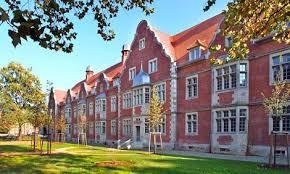
Evangelische Lunge Clinic

Ev.Clinic Hubertus
أفضل مراكز طب زراعة الأعضاء في ألمانيا
- Medical Center in Solingen, ألمانيا
- Nordwest Clinic (Krankenhaus), ألمانيا
- Hospital Havelhoehe, ألمانيا
- Charité - Universitätsmedizin Berlin, ألمانيا
- Kerckhoff clinic, ألمانيا
- Medical Center Rechts der Isar , ألمانيا
- Hannover Medical School, ألمانيا
- Heart Center Dresden University Hospital, ألمانيا
- Evangelische Lunge Clinic, ألمانيا
- Ev.Clinic Hubertus, ألمانيا
احصل على تقييم طبي لـ في ألمانيا: اختر أخصائيك من بين الأفضل في هذا المجال
عرض جميع الأطباء
Johann Pratschke
يتخصص البروفيسور الدكتور يوهان براتشكي في جراحات زراعة الأعضاء بالمنظار المعقدة في مستشفى شاريتيه – جامعة الطب في برلين، مع أكثر من 20 عامًا من الخبرة في هذا المجال.
- عضو مؤسس في لجنة العلوم الأساسية والمجلس الاستشاري العلمي
- حائز على العديد من الجوائز لمساهماته في علم زراعة الأعضاء
- نشر أبحاثًا مكثفة حول التقنيات الجراحية المتقدمة
- خبير في الإجراءات طفيفة التوغل لمرضى زراعة الأعضاء

Kurt Miller
الدكتور كورت ميلر هو رئيس قسم جراحة المسالك البولية في مستشفى شاريتيه ببرلين. يعالج حالات سرطان البروستاتا والمثانة والخصية. يتولى الدكتور ميلر إدارة تضخم البروستاتا الحميد (BPH) ويجري عمليات استئصال البروستاتا وجراحات استئصال البروستاتا عبر الإحليل (TURP). يعمل في واحد من أكبر المستشفيات الجامعية في أوروبا.
صُنفت مستشفى شاريتيه ببرلين ضمن أفضل المستشفيات من قبل مجلة نيوزويك. العيادة معتمدة من قبل الجمعية الألمانية للسرطان وتعالج أكثر من 800,000 مريض سنوياً. كما حصلت المؤسسة على تصنيف م

Walter Zidek
يتخصص الأستاذ الدكتور والتر زيديك في رعاية ما بعد زراعة الكلى والأمراض الاستقلابية في مستشفى شاريتيه – جامعة برلين للطب، أحد المستشفيات الجامعية الرائدة في أوروبا.
- أكثر من 26 عاماً من الخبرة في أمراض الكلى وزراعة الأعضاء
- خبير في إدارة المضاعفات بعد زراعة الكلى
- عضو مجلس إدارة الجمعية الطبية في برلين منذ عام 2000
- نشر على نطاق واسع في مجلات علمية محكمة

Sebastian Melchior
يعد البروفيسور سيباستيان ميلشيور من كبار أطباء المسالك البولية في ألمانيا، وحاصل على تقدير من مجلة فوكوس (Focus). وهو متخصص في الجراحة الروبوتية ولديه خبرة تزيد عن 20 عامًا في جراحة الأورام.
- رئيس قسم المسالك البولية وأمراض الكلى في عيادة بريمن ميتي
- تلقى تدريبه في جامعة هارفارد وجامعة واشنطن
- مؤلف لـ 10 منشورات علمية حول أورام الجهاز البولي التناسلي
- يقدم استشارات حضورية وعن بعد
مواد ذات صلة
عرض المزيد من التفاصيل
تكلفة جراحة زرع الكلى المعقولة - من أين تجد وكيف تحصل عليها
كتب بواسطة Ana Hurevska

أفضل 5 مستشفيات لزراعة الكلى في العالم
كتب بواسطة Ana Hurevska

فضيحة السوق السوداء تهز أكبر مستشفى في الهند
كتب بواسطة Veronika Kazina

قصة نجاح زراعة الكبد: الجراحة الأولى في العالم لطفل عمره 5 أيام
كتب بواسطة Veronika Kazina
أسئلة وأجوبة حول زراعة الكبد
كتب بواسطة Veronika Kazina
مشاركة المحتوى
قصص فيديو من مرضى Bookimed
 Anna Leonova
أسئلة متكررة حول طب زراعة الأعضاء في ألمانيا
كيف يمكن للمرضى الدوليين الانضمام إلى قائمة انتظار زراعة الأعضاء في ألمانيا؟
يمكن للمرضى الدوليين الوصول إلى قوائم انتظار زراعة الأعضاء الألمانية من خلال إقامة قانونية طويلة الأمد والحصول على تأمين صحي عام ألماني. يتم التسجيل من خلال مركز زراعة متخصص، يقوم بإدخال بيانات المريض في قاعدة بيانات Eurotransplant. التقييمات الطبية الصارمة والتقييمات النفسية إلزامية لجميع المرشحين.
- متطلبات الإقامة: يجب على المرشحين تقديم إثبات تسجيل إقامة طويلة الأمد (Melderegister) في ألمانيا.
- حالة التأمين: تتطلب معظم المراكز تأميناً صحياً قانونياً ألمانياً للأهلية في قائمة الانتظار.
- التقييم الطبي: يخضع المرضى لاختبارات مكثفة، بما في ذلك تحديد نوع الأنسجة (HLA)، لتحديد مدى توافق الأنسجة ودرجة الاستعجال.
- نظام التخصيص: يتم توزيع الأعضاء عبر Eurotransplant بناءً على فصيلة الدم والنقاط الطبية.
رؤية خبير Bookimed: على الرغم من أن المستشفيات الجامعية الكبيرة مثل Charité - Universitätsmedizin Berlin تجري أكثر من 845,000 تفاعل مع المرضى سنوياً، إلا أنها غالباً ما تعطي أولوية أقل للطلبات الدولية لزراعة الأعضاء بسبب الطلب المحلي المرتفع. يجد المرضى الذين لديهم متبرعون أحياء مكاناً أسرع بكثير في مراكز متعددة التخصصات مثل مستشفى Asklepios Barmbek. تم الاعتراف بهذه العيادة كمنشأة رائدة للمرضى الأجانب من قبل تحالف جودة السفر الطبي (Medical Travel Quality Alliance).
إجماع المرضى: يجد العديد من المرضى أن تأشيرات الإقامة قصيرة الأمد غير كافية للإدراج في قائمة الزراعة. ويؤكدون أنه ما لم يكن لديك متبرع حي، فإن تأمين إقامة لمدة خم
ما هي فترات الانتظار النموذجية لزراعة الكلى في ألمانيا؟
تتراوح فترات الانتظار النموذجية لزراعة الكلى من متبرع متوفى في ألمانيا بين 6 إلى 8 سنوات. غالبًا ما ينتظر الأطفال حوالي 1.7 سنة. قد يحصل المرضى الذين تزيد أعمارهم عن 65 عامًا على عملية زراعة في أقل من 4 سنوات من خلال برامج مطابقة متخصصة. يمكن أن تؤدي التبرعات من الأحياء إلى تقليل هذا الإطار الزمني إلى أقل من عام واحد.
- أولوية الأطفال: يواجه الأطفال دون سن 18 عامًا عادةً فترة انتظار متوسطة تبلغ 1.7 سنة.
- برامج كبار السن: يواجه المرضى الذين تزيد أعمارهم عن 65 عامًا فترات انتظار أقصر من خلال برنامج Eurotransplant لكبار السن.
- التبرع من الأحياء: يمكن أن يستغرق الحصول على كلية من متبرع حي أقل من 12 شهرًا.
- فصيلة الدم: غالبًا ما يواجه المرضى من فصيلة الدم AB أقصر فترات الانتظار.
رؤية خبير Bookimed: تتعامل المستشفيات الجامعية الألمانية مثل Charite Berlin مع أحجام هائلة من المرضى ولكنها غالبًا ما تعطي الأولوية للحالات المحلية لقوائم المتبرعين المتوفين. يجب على المرضى الدوليين التركيز على خيارات المتبرعين الأحياء. يتجاوز هذا المسار قائمة الانتظار الوطنية التي تبلغ 8 سنوات ويستخدم تقنيات تنظير البطن المتقدمة المتاحة في المراكز المتخصصة. يمكن أن يؤدي العمل مع شبكات ذات حجم كبير مثل Asklepios إلى تسريع مرحلة التشخيص الأولية، بما في ذلك كتابة HLA وإنشاء خطة العلاج.
إجماع المرضى: يشير المرضى إلى أن وجود أجسام مضادة عالية أو فصيلة دم O+ يمكن أن يطيل فترة الانتظار بشكل كبير. يؤكد الكثيرون على بدء البحث عن متبرع حي مبكرًا لتجنب سنوات
ما هي معدلات البقاء على قيد الحياة لمدة 5 سنوات بعد زراعة الكبد في ألمانيا؟
يتراوح معدل البقاء على قيد الحياة لمدة 5 سنوات لمرضى زراعة الكبد في ألمانيا من 73% إلى أكثر من 80%. تعتمد النتائج على التشخيص الأولي وعمر المريض. يظل النجاح مرتفعاً بسبب اللوائح الصارمة التي تتطلب من المراكز إجراء ما لا يقل عن 20 عملية زراعة سنوياً.
- النجاح حسب التشخيص: تظهر أمراض الكبد الركودية معدلات بقاء على قيد الحياة لمدة 5 سنوات تتجاوز 90%.
- نتائج تليف الكبد: يحافظ المرضى الذين يعانون من تليف الكبد الكحولي على معدل بقاء على قيد الحياة يبلغ حوالي 83.7%.
- توقعات الأورام الخبيثة: يبلغ معدل البقاء على قيد الحياة لسرطان الخلايا الكبدية حوالي 66.7% بسبب مخاطر التكرار.
- متطلبات المراكز: تفرض اللوائح الألمانية إجراء أكثر من 20 عملية سنوياً للحفاظ على جودة جراحية عالية.
رؤية خبراء Bookimed: تظهر البيانات من المراكز الألمانية الكبرى مثل مستشفى شاريتيه - جامعة الطب في برلين أن حجم المرضى الكبير يرتبط ارتباطاً مباشراً بتحسين السلامة. تخدم شاريتيه أكثر من 845,000 مريض سنوياً وتستخدم تقنيات متقدمة مثل الجراحة الروبوتية والذكاء الاصطناعي. غالباً ما توفر العيادات التي تمتلك هذه الموارد إدارة أفضل على المدى الطويل للحالات المعقدة، مثل رعاية ما بعد الزراعة والمراقبة الأيضية.
إجماع المرضى: يؤكد المرضى أن النجاح على المدى الطويل يعتمد بشكل كبير على الالتزام الصارم بالأدوية وزيارات المتابعة المتكررة. يشير الكثيرون إلى أن البقاء بالقرب من مركز الزراعة يساعد في إدارة تحديات ما بعد الجراحة الشائعة مثل مضاعفات الكلى أو مخاطر الرفض.
هل زراعة الأعضاء من متبرع حي ممكنة للأجانب في ألمانيا؟
تعد زراعة الأعضاء من متبرع حي في ألمانيا ممكنة للأجانب، ولكنها تتطلب علاقة شخصية وثيقة وموثقة بين المتبرع والمتلقي. يقصر القانون الألماني هذه الإجراءات على الأقارب من الدرجة الأولى أو الأزواج أو الخطيبين. يجب أن يخضع المرشحون لتقييم من قبل لجنة مستقلة للتحقق من الطبيعة الطوعية للتبرع.
- إثبات العلاقة: يجب أن يكون المتبرعون من الآباء أو الأشقاء أو الأبناء أو الأفراد الذين لديهم روابط عاطفية مثبتة.
- الموافقة الأخلاقية: يجب أن تقابل لجنة مستقلة للمتبرعين الأحياء كلا الطرفين قبل الجراحة.
- الفحوصات الطبية: يخضع كلا المشاركين لتنميط HLA والتقييمات النفسية لضمان السلامة.
- تغطية التكاليف: تتراوح تكاليف زراعة الكلى عمومًا بين من $85,000 للمرضى الدوليين.
رؤية خبير Bookimed: على الرغم من أن التوافق الطبي أمر حيوي، إلا أن الجاهزية الإدارية غالبًا ما تحدد النجاح في مراكز زراعة الأعضاء الألمانية. تدير مرافق مثل Charité - Universitätsmedizin Berlin أكثر من 800,000 مريض سنويًا وتعطي الأولوية للحالات التي لديها وثائق قانونية واضحة. عادةً ما يصل الأزواج الدوليون الناجحون بسجل إقامة مترجم مسبقًا وسجلات علاقة موثقة لتلبية عمليات التدقيق الصارمة للجمعية الطبية المحلية.
إجماع المرضى: يؤكد المرضى أن الإقامة طويلة الأمد غالبًا ما تلعب دورًا أكثر أهمية من التوافق الطبي. يشير الكثيرون إلى أن إنشاء روابط قانونية أو سجل موثق في الاتحاد الأوروبي أمر ضروري لاجتياز بروتوكولات القبول الصارمة.
ما هي مراكز زراعة الأعضاء في ألمانيا الأكثر شهرة للمرضى الدوليين؟
تستضيف ألمانيا مراكز زراعة أعضاء متميزة مثل مستشفى أسكليبيوس بارمبيك وشاريتيه - يونيفرسيتاتسميديزين برلين. تتخصص هذه المرافق في عمليات زراعة الكلى والكبد والقرنية. يحمل العديد منها شهادات JCI أو ISO. وهي توفر دعمًا مخصصًا للحالات الدولية لضمان معدلات بقاء عالية ولوجستيات سلسة.
- اعتمادات العيادة: تم تصنيف أسكليبيوس بارمبيك كأفضل عيادة للمرضى الأجانب من قبل MTQUA.
- مستويات الخبرة: يتمتع الدكتور يوهان براتشكي في شاريتيه بخبرة تزيد عن 20 عامًا في جراحات زراعة الأعضاء المعقدة.
- مؤشرات النجاح: تستخدم مراكز مثل عيادة نوردويست الموجات فوق الصوتية ثلاثية الأبعاد للتخطيط الجراحي الدقيق.
- دعم المرضى: تقدم العديد من المرافق خدمات متعددة اللغات ومكاتب دولية للمساعدة الإدارية.
رؤية خبير Bookimed: على الرغم من أن شاريتيه - يونيفرسيتاتسميديزين برلين مشهورة عالميًا، إلا أنها غالبًا ما تستغرق أوقات معالجة طويلة للطلبات الدولية. تظهر بياناتنا أن مستشفى أسكليبيوس بارمبيك يعالج الطلبات الدولية بشكل أسرع في كثير من الأحيان. وهو يدير أكثر من 80,000 مريض سنويًا ويحمل شهادة محددة للتميز في السياحة الطبية.
إجماع المرضى: يشير المرضى إلى أن المراكز الألمانية الرائدة تجعل العملية خالية من التوتر من خلال التحدث بلغة إنجليزية مثالية. ويؤكدون على أهمية الاتصال بالمكاتب الدولية مبكرًا للتحقق من الأهلية وتأكيد أحجام الحالات الجراحية.
ما هي المستشفيات في ألمانيا التي تحظى بأعلى التقييمات في جراحة الأعصاب؟
تضم ألمانيا بعضًا من أرقى أقسام جراحة الأعصاب في العالم، بقيادة مستشفى شاريتيه الجامعي في برلين ومستشفى جامعة هايدلبرغ. وتتميز هذه المراكز بخبرتها الواسعة في علاج أورام الدماغ المعقدة وأمراض الأوعية الدموية الدماغية. ولتحقيق أقصى قدر من الفعالية في عملياتها، تستخدم هذه المراكز أحدث التقنيات، مثل التصوير بالرنين المغناطيسي أثناء الجراحة والتوجيه العصبي بمساعدة الحاسوب.
- مستشفى شاريتيه برلين: يُجري أكثر من 5000 عملية جراحية سنوياً. ويرأس العيادة جراح الأعصاب الشهير الدكتور بيتر فايكوتشي.
- المركز الطبي في سولينجن: أجرى الدكتور رالف بوهل أكثر من 4000 عملية جراحية، بما في ذلك جراحات العمود الفقري طفيفة التوغل.
- عيادة أسكليبيوس نورد: مجهزة بنظام التصوير بالرنين المغناطيسي الثنائي الوحيد في ألمانيا أثناء الجراحة لضمان الدقة الجراحية في الوقت الحقيقي أثناء إزالة الورم.
- عيادة نوردويست: تم الاعتراف بها من قبل مجلة نيوزويك كمستشفى رائد في مجال الابتكار في تكنولوجيا الموجات فوق الصوتية ثلاثية الأبعاد.
رأي خبراء بوكيمد: تشير البيانات إلى أن اختيار المراكز ذات الحجم الجراحي الكبير غالبًا ما يؤدي إلى توصيات علاجية أكثر تحفظًا. ففي مركز سولينجن الطبي، الذي يعالج أكثر من 60,000 مريض
ما هي نسب نجاح العمليات الجراحية العصبية المعقدة في ألمانيا؟
في ألمانيا، تتميز العمليات الجراحية العصبية بالغة التعقيد بمستوى أمان استثنائي. تصل نسبة نجاح عمليات دمج الفقرات إلى 99%، بينما تبلغ نسبة النجاة بعد استئصال أورام الدماغ الأولية 97%. كما يتمتع المرضى بقدرة عالية على الاعتماد على أنفسهم في أداء وظائفهم اليومية، حيث يغادر أكثر من 82% منهم المستشفى مباشرةً بعد العلاج. وتولي المراكز الألمانية اهتماماً بالغاً بالحفاظ على الوظائف العصبية باستخدام أحدث تقنيات التخطيط العصبي.
- استئصال الورم: يحقق الجراحون استئصالًا كاملاً للورم في 87.2% من حالات النقائل الدماغية.
- النجاح في علاج أمراض الأوعية الدموية: أفادت المستشفيات الألمانية بنسبة نجاة بلغت 98.7% لحالات تمدد الأوعية الدموية غير الممزقة.
- تحسن الحالة العصبية: يشهد ما يقرب من 43% من المرضى تحسناً في المعايير الوظيفية بعد عمليات الاستئصال المعقدة.
- سلامة التدخلات الجراحية: في المراكز الجراحية الكبيرة، تتراوح معدلات بقاء المرضى على قيد الحياة بعد جراحة العمود الفقري بين 98-99%.
رأي خبراء بوكيمد: يُجري جراحون ذوو خبرة، مثل الدكتور أوفه كولر من عيادة أسكليبيوس ألتونا، أكثر من 2000 عملية جراحية سنويًا. تُشير البيانات إلى أن هؤلاء المتخصصين يحافظون على معدلات نجاح تصل إلى 90%، حتى
ما هي التقنيات المتقدمة المتوفرة عادةً في عيادات جراحة الأعصاب الألمانية؟
تُدخل عيادات جراحة الأعصاب الألمانية بانتظام أدوات رقمية عالية الدقة وتقنيات تصوير فوري في الممارسة الجراحية. تشمل التقنيات الرئيسية الملاحة العصبية الحاسوبية لجراحات الدماغ والحبل الشوكي. تستخدم مؤسسات مثل عيادة أسكليبيوس نورد التصوير بالرنين المغناطيسي أثناء الجراحة للتحقق من استئصال الورم في الوقت الفعلي. توفر هذه الأنظمة للجراحين نظام ملاحة ثلاثي الأبعاد.
- الملاحة العصبية: توفر تصورًا ثلاثي الأبعاد وتتبعًا فوريًا للأدوات لتحقيق دقة جراحية تصل إلى مستوى أقل من المليمتر.
- التصوير أثناء العملية: تسمح أنظمة مثل التصوير بالرنين المغناطيسي أثناء العملية (iMRI) والتصوير المقطعي المحوسب ذي الذراع O (O-arm CT) بالتأكيد الفوري على نجاح عملية الاستئصال.
- المراقبة العصبية: تراقب الوظائف الحركية والحسية أثناء الجراحة لحماية الجهاز العصبي.
- التشخيص الفلوري: يتم استخدام صبغة 5-ALA لتسليط الضوء على حدود الورم من أجل إزالته بشكل أكثر اكتمالاً.
- المساعدة الروبوتية: تعمل أنظمة مثل نظام دافنشي على تحسين الدقة في الإجراءات المعقدة ذات التدخل الجراحي البسيط.
رأي خبراء بوكيمد: تُجري مراكز طبية كبيرة، مثل مستشفى شاريتيه الج
ما هي التدريبات المتخصصة التي يتلقاها جراحو الأعصاب الممارسون في ألمانيا؟
في ألمانيا، يتعين على جراحي الأعصاب إكمال برنامج إقامة تخصصي لمدة ست سنوات بعد التخرج من كلية الطب. يشمل هذا البرنامج المنظم العناية المركزة، والتدريب السريري، وكتابة مقالات في مجلة جراحية إلزامية. بعد ذلك، يجتاز المرشحون امتحانًا حكوميًا للحصول على لقب طبيب مقيم (Facharzt für Neurochirurgie).
- الإقامة السريرية: تتطلب من 48 إلى 72 شهرًا من الممارسة المتخصصة في جراحة الأعصاب.
- العناية المركزة: تتضمن فترة تدريب إلزامية لمدة 6 أشهر في وحدة العناية المركزة لجراحة الأعصاب.
- المجلة الجراحية: يوثق الجراحون مئات العمليات الجراحية، بما في ذلك عمليات فتح الجمجمة وجراحات العمود الفقري.
- امتحان الترخيص: يجب على المتقدمين اجتياز امتحان طبي شفوي وعملي تديره الدولة.
رأي خبراء بوكيميد: يركز التدريب الألماني في جراحة الأعصاب على الخبرة الجراحية الواسعة. فعلى سبيل المثال، أجرى الدكتور رالف بول من المركز الطبي في سولينجن أكثر من 4000 عملية جراحية. ويتمتع الدكتور يورغن كيويت من مستشفى ميوكلينيك بخبرة تزيد عن 25 عامًا. يضمن هذا النظام الدقيق أن يتعامل المتخصصون في المراكز الكبرى مع الحالات المعقدة بدقة مثبتة.
آراء المرضى: يشع
ما هي متطلبات اللغة والترخيص المطلوبة للجراحين الأجانب الراغبين في التدرب أو مراقبة العمليات الجراحية العصبية في ألمانيا؟
يجب على جراحي الأعصاب الأجانب استيفاء متطلبات لغوية وترخيصية صارمة للالتحاق بالتدريب أو فترة التدريب العملي في ألمانيا. يتطلب التدريب رخصة طبية سارية أو تصريحًا مؤقتًا. أما المتدربون، فيجب عليهم الحصول على إذن من مستشفى محدد. ويتطلب كلا الخيارين إتقانًا عاليًا للغة الألمانية للمشاركة في المناقشات السريرية وإجراء العمليات الجراحية المعقدة بأمان.
- المهارات اللغوية: مطلوب مستوى عام في اللغة الألمانية B2 ومستوى في اللغة الطبية C1 (Fachsprachprüfung) للتدريب السريري.
- الترخيص السريري: يحتاج الجراحون إلى تصريح لممارسة دائمة (Approbation) أو تصريح مهني (Berufserlaubnis) للتدريب الداخلي المؤقت الخاضع للإشراف.
- حالة المراقبة: يسمح دخول المستشفى بمراقبة العمليات الجراحية دون تحمل المسؤولية الطبية أو الحصول على ترخيص رسمي.
- تقييم المؤهلات: غالباً ما يتعين على خريجي الطب من خارج الاتحاد الأوروبي الخضوع لعملية التحقق من صحة الشهادة في غضون 3-6 أشهر.
رأي خبراء بوكيمد: غالبًا ما تُعطي العيادات الألمانية ذات الأعداد الكبيرة من المرضى، مثل عيادة نوردويست أو أسكليبيوس نورد، الأولوية للمرشحين الذين خضعوا بالفعل لتقييم أولي للوثائق. تُظهر بياناتنا أن أساتذة مثل الدكتور أوفه كولر والدكتور