عيادات طب زراعة الأعضاء في إيطاليا

تمت مراجعة المقالة طبيا من قبل
Kamil Yalcin Polat
ما هي تكلفة طب زراعة الأعضاء في إيطاليا؟ اكتشف الآن
تتراوح تكلفة زراعة الأعضاء في إيطاليا عادةً ما بين $146,000 و $740,000، وذلك اعتماداً على العضو المحدد، ونوع المتبرع، ومدة الإقامة في المستشفى. تتأثر الأسعار بتعقيد التدخل الجراحي وبروتوكول التعافي اللازم بعد العملية. يمكن للمرضى توقع توفير ما بين 30-50% مقارنة بالولايات المتحدة.
تكاليف زراعة الأعضاء النموذجية في إيطاليا
- الاستشارة مع وضع خطة علاجية: $200 – $350
- تحديد النمط الجيني (HLA-typing): $140 – $340
- زراعة الكلى: $70,000 – $100,000
- زراعة الكبد: $150,000 – $220,000
- زراعة القرنية: $4,800 – $7,800
- زراعة الرئة: $140,000 – $190,000
- زراعة القلب: من $150,000
- زراعة القلب والرئة: $800,000 – $1,200,000
تقع مراكز زراعة الأعضاء الرئيسية في ميلانو وروما، حيث يمكن أن تختلف الأسعار في روما بنسبة تصل إلى 20% مقارنة بالمرافق في الشمال. استشر أخصائياً ذا صلة للحصول على تسعير دقيق وخطة طبية مفصلة لحالتك الخاصة.
| إيطاليا | تركيا | إسبانيا | |
|---|---|---|---|
| زرع القلب | من $150,000 | ≈ $175,000 | ≈ $140,000 |
| زرع القرنية | ≈ $4,800 | من $6,200 | من $8,400 |
| زراعة الكلى | ≈ $70,000 | من $16,000 | ≈ $68,000 |
| زراعة الكبد | ≈ $150,000 | من $45,000 | من $150,000 |
| زراعة القلب والرئة | ≈ $800,000 | ≈ $150,000 | ≈ $185,000 |
مزاياك وضماناتك مع Bookimed
أسعار مباشرة
Bookimed لا يضيف رسوماً إضافية على أسعار علاج طب زراعة الأعضاء. الأسعار مأخوذة من قوائم الأسعار الرسمية للعيادات. تدفع مباشرة في العيادة مقابل علاجك عند وصولك إلى البلد.
عيادات وأطباء معتمدون فقط
Bookimed ملتزم بسلامتك. نحن نعمل فقط مع المؤسسات الطبية التي تحافظ على معايير دولية عالية في علاج طب زراعة الأعضاء ولديها التراخيص اللازمة لخدمة المرضى الدوليين في جميع أنحاء العالم.
مساعدة مجانية على مدار الساعة
Bookimed يقدم مساعدة خبراء مجانية. منسق طبي شخصي يدعمك قبل وأثناء وبعد العلاج، ويحل أي مشاكل. لن تكون وحيداً أبداً في رحلة علاج طب زراعة الأعضاء.

منسقك الطبي الشخصي في Bookimed
- يدعمك في كل مرحلة
- المساعدة في اختيار العيادة الطبية المناسبة والطبيب المناسب
- يضمن الوصول السريع والمريح إلى المعلومات
اكتشف أفضل عيادات طب زراعة الأعضاء: 5 خيارات معتمدة والأسعار






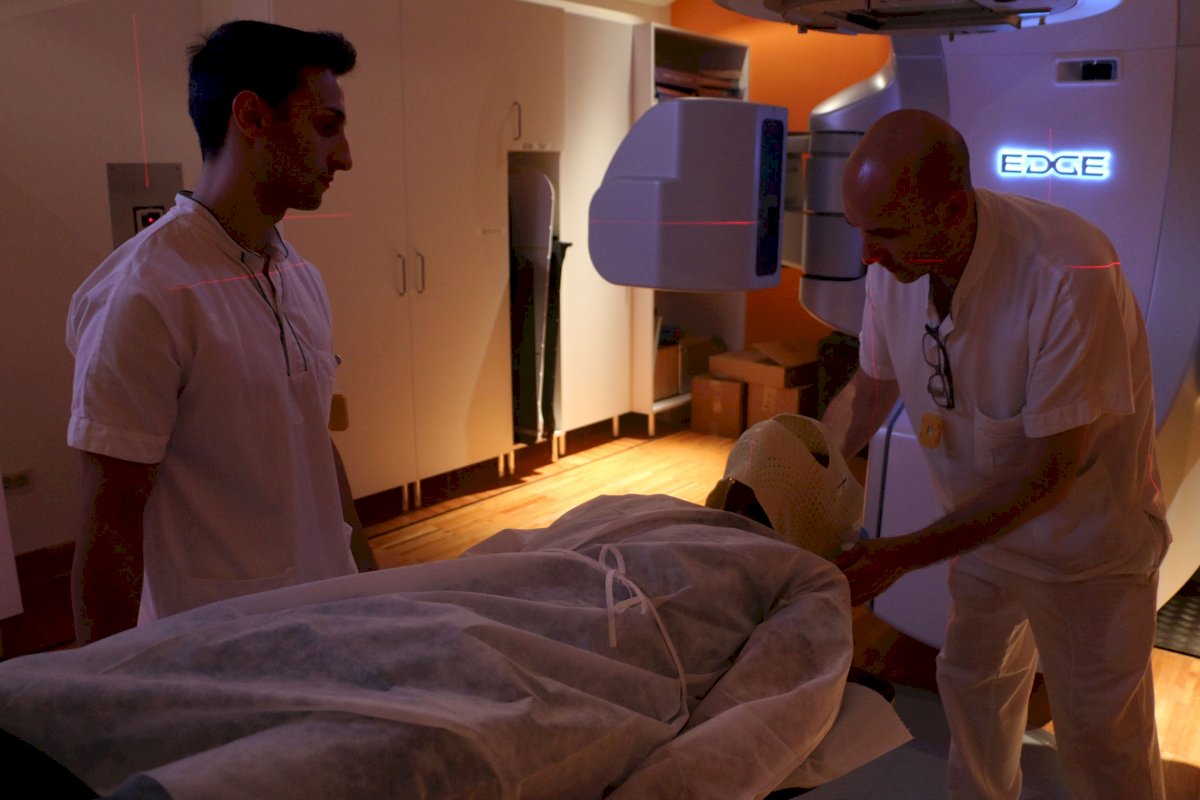



أفضل مراكز طب زراعة الأعضاء في إيطاليا
- San Raffaele, إيطاليا
- San Donato Hospital, إيطاليا
- Ospedale San Carlo di Nancy, إيطاليا
- Humanitas Research Hospital , إيطاليا
- Ospedale Santa Maria, إيطاليا
مواد ذات صلة
عرض المزيد من التفاصيل
تكلفة جراحة زرع الكلى المعقولة - من أين تجد وكيف تحصل عليها
كتب بواسطة Ana Hurevska

أفضل 5 مستشفيات لزراعة الكلى في العالم
كتب بواسطة Ana Hurevska

فضيحة السوق السوداء تهز أكبر مستشفى في الهند
كتب بواسطة Veronika Kazina

قصة نجاح زراعة الكبد: الجراحة الأولى في العالم لطفل عمره 5 أيام
كتب بواسطة Veronika Kazina
أسئلة وأجوبة حول زراعة الكبد
كتب بواسطة Veronika Kazina
مشاركة المحتوى
قصص فيديو من مرضى Bookimed
 Anna Leonova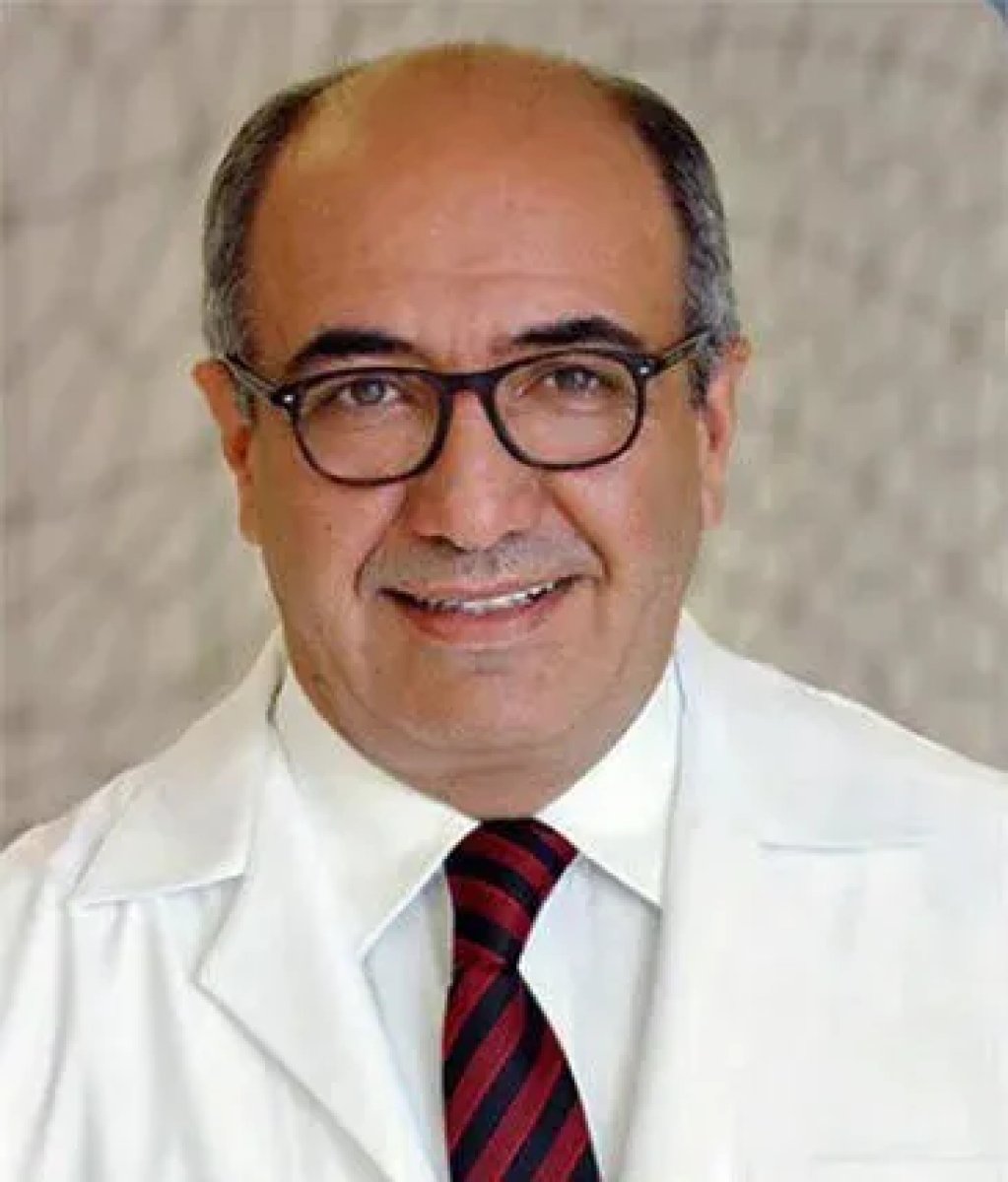
أسئلة متكررة حول طب زراعة الأعضاء في إيطاليا
هل زراعة الأعضاء مجانية في إيطاليا؟
زراعة الأعضاء مجانية في إيطاليا لجميع المواطنين والمقيمين القانونيين المسجلين في الخدمة الصحية الوطنية الإيطالية (SSN). يغطي النظام الجراحة والاستشفاء ورعاية المتابعة. عادةً ما يصل المرضى الدوليون أو غير المقيمين إلى هذه الإجراءات من خلال مسارات سريرية خاصة بدلاً من النظام العام.
- التغطية الشاملة: توفر SSN رعاية طبية كاملة بغض النظر عن الدخل أو حالة التوظيف.
- الإطار القانوني: يفرض القانون الإيطالي أن يكون التبرع بالأعضاء طوعياً ومجهول الهوية ومجانياً.
- معايير الأهلية: يجب أن يكون المرضى مسجلين في SSN للانضمام إلى قوائم الانتظار الوطنية.
- المراكز المعتمدة: تمتلك مرافق مثل سان رافاييل في ميلانو اعتماد IRCCS للبحث والمساعدة.
رؤية خبير Bookimed: يتركز تميز الرعاية الصحية الإيطالية في مراكز متخصصة معتمدة من IRCCS مثل سان رافاييل وسان دوناتو. تجمع هذه المؤسسات بين البحث النشط والرعاية السريرية، وغالباً ما تدير أكثر من 300,000 مريض سنوياً. عادةً ما يضمن اختيار مرفق IRCCS الوصول إلى أحجام جراحية أعلى وخبرة جينية أو قلبية وعائية متخصصة.
إجماع المرضى: يشير المقيمون إلى أن النظام يغطي كل شيء بدءاً من الاختبارات الأولية وحتى التعافي بعد الجراحة دون تكاليف إضافية. يقترح البعض التقدم بطلب للحصول على الإقامة فوراً لضمان التغطية، حيث يمكن أن تختلف أوقات الانتظار بين المناطق الشمالية والجنوبية.
هل يمكن شراء الأعضاء في إيطاليا؟
لا، لا يمكنك شراء الأعضاء بشكل قانوني في إيطاليا. ينص القانون الإيطالي بصرامة على أن جميع التبرعات بالأعضاء والأنسجة يجب أن تكون طوعية ومجهولة الهوية ومجانية. بيع أو شراء الأعضاء البشرية يعد جريمة جنائية خطيرة بموجب المادة 601-مكرر من قانون العقوبات.
- العقوبات القانونية: شراء أو بيع الأعضاء يؤدي إلى السجن من 3 إلى 12 سنة.
- الغرامات المالية: يواجه المخالفون غرامات باهظة تتراوح بين 50,000 يورو و300,000 يورو.
- الحظر المهني: يواجه العاملون في مجال الرعاية الصحية المتورطون حظراً أبدياً من ممارسة الطب.
- إشراف النظام: يدير المركز الوطني لزراعة الأعضاء (CNT) جميع عمليات تخصيص الأعضاء بناءً على الأولوية والحاجة.
رؤية خبير Bookimed: غالباً ما تجمع مستشفيات الأبحاث الإيطالية بين الخبرة الجراحية عالية المستوى والرعاية المتقدمة. على سبيل المثال، يجري مستشفى سان رافاييل في ميلانو أكثر من 52,000 عملية جراحية سنوياً. يشير هذا الحجم الكبير عبر 18 قسماً إلى أنه على الرغم من عدم إمكانية شراء الأعضاء، فإن البلاد تمتلك بنية تحتية متطورة للغاية لإجراءات زراعة الأعضاء القانونية وعلاجات الأمراض النادرة.
إجماع المرضى: يؤكد المرضى أن أي إعلانات عبر الإنترنت تعرض أعضاء للبيع في إيطاليا هي عمليات احتيال بنسبة 100%. ويشيرون إلى أن المسار الآمن والقانوني الوحيد هو من خلال السجل الرسمي أو المتبرعين الأحياء من العائلة.
ما هي أكثر إجراءات الزرع شيوعاً؟
تعد عمليات زرع الكلى والكبد أكثر الإجراءات المنقذة للحياة شيوعاً في إيطاليا وحول العالم. تمثل عمليات زرع الكلى حوالي 63% من جراحات الأعضاء. وتليها عمليات زرع الكبد بنسبة 24%. تحدث عمليات زرع الأنسجة مثل القرنيات وترقيع العظام بأحجام أكبر بكثير بسبب سهولة التخزين.
- عمليات زرع الكلى: تعالج هذه الإجراءات المتكررة الفشل الكلوي في المرحلة النهائية الناجم عن مرض السكري أو ارتفاع ضغط الدم.
- عمليات زرع الكبد: يقوم الجراحون بإجراء هذه العمليات بشكل أساسي للمرضى الذين يعانون من تليف الكبد أو الفشل الكبدي الحاد.
- عمليات زرع القلب: تقوم المراكز الإيطالية مثل مستشفى سان دوناتو بإجراء عمليات قلب معقدة لعلاج فشل القلب.
- عمليات زرع القرنية: هذا هو إجراء الأنسجة الأكثر شيوعاً مع نتائج سريرية موحدة للغاية.
رؤية خبير Bookimed: تجمع المراكز الإيطالية المعتمدة من قبل IRCCS مثل مستشفى سان رافاييل ومستشفى سان دوناتو بين البحث المكثف والرعاية السريرية. تجري هذه المؤسسات آلاف العمليات سنوياً. تظهر البيانات أن العيادات الحاصلة على اعتماد بحثي غالباً ما تتعامل مع الحالات الأكثر تعقيداً. كما أنها تميل إلى المشاركة في المزيد من التجارب السريرية الدولية لبروتوكولات تثبيط المناعة الجديدة.
إجماع المرضى: يشير المرضى إلى أن الانتظار لسنوات في غسيل الكلى هو الجزء الأصعب. يقولون إن إدارة الأدوية بعد الزرع تبدو وكأنها وظيفة بدوام كامل ولكنها تجلب حياة جديدة.
هل يمكن للمرضى الدوليين إجراء عملية زراعة أعضاء في إيطاليا؟
يمكن للمرضى الدوليين تلقي عمليات زراعة الأعضاء في إيطاليا بشكل أساسي من خلال برامج المتبرعين الأحياء أو الاتفاقيات الدولية الثنائية. بينما يضمن النظام الوطني الرعاية للمقيمين، يتم تقييد غير المقيمين عمومًا من قائمة انتظار المتبرعين المتوفين. تتضمن معظم الحالات الناجحة أقارب أحياء متوافقين لإجراءات الكلى أو الكبد.
- التبرع الحي: يسافر المرضى عادةً مع قريب متوافق لعمليات زراعة الكلى أو الكبد.
- حالة الإقامة: يتم إعطاء الأولوية لأعضاء المتبرعين المتوفين للمواطنين الإيطاليين والمقيمين الدائمين.
- برامج التبادل: تشارك إيطاليا في تبادل الكلى عبر الحدود مع إسبانيا وفرنسا والبرتغال.
- التنسيق القانوني: يلزم الحصول على تأشيرات طبية ووثائق قانونية لتفويض إجراءات المتبرع الحي.
- اعتمادات العيادات: تمتلك المراكز الرائدة مثل سان رافاييل وسان دوناتو اعتمادات بحثية مرموقة من IRCCS.
رؤية خبير Bookimed: تظهر البيانات تركيزًا عاليًا لخبرة زراعة الأعضاء المتخصصة في ميلانو، حيث تخدم عيادات مثل سان رافاييل وسان دوناتو 300,000 مريض سنويًا. تجمع هذه المؤسسات بين البحث المكثف والرعاية السريرية. غالبًا ما يختار المرضى من الجامعة العربية وأوروبا هذه المراكز الشمالية بسبب خبرتها الواسعة في الحالات الدولية المعقدة.
إجماع المرضى: يشير المرضى إلى أن التنقل في النظام الإيطالي يتطلب الكثير من الأوراق وإثبات الإقامة. يؤكد الكثيرون أن إحضار متبرع حي من بلدك الأصلي هو الطريقة الأكثر موثوقية لتأمين عملية زراعة في إيطاليا كغير مقيم.<
هل تتوفر عمليات زراعة الأعضاء من متبرعين أحياء؟
تتوفر عمليات زراعة الأعضاء من متبرعين أحياء في إيطاليا كبديل حيوي للأعضاء المأخوذة من متبرعين متوفين. يدير المركز الوطني الإيطالي لزراعة الأعضاء (CNT) هذه البرامج لإجراءات الكلى والكبد. غالبًا ما تستخدم هذه العمليات تبرعات موجهة من الأقارب أو الأصدقاء لتقليل فترات الانتظار بشكل كبير.
- زراعة الكلى: أكثر أنواع التبرع الحي شيوعًا، مما يتجاوز بفعالية قوائم انتظار المتبرعين المتوفين الطويلة.
- زراعة الكبد: يقدم المتبرعون جزءًا من الكبد، والذي يتجدد لدى كلا المريضين في غضون أسابيع.
- التبادل المزدوج: تسمح البرامج الوطنية للتبادل للأزواج غير المتوافقين من المتبرعين والمتلقين بالتبادل للحصول على تطابق.
- معايير المتبرع: تتطلب أن يكون العمر أقل من 60 عامًا وعدم وجود حالات صحية كامنة كبيرة.
رؤية خبير Bookimed: تتعامل مستشفيات الأبحاث الإيطالية الكبرى مثل سان رافاييل مع أكثر من 52,000 عملية سنويًا. هذا الحجم الكبير ضروري للتبرعات الحية. عادة ما تدمج المراكز الكبيرة الأبحاث مع الرعاية السريرية. غالبًا ما يسرع هذا الإعداد عملية الفحص النفسي والطبي المعقدة للمتبرعين.
إجماع المرضى: يشير المرضى إلى أنه على الرغم من أن التبرع الحي يقلل سنوات من أوقات الانتظار، إلا أن الموافقات البيروقراطية تضيف عدة أشهر. يجب على العائلات البدء في اختبارات HLA مبكرًا والاستعداد لمتطلبات صحة المتبرع الصارمة.
ما هي العوامل التي تؤثر على أولوية قائمة الانتظار؟
تعتمد أولوية زراعة الأعضاء في إيطاليا على الضرورة الطبية والتوافق البيولوجي. يدير المركز الوطني لزراعة الأعضاء (CNT) العملية باستخدام درجات موحدة مثل MELD لحالات الكبد. تشمل العوامل شدة المرض، وتطابق فصيلة الدم، والقرب الجغرافي من مستشفيات المتبرعين لضمان حيوية العضو.
- الضرورة السريرية: يحصل المرضى الذين يعانون من حالات تهدد الحياة أو درجات MELD عالية على الأولوية القصوى.
- التطابق البيولوجي: توافق فصيلة الدم وحجم العضو ضروري للنجاح.
- أولوية الأطفال: يحصل الأطفال على وضع المسار السريع الوطني لتجاوز فترات الانتظار الإقليمية القياسية.
- الموقع الجغرافي: غالباً ما يفضل القرب من المتبرع المرضى في مدن الشمال مثل ميلانو أو روما.
رؤية خبير Bookimed: تتعامل مستشفيات الأبحاث الإيطالية مثل سان رافاييل وسان دوناتو مع أكثر من 300,000 مريض سنوياً. يرتبط هذا الحجم الكبير غالباً بإعادة تقييم الحالة بشكل متكرر. البقاء في مركز أبحاث رئيسي يضمن بقاء بياناتك الطبية محدثة، مما قد يؤدي إلى ترقيات حيوية في الأولوية.
إجماع المرضى: يلاحظ المرضى أن الحفاظ على الالتزام التام بزيارات العيادة والسجلات يمكن أن يوفر ميزة طفيفة. يقترح الكثيرون الانتقال بالقرب من مراكز زراعة الأعضاء الرئيسية في الشمال لتقليل فترات الانتظار الإقليمية الطويلة بشكل كبير.