طب زراعة الأعضاء في النمسا — التكاليف 2026

تمت مراجعة المقالة طبيا من قبل
Kamil Yalcin Polat
ما هي تكلفة طب زراعة الأعضاء في النمسا؟ اكتشف الآن
تتراوح تكلفة زراعة الأعضاء في النمسا عادةً ما بين $174,200 و $413,300. تتأثر الأسعار بالعضو المحدد، واستخدام أنظمة حفظ متطورة، ومدة فترة المراقبة المكثفة الأولية. توفر النمسا مستوى عالٍ من الرعاية الطبية، على الرغم من أنها لا تقدم نفس مستوى التوفير مقارنة بالولايات المتحدة كما هو الحال في وجهات السياحة العلاجية الأخرى.
تكاليف زراعة الأعضاء النموذجية في النمسا
- زراعة الكلى: $95,000 – $150,000
- زراعة الكبد: $140,000 – $190,000
- زراعة القرنية: $5,800 – $9,200
- زراعة الرئة: $350,000 – $550,000
- زراعة القلب: $140,000 – $195,000
- زراعة القلب والرئة: $230,000 – $340,000
تقع مراكز زراعة الأعضاء الرئيسية في فيينا وإنسبروك، حيث تضم مرافق مثل مستشفى فيينا العام برامج ذات شهرة عالمية. يمكنك استشارة أخصائي للحصول على أسعار دقيقة وتفصيل شامل لاحتياجاتك الطبية المحددة ومدى تعقيد حالتك.
| النمسا | تركيا | إسبانيا | |
|---|---|---|---|
| زرع القلب | ≈ $140,000 | ≈ $175,000 | ≈ $140,000 |
| زرع القرنية | ≈ $5,800 | من $6,000 | من $10,100 |
| زراعة الكلى | ≈ $95,000 | من $16,000 | ≈ $68,000 |
| زراعة الكبد | ≈ $140,000 | من $45,000 | من $150,000 |
| زراعة القلب والرئة | ≈ $230,000 | ≈ $150,000 | ≈ $185,000 |
مزاياك وضماناتك مع Bookimed
أسعار مباشرة
Bookimed لا يضيف رسوماً إضافية على أسعار علاج طب زراعة الأعضاء. الأسعار مأخوذة من قوائم الأسعار الرسمية للعيادات. تدفع مباشرة في العيادة مقابل علاجك عند وصولك إلى البلد.
عيادات وأطباء معتمدون فقط
Bookimed ملتزم بسلامتك. نحن نعمل فقط مع المؤسسات الطبية التي تحافظ على معايير دولية عالية في علاج طب زراعة الأعضاء ولديها التراخيص اللازمة لخدمة المرضى الدوليين في جميع أنحاء العالم.
مساعدة مجانية على مدار الساعة
Bookimed يقدم مساعدة خبراء مجانية. منسق طبي شخصي يدعمك قبل وأثناء وبعد العلاج، ويحل أي مشاكل. لن تكون وحيداً أبداً في رحلة علاج طب زراعة الأعضاء.

منسقك الطبي الشخصي في Bookimed
- يدعمك في كل مرحلة
- المساعدة في اختيار العيادة الطبية المناسبة والطبيب المناسب
- يضمن الوصول السريع والمريح إلى المعلومات
اكتشف أفضل عيادات طب زراعة الأعضاء: 3 خيارات معتمدة والأسعار
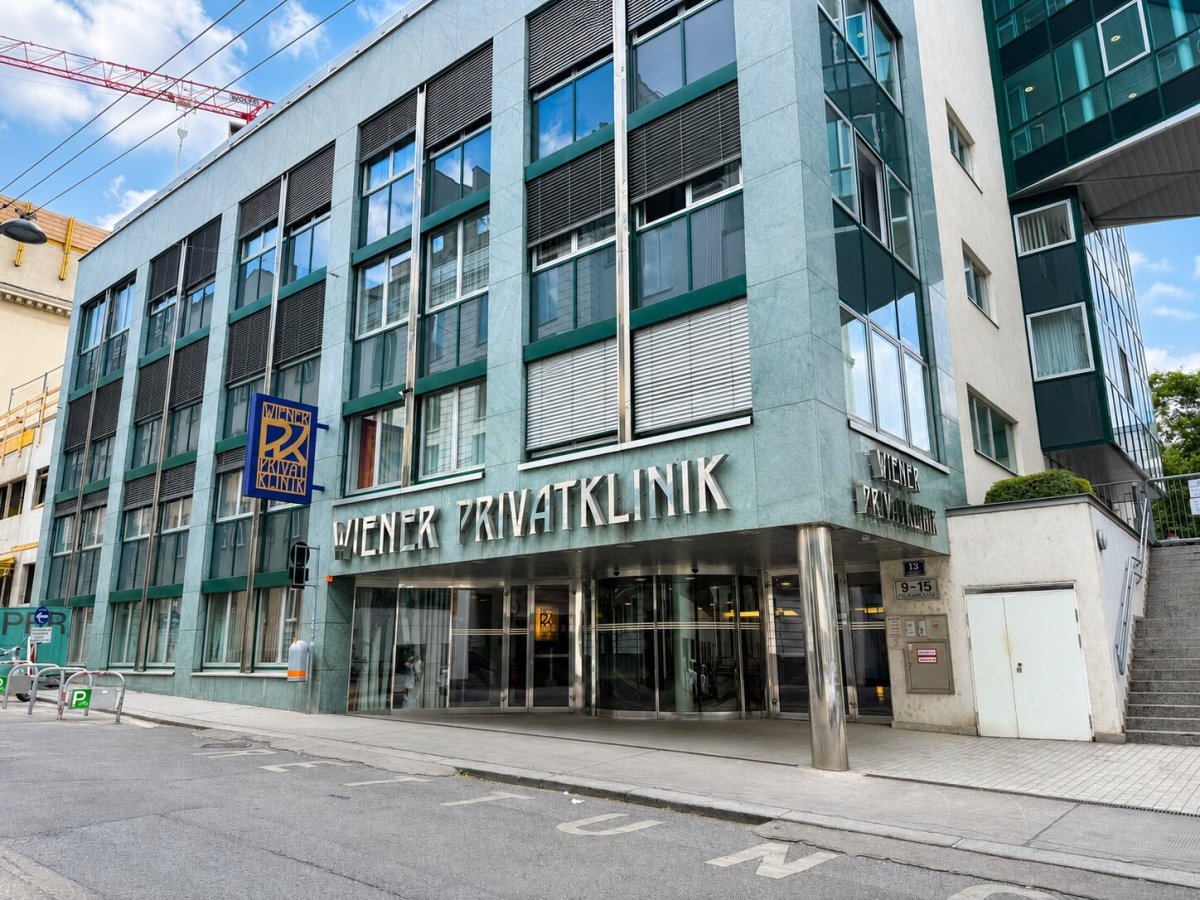



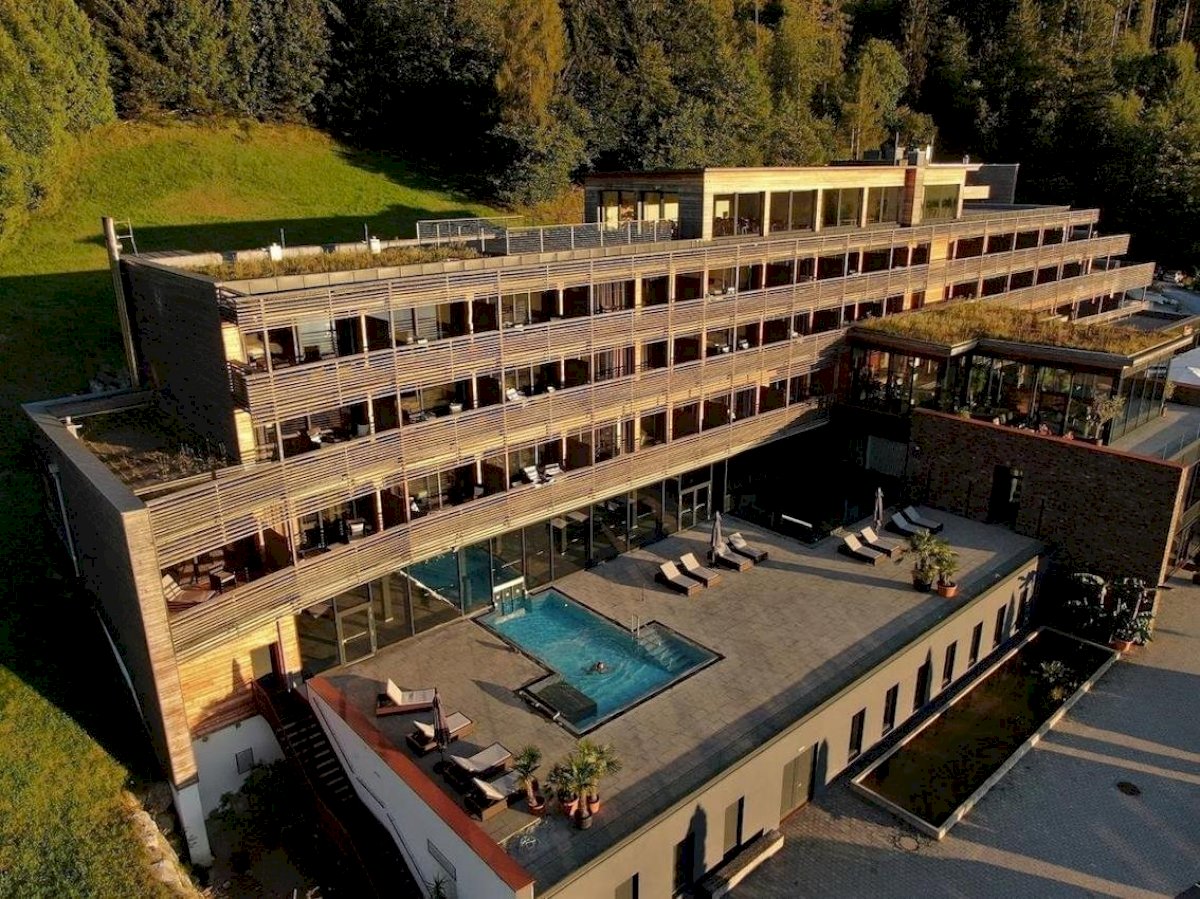
أفضل مراكز طب زراعة الأعضاء في النمسا
- Wiener Privatklinik, النمسا
- Vienna General Hospital (AKH), النمسا
- Armona Medical Alpinresort, النمسا
احصل على تقييم طبي لـ في النمسا: اختر أخصائيك من بين الأفضل في هذا المجال
عرض جميع الأطباء
Walter Klepetko
رائد البروفيسور والتر كليبيتكور في زراعة الرئة في النمسا - أجرى فريقه واحدة من أولى العمليات في البلاد وجعل من فيينا مركزاً رائداً.
- أكثر من 30 عاماً من التخصص في جراحة الصدر وزراعة الرئة
- رئيس قسم جراحة الصدر السابق في جامعة فيينا الطبية
- أجرى عملية زراعة رئة تاريخية لأسطورة الفورمولا 1 نيكي لاودا
- يطور تقنيات طفيفة التوغل لأورام الصدر
- رائد دولي في أبحاث طب زراعة الأعضاء
مواد ذات صلة
عرض المزيد من التفاصيل
تكلفة جراحة زرع الكلى المعقولة - من أين تجد وكيف تحصل عليها
كتب بواسطة Ana Hurevska

أفضل 5 مستشفيات لزراعة الكلى في العالم
كتب بواسطة Ana Hurevska

فضيحة السوق السوداء تهز أكبر مستشفى في الهند
كتب بواسطة Veronika Kazina

قصة نجاح زراعة الكبد: الجراحة الأولى في العالم لطفل عمره 5 أيام
كتب بواسطة Veronika Kazina
أسئلة وأجوبة حول زراعة الكبد
كتب بواسطة Veronika Kazina
مشاركة المحتوى
قصص فيديو من مرضى Bookimed
 Anna Leonova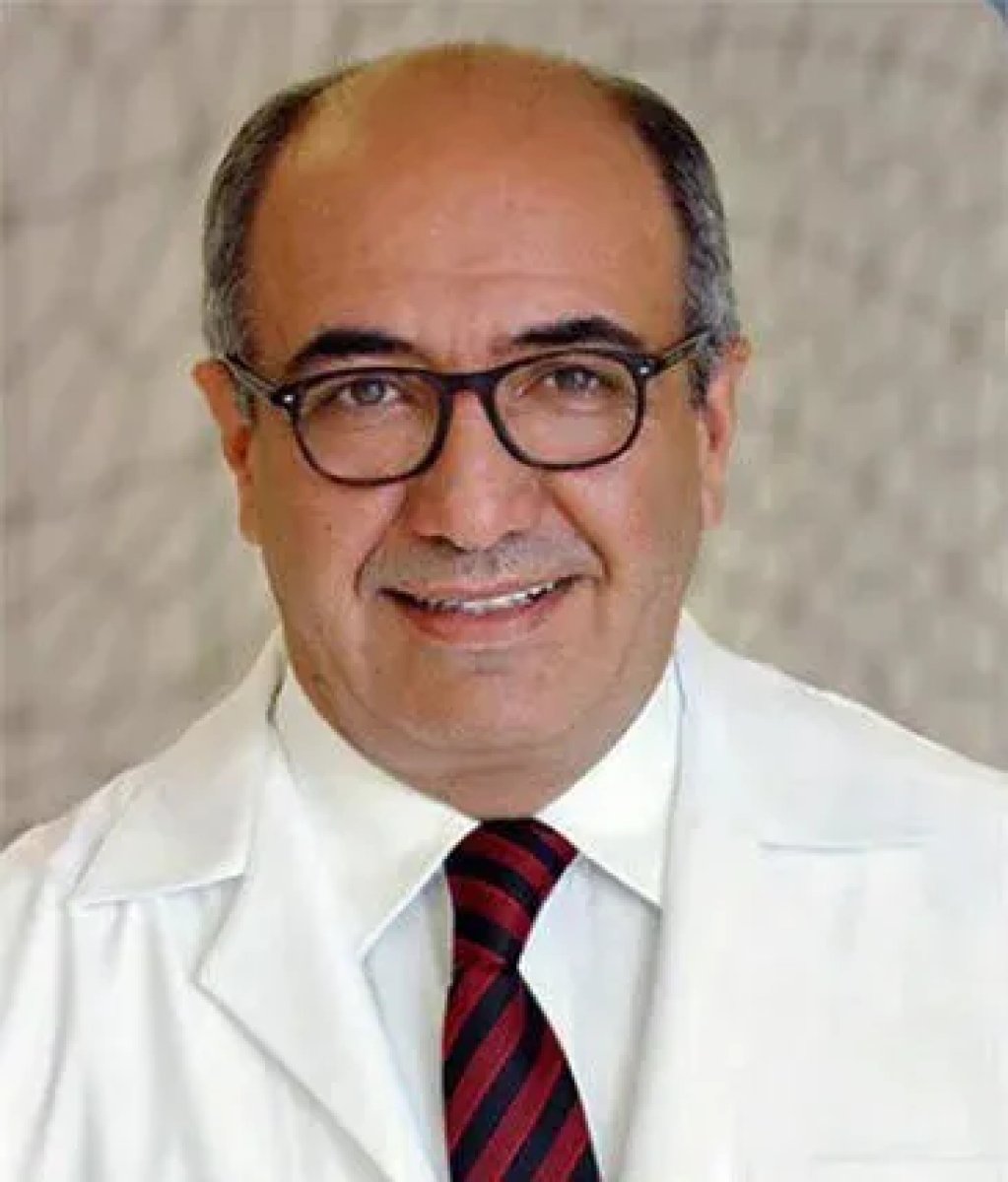
أسئلة متكررة حول طب زراعة الأعضاء في النمسا
ما هي معايير السلامة والجودة التي تحكم عمليات زراعة الأعضاء في النمسا؟
في النمسا، تخضع عمليات زراعة الأعضاء لقانون زراعة الأعضاء (OTPG). يضمن هذا القانون الاتحادي أن تتوافق عملية اختيار المتبرعين والفحوصات الطبية مع المعايير الطبية الحديثة. كما تلتزم النمسا بالتوجيه 2010/53/EU، الذي يضع معايير موحدة للجودة والسلامة في مجال الحصول على الأعضاء في جميع أنحاء الاتحاد الأوروبي.
- الإطار القانوني: يحدد قانون OTPG شروط إزالة الأعضاء واستخدامها الطبي.
- التوزيع الدولي: النمسا عضو في برنامج يوروترانسبلانت وتتبع قواعد مركزية للتوزيع عبر الحدود.
- معايير التتبع: يجب أن تكون جميع الأعضاء قابلة للتتبع لمدة 30 عامًا من المتبرع إلى المتلقي.
- الوحدات المتخصصة: يتم إجراء عملية الحصول على الأعضاء فقط من قبل وحدات الحصول على الأعضاء المعتمدة في المستشفيات مثل مستشفى فيينا العام (VGH).
رأي خبراء بوكيمد: يعود سجل النمسا المتميز في مجال السلامة إلى دمج البحوث الجامعية في الممارسة السريرية. يعالج مستشفى فيينا العام (AKH) 595,000 مريض سنويًا، ويضم 42 معهدًا جامعيًا. يتيح هذا الحجم للجراحين، مثل الدكتور والتر كليبتكو، تطوير تقنيات مثل جهاز دعم الحياة خارج الجسم (ECMO). كما يضمن التدفق الهائل للمرضى إجراء اختبارات وتحديثات مستمرة للبروتوكولات الطبية.
ما هي معدلات البقاء على قيد الحياة لمدة سنة واحدة وخمس سنوات والنتائج النموذجية بعد زراعة الكلى أو الكبد في النمسا؟
في النمسا، يُسجّل معدل البقاء على قيد الحياة لمدة عام واحد لمرضى زراعة الكلى 97.1%، ويرتفع إلى حوالي 93.9% بعد خمس سنوات. أما نتائج زراعة الكبد فتُظهر معدلات بقاء على قيد الحياة لمدة عام واحد تتراوح بين 81% و86%. وتُعدّ هذه المعدلات من بين الأعلى في أوروبا. تُجرى هذه العمليات من خلال شبكة يوروترانسبلانت.
- معدل بقاء الكلى: تصل نسبة بقاء عمليات زرع الكلى من متبرعين أحياء إلى ما يقرب من 98% خلال السنة الأولى.
- نتائج علاج الكبد: يسمح استخدام أجهزة حفظ الأعضاء بالحفاظ على معدلات بقاء عملية الزرع لمدة عام واحد فوق 81٪.
- حجم العمليات الجراحية: في النمسا، هناك 35.4 عملية زرع كلى و 15.6 عملية زرع كبد لكل مليون شخص.
- فترة النقاهة: بعد عملية زرع الكبد، يحتاج المرضى عادةً إلى فترة إقامة متخصصة في المستشفى تتراوح من أسبوعين إلى ستة أسابيع.
- النجاح على المدى الطويل: زراعة الكلى تقلل من سنوات العمر المفقودة المحتملة بأكثر من 75٪.
رأي خبراء بوكيميد: تُظهر بيانات مستشفى فيينا العام (VGH) أثر الطب الجامعي ذي الحجم الكبير على الحالات النادرة. يعمل في المستشفى 1600 طبيب و42 معهدًا متخصصًا، ويعالج 595 ألف مريض سنويًا. يُمكّن
ما هي الفحوصات والاختبارات التي يجب أن يخضع لها المرضى الأجانب قبل إدراجهم في قائمة انتظار زراعة الأعضاء النمساوية؟
لإدراج المرضى الدوليين في قائمة انتظار زراعة الأعضاء في النمسا، يجب عليهم الخضوع لفحص طبي ومناعي ونفسي شامل. تشمل المتطلبات تحديد النمط النسيجي HLA، ومطابقة الأنسجة، وفحص الأمراض المعدية مثل فيروس نقص المناعة البشرية والتهاب الكبد. تقوم مراكز مثل مستشفى فيينا العام (AKH) بتنسيق هذه النتائج من خلال مؤسسة يوروترانسبلانت لضمان توافق المتبرع.
- الاختبارات المناعية: يخضع المرضى لاختبارات تحديد النمط النسيجي HLA واختبارات الحمض النووي لتحديد التوافق الجيني مع المتبرع.
- الفحص المعدي: تشمل فحوصات الدم الإلزامية اختبارات فيروس نقص المناعة البشرية، والزهري، والتهاب الكبد B و C.
- التصوير بالأعضاء: يشمل التقييم تحليل نتائج التصوير بالرنين المغناطيسي والتصوير المقطعي المحوسب والتصوير بالموجات فوق الصوتية لتجويف البطن.
- يلزم تقديم تقرير سريري يتضمن: فحص أسنان كامل وتطعيمات حديثة ضد عدوى المكورات الرئوية والتهاب الكبد.
- التقييم النفسي الاجتماعي: تشمل الاستشارات الإلزامية تقييم الصحة العقلية، والقدرة على الموافقة، ووجود شبكة دعم منزلية.
رأي خبراء بوكيمد: غالبًا ما تعتمد كفاءة العمليات على القدرات البحثية للمستشفى. يضم مس
كم ستستغرق عملية العلاج بأكملها، من الفحص الأولي وحتى الخروج من المستشفى؟
في النمسا، تستغرق عملية زراعة الأعضاء عادةً من 9 إلى 15 شهرًا، بدءًا من التقييم الأولي وحتى الخروج التام من المستشفى. يشمل ذلك من 3 إلى 6 أشهر لإجراء الفحوصات متعددة التخصصات وتحديد النمط النسيجي (HLA). يختلف التعافي الفعلي بعد الجراحة باختلاف العضو المزروع. غالبًا ما يخضع المرضى لمتابعة مكثفة في العيادات الخارجية بعد العملية لمدة تتراوح بين شهر واحد وثلاثة أشهر.
- الجدول الزمني للأحداث المتعلقة بزراعة الكلى: تستغرق العملية بأكملها 8 أشهر، بما في ذلك شهرين على قائمة الانتظار.
- مدة علاج الكبد: في المتوسط، تستغرق العملية من 12 إلى 15 شهرًا بسبب بروتوكولات الوقاية من العدوى الصارمة لمدة 60 يومًا بعد الجراحة.
- مدة الإقامة في المستشفى: تتراوح فترة التعافي داخل المستشفى من 7 أيام للكلى إلى 21 يومًا للكبد.
- العوامل المؤثرة على قوائم الانتظار: يمكن لاتفاقيات التبرع بالأعضاء من الأحياء أن تقلل أوقات الانتظار من شهور إلى أسابيع.
رأي خبراء بوكيمد: في فيينا، يؤثر العدد الكبير من التجارب السريرية بشكل ملحوظ على سرعة الإجراءات الإدارية. يعالج مستشفى مدينة فيينا (AKH) 595,000 مريض سنويًا، ويضم ستة مختبرات متخصصة. تُظهر بياناتنا أن المؤسسات التي تمتلك مثل هذه البنية التحتية الداخلية ت
ما هي الأدوية المحددة وبروتوكول العلاج المثبط للمناعة الذي سيتلقاه المريض الأجنبي بعد عملية الزرع؟
يتلقى المرضى الدوليون في النمسا بروتوكولًا علاجيًا ثلاثيًا موحدًا بعد زراعة الأعضاء. يجمع هذا النظام عادةً بين مثبط الكالسينيورين، مثل تاكروليموس، ودواء مضاد للتكاثر، مثل ميكوفينولات موفيتيل. ولدعم وظيفة العضو الجديد، تُضاف الكورتيكوستيرويدات، مثل بريدنيزون، ويتم تقليل جرعتها تدريجيًا على مدى عدة أشهر.
- مرحلة التحريض: أثناء الجراحة، يقوم الجراحون بإعطاء الأجسام المضادة، مثل باسيليكسيماب، عن طريق الوريد لمنع الرفض الفوري.
- جرعات المداومة: يتم تحويل المرضى إلى العلاج الثلاثي الفموي مدى الحياة بأقل جرعة فعالة.
- الوقاية من العدوى: تشمل البروتوكولات تريميثوبريم/سلفاميثوكسازول وفالجانسيكلوفير للوقاية من الالتهاب الرئوي والعدوى الفيروسية.
- متطلبات المراقبة: خلال المراحل المبكرة من التعافي، يجب الحفاظ على تركيزات تاكروليموس في الدم في نطاق 8 إلى 12 نانوغرام/مل.
رأي خبراء بوكيمد: في النمسا، يشمل العلاج الدوائي المزمن في كثير من الأحيان مكملات المغنيسيوم. وتشير البيانات إلى أن التاكروليموس غالباً ما يُسبب انخفاضاً في مستويات المغنيسيوم لدى متلقي زراعة الأعضاء. وتستخدم العيادات الرائدة، مثل مستشفى فيينا العام (AKH)، بروتوكولات أوروبية موحدة. وهذا يضمن سهولة تكيف أطبائك المحليين
ما هي المراكز المتميزة المعترف بها في النمسا لزراعة الكلى والكبد؟
في النمسا، تتركز عمليات زراعة الأعضاء في أربعة مستشفيات جامعية معتمدة لإجراء هذه العمليات. ويُعدّ مستشفى فيينا العام (AKH) ومستشفى جامعة إنسبروك من المراكز الرائدة عالميًا في زراعة الكلى والكبد. وتستفيد هذه المراكز من نظام التنسيق الأوروبي لزراعة الأعضاء (Eurotransplant) لتحقيق معدلات نجاح تتجاوز 95% في زراعة الكلى.
- مستشفى فيينا العام (VGH): يجري 150-200 عملية زرع كلى سنوياً باستخدام أنظمة روبوتية مبتكرة.
- مستشفى جامعة إنسبروك: يدير مركز OrganLife، وهو مركز متخصص في الحفاظ على الأعضاء وتجديدها بشكل متقدم.
- جامعة غراتس الطبية: تقود أبحاثاً متخصصة في استراتيجيات تخصيص الكبد لحالات قوائم الانتظار المعقدة.
- الخبرة في فيينا: قام الدكتور والتر كليبتكو من مستشفى فيينا العام (AKH Vienna) بتأسيس البرنامج الوطني لزراعة الرئة.
رأي خبراء بوكيميد: تُظهر البيانات أن مستشفى مدينة فيينا (AKH) مركز طبي يضم ستة مختبرات داخلية و1600 طبيب. تُمكّنه هذه البنية التحتية من خدمة 595,000 مريض سنويًا. يسمح هذا الحجم الكبير من العمل بإجراء برامج زراعة أعضاء متخصصة لحالات عدم توافق فصائل الدم ABO، وهو ما لا تستطيع المراكز الإقليمية الأصغر توفيره دائمًا.