عيادات زراعة الكبد في ألمانيا


تمت مراجعة المقالة طبيا من قبل
فهد مولود
ما هي تكلفة زراعة الكبد في ألمانيا؟ اكتشف الآن
من $180,000. يعتمد السعر النهائي على تعقيد الحالة، ونوع المتبرع، والرسوم الإدارية للمستشفى. تشمل التكاليف الأساسية عادةً التقييم قبل الجراحة، والعملية، والتخدير، والبقاء في العناية المركزة، والأدوية المثبطة للمناعة الأولية.
- زراعة من متبرع حي: تتطلب غالباً ميزانية أكبر بسبب الحاجة لإجراء عمليتين جراحيتين وتقييمين في وقت واحد.
- اختلافات المراكز الطبية: تخضع الأسعار في المدن الكبرى مثل برلين وميونخ وإيسن لرقابة صارمة.
- تعقيد الحالة: تؤدي الإصابة بسرطان الكبد أو تشمعه الحاد عادةً إلى زيادة التكلفة الإجمالية.
- الرعاية ما بعد الجراحة: تظهر تكاليف الإقامة الطويلة في العناية المركزة أو المراقبة التخصصية في فاتورة المستشفى النهائية.
رأي خبراء Bookimed: يتيح اختيار المستشفيات الجامعية الوصول إلى بنية تحتية طبية ضخمة وخبرات تخصصية متطورة. فمستشفى إيسن الجامعي يُعد رائدًا أوروبيًا معترفًا به في زراعة الأعضاء ويضم 60 مبنى. وتظل مستشفى شاريتيه - يونيفرسيتيتس ميديتسين برلين، التي تأسست عام 1710، خيارًا متميزًا بوجود أكثر من 4,000 طبيب. يستفيد المرضى الدوليون من هياكل تسعير منظمة أثناء تلقي العلاج في مستشفيات مصنفة عالميًا ضمن قائمة نيوزويك.
| تركيا | إسبانيا | ألمانيا | |
|---|---|---|---|
| زراعة الكبد | من $45,000 | من $150,000 | من $180,000 |
مزاياك وضماناتك مع Bookimed
أسعار مباشرة
Bookimed لا يضيف رسوماً إضافية على أسعار زراعة الكبد. الأسعار مأخوذة من قوائم الأسعار الرسمية للعيادات. تدفع مباشرة في العيادة مقابل زراعة الكبد عند وصولك.
عيادات وأطباء معتمدون فقط
Bookimed ملتزم بسلامتك. نحن نعمل فقط مع المؤسسات الطبية التي تحافظ على معايير دولية عالية في زراعة الكبد ولديها التراخيص اللازمة لخدمة المرضى الدوليين في جميع أنحاء العالم.
مساعدة مجانية على مدار الساعة
Bookimed يقدم مساعدة خبراء مجانية. منسق طبي شخصي يدعمك قبل وأثناء وبعد العلاج، ويحل أي مشاكل. لن تكون وحيداً أبداً في رحلة زراعة الكبد.

منسقك الطبي الشخصي في Bookimed
- يدعمك في كل مرحلة
- المساعدة في اختيار العيادة الطبية المناسبة والطبيب المناسب
- يضمن الوصول السريع والمريح إلى المعلومات
اكتشف أفضل زراعة الكبد العيادات في ألمانيا: 4 خيارات معتمدة والأسعار



Hannover Medical School
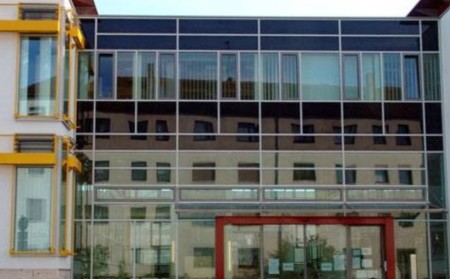
Dr. Radu + Partner Aesthetic and Plastic Surgery - Nuremberg


نظرة عامة على زراعة الكبد في ألمانيا
- زراعة الكبد - من $180,000
تستبدل هذه العملية الكبد المصاب بكبد سليم من متبرع ، مما يحسن نوعية الحياة وطول العمر.
اليوم 1
- عند الوصول إلى البلاد ، يتم توفير خدمة الاستقبال من المطار.
- الانتقال إلى فندق 4 نجوم مرتب.
اليوم الثاني
- التشاور مع أخصائي الأشعة.
- تم إجراء اختبارات وتقييمات ما قبل التشغيل.
يوم 3
- فحوصات طبية إضافية إذا لزم الأمر.
- التحضير للجراحة ، بما في ذلك إحاطة التخدير.
اليوم الرابع
- عملية زرع الكبد عادة ما بين 6-12 ساعة.
- الانتعاش بعد الجراحة في وحدة العناية المركزة.
من اليوم الخامس إلى اليوم الرابع عشر
- رعاية ما بعد الجراحة في المستشفى.
- الفحوصات الدورية والمراقبة من قبل الأطباء.
من الأسبوع الثالث إلى الأسبوع السادس
- نقل إلى مركز إعادة التأهيل إذا لزم الأمر.
- العلاج الطبيعي والزيادة التدريجية في النشاط.
من الأسبوع السابع إلى الأسبوع الثاني عشر
- التعافي المستمر في المنزل تحت إشراف طبي.
- العودة التدريجية إلى العمل والنشاط البدني الخفيف.
الأسبوع 13 وما بعده
- العودة التدريجية إلى النشاط البدني المنتظم.
- النتائج النهائية لعملية الزرع مرئية.
يرجى ملاحظة أن الجدول الزمني للشفاء وعملية كل مريض قد تختلف بناءً على الظروف الصحية الفردية وخصائص عملية الزرع.
- إيداع Bookimed: 200 دولار أو 200 يورو.
- وديعة العيادة: ادفع نسبة محددة مقدمًا.
تلتزم Bookimed، وهي منصة عالمية رائدة في مجال السياحة الطبية، بمساعدة العملاء الذين يبحثون عن زراعة الكبد في ألمانيا من خلال تقديم مساعدة الخبراء والحلول الطبية الجديرة بالثقة لكل حالة. يُستخدم نظام التصنيف التلقائي الذكي لإنشاء قوائم عيادات شفافة، ويتم صيانتها بدقة بواسطة عالم بيانات يستخدم الذكاء الاصطناعي للتأكد من دقتها. تضمن المنصة الأصالة من خلال نشر مراجعات من مرضى حقيقيين بعد علاجهم. يقدم Bookimed حلولاً طبية شاملة، مع تحديثات من العيادات لضمان الثقة. المحتوى الخاص بزراعة الكبد في ألمانيا، والذي وضعه مؤلفون طبيون ذوو خبرة ومراجعته من قبل متخصصين، يلتزم بإرشادات Bookimed التحريرية ، مما يعكس التزام المنصة بتقديم معلومات صحية عالية الجودة وواضحة. لمزيد من التفاصيل أو الاستفسارات، لا تتردد في الاتصال بنا على Marketing@bookimed.com أو معرفة المزيد عنا وعن مهمتنا عن Bookimed .
احصل على تقييم طبي لـ زراعة الكبد في ألمانيا: اختر أخصائيك من بين الأفضل في هذا المجال
عرض جميع الأطباء
Johann Pratschke
البروفيسور الدكتور يوهان براتشكي هو عضو مؤسس في الجمعية الأوروبية للبنكرياس وخبير في العمليات الجراحية بالمنظار المعقدة في مستشفى شاريتيه – كلية الطب ببرلين.
- من الخبرة في جراحة الأورام
- نشر العديد من المقالات البحثية في هذا المجال
- حاصل على العديد من الجوائز لمساهماته في الطب
- متخصص في تقنيات المنظار المتقدمة
قصص فيديو من مرضى Bookimed
مواد ذات صلة

قصة نجاح زراعة الكبد: الجراحة الأولى في العالم لطفل عمره 5 أيام
كتب بواسطة Veronika Kazina
أسئلة وأجوبة حول زراعة الكبد
كتب بواسطة Veronika Kazina

كم تكلفة زراعة الكبد؟
كتب بواسطة Kate Labetska
مشاركة المحتوى
 Anna Leonova
أسئلة متكررة حول زراعة الكبد في ألمانيا
ما هو معدل نجاح عمليات زراعة الكبد في ألمانيا؟
تُظهر عمليات زراعة الكبد في ألمانيا معدلات نجاح عالية، حيث تتراوح نسبة البقاء على قيد الحياة لمدة عام واحد عادةً بين 73% و85%. وقد دفعت العلاجات الحديثة بمعدلات البقاء على قيد الحياة لمدة 5 سنوات إلى ما فوق 80%. تختلف هذه النتائج بناءً على حجم المركز، وعمر المريض، والسبب الكامن وراء فشل الكبد.
- البقاء في المستشفى: ينجح حوالي 85.7% من المرضى في تجاوز فترة الإقامة في المستشفى بعد الجراحة مباشرة.
- حجم المركز: تحقق المستشفيات ذات الحجم الكبير التي تجري أكثر من 20 عملية زراعة سنويًا نتائج متفوقة في بقاء المرضى على قيد الحياة.
- تأثير المرض: يحقق مرضى سرطان الكبد نسبة بقاء أولية تبلغ 91.2%، وهي أعلى من حالات الفشل الحاد.
- الحالة الصحية: يصل المرضى الذين لديهم درجات MELD أقل من 16 إلى نسبة بقاء تبلغ 86.2% عند 12 شهرًا.
رؤية خبير Bookimed: بينما توفر المستشفيات الجامعية الكبرى مثل مستشفى شاريتيه برلين ومستشفى جامعة إيسن تكنولوجيا النخبة، فإن أحجام مرضاهم الهائلة - التي تصل إلى 845,000 سنويًا - يمكن أن تؤدي إلى فترات معالجة أطول. يجب على المرضى الدوليين إعطاء الأولوية لمراكز مثل كلية الطب في هانوفر، التي تتخصص في البحث العلمي وتحتفظ بمسارات مخصصة لمرشحي زراعة الأعضاء غير المقيمين.
إجماع المرضى: يؤكد المتلقون أنه على الرغم من أن الأشهر الأولى لا يمكن التنبؤ بها، إلا أن عمليات الزراعة الناجحة تؤدي إلى تحسينات سريعة في الطاقة. ويؤكدون أن الالتزام بالأدوية مدى الحياة لا يقل أهمية عن الجراحة نفسها.
ما هي التقنيات الطبية المتقدمة التي تستخدمها العيادات الألمانية لزراعة الكبد؟
تستخدم مراكز زراعة الأعضاء الألمانية تقنية التروية الآلية خارج الجسم (ex vivo) والملاحة الكبدية الصفراوية ثلاثية الأبعاد لزيادة معدلات النجاح. تدمج المرافق الرائدة مثل مستشفى شاريتيه - جامعة برلين ومستشفى جامعة إيسن التروية الآلية متساوية الحرارة والمعلوماتية التنبؤية القائمة على الذكاء الاصطناعي لتحسين حيوية الطعم وتحسين نتائج المرضى في عمليات زراعة الكبد المعقدة.
- حفظ الأعضاء: تحافظ أنظمة مثل OrganOx metra على كبد المتبرع في درجة حرارة الجسم.
- تقنيات التروية: تستخدم العيادات التروية بالأكسجين تحت درجة حرارة منخفضة لتجديد احتياطيات الطاقة الخلوية.
- التخطيط الجراحي: يستخدم الجراحون النمذجة ثلاثية الأبعاد وتخطيط الصدى الدوبلري لرسم خرائط الأوعية الدموية بدقة.
- التنميط الجيني: يتنبأ الطب الشخصي باستقلاب الدواء لتقليل سمية مثبطات المناعة.
رؤية خبير Bookimed: تستفيد المستشفيات الجامعية الألمانية من أعداد المرضى الكبيرة لتحسين التقنيات التجريبية. تجري كلية الطب في هانوفر أكثر من 38,000 عملية جراحية سنويًا. يسمح هذا النطاق للعيادات بتقديم فرصة للمرضى للمشاركة في الأبحاث العلمية المتطورة والتجارب السريرية لطرق الحفظ الجديدة. وبالمثل، تستخدم شاريتيه برلين الذكاء الاصطناعي المتقدم والتصوير الرقمي عبر أقسامها المائة المتخصصة.
إجماع المرضى: يوصي المرضى بالتحقق مما إذا كان المركز يستخدم التروية الآلية لكبد المتبرع. غالبًا ما يعتمد النجاح على خبرة المركز وحجم العمليات الجراحية وليس فقط على التكنولوجيا المعلن عنها.
ما هي معايير الامتثال والاستبعاد للمرضى الذين يسعون للحصول على زراعة كبد في ألمانيا؟
تتطلب الأهلية لزراعة الكبد في ألمانيا استيفاء مقاييس طبية صارمة للإدراج، والاستقرار النفسي والاجتماعي، والامتثال الموثق. يتم تصنيف المرضى عبر درجات MELD من خلال شبكة Eurotransplant. تشمل المتطلبات الإلزامية فترة امتناع عن الكحول لمدة ستة أشهر لأمراض الكبد الكحولية وغياب الأورام الخبيثة خارج الكبد أو الالتهابات الجهازية غير المنضبطة.
- تقييم الامتثال: يجب على المرضى إثبات قدرتهم طويلة المدى على الالتزام بالبروتوكولات الطبية والمثبطة للمناعة المعقدة.
- تتبع الامتناع: تتحقق المراكز من الرصانة لمدة ستة أشهر باستخدام اختبارات إيثيل غلوكورونيد في عينات الشعر أو البول.
- مقاييس الإدراج: يحتاج المرشحون عادةً إلى درجة MELD تبلغ 15 أو أكثر للدخول في القائمة.
- معايير ميلانو: يجب أن يستوفي مرضى سرطان الخلايا الكبدية حدودًا محددة لحجم الورم وعدده ليكونوا مؤهلين.
- الاستثناءات المطلقة: تعاطي المخدرات النشط، أو أمراض القلب والرئة الشديدة، أو تلف الدماغ غير القابل للإصلاح تؤدي إلى استبعاد المتقدمين على الفور.
رؤية خبير Bookimed: تعطي المستشفيات الجامعية الألمانية مثل Charité أو Essen الأولوية للمرونة الجراحية طويلة المدى على العمر الزمني. في حين يواجه المرضى الذين تزيد أعمارهم عن 70 عامًا تدقيقًا شديدًا، غالبًا ما تقبل المراكز ذات الحجم الكبير أولئك الذين يتمتعون بلياقة بيولوجية عالية. يعتمد النجاح على تقديم خطة رعاية موثقة وتاريخ دوائي متسق أثناء التقييم الأولي للمرضى الداخليين.
إجماع المرضى: يؤكد المرضى أن الت
كيف يتم تخصيص الأعضاء وما هي فترات الانتظار في ألمانيا؟
يتبع تخصيص الأعضاء في ألمانيا قانون زراعة الأعضاء الألماني (TPG)، مع إعطاء الأولوية للحالات الطبية العاجلة ومعدلات النجاح من خلال شبكة Eurotransplant. بالنسبة لزراعة الكبد، يحدد مقياس MELD (نموذج مرض الكبد في المرحلة النهائية) الأولوية. تختلف فترات الانتظار بشكل كبير بناءً على نوع العضو وشدة حالة المريض.
- منطق التخصيص: تعتمد الأولويات على الفرز السريري بدلاً من الترتيب الزمني لمرضى الكبد.
- تسجيل درجات الاستعجال: تحدد درجات MELD مدى خطورة المرض لضمان حصول المرضى الأكثر مرضاً على الكلى أولاً.
- الحالات عالية الاستعجال (HU): يتجاوز المرضى الذين يعانون من حالات حادة تهدد الحياة قوائم الانتظار القياسية من خلال تدقيق لجان الخبراء.
- فترات انتظار الكبد: يعتمد الجدول الزمني على توفر الأعضاء ومطابقة المتبرع، وغالباً ما يتم تسريعه بسبب المضاعفات الطبية.
- فترات انتظار الكلى: يبلغ متوسط فترات الانتظار 5.8 سنوات عبر مختلف الفئات العمرية في ألمانيا.
رؤية خبير Bookimed: بينما تدير المراكز الجامعية مثل مستشفى شاريتيه برلين ومستشفى جامعة إيسن حجمًا كبيرًا من عمليات الزرع، فإن خيارات المتبرعين الأحياء هي الطريقة الأكثر فعالية لتجاوز قوائم الانتظار التي تستمر لسنوات. تجري المراكز الألمانية الكبرى، بما في ذلك كلية هانوفر الطبية، آلاف العمليات سنويًا، لكن توفر المتبرعين المتوفين لا يزال أقل مما هو عليه في المناطق الأوروبية الأخرى.
إجماع المرضى: يؤكد المرضى أن الإدراج في القائمة هو مجرد الخطوة الأولى. يعتمد التوقيت
ما هي مدة التعافي والإقامة في المستشفى بعد زراعة الكبد في ألمانيا؟
عادةً ما يبقى مرضى زراعة الكبد في ألمانيا في المستشفى لمدة تتراوح بين أسبوعين إلى 4 أسابيع، تبدأ بـ 2 إلى 5 أيام في وحدة العناية المركزة. يستغرق الاستقرار الكامل من 6 إلى 12 شهراً، على الرغم من أن معظم الأفراد يلاحظون تحسناً جسدياً ملموساً في غضون شهرين إلى 3 أشهر.
- الإقامة في المستشفى: توقع من 14 إلى 28 يوماً للاستقرار وتعديل الأدوية.
- العناية المركزة: تركز الأيام الخمسة الأولى على مراقبة وظائف العضو الجديد.
- مرحلة إعادة التأهيل: غالباً ما تتضمن البروتوكولات الألمانية 3 أسابيع من إعادة التأهيل الداخلي المنظم.
- التعافي الكامل: عادة ما يتم العودة الكاملة للعمل والرياضة في غضون 6 أشهر.
رؤية خبير Bookimed: غالباً ما تحافظ المراكز الجامعية الألمانية، مثل مستشفى إيسن الجامعي، على فترات مراقبة أطول من المتوسطات العالمية. تعطي هذه الاستراتيجية الأولوية للنجاح على المدى الطويل، حيث تؤكد المراكز ذات حجم المرضى الكبير—مثل مستشفى شاريتيه برلين الذي يخدم أكثر من 845,000 مريض سنوياً—على الاستقرار الصارم قبل الخروج لتقليل المضاعفات المتأخرة.
إجماع المرضى: يتضمن التعافي في المنزل إدارة التعب وجداول الأدوية الصارمة. تتطلب الأشهر الثلاثة الأولى فحوصات دم متكررة وقد تبدو أكثر تطلباً من الإقامة في المستشفى نفسها.
ما هي المستشفيات في ألمانيا التي تحظى بأعلى التقييمات في جراحة الأعصاب؟
تضم ألمانيا بعضًا من أرقى أقسام جراحة الأعصاب في العالم، بقيادة مستشفى شاريتيه الجامعي في برلين ومستشفى جامعة هايدلبرغ. وتتميز هذه المراكز بخبرتها الواسعة في علاج أورام الدماغ المعقدة وأمراض الأوعية الدموية الدماغية. ولتحقيق أقصى قدر من الفعالية في عملياتها، تستخدم هذه المراكز أحدث التقنيات، مثل التصوير بالرنين المغناطيسي أثناء الجراحة والتوجيه العصبي بمساعدة الحاسوب.
- مستشفى شاريتيه برلين: يُجري أكثر من 5000 عملية جراحية سنوياً. ويرأس العيادة جراح الأعصاب الشهير الدكتور بيتر فايكوتشي.
- المركز الطبي في سولينجن: أجرى الدكتور رالف بوهل أكثر من 4000 عملية جراحية، بما في ذلك جراحات العمود الفقري طفيفة التوغل.
- عيادة أسكليبيوس نورد: مجهزة بنظام التصوير بالرنين المغناطيسي الثنائي الوحيد في ألمانيا أثناء الجراحة لضمان الدقة الجراحية في الوقت الحقيقي أثناء إزالة الورم.
- عيادة نوردويست: تم الاعتراف بها من قبل مجلة نيوزويك كمستشفى رائد في مجال الابتكار في تكنولوجيا الموجات فوق الصوتية ثلاثية الأبعاد.
رأي خبراء بوكيمد: تشير البيانات إلى أن اختيار المراكز ذات الحجم الجراحي الكبير غالبًا ما يؤدي إلى توصيات علاجية أكثر تحفظًا. ففي مركز سولينجن الطبي، الذي يعالج أكثر من 60,000 مريض
ما هي نسب نجاح العمليات الجراحية العصبية المعقدة في ألمانيا؟
في ألمانيا، تتميز العمليات الجراحية العصبية بالغة التعقيد بمستوى أمان استثنائي. تصل نسبة نجاح عمليات دمج الفقرات إلى 99%، بينما تبلغ نسبة النجاة بعد استئصال أورام الدماغ الأولية 97%. كما يتمتع المرضى بقدرة عالية على الاعتماد على أنفسهم في أداء وظائفهم اليومية، حيث يغادر أكثر من 82% منهم المستشفى مباشرةً بعد العلاج. وتولي المراكز الألمانية اهتماماً بالغاً بالحفاظ على الوظائف العصبية باستخدام أحدث تقنيات التخطيط العصبي.
- استئصال الورم: يحقق الجراحون استئصالًا كاملاً للورم في 87.2% من حالات النقائل الدماغية.
- النجاح في علاج أمراض الأوعية الدموية: أفادت المستشفيات الألمانية بنسبة نجاة بلغت 98.7% لحالات تمدد الأوعية الدموية غير الممزقة.
- تحسن الحالة العصبية: يشهد ما يقرب من 43% من المرضى تحسناً في المعايير الوظيفية بعد عمليات الاستئصال المعقدة.
- سلامة التدخلات الجراحية: في المراكز الجراحية الكبيرة، تتراوح معدلات بقاء المرضى على قيد الحياة بعد جراحة العمود الفقري بين 98-99%.
رأي خبراء بوكيمد: يُجري جراحون ذوو خبرة، مثل الدكتور أوفه كولر من عيادة أسكليبيوس ألتونا، أكثر من 2000 عملية جراحية سنويًا. تُشير البيانات إلى أن هؤلاء المتخصصين يحافظون على معدلات نجاح تصل إلى 90%، حتى
ما هي التقنيات المتقدمة المتوفرة عادةً في عيادات جراحة الأعصاب الألمانية؟
تُدخل عيادات جراحة الأعصاب الألمانية بانتظام أدوات رقمية عالية الدقة وتقنيات تصوير فوري في الممارسة الجراحية. تشمل التقنيات الرئيسية الملاحة العصبية الحاسوبية لجراحات الدماغ والحبل الشوكي. تستخدم مؤسسات مثل عيادة أسكليبيوس نورد التصوير بالرنين المغناطيسي أثناء الجراحة للتحقق من استئصال الورم في الوقت الفعلي. توفر هذه الأنظمة للجراحين نظام ملاحة ثلاثي الأبعاد.
- الملاحة العصبية: توفر تصورًا ثلاثي الأبعاد وتتبعًا فوريًا للأدوات لتحقيق دقة جراحية تصل إلى مستوى أقل من المليمتر.
- التصوير أثناء العملية: تسمح أنظمة مثل التصوير بالرنين المغناطيسي أثناء العملية (iMRI) والتصوير المقطعي المحوسب ذي الذراع O (O-arm CT) بالتأكيد الفوري على نجاح عملية الاستئصال.
- المراقبة العصبية: تراقب الوظائف الحركية والحسية أثناء الجراحة لحماية الجهاز العصبي.
- التشخيص الفلوري: يتم استخدام صبغة 5-ALA لتسليط الضوء على حدود الورم من أجل إزالته بشكل أكثر اكتمالاً.
- المساعدة الروبوتية: تعمل أنظمة مثل نظام دافنشي على تحسين الدقة في الإجراءات المعقدة ذات التدخل الجراحي البسيط.
رأي خبراء بوكيمد: تُجري مراكز طبية كبيرة، مثل مستشفى شاريتيه الج
ما هي التدريبات المتخصصة التي يتلقاها جراحو الأعصاب الممارسون في ألمانيا؟
في ألمانيا، يتعين على جراحي الأعصاب إكمال برنامج إقامة تخصصي لمدة ست سنوات بعد التخرج من كلية الطب. يشمل هذا البرنامج المنظم العناية المركزة، والتدريب السريري، وكتابة مقالات في مجلة جراحية إلزامية. بعد ذلك، يجتاز المرشحون امتحانًا حكوميًا للحصول على لقب طبيب مقيم (Facharzt für Neurochirurgie).
- الإقامة السريرية: تتطلب من 48 إلى 72 شهرًا من الممارسة المتخصصة في جراحة الأعصاب.
- العناية المركزة: تتضمن فترة تدريب إلزامية لمدة 6 أشهر في وحدة العناية المركزة لجراحة الأعصاب.
- المجلة الجراحية: يوثق الجراحون مئات العمليات الجراحية، بما في ذلك عمليات فتح الجمجمة وجراحات العمود الفقري.
- امتحان الترخيص: يجب على المتقدمين اجتياز امتحان طبي شفوي وعملي تديره الدولة.
رأي خبراء بوكيميد: يركز التدريب الألماني في جراحة الأعصاب على الخبرة الجراحية الواسعة. فعلى سبيل المثال، أجرى الدكتور رالف بول من المركز الطبي في سولينجن أكثر من 4000 عملية جراحية. ويتمتع الدكتور يورغن كيويت من مستشفى ميوكلينيك بخبرة تزيد عن 25 عامًا. يضمن هذا النظام الدقيق أن يتعامل المتخصصون في المراكز الكبرى مع الحالات المعقدة بدقة مثبتة.
آراء المرضى: يشع
ما هي متطلبات اللغة والترخيص المطلوبة للجراحين الأجانب الراغبين في التدرب أو مراقبة العمليات الجراحية العصبية في ألمانيا؟
يجب على جراحي الأعصاب الأجانب استيفاء متطلبات لغوية وترخيصية صارمة للالتحاق بالتدريب أو فترة التدريب العملي في ألمانيا. يتطلب التدريب رخصة طبية سارية أو تصريحًا مؤقتًا. أما المتدربون، فيجب عليهم الحصول على إذن من مستشفى محدد. ويتطلب كلا الخيارين إتقانًا عاليًا للغة الألمانية للمشاركة في المناقشات السريرية وإجراء العمليات الجراحية المعقدة بأمان.
- المهارات اللغوية: مطلوب مستوى عام في اللغة الألمانية B2 ومستوى في اللغة الطبية C1 (Fachsprachprüfung) للتدريب السريري.
- الترخيص السريري: يحتاج الجراحون إلى تصريح لممارسة دائمة (Approbation) أو تصريح مهني (Berufserlaubnis) للتدريب الداخلي المؤقت الخاضع للإشراف.
- حالة المراقبة: يسمح دخول المستشفى بمراقبة العمليات الجراحية دون تحمل المسؤولية الطبية أو الحصول على ترخيص رسمي.
- تقييم المؤهلات: غالباً ما يتعين على خريجي الطب من خارج الاتحاد الأوروبي الخضوع لعملية التحقق من صحة الشهادة في غضون 3-6 أشهر.
رأي خبراء بوكيمد: غالبًا ما تُعطي العيادات الألمانية ذات الأعداد الكبيرة من المرضى، مثل عيادة نوردويست أو أسكليبيوس نورد، الأولوية للمرشحين الذين خضعوا بالفعل لتقييم أولي للوثائق. تُظهر بياناتنا أن أساتذة مثل الدكتور أوفه كولر والدكتور