طب الجهاز البولي في كوريا الجنوبية — التكاليف 2026


تمت مراجعة المقالة طبيا من قبل
فهد مولود
ما هي تكلفة طب الجهاز البولي في كوريا الجنوبية؟ اكتشف الآن
تتراوح تكلفة جراحة المسالك البولية في كوريا الجنوبية عادةً ما بين $14,900 و $28,500. تعتمد الأسعار النهائية على البيئة السريرية المختارة، وما إذا كانت تقنيات الروبوت مثل نظام "دا فينشي" (Da Vinci) مستخدمة، وحالة التأمين الصحي للمريض. يمكن للمرضى توقع توفير ما بين 30-70% مقارنة بالولايات المتحدة.
تكاليف المسالك البولية النموذجية في كوريا الجنوبية
- استشارة طبيب مسالك بولية: $50 – $65
- فحص الرجال: السعر عند الطلب
- تحليل البول: من $10
- الختان: السعر عند الطلب
- استئصال الكلية: من $15,000
- استئصال البروستاتا الروبوتي بنظام دا فينشي: من $18,000
- العلاج بالخلايا الجذعية لضعف الانتصاب: السعر عند الطلب
- استئصال البروستاتا: من $12,500
- استئصال البروستاتا بالليزر هولميوم: السعر عند الطلب
تشمل المراكز الطبية الرئيسية لجراحة المسالك البولية كلاً من سيول، وخاصة منطقة جانجنام، وإنشيون. في حين أن المرافق في سيول قد تكون ذات أسعار أعلى قليلاً بسبب الخدمات المتخصصة، إلا أن العيادات في المناطق الأخرى قد تكون أكثر ملاءمة للميزانية. استشر أخصائياً للحصول على تسعير دقيق لاحتياجاتك الطبية المحددة.
| كوريا الجنوبية | تركيا | إسبانيا | |
|---|---|---|---|
| نانو نايف NanoKnife | ≈ $17,500 | ≈ $9,500 | ≈ $9,500 |
| الموجات الفوق صوتية عالية التكثيف المركزة HIFU | ≈ $12,500 | من $10,000 | من $8,000 |
| التبخير (باستخدام ليزر GreenLight) | ≈ $3,800 | من $3,000 | من $7,500 |
| استئصال المثانة عبر الاحليل | ≈ $3,800 | من $6,200 | ≈ $4,200 |
| استئصال المثانة | ≈ $22,000 | من $9,000 | من $28,000 |
جميع أمراض طب الجهاز البولي
مزاياك وضماناتك مع Bookimed
أسعار مباشرة
Bookimed لا يضيف رسوماً إضافية على أسعار علاج طب الجهاز البولي. الأسعار مأخوذة من قوائم الأسعار الرسمية للعيادات. تدفع مباشرة في العيادة مقابل علاجك عند وصولك إلى البلد.
عيادات وأطباء معتمدون فقط
Bookimed ملتزم بسلامتك. نحن نعمل فقط مع المؤسسات الطبية التي تحافظ على معايير دولية عالية في علاج طب الجهاز البولي ولديها التراخيص اللازمة لخدمة المرضى الدوليين في جميع أنحاء العالم.
مساعدة مجانية على مدار الساعة
Bookimed يقدم مساعدة خبراء مجانية. منسق طبي شخصي يدعمك قبل وأثناء وبعد العلاج، ويحل أي مشاكل. لن تكون وحيداً أبداً في رحلة علاج طب الجهاز البولي.

منسقك الطبي الشخصي في Bookimed
- يدعمك في كل مرحلة
- المساعدة في اختيار العيادة الطبية المناسبة والطبيب المناسب
- يضمن الوصول السريع والمريح إلى المعلومات
اكتشف أفضل عيادات طب الجهاز البولي: 29 خيارات معتمدة والأسعار
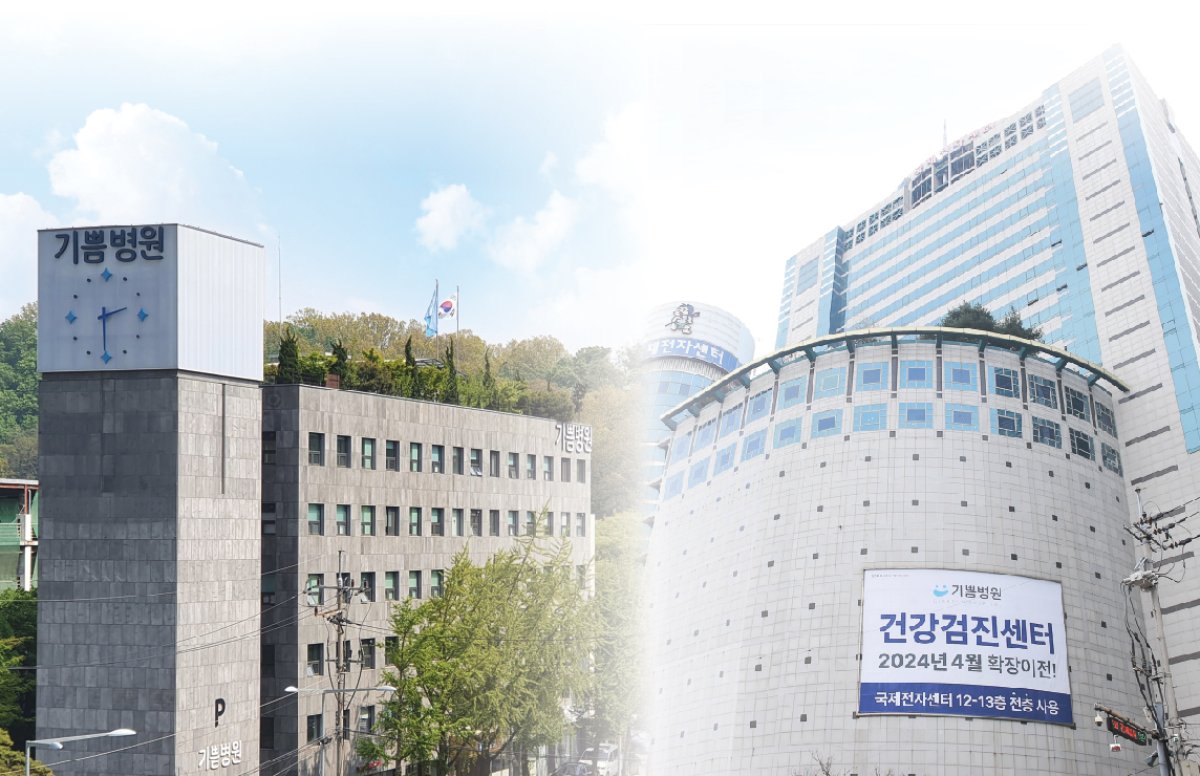

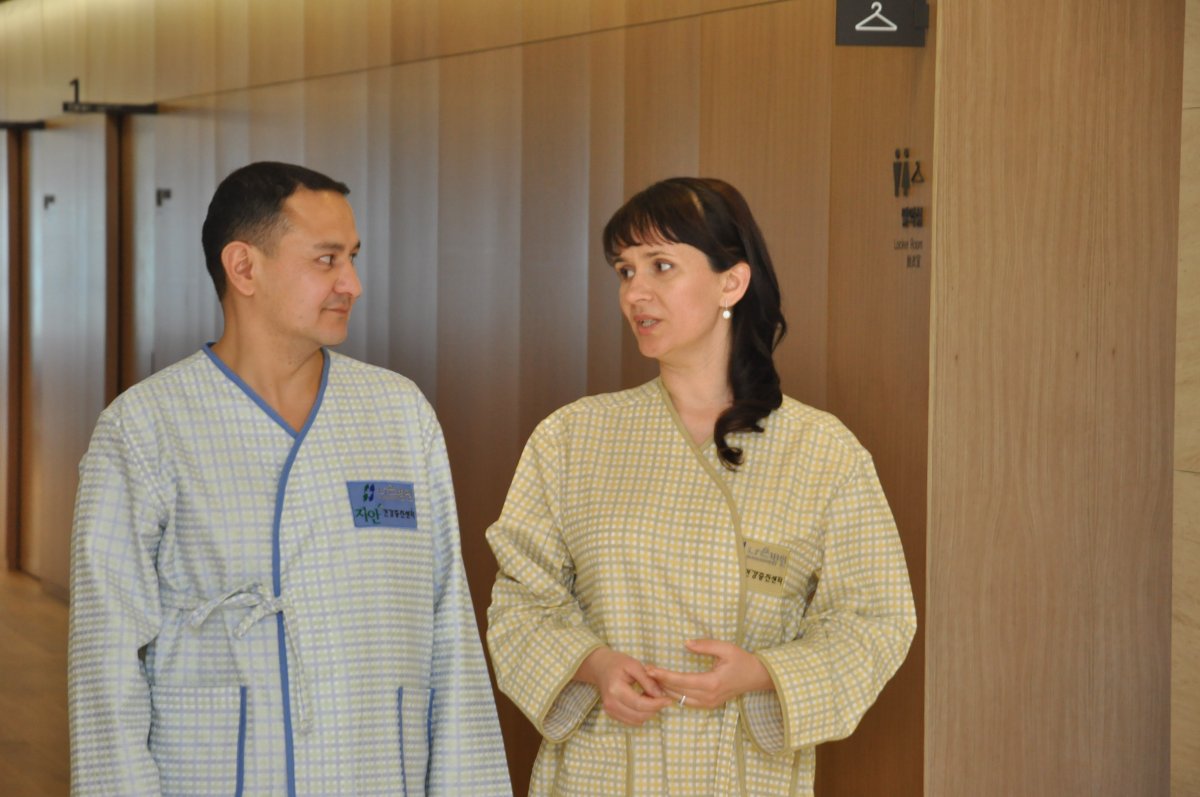

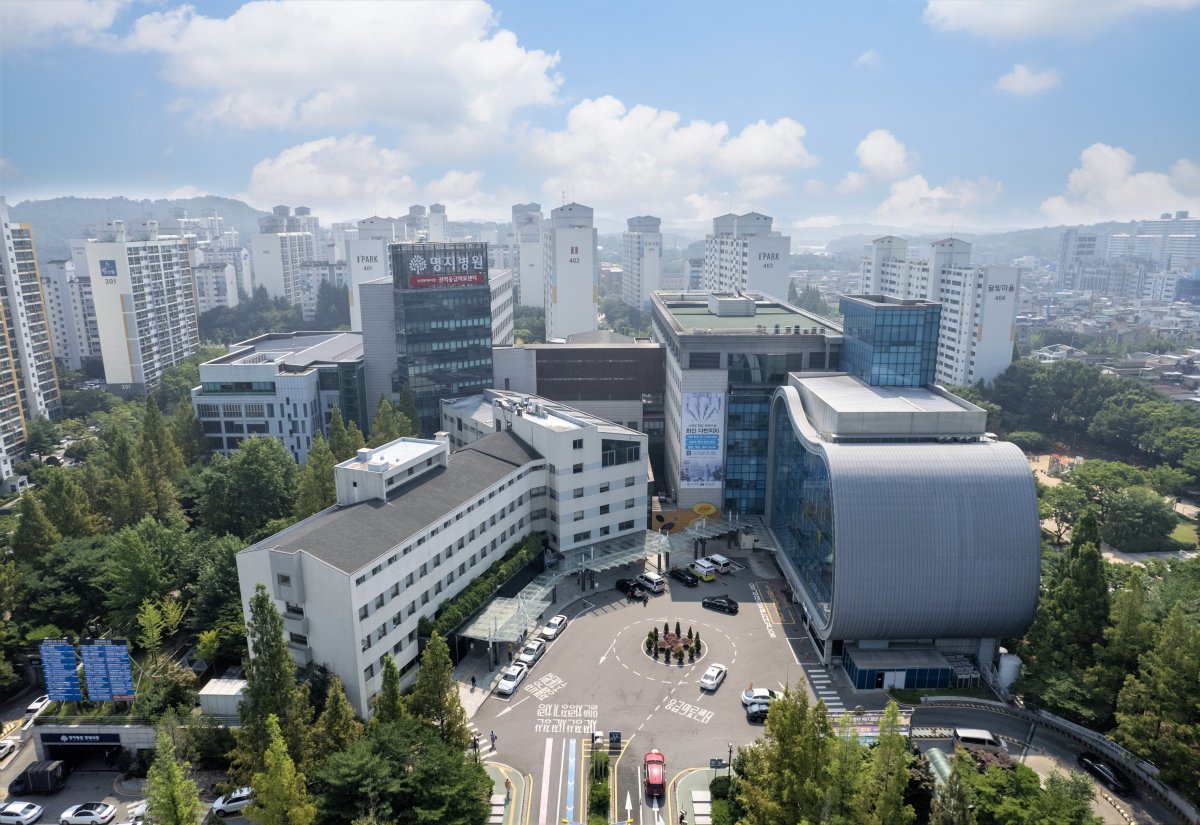





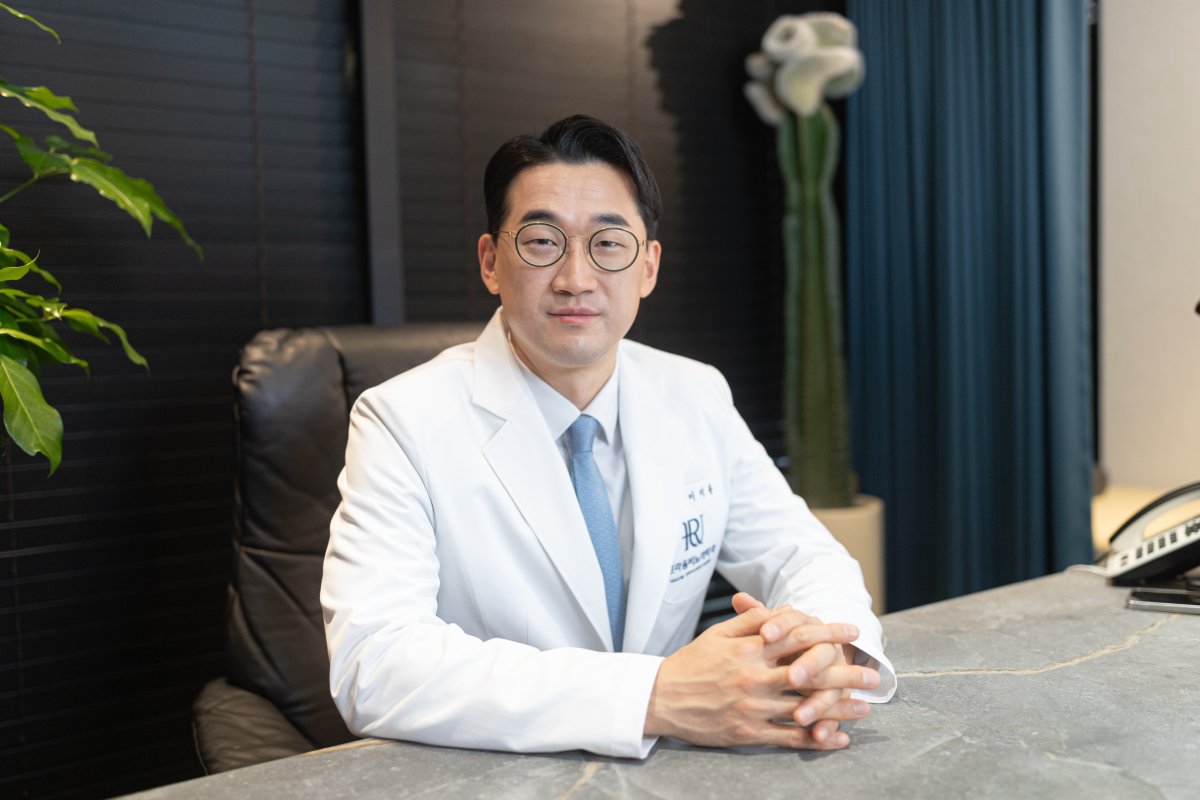
Praumurology







أفضل مراكز طب الجهاز البولي في كوريا الجنوبية
- مستشفى جيبيوم العام, كوريا الجنوبية
- NAEUN HOSPITAL, كوريا الجنوبية
- Myongji Hospital, كوريا الجنوبية
- Samsung Medical Center, كوريا الجنوبية
- VG Plastic Surgery, كوريا الجنوبية
- Praumurology, كوريا الجنوبية
- Ewha Womans University Medical Center, كوريا الجنوبية
- Asan Medical Center, كوريا الجنوبية
- Seoul National University Bundang Hospital (SNUBH), كوريا الجنوبية
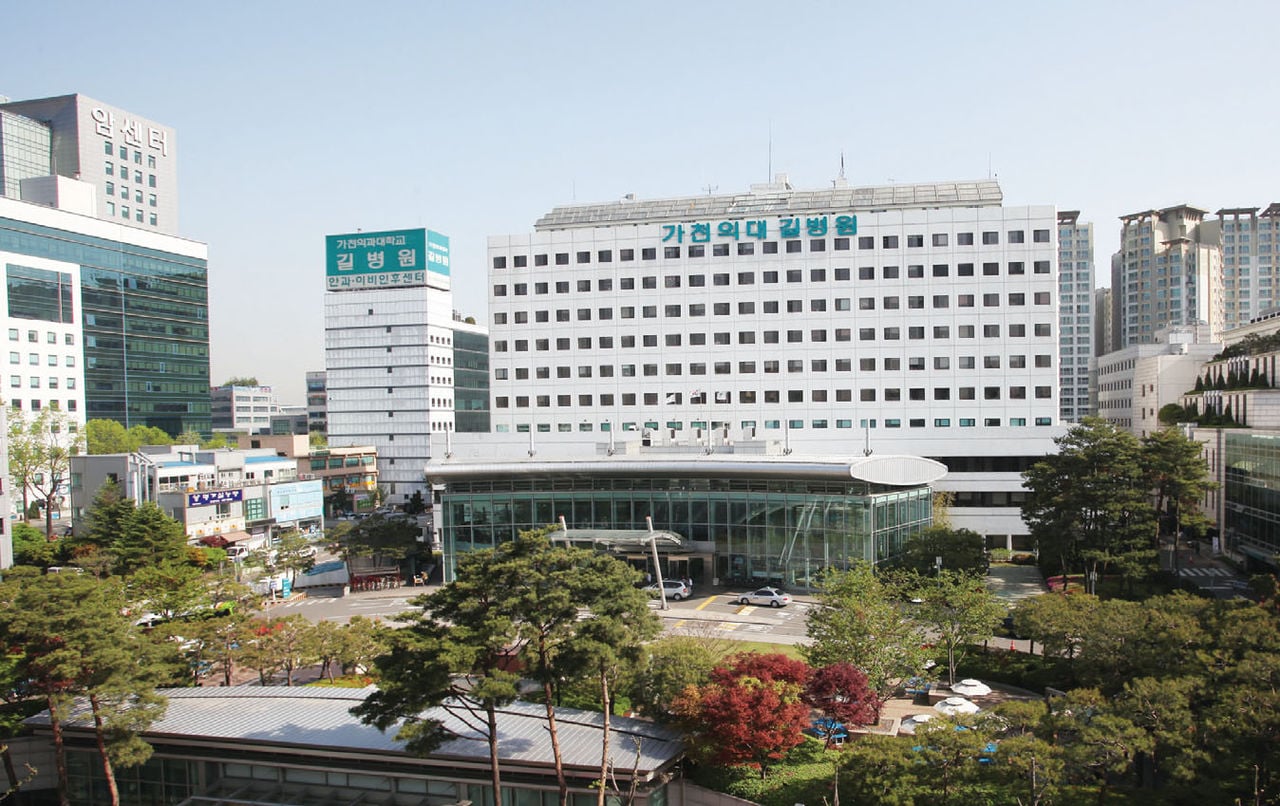
- Gachon University Gil Medical Center, كوريا الجنوبية
احصل على تقييم طبي لـ طب الجهاز البولي في كوريا الجنوبية. استشر الآن 21 أطباء ذوي الخبرة.
عرض جميع الأطباء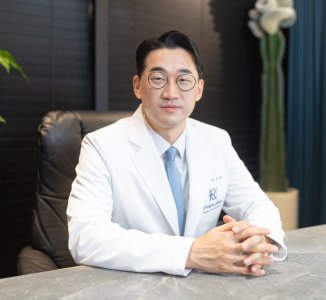
Ji Yong Lee
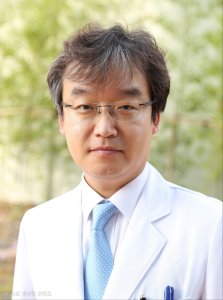
Sohn Dong-wan
الدكتور سون دونغ-وان متخصص في أورام المسالك البولية والسلس البولي والضعف الجنسي. يجري جراحات البروستاتا بالليزر. ويقدم علاجاً روبوتياً وبالتنظير البطني لسرطانات البروستاتا والمثانة والحالب والكلية. كما يعالج انسداد الوصل الحويضي الحالبي.
تشمل ممارساته طفيفة التوغل استئصال الكلية واستئصال البروستاتا بالمنظار. يجري TURBT وTURP بالمنظار المثاني. ويقدم إزالة الحصوات بالليزر عبر المنظار الحالبي واستخراج حصى الكلى عبر الجلد. ويعالج تضخم البروستاتا الحميد (BPH)، والتهاب البروستاتا، وحصوات الم
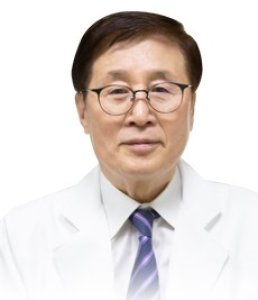
Lee Chunyong
الدكتور لي تشونيونغ طبيب مسالك بولية حاصل على دكتوراه في الطب من كلية الطب بجامعة هانيانغ. يتركز عمله السريري على حصى الكلى والمسالك البولية، بما في ذلك تفتيت الحصى بالموجات الصادمة خارج الجسم (ESWL)، وأمراض البروستات (تضخّم البروستات الحميد BPH، سرطان البروستات، التهاب البروستات)، والضعف الجنسي، وقطع القناة المنوية، والتهاب المثانة، وسلس البول، واضطرابات التبوّل.
شغل منصب مدير مستشفى جامعة هانيانغ. وكان أستاذًا ورئيس قسم المسالك البولية بكلية الطب في جامعة هانيانغ. وتولّى رئاسة الجمعي
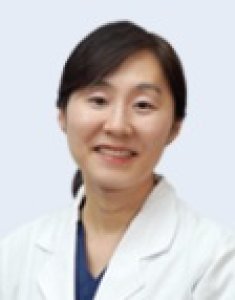
Jang Hyunkyung
الدكتورة جانغ هيون كيونغ طبيبة مسالك بولية حاصلة على البورد. أنهت برنامج الإقامة والزمالة السريرية في Gachon University Gil Medical Center. وعملت لاحقًا أستاذة مساعدة إكلينيكية في طب المسالك البولية في Korea University Ansan Hospital وفي International St. Mary’s Hospital.
تشمل اهتماماتها السريرية تضخم البروستاتا الحميد (BPH)، حصيات الجهاز البولي، سلس البول واضطرابات التبول، والتهابات المسالك البولية. كما تركز على مسالك الذكور، ومسالك الأطفال، والتصوير فوق الصوتي للمسالك البولية.
المراجعات
جميع المراجعاتمواد ذات صلة

ما هو أحدث علاج لضعف الانتصاب؟
كتب بواسطة Mariia Mytrofankina

ما هي تكلفة علاج ضعف الانتصاب في عام 2025؟
كتب بواسطة Mariia Mytrofankina

ما هي تكلفة علاج الورم الحميد (تضخم البروستاتا الحميد)؟
كتب بواسطة Veronika Kazina

ما هي تكلفة علاج التهاب البروستاتا؟
كتب بواسطة Veronika Kazina
مشاركة المحتوى
قصص فيديو من مرضى Bookimed
 Anna Leonova
أسئلة متكررة حول طب الجهاز البولي في كوريا الجنوبية
ما هي نسبة نجاح الجراحات البولية في كوريا؟
معدل النجاح لعمليات جراحة المسالك البولية في جمهورية كوريا يعد من بين الأعلى عالميًا، حيث تصل نسبة البقاء على قيد الحياة لمدة خمس سنوات لدى المصابين بسرطان البروستاتا إلى 96.4٪. تحقق المرافق هذه النتائج باستخدام أنظمة الروبوت المتقدمة. يستخدم أكثر من 74٪ من عمليات استئصال البروستاتا الجذرية نظام دافنشي الروبوتي لتعزيز الدقة.
- سرطان البروستاتا: تصل نسبة البقاء إلى 96.4٪، مما يضاهي أو يتفوق على معايير الرعاية الصحية في الولايات المتحدة.
- سرطان الكلى: يبلغ التقرير أن معدلات البقاء النسبي لمدة خمس سنوات تبلغ حوالي 84.7٪.
- سرطان المثانة: تصل معدلات البقاء إلى 76.5٪، وغالبًا ما تتضمن تركيب مثانة صناعية متقدمة.
- رأب حوض الكلية الروبوتي: النجاح الفني لهذا الإجراء الإصلاحي حوالي 80٪ في المراكز الكبرى.
رأي الخبير من بوكميد: تظهر البيانات من المراكز ذات الأحجام الكبيرة مثل مركز سامسونج الطبي، الذي يعالج أكثر من 2,000,000 مريض سنويًا، وجود علاقة بين استخدام الروبوت وسرعة التعافي. العيادات التي تستخدم نظام دافنشي الجراحي غالبًا ما تُبلغ عن معدلات أعلى من التحكم في العملية بعد الجراحة. هذه التقنية هي المعيار في المرافق المصنفة من قبل نيوزويك في سيؤول وإنشيون.
إجماع المرضى: يبرز المرضى أن جراحات استئصال البروستاتا الروبوتية في كوريا غالباً ما تؤدي إلى انعدام السلس خلال 6 أشهر. ينصح الكثيرون باستخدام خدمات الترجمة للتعامل مع البيئة السريرية ذات المستوى المهني العالي ولكن السريعة الإيقاع.
ما هي المستشفيات المعترف بها عالمياً في مجال جراحة المسالك البولية في كوريا الجنوبية؟
مستشفى جامعة سيول الوطنية ومستشفى سيفرانس هما من المراكز العالمية الرائدة في أمراض المسالك البولية في كوريا الجنوبية. تصنف هذه المؤسسات ضمن أفضل 25 مركزًا عالميًا في رعاية المسالك البولية. وهي متخصصة في الجراحات بمساعدة الروبوتات. معظم المرافق تحمل اعتمادات JCI أو KOIHA. غالبًا ما يحتفظ الجراحون بشهادات دولية.
- جامعة سيول الوطنية: مصنفة في المرتبة رقم 2 على مستوى العالم. تبلغ نسبة نجاح جراحة سرطان البروستاتا 96%.
- مستشفى سيفرانس: كان هذا المستشفى الأول في آسيا الذي ينفذ نظم الجراحة الآلية.
- مركز سامسونج الطبي: زعيم في علم الأورام البولية. يجري أكثر من 45,000 عملية سنويًا.
- مركز أسان الطبي: أكبر مستشفى في كوريا الجنوبية. يتعامل مع أكبر كمية من الحالات المعقدة في المسالك البولية.
- جامعة كوريا أنام: رائدة في جراحة الروبوت. قامت بأول عملية استبدال مثانة باستخدام الروبوت في آسيا.
رؤية الخبير من Bookimed: غالبًا ما تشارك المراكز ذات الحجم الكبير مثل مستشفى سيفرانس ومركز سامسونج الطبي الموارد مع الشركات التقنية الكبرى. يؤدي هذا التعاون إلى دمج أسرع للذكاء الصناعي والتصوير الرقمي. للمرضى، يعني ذلك تشخيصات أكثر دقة. كما يؤدي إلى تقليل الأخطاء الطبية خلال الإجراءات الروبوتية المعقدة.
إجماع المرضى: غالبًا ما يذكر المرضى أن المستشفيات الخاصة توفر مواعيد أسرع بكثير من الأنظمة العامة. كما يشيرون إلى أن وجود منسقين يتحدثون الإنجليزية بطلاقة يجعل من السهل التنقل خلال العلاجات المعقدة لعلم الأورام.
هل يتوفر أطباء مسالك بولية يتحدثون الإنجليزية وخدمات الدعم الدولية؟
أطباء المسالك البولية الناطقين باللغة الإنجليزية وخدمات الدعم الدولية متوفرة بشكل واسع في كوريا الجنوبية في المراكز الطبية الكبرى. المستشفيات في سيول وإنشيون تقدم أقسام متخصصة للمرضى الدوليين. تقوم هذه الفرق بإدارة الترجمة اللغوية، الوثائق الطبية، واللوجستيات للمرضى العالميين الذين يسعون للحصول على رعاية في مجال المسالك البولية.
- الأقسام المتخصصة: يحتوي مستشفى سيفيرانس ومركز سامسونج الطبي على مراكز مخصصة للمرضى الدوليين.
- شهادات الخبرة: الأطباء الجراحون، مثل الدكتور سون دونغ وان، لديهم تدريبات دولية في الولايات المتحدة الأمريكية.
- معايير الاعتماد: غالبًا ما تحصل المرافق على شهادات JCI أو KOIHA لضمان الأمان العالمي.
- دعم اللغة: توفر العيادات الرائدة مترجمين محترفين للاستشارات وخطوط مساعدة على مدار الساعة.
رؤية خبير Bookimed: تُظهر البيانات أن المستشفيات الأعلى تقييمًا في سيول، مثل مركز آسان الطبي، غالبًا ما تعمل بمقاييس ضخمة، حيث تخدم أكثر من 11,000 مريض خارجي يوميًا. يتيح هذا الحجم الكبير لهذه المؤسسات الحفاظ على فرق متخصصة في اللغة الإنجليزية في مجال المسالك البولية التي تفتقر إليها العيادات الأصغر. ينبغي على المرضى إعطاء الأولوية للمرافق التي تحمل اعتماد الرعاية الصحية العالمية (GHA) لضمان أسلس تجربة تواصل.
إجماع المرضى: يلاحظ المرضى أنه بينما يتحدث الأطباء في العيادات الكبرى غالبًا الإنجليزية بطلاقة، قد تفتقر العيادات الإقليمية الأصغر إلى الدعم المتواصل. ويوصون باستخدام الأقسام الدولية للتعامل مع الوثائق وضمان تجر
ما هي أكثر الإجراءات البولية شيوعًا التي يطلبها المرضى الدوليون؟
المرضى الدوليون يطلبون أساساً استئصال البروستاتا روبوتياً بطريقة دافينشي، إزالة حصى الكلى، وإجراءات تعزيز الذكورة في كوريا الجنوبية. تستفيد مراكز متخصصة مثل مركز سامسونغ الطبي ومستشفى سيفيرانس من الأنظمة الروبوتية المتقدمة لعلاج السرطان. تشمل الطلبات الشائعة أيضاً علاج الخلايا الجذعية لعلاج ضعف الانتصاب والعمليات الترميمية المعقدة.
- إجراءات الأورام: تتراوح تكلفة استئصال البروستاتا روبوتياً بطريقة دافينشي بين من $18,000 لعلاج السرطان.
- تعزيز الذكورة: تشمل الخيارات الشائعة Peniflex وتصحيح انحناء القضيب باستخدام تقنيات الحد الأدنى من التدخل الجراحي.
- علاجات العقم: يجري المتخصصون انسداد دوالي الخصية وخزعات الخصية للتشخيصات المتقدمة في الخصوبة.
- العمليات الجراحية البسيطة: يُطلب غالباً إجراء الختان للبالغين وقطع القناة الدافقة لأسباب جمالية ووظيفية.
رؤية خبراء Bookimed: غالباً ما تتصدر عيادات أمراض المسالك البولية في كوريا الجنوبية مثل مركز أسان الطبي في حجم العمليات الجراحية. يقوم مركز أسان الطبي بأكثر من 65,000 عملية جراحية سنوياً. يتيح هذا الحجم الكبير للجراحين تقديم تقنيات متطورة، مثل أول استبدال مثانة روبوتي في آسيا. يستفيد المرضى من هذه الخبرة من خلال ارتفاع معدلات النجاح في الحالات الترميمية المعقدة.
اتفاقية المرضى: يشير المرضى إلى أن إجراءات تعزيز القضيب توفر زيادات ملحوظة في الحجم مع فترة نقاهة قصيرة. يؤكد الكثيرون على أهمية استخدام خدمات الترجمة الاحترافية المقدمة من المستشفيات للتعام