عملية جراحية في إسبانيا — التكاليف 2026

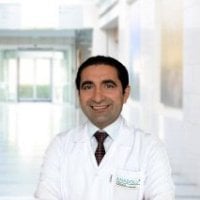
تمت مراجعة المقالة طبيا من قبل
Abdulcabbar Kartal
ما هي تكلفة عملية جراحية في إسبانيا؟ اكتشف الآن
تتراوح تكلفة الجراحة في إسبانيا عادةً بين $14,600 و $21,000. تختلف التكاليف بناءً على مدى تعقيد الإجراء، وخبرة الجراح، وموقع المستشفى. يمكن للمرضى توفير 40-60% مقارنة بالأسعار في الولايات المتحدة.
تكاليف الجراحة النموذجية في إسبانيا
- استئصال الورم العضلي (Myomectomy): من $16,400
تقع المراكز الجراحية الرئيسية في مدريد وبرشلونة وفالنسيا وإشبيلية، حيث تكون الأسعار في فالنسيا وإشبيلية غالباً أقل بنسبة 10-20% مقارنة بمدريد. يمكن أن تساعدك الاستشارة مع أخصائي في تحديد السعر الدقيق بناءً على احتياجاتك الطبية.
جميع أمراض عملية جراحية
مزاياك وضماناتك مع Bookimed
أسعار مباشرة
Bookimed لا يضيف رسوماً إضافية على أسعار علاج عملية جراحية. الأسعار مأخوذة من قوائم الأسعار الرسمية للعيادات. تدفع مباشرة في العيادة مقابل علاجك عند وصولك إلى البلد.
عيادات وأطباء معتمدون فقط
Bookimed ملتزم بسلامتك. نحن نعمل فقط مع المؤسسات الطبية التي تحافظ على معايير دولية عالية في علاج عملية جراحية ولديها التراخيص اللازمة لخدمة المرضى الدوليين في جميع أنحاء العالم.
مساعدة مجانية على مدار الساعة
Bookimed يقدم مساعدة خبراء مجانية. منسق طبي شخصي يدعمك قبل وأثناء وبعد العلاج، ويحل أي مشاكل. لن تكون وحيداً أبداً في رحلة علاج عملية جراحية.

منسقك الطبي الشخصي في Bookimed
- يدعمك في كل مرحلة
- المساعدة في اختيار العيادة الطبية المناسبة والطبيب المناسب
- يضمن الوصول السريع والمريح إلى المعلومات
اكتشف أفضل عيادات عملية جراحية: 26 خيارات معتمدة والأسعار





عيادة أمراض الجهاز الهضمي وجراحة القولون Centro PAD
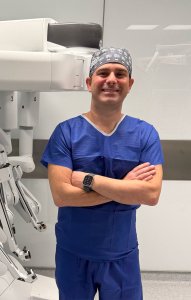
Carlos Garcia Vasquez







SJD Barcelona Children’s Hospital



أفضل مراكز عملية جراحية في إسبانيا
- عيادة أمراض الجهاز الهضمي وجراحة القولون Centro PAD, إسبانيا
- Centro Médico Teknon, إسبانيا
- Quirónsalud Marbella, إسبانيا
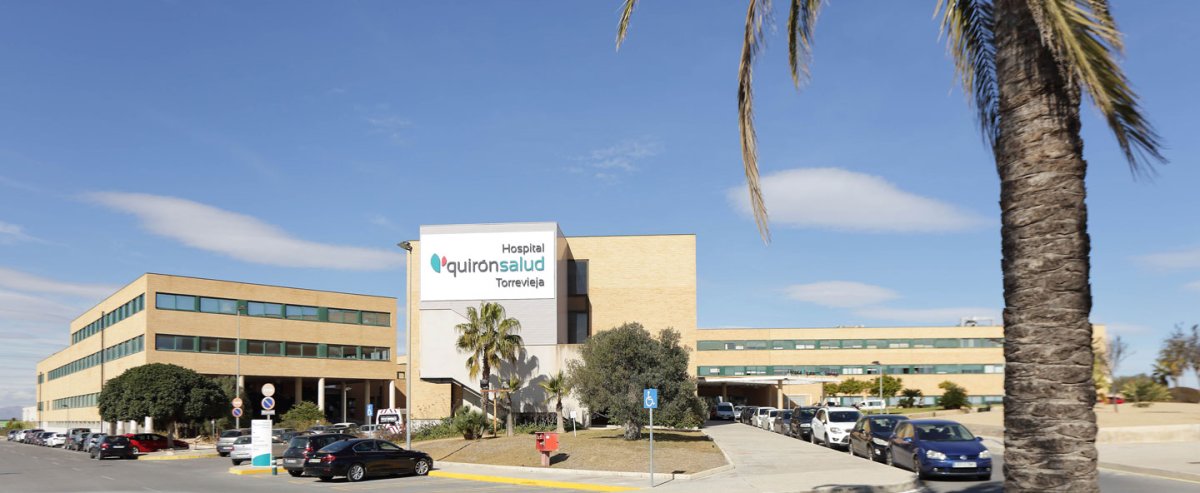
- Quironsalud Torrevieja, إسبانيا
- Quironsalud Madrid, إسبانيا
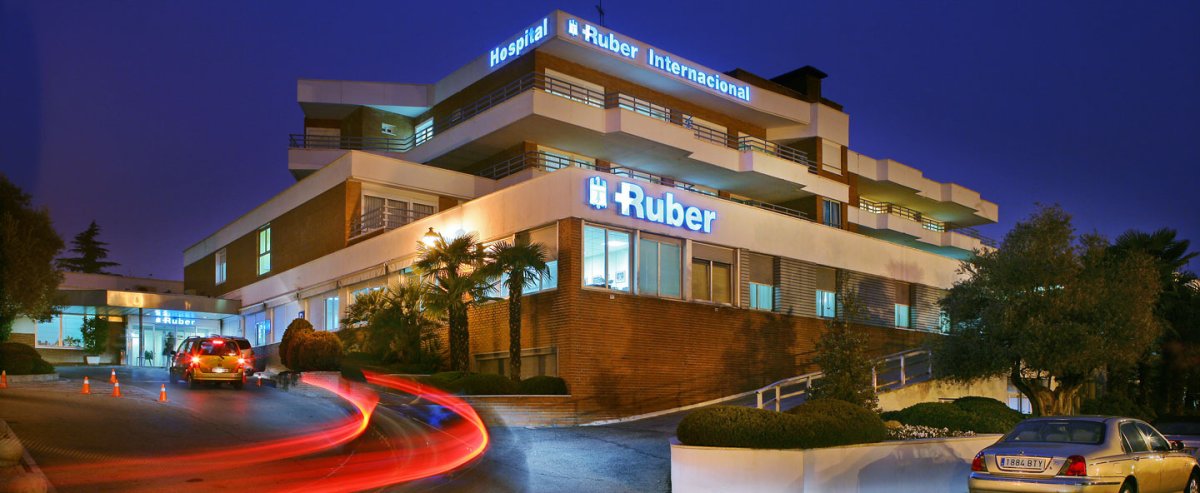
- مستشفى Ruber Internacional, إسبانيا
- Clinica Granado Tiagonce, إسبانيا
- SJD Barcelona Children’s Hospital, إسبانيا
- Hospital Quiron Barcelona, إسبانيا
- HM Hospitales, إسبانيا
احصل على تقييم طبي لـ عملية جراحية في إسبانيا. استشر الآن 83 أطباء ذوي الخبرة.
عرض جميع الأطباءCarlos Garcia Vasquez
جرّاح في الجراحة العامة وجراحة الجهاز الهضمي. يركز على جراحات القولون والمستقيم والشرج وجدار البطن طفيفة التوغل. رئيس مشارك، Infanta Elena University Hospital (2021–). جرّاح معاون، Fundación Jiménez Díaz (2013–).
الاعتمادات: دكتوراه في الجراحة بامتياز مع مرتبة الشرف العليا (UAM). معتمد في الجراحة الروبوتية (Da Vinci X/Xi/5). تدريب متقدم في الجراحة العامة بالمنظار (IRCAD، ستراسبورغ). اختصاصي في الجراحة العامة وجراحة الجهاز الهضمي (Fundación Jiménez Díaz).
الإنجازات: باحث (2013–).

Jose Emilio Batista Miranda
رائد جراحة البروستاتا بالليزر في برشلونة - يستخدم الدكتور باتيستا تقنيات طفيفة التوغل في مركز تيكنون الطبي (Centro Médico Teknon).
- أكثر من 35 عاماً من التخصص في جراحة المسالك البولية الوظيفية والأطفال
- الأول في برشلونة في استخدام ليزر GreenLight وThulium وHolmium
- مؤسس Uroclínica - وحدة المسالك البولية الرائدة في تيكنون
- تلقى تدريب الزمالة في مستشفى الأطفال بهارفارد وجامعة بوسطن
- مؤلف لـ 102 مقال و84 تقريراً علمياً

Alberto Diez-Caballero Alonso
خبير في الجراحة طفيفة التوغل مع التركيز على إجراءات الجهاز الهضمي. يجمع الدكتور دييز كاباليرو ألونسو بين التميز الأكاديمي والخبرة الجراحية العملية.
- متخصص في تقنيات التنظير البطني للتعافي بشكل أسرع
- محاضر في جراحة المناظير بجامعة نافار
- عضو في الجمعية الأوروبية لجراحة المناظير
- محاضر إكلينيكي مشارك مع خلفية تدريسية واسعة
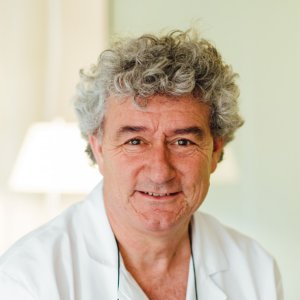
Jordi Antoni Vives
الدكتور جوردي أنطوني فيفيس اختصاصي أمراض النساء والتوليد في تيكنوجين (Centro Médico Teknon، برشلونة). يركّز على جراحة أورام أمراض النساء، وأمراض الرحم والحوض المعقّدة، وتنسيق لجنة الأورام. يقود قسم التوليد في مستشفى CIMA منذ 2015. وهو طبيب استشاري في Parc Taulí منذ 1990.
التعليم/الاعتمادات: درجة في الطب والجراحة، جامعة برشلونة (1983). إقامة MIR في أمراض النساء والتوليد (1990). دبلوم الجامعة الأوروبية في التنظير الجراحي في أمراض النساء، المستوى المتقدم (2000). اعتماد الجراحة الروبوتية ب
المراجعات
جميع المراجعاتمشاركة المحتوى
قصص فيديو من مرضى Bookimed
 Anna Leonova
أسئلة متكررة حول عملية جراحية في إسبانيا
هل الأطباء الإسبان مؤهلون تأهيلاً جيداً؟
الأطباء الإسبان مؤهلون تأهيلاً عالياً. فهم يكملون 6 سنوات من كلية الطب تليها برنامج إقامة (MIR) تنافسي لمدة 4-6 سنوات. يحمل العديد من الجراحين المتخصصين شهادات إضافية من مجالس أمريكية أو أوروبية. يضمن هذا التدريب المكثف استيفاءهم لأدق المعايير الطبية الدولية.
- مؤهلات الخبراء: أجرى جراحون مثل الدكتور أنطونيو دي لاسي فورتوني أكثر من 15,000 عملية جراحية ناجحة.
- التدريب العالمي: غالباً ما يتدرب المتخصصون في مؤسسات مثل مايو كلينك أو مستشفى ماساتشوستس العام.
- المرافق المعتمدة: مراكز رائدة مثل سنترو ميديكو تكنون حاصلة على اعتماد اللجنة الدولية المشتركة (JCI).
- الريادة المتخصصة: تقود إسبانيا العالم في زراعة الأعضاء، والأورام، وتقنيات الجراحة الروبوتية.
رؤية خبير Bookimed: تظهر بياناتنا اتجاهاً فريداً في عيادات برشلونة ومدريد. غالباً ما يعمل كبار الجراحين هناك، مثل أولئك الموجودين في سنترو ميديكو تكنون، كطاقم طبي رسمي لمنظمات النخبة مثل نادي برشلونة. تتطلب هذه البيئة عالية المخاطر من الجراحين الحفاظ على معدلات نجاح تصل إلى 99%. اختيار هؤلاء المتخصصين يضمن حصولك على نفس مستوى الرعاية الذي يتلقاه الرياضيون المحترفون.
إجماع المرضى: يلاحظ المرضى أن العيادات الخاصة توفر وصولاً أسرع بكثير من الأنظمة العامة. كما يجدون أن الجراحين في مراكز مثل كويرونسالود غالباً ما يتحدثون لغات متعددة. وهذا يجعل التواصل أسهل بكثير للزوار الدوليين.
ما مدى أمان المستشفيات للمرضى الدوليين؟
توفر المستشفيات الإسبانية معايير سلامة عالية للمرضى الدوليين من خلال اعتمادات صارمة من اللجنة الدولية المشتركة (JCI) وتكنولوجيا جراحية متقدمة. تمتلك مرافق رائدة مثل Centro Médico Teknon و Hospital Quiron Barcelona 23 غرفة عمليات لكل منهما. وهي تستخدم أنظمة دافنشي الروبوتية وتشخيصات PET-CT لتقديم رعاية دقيقة وبأقل تدخل جراحي.
- اعتماد المستشفيات: تمتلك مراكز رائدة مثل Quironsalud Madrid اعتمادات JCI وتصنيفات كأفضل مستشفيات في العالم من قبل مجلة نيوزويك.
- الخبرة الجراحية: أجرى جراحون مثل الدكتور أنطونيو دي لاسي فورتوني أكثر من 15,000 إجراء في الجهاز الهضمي.
- التكنولوجيا المتخصصة: تتميز المرافق بالجراحة الروبوتية، وأدوات تنظير البطن، وأنظمة التصوير ثلاثي الأبعاد المكثفة.
- حجم المرضى: تعالج المراكز ذات السعة العالية مثل Quironsalud Torrevieja أكثر من 120,000 مريض سنويًا وفقًا لبروتوكولات محددة.
رؤية خبير Bookimed: تظهر البيانات أن العيادات التي تستقبل أعدادًا كبيرة من المرضى الدوليين، مثل تلك الموجودة في مجموعة Quironsalud، غالبًا ما تحتوي على أقسام مخصصة للمواطنين الأجانب. هذه البنية التحتية حيوية لأنها تسد الفجوة في بروتوكولات الخروج. بينما تجري بعض العيادات الصغيرة 600 عملية جراحية سنويًا، توفر المراكز الأكبر المعتمدة من JCI في برشلونة ومدريد دعمًا إداريًا أكثر قوة للمقيمين من خارج الاتحاد الأوروبي.
إجماع المرضى: يشير المرضى إلى أن المرافق الخاصة تضاهي معايير شمال أوروبا، لكنهم يوصون باليقظة بشأن فجوات اللغة. يقترح الك
هل جودة الرعاية الصحية والسلامة الجراحية في إسبانيا تضاهي المعايير العالمية الرائدة؟
تضاهي جودة الرعاية الصحية والسلامة الجراحية في إسبانيا المعايير العالمية، حيث احتلت المرتبة السادسة في مؤشر نومبيو للرعاية الصحية لعام 2026. يدمج النظام مستشفيات معتمدة من اللجنة الدولية المشتركة (JCI) وتقنيات روبوتية متقدمة. أجرى جراحون إسبان مثل الدكتور أنطونيو دي لاسي فورتوني أكثر من 15,000 تدخل جراحي، وكانوا رواداً في تقنيات هي الأولى من نوعها في العالم.
- الاعتماد: تحافظ أكثر من 13 مستشفى، بما في ذلك مركز تيكنون الطبي (Centro Médico Teknon)، على المعايير الذهبية للجنة الدولية المشتركة (JCI).
- التكنولوجيا: تستخدم المرافق أنظمة دافنشي الروبوتية والتصوير ثلاثي الأبعاد للجراحة طفيفة التوغل عالية الدقة.
- معايير النتائج: تسجل إسبانيا أعلى متوسط عمر متوقع في الاتحاد الأوروبي عند 84 عاماً مع انخفاض في معدلات الوفيات التي يمكن تجنبها.
- الخبرة المتخصصة: تضم مراكز مثل مستشفى كيرون برشلونة (Hospital Quiron Barcelona) 23 غرفة عمليات ومعاهد متخصصة في الأورام.
رؤية خبير Bookimed: تظهر البيانات اتجاهاً واضحاً لارتفاع حجم المرضى في المراكز الخاصة الإسبانية، حيث يخدم مركز كيرونسالود توريفاييخا (Quironsalud Torrevieja) 120,000 مريض سنوياً. وعلى الرغم من أن فترات الانتظار في القطاع العام قد تصل إلى 6 أشهر، توفر هذه المرافق الخاصة وصولاً سريعاً للحالات الدولية. توازن العيادات ذات التصنيف العالي مثل مركز تيكنون الطبي (تصنيف 4.7) بين هذا الحجم الكبير والرعاية الشخصية للمرضى ذوي المكانة العالية.
إجماع المرضى: يشير المرضى إلى أن المهارات
ما هي فترات الانتظار المعتادة للجراحة، وكيف تقارن العيادات الخاصة الإسبانية؟
يبلغ متوسط فترات انتظار الجراحة العامة في إسبانيا من 112 إلى 121 يوماً. الإجراءات المتخصصة مثل الجراحة التجميلية يمكن أن تتجاوز 230 يوماً. العيادات الخاصة مثل Centro Médico Teknon أو Hospital Quiron Barcelona تقلل هذا بشكل كبير. يتم جدولة معظم العمليات الجراحية الخاصة في غضون 15 إلى 30 يوماً من الاستشارة.
- فترات الانتظار العامة: غالباً ما تنتظر الحالات غير العاجلة 4 أشهر أو أكثر.
- سرعة العيادات الخاصة: تتم الاستشارات في غضون أيام. وتليها الجراحة في غضون 2-4 أسابيع.
- الاختلافات الإقليمية: فترات الانتظار أقصر في مدريد منها في الأندلس.
- تأثير التخصص: جراحة القلب أسرع من جراحة الأعصاب في الأنظمة العامة.
رؤية خبير Bookimed: تخدم المراكز ذات الحجم الكبير مثل Quironsalud Torrevieja حوالي 120,000 مريض سنوياً. يسمح حجمها الهائل بوجود مسارات سريعة مخصصة للمرضى الدوليين. بينما تكون قوائم الانتظار العامة المحلية طويلة، تحافظ هذه المراكز الخاصة على أكثر من 20 غرفة عمليات لضمان التوفر الفوري. تحافظ هذه القدرة على فترات انتظار أقل من 3 أسابيع باستمرار حتى للحالات الروبوتية المعقدة.
إجماع المرضى: يلاحظ المرضى أن فترات الانتظار العامة للمشاكل غير العاجلة يمكن أن تمتد لعام كامل. يصف الكثيرون اختيار العيادات الخاصة بأنه قرار بديهي لتجنب الانزعاج المطول وضمان إجراء الجراحة في الأسبوع التالي.
ماذا يحدث إذا حدثت مضاعفات بعد الجراحة قبل عودتي إلى المنزل؟
توفر المستشفيات الإسبانية تدخلاً طبياً فورياً لأي مضاعفات يتم اكتشافها قبل الخروج. تقوم فرق الرعاية المتخصصة في مرافق مثل Centro Médico Teknon بمراقبة العلامات الحيوية ومواقع الجراحة على مدار الساعة طوال أيام الأسبوع. إنهم يديرون المخاطر من خلال تدخلات سريعة. وتشمل هذه المضادات الحيوية الوريدية للعدوى أو المراجعات الجراحية الفورية للنزيف.
- المراقبة السريرية: يقوم الممرضون والأطباء بمراقبة مستويات الألم والعلامات الحيوية بشكل متكرر أثناء إقامتك.
- الجدول الزمني لما بعد الجراحة: توفر العيادات الإسبانية عادةً من يوم إلى 3 أيام من مراقبة التعافي في الموقع.
- إشراف الخبراء: يشرف جراحون مثل الدكتور أنطونيو دي لاسي فورتوني على التعافي في حالات الجهاز الهضمي المعقدة.
- معايير الاستقرار: تمدد الفرق الطبية إقامتك في المستشفى حتى يتم استيفاء جميع معايير السلامة السريرية.
رؤية خبير Bookimed: تظهر البيانات من المراكز الإسبانية الأعلى تصنيفاً اتجاهاً نحو استخدام التقنيات الروبوتية وبالمنظار لتقليل مخاطر ما بعد الجراحة. على سبيل المثال، تستخدم عيادات مثل Hospital Quiron Barcelona وCentro PAD أنظمة Da Vinci لجراحات الجهاز الهضمي. تؤدي هذه الطرق ذات التدخل الجراحي البسيط عادةً إلى مضاعفات فورية أقل. وهذا يسمح للمرضى باستيفاء معايير الخروج بشكل أسرع مع الحفاظ على معايير سلامة عالية.
إجماع المرضى: يشير المرضى إلى أن المراقبة الفورية بعد الجراحة في إسبانيا فعالة للغاية. أي ارتفاع في الألم أو التورم يؤدي إلى استجابات عاجلة من الموظفين في ال
ما هي التخصصات الجراحية الأكثر طلباً من قبل المرضى الدوليين والتي يتم تقديمها بشكل روتيني في إسبانيا؟
يختار المرضى الدوليون إسبانيا بشكل أساسي لجراحات التجميل والأورام والإجراءات العظمية. تقدم المرافق الرائدة المعتمدة من قبل JCI في مدريد وبرشلونة بشكل روتيني تقنيات روبوتية وتنظيرية متقدمة. تجذب هذه التخصصات المرضى العالميين من خلال مزيج من معدلات نجاح تصل إلى 90% في الحالات المعقدة وأوقات انتظار أقصر.
- جراحة التجميل: تركز على تكبير الثدي، تجميل الأنف، وشفط الدهون في ماربيا ومدريد.
- الأورام: توفر مراكز متخصصة مثل Centro Médico Teknon جراحة اختزال الخلايا مع HIPEC.
- جراحة العظام: أحجام كبيرة من استبدال المفاصل والطب الرياضي، وغالباً ما تستخدم أنظمة روبوتية.
- جراحة الجهاز الهضمي: الاستخدام الروتيني لأنظمة دافنشي الروبوتية للإجراءات المعوية المعقدة.
- جراحة السمنة: تشمل حلول فقدان الوزن الشائعة تحويل مسار المعدة وتكميم المعدة في العيادات الخاصة.
رؤية خبير Bookimed: يتميز المشهد الجراحي الخاص في إسبانيا بتخصص دقيق للغاية داخل مجموعات المستشفيات الكبرى. على سبيل المثال، يجري Centro Médico Teknon 23,500 عملية سنوياً، ومع ذلك يحتفظ بوحدات متخصصة للغاية لسرطان الصفاق. يجب على المرضى البحث عن هذه الوحدات المخصصة بدلاً من أقسام الجراحة العامة للوصول إلى أعلى تركيز من التكنولوجيا والخبرة المتخصصة.
إجماع المرضى: يلاحظ المرضى أن اختيار المستشفيات الخاصة في إسبانيا يقلل بشكل كبير من أوقات الانتظار مقارنة ببلدهم الأصلي. يؤكد الكثيرون على أهمية التحقق من إتقان اللغة الإنجليزية والدعم بعد الجراحة قبل حجز السفر
هل يتم التحدث باللغة الإنجليزية في المستشفيات الإسبانية، أم أحتاج إلى ترتيب مترجم؟
توظف المستشفيات الإسبانية الخاصة بشكل متكرر جراحين يتحدثون الإنجليزية وتحتفظ بأقسام دولية مخصصة. في حين أن المتخصصين الطبيين غالباً ما يتمتعون بكفاءة عالية في اللغة الإنجليزية، قد يتحدث طاقم التمريض والإداريون اللغة الإسبانية فقط. توفر مرافق مثل Centro Médico Teknon و Quironsalud Torrevieja خدمات ترجمة متكاملة لدعم المرضى الدوليين.
- المرافق الخاصة: توفر الأقسام الدولية في Teknon و Quironsalud تنسيقاً ودعماً متعدد اللغات.
- المستشفيات العامة: اللغة الإنجليزية غير مضمونة، ولا يُطلب من الموظفين التحدث بها.
- المتخصصون الطبيون: العديد من الجراحين، مثل الدكتور أنطونيو دي لاسي فورتوني، لديهم تدريب دولي.
- طاقم الدعم: غالباً ما يجد المرضى أن ممرضي الأقسام وموظفي الاستقبال يتحدثون الإسبانية بشكل أساسي.
رؤية خبير Bookimed: تُظهر البيانات وجود ارتباط قوي بين حجم المرضى في العيادة وإمكانية الوصول اللغوي في إسبانيا. غالباً ما تمتلك المراكز واسعة النطاق مثل Quironsalud Torrevieja، التي تخدم 120,000 مريض سنوياً، بنية تحتية متعددة اللغات أكثر قوة من العيادات المتخصصة الصغيرة. اختيار مرفق ذو حجم كبير يضمن عادةً الوصول على مدار الساعة طوال أيام الأسبوع إلى موظفين يمكنهم سد فجوات التواصل دون الحاجة إلى توظيف خارجي.
إجماع المرضى: يشير المرضى إلى أنه على الرغم من أن الجراحين غالباً ما يكونون طلقاء في اللغة الإنجليزية، إلا أن التواصل مع طاقم التمريض المسائي قد يكون صعباً. يقترح الكثيرون إحضار تطبيق ترجمة أو تعلم المصطلحات الطبية الإسبانية ا
ما هو التأمين أو الوثائق التي يحتاجها زوار خارج الاتحاد الأوروبي (مثل الولايات المتحدة/كندا) والاتحاد الأوروبي للجراحة المخطط لها؟
يستخدم مواطنو الاتحاد الأوروبي نموذج S2 أو التوجيه 2011/24/EU لاسترداد تكاليف الجراحة المخطط لها في إسبانيا. عادةً ما يدفع زوار خارج الاتحاد الأوروبي من الولايات المتحدة أو كندا تكاليفهم بشكل خاص. تشمل الوثائق المطلوبة خطاب دعوة من العيادة، وترجمات معتمدة للسجلات الطبية، وتأمين متخصص يغطي الإجراءات الاختيارية والعودة إلى الوطن.
- دعوة المستشفى: خطاب رسمي يوضح الإجراء ومدة الإقامة للدخول.
- نموذج S2: وثيقة محمولة تضمن الدفع المباشر لمواطني الاتحاد الأوروبي من قبل شركات التأمين المحلية.
- إثبات مالي: دليل على الأموال أو دفعات الإيداع التي تتراوح من 30% إلى 100%.
- السجلات الطبية: تقارير تشخيصية حديثة مترجمة إلى الإسبانية بواسطة خدمة معتمدة.
رؤية خبراء Bookimed: غالبًا ما توفر مراكز التنسيق في عيادات مثل Centro Médico Teknon أو Quironsalud Madrid وثائق سريعة للمرضى الدوليين. على الرغم من أن المرافق المعتمدة من JCI تجري أكثر من 23,500 عملية سنويًا، إلا أنها تتطلب تأمينًا متخصصًا يغطي تحديدًا مضاعفات الجراحة المخطط لها. غالبًا ما تستبعد سياسات السفر القياسية هذه المخاطر، لذا فإن التحقق من «التغطية الاختيارية» هو خطوة حيوية قبل الوصول.
إجماع المرضى: يشير المرضى إلى أن شركات التأمين في الولايات المتحدة وكندا نادرًا ما تغطي الجراحات الاختيارية في الخارج. يوصي الكثيرون ببدء عملية ترجمة الوثائق قبل 3 أشهر لتجنب تأخيرات السفر.
ما الذي يجب علي تحضيره أو ترتيبه قبل دخول المستشفى في إسبانيا؟
يتطلب ترتيب دخول المستشفى في إسبانيا تنسيق المستندات الإدارية والأساسيات الشخصية. يجب عليك إحضار جواز سفر أصلي وإثبات التغطية الصحية. يحتاج المرضى الخاصون إلى موافقة مسبقة من شركة التأمين. يجب الوصول قبل الجراحة بساعتين إلى 3 ساعات. نادراً ما توفر المستشفيات أدوات النظافة أو ملابس النوم، لذا قم بتعبئة أغراضك الخاصة.
- الوثائق المطلوبة: أحضر جواز سفرك الأصلي، وبطاقة التأمين الصحي، وتاريخك الطبي.
- الأساسيات الشخصية: أحضر ملابس النوم وأدوات النظافة والشبشب لأن المستشفيات نادراً ما توفرها.
- دعم اللغة: رتب مع مترجم إذا كنت لا تتحدث الإسبانية بطلاقة.
- توقيت الوصول: خطط للوصول إلى المستشفى قبل الجراحة بساعتين إلى 3 ساعات.
- قائمة الأدوية: قم بتضمين الأسماء العامة لأن الأسماء التجارية الإسبانية غالباً ما تختلف عن غيرها.
رؤية خبير Bookimed: توفر العيادات ذات الحجم الكبير من المرضى الدوليين، مثل Centro Médico Teknon أو Hospital Quiron Barcelona، أقساماً دولية مخصصة. غالباً ما تتولى هذه الفرق ترتيبات الفندق ونقل المطار. هذا أمر حيوي لأن الخروج من المستشفى في إسبانيا يمكن أن يحدث بسرعة. إن حجز مكان إقامة محلي مسبقاً يمنع حدوث مضاعفات عندما تكون الحركة محدودة بعد العملية.
إجماع المرضى: يؤكد المرضى على إحضار كابل شحن طويل وأدوات إلغاء الضوضاء. كما يشيرون إلى أن الحصول على معلومات الحساسية مكتوبة باللغة الإسبانية أمر ضروري للسلامة أثناء الإحاطات الجراحية.
ما هي المعايير الطبية التي تتبعها المستشفيات الإسبانية لضمان سلامة المرضى أثناء الجراحة؟
تطبق المستشفيات الإسبانية معايير صارمة لسلامة المرضى من خلال الاستراتيجية الوطنية لسلامة المرضى والاعتماد الدولي من اللجنة الدولية المشتركة (JCI). تستخدم الفرق الجراحية إلزاميًا قائمة التحقق الخاصة بسلامة الجراحة التابعة لمنظمة الصحة العالمية. تستخدم المرافق الحديثة مثل Centro Médico Teknon وHospital Quirón Barcelona أنظمة روبوتية لتعزيز الدقة.
- البروتوكولات العالمية: تقوم الفرق بنطق قائمة التحقق الخاصة بسلامة الجراحة التابعة لمنظمة الصحة العالمية بصوت عالٍ قبل كل شق جلدي.
- الاعتماد المتخصص: تحافظ المراكز الخاصة مثل Quirónsalud Torrevieja وHospital Ruber Internacional على معايير سلامة معتمدة من JCI.
- التكنولوجيا المتقدمة: يستخدم الجراحون أنظمة Da Vinci الروبوتية للإجراءات طفيفة التوغل لتقليل فترة التعافي.
- مكافحة العدوى: تحافظ المستشفيات على فحص MRSA بـ "صفر تسامح" وتعمل في بيئات جراحية مفلترة بـ HEPA.
رؤية خبير Bookimed: غالبًا ما تتماشى مؤشرات الجودة في إسبانيا مع حجم المرضى والابتكار المتخصص. يجري Centro Médico Teknon 23,500 عملية جراحية سنويًا ويحمل اعتماد JCI. يسمح هذا الحجم الكبير لأطبائهم البالغ عددهم 400 طبيب بصقل التقنيات المعقدة بأمان. يجب على المرضى إعطاء الأولوية للمراكز ذات الخبرة الموثقة في تخصصهم الجراحي المحدد للحصول على أفضل النتائج.
إجماع المرضى: يشير المرضى إلى أن المستشفيات الخاصة توفر وصولًا أكثر سلاسة إلى الموظفين الناطقين بالإنجليزية وبروتوكولات على مستوى الولايات المتحدة. وغالبًا ما يذكرون أنه