العودة إلى الصفحة الرئيسية

كيف نعمل؟

لقد قمنا بتحويل عملية البحث عن العيادة، وجعلناها بسيطة وسريعة وشخصية.
أجب عن بعض الأسئلة املأوا استمارة قصيرة لتخبرونا عن حالتكم الصحية واحتياجاتكم الطبية.
احصل على عروض مخصصة٣ عيادات تم اختيارها بعناية بناءً على إجاباتك، ستقدّم خطط علاج وتقديرات تكلفة مخصصة لك.
اختر الخيار الأفضلقارن بين العروض واختر العيادة الأنسب لك.
يمكنك أيضًا تصفح 2 عيادة أدناه.
820К+ مريضًا حصلوا على المساعدة منذ عام 2014
50 دول
1,500 عيادات
6K+ تقييمات
3K+ طبيب مؤهل

ما هي تكلفة فتق الحجاب الحاجز إجراءات التشخيص والعلاج في إسبانيا؟ اعرف الآن

السعر يقدم بعد الطلب

اكتشف أفضل فتق الحجاب الحاجز العيادات في إسبانيا: 2 خيارات معتمدة والأسعار

تم تصنيف العيادات بواسطة نظام Bookimed الذكي، باستخدام تحليل علوم البيانات عبر 5 معايير رئيسية.
عيادة أمراض الجهاز الهضمي وجراحة القولون Centro PAD
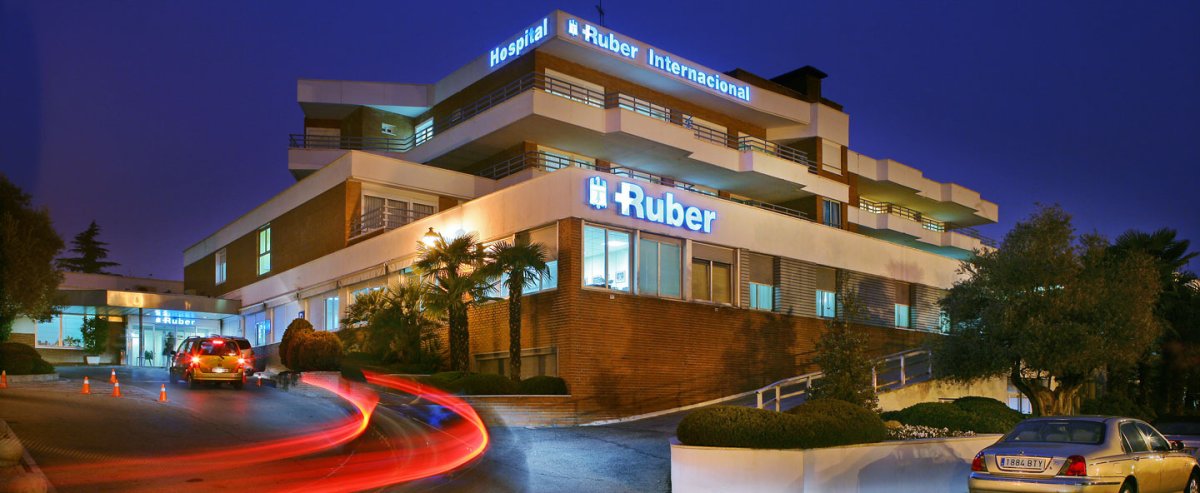
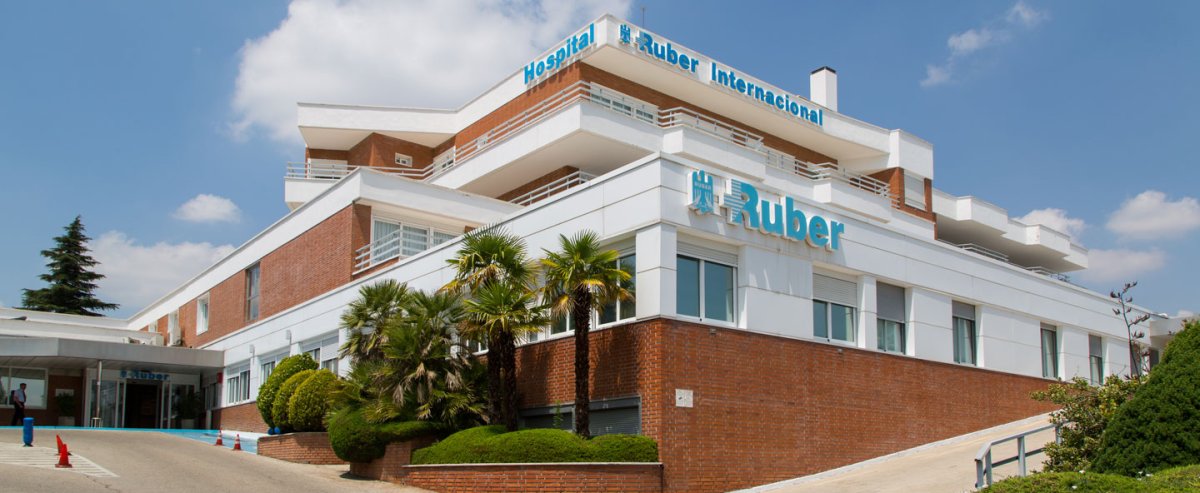
مستشفى Ruber Internacional

احصلوا على تقييم طبي لـ فتق الحجاب الحاجز في إسبانيا: استشيروا أطباء ذوي خبرة الآن

عرض جميع الأطباء
يؤكد

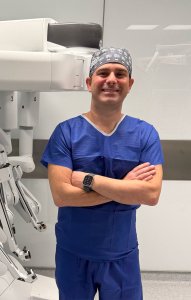
Carlos Garcia Vasquez

18سنة خبره ١٦ سنة

جرّاح في الجراحة العامة وجراحة الجهاز الهضمي. يركز على جراحات القولون والمستقيم والشرج وجدار البطن طفيفة التوغل. رئيس مشارك، Infanta Elena University Hospital (2021–). جرّاح معاون، Fundación Jiménez Díaz (2013–).

الاعتمادات: دكتوراه في الجراحة بامتياز مع مرتبة الشرف العليا (UAM). معتمد في الجراحة الروبوتية (Da Vinci X/Xi/5). تدريب متقدم في الجراحة العامة بالمنظار (IRCAD، ستراسبورغ). اختصاصي في الجراحة العامة وجراحة الجهاز الهضمي (Fundación Jiménez Díaz).

الإنجازات: باحث (2013–). صاحب براءة اختراع لنظام زرع دعامة لجدار البطن (2021). مشارك في نموذج المنفعة لسدّادة مستقيمية (2021). مراجع محكّم في International Journal of Surgery Case Reports (2024–). مشرف أطروحات (2023–). منشورات في Cirugía Española وExperimental Biology and Medicine وHistology and Histopathology وThe American Journal of Surgery. عضو في AEC وAECP وICOMEM.
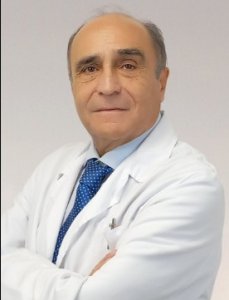
يؤكد

Cesar Canales Bedoya

76سنة خبره ١٦ سنة

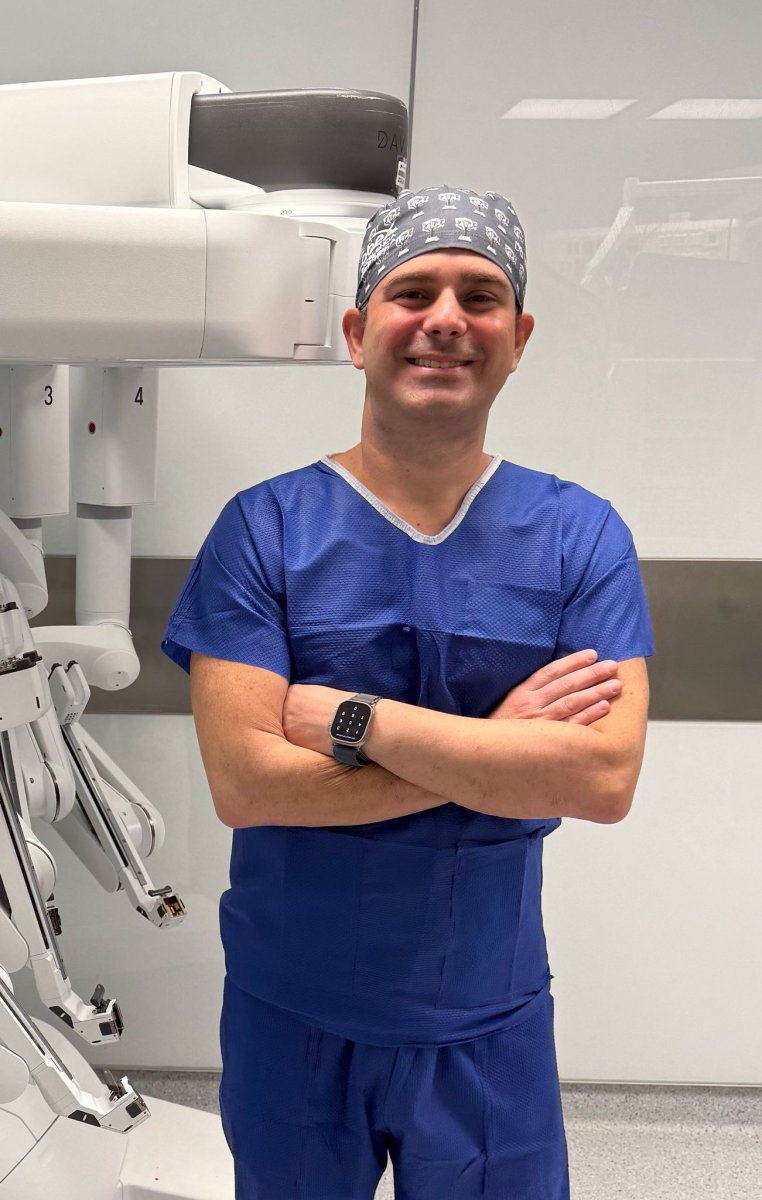
يتولى الدكتور سيزار كاناليس منذ عام 2015 رئاسة قسم الجراحة العامة وجراحة الجهاز الهضمي، ووحدة الجراحة بالمنظار والروبوت في مستشفى روبر إنترناسيونال (مدريد). وهو جرّاح عام وجهاز هضمي بخبرة تتجاوز 30 عاماً. يتخصص في الجراحة بالمنظار وبالروبوت دا فنشي لحالات البطن المعقّدة، والأورام، وجدار البطن.

يحمل درجة الدكتوراه (بامتياز مع مرتبة الشرف، الجامعة المستقلة بمدريد UAM) ودرجة الطب (مع مرتبة الشرف، جامعة كومبلوتنسي بمدريد UCM). أكمل تدريبه التخصصي في المستشفى الجامعي العام غريغوريو مارانيون، وهو أيضاً معتمد من الفيلق الطبي العسكري. له أكثر من 70 منشوراً و12 فصلاً في كتب، منها دليل الجراحة (ماكغرو-هيل)، ودرّس في أكثر من 16 دورة. تشمل جوائزه إدراجه ضمن قائمة فوربس لأفضل 100 طبيب (2024)، وضمن أفضل خمسة جرّاحين في الجراحة العامة والجهاز الهضمي في إسبانيا (2021–2024)، وجائزة طبيب العام من صحيفة لا راثون (2024)، وإدراجه ضمن أفضل الأطباء في إسبانيا من إل كونفيدنثيال (2025).

مشاركة المحتوى

Twitter XLinkedinFacebookWhatsAppEmail
أحصل على الرابط

قصص فيديو من مرضى Bookimed

Dayana
جمعت بين إجازتي في أنطاليا والفحص الطبي.
إجراء: فحص صحة الإناث (انظر فحص النساء)
Igor
كان رائعاً! التنقلات والإقامة والعلاج - كل شيء مشمول.
إجراء: زرع الأسنان
مستشفى: WestDent Clinic
Marina
قام Bookimed بكل شيء من أجلي. لم أضطر للقلق بشأن أي شيء.
إجراء: فحص صحة الإناث (انظر فحص النساء)
مستشفى: Severance Hospital
محدث: 02/22/2026
تأليف
Anna Leonova
Anna Leonova
رئيس فريق تسويق المحتوى
محررة طبية معتمدة لديها خبرة تزيد عن 10 سنوات، طوّرت محتوى Bookimed الموثوق، مدعومة بماجستير في علم اللغة ومقابلات مع خبراء طبيين من جميع أنحاء العالم.
تمت المراجعة من قبل المستشار الطبي في Bookimed
فهد مولود
محرر طبي وعالم بيانات
طبيب عام. حاصل على 4 جوائز علمية. خدم في غرب آسيا. رئيس الفريق الطبي الناطق بالعربية سابقا ومسؤول عن معالجة البيانات ودقة المحتوى الطبي حاليا.
فهد مولود Linkedin
قد تحتوي هذه الصفحة على معلومات تتعلق بمختلف الحالات الطبية والعلاجات وخدمات الرعاية الصحية المتوفرة في بلدان مختلفة. يرجى العلم أن المحتوى مقدم لأغراض إعلامية فقط ولا ينبغي تفسيره على أنه نصيحة أو إرشادات طبية. يرجى استشارة طبيبك أو أخصائي طبي مؤهل قبل البدء أو تغيير العلاج الطبي.

أسئلة متكررة حول علاج فتق الحجاب الحاجز في إسبانيا

هذه الأسئلة الشائعة مأخوذة من مرضى حقيقيين يبحثون عن رعاية طبية عبر Bookimed. يتم تقديم الإجابات من قبل منسقين طبيين ذوي خبرة وممثلين موثوقين من العيادات.

What non-surgical hiatal hernia treatments are available in Spain?

Non-surgical hiatal hernia treatments in Spain focus on clinical symptom management through incisionless endoscopic procedures and pharmacological protocols. Specialized centers offer transoral incisionless fundoplication to reconstruct the anti-reflux valve without abdominal cuts. Doctors also implement structured lifestyle and medication plans to protect the esophagus.

  • Endoscopic procedures: Techniques like EsophyX-Z (TIF) allow for incisionless repair via the mouth.
  • Pharmacological therapy: Specialists prescribe proton pump inhibitors and prokinetics to manage gastric acid.
  • Lifestyle protocols: Clinical guidance includes elevating the bed head 10 cm and dietary changes.
  • Specialized consultations: Gastroenterologists at JCI-accredited facilities provide personalized reflux evaluation and mapping.

Bookimed Expert Insight: While many seek surgery for anatomical correction, Spain’s top digestive specialists often recommend specialized reflux mapping first. Dr. Cesar Canales Bedoya at Hospital Ruber Internacional maintains over 30 years of expertise in gastrointestinal care. Data shows that private facilities like Centro PAD emphasize rapid recovery pathways. Choosing a clinic with news-recognized “smart hospital” status ensures access to refined diagnostic technology before deciding on a treatment path.

Patient Consensus: Patients emphasize managing reflux symptoms early through specialized gastroenterologists rather than general practitioners. They often note that tracking meal timing and symptom triggers is just as vital as medication for long-term comfort.

What surgical techniques do Spanish clinics utilize?

Spanish clinics utilize minimally invasive laparoscopic and robotic-assisted techniques for hiatal hernia treatment. Surgeons primarily use the Da Vinci Xi system for complex abdominal wall reconstructions. Most procedures achieve success rates up to 95%. These advanced methods ensure small incisions and faster recovery times.

  • Laparoscopic surgery: Surgeons use small cameras to repair hernias without large external incisions.
  • Robotic-assisted procedures: Systems like Da Vinci Xi provide extreme precision during delicate tissue handling.
  • Nissen fundoplication: Clinics frequently perform 360-degree stomach wraps to stop chronic acid reflux.
  • Mesh reinforcement: Doctors use specialized mesh to strengthen large or recurrent diaphragmatic openings.

Bookimed Expert Insight: Spanish clinics like Hospital Ruber Internacional and Centro PAD demonstrate a high degree of technological specialization. While many European centers offer basic laparoscopy, Spanish facilities integrate robotic platforms and hold ISO 45001 certifications. This combination of advanced equipment and occupational safety standards ensures a reliable surgical environment for international patients.

Patient Consensus: Patients note that surgeons tailor the type of stomach wrap based on individual motility tests. They emphasize that choosing high-volume specialists helps manage common postoperative side effects like temporary swallowing difficulties.

Who are the top specialists for hiatal hernia treatment in Spain?

Top specialists for hiatal hernia treatment include Dr. César Canales Bedoya and Dr. Carlos Garcia Vasquez. These experts practice at Joint Commission International-accredited facilities in Madrid and Valencia. Leading clinics utilize Da Vinci robotic platforms and laparoscopic techniques for minimally invasive repair.

  • Surgeon credentials: Dr. César Canales Bedoya is ranked among Spains top 100 doctors by Forbes.
  • Advanced technology: Facilities like Hospital Ruber Internacional utilize the Da Vinci Xi robotic surgery platform.
  • Specialized expertise: Dr. Alfonso García Fadrique holds a PhD and specializes in complex abdominal wall reconstruction.
  • Clinical volume: Top-rated centers in Madrid manage over 25,000 international and local patients every year.

Bookimed Expert Insight: Patient volume often signals expertise in specific complex techniques. Hospital Ruber Internacional serves 25,000 patients annually and holds 5-star ratings. Choosing a high-volume center in Madrid or Valencia ensures access to surgeons like Dr. Omar Carreño. These specialists contribute to R&D projects and hold leadership roles in the Spanish Association of Surgeons.

Patient Consensus: Patients emphasize finding a high-volume foregut specialist who performs frequent fundoplications. They recommend ensuring a complete workup with manometry and pH testing before choosing a surgical approach.

What is the typical hospital stay and recovery timeline?

Patients undergoing hiatal hernia surgery in Spain typically remain hospitalized for 1 to 3 days. Most undergo minimally invasive laparoscopic or robotic procedures. Full recovery and a return to regular physical activities generally take 4 to 8 weeks following discharge.

  • Hospital stay: Observation usually lasts 24 to 72 hours to monitor swallowing and pain.
  • Work return: Desk employees often resume duties within 1 to 2 weeks post-surgery.
  • Physical activity: Strenuous lifting or heavy exercise require waiting for 4 to 6 weeks.
  • Dietary adjustment: Patients typically follow a liquid or soft food diet for several weeks.

Bookimed Expert Insight: Spanish centers like Hospital Ruber Internacional utilize Da Vinci robotic systems for complex hernia repairs. Data shows high-volume specialists like Dr. César Canales, recognized by Forbes, prioritize advanced laparoscopy. This expertise helps patients transition from the hospital to light activity within 48 hours.

Patient Consensus: Many note that gas pain in the shoulders is initially more bothersome than incisions. Having extra help for meal prep during the first week is vital while energy levels remain low.

Will I need to modify my diet after the operation?

Patients undergoing hiatal hernia surgery in Spain must follow a structured dietary progression to ensure proper healing. You will start with clear liquids before advancing to soft foods and eventually solids. This transition helps prevent complications like bloating while your digestive system recovers from robotic or laparoscopic intervention.

  • Staged progression: Move from liquids to puréed foods and soft solids over several weeks.
  • Portion control: Eat small, frequent meals to avoid pressure on the surgical repair site.
  • Chewing technique: Chew food thoroughly to prevent larger pieces from feeling stuck or uncomfortable.
  • Beverage restrictions: Avoid carbonated drinks and straws to minimize painful gas and abdominal bloating.

Bookimed Expert Insight: Spain ranks 2nd globally for this treatment, partly due to the high volume of Da Vinci robotic surgeries performed at centers like Hospital Ruber Internacional. Our data shows that top surgeons like Dr. Cesar Canales Bedoya, who has over 30 years of experience, often use these minimally invasive techniques. This precision typically allows patients to transition from liquids to soft foods faster than traditional open surgery would permit.

Patient Consensus: Patients note the biggest adjustment is often the small portion sizes and the surprising inability to burp early on. Many suggest being extra careful with bread, rice, and dry meats as these specific textures often feel difficult to swallow during the first few months.

احصل على استشارة مجانية

حدد أفضل طريقة للاتصال بك