عملية جراحية في بولندا — التكاليف 2026

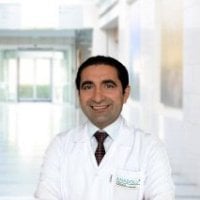
تمت مراجعة المقالة طبيا من قبل
Abdulcabbar Kartal
ما هي تكلفة عملية جراحية في بولندا؟ اكتشف الآن
تتراوح تكلفة الجراحة في بولندا عادةً ما بين $5,700 و $15,300. تعتمد الأسعار النهائية على مدى تعقيد الإجراء، ومدة الإقامة في المستشفى، وما إذا كنت ستختار باقة شاملة. غالباً ما يجد المرضى وفورات تتراوح بين 60-80% مقارنة بالولايات المتحدة للرعاية الجراحية الخاصة دون قوائم انتظار طويلة.
تكاليف الجراحة النموذجية في بولندا
- استشارة جراح: من $90
- الختان: السعر عند الطلب
- إزالة الورم الشحمي: السعر عند الطلب
- استئصال الرحم: السعر عند الطلب
- جراحة الفتق الإربي: السعر عند الطلب
- استئصال الورم العضلي (إزالة الأورام الليفية الرحمية): من $3,900
- قطع القناة الدافقة: السعر عند الطلب
- استئصال المعدة: من $7,000
- زراعة القوقعة: $14,000 – $23,000
- طرف اصطناعي للخصية: السعر عند الطلب
تشمل مراكز الجراحة الرئيسية وارسو، وكراكوف، وفروتسواف. وفي حين تشهد وارسو غالباً طلباً أعلى، قد توفر مدن مثل شتشيتسين أو ييلينيا غورا أسعاراً أكثر تنافسية للعلاج الخاص. استشر أخصائياً للحصول على تسعير دقيق لاحتياجاتك الطبية المحددة.
جميع أمراض عملية جراحية
مزاياك وضماناتك مع Bookimed
أسعار مباشرة
Bookimed لا يضيف رسوماً إضافية على أسعار علاج عملية جراحية. الأسعار مأخوذة من قوائم الأسعار الرسمية للعيادات. تدفع مباشرة في العيادة مقابل علاجك عند وصولك إلى البلد.
عيادات وأطباء معتمدون فقط
Bookimed ملتزم بسلامتك. نحن نعمل فقط مع المؤسسات الطبية التي تحافظ على معايير دولية عالية في علاج عملية جراحية ولديها التراخيص اللازمة لخدمة المرضى الدوليين في جميع أنحاء العالم.
مساعدة مجانية على مدار الساعة
Bookimed يقدم مساعدة خبراء مجانية. منسق طبي شخصي يدعمك قبل وأثناء وبعد العلاج، ويحل أي مشاكل. لن تكون وحيداً أبداً في رحلة علاج عملية جراحية.

منسقك الطبي الشخصي في Bookimed
- يدعمك في كل مرحلة
- المساعدة في اختيار العيادة الطبية المناسبة والطبيب المناسب
- يضمن الوصول السريع والمريح إلى المعلومات
اكتشف أفضل عيادات عملية جراحية: 48 خيارات معتمدة والأسعار




عيادة التجميل والجراحة التجميلية Elite Clinic
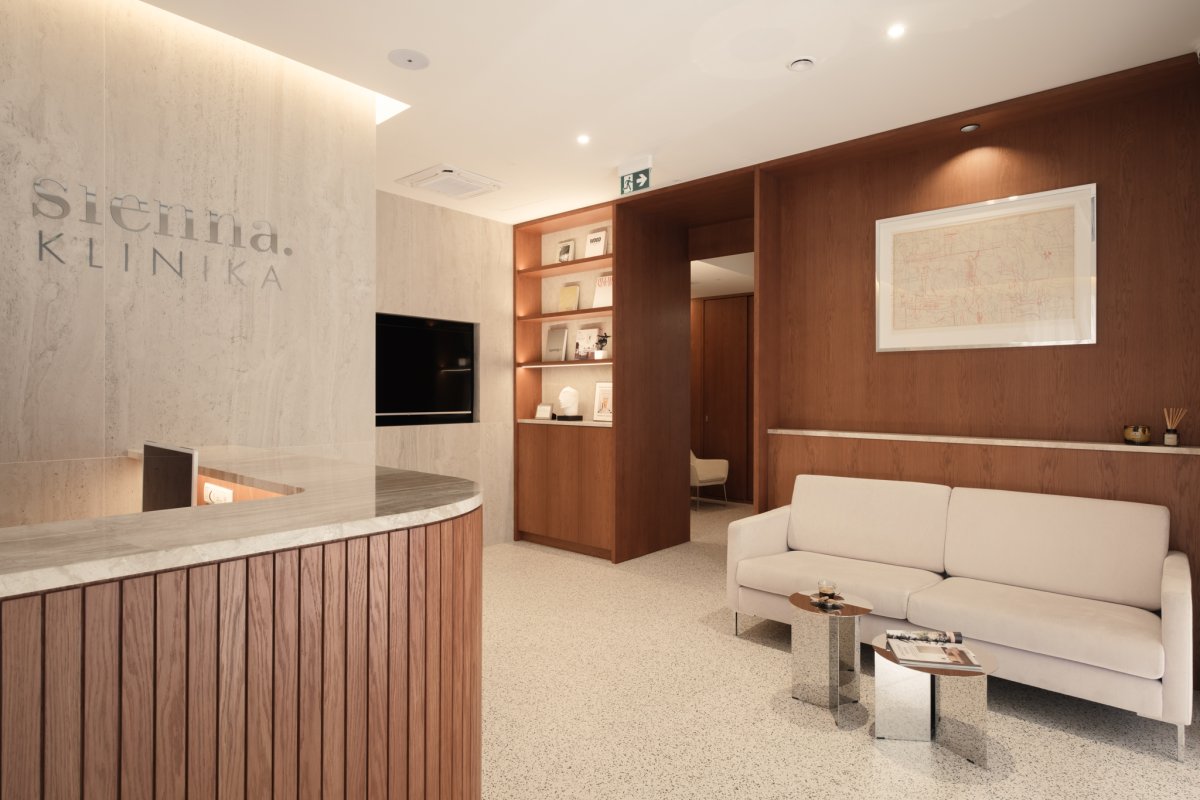
عيادة سيينا
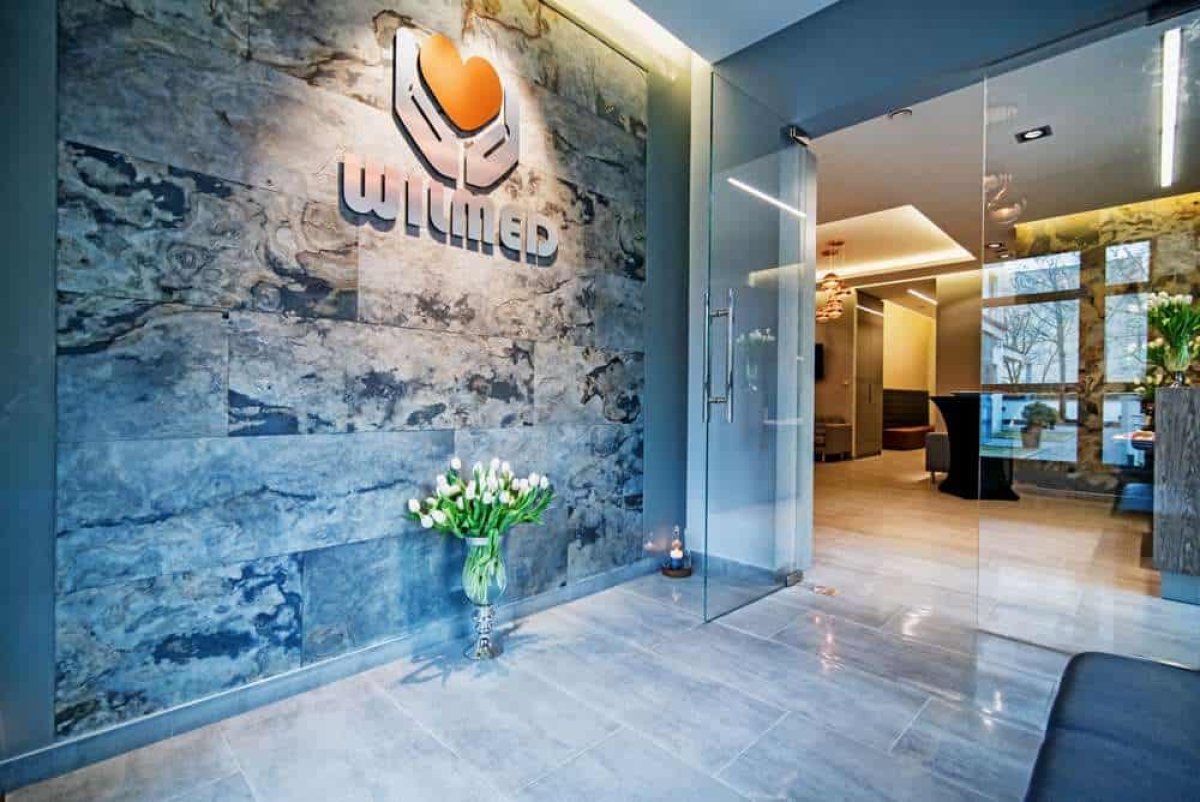


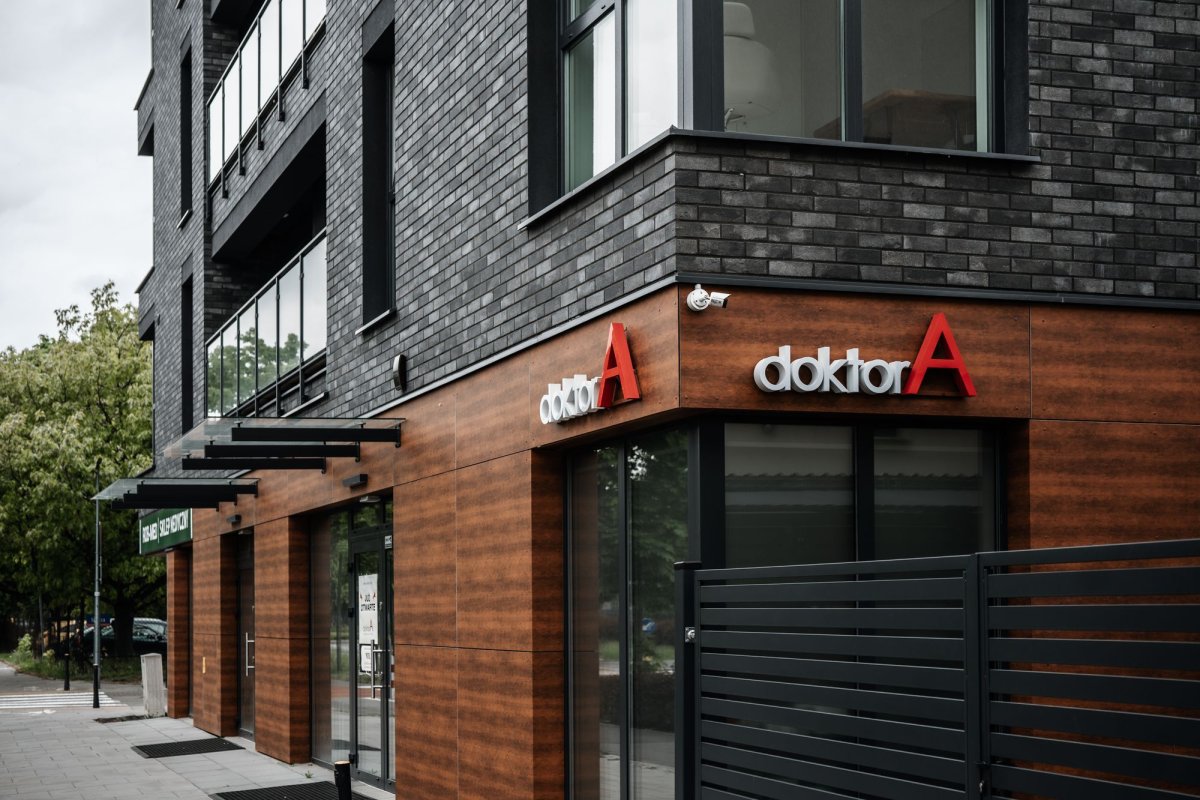
Centrum Medyczne doktorA
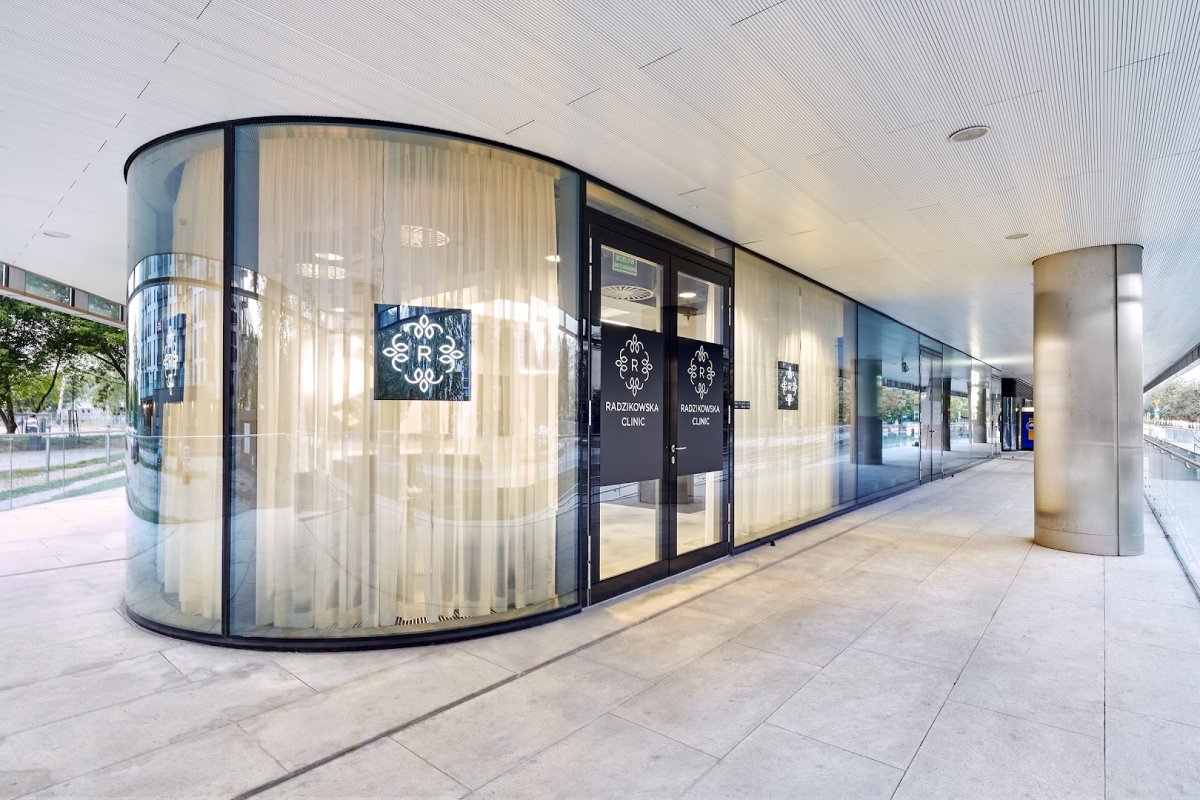
عيادة Radzikowska لجراحة التجميل
Klinika Saska Med
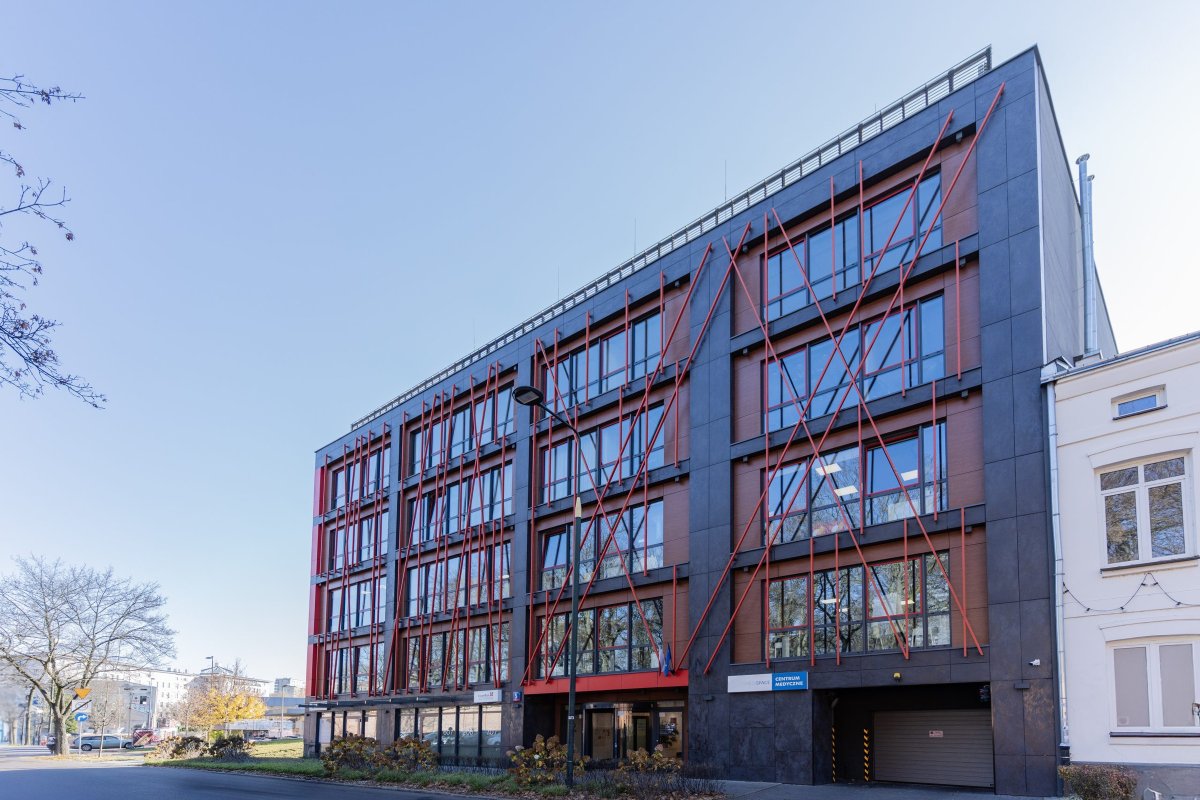
MediSpace (Centrum Medyczne MediSpace)


أفضل مراكز عملية جراحية في بولندا
- KCM Clinic, بولندا
- عيادة التجميل والجراحة التجميلية Elite Clinic, بولندا
- عيادة سيينا, بولندا
- عيادة WILMED الطبية, بولندا
- Gyncentrum Fertility Clinic, بولندا
- Centrum Medyczne doktorA, بولندا
- عيادة Radzikowska لجراحة التجميل, بولندا
- Klinika Saska Med, بولندا
- MediSpace (Centrum Medyczne MediSpace), بولندا
- Carolina Hospital, بولندا
احصل على تقييم طبي لـ عملية جراحية في بولندا. استشر الآن 106 أطباء ذوي الخبرة.
عرض جميع الأطباء
Antoni Krajewski
تخرّج الدكتور أنطوني كرايفسكي من جامعة لودز الطبية. أكمل تخصّصه في قسم الجراحة العامة وجراحة الأوعية الدموية وجراحة الأورام بمستشفى مييندزيلسكي التخصصي في وارسو، ولا يزال يزاول عمله هناك.
يشمل عمله الجراحة العامة وطب وجراحة التجميل، ويطوّر مهاراته عبر برامج تدريب دولية وندوات علمية.
يشارك خبرته كمدرّب في طب التجميل، وبالتعاون مع مركز لوكسمد للتعليم الطبي يقدّم دورات في تقنية زراعة الشعر FUE.
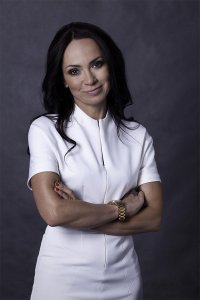
Elzbieta Radzikowska-buchner
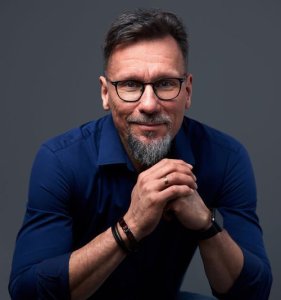
Rafal Kuzlik
Rafał Kuźlik، حاصل على درجتي الطب والدكتوراه، اختصاصي أمراض النساء والتوليد. يحظى باعتراف واسع في الجراحة النسائية التجميلية والترميمية والوظيفية. يُقسم عمله بين وارسو ودبي. لديه خبرة تتجاوز 30 عامًا في الطب وأكثر من 25 عامًا من الممارسة السريرية. شغل منصب رئيس قسم أمراض النساء والتوليد في مستشفى EMC سانت آن بين 2012 و2020. وهو عضو هيئة تدريس في الجامعة الطبية في وارسو. أكمل تدريبًا في جراحة الثدي في Helios Klinikum بألمانيا من 2003 إلى 2010.
هو مبتكر تقنيات One Cut وLinear Z وDouble O
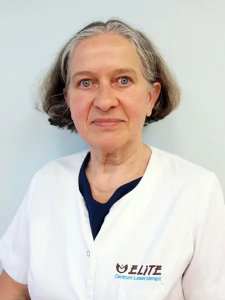
Zukowska Dorota
تخرّجت الدكتورة دوروتا زوكوفسكا من كلية الطب بجامعة لودز الطبية عام 1983. أنهت تخصص الدرجة الأولى في جراحة الأطفال عام 1988، وتخصص الدرجة الثانية عام 1993. حصلت على الدكتوراه من جامعة لودز الطبية عام 1996. وفي عام 1999، نالت تخصص الدرجة الثانية في جراحة التجميل.
تتخصص في جراحة التجميل والطب التجميلي. تُجري إجراءات تصحيحية للوجه، بما في ذلك رأب الأذن ورأب الجفن ورأب الأنف.
المراجعات
جميع المراجعات
مشاركة المحتوى
قصص فيديو من مرضى Bookimed
 Anna Leonova
أسئلة متكررة حول عملية جراحية في بولندا
هل الأطباء والمستشفيات في بولندا مؤهلون بشكل مناسب؟
يحافظ الأطباء والمستشفيات في بولندا على مؤهلات عالية من خلال برامج طبية صارمة مدتها 6 سنوات وإقامات طبية وفق معايير الاتحاد الأوروبي. الشهادات الطبية من بولندا معترف بها في جميع أنحاء الاتحاد الأوروبي. تمتلك المرافق الرائدة مثل عيادة KCM ومستشفى كارولينا شهادات ISO. يتمتع العديد من المتخصصين بخبرة تزيد عن 20 عاماً.
- الخبرة التخصصية: يحمل حوالي 66% من أطباء بولندا البالغ عددهم 140,000 طبيب مؤهلات تخصصية متقدمة.
- الاعتماد الدولي: تحافظ المراكز الكبرى على شهادات إدارة الجودة ISO 9001:2015 وTÜV.
- التكنولوجيا المتقدمة: تستخدم العيادات معدات مثل Ablatherm HIFU وتكنولوجيا الخلايا الجذعية Cytori.
- أحجام العمليات العالية: أجرى جراحون مثل الدكتور كريستوف تشيركاسوف أكثر من 5,000 إجراء جراحي للعظام.
رؤية خبير Bookimed: يُظهر تحليل تدفقات المرضى اتجاهاً حيث يختار مرضى أوروبا الغربية بولندا لتجاوز قوائم الانتظار الطويلة. على سبيل المثال، تخدم عيادة KCM حجماً ثابتاً من المرضى من ألمانيا والمملكة المتحدة. غالباً ما تدمج هذه العيادات التشخيصات مثل التصوير بالرنين المغناطيسي أو الأشعة المقطعية في الخطط الجراحية. يسمح هذا التكامل للمرضى ببدء العلاج في غضون أسبوعين من استفسارهم الأول.
إجماع المرضى: يشير المرضى إلى أن المستشفيات الخاصة توفر مرافق حديثة وموظفين يتحدثون الإنجليزية بما يطابق المعايير الغربية. يحذر المسافرون من اختيار العيادات الخاصة بدلاً من العامة لتجنب الانتظار الطويل والمعدات القديمة.
ما هي الرسوم الخفية التي يجب أن أحذر منها؟
تتراوح تكاليف الجراحة في بولندا عادةً بين _price_from_ و _price_to_. يجب على المرضى الانتباه إلى النفقات المستبعدة مثل التشخيصات الإلزامية قبل الجراحة، ورسوم التخدير، والأدوية المتخصصة بعد الجراحة. العقود المكتوبة باللغة الإنجليزية ضرورية لتجنب سوء الفهم فيما يتعلق بضريبة القيمة المضافة وأسعار تحويل العملات.
- من $120
- خدمات التخدير: غالبًا ما يتم إصدار فاتورة التخدير العام أو التخدير الموضعي بشكل منفصل عن السعر الأساسي للإجراء.
- الرعاية بعد الجراحة: نادرًا ما تتضمن عروض الأسعار الأولية زيارات المتابعة، أو الضمادات المتخصصة، أو أدوية التعافي المطلوبة.
- رسوم إضافية للمنشأة: يمكن أن تؤدي تجاوزات وقت غرفة العمليات أو فترات الإقامة الطويلة في المستشفى إلى فرض رسوم غير متوقعة على المنشأة.
رؤية خبير Bookimed: تظهر البيانات من المراكز ذات الحجم الكبير مثل عيادة KCM أن الباقات الشاملة هي الطريقة الأكثر موثوقية لتجنب الرسوم الإضافية. ابحث عن البرامج التي تشمل صراحةً انتقالات المطار والإقامة في الفنادق. غالبًا ما توفر هذه الباقات المنظمة للمرضى 25% مقارنة بالدفع مقابل الخدمات اللوجستية والتشخيصات بشكل فردي.
إجماع المرضى: يقترح المرضى تخصيص ميزانية تزيد بنحو 30% عن عرض السعر الأولي لتغطية الاختبارات الإضافية والسفر. يوصي الكثيرون باستخدام مكالمات الفيديو للتحقق بدقة من الخدمات المشمولة قبل إرسال
هل يتحدث الطاقم الطبي الإنجليزية؟
عادةً ما يتحدث الطاقم الطبي في المراكز الجراحية الخاصة في بولندا الإنجليزية بطلاقة. تعد إجادة اللغة الإنجليزية متطلبًا قياسيًا للأطباء في العيادات الدولية في وارسو وكراكوف وجيلينيا جورا. في حين أن الجراحين غالبًا ما يتمتعون بطلاقة عالية، فقد تختلف المهارات اللغوية لطاقم التمريض والإدارة حسب المنشأة.
- معايير العيادة: تخدم المراكز الخاصة مثل عيادة KCM أكثر من 700 مريض دولي سنويًا باستخدام اللغة الإنجليزية.
- خبرة الطبيب: يتحدث جراحون مثل الدكتور بيوتر راك الإنجليزية بالإضافة إلى لغات أخرى مثل الألمانية.
- أدوار الموظفين: غالبًا ما يتمتع الجراحون بطلاقة أعلى من طاقم الدعم أو ممرضات النوبات الليلية.
- عامل الموقع: تعطي المستشفيات في المدن الكبرى أو المراكز الطبية الأولوية للفرق الطبية التي تتحدث الإنجليزية.
رؤية خبير Bookimed: تُظهر بياناتنا أن العيادات التي تضم أكثر من 50 طبيبًا، مثل AllMedica Surgery أو عيادة KCM، غالبًا ما يكون لديها أقسام دولية مخصصة. تعمل هذه الفرق على سد الفجوة إذا كان لدى ممرضات الأجنحة لغة إنجليزية محدودة. عادةً ما توفر العيادات الأكبر منسقين يتحدثون الإنجليزية للمساعدة طوال فترة إقامتك في المستشفى.
إجماع المرضى: يشير المرضى إلى أنه على الرغم من أن الجراحين يتحدثون الإنجليزية بشكل رائع، فإن استخدام تطبيق ترجمة يساعد في الطلبات السريعة لطاقم التمريض. يجد معظم المرضى الدوليين أن التواصل سلس بما يكفي ليشعروا بالأمان والاطلاع الجيد.
كم من الوقت يجب أن أبقى في بولندا بعد الجراحة قبل السفر إلى المنزل؟
يبقى معظم المرضى في بولندا لمدة 7 إلى 14 يوماً بعد الجراحة قبل السفر إلى المنزل. يسمح هذا الإطار الزمني للجراحين بمراقبة الشفاء الأولي وإجراء الفحوصات الضرورية بعد العملية. تتطلب الإجراءات المعقدة مثل استبدال المفاصل أو جراحات البطن الكبرى غالباً إقامة تتراوح بين 14 إلى 21 يوماً.
- الإجراءات البسيطة: الإجراءات مثل استئصال الأسهر أو إزالة الورم الشحمي تسمح غالباً بالسفر في غضون 24-48 ساعة.
- جراحة المناظير: ينتظر المرضى الذين يخضعون لإصلاحات طفيفة التوغل للمرارة أو الفتق عادةً من 1 إلى 7 أيام.
- الجراحة الكبرى: يبقى مرضى استئصال الرحم أو استئصال المعدة عادةً من 10 إلى 14 يوماً قبل المغادرة.
- الرعاية العظمية: تتطلب عمليات استبدال المفاصل المعقدة غالباً من 2 إلى 6 أسابيع للسفر الجوي الآمن.
رؤية خبراء Bookimed: تظهر بيانات عيادة KCM أن 700 مريض دولي يزورون العيادة سنوياً، وغالباً ما يجمعون بين الجراحة وحزمة تعافي مدتها 10 أيام. نلاحظ توجهاً حيث تقوم العيادات في جيلينيا غورا ووارسو بجدولة غرز ما بعد الجراحة النهائية أو إزالة المصارف في اليوم السابع أو الثامن. البقاء حتى اليوم العاشر غالباً ما يكون أكثر راحة من السفر فور الخروج من العيادة.
إجماع المرضى: يجد العديد من المرضى أنه على الرغم من أن الجراح قد يقدم تصريحاً مبكراً، فإن التحدي الحقيقي هو إدارة التورم والجلوس في وضع مستقيم أثناء الرحلة. أشار أحد المرضى إلى أن الانتظار حتى اليوم العاشر جعل رحلة العودة أكثر سهولة بكثير من حيث الألم والراحة.
ماذا يحدث إذا أصبت بمضاعفات بعد عودتي إلى المنزل؟
يجب على المرضى الذين يعانون من مضاعفات بعد عودتهم من جراحة في بولندا إعطاء الأولوية للتقييم الطبي المحلي الفوري. اتصل بطبيب الرعاية الأولية أو خدمات الطوارئ في حالة ظهور أعراض تحذيرية. تشمل هذه العلامات ارتفاع درجة الحرارة، أو ألم مفاجئ في الصدر، أو إفرازات غير عادية من مواقع الشق الجراحي.
- الرعاية المحلية: ابحث عن طبيب محلي على دراية بإجراءاتك المحددة قبل السفر.
- التوثيق: اطلب جميع تعليمات ما بعد الجراحة والتقارير الجراحية باللغة الإنجليزية لضمان استمرارية الرعاية.
- مراقبة الأعراض: راقب علامات العدوى مثل الاحمرار أو التورم أو فتح الجرح المستمر.
- ميزانية الطوارئ: خصص ما لا يقل عن 1000 دولار أمريكي لزيارات الطوارئ المحلية المحتملة أو المراجعات.
رؤية خبير Bookimed: تظهر البيانات من مرافق مثل عيادة KCM معدل إصابة منخفض جداً بعد الجراحة. ومع ذلك، غالباً ما يفتقر المرضى الدوليون إلى خيارات المتابعة الافتراضية بمجرد عودتهم إلى ديارهم. اختيار عيادة أجرت أكثر من 5000 إجراء، مثل تلك التي يقودها الدكتور كريستوف تشيركاسوف، يضمن غالباً تقنيات أكثر توحيداً يمكن للأطباء المحليين إدارتها بسهولة إذا ظهرت مشاكل لاحقاً.
إجماع المرضى: يلاحظ المرضى أن بعض الجراحين قد يقترحون مراجعة طبيب عام محلي بعد مغادرتك. من المفيد تمديد إقامتك لمدة 7 أيام للمراقبة الإضافية لمنع المشاكل المبكرة المتعلقة بالسفر.
ما هي المدن البولندية الأفضل للعلاج الطبي إذا كنت قادماً من الخارج؟
تعد وارسو وكراكوف وجيلينيا غورا المراكز الطبية الرائدة في بولندا للمرضى الدوليين. تستضيف هذه المدن مرافق معتمدة من JCI و ISO متخصصة في جراحة السمنة وجراحة العظام والجراحة الروبوتية. يستفيد المرضى من المعايير الطبية للاتحاد الأوروبي بتكاليف أقل بنسبة 40-70% مقارنة بأوروبا الغربية.
- وارسو: تقدم العاصمة جراحة أعصاب متقدمة وطب رياضي في مستشفى كارولينا.
- كراكوف: وجهة رئيسية لجراحة العظام والرعاية متعددة التخصصات ذات الحجم الكبير.
- جيلينيا غورا: موطن عيادة KCM، المتخصصة في جراحة السمنة طفيفة التوغل.
- كاتوفيتسه: معروفة بعلاجات العقم المتقدمة وشبكات عيادات الخصوبة المتخصصة.
رؤية خبير Bookimed: بينما تعد وارسو الخيار المنطقي لاتصال الرحلات الجوية، تجذب جيلينيا غورا أكثر من 700 مريض دولي سنوياً على الرغم من حجمها. يرجع ذلك إلى مراكز متخصصة مثل عيادة KCM التي تجمع بين الجراحة والإقامة في فنادق 4 نجوم. تظهر بياناتنا أن هذه العيادات المتخصصة غالباً ما توفر كفاءة أعلى في اللغة الإنجليزية مقارنة بالمستشفيات العامة الكبيرة في كراكوف.
إجماع المرضى: يشير المرضى إلى أن إتقان اللغة الإنجليزية ممتاز في المراكز السياحية الرئيسية. يوصون بحجز شقق تعافي خاصة بدلاً من البقاء في الأجنحة العامة لضمان اهتمام أكثر تخصيصاً بعد الجراحة.
هل يتم إجراء الجراحة من قبل أخصائيين معتمدين؟
عادةً ما يتم إجراء الجراحة في بولندا من قبل أخصائيين حاصلين على شهادات من غرفة الأطباء البولندية. في حين أن الترخيص الطبي هو الحد الأدنى القانوني، تتطلب أفضل المستشفيات الخاصة من الجراحين إكمال تدريب إقامة صارم واجتياز اختبارات وطنية. كما يحمل العديد من الأخصائيين مؤهلات معترف بها من قبل الاتحاد الأوروبي للإجراءات المتقدمة.
- أوراق اعتماد الأخصائيين: يتمتع جراحون مثل الدكتور كريستوف تشيركاسوف في عيادة KCM بخبرة تزيد عن 40 عاماً.
- معايير المستشفى: تمتلك مرافق مثل مستشفى كارولينا شهادات ISO ووضع مركز طبي معتمد من الفيفا.
- الخبرة الأكاديمية: يحمل العديد من الجراحين، بما في ذلك الدكتور بيوتر ماجور، ألقاب دكتوراه أو أستاذ.
- الاعتراف الدولي: غالباً ما يتدرب الأخصائيون البولنديون في الولايات المتحدة أو فرنسا لتقنيات محددة.
رؤية خبير Bookimed: تظهر البيانات وجود ارتباط قوي بين تخصصات العيادات والشراكات المؤسسية النخبوية. على سبيل المثال، يعمل مستشفى كارولينا كشريك طبي للجنة الأولمبية البولندية. غالباً ما يضمن اختيار العيادات ذات الروابط الرياضية رفيعة المستوى الوصول إلى جراحين يحافظون على أحدث شهادات الصدمات وجراحة العظام.
إجماع المرضى: غالباً ما يذكر المرضى أنه على الرغم من أن الفرق الطبية محترفة للغاية، فمن المفيد توضيح الأجزاء التي سيتولاها الجراح الرئيسي من الإجراء بالضبط. كما يؤكدون على أهمية التأكد من توفر موظفين يتحدثون الإنجليزية لتقديم تعليمات الرعاية بعد العملية الجراحية.
ما هي المضاعفات التي قد تحدث، وكيف يتم التعامل معها؟
تحافظ العمليات الجراحية في بولندا على معايير سلامة عالية مع بروتوكولات متخصصة لإدارة المخاطر النادرة مثل العدوى أو النزيف أو جلطات الدم. تستخدم العيادات تقنيات طفيفة التوغل ومعايير ISO صارمة لضمان بقاء التعافي على المسار الصحيح. يظل الكشف المبكر من خلال المراقبة المستمرة والتدخل السريري الفوري هو استراتيجية الإدارة الأساسية.
- مكافحة العدوى: يحافظ جراحون مثل الدكتور بيوتر ماجور على معدلات عدوى منخفضة للغاية بعد الجراحة.
- نهج طفيف التوغل: تقلل طرق تنظير البطن والتنظير الداخلي من صدمات الأنسجة والمخاطر الجراحية الشائعة.
- اعتماد صارم: تتبع مرافق مثل عيادة KCM معايير ISO لضمان رعاية آمنة وعالية الجودة.
- مراقبة متخصصة: تستخدم الفرق السريرية المراقبة بعد الجراحة على مدار الساعة طوال أيام الأسبوع لتحديد المشكلات وعلاجها مبكرًا.
رؤية خبير Bookimed: غالبًا ما تدمج المراكز الجراحية في بولندا بين إعادة التأهيل والجراحة في نفس المنشأة. على سبيل المثال، يجمع مستشفى العائلة المقدسة التخصصي العالي بين 189 سريرًا وخدمات إعادة تأهيل حائزة على جوائز. يسمح هذا القرب للفرق الطبية بمراقبة التعافي عن كثب. وهو يمنع مضاعفات الحركة طويلة المدى من خلال بدء العلاج الطبيعي فورًا بعد إجراءات العظام أو الأعصاب.
إجماع المرضى: يقدر المرضى مدى اهتمام طاقم التمريض خلال فترة التعافي الفورية. وغالبًا ما يشيرون إلى أن الحصول على تواصل واضح بشأن صحتهم بعد الخروج من المستشفى يجعلهم يشعرون بأمان أكبر بكثير.
هل التأشيرة مطلوبة للعلاج الطبي؟
تعتمد متطلبات التأشيرة للجراحة في بولندا على جنسيتك ومدة إقامتك المخطط لها. عادةً ما يدخل مواطنو الاتحاد الأوروبي والمملكة المتحدة والولايات المتحدة وكندا بدون تأشيرة لمدة تصل إلى 90 يومًا. يجب على الآخرين التقدم بطلب للحصول على تأشيرة شنغن أو تأشيرة وطنية من النوع D من خلال قنصلية بولندية قبل السفر.
- مدة السفر: الدخول لمدة تقل عن 90 يومًا يندرج عادةً تحت قواعد شنغن القياسية للإعفاء من التأشيرة.
- المستندات الإلزامية: غالبًا ما يحتاج المتقدمون إلى خطاب دعوة رسمي من المستشفى البولندي الذي اختاروه.
- إثبات مالي: يجب عليك إثبات وجود أموال كافية لتغطية التكاليف الطبية ونفقات الإقامة.
- دعم العيادة: توفر مرافق مثل عيادة KCM مساعدة متخصصة ووثائق للمرضى الدوليين.
رؤية خبير Bookimed: تكشف بيانات عيادة KCM أنهم يخدمون أكثر من 700 مريض سنويًا من المملكة المتحدة وألمانيا وعمان. هذا الحجم الكبير يعني أن فرقهم الإدارية خبراء في صياغة خطابات الدعوة التي ترضي حرس الحدود. عند الحجز في مدن مثل جيلينيا غورا أو وارسو، اطلب دائمًا هذه المستندات مبكرًا لضمان عملية دخول سلسة.
إجماع المرضى: يذكر المرضى أن تجهيز جميع السجلات الطبية وخطابات العيادة يجعل عبور الحدود أسرع بكثير. كما يشيرون إلى أنه بالنسبة للجراحة الاختيارية، من الضروري تأكيد تفاصيل الدفع مسبقًا لأن تأمين السفر القياسي نادرًا ما يغطي هذه الإجراءات.
كم من الوقت يجب أن أخطط للبقاء في بولندا بعد الجراحة؟
خطط للبقاء في بولندا لمدة تتراوح بين 7 إلى 14 يوماً بعد معظم الإجراءات الجراحية. تسمح هذه الفترة بالمراقبة الطبية الإلزامية وإجراء موعدين للمتابعة على الأقل. قد تتطلب العلاجات طفيفة التوغل 3 أيام فقط، بينما تتطلب العمليات الجراحية المعقدة غالباً إقامة كاملة لمدة أسبوعين.
- الجراحة العامة: توقع إقامة من 7 إلى 14 يوماً لإجراءات مثل تحويل مسار المعدة.
- الإجراءات البسيطة: تتطلب إزالة الأورام الدهنية أو عمليات قطع القناة الدافقة عادةً من يوم واحد إلى 3 أيام فقط.
- التعافي من جراحة العظام: تتطلب عمليات استبدال المفاصل الكبرى غالباً 14 يوماً قبل السفر جواً بأمان.
- رعاية المتابعة: يفرض الجراحون عادةً إجراء فحص أو فحصين قبل منح تصريح السفر.
رؤية خبير Bookimed: تُظهر البيانات الواردة من عيادة KCM ومستشفى كارولينا اتجاهاً نحو باقات التعافي الشاملة. غالباً ما تتضمن هذه البرامج إقامة في الفندق لمدة ليلتين إلى 4 ليالٍ بعد الخروج من المستشفى بالقرب من العيادة. يعد اختيار هذه الباقات أكثر أماناً من حجز سكن مستقل، حيث يضمن الوصول الفوري إلى الطاقم الطبي في حالة حدوث تورم.
إجماع المرضى: يؤكد المرضى على أهمية حجز رحلات عودة مرنة. يشير الكثيرون إلى أن البقاء لمدة 3 أيام إضافية كفترة احتياطية يساعد في إدارة الانزعاج بعد الجراحة أثناء رحلة العودة.