عملية جراحية في إسرائيل — التكاليف 2026

تمت مراجعة المقالة طبيا من قبل
Abdulcabbar Kartal
ما هي تكلفة عملية جراحية في إسرائيل؟ اكتشف الآن
تتراوح تكاليف الجراحة في إسرائيل عادةً ما بين $17,200 و $45,000. يعتمد السعر النهائي على مدى تعقيد الإجراء، ومدة الإقامة في المستشفى، وما إذا كان المريض مقيماً أو سائحاً طبياً. يمكن للمرضى الدوليين توفير ما يصل إلى 75% مقارنة بالأسعار في الولايات المتحدة، حيث تغطي الباقات غالباً الجراحة والتخدير ورعاية المتابعة.
تكاليف الجراحة النموذجية في إسرائيل
- استئصال الورم العضلي (إزالة الألياف الرحمية): من $13,000
تقع المراكز الجراحية الرائدة في إسرائيل في تل أبيب والقدس وحيفا. قد تختلف التكاليف بين المدن، لذا يوصى باستشارة أخصائي للحصول على سعر دقيق بناءً على احتياجاتك الصحية المحددة ومتطلبات الإجراء.
| إسرائيل | تركيا | إسبانيا | |
|---|---|---|---|
| ترميم الفتق السري بالمنظار (انظر. ترميم الفتق السري) | ≈ $4,200 | من $3,300 | من $6,200 |
| تركيب القوقعة الصناعية | ≈ $38,000 | من $14,000 | من $22,000 |
| استئصال سرطان الثدي | من $11,300 | من $4,500 | من $12,000 |
| استئصال الورم العضلي (إزالة الأورام الليفية الرحمية) | من $13,000 | من $3,500 | من $12,100 |
| استئصال المعدة | ≈ $17,000 | من $3,100 | من $20,000 |
جميع أمراض عملية جراحية
مزاياك وضماناتك مع Bookimed
أسعار مباشرة
Bookimed لا يضيف رسوماً إضافية على أسعار علاج عملية جراحية. الأسعار مأخوذة من قوائم الأسعار الرسمية للعيادات. تدفع مباشرة في العيادة مقابل علاجك عند وصولك إلى البلد.
عيادات وأطباء معتمدون فقط
Bookimed ملتزم بسلامتك. نحن نعمل فقط مع المؤسسات الطبية التي تحافظ على معايير دولية عالية في علاج عملية جراحية ولديها التراخيص اللازمة لخدمة المرضى الدوليين في جميع أنحاء العالم.
مساعدة مجانية على مدار الساعة
Bookimed يقدم مساعدة خبراء مجانية. منسق طبي شخصي يدعمك قبل وأثناء وبعد العلاج، ويحل أي مشاكل. لن تكون وحيداً أبداً في رحلة علاج عملية جراحية.

منسقك الطبي الشخصي في Bookimed
- يدعمك في كل مرحلة
- المساعدة في اختيار العيادة الطبية المناسبة والطبيب المناسب
- يضمن الوصول السريع والمريح إلى المعلومات
اكتشف أفضل عيادات عملية جراحية: 18 خيارات معتمدة والأسعار











Assaf Harofeh Medical Center



Soroka Medical Center


Herzliya Medical Center
أفضل مراكز عملية جراحية في إسرائيل
- Sourasky Medical Center (Ichilov), إسرائيل
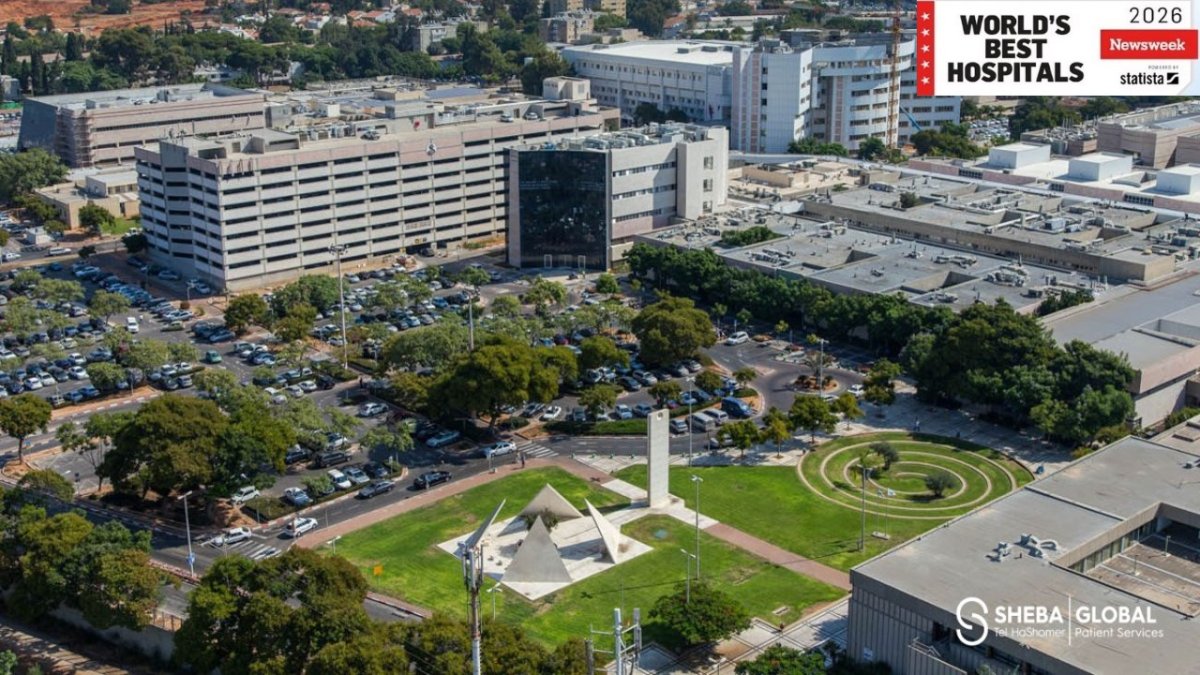
- مركز شيبا الطبي, إسرائيل
- Assuta Medical Center, إسرائيل
- Hadassah Medical Center, إسرائيل
- Rambam Medical Center, إسرائيل
- Assaf Harofeh Medical Center, إسرائيل
- Schneider Center for Children Medicine, إسرائيل
- Soroka Medical Center, إسرائيل
- Rabin Medical Center, إسرائيل
- Herzliya Medical Center , إسرائيل
احصل على تقييم طبي لـ عملية جراحية في إسرائيل. استشر الآن 49 أطباء ذوي الخبرة.
عرض جميع الأطباء
Yossefovitz Ofer
يعد البروفيسور عوفر يوسيفوفيتش خبيرًا رائدًا في جراحة المسالك البولية الروبوتية وبالمنظار في مركز سوراسكي الطبي (إيخيلوف).
- أكثر من 25 عامًا من التخصص في أورام المسالك البولية وجراحات البروستاتا المعقدة
- تلقى تدريبه في مركز ميموريال سلون كيترينج للسرطان، وهو مركز عالمي رائد في رعاية مرضى السرطان
- رئيس قسم أورام المسالك البولية في مستشفى إيخيلوف
- نشر العديد من الأوراق البحثية حول تقنيات جراحة المسالك البولية
- عضو في الجمعيات الأوروبية والأمريكية لجراحة المسالك البولية
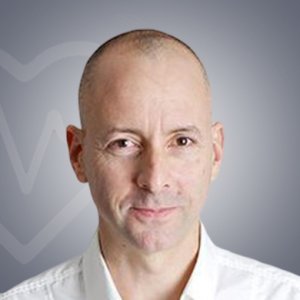
Alon Friedlander
د. ألون فريدلاندر (MD) جرّاح عظام واختصاصي في العمود الفقري والجنف لدى الكبار والأطفال. يشغل منصب مدير قسم جراحة العظام في مركز شيبا الطبي، وهو أستاذ مشارك في جراحة العظام بجامعة تل أبيب. مُدرج ضمن قائمة فوربس لأفضل أطباء إسرائيل.
يعالج اضطرابات العمود الفقري المعقّدة بجراحات طفيفة التوغل وأخرى مفتوحة، وتشمل إجراءاته التثبيت الأمامي والخلفي. تتركز خبرته على الجنف والتشوّهات الأخرى، والأورام، وتضيّق القناة الشوكية وعدم الاستقرار، والانزلاق الغضروفي. التعليم: دكتوراه في الطب، جامعة تل أب
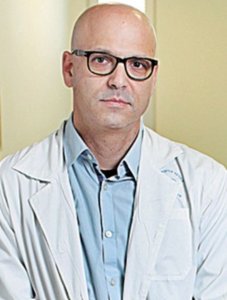
Professor Ido Nachmany
البروفيسور إيدو ناخماني يرأس القسم الجراحي الثاني في مركز شيبا الطبي. يختص بجراحات HPB (الكبد والبنكرياس والقنوات الصفراوية) والجراحة الروبوتية لأمراض الكبد والبنكرياس والقنوات الصفراوية، ولأورام الغدد الصماء العصبية في الجهاز الهضمي. كما يجري جراحات الغدة الكظرية والطحال والمعدة. أدرجته فوربس ضمن أفضل أطباء إسرائيل.
يطوّر تقنيات جراحية طفيفة التوغل بالروبوت والمنظار، بهدف دقة أعلى وتعافٍ أسرع.
المؤهلات: محاضر كبير في جامعة تل أبيب. عضو في ASTS وIHPBA. أتمّ زمالتَي HPB وزراعة ال
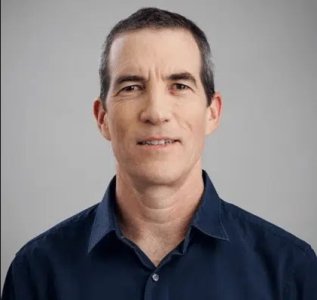
Barak Rosenzweig
الدكتور باراك روزنزويغ (MD) يدير خدمة أورام المسالك البولية في مركز شيبا الطبي. وهو جرّاح أورام بولية بخبرة تقارب 20 عامًا، يعالج سرطانات المسالك البولية المعقّدة بتقنيات روبوتية وطفيفة التوغّل متقدمة. مُدرج ضمن قائمة «أفضل أطباء إسرائيل» وفق فوربس.
تشمل خبرته أورام البروستاتا والكلية والمثانة والخصية والسبيل البولي العلوي. يجري استئصال البروستاتا الجذري بمساعدة الروبوت، والاستئصال الجزئي المحافظ على الكلية، وتنظير البطن المتقدّم. وتشمل الوسائل التشخيصية خزعة اندماجية موجّهة بتصوير الر
المراجعات
جميع المراجعاتمشاركة المحتوى
قصص فيديو من مرضى Bookimed
 Anna Leonova
أسئلة متكررة حول عملية جراحية في إسرائيل
لماذا تعتبر إسرائيل وجهة شهيرة للجراحة؟
تعد إسرائيل وجهة جراحية رائدة بسبب المعايير الطبية الغربية العالية والابتكار المتقدم. تمتلك مرافق مثل مركز سوراسكي الطبي ومركز هداسا الطبي اعتماد اللجنة الدولية المشتركة (JCI). غالبًا ما يتدرب الجراحون الخبراء في الولايات المتحدة أو أوروبا. وهم يستخدمون أنظمة روبوتية وتشخيصات بمساعدة الذكاء الاصطناعي لضمان معدلات نجاح عالية.
- مؤهلات الخبراء: يتمتع جراحون مثل الدكتور رون أربيل بتدريب مكثف من مراكز طبية أمريكية كبرى.
- التكنولوجيا المتقدمة: توفر العيادات جراحة روبوتية، وتصويرًا رقميًا، وتقنيات تنظير عصبي متخصصة للحالات المعقدة.
- التميز السريري: يبلغ مركز سوراسكي الطبي عن معدل نجاح متوسط قدره 90% لعلاجات الأورام.
- حجم كبير: يعالج مركز هداسا الطبي 1,000,000 مريض سنويًا، مما يضمن خبرة عميقة في الأمراض النادرة.
رؤية خبير Bookimed: تظهر بياناتنا أن المشهد الجراحي في إسرائيل يتحدد من خلال النطاق الهائل والتخصص. بينما تجري أسوتا 92,000 عملية سنويًا، يتعامل سوراسكي مع 34,000 عملية مع التركيز على الأبحاث متعددة التخصصات. يستفيد المرضى الذين يبحثون عن علاج أورام أو جراحة أعصاب معقدة من هذه البيئة ذات الحجم الكبير. فهي تضمن احتفاظ الجراحين بأقصى درجات الكفاءة التقنية من خلال الممارسة المستمرة.
إجماع المرضى: يقدر المرضى الخبرة ذات المستوى العالمي وكرم الضيافة الدافئ الذي يشبه المنزل. يلاحظ الكثيرون أن الأطباء الناطقين بالإنجليزية يجعلون التجربة أكثر سلاسة وراحة.
هل المستشفيات الإسرائيلية معتمدة دوليًا؟
تحمل المستشفيات الإسرائيلية الكبرى اعتمادات دولية مرموقة تتوافق مع معايير السلامة العالمية. المرافق الرائدة مثل مركز سوراسكي الطبي ومركز أسوتا الطبي معتمدة من قبل اللجنة الدولية المشتركة (JCI). تقيم هذه الشهادة أكثر من 1300 معيار للجودة. وهي تضمن مستوى عالٍ من السلامة الجراحية ومكافحة العدوى.
- اعتماد JCI: معيار لمراكز سوراسكي، وأسوتا، ورمبام، ومركز رابين الطبي.
- شهادة متخصصة: يحمل مركز هداسا الطبي اعتماد JACIE لوحدة زراعة نخاع العظم.
- التصنيفات العالمية: تظهر مراكز شيبا وسوراسكي بشكل متكرر في قائمة أفضل 10 مستشفيات عالمية وفقًا لمجلة نيوزويك.
- إشراف الوزارة: تفرض وزارة الصحة الإسرائيلية بروتوكولات وطنية صارمة للجودة والسلامة.
رؤية خبير Bookimed: تظهر البيانات اتجاهًا واضحًا حيث تدير المراكز المعتمدة من JCI في تل أبيب، مثل سوراسكي، أعلى أحجام جراحية. يجري سوراسكي 34000 عملية سنويًا بنسبة نجاح في الأورام تصل إلى 90%. غالبًا ما تدمج هذه المراكز ذات الحجم الكبير أنظمة روبوتية متقدمة من نوع دا فينشي. هذا المزيج من الاعتماد الدولي وتكرار الإجراءات العالي يؤدي عادةً إلى نتائج أكثر قابلية للتنبؤ للمرضى.
إجماع المرضى: غالبًا ما يشير المرضى إلى أن الخبرة الطبية في المستشفيات الإسرائيلية المعتمدة تبدو قابلة للمقارنة بمرافق النخبة في الولايات المتحدة. كثيرًا ما يذكر المسافرون أن رؤية ختم JCI يوفر راحة بال كبيرة أثناء الرحلات الجراحية المعقدة.
ما هي الحماية القانونية الموجودة للمرضى الدوليين؟
يتمتع المرضى الدوليون في إسرائيل بالحماية بموجب قانون حقوق المريض، الذي يفرض الموافقة المستنيرة والسرية الطبية. تحافظ مرافق مثل مركز سوراسكي الطبي ومركز أسوتا الطبي على اعتماد اللجنة الدولية المشتركة (JCI)، مما يضمن الالتزام بمعايير السلامة العالمية. تتطلب الملاحقة القانونية عادةً تمثيلاً محلياً في حالات المطالبات بسوء الممارسة الطبية.
- الموافقة المستنيرة: يجب أن يتلقى المرضى تفاصيل العلاج بلغة يفهمونها تماماً.
- السرية الطبية: يحمي القانون الإسرائيلي بصرامة خصوصية السجلات الصحية والعلاجية الشخصية.
- رعاية الطوارئ: تلتزم المستشفيات قانوناً بتقديم العلاج المنقذ للحياة بغض النظر عن جنسية المريض.
- معايير الاعتماد: تتبع المراكز المعتمدة من JCI مثل رمبام وهداسا بروتوكولات جودة دولية صارمة.
رؤية خبير Bookimed: تظهر البيانات أن اختيار المراكز الخاصة المعتمدة من JCI مثل مركز أسوتا الطبي يوفر طبقة عملية من الحماية. تسمح هذه العيادات للمرضى باختيار جراحهم المحدد ونوع الغرفة. غالباً ما تقلل هذه الشفافية في عملية الحجز من النزاعات الإدارية الشائعة في الأنظمة العامة الأكبر.
إجماع المرضى: يشير المرضى إلى أن الحصول على عقد موثق باللغة الإنجليزية أمر حيوي للوضوح. في حين أن ضيافة المستشفيات غالباً ما تكون ذات مستوى عالمي، يؤكد الكثيرون على أهمية التأمين الخاص لتغطية المضاعفات المحتملة أو الإخلاء الطبي.
هل أحتاج إلى التحدث بالعبرية لتلقي العلاج؟
لا تحتاج إلى التحدث باللغة العبرية لإجراء جراحة في إسرائيل. تحتفظ المراكز الطبية الكبرى مثل مركز سوراسكي الطبي ومركز هداسا الطبي بأقسام دولية مخصصة. غالبًا ما يتحدث الموظفون الإنجليزية والروسية. تتولى Bookimed جميع اتصالات العيادة والجدولة لضمان فهم واضح طوال فترة علاجك.
- دعم اللغة: توفر المستشفيات الرائدة منسقين متخصصين للمرضى الدوليين الذين لا يتحدثون العبرية.
- التواصل المتخصص: يتحدث جراحون مثل الدكتور جوزيف كلاوزنر والدكتور جاي لاهات الإنجليزية بطلاقة.
- الوثائق الطبية: يتلقى المرضى عادةً ملخصات الخروج وتعليمات ما بعد الجراحة باللغة الإنجليزية عند الطلب.
- المساعدة في الموقع: تترجم فرق التنسيق أثناء الاستشارات والتشخيص والتعافي لمنع فجوات التواصل.
رؤية خبير Bookimed: بينما يتحدث الجراحون في المراكز الكبرى مثل سوراسكي أو أسوتا الإنجليزية بطلاقة، فإن موظفي غرفة الإنعاش لديهم أحيانًا كفاءة محدودة. غالبًا ما تشير اختيار عيادة لديها أكثر من 100 تقييم إلى بنية تحتية دولية أكثر قوة. توفر هذه المرافق عادةً منسقين مخصصين يسدون الفجوة بين المرضى وطاقم التمريض خلال الـ 24 ساعة الأولى الحرجة بعد الجراحة.
إجماع المرضى: يشير المرضى إلى أنه على الرغم من أن الأطباء يتواصلون بشكل جيد، إلا أن الملصقات باللغة العبرية فقط في الصيدليات المحلية يمكن أن تكون مربكة. يقترحون الاستعانة بمنسق أو صديق محلي للمساعدة في استلام الأدوية وتلقي تذكيرات المواعيد المترجمة لتجنب أي توتر أثناء التعافي.
ما هي التخصصات الجراحية التي تجذب أكبر عدد من السياح الطبيين؟
يختار السياح الطبيون إسرائيل بشكل أساسي للتخصصات الجراحية عالية المخاطر مثل الأورام، وجراحة الأعصاب، والإجراءات الروبوتية المعقدة. تجذب مرافق مثل مركز سوراسكي الطبي ومركز هداسا الطبي آلاف المرضى الدوليين سنويًا. يبحث هؤلاء المرضى عن علاجات متقدمة غالبًا ما تكون غير متوفرة أو باهظة الثمن في بلدانهم الأصلية.
- الأورام: يبلغ سوراسكي عن معدل نجاح 90% لعلاجات الأورام المكثفة.
- جراحة الأعصاب: تقدم مراكز مثل رامبام جراحة روبوتية ورسم خرائط الدماغ المدعوم بالذكاء الاصطناعي.
- طب الإنجاب: إسرائيل رائدة عالميًا في علاجات التلقيح الصناعي والعقم.
- المسالك البولية: يقوم متخصصون مثل البروفيسور يوسيفوفيتز عوفر بإجراء جراحات معقدة لسرطان البروستاتا بمساعدة الروبوت.
رؤية خبير Bookimed: بينما تتنافس العديد من الدول على السعر في الجراحة التجميلية، تهيمن إسرائيل على حجم الجراحات للحالات المعقدة والمنقذة للحياة. تجري مراكز كبيرة مثل هداسا وعساف هاروفيه أكثر من 23,000 إلى 40,000 جراحة سنويًا. يسمح هذا الحجم الكبير للجراحين بالحفاظ على خبرة نادرة في مجالات متخصصة مثل أورام الدم لدى الأطفال.
إجماع المرضى: يلاحظ المرضى أن عيادات تل أبيب توفر نتائج طبيعية للأعمال التجميلية بتكاليف أقل من الولايات المتحدة. يشعر العديد من المسافرين بالإعجاب بالخبرة ذات المستوى العالمي والضيافة التي تجعلهم يشعرون وكأنهم في وطنهم.
ما هي الوثائق الطبية التي يجب أن أحضرها؟
لإجراء جراحة في إسرائيل، يجب عليك إحضار جواز سفر وسجلات طبية شاملة باللغة الإنجليزية أو العبرية. تشمل الوثائق الأساسية تحاليل الدم الحديثة، ونتائج تخطيط القلب (ECG)، وتقارير التصوير مثل الرنين المغناطيسي أو الأشعة المقطعية. تحتاج أيضًا إلى ملخص طبي موقع من الطبيب وقائمة كاملة بالأدوية الحالية.
- الهوية: احمل جواز سفر ساري المفعول لتسجيل المستشفى والموافقة الطبية القانونية.
- السجلات السريرية: قدم نتائج التصوير وتقارير علم الأمراض من آخر 12 شهرًا.
- الترجمات المعتمدة: استخدم الترجمات الإنجليزية أو العبرية لجميع الملخصات الطبية باللغات الأجنبية.
- إثبات التأمين: أحضر وثائق التغطية التفصيلية بدلاً من مجرد بطاقة هوية البوليصة.
- النسخ الاحتياطية الرقمية: قم بتخزين السجلات على محرك أقراص USB لتجنب التأخير الناتج عن البريد الإلكتروني.
رؤية خبير Bookimed: تظهر بياناتنا أن المرافق الإسرائيلية الرائدة مثل مركز سوراسكي الطبي وأسوتا تعطي الأولوية لاتساق السجلات. إذا كانت صور الرنين المغناطيسي أو الأشعة المقطعية الخاصة بك أقدم من 6 أشهر، فغالبًا ما يطلب الجراحون تشخيصات جديدة في الموقع لضمان الدقة الجراحية. إن إحضار ملفات DICOM الرقمية على USB بدلاً من التقارير المطبوعة فقط يمكن أن يمنع إعادة الجدولة الفورية.
إجماع المرضى: يؤكد المرضى على أهمية ترجمة كل وثيقة قبل الوصول للحفاظ على سير الجداول الزمنية. لاحظ أحد المرضى أن وجود خطاب ملخص من طبيبهم المحلي ساعد الفريق الإسرائيلي على فهم تاريخهم بشكل أسرع بكثير.
كيف تعمل رعاية المتابعة بمجرد عودتي إلى المنزل؟
تتضمن رعاية المتابعة بعد الجراحة في إسرائيل خطة خروج منظمة ومراقبة عن بعد. توفر المستشفيات تعليمات مفصلة للعناية بالجروح وجداول زمنية للأدوية. يبدأ التعافي بفحوصات فورية أثناء تواجدك في البلاد. تستمر الرعاية بعد العودة عبر الطب عن بعد واستشارات الفيديو مع فريقك الجراحي.
- وثائق الخروج: يتلقى المرضى تقارير طبية كاملة، وجداول زمنية للأدوية، وأدلة للعناية بالجروح.
- المراقبة عن بعد: غالبًا ما يستخدم الجراحون تطبيق واتساب أو زووم لإجراء فحوصات أسبوعية خلال الشهر الأول.
- التنسيق المحلي: يجب على المرضى الترتيب مع أطباء محليين لإزالة أي غرز أو أنابيب تصريف متبقية.
- التصوير الرقمي: تستخدم عيادات محددة مثل مركز سوراسكي الطبي التصوير الرقمي لتقييمات التعافي عن بعد.
- الدعم الممتد: يظل الوصول إلى الطب عن بعد للاستفسارات الجراحية متاحًا عادةً لمدة تتراوح بين 3 إلى 6 أشهر.
رؤية خبير Bookimed: تظهر بياناتنا أن العيادات الأعلى تصنيفًا مثل مركز سوراسكي الطبي وأسوتا تستخدم سجلات صحية إلكترونية (EHR) متقدمة وطبًا عن بعد لسد الفجوة للمرضى الدوليين. نمط مفيد نلاحظه: المرضى الذين يشاركون صورًا عالية الدقة لموقع الجراحة عبر واتساب في الأسبوع الأول غالبًا ما يحلون المخاوف البسيطة بشكل أسرع دون الحاجة إلى زيارات غير مجدولة لطبيب عام محلي.
إجماع المرضى: يؤكد المرضى على أهمية وجود طبيب محلي داعم جاهز قبل السفر. ويشيرون إلى أنه على الرغم من أن الفرق الإسرائيلية تقدم دعمًا افتراضيًا ممتازًا، فإن الحصول على مساعدة محلية للع
لماذا يجب أن أختار إسرائيل لإجراء جراحة؟
تعد إسرائيل وجهة جراحية رائدة تجمع بين السلامة المعتمدة من قبل اللجنة الدولية المشتركة (JCI) والوصول السريع إلى العلاج. تجري مرافق مثل مركز سوراسكي الطبي (إيخيلوف) أكثر من 34,000 عملية جراحية سنويًا. يستفيد المرضى من التقنيات المساعدة بالروبوت والجراحين الذين يتمتعون بخبرة تزيد عن 20 عامًا. تكلف معظم الإجراءات ما بين 30% إلى 80% أقل مما هي عليه في الدول الغربية.
- جراحون خبراء: يتمتع أطباء مثل الدكتور جوزيف كلاوزنر بأكثر من 45 عامًا من الممارسة الجراحية.
- تكنولوجيا متقدمة: تستخدم العيادات نظام دافنشي الروبوتي لإجراء عمليات دقيقة وبأقل تدخل جراحي.
- جدولة سريعة: غالبًا ما يحصل المرضى على استشارات وعمليات جراحية في غضون أسبوع واحد من وصولهم.
- نجاح عالٍ: تبلغ مراكز الأورام الإسرائيلية عن معدل نجاح يصل إلى 90% لعلاجات السرطان المعقدة.
رؤية خبير Bookimed: تسمح المراكز الخاصة الإسرائيلية مثل أسوتا للمرضى باختيار جراحهم ونوع الغرفة شخصيًا. هذا المستوى من التخصيص نادر في المستشفيات العامة الكبيرة. تظهر البيانات أن اختيار عيادات في القدس أو حيفا يمكن أن يقلل من تكاليف الإقامة مقارنة بتل أبيب.
إجماع المرضى: يشير المرضى إلى أن الفرق الطبية تتحدث الإنجليزية بطلاقة، مما يجعل العملية تبدو وكأنها في مستشفى أمريكي من الدرجة الأولى. يؤكد الكثيرون أنهم كانوا يمشون في غضون أيام من إجراء جراحة روبوتية كبرى.
هل الأطباء مؤهلون تأهيلاً جيداً؟
يتمتع الجراحون في إسرائيل بمؤهلات عالية، حيث يحمل الكثير منهم شهادات مزدوجة من مجالس طبية إسرائيلية وأمريكية أو أوروبية. غالباً ما يتدرب كبار المتخصصين في المراكز المعتمدة من قبل اللجنة الدولية المشتركة (JCI) مثل مركز سوراسكي الطبي في مؤسسات من الدرجة الأولى مثل مركز إم دي أندرسون للسرطان أو ميموريال سلون كيترينج.
- مؤهلات الخبراء: يتمتع جراحون مثل الدكتور جوزيف كلاوزنر بأكثر من 45 عاماً من الخبرة السريرية.
- القيادة الأكاديمية: يعمل العديد من رؤساء الأقسام أيضاً كأساتذة في جامعة تل أبيب.
- الاعتراف الدولي: يظهر متخصصون مثل الدكتور مناحيم بن حاييم بشكل متكرر في قوائم فوربس لأفضل الأطباء.
- التدريب المتقدم: غالباً ما يكمل الأطباء زمالات في الولايات المتحدة أو كندا أو ألمانيا للتخصص.
رؤية خبير بوكيميد (Bookimed): تتركز الخبرة الجراحية الإسرائيلية غالباً في مراكز متعددة التخصصات مثل مركز سوراسكي الطبي، الذي يعالج أكثر من 400,000 مريض سنوياً. تُظهر بياناتنا أن كبار الجراحين هناك، مثل الدكتور زفي رام، غالباً ما يقودون جمعيات طبية دولية. يضمن هذا المستوى من القيادة المعترف بها من قبل الأقران حصول المرضى على علاجات تستند إلى أحدث الأبحاث والبروتوكولات العالمية.
إجماع المرضى: غالباً ما يصف المرضى الخبرة الجراحية بأنها عالمية المستوى ويقدرون المحادثات اللطيفة والمطمئنة مع الفرق الطبية. يلاحظ الكثيرون أن البيئة عالية المخاطر في إسرائيل تعزز مستوى فريداً من الدقة والتفاني لدى جراحيهم.
هل السفر إلى إسرائيل لتلقي العلاج آمن؟
يتطلب السفر إلى إسرائيل لإجراء جراحة حالياً حذراً شديداً بسبب المخاطر الأمنية النشطة والاضطرابات المحتملة في الرحلات الجوية. في حين تحافظ مراكز مثل مركز سوراسكي الطبي على اعتماد JCI وتقدم جراحة روبوتية متقدمة، توصي التحذيرات الدولية غالباً بإعادة النظر في السفر بسبب الصراع الإقليمي ومخاطر الصواريخ غير المتوقعة.
- اعتمادات العيادات: تمتلك المراكز الكبرى مثل أسوتا ورمبام اعتماد JCI وتتبع المعايير الغربية.
- الخبرة المتخصصة: يتمتع أطباء بارزون مثل الدكتور جوزيف كلاوزنر بأكثر من 45 عاماً من الخبرة الجراحية.
- التكنولوجيا المتقدمة: تستخدم المستشفيات الذكاء الاصطناعي والأنظمة الروبوتية والتصوير الرقمي للإجراءات الأورام المعقدة.
- دعم المرضى: توفر المرافق في تل أبيب والقدس موظفين يتحدثون الإنجليزية ومنسقين دوليين.
رؤية خبراء Bookimed: تشير البيانات إلى أن العيادات الحاصلة على تقييم 4.5 مثل مركز سوراسكي الطبي (إيخيلوف) تخدم أكثر من 400,000 مريض سنوياً على الرغم من التوترات الإقليمية. غالباً ما يختار المرضى هذه المراكز لأنها تقدم علاجات فريدة لا توجد في أماكن أخرى. نوصي باختيار عيادات في تل أبيب أو حيفا قامت بتنسيق آلاف الحالات الدولية لضمان وجود بروتوكولات أمان راسخة.
إجماع المرضى: يصف المرضى الخبرة الطبية بأنها عالمية المستوى ولكنهم يشيرون إلى أن التعافي قد يكون مرهقاً أثناء إطلاق صفارات الإنذار. يؤكد المسافرون مؤخراً على أهمية الحصول على تذاكر طيران مرنة واستخدام تطبيقات التنبيه في الوقت الفعلي أثناء إقامتهم.