عملية جراحية في الهند — التكاليف 2026

تمت مراجعة المقالة طبيا من قبل
Abdulcabbar Kartal
ما هي تكلفة عملية جراحية في الهند؟ اكتشف الآن
Surgery in India typically costs between $4,300 and $9,600, depending on the procedure type, hospital accreditation, and technology used. Final prices often include surgeon fees, hospital stay, and routine diagnostics. Patients can expect 60-80% savings compared to the United States while receiving care in internationally accredited facilities.
Typical Surgery Costs in India
- Consultation with creation of treatment plan: من $60
- Abdominal CT Scan: من $180
- Hysterectomy: السعر عند الطلب
- Myomectomy: من $3,200
- Stomach resection: $6,500 – $9,500
- Cochlear implant placement: $6,000 – $15,000
- Hemorrhoidectomy: السعر عند الطلب
- Umbilical hernia repair: $1,800 – $2,600
- Nephrectomy: $4,200 – $5,000
- Breast cancer surgery: $3,000 – $3,500
Major medical hubs include Delhi, Mumbai, Chennai, and Bangalore, where JCI-accredited hospitals are concentrated. Tier-1 facilities in these metropolitan areas usually cost more than regional clinics. Consult with a specialist to get accurate pricing and a tailored treatment plan for your specific case.
جميع أمراض عملية جراحية
مزاياك وضماناتك مع Bookimed
أسعار مباشرة
Bookimed لا يضيف رسوماً إضافية على أسعار علاج عملية جراحية. الأسعار مأخوذة من قوائم الأسعار الرسمية للعيادات. تدفع مباشرة في العيادة مقابل علاجك عند وصولك إلى البلد.
عيادات وأطباء معتمدون فقط
Bookimed ملتزم بسلامتك. نحن نعمل فقط مع المؤسسات الطبية التي تحافظ على معايير دولية عالية في علاج عملية جراحية ولديها التراخيص اللازمة لخدمة المرضى الدوليين في جميع أنحاء العالم.
مساعدة مجانية على مدار الساعة
Bookimed يقدم مساعدة خبراء مجانية. منسق طبي شخصي يدعمك قبل وأثناء وبعد العلاج، ويحل أي مشاكل. لن تكون وحيداً أبداً في رحلة علاج عملية جراحية.

منسقك الطبي الشخصي في Bookimed
- يدعمك في كل مرحلة
- المساعدة في اختيار العيادة الطبية المناسبة والطبيب المناسب
- يضمن الوصول السريع والمريح إلى المعلومات
اكتشف أفضل عيادات عملية جراحية: 80 خيارات معتمدة والأسعار




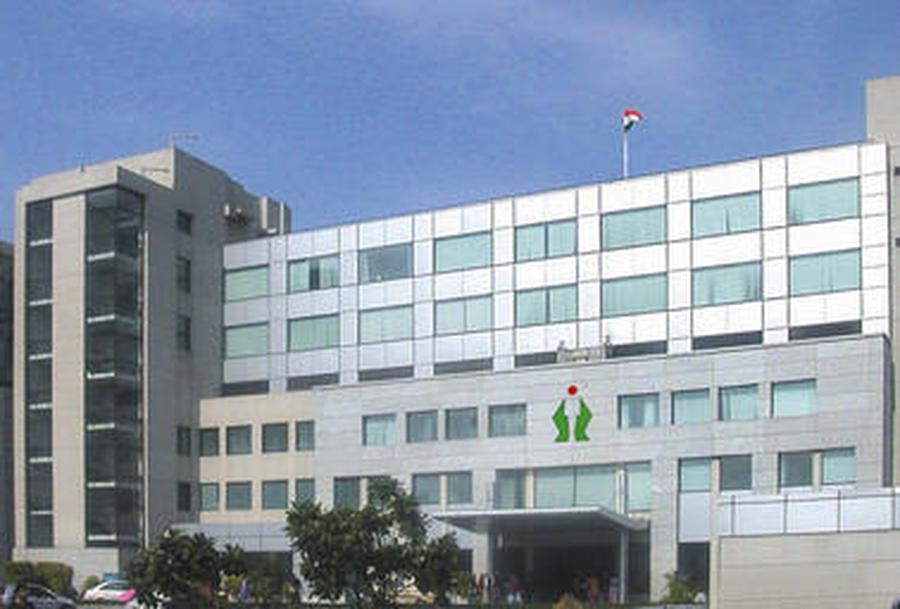





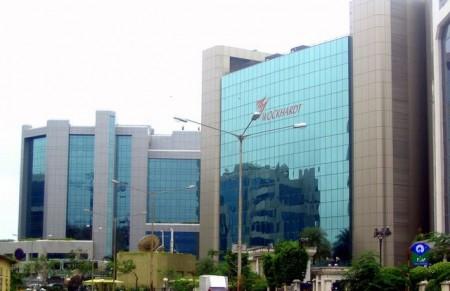
Wockhardt Hospital






أفضل مراكز عملية جراحية في الهند
- Artemis Hospitals, الهند
- Fortis Escorts Heart Institute, الهند
- Apollo Hospital Indraprastha, الهند
- Fortis Gurgaon, الهند
- Medanta Hospital, الهند
- Wockhardt Hospital, الهند
- Kokilaben Dhirubhai Ambani , الهند
- Manipal Hospitals, الهند
- Global Hospital Chennai, الهند
- BLK Super Speciality Hospital, الهند
احصل على تقييم طبي لـ عملية جراحية في الهند. استشر الآن 77 أطباء ذوي الخبرة.
عرض جميع الأطباء
Radha Palakurthi
Radha Rani P
Pascal Joackim

Murtaza Ahmed Chishti
يتخصص الدكتور مرتضى أحمد شيشتي في زراعة القلب والرئة، مع خبرة تزيد عن 30 عامًا وتقدير من جمعيات طبية رائدة.
- حاصل على جائزة لمساهماته في زراعة الأعضاء الصدرية من قبل جمعية فشل القلب وزراعة الأعضاء
- كُرم بشهادة التميز لعمله في زراعة الأعضاء من قبل رئيسة الوزراء فاسوندارا راجي
- متخصص في إعادة التوعي الشرياني الكامل وجراحة الشرايين التاجية المعقدة
- عضو في المجلس الطبي في راجستان
- أبحاث منشورة حول جراحة مجازة الشريان التاجي لدى المرضى الذين يعانون من ضعف وظيفة البطين الأيسر
مشاركة المحتوى
قصص فيديو من مرضى Bookimed
 Anna Leonova
أسئلة متكررة حول عملية جراحية في الهند
هل يمكنني الوثوق بجودة الأطباء الهنود؟
تحظى الخبرة الجراحية الهندية باعتراف عالمي بفضل التدريب التنافسي الصارم والتعرض السريري الهائل. يحمل العديد من المتخصصين زمالات من الكلية الملكية للجراحين أو مجالس أمريكية. تحافظ مرافق مثل مستشفيات أرتميس ومستشفى أبولو إندرابراستا على اعتماد JCI، مما يطابق معايير السلامة والنجاح السريري الدولية.
- حجم الخبرة: أجرى الدكتور أجاي كاول في مستشفى BLK أكثر من 15,000 جراحة قلب.
- النجاح السريري: يبلغ الدكتور فيفيك فيج عن أدنى معدل مضاعفات صفراوية في العالم بنسبة أقل من 4%.
- التدريب الدولي: يحمل الدكتور أمريث راج راو شهادة المجلس البريطاني وزمالات أمريكية.
- معايير المستشفيات: تخدم المراكز الرائدة مثل مستشفيات مانيبال 2,000,000 مريض سنويًا مع شهادة ISO.
رؤية خبير Bookimed: تظهر البيانات وجود علاقة بين مراكز زراعة الأعضاء ذات الحجم الكبير والنتائج المتفوقة. أكمل مستشفى جلوبال تشيناي أكثر من 1,000 عملية زراعة كبد. يسمح هذا التكرار الهائل للحالات للجراحين الهنود بتحسين تقنياتهم بشكل أسرع من نظرائهم الغربيين. يجب على المرضى إعطاء الأولوية للأطباء في هذه السلاسل الكبيرة لضمان الوصول إلى معدلات نجاح موثقة.
إجماع المرضى: غالبًا ما يلاحظ المرضى أن الجراحين الهنود يتعاملون مع عشرة أضعاف حجم عمل الأطباء الأمريكيين، مما يؤدي إلى دقة تقنية عالية. يؤكد الكثيرون أن الالتزام بسلاسل المستشفيات المعتمدة الكبرى يوفر التجربة الأكثر اتساقًا وأمانًا.
هل من الآمن السفر إلى المنزل مباشرة بعد الجراحة؟
تعتمد سلامة السفر بعد الجراحة في الهند على نوع الإجراء وطريقة النقل. تسمح العمليات البسيطة بالسفر في غضون 24-48 ساعة. تتطلب العمليات الجراحية الكبرى مثل زراعة الكبد أو إجراءات القلب من 7 إلى 21 يومًا من التعافي المحلي. تزيد الرحلات الجوية على ارتفاعات عالية من مخاطر تجلط الدم بعد الخروج من المستشفى بفترة وجيزة.
- نافذة السفر: تتطلب حالات تنظير البطن البسيطة عادةً من يوم إلى يومين قبل السفر لمسافات قصيرة.
- الجراحة الكبرى: يجب على مرضى العظام والقلب الانتظار من 7 إلى 14 يومًا من أجل السلامة.
- الوقاية من الجلطات: استخدم ملابس الضغط وامشِ كل 60 دقيقة أثناء الرحلات الطويلة.
- التصريح الطبي: احصل دائمًا على شهادة خطية باللياقة للطيران من جراحك قبل المغادرة.
رؤية خبير Bookimed: تُظهر البيانات السريرية من مراكز ذات حجم كبير مثل مستشفى جلوبال في تشيناي أن جداول التعافي خاصة بكل إجراء. على سبيل المثال، أجرى الدكتور فيفيك فيج أكثر من 500 عملية زراعة كبد بمعدل مضاعفات صفراوية أقل من 4%. حتى مع هذا النجاح، تتطلب هذه الحالات المعقدة البقاء بالقرب من المستشفى لأسابيع. يساعد اختيار عيادة بها أقسام دولية في الموقع، مثل مستشفى أبولو إندرابراستا، في تنسيق إقامات الفنادق الضرورية بعد الجراحة.
إجماع المرضى: يؤكد المرضى أن التسرع في العودة إلى المنزل قد يؤدي إلى تورم شديد أو مشاكل في الجرح بسبب اهتزازات السيارة. ينصح الكثيرون بحجز فندق قريب لمدة 7 أيام على الأقل لضمان تعافٍ مستقر قبل أي رحلة طيران طويلة.
هل أحتاج إلى تأشيرة خاصة للجراحة؟
يحتاج المرضى الذين يسافرون لإجراء جراحة في الهند عادةً إلى تأشيرة طبية إلكترونية (e-Medical Visa) أو تأشيرة طبية قياسية (Med-1). تختلف هذه الفئات المحددة عن تأشيرات السياحة. فهي تسمح بالإقامة لمدة تصل إلى 60 يوماً مع إمكانية الدخول ثلاث مرات. يجب عليك تقديم خطاب دعوة رسمي من مستشفى معتمد من قبل اللجنة الدولية المشتركة (JCI).
- فئة التأشيرة: التأشيرة الطبية الإلكترونية هي الخيار القياسي لمعظم الإجراءات الجراحية قصيرة المدى.
- المستند المطلوب: يجب عليك تقديم خطاب رسمي من المستشفى الهندي يؤكد علاجك.
- مدة الإقامة: تسمح معظم التأشيرات الطبية بـ 60 يوماً وتشمل 3 عمليات دخول منفصلة.
- تأشيرة المرافق: يمكن لما يصل إلى مرافقين اثنين التقدم بطلب للحصول على تأشيرة مرافق طبي (Med-2) بشكل منفصل.
رؤية خبير Bookimed: تُظهر البيانات من المراكز الكبرى مثل دلهي وجورجاون أن المراكز ذات الحجم الكبير، بما في ذلك مستشفى أبولو إندرابراستا ومستشفيات أرتميس، لديها فرق مخصصة لدعوات التأشيرة. غالباً ما تصدر هذه العيادات المعتمدة من JCI الوثائق بشكل أسرع من المرافق الأصغر. اختيار مركز يعالج أكثر من 1,000,000 مريض سنوياً يضمن عادةً عملية بيروقراطية أكثر سلاسة لتصاريح دخولك.
إجماع المرضى: يؤكد المرضى على أهمية التقدم بطلب للحصول على تأشيرة تغطي كلاً من الجراحة وفترة التعافي. يوصون بالشفافية التامة بشأن الخطط الطبية أثناء التقديم لتجنب المشاكل عند الحدود.
ما الذي يجب أن أسأل عنه جراحي أثناء الاستشارة الافتراضية؟
أثناء الاستشارة الافتراضية للجراحة في الهند، اسأل عن شهادات المجلس، وأحجام الحالات، ومعدلات النجاح المحددة. استفسر عن استخدام التقنيات الروبوتية أو بالمنظار لتقليل وقت التعافي. تحقق مما إذا كانت المنشأة حاصلة على اعتمادات دولية مثل JCI أو NABH من أجل السلامة.
- الخبرة: اسأل عن أعداد إجراءات محددة، مثل أكثر من 15,000 عملية أجراها الدكتور أجاي كاول.
- التكنولوجيا: تأكد مما إذا كانت العيادة تستخدم أنظمة روبوتية، وهي متوفرة في مراكز مثل Fortis Gurgaon و Manipal Hospitals.
- الاعتماد: تحقق من تصنيفات JCI أو Newsweek في مستشفيات مثل Apollo Indraprastha أو Artemis Hospitals.
- التعافي: اطلب جدولاً زمنياً مفصلاً للعودة إلى العمل والسفر إلى المنزل بعد الإجراءات الجراحية المتقدمة.
رؤية خبير Bookimed: تدير أكبر الشبكات في الهند، مثل Manipal Hospitals و Apollo، أكثر من 1,000,000 مريض سنوياً. غالباً ما يؤدي هذا الحجم الهائل إلى انخفاض معدلات المضاعفات، كما يظهر مع معدل مضاعفات القناة الصفراوية لدى الدكتور فيفيك فيج الذي يقل عن 4%. اسأل دائماً عما إذا كان جراحك يتولى الإجراء بأكمله شخصياً أو يقود فريقاً متخصصاً.
إجماع المرضى: يوصي المرضى بطلب صور غير معدلة قبل وبعد لأشخاص لديهم أنواع أجسام مماثلة. كما يقترحون طلب رقم اتصال مباشر للطوارئ، حيث يمكن أن تكون خطوط العيادة القياسية مشغولة أحياناً أثناء التعافي.
كيف أتعامل مع حاجز اللغة؟
تعد إدارة حاجز اللغة أثناء الجراحة في الهند أمراً سلساً في المرافق المعتمدة من قبل اللجنة الدولية المشتركة (JCI). توظف المراكز الرائدة مثل مستشفى أبولو إندرابراستا ومستشفيات مانيبال طاقماً طبياً يتحدث الإنجليزية بطلاقة. يجب على المرضى استخدام تطبيقات الترجمة للاحتياجات الأساسية والاعتماد على Bookimed لتنسيق جميع الاتصالات السريرية والخدمات اللوجستية.
- اعتمادات العيادة: تضمن المستشفيات المعتمدة من JCI مثل مستشفيات أرتميس أن الأطباء يتحدثون الإنجليزية بطلاقة.
- الأدوات الرقمية: تساعد تطبيقات الترجمة دون اتصال بالإنترنت في توصيل الاحتياجات الأساسية مثل مستويات الألم إلى طاقم الدعم.
- التحقق قبل الرحلة: تساعد استشارات الفيديو عبر واتساب المرضى على تأكيد كفاءة الجراح في اللغة مسبقاً.
- خبرة الطاقم: غالباً ما يتمتع الأطباء المتخصصون مثل الدكتور أجاي كاول بتدريب دولي وخلفيات أكاديمية.
رؤية خبير Bookimed: تظهر البيانات اتجاهاً واضحاً حيث تمتلك المستشفيات التي تخدم أكثر من مليون مريض دولي، مثل مستشفى أبولو إندرابراستا، بروتوكولات إنجليزية موحدة للغاية. إن اختيار هذه المراكز ذات الحجم الكبير في المدن الكبرى مثل دلهي أو بنغالورو يقلل بشكل كبير من مخاطر الاتصال مقارنة بالعيادات الإقليمية الأصغر.
إجماع المرضى: يشير المرضى إلى أنه على الرغم من أن الجراحين يتحدثون الإنجليزية بشكل مثالي، فإن استخدام تطبيق ترجمة لكلمات بسيطة مثل 'ألم' يساعد في التعامل مع ممرضات القسم. يقترح الكثيرون وجود جهة اتصال محلية أو مساعد للمساعدة في زيارات الصيد
من سيعتني بي أثناء فترة التعافي؟
تجمع رعاية التعافي في الهند بين الإشراف السريري والمساعدة الشخصية من العائلة والمرافقين المتخصصين. توفر المرافق المعتمدة من قبل اللجنة الدولية المشتركة (JCI) مثل مستشفى أرتميس ومستشفى BLK Super Speciality مراقبة أولية بعد الجراحة. تنتقل معظم فترة التعافي بعد ذلك إلى مقدم رعاية أساسي أو محترف مستأجر في فندق أو في المنزل.
- المراقبة السريرية: تدير الفرق الطبية في مستشفى BLK Super Speciality الاستقرار المبكر بعد الجراحة.
- التمريض الخاص: غالبًا ما يستأجر المرضى ممرضين محترفين يقدمون رعاية للجروح ومراقبة العلامات الحيوية على مدار الساعة طوال أيام الأسبوع.
- المرافقون الشخصيون: يقدم المرافقون المحليون الذين يُطلق عليهم اسم 'ayas' مساعدة ميسورة التكلفة في التنقل والمهام اليومية.
- متابعة المتخصصين: غالبًا ما يتابع الجراحون مثل الدكتور فيفيك فيج التقدم من خلال الرسائل الرقمية والصور.
رؤية خبير Bookimed: تعتمد جودة الدعم غالبًا على حجم المستشفى والمدينة. تمتلك المؤسسات الكبيرة مثل مستشفيات مانيبال، التي تخدم 2,000,000 مريض سنويًا، بروتوكولات راسخة للتعافي الدولي. نلاحظ أن هذا هو السبب في أن العديد من المرضى يختارون العيادات في بنغالورو أو دلهي. توفر هذه المراكز وصولاً أسهل إلى وكالات الرعاية المنزلية المتخصصة والفنادق المجهزة للضيوف الطبيين.
إجماع المرضى: يشير المرضى إلى أن وجود أحد أفراد الأسرة هو المعيار الثقافي المحلي. إذا كانوا يسافرون بمفردهم، فإنهم يؤكدون على استئجار ممرضة خاصة على الفور لتجنب العزلة وضمان المساعدة المستمر
كيف يتم التعامل مع الرعاية اللاحقة بمجرد عودتي إلى المنزل؟
تتضمن الرعاية اللاحقة بعد الجراحة في الهند انتقالاً منسقاً بين فريق خروجك من المستشفى وفترة التعافي في المنزل. يتلقى المرضى خطة خروج مكتوبة توضح الأدوية، وقيود النشاط، والعناية بالجروح. توصي معظم المستشفيات بإجراء فحص لدى طبيب الرعاية الأولية في غضون 7 أيام لمراقبة الشفاء.
- وثائق الخروج: تشمل التشخيص، وجداول الأدوية، والقيود الغذائية، وقيود النشاط المحددة.
- مراقبة الأعراض: يجب على المرضى تتبع مستويات الألم ومراقبة أي علامات للعدوى أو التورم.
- الاستشارات عن بُعد: يقدم العديد من الجراحين دعم المتابعة عبر الهاتف أو تطبيقات المراسلة الرقمية.
- الدعم المهني: يمكن للمستشفيات تنسيق التمريض المنزلي أو العلاج الطبيعي إذا لزم الأمر.
رؤية خبراء Bookimed: تظهر البيانات من مرافق رائدة مثل مستشفى أبولو إندرابراستا ومستشفيات مانيبال تحولاً نحو التكامل الرقمي. غالباً ما تستخدم هذه المراكز السجلات الصحية الإلكترونية (EHR) والطب عن بُعد لسد الفجوة للمرضى الدوليين. اختيار مستشفى معتمد من اللجنة الدولية المشتركة (JCI) في مدينة كبيرة يضمن عادةً جداول زمنية أكثر تنظيماً بعد الجراحة وتواصلاً أوضح مقارنة بالمراكز الإقليمية الأصغر.
إجماع المرضى: يشير المرضى إلى أنه على الرغم من أن الجراحين غالباً ما يكونون متاحين للإجابة على الأسئلة عن بُعد، إلا أنه يجب عليهم أن يكونوا استباقيين في طلب جداول زمنية محددة. الحصول على تعليمات مكتوبة بلغتك المفضلة أمر ضروري لإدارة الأدوية والتعرف على علامات الخطر في المنزل.
هل إجراء الجراحة في الهند آمن؟
تعتبر الجراحة في الهند آمنة عند إجرائها في مراكز طبية خاصة معتمدة من قبل JCI أو NABH. تتبع هذه المرافق البروتوكولات السريرية الدولية. العديد من المتخصصين، بما في ذلك الدكتور أجاي كاول والدكتور أمريث راج راو، حاصلون على شهادات من المملكة المتحدة أو الولايات المتحدة أو ألمانيا. يتم الإبلاغ عن معدلات نجاح عالية للإجراءات المعقدة.
- اعتماد المستشفيات: تمتلك العيادات الكبرى مثل مستشفى أبولو إندرابراستا اعتماد JCI لسلامة المرضى.
- خبرة المتخصصين: غالبًا ما يتمتع الجراحون بخبرة تزيد عن 20 عامًا وتدريب زمالة دولي.
- التكنولوجيا المتقدمة: تستخدم مرافق مثل مستشفيات أرتميس الذكاء الاصطناعي، والجراحة الروبوتية، وأنظمة التصوير الرقمي.
- حجم المرضى: تخدم مستشفيات مانيبال 2,000,000 مريض سنويًا، مما يضمن مستويات عالية من الكفاءة السريرية.
رؤية خبير Bookimed: يوضح مستشفى جلوبال تشيناي اتجاهًا رئيسيًا للسلامة في الهند من خلال التخصص العميق في عمليات الزرع عالية المخاطر. ويبلغون عن معدل مضاعفات صفراوية أقل من 4% لعمليات زراعة الكبد من متبرع حي. وهذا يطابق أو يتجاوز المعايير العالمية. عادةً ما يضمن اختيار المستشفيات ذات أحجام الإجراءات المحددة العالية نتائج تعافي أكثر قابلية للتنبؤ.
إجماع المرضى: يؤكد المرضى على اختيار سلاسل المستشفيات الكبرى مثل أبولو أو فورتيس في المدن الكبرى بدلاً من العيادات الصغيرة. ويوصون بالبقاء محليًا لمدة أسبوعين بعد العملية لمراقبة الشفاء قبل السفر إلى المنزل.
ما مدى تأهيل الأطباء في الهند؟
يُعد الجراحون الهنود المرخصون من بين الأكثر تدريباً بصرامة على مستوى العالم. يجب عليهم اجتياز اختبار NEET شديد التنافسية وإكمال 5.5 سنوات من دراسة MBBS. يخضع المتخصصون لـ 3 إلى 6 سنوات أخرى من الإقامة. يحمل الكثير منهم زمالات من مؤسسات مرموقة في المملكة المتحدة والولايات المتحدة.
- المؤهلات الدولية: قضى الدكتور سانتوش كومار هاكالاماني 12 عاماً كاستشاري في مستشفيات المملكة المتحدة.
- خبرة الحجم: أجرى الدكتور أجاي كاول في مستشفى BLK Super Speciality أكثر من 15,000 جراحة قلب.
- النجاح المتخصص: يبلغ الدكتور فيفيك فيج عن معدل مضاعفات صفراوية رائد عالمياً أقل من 4% في عمليات الزرع.
- القيادة الأكاديمية: العديد من كبار الجراحين هم أساتذة أو ممتحنون في كليات ومعاهد طبية عالمية.
رؤية خبير Bookimed: تظهر البيانات أن أكبر الشبكات في الهند، مثل أبولو ومانيبال، تخدم أكثر من مليون مريض سنوياً. يسمح هذا الحجم الهائل للجراحين باكتساب خبرة عملية في عام واحد أكثر مما يكتسبه العديد من نظرائهم الغربيين في خمس سنوات. عند اختيار طبيب، ابحث عن أولئك الموجودين في المستشفيات المعتمدة من JCI مثل فورتيس أو أرتميس، والتي تتحقق بصرامة من التراخيص الطبية والشهادات الدولية.
إجماع المرضى: يلاحظ المرضى أن الجراحين الذين تدربوا في معاهد عليا مثل AIIMS غالباً ما يقدمون رعاية تضاهي المعايير الغربية. من المهم النظر إلى ما هو أبعد من العلامة التجارية للمستشفى والتحقق من عدد إجراءات الطبيب المحدد وشفافية المضاعفات خلال الاجتماع الأول.
هل ستكون هناك حاجز لغوي؟
الحواجز اللغوية ضئيلة في المراكز الطبية الهندية الكبرى لأن اللغة الإنجليزية هي اللغة الأساسية للطاقم الطبي. غالبًا ما يحمل الجراحون في مرافق مثل مستشفى أبولو إندرابراستا ومستشفى جلوبال تشيناي مؤهلات دولية. يتواصل معظم الأطباء بطلاقة، مما يسمح باستشارات واضحة وتعليمات تعافي دقيقة.
- كفاءة الطاقم السريري: عادةً ما يمتلك الأطباء في المستشفيات المعتمدة من JCI لغة إنجليزية بطلاقة أو بمستوى اللغة الأم.
- التدريب الدولي: العديد من المتخصصين، بما في ذلك الدكتور سانتوش كومار هاكالاماني، تدربوا في المملكة المتحدة.
- خدمات الدعم: تلبي المستشفيات الكبرى في دلهي وبنغالور احتياجات المرضى الدوليين بشكل خاص.
- أدوات التواصل: يستخدم الموظفون تطبيق واتساب أو الملاحظات الصوتية لسد أي فجوات طفيفة في اللهجة.
رؤية خبير Bookimed: العيادات التي تستقبل أعدادًا كبيرة من المرضى الدوليين، مثل مستشفيات مانيبال التي تخدم 2,000,000 مريض سنويًا، لديها بروتوكولات إنجليزية موحدة للغاية. في حين أن موظفي النظافة قد يتحدثون اللغات المحلية بشكل أساسي، يُطلب من الفرق الطبية والإدارية أن يكونوا بارعين في اللغة الإنجليزية للحفاظ على اعتماداتهم الدولية مثل JCI.
إجماع المرضى: يلاحظ المرضى أنه على الرغم من أن بعض موظفي الدعم قد يستخدمون الإيماءات أو تطبيقات الترجمة، إلا أن الجراحين غالبًا ما يتحدثون لغة إنجليزية مثالية بلهجات بريطانية أو أمريكية. من المفيد استخدام تعليمات مكتوبة عبر تطبيقات المراسلة لضمان فهم كل تفاصيل ما بعد الجراحة بوضوح.