عملية جراحية في كوريا الجنوبية — التكاليف 2026

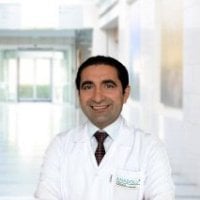
تمت مراجعة المقالة طبيا من قبل
Abdulcabbar Kartal
ما هي تكلفة عملية جراحية في كوريا الجنوبية؟ اكتشف الآن
تتراوح تكلفة الجراحة في كوريا الجنوبية عادةً بين $10,100 و $32,000. تعتمد الأسعار النهائية على مستوى المنشأة الطبية، ومدى تعقيد العملية، وحالة إقامة المريض. غالباً ما يوفر المرضى الدوليون ما بين 40-75% مقارنة بالولايات المتحدة، مما يجعلها مركزاً رئيسياً للإجراءات الطبية والتجميلية على حد سواء.
تكاليف الجراحة النموذجية في كوريا الجنوبية
- استشارة جراح: من $55
- تصوير مقطعي للصدر (CT): من $230
- استئصال المعدة: من $15,000
- استئصال الكلية: من $15,000
- الختان: السعر عند الطلب
- استئصال الرحم: السعر عند الطلب
- استئصال الورم العضلي (إزالة الأورام الليفية الرحمية): من $5,300
- استئصال الغدة الدرقية: السعر عند الطلب
- إزالة كيس المبيض: السعر عند الطلب
- جراحة سرطان الثدي: $7,000 – $9,000
تقع معظم المراكز الطبية الكبرى في سيول، وإنتشون، وبوسان. غالباً ما تفرض العيادات في منطقة جانجنام في سيول رسوماً تزيد بنحو 20% عن المرافق الإقليمية. استشر أخصائياً للحصول على تسعير دقيق لاحتياجاتك الطبية المحددة وخطة علاجك.
جميع أمراض عملية جراحية
مزاياك وضماناتك مع Bookimed
أسعار مباشرة
Bookimed لا يضيف رسوماً إضافية على أسعار علاج عملية جراحية. الأسعار مأخوذة من قوائم الأسعار الرسمية للعيادات. تدفع مباشرة في العيادة مقابل علاجك عند وصولك إلى البلد.
عيادات وأطباء معتمدون فقط
Bookimed ملتزم بسلامتك. نحن نعمل فقط مع المؤسسات الطبية التي تحافظ على معايير دولية عالية في علاج عملية جراحية ولديها التراخيص اللازمة لخدمة المرضى الدوليين في جميع أنحاء العالم.
مساعدة مجانية على مدار الساعة
Bookimed يقدم مساعدة خبراء مجانية. منسق طبي شخصي يدعمك قبل وأثناء وبعد العلاج، ويحل أي مشاكل. لن تكون وحيداً أبداً في رحلة علاج عملية جراحية.

منسقك الطبي الشخصي في Bookimed
- يدعمك في كل مرحلة
- المساعدة في اختيار العيادة الطبية المناسبة والطبيب المناسب
- يضمن الوصول السريع والمريح إلى المعلومات
اكتشف أفضل عيادات عملية جراحية: 49 خيارات معتمدة والأسعار


Seoul Miz Hospital





SAERO Plastic Surgery
أفضل مراكز عملية جراحية في كوريا الجنوبية
- VG Plastic Surgery, كوريا الجنوبية
- مستشفى جيبيوم العام, كوريا الجنوبية
- Seoul Miz Hospital, كوريا الجنوبية
- Samsung Medical Center, كوريا الجنوبية
- SAERO Plastic Surgery, كوريا الجنوبية
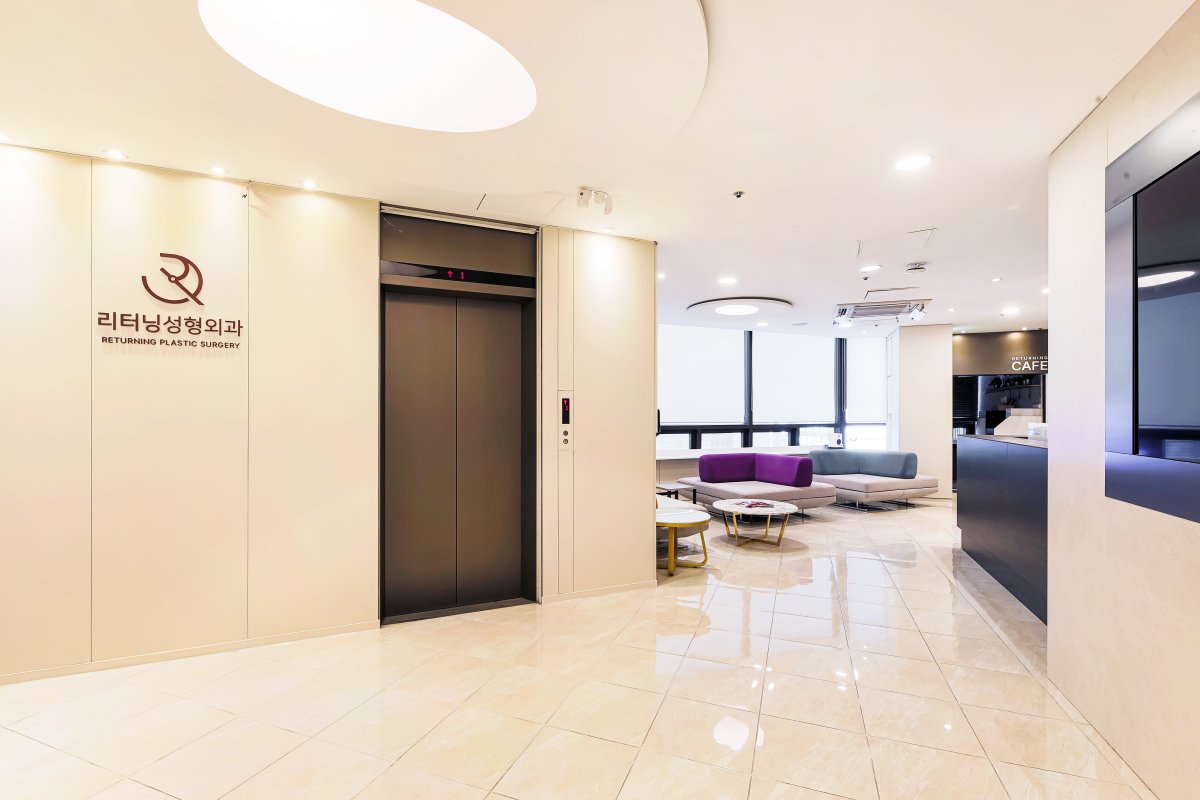
- Returning Plastic Surgery, كوريا الجنوبية
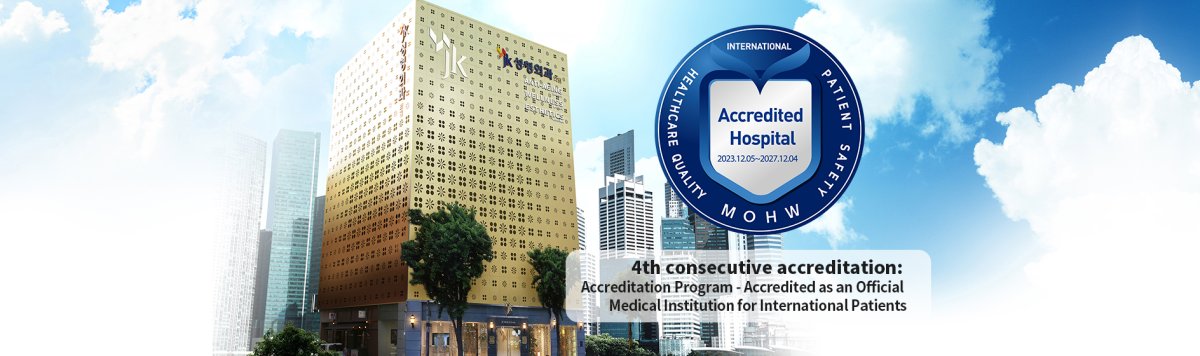
- JK Plastic Surgery Center, كوريا الجنوبية
- NAEUN HOSPITAL, كوريا الجنوبية
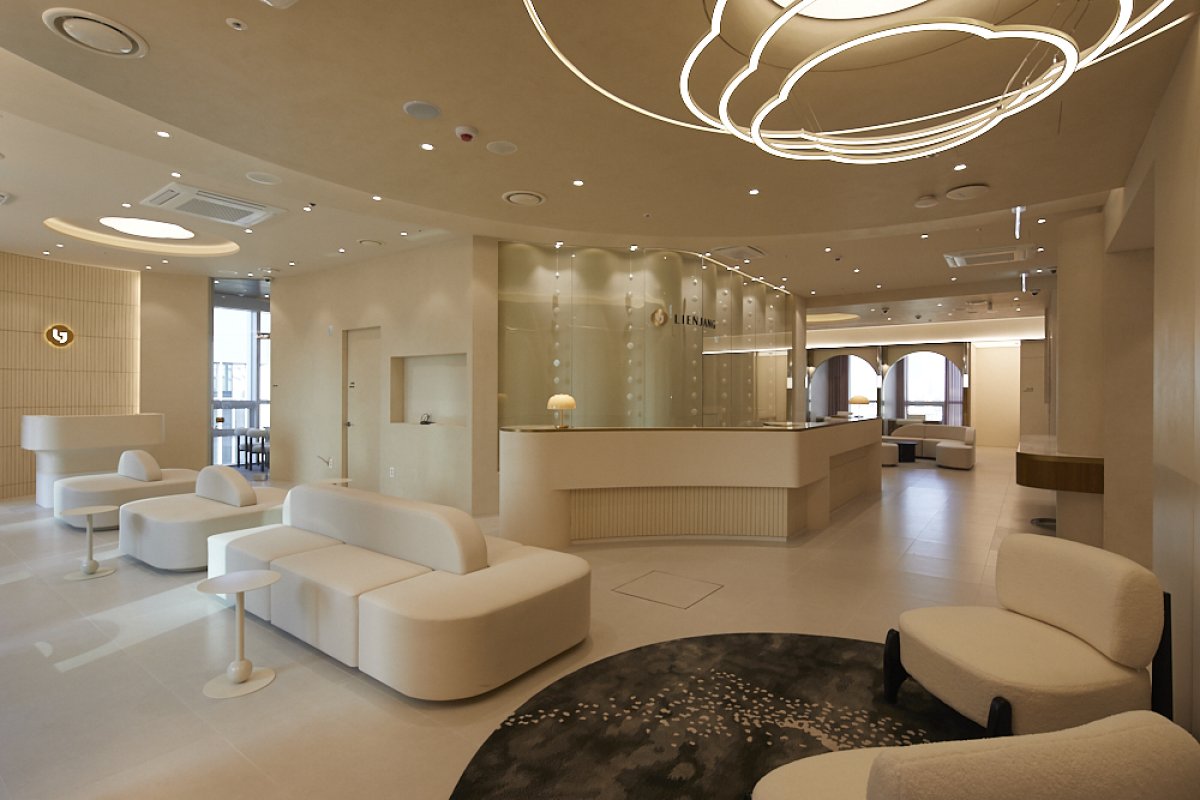
- Lienjang Plastic Surgery & Aesthetic Clinic, كوريا الجنوبية
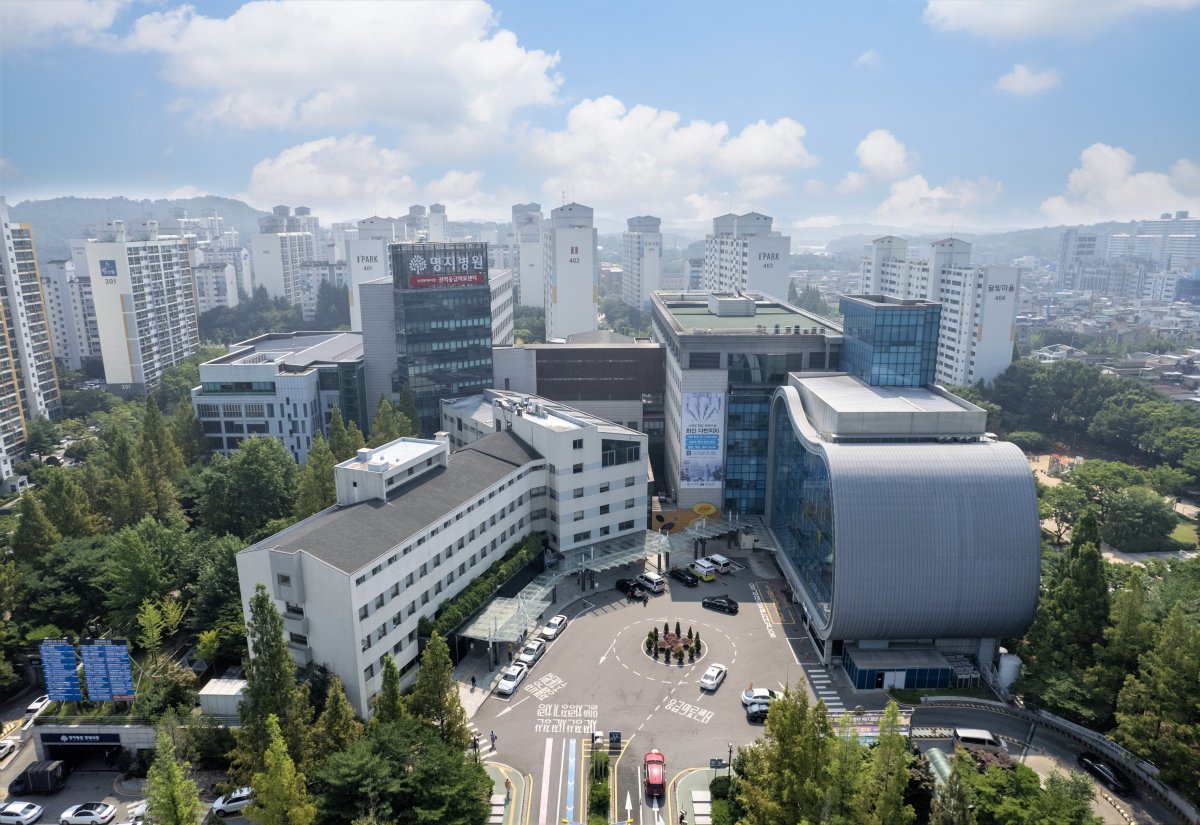
- Myongji Hospital, كوريا الجنوبية
احصل على تقييم طبي لـ عملية جراحية في كوريا الجنوبية. استشر الآن 40 أطباء ذوي الخبرة.
عرض جميع الأطباء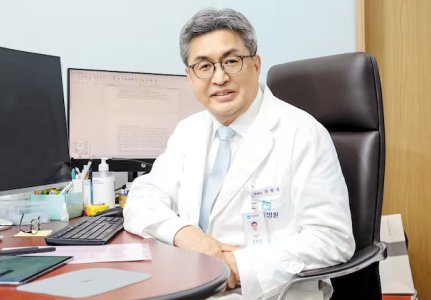
Yoon Sik Kang
الدكتور يون شيك كانغ (M.D., Ph.D.) رئيس ومؤسس مستشفى جيبيوم، المستشفى العام الوحيد المتخصص جراحياً في كوريا. يُعدّ رائداً في جراحة الفتق والقولون والمستقيم، وله خبرة تتجاوز 30 عاماً، إذ أجرى أكثر من 40,000 عملية، بينها أكثر من 20,000 إصلاح فتق من دون شبكة. صُنّف الأوّل في طب الشرج والمستقيم بحسب صحيفة دونغ-أ إلبو، ونال جائزة هانمي ترو الطبية لعام 2016.
طوّر الدكتور كانغ “إصلاح كانغ”، وهي جراحة فتق خالية من الشبكة تتفادى الشبكات الاصطناعية ومخاطر الأجسام الغريبة. معدل النكس المُبلّغ عنه
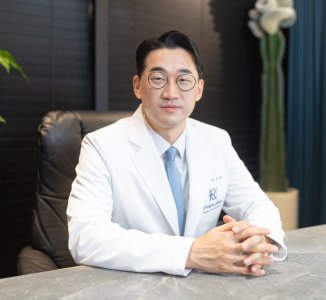
Ji Yong Lee
Mo Hyung-jin
مشاركة المحتوى
قصص فيديو من مرضى Bookimed
 Anna Leonova
أسئلة متكررة حول عملية جراحية في كوريا الجنوبية
كيف يمكنني التحقق مما إذا كانت العيادة أو الجراح يتمتع بسمعة طيبة؟
يتطلب التحقق من عيادة في جمهورية كوريا التحقق من اعتماد KOIHA. يضمن هذا المعيار الوطني أن المنشأة تلبي قواعد السلامة والجودة الدولية. يجب على المرضى أيضًا تأكيد معايير ISO وتصنيفات المستشفيات المحددة من مصادر عالمية مثل Newsweek.
- اعتماد المستشفى: ابحث عن شهادة KOIHA لضمان معايير السلامة والجودة الدولية.
- أوراق اعتماد الطبيب: تحقق من شهادة المجلس والتدريب المتخصص في مؤسسات مثل جامعة سيول الوطنية.
- حجم العمليات الجراحية: تجري المراكز الرائدة مثل مركز أسان الطبي أكثر من 65,000 عملية جراحية كل عام.
- معدلات النجاح: تبلغ العيادات ذات السمعة الطيبة مثل مركز JK للجراحة التجميلية عن نجاح بنسبة 100% عبر أكثر من 85,000 إجراء.
رؤية خبير Bookimed: غالبًا ما توفر المراكز ذات الحجم الكبير في سيول نتائج أكثر موثوقية من العيادات الصغيرة. تعامل مركز أسان الطبي مع 182,220 مريضًا في العام الماضي ويجري 45% من عمليات زراعة القلب في كوريا. عادةً ما يعني هذا المستوى من التخصص أن الفرق الجراحية تتمتع بخبرة إجرائية لا مثيل لها.
إجماع المرضى: يلاحظ المرضى أن كل شيء في المستشفيات الكورية سريع وفعال للغاية. يقترحون الاطلاع على سجلات الحالات الفعلية أثناء الاستشارات بدلاً من الاعتماد على الصور التسويقية.
ما هم "الجراحون الأشباح" وكيف يمكنني تجنبهم؟
الجراحون الأشباح هم أطباء بدلاء يقومون بإجراء أجزاء حرجة من العملية دون موافقة المريض. غالبًا ما تتضمن هذه الممارسة الخادعة استبدال الجراح الرئيسي المعلن عنه بأطباء مقيمين أو مساعدين أقل خبرة. وهي أكثر شيوعًا في العيادات ذات الحجم الكبير حيث تطغى دوافع الربح على سلامة المرضى والشفافية.
- التأكيد المباشر: اسأل: "هل ستقوم شخصيًا بإجراء هذه الجراحة بالكامل من البداية إلى النهاية؟"
- دقة اللغة: استخدم العبارة الكورية '이 수술을 직접 하실 건가요?' أثناء استشارتك.
- تعديل العقد: اشطب المصطلحات الغامضة مثل "المعينين" واكتب اسم جراحك المحدد.
- التحقق بعد العملية: اطلب سجلات التخدير والعمليات الرسمية لتأكيد من دخل الغرفة بالضبط.
رؤية خبير Bookimed: يمكن أن يكون حجم المرضى الكبير علامة تحذير رئيسية في كوريا. تجري عيادات مثل مركز سامسونج الطبي أكثر من 45,800 عملية سنويًا مع 1,400 طبيب، مع الحفاظ على معايير أكاديمية واضحة. على العكس من ذلك، إذا ادعى جراح واحد في عيادة أصغر أنه يتعامل مع أكثر من 10 حالات يوميًا، فمن المحتمل أنه يستخدم بدلاء للقيام بالجزء الأكبر من العمل.
إجماع المرضى: يحذر المرضى من أن الجراحين المشهورين يظهرون أحيانًا لمدة 10 دقائق فقط قبل أن يختفوا. يوصي الكثيرون بإحضار صديق يتحدث الكورية للتأكد من أن الجراح الرئيسي ملتزم قانونًا بالإجراء بأكمله.
كم من الوقت يجب أن أخطط للبقاء في كوريا الجنوبية لإجراء عملية جراحية؟
يجب على معظم المرضى التخطيط للبقاء في كوريا الجنوبية لمدة تتراوح بين 10 إلى 21 يوماً. تغطي هذه الفترة الاستشارات قبل الجراحة، والإجراء الجراحي، ومواعيد المتابعة الأساسية. تتطلب جراحات التجميل أو الوجه الكبرى عادةً ما لا يقل عن 14 إلى 21 يوماً للتعافي الآمن.
- الإجراءات البسيطة: الإقامة القياسية هي 7-10 أيام لجراحات مثل تجميل الجفون أو تكبير الثدي.
- الإجراءات المتوسطة: خطط لمدة 10-14 يوماً لعملية تجميل الأنف للسماح بإزالة الجبيرة والغرز.
- الجراحات المعقدة: تتطلب جراحات نحت الوجه أو الفك 14-21 يوماً بسبب التورم الكبير.
- سلامة الطيران: يوصي الفرق الطبية بالانتظار لمدة 10-14 يوماً بعد التخدير قبل القيام برحلات جوية طويلة.
رؤية خبير Bookimed: تظهر البيانات من المراكز ذات الحجم الكبير مثل مركز أسان الطبي، الذي يجري أكثر من 65,000 عملية سنوياً، أن بروتوكولات التعافي موحدة بدقة. اختيار عيادة بها تصوير عالي التقنية في الموقع، مثل مركز سامسونج الطبي، يمكن أن يقلص غالباً مرحلة التشخيص. وهذا يسمح للمرضى بالانتقال من الاستشارة إلى الجراحة في غضون 48 ساعة من الوصول.
إجماع المرضى: يشير المرضى إلى أن الوصول قبل يومين أمر حيوي لإجراء الاختبارات النهائية. يوصي الكثيرون بحجز إقامات فندقية مرنة لمدة 3 أسابيع لاستيعاب ذروة التورم، التي تصل عادةً إلى أقصى حد لها حوالي اليوم الخامس.
هل الجراحة في كوريا آمنة وفعالة للمرضى غير الآسيويين؟
تعتبر الجراحة في كوريا الجنوبية آمنة وفعالة للغاية للمرضى غير الآسيويين عند إجرائها في مؤسسات معتمدة. تحافظ مرافق مثل مركز سامسونج الطبي ومركز أسان الطبي على معايير الأيزو الدولية. غالبًا ما يتخصص الجراحون في إجراءات محددة، مما يضمن دقة عالية ونتائج ذات مظهر طبيعي عبر مختلف الأعراق.
- اعتماد العيادات: تمتلك أفضل المستشفيات شهادات KOIHA أو JCI، مما يضمن سلامة ونظافة صارمة.
- الخبرة المتخصصة: أجرى الجراحون في مركز JK للجراحة التجميلية أكثر من 85,000 إجراء بنجاح كبير.
- التكنولوجيا المتقدمة: تستخدم المراكز أنظمة Da Vinci الروبوتية و IGRT لدقة جراحية طفيفة التوغل.
- حجم المرضى: تجري المستشفيات الكبرى مثل مركز أسان الطبي أكثر من 65,000 عملية ناجحة سنويًا.
رؤية خبير Bookimed: تظهر البيانات اتجاهًا واضحًا: يحقق المرضى غير الآسيويين أفضل النتائج في المستشفيات متعددة التخصصات بدلاً من عيادات التجميل الصغيرة. تعالج المراكز الكبيرة مثل مركز سامسونج الطبي أكثر من 2,000 مريض دولي في وقت واحد. تمتلك هذه المؤسسات فرق ترجمة متكاملة وأقسامًا معتادة على هياكل العظام الغربية، مما يقلل من خطر النتائج الجمالية غير المتوافقة.
إجماع المرضى: يشير المرضى إلى أنه على الرغم من أن التكنولوجيا عالمية المستوى، فمن الضروري مراجعة محافظ الأعمال التي تعرض وجوهًا غير آسيوية. نجح العديد من المسافرين في تحسين نتائجهم من خلال إحضار صور مرجعية تعكس سماتهم العرقية المحددة.
ماذا يحدث إذا كانت هناك مضاعفات بعد عودتي إلى المنزل؟
تتطلب المضاعفات الجراحية بعد العودة من جمهورية كوريا إجراءً فورياً عبر التنسيق السريري عن بُعد أو الرعاية الطارئة المحلية. تظهر معظم المشكلات الجراحية في غضون سبعة أسابيع من الخروج من المستشفى. يجب على المرضى مراقبة الحمى أو التورم أو الاحمرار والاتصال بفريق الجراحة الكوري الخاص بهم عبر تطبيقات مخصصة للفرز.
- الرعاية الطارئة: اطلب العلاج في المستشفى المحلي فوراً في حالة الشعور بألم في الصدر أو صعوبات في التنفس.
- الفرز عن بُعد: استخدم KakaoTalk أو WhatsApp لمراجعة الصور مع فريق الجراحة الكوري الخاص بك.
- السجلات السريرية: احتفظ بأوراق الخروج وقوائم الأدوية الخاصة بك جاهزة للأطباء المحليين.
- فترة المتابعة: توفر عيادات مثل VG Plastic Surgery دعماً متعدد اللغات للمرضى الدوليين.
رؤية خبير Bookimed: تظهر البيانات من المراكز ذات الحجم الكبير مثل مركز أسان الطبي، الذي يجري أكثر من 65,000 عملية سنوياً، أن خطط الخروج المنظمة أمر حيوي. يجب على المرضى التأكد مما إذا كانت عيادتهم لديها أطباء شركاء في بلدهم الأصلي. يمكن أن يمنع هذا التكاليف الباهظة من الجيب إذا كان الجراحون المحليون مترددين في التعامل مع تقنيات أو مواد غير مألوفة.
إجماع المرضى: يشير المرضى إلى أهمية توثيق التعافي بالصور اليومية. ويوصون باختبار وقت استجابة العيادة أثناء تواجدهم في كوريا لضمان دعم موثوق بعد العودة إلى الوطن.
ما الذي يجب علي فعله للتحضير للجراحة؟
يتطلب التحضير للجراحة في جمهورية كوريا إدارة الأدوية وإجراء الاختبارات التشخيصية الإلزامية في يوم الوصول. يجب على المرضى التوقف عن تناول مميعات الدم أو الأدوية المضادة للالتهابات قبل 7 أيام من الجراحة. الصيام بعد منتصف الليل إلزامي بصرامة لجميع الإجراءات لمنع مضاعفات التخدير.
- مراجعة الأدوية: توقف عن تناول الأسبرين أو مميعات الدم قبل 7 أيام من الإجراء المقرر.
- الاختبارات الإلزامية: أكمل تحاليل الدم وتخطيط القلب فور وصولك إلى العيادة.
- التحضير لنمط الحياة: توقف عن التدخين أو استخدام السجائر الإلكترونية قبل 4-6 أسابيع لتجنب تأخير الجراحة.
- قواعد الصيام: لا تتناول الطعام أو الماء بعد منتصف الليل قبل الجراحة.
- لوجستيات التعافي: خصص ما لا يقل عن 10 أيام في كوريا للمراقبة بعد الجراحة.
رؤية خبير Bookimed: تظهر البيانات من المراكز الكبرى في سيول مثل مركز سامسونج الطبي أن نتائج التشخيص في نفس اليوم هي المعيار. ومع ذلك، غالبًا ما يغفل المرضى الدوليون أن العيادات الكورية قد تتطلب مرافقًا عائليًا للموافقة على التخدير. إذا كنت تسافر بمفردك، تأكد مما إذا كانت العيادة توفر خدمة وصي قانوني أو ما إذا كان بإمكان مترجم القيام بهذا الدور لتجنب التأخير.
إجماع المرضى: يؤكد المرضى على استخدام تطبيقات الترجمة للمصطلحات الطبية ويحذرون من أن جيران Airbnb قد يكونون حساسين للضوضاء أثناء التعافي. يقترح الكثيرون إحضار مسكنات الألم المألوفة التي لا تستلزم وصفة طبية، حيث قد يكون من الصعب العثور على تركيزات معينة متوفرة في ا
هل أحتاج إلى تأشيرة خاصة للعلاج الطبي في كوريا الجنوبية؟
لا يحتاج معظم المرضى الدوليين إلى تأشيرة طبية خاصة للعمليات الجراحية التي تستغرق أقل من 90 يوماً. يمكن لمواطني الدول المعفاة من التأشيرة الدخول باستخدام تصريح السفر الإلكتروني (K-ETA) القياسي. بالنسبة للحالات المعقدة أو الإقامات التي تتجاوز 90 يوماً، يلزم الحصول على تأشيرات طبية من فئة C-3-3 أو G-1-10.
- الدخول عبر K-ETA: تصريح قياسي للعمليات الجراحية قصيرة المدى لمعظم الجنسيات المعفاة من التأشيرة.
- تأشيرة C-3-3: مخصصة للعلاج الطبي والتعافي لمدة تصل إلى 90 يوماً.
- تأشيرة G-1-10: مطلوبة للعلاجات طويلة الأمد مثل الأورام التي تتجاوز إقامة 90 يوماً.
- المستندات الإلزامية: توفر العيادات خطاب الدعوة الرسمي اللازم والشهادات الطبية.
رؤية خبير Bookimed: تظهر بياناتنا أن المراكز ذات الحجم الكبير مثل مركز سامسونج الطبي ومركز أسان الطبي لديها أقسام دولية مخصصة. هذه الفرق هي خبراء في إصدار شهادات لتأشيرات G-1-10 للعمليات الجراحية المعقدة. غالباً ما يلتزم المرضى في العيادات الأصغر بـ K-ETA لمدة 90 يوماً. تحقق دائماً مما إذا كان إجراءك الخاص يتطلب تعافياً أطول قبل اختيار طريقة دخولك.
إجماع المرضى: يشير المرضى إلى أنه من المفيد الحصول على دعوات جراحية مطبوعة جاهزة عند الهجرة. ويؤكدون أن الدخول بتصريح سياحي لأعمال الأسنان أو التجميل قصيرة المدى عادة ما يكون سلساً.
كيف يمكنني التحقق مما إذا كان الجراح مؤهلاً؟
تحقق من الجراح الكوري من خلال التأكد من اعتماد KOIHA وشهادة المجلس من خلال وزارة الصحة والرعاية الاجتماعية. يتمتع الجراحون المؤهلون بتدريب متخصص محدد. يحتفظ محترفون مثل الدكتور فرانسيس جيون والدكتور سيونغ هيونغ نوه بشهادات نشطة وعضويات في الجمعية الكورية لجراحي التجميل والترميم.
- اعتماد المستشفى: ابحث عن شعارات KOIHA أو JCI في مرافق مثل مركز سامسونج الطبي.
- حالة الأخصائي: تأكد من أن الجراحين حاصلون على درجات دكتوراه في الطب من جامعات مرموقة مثل جامعة سيول الوطنية.
- العضويات المهنية: تحقق من الانتماءات إلى الجمعية الجراحية الكورية أو المجالس السريرية المتخصصة.
- الخبرة السريرية: أعط الأولوية للأطباء الذين لديهم أكثر من 15 عاماً من الخبرة في مجالهم المحدد.
رؤية خبير Bookimed: غالباً ما تشير أحجام المرضى الكبيرة إلى الموثوقية في النظام الطبي الكوري. يجري مركز آسان الطبي أكثر من 65,000 عملية سنوياً مع معدلات نجاح عالية في عمليات الزرع. توظف العيادات الحاصلة على تقييمات 4.9+ أو أكثر، مثل VG Plastic Surgery، عادةً أخصائيين يعالجون أكثر من 1,000 مريض دولي سنوياً. يضمن هذا الحجم بقاء الجراحين على اطلاع بأحدث التقنيات الجراحية المعقدة.
إجماع المرضى: يلاحظ المرضى أن المراجعات على المنصات الكورية مثل Naver تقدم أكثر التعليقات صدقاً. وغالباً ما يقترحون التحقق من الصور الأصلية قبل وبعد أثناء استشارات الفيديو للتحقق من العمل الفعلي للجراح.
هل توجد رسوم خفية للمرضى الدوليين؟
توفر معظم المراكز الجراحية ذات السمعة الطيبة في كوريا الجنوبية أسعارًا شفافة، ولكن يجب على المرضى الدوليين تخصيص ميزانية للتكاليف التي تتجاوز عرض السعر الأولي. تتراوح أسعار الجراحة من _price_from_ إلى _price_to_. تشمل النفقات الشائعة غير المدرجة في عرض السعر تجاوزات التخدير، وفترات التعافي الممتدة، والاختبارات التشخيصية المتخصصة مثل الأشعة المقطعية أو التصوير بالرنين المغناطيسي.
- رسوم التخدير: قد تستثني عروض الأسعار تكاليف التخدير، والتي تختلف حسب مدة الإجراء.
- التصوير التشخيصي: تبلغ تكلفة التصوير بالرنين المغناطيسي للبطن قبل الجراحة من $600 وغالبًا ما يتم محاسبتها بشكل منفصل.
- تمديد التعافي: يمكن أن يؤدي التورم أو الكدمات إلى تمديد فترات الإقامة في المستشفى، مما يضيف رسومًا يومية للغرفة.
- تكاليف المرافق: عادة ما تتطلب إقامة أحد أفراد الأسرة رسومًا إضافية للسرير والوجبات.
رؤية خبير Bookimed: تظهر البيانات أن المراكز ذات الحجم الكبير مثل مركز سامسونج الطبي، الذي يعالج أكثر من 2,000,000 مريض سنويًا، تقدم أسعارًا أكثر توحيدًا بسبب حجمها الإداري. قد تبدو العيادات الصغيرة أرخص في البداية ولكنها غالبًا ما تفرض رسومًا منفصلة على تحاليل الدم قبل الجراحة أو اختبارات COVID-15. اختيار منشأة معتمدة من JCI مثل مركز آسان الطبي يضمن عادةً هياكل فواتير أكثر قابلية للتنبؤ للزوار الدوليين.
إجماع المرضى: يشير المرضى إلى أنه من المهم الحصول على هامش ميزانية بنسبة 25% للاحتياجات غير المتوقعة مثل ا
هل العيادات منظمة للمسافرين الدوليين؟
تخضع العيادات الطبية في جمهورية كوريا لرقابة صارمة من قبل وزارة الصحة والرعاية الاجتماعية. يجب على المرافق التي تخدم المسافرين الدوليين الحصول على تصريح حكومي محدد. غالباً ما تحتفظ المستشفيات عالية المستوى باعتماد JCI وشهادة KOIHA لضمان معايير السلامة والجودة الدولية للإجراءات الجراحية.
- الترخيص الوطني: تفرض وزارة الصحة والرعاية الاجتماعية تراخيص لجميع المرافق الجراحية.
- المعايير الدولية: تمتلك المراكز الرائدة مثل مركز سامسونج الطبي شهادات JCI وISO.
- برامج السلامة: يضمن اعتماد KOIHA جودة وسلامة ممتازة في مراكز الرعاية الصحية الكورية.
- الخبرة الجراحية: يتمتع جراحون مثل الدكتور هيون مو لي بخبرة تخصصية تزيد عن 15 عاماً.
رؤية خبير Bookimed: تظهر بياناتنا ارتباطاً واضحاً بين أحجام المرضى الكبيرة وشهادات السلامة. تحافظ المراكز واسعة النطاق مثل مركز آسان الطبي، الذي يجري أكثر من 65,000 عملية سنوياً، باستمرار على معايير KOIHA وISO. غالباً ما توفر هذه العيادات ذات الحجم الكبير بنية تحتية أكثر قوة للمرضى الدوليين مقارنة بالممارسات المتخصصة الأصغر.
إجماع المرضى: يشير المرضى إلى أن العملية الطبية سريعة وفعالة للغاية عندما تحتوي العيادات على دعم متعدد اللغات. يؤكد الكثيرون أن كبار الأساتذة غالباً ما يقدمون تقييمات صادقة، وأحياناً ينصحون بعدم إجراء جراحة غير ضرورية إذا كانت الحالة الطبية خفيفة.