علاج ورم الغدة اللعابية في إسبانيا: 2 مستشفيات


تمت مراجعة المقالة طبيا من قبل
فهد مولود
ما هي تكلفة ورم الغدة اللعابية إجراءات التشخيص والعلاج في إسبانيا؟ اعرف الآن
مزاياك وضماناتك مع Bookimed
أسعار مباشرة
Bookimed لا يضيف رسوماً إضافية على أسعار علاج ورم الغدة اللعابية. الأسعار مأخوذة من قوائم الأسعار الرسمية للعيادات. تدفع مباشرة في العيادة مقابل علاجك عند وصولك إلى البلد.
عيادات وأطباء معتمدون فقط
Bookimed ملتزم بسلامتك. نحن نعمل فقط مع المؤسسات الطبية التي تحافظ على معايير دولية عالية في علاج ورم الغدة اللعابية ولديها التراخيص اللازمة لخدمة المرضى الدوليين في جميع أنحاء العالم.
مساعدة مجانية على مدار الساعة
Bookimed يقدم مساعدة خبراء مجانية. منسق طبي شخصي يدعمك قبل وأثناء وبعد العلاج، ويحل أي مشاكل. لن تكون وحيداً أبداً في رحلة علاج ورم الغدة اللعابية.

منسقك الطبي الشخصي في Bookimed
- يدعمك في كل مرحلة
- المساعدة في اختيار العيادة الطبية المناسبة والطبيب المناسب
- يضمن الوصول السريع والمريح إلى المعلومات
اكتشف أفضل ورم الغدة اللعابية العيادات في إسبانيا: 2 خيارات معتمدة والأسعار
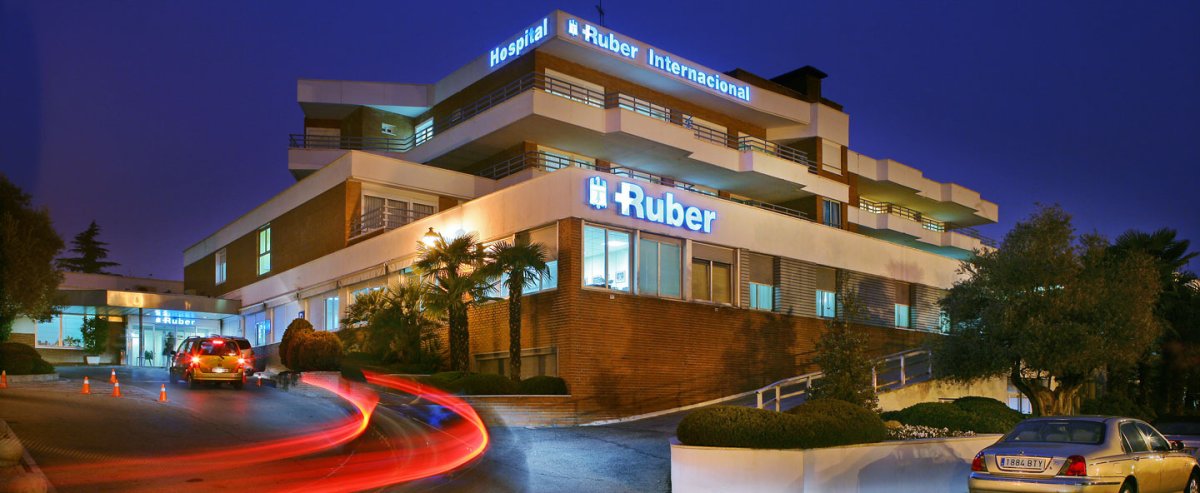


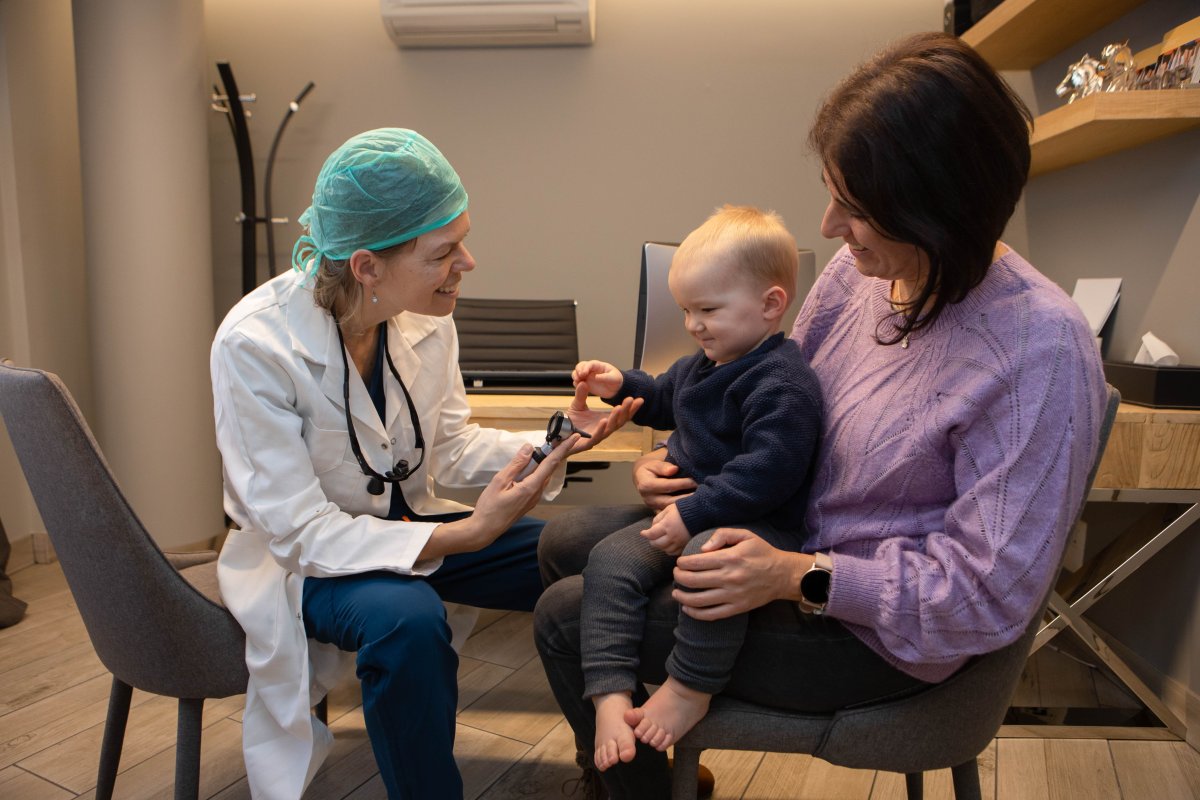
ANDSURGEONS Clinic
احصلوا على تقييم طبي لـ ورم الغدة اللعابية في إسبانيا: استشيروا أطباء ذوي خبرة الآن
عرض جميع الأطباء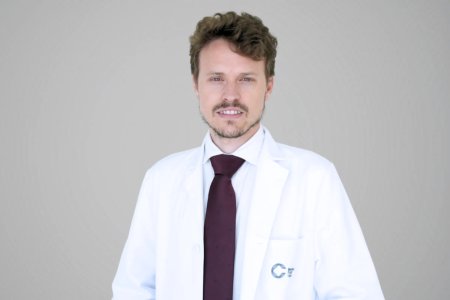
Rosario García Monescillo
الدكتورة روزاريو غارسيا مونيستيلو هي جراحة أنف وأذن وحنجرة في مستشفى بوبليو كوردون التذكاري في مدريد، إسبانيا. تعالج الدكتورة حالات الأذن والأنف والحنجرة، حيث تجري عمليات رأب الحاجز الأنفي، والجراحة المجهرية للزوائد اللحمية الحنجرية، واستئصال الزوائد اللحمية الأنفية. كما تعالج التهاب الجيوب الأنفية المزمن، واحتقان الأنف، واللحمية، بالإضافة إلى شلل الأحبال الصوتية، وفقدان السمع المفاجئ، وأورام الغدد اللعابية. تعمل الدكتورة في مركز طبي معتمد من اللجنة الدولية المشتركة (JCI) والذي يلتزم بالمعايي
مشاركة المحتوى
قصص فيديو من مرضى Bookimed
 Anna Leonova
أسئلة متكررة حول علاج ورم الغدة اللعابية في إسبانيا
ما هي طرق العلاج الأساسية المستخدمة لأورام الغدد اللعابية في إسبانيا؟
تستخدم المراكز الطبية الإسبانية الجراحة كعلاج أساسي لأورام الغدد اللعابية. يقوم المتخصصون بإجراء استئصال الغدة النكفية أو إزالة الغدد مع التركيز على الحفاظ على العصب الوجهي. بالنسبة للحالات الخبيثة، غالبًا ما تجمع الفرق بين الجراحة والعلاج الإشعاعي المعدل الشدة (IMRT). قد تتطلب الحالات المتقدمة علاجات موجهة أو تحليل الملف الجزيئي.
- الاستئصال الجراحي: يقوم الجراحون بإزالة الغدة المصابة لضمان هوامش واضحة.
- مراقبة العصب الوجهي: تحمي المعدات المتخصصة الأعصاب أثناء إجراءات الرأس والرقبة المعقدة.
- الإشعاع المساعد: يقلل العلاج الإشعاعي بعد الجراحة من تكرار الإصابة للأورام الخبيثة عالية الدرجة أو العدوانية.
- تشريح الرقبة: يقوم الجراحون بإزالة الغدد الليمفاوية إذا انتشر السرطان خارج الغدة.
رؤية خبير Bookimed: تدمج المراكز الإسبانية مثل مستشفى روبير الدولي (Hospital Ruber Internacional) التكنولوجيا الجراحية المتخصصة مع علم الأورام. يسمح استخدامهم لـ Gamma Knife ICON و CyberKnife بإشعاع دقيق. هذا أمر حيوي عندما تكون الأورام قريبة من أعصاب الوجه الحساسة. يدعم هذا النهج عالي التقنية أكثر من 6000 عملية جراحية معقدة يقومون بها سنويًا.
إجماع المرضى: يؤكد المرضى على الحاجة إلى جراحي الأنف والأذن والحنجرة المتخصصين تحديدًا في حالات الرأس والرقبة. يلاحظ الكثيرون أن التعافي يركز بشكل كبير على إدارة ضعف أو تنميل العصب الوجهي بعد الإجراء.
كيف يحمي الجراحون الإسبان العصب الوجهي أثناء استئصال الغدة النكفية؟
يحمي الجراحون الإسبان العصب الوجهي أثناء استئصال الغدة النكفية باستخدام مراقبة العصب الوجهي أثناء الجراحة والتشريح المجهري الدقيق. تستخدم فرق متخصصة في مدريد وبرشلونة تخطيط كهربائية العضل في الوقت الفعلي لتتبع إشارات العصب. يقومون بتحديد الجذع العصبي الرئيسي باستخدام معالم تشريحية مثل مؤشر الزنمة قبل إزالة الورم.
- مراقبة العصب: توفر الأنظمة تغذية راجعة صوتية أثناء التشريح لمنع الإصابات العرضية الناتجة عن الحرارة أو الشد.
- التثليث التشريحي: يقوم الجراحون بعزل العصب بالقرب من الشق الطبلي الخشائي لضمان تحديد ثابت وآمن.
- التشريح المجهري: يستخدم المتخصصون مجاهر جراحية لتفريق الأنسجة بالتوازي مع الألياف، مما يتجنب القطع الأعمى.
- اختبار ما بعد التشريح: تتحقق مجسات التحفيز من التوصيل الكهربائي عبر جميع فروع العصب قبل إنهاء الجراحة.
رؤية خبير Bookimed: بينما تجري العديد من المستشفيات العامة جراحات الرقبة، فإن اختيار مراكز متخصصة مثل عيادة ANDSURGEONS في برشلونة أمر حيوي. تركيزهم على التخطيط الرقمي للعلاج وجراحة التجميل الوجهية يضمن دقة أعلى. تحافظ عيادات مثل مستشفى روبر الدولي على اعتماد اللجنة الدولية المشتركة (JCI)، مما يشير إلى الالتزام الصارم ببروتوكولات الحفاظ على الأعصاب هذه.
إجماع المرضى: يلاحظ المرضى أن ضعف الوجه المؤقت أمر شائع بسبب التورم بعد الجراحة أو التلاعب بالعصب. يؤكد معظمهم أن العناية الدقيقة بالعين، بما في ذلك قطرات الترطيب والشريط اللاصق ليلاً، ضرورية خلال أسابيع التعافي الأولى.
ما هي معدلات البقاء على قيد الحياة والنجاح لعلاج أورام الغدد اللعابية في إسبانيا؟
يُظهر علاج أورام الغدد اللعابية في إسبانيا نجاحاً عالياً مع معدل بقاء على قيد الحياة خاص بالمرض بنسبة 86.7% خلال 3 سنوات. تحافظ الأورام الخبيثة على معدل بقاء على قيد الحياة لمدة 10 سنوات بنسبة 55.5%. يصل الاستئصال الجراحي الكامل إلى 87.5% في الحالات المتقدمة. عادةً ما تقدم أورام الغدة النكفية النتائج الأكثر ملاءمة للمرضى.
- النجاح الجراحي: يحقق الجراحون استئصالاً كاملاً للورم بنسبة 87.5% بعد العلاج المساعد.
- معايير البقاء على قيد الحياة: تشير المجموعات السريرية إلى معدل بقاء إجمالي بنسبة 80% على مدى فترة 3 سنوات.
- المعدل الخاص بالمرض: معدل البقاء على قيد الحياة لمدة 3 سنوات لحالات الغدد اللعابية هو 86.7%.
- النتائج طويلة المدى: تظهر الدراسات السكانية معدل بقاء صافٍ بنسبة 55.5% على مدى 10 سنوات.
رؤية خبير Bookimed: يشير حجم المرضى إلى أن المراكز الإسبانية تعطي الأولوية لنهج متعدد التخصصات لحالات الرأس والرقبة المعقدة. يجري مستشفى روبير الدولي (Hospital Ruber Internacional) أكثر من 6000 عملية جراحية سنوياً ويستخدم تقنية Gamma Knife ICON. تعتبر هذه البيئة الجراحية ذات الحجم الكبير مؤشراً رئيسياً على الكفاءة السريرية. عند اختيار منشأة، ابحث عن مراكز مثل عيادة ANDSURGEONS التي توفر متخصصين مدربين في المملكة المتحدة. خبرتهم المركزة في جراحة الرأس والرقبة حيوية للحفاظ على وظيفة العصب الوجهي أثناء إزالة الورم.
إجماع المرضى: يؤكد المرضى على أهمية العثور على متخصص ذي خبرة في الرأس والرقبة لتقليل مخاطر العصب الوجهي. يشير معظمهم إ
هل سأحتاج إلى اختبارات جزيئية أو جينية للورم قبل العلاج؟
تعد الاختبارات الجينية لأورام الغدد اللعابية في إسبانيا أكثر شيوعاً في الحالات المتقدمة أو المتكررة. يستخدمها الأطباء للعثور على محركات جينية محددة مثل EGFR أو NTRK. تساعد هذه الاختبارات في اختيار العلاجات الموجهة. تركز معظم العلاجات الأولية على نتائج الخزعة ومراجعات علم الأمراض من قبل الخبراء.
- اختيار العلاج الموجه: تحدد الاختبارات التغيرات الجينية التي تدفع نمو الورم من أجل الطب الدقيق.
- التأكيد التشخيصي: يساعد التنميط الجزيئي في تصنيف الأنواع الفرعية النادرة أو التي يصعب تحديدها من أورام الغدد اللعابية.
- الوصول إلى التجارب السريرية: يمكن أن تؤهل النتائج المرضى لتجارب الأدوية المتخصصة في المراكز الإسبانية.
- المرافق المعتمدة: تستخدم المستشفيات المعتمدة من قبل اللجنة الدولية المشتركة (JCI) مثل مستشفى روبر الدولي (Hospital Ruber Internacional) تشخيصات متقدمة للحالات المعقدة.
رؤية خبير Bookimed: غالباً ما تعطي مراكز الأورام الإسبانية الأولوية للخبرة الجراحية عالية الحجم قبل التنميط الجزيئي. أجرى مستشفى روبر الدولي أكثر من 6000 عملية جراحية في عام 2022 وحده. يشير هذا إلى أن الدقة الجراحية وتحديد مراحل المرض هما التركيز الأساسي في البداية بالنسبة للعديد من المرضى. غالباً ما تعمل الاختبارات الجزيئية كأداة ثانوية للحالات التي لا تستجيب للرعاية القياسية.
إجماع المرضى: يلاحظ المرضى أن العلاج يبدأ عادةً بالتصوير والخزعة بدلاً من الاختبارات الجينية. يجد الكثيرون أن التنميط الجزيئي لا يصبح موضوعاً للنقاش إلا إذا عاد السرطان أو
هل يمكن للجراحة أن تغير مظهري أو حركة وجهي بشكل دائم؟
تنطوي جراحة أورام الغدد اللعابية في إسبانيا على مخاطر حدوث تغيرات دائمة في الوجه. يعطي الجراحون الأولوية للحفاظ على الأعصاب للحفاظ على التعبيرات الطبيعية. تزداد المخاطر مع الأورام الكبيرة أو الخبيثة. تستخدم المراكز المتخصصة في مدريد وبرشلونة مراقبة متقدمة. وتهدف إلى حماية العصب الوجهي أثناء الاستئصال.
- الحفاظ على الأعصاب: تركز الإجراءات على حماية العصب الوجهي لمنع التدلي الدائم.
- حركة الوجه: عادة ما يزول الضعف المؤقت في غضون أشهر لمعظم المرضى.
- التأثير على المظهر: قد تسبب إزالة الأنسجة تجويفاً طفيفاً بالقرب من الفك أو الخد.
- خيارات الترميم: يستخدم الجراحون تقنيات متقدمة لملء العيوب والحفاظ على محيط الوجه.
رؤية خبير Bookimed: بينما يتعامل مستشفى Hospital Ruber Internacional مع أكثر من 6000 جراحة معقدة سنوياً، تتخصص مراكز أصغر مثل ANDSURGEONS في برشلونة تحديداً في إجراءات الرأس والرقبة. غالباً ما يضمن اختيار منشأة ذات حجم كبير من هذه المواقع الورمية المحددة أن الفريق الجراحي أكثر مهارة في التعامل مع فروع العصب الوجهي المعقدة.
إجماع المرضى: يلاحظ العديد من المرضى أنه على الرغم من قلقهم الأكبر بشأن الندبات، فإن القلق الفعلي كان يتمثل في ابتسامة غير متماثلة أو تدلي الوجه. ينصحون بالسؤال عما إذا كان سيتم مراقبة العصب أثناء الجراحة لتقليل هذه المخاطر.
ما هي المستشفيات الإسبانية التي تعتبر وجهات رائدة لعلاج أورام الغدد اللعابية؟
تشمل أفضل المستشفيات الإسبانية لأورام الغدد اللعابية مستشفى روبير الدولي (Hospital Ruber Internacional)، ومستشفى كلينيك دي برشلونة (Hospital Clínic de Barcelona)، وعيادة جامعة نافارا (Clínica Universidad de Navarra). تستخدم هذه المرافق معايير معتمدة من اللجنة الدولية المشتركة (JCI) وتقنيات متقدمة مثل CyberKnife وDa Vinci Xi. تعطي المراكز المتخصصة في مدريد وبرشلونة الأولوية للحفاظ على العصب الوجهي من خلال التحفيز العصبي أثناء الجراحة.
- مستشفى روبير الدولي: مركز في مدريد يتميز باعتماد JCI وجراحة إشعاعية روبوتية متخصصة باستخدام CyberKnife.
- عيادة جامعة نافارا: تدمج أنظمة Da Vinci الروبوتية لاستئصال الأورام عبر الفم بأقل تدخل جراحي.
- مستشفى كلينيك دي برشلونة: مصنف ضمن أفضل المستشفيات العامة في إسبانيا لإعادة بناء الرأس والرقبة.
- تكنولوجيا مراقبة الأعصاب: تستخدم المرافق تحفيزاً عصبياً متقدماً لمنع تلف العصب الوجهي أثناء الجراحة.
رؤية خبير Bookimed: تدمج المراكز الإسبانية الرائدة مثل مستشفى روبير الدولي بين شهادات النخبة وأعداد كبيرة من المرضى. يدير هذا المستشفى وحده 25,000 مريض سنوياً ويحمل خمس شهادات ISO متميزة. بالنسبة للأورام الخبيثة النادرة في الغدد اللعابية، فإن اختيار مرفق بهذا المستوى من البنية التحتية الإدارية والسريرية يضمن الوصول إلى مجالس أورام متعددة التخصصات وموثوقة.
إجماع المرضى: يؤكد المرضى على أهمية العثور على فرق جراحية متخصصة في الرأس والرقبة بدلاً من الممارسين العامين. ويوصون بإعطاء الأولوية للمراكز الأ
ما هي رعاية المتابعة وإعادة التأهيل المطلوبة بعد العلاج؟
تركز رعاية المتابعة لأورام الغدد اللعابية في إسبانيا على مراقبة التكرار من خلال التصوير المنتظم والفحوصات البدنية. تعطي إعادة التأهيل الأولوية لاستعادة العصب الوجهي، وعلاج البلع، وإدارة جفاف الفم. تقوم مراكز متخصصة في الرأس والرقبة في مدريد وبرشلونة بتنسيق بروتوكولات البقاء على قيد الحياة طويلة الأمد هذه.
- إعادة تأهيل الأعصاب: تساعد تمارين الوجه المستهدفة في إدارة الضعف أو عدم التماثل بعد جراحة الغدة النكفية.
- المراقبة التشخيصية: تتبع فحوصات الموجات فوق الصوتية أو التصوير بالرنين المغناطيسي المنتظمة التكرار المحتمل في الأورام بطيئة النمو.
- العناية بالفم: تمنع فحوصات الأسنان المتخصصة التسوس الناجم عن جفاف الفم الناتج عن الإشعاع.
- علاج البلع: يساعد أخصائيو النطق واللغة المرضى في استعادة وظائف المضغ والكلام المريحة.
رؤية خبير Bookimed: تظهر بيانات المرضى أن اختيار عيادات الأنف والأذن والحنجرة المتخصصة مثل ANDSURGEONS في برشلونة يوفر ميزة واضحة للتعافي بعد الجراحة. تعطي هذه المرافق الأولوية لتخطيط العلاج الرقمي لرسم خرائط أعصاب الوجه قبل الجراحة. غالبًا ما تقلل هذه الدقة من كثافة العلاج الطبيعي المطلوب لاحقًا. إذا كنت تخضع للإشعاع، فتأكد من أن عيادتك تقدم تصوير بالرنين المغناطيسي بقوة 3 تسلا للحصول على تصوير متابعة أكثر دقة.
إجماع المرضى: يؤكد العديد من المرضى أن استعادة العصب الوجهي تتطلب صبرًا كبيرًا حيث قد يستغرق التحسن عدة أشهر. يقترح أولئك الذين تلقوا الإشعاع الاحتفاظ بالماء وبدائل اللعاب في مكان قريب لإدارة مشاكل ج