عيادة أمراض الجهاز الهضمي وجراحة القولون Centro PAD
إسبانيا, مدريد
Carlos Garcia Vasquez
20سنة خبره ١٦ سنة • تم تنفيذ 7000+ علاجات
حافظة الجراح
العيادة معتمدة من قبل : 



تمت مراجعة المقالة طبيا من قبل
فهد مولود
| تركيا | إسبانيا | ألمانيا | |
|---|---|---|---|
| Incisional hernia repair | من $4,600 | من $7,300 | ≈ $7,200 |
جرّاح في الجراحة العامة وجراحة الجهاز الهضمي. يركز على جراحات القولون والمستقيم والشرج وجدار البطن طفيفة التوغل. رئيس مشارك، Infanta Elena University Hospital (2021–). جرّاح معاون، Fundación Jiménez Díaz (2013–).
الاعتمادات: دكتوراه في الجراحة بامتياز مع مرتبة الشرف العليا (UAM). معتمد في الجراحة الروبوتية (Da Vinci X/Xi/5). تدريب متقدم في الجراحة العامة بالمنظار (IRCAD، ستراسبورغ). اختصاصي في الجراحة العامة وجراحة الجهاز الهضمي (Fundación Jiménez Díaz).
الإنجازات: باحث (2013–).

32 سنة متخصص في جراحة البطن، بما في ذلك إصلاح الفتق الجراحي، في مركز تكنون الطبي - أحد المستشفيات الرائدة في إسبانيا.
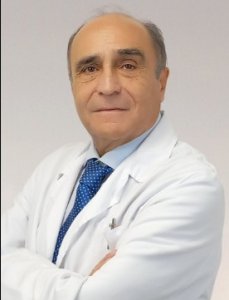
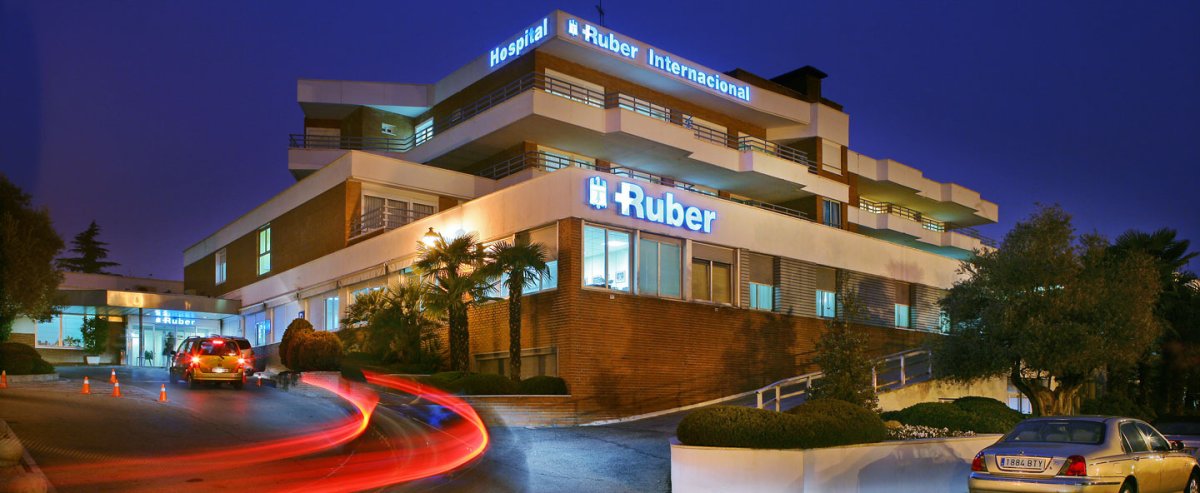
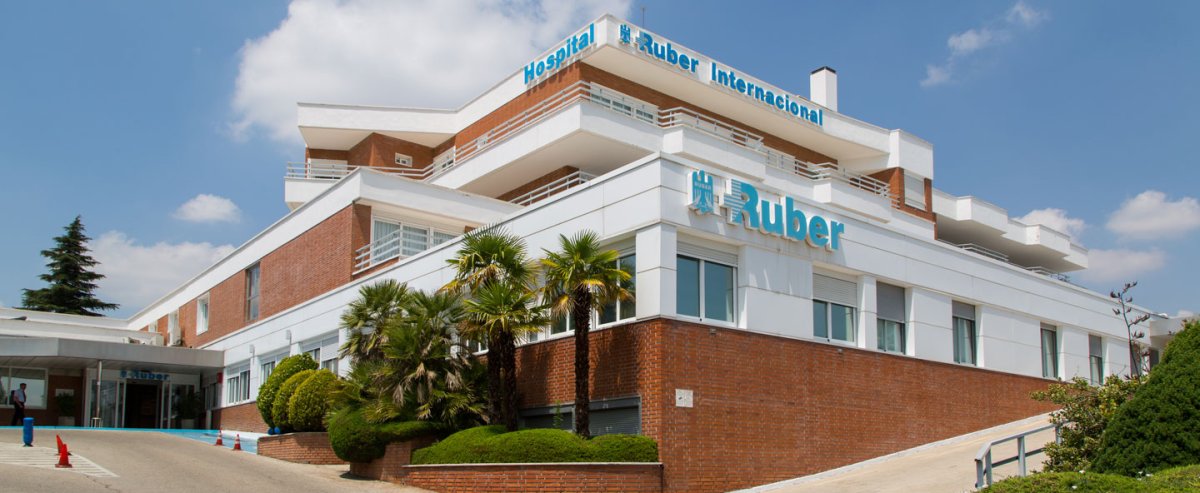
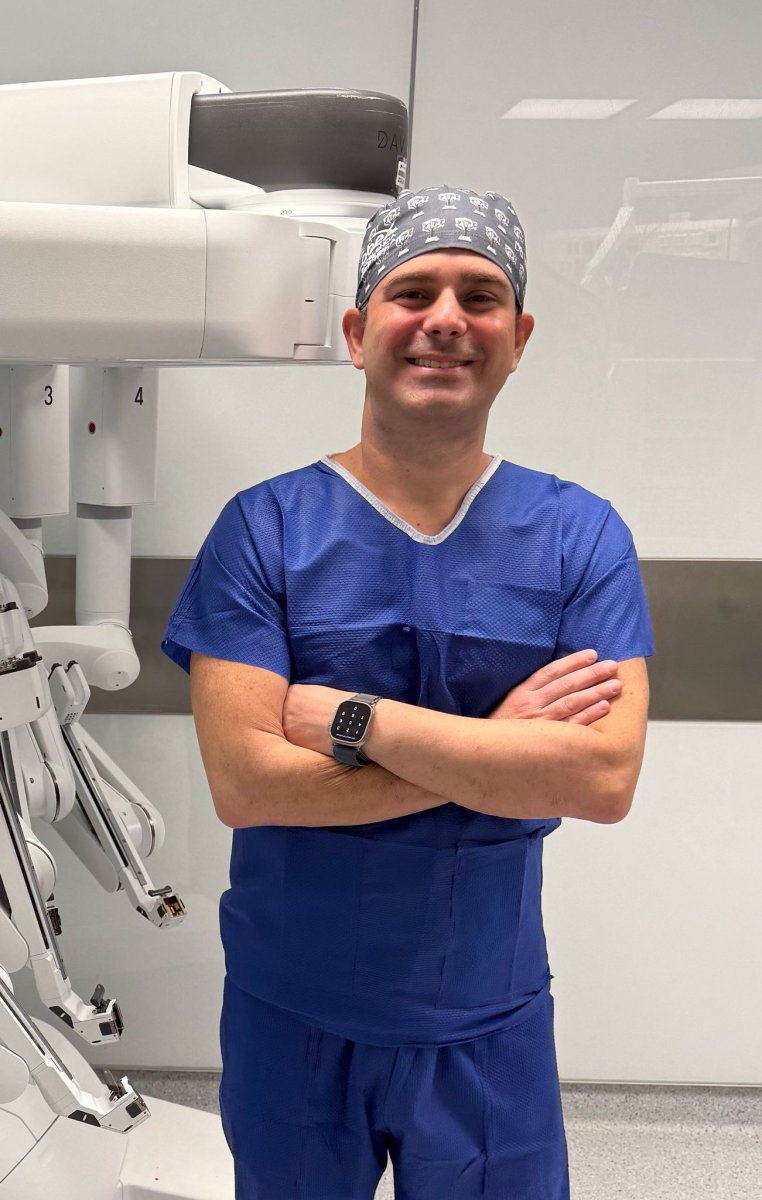
يتولى الدكتور سيزار كاناليس منذ عام 2015 رئاسة قسم الجراحة العامة وجراحة الجهاز الهضمي، ووحدة الجراحة بالمنظار والروبوت في مستشفى روبر إنترناسيونال (مدريد). وهو جرّاح عام وجهاز هضمي بخبرة تتجاوز 30 عاماً. يتخصص في الجراحة بالمنظار وبالروبوت دا فنشي لحالات البطن المعقّدة، والأورام، وجدار البطن.
يحمل درجة الدكتوراه (بامتياز مع مرتبة الشرف، الجامعة المستقلة بمدريد UAM) ودرجة الطب (مع مرتبة الشرف، جامعة كومبلوتنسي بمدريد UCM). أكمل تدريبه التخصصي في المستشفى الجامعي العام غريغوريو مارانيون
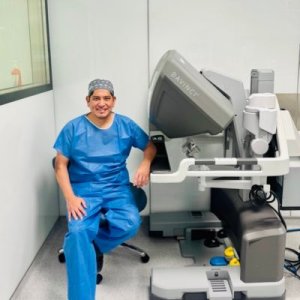
الدكتور César Lévano Linares متخصص في الجراحة العامة وجراحة الجهاز الهضمي. يعمل في Rey Juan Carlos University Hospital وFundación Jiménez Díaz University Hospital. وهو معروف بعمله في جراحة القولون والمستقيم بالمنظار.
يحمل درجة الدكتوراه في الطب والجراحة من جامعة مدريد المستقلة. أكمل ماجستيراً في جراحة القولون والمستقيم وقاع الحوض في جامعة سرقسطة. كما يحمل دبلوماً في الجراحة بالمنظار من جامعة لويس باستور في ستراسبورغ، ولديه اعتماد أوروبي في الجراحة بالمنظار (EACCME).
تشمل أبحاثه
 Anna Leonova
يحدث الفتق الجراحي عندما تندفع أنسجة البطن عبر ندبة جراحية سابقة. يتكون عندما تفشل جدار البطن في الالتئام تماماً. يقوم الجراحون بقطع العضلات واللفافة أثناء الجراحة. حتى الشفاء الناجح يستعيد فقط 80% من قوة الأنسجة الأصلية.
رؤية خبير Bookimed: تستخدم المراكز الجراحية الإسبانية مثل Centro PAD منصات روبوتية من نوع Da Vinci لعلاج الفتق المعقد. تسمح هذه التكنولوجيا الدقيقة لأخصائيين مثل الدكتور كارلوس غارسيا فاسكيز بتطبيق مواد اصطناعية حاصلة على براءة اختراع. غالباً ما يؤدي هذا النهج إلى استقرار هيكلي أعلى مقارنة بطرق الإصلاح المفتوح التقليدية.
إجماع المرضى: يذكر المرضى أن الانتفاخ غالباً ما يشعر وكأنه ضغط ناعم تحت الجلد. يؤكد الكثيرون على اتباع قيود صارمة على الرفع لمنع اتساع الفجوة بعد جراحتهم الأولية.
توفر العيادات الإسبانية إصلاحات متقدمة للفتق الجراحي باستخدام تقنيات تنظير البطن، والروبوت، والشبكة المفتوحة. تعد الجراحة طفيفة التوغل هي المعيار لمعظم الحالات. يستخدم الجراحون الإسبان نظام دافنشي لإعادة بناء جدار البطن المعقدة. غالبًا ما تحمل المرافق اعتماد اللجنة الدولية المشتركة (JCI) لضمان معايير سلامة عالية.
رؤية خبير Bookimed: تعطي مراكز جراحة جدار البطن الإسبانية الأولوية للشهادات المتخصصة على الممارسة العامة. Centro PAD هو المرفق الوحيد في إسبانيا الحاصل على شهادة ISO 45001 للصحة والسلامة المهنية. يضمن اختيار مركز بهذه الاعتمادية المحددة أن بيئة الجراحة بأكملها تلبي بروتوكولات دولية صارمة لسلامة المرضى أثناء عمليات إعادة البناء المعقدة.
إجماع المرضى: يؤكد المرضى على أهمية السؤال عن خطة وضع الشبكة المحددة وما إذا كان النهج طفيف التوغل ممكنًا حقًا لأنسجة الندبة لديهم. يوصي الكثيرون باختيار العيادات التي لديها برامج مخصصة لجدار البطن لضمان أن الجراح لديه خبرة واسعة في حالات الفتق المتكررة أو المعقدة.
تعتبر الشبكة الجراحية هي المعيار الذهبي لإصلاح الفتق الجراحي في إسبانيا. فهي تعمل كسقالة ميكانيكية لمنع تكرار الفتق. يستخدم الجراحون الإسبان الشبكة في كل من الإجراءات المفتوحة وبالمنظار لتعزيز جدار البطن وضمان استقرار طويل الأمد للمرضى.
رؤية خبير Bookimed: تتركز الخبرة الجراحية الإسبانية بشكل كبير في مدريد وفالنسيا، حيث يحمل متخصصون مثل الدكتور كارلوس غارسيا فاسكيز براءات اختراع لأنظمة الأطراف الصناعية لجدار البطن. يشير هذا المستوى من الابتكار إلى أن المرضى في المراكز المتخصصة مثل Centro PAD يستفيدون من تقنيات خاصة قد لا تكون متاحة في أماكن أخرى. عند اختيار عيادة، أعط الأولوية لأولئك الذين لديهم جراحون يعملون في مجلس قسم جدار البطن التابع للجمعية الإسبانية للجراحين، حيث أنهم غالبًا ما يقودون المعايير الوطنية لتنفيذ استخدام الشبكات.
إجماع المرضى: يشير المرضى إلى أنه على الرغم من قلقهم في البداية من وجود جسم غر
يستغرق التعافي بعد علاج الفتق الجراحي في إسبانيا عمومًا من أسبوع إلى أسبوعين للأنشطة اليومية. يتطلب النشاط البدني الكامل عادةً من 6 إلى 24 أسبوعًا بناءً على تعقيد الجراحة. تستخدم العيادات الإسبانية بروتوكولات معتمدة من قبل اللجنة الدولية المشتركة (Joint Commission International) لضمان الشفاء السريع ومعدلات بقاء عالية.
رؤية خبير Bookimed: غالبًا ما تركز الخبرة الجراحية الإسبانية على إعادة بناء جدار البطن المتقدمة. حتى أن الدكتور كارلوس غارسيا فاسكيز في مركز PAD حصل على براءة اختراع لنظام محدد لزرع المواد التعويضية. هذا المستوى من التخصص، جنبًا إلى جنب مع منصات دافنشي الروبوتية، يسمح غالبًا للمرضى بالخروج في نفس اليوم أو بعد ليلة واحدة.
إجماع المرضى: يشير المرضى إلى أنه على الرغم من أن المشي ممكن في غضون ساعات، فمن الضروري تجنب رفع الأثقال لعدة أسابيع. يؤكد الكثيرون أن الحفاظ على الجرح جافًا ونظيفًا هو الجزء الأكثر أهمية في روتين الرعاية المنزلية.
تعد إسبانيا رائدة عالمياً في جراحة جدار البطن بفضل نظام الاعتماد الرسمي للوحدات المتخصصة. تفرض الجمعية الإسبانية للجراحين معايير صارمة للرعاية ذات الحجم الكبير والبحث العلمي. تقلل هذه الخبرة من تكرار الفتق بنسبة 6% من خلال تقنيات مبتكرة مثل فصل المكونات الخلفي في مدريد.
رؤية خبير Bookimed: تجذب خبرة إسبانيا أفضل المواهب مثل الدكتور سيزار كاناليس بيدويا، المصنف ضمن أفضل 100 طبيب في فوربس. حتى أن الدكتور كارلوس غارسيا فاسكيز يحمل براءة اختراع لنظام طرفي خاص لجدار البطن. يفسر هذا التركيز على الابتكار الفردي سبب تقديم المراكز الإسبانية لإصلاحات روبوتية متقدمة باستخدام نظام Da Vinci Xi.
إجماع المرضى: يلاحظ المرضى أن المتخصصين الإسبان يعطون الأولوية للتعرف على الأنماط على الإصلاح الروتيني، خاصة للحالات المعقدة التي تنطوي على أنسجة ندبية. إنهم يقدرون الجراحين الذين يناقشون بصدق مخاطر التكرار ويخصصون اختيار الشبكة وفقاً لجودة الأنسجة المحددة.
توفر إسبانيا معايير سلامة عالية لإصلاح الفتق الجراحي من خلال السجل الوطني EVEREG. يحصل المرضى على منصات روبوتية متقدمة مثل Da Vinci في مرافق معتمدة من قبل اللجنة الدولية المشتركة (JCI). غالبًا ما يمتلك الجراحون المتخصصون براءات اختراع لأنظمة شبكات جدار البطن. توفر العيادات الخاصة جدولة فورية دون قوائم انتظار.
رؤية خبير Bookimed: إن ريادة إسبانيا في جراحة جدار البطن مدفوعة بجراحين هم باحثون وممارسون في آن واحد. على سبيل المثال، يطور الأطباء في مركز PAD أنظمة زرع خاصة بهم حاصلة على براءة اختراع. غالبًا ما يؤدي هذا الانخراط التقني العميق إلى وضع شبكة مخصص يحسن الاستقرار على المدى الطويل.
إجماع المرضى: يقدر المرضى الكفاءة العملية للرعاية الخاصة الإسبانية مقارنة بالجراحة منخفضة التكلفة بأسلوب العطلات. يلاحظ الكثيرون أن مناخ البحر الأبيض المتوسط والنظام الغذائي المحلي الغني بالبروتين يدعمان تعافيًا أكثر سلاسة قبل العودة إلى الوطن.