علاج الفتق السري في إسبانيا: 10 مستشفيات


تمت مراجعة المقالة طبيا من قبل
فهد مولود
كيف نعمل؟
ما هي تكلفة الفتق السري إجراءات التشخيص والعلاج في إسبانيا؟ اعرف الآن
| تركيا | إسبانيا | ألمانيا | |
|---|---|---|---|
| ترميم الفتق السري بالمنظار (انظر. ترميم الفتق السري) | من $3,300 | من $6,200 | من $8,800 |
| إصلاح الفتق السري بالمنظار | من $5,200 | من $6,500 | ≈ $3,600 |
اكتشف أفضل الفتق السري العيادات في إسبانيا: 10 خيارات معتمدة والأسعار





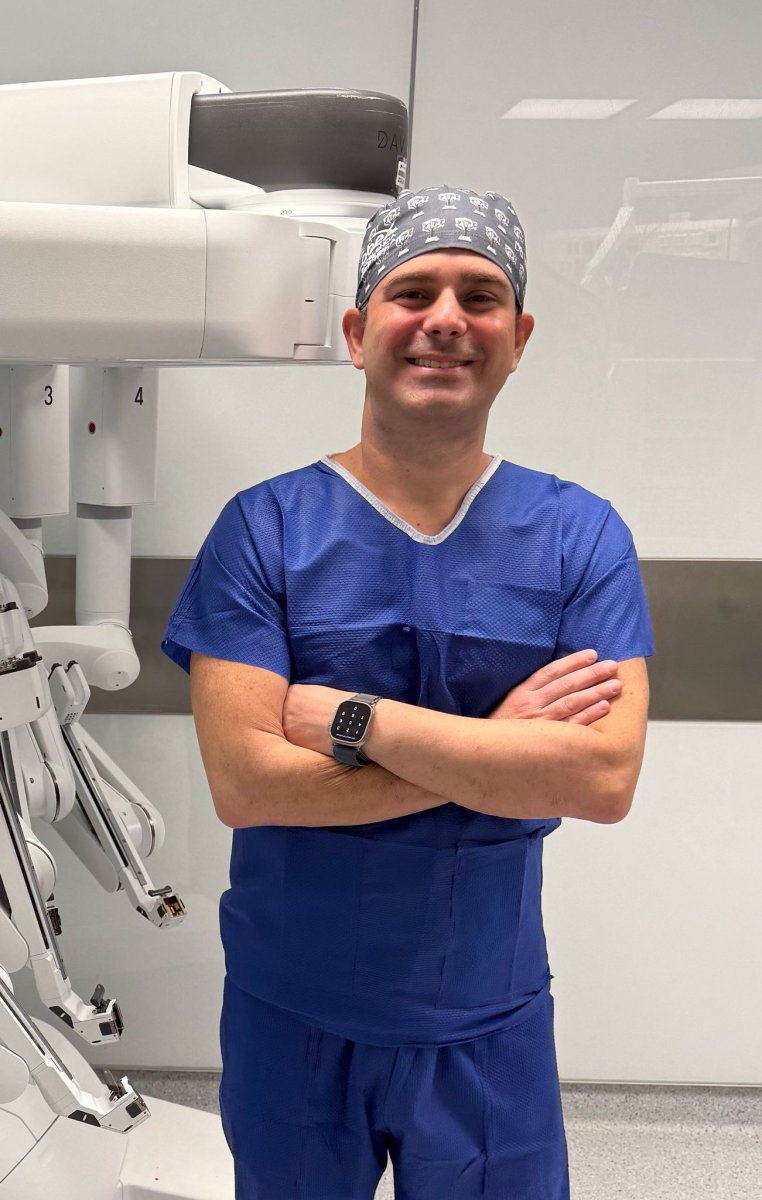
عيادة أمراض الجهاز الهضمي وجراحة القولون Centro PAD
Carlos Garcia Vasquez






SJD Barcelona Children’s Hospital









Dr. Santos Jiménez de los Galanes
احصل على تقييم طبي لـ في إسبانيا. استشر الآن 6 أطباء ذوي الخبرة.
عرض جميع الأطباء
Javier Herrero Jover
الدكتور خافيير هيريرو جوفر هو جراح تجميل معتمد في مركز تيكنون الطبي في برشلونة. وهو رائد في التخطيط الجراحي الافتراضي ويستخدم المحاكاة ثلاثية الأبعاد للحصول على نتائج دقيقة. أسس الدكتور هيريرو جوفر شركة Alma IT Systems لتطوير برمجيات التصوير الطبي الخاصة بالمريض. وقد أجرى أكثر من 10,000 إجراء جراحي طوال مسيرته المهنية.
- متخصص في عمليات تجميل الأنف الأولية والثانوية، وتجديد شباب الوجه، وجراحة الثدي.
- أدخل تقنية التصوير ثلاثي الأبعاد لتعزيز الدقة في الإجراءات التجميلية والتر
Carlos Garcia Vasquez
جرّاح في الجراحة العامة وجراحة الجهاز الهضمي. يركز على جراحات القولون والمستقيم والشرج وجدار البطن طفيفة التوغل. رئيس مشارك، Infanta Elena University Hospital (2021–). جرّاح معاون، Fundación Jiménez Díaz (2013–).
الاعتمادات: دكتوراه في الجراحة بامتياز مع مرتبة الشرف العليا (UAM). معتمد في الجراحة الروبوتية (Da Vinci X/Xi/5). تدريب متقدم في الجراحة العامة بالمنظار (IRCAD، ستراسبورغ). اختصاصي في الجراحة العامة وجراحة الجهاز الهضمي (Fundación Jiménez Díaz).
الإنجازات: باحث (2013–).

Xavier Centeno Fornies
متخصص في الفتق مع أكثر من _doctor_8374_ سنوات من الخبرة – كان الدكتور سنتينو رائدًا في التقنيات بالمنظار في مركز تكنون الطبي.
- حاصل على زمالة في جراحة القولون والمستقيم من عيادة مايو، الولايات المتحدة الأمريكية
- معتمد من جمعية ERAS لبروتوكولات التعافي المعزز
- عضو في الجمعية الأمريكية لجراحي القولون والمستقيم
- يدرس العلاج الطبيعي لأمراض المسالك البولية والنسائية والشرجية في جامعة بلانكيرنا
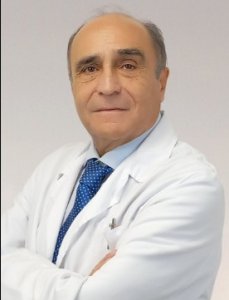
Cesar Canales Bedoya
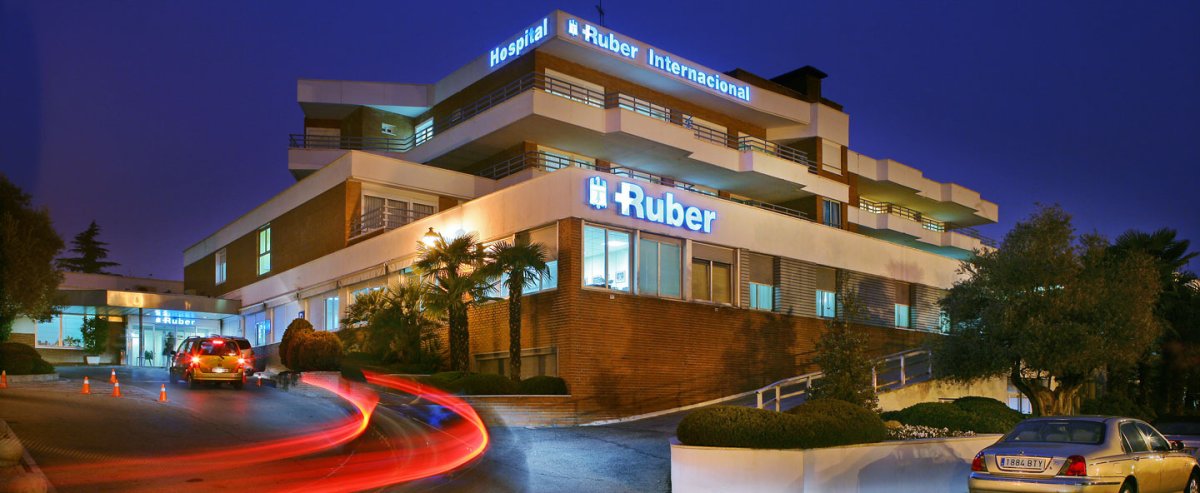
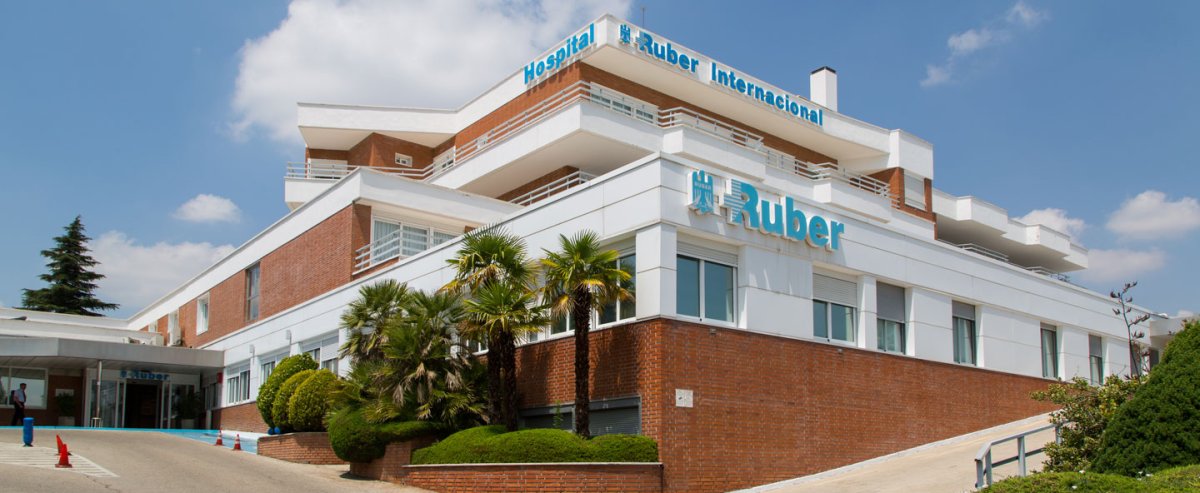
يتولى الدكتور سيزار كاناليس منذ عام 2015 رئاسة قسم الجراحة العامة وجراحة الجهاز الهضمي، ووحدة الجراحة بالمنظار والروبوت في مستشفى روبر إنترناسيونال (مدريد). وهو جرّاح عام وجهاز هضمي بخبرة تتجاوز 30 عاماً. يتخصص في الجراحة بالمنظار وبالروبوت دا فنشي لحالات البطن المعقّدة، والأورام، وجدار البطن.
يحمل درجة الدكتوراه (بامتياز مع مرتبة الشرف، الجامعة المستقلة بمدريد UAM) ودرجة الطب (مع مرتبة الشرف، جامعة كومبلوتنسي بمدريد UCM). أكمل تدريبه التخصصي في المستشفى الجامعي العام غريغوريو مارانيون
مشاركة المحتوى
قصص فيديو من مرضى Bookimed
 Anna Leonova
أسئلة متكررة حول علاج الفتق السري في إسبانيا
هل الجراحة إلزامية للفتق السري عند البالغين؟
الجراحة ليست إلزامية تماماً لجميع حالات الفتق السري لدى البالغين. غالباً ما يوصي الأطباء بالمراقبة والانتظار إذا كان النتوء صغيراً وغير مؤلم. ومع ذلك، لا يمكن للفتق لدى البالغين أن يشفى بشكل طبيعي. تصبح الجراحة ضرورية إذا نما الفتق، أو تسبب في ألم مستمر، أو انحشر خارج جدار البطن.
- المراقبة بدون أعراض: الفتق الصغير القابل للرد دون ألم قد يتطلب فقط مراقبة طبية منتظمة.
- الجراحة الاختيارية: يُنصح بالجراحة إذا كان الفتق يعيق الأنشطة اليومية أو ممارسة الرياضة.
- مؤشرات الطوارئ: الألم المفاجئ، أو الغثيان، أو تغيرات لون الجلد تتطلب تدخلاً جراحياً فورياً.
- الحل الدائم: التصحيح الجراحي باستخدام تقنيات تنظير البطن أو الجراحة الروبوتية هو العلاج النهائي الوحيد.
رؤية خبراء Bookimed: تتخصص المراكز الإسبانية مثل Centro PAD و Hospital Ruber Internacional في إصلاح الفتق بمساعدة الروبوت باستخدام منصات Da Vinci X/Xi. تظهر البيانات أن العيادات في مدريد وبرشلونة غالباً ما تدمج هذه الأنظمة الروبوتية لتحسين الدقة وتقصير فترات التعافي. على سبيل المثال، يحمل الدكتور كارلوس غارسيا فاسكيز براءة اختراع لأنظمة زرع أطراف صناعية لجدار البطن. يساعد هذا التركيز على الابتكار الجراحي في تقليل مخاطر التكرار مقارنة بالطرق المفتوحة التقليدية.
إجماع المرضى: يشير المرضى إلى أنه على الرغم من أن الأحزمة قد تساعد في إدارة الأعراض، إلا أنها لا تعالج الفتحة الأساسية. يحذر الكثيرون من أن فترات الانتظار في القطاع العام غالباً ما تدفعهم لاختيار العيادات الخاصة للحص
ما هي التقنيات الجراحية التي يتم إجراؤها عادةً في إسبانيا؟
تتخصص المراكز الجراحية الإسبانية في إصلاحات جدار البطن المتقدمة للفتق السري. يستخدم المتخصصون تقنيات تنظير البطن، والجراحة الروبوتية، والجراحة المفتوحة لضمان الاستقرار على المدى الطويل. تتضمن معظم الإجراءات تعزيزاً بشبكة لمنع التكرار. تتبع مراكز مثل Centro Médico Teknon و Hospital Ruber Internacional معايير صارمة للجنة الدولية المشتركة (Joint Commission International).
- إصلاح بالمنظار: نهج طفيف التوغل يستخدم 3 شقوق صغيرة لإدخال شبكة جراحية.
- الجراحة بمساعدة الروبوت: يستخدم الجراحون في Centro PAD أنظمة Da Vinci لإجراء إصلاحات معقدة عالية الدقة.
- الإصلاح المفتوح بدون توتر: الطريقة القياسية للفتق الصغير التي تتضمن شقاً واحداً وشبكة.
- بروتوكولات التعافي السريع: تعطي المراكز المتخصصة الأولوية للخروج في نفس اليوم وتقليل الندبات والألم بعد الجراحة.
رؤية خبير Bookimed: بينما يبحث الكثيرون عن أحدث التقنيات، فإن الميزة الحقيقية لإسبانيا هي التخصص. يحمل أطباء مثل الدكتور سيزار كاناليس بيدويا والدكتور كارلوس غارسيا فاسكيز براءات اختراع ومؤلفات في جراحة جدار البطن. غالباً ما يكون اختيار جراح يتمتع بخبرة تزيد عن 25 عاماً أفضل للفتق المعقد من مجرد اختيار عيادة بها روبوت.
إجماع المرضى: يشير المرضى إلى أن القرارات غالباً ما تعتمد على حجم الفتق وراحة الجراح. ويؤكدون على أهمية التحقق مما إذا كانت الشبكة مستخدمة والتأكد مما إذا كان الإجراء يسمح بالخروج في نفس اليوم.
ما هي المدة المعتادة للإقامة في البلد عند السفر إلى إسبانيا لإجراء عملية جراحية؟
تتراوح فترات الإقامة المعتادة لإجراء العمليات الجراحية في إسبانيا من 2 إلى 21 يومًا اعتمادًا على تعقيد الإجراء واحتياجات التعافي. غالبًا ما تتطلب التدخلات البسيطة مثل إصلاح الفتق السري من 3 إلى 7 أيام فقط. بينما تتطلب جراحات العظام أو القلب الكبرى من 14 إلى 21 يومًا لضمان السلامة.
- إقامة إصلاح الفتق: يبقى المرضى عادةً في إسبانيا لمدة تتراوح بين 3 إلى 7 أيام للتعافي.
- نافذة الجراحة الكبرى: تتطلب الإجراءات المعقدة مثل استبدال مفصل الورك إقامات تتراوح من 14 إلى 21 يومًا.
- فترة التنويم في المستشفى: تستغرق الرعاية الداخلية عادةً من 1 إلى 5 أيام حسب الإجراء.
- تصريح الطيران: يجب على الجراحين إصدار شهادة رسمية قبل أن يتمكن المرضى من العودة إلى ديارهم بأمان عن طريق الجو.
رؤية خبير Bookimed: تحتل إسبانيا المرتبة الرابعة عالميًا في طلبات المرضى على منصتنا، ويرجع ذلك إلى حد كبير إلى المراكز ذات الحجم الكبير مثل مستشفى كيرون برشلونة الذي يخدم 40,000 مريض سنويًا. في حين يخطط الكثيرون لإقامة لمدة أسبوع واحد، يستخدم جراحون مثل الدكتور سيزار كاناليس بيدويا أنظمة روبوتية من نوع دا فينشي والتي يمكن أن تحسن الحركة المبكرة بشكل كبير. غالبًا ما يسمح اختيار التقنيات الروبوتية أو تنظير البطن في مراكز متخصصة في مدريد أو برشلونة للمرضى بتلبية متطلبات الطيران بشكل أسرع من الجراحة المفتوحة التقليدية.
إجماع المرضى: يشير المرضى إلى أنه من المهم تخصيص بضعة أيام إضافية لإدارة الألم والحركة قبل السفر إلى المنزل. وغالبًا ما يقترحون إبقاء تواريخ العود
متى يكون من الآمن السفر بالطائرة بعد جراحة الفتق السري؟
من الآمن السفر بالطائرة بعد أسبوعين إلى 4 أسابيع من جراحة الفتق السري. تعتمد أوقات التعافي الفردية على التقنية الجراحية المحددة المستخدمة. يجب على المرضى الحصول على تصريح مباشر من جراحهم قبل السفر. تتطلب الأنسجة الداخلية وقتًا أطول للشفاء مقارنة بشقوق الجلد السطحية.
- التعافي بالمنظار: تتطلب الرحلات القصيرة انتظارًا لمدة أسبوعين. تتطلب الرحلات الطويلة 4 أسابيع.
- الجدول الزمني للجراحة المفتوحة: انتظر من 3 إلى 4 أسابيع للرحلات القصيرة. اسمح بـ 6 أسابيع.
- قيود النشاط: تجنب رفع الأمتعة التي يزيد وزنها عن 10 أرطال (حوالي 4.5 كجم) لمدة 4 إلى 6 أسابيع.
- السلامة أثناء الرحلة: استخدم جوارب الضغط وامشِ كل ساعة لمنع تجلط الدم.
رؤية خبير Bookimed: تركز المراكز الإسبانية مثل Centro PAD وCentro Médico Teknon على بروتوكولات التعافي السريع. في حين تقترح العديد من المصادر انتظارًا لمدة 4 أسابيع، يستخدم جراحون مثل الدكتور سيزار كاناليس بيدويا أنظمة دافنشي الروبوتية. غالبًا ما تسمح تقنيات الدقة هذه بحركة مبكرة. إذا كنت مسافرًا إلى مدريد أو برشلونة، فاختر عيادة حاصلة على اعتماد JCI لضمان توافق معايير السلامة بعد الجراحة مع إرشادات الطيران الدولية.
إجماع المرضى: يؤكد المرضى على ضرورة شحن جميع الحقائب لتجنب إجهاد الرفع ويقترحون طلب مساعدة التنقل في المطار. يجد معظمهم أن الجلوس لفترات طويلة هو التحدي الرئيسي وليس تغيرات ضغط المقصورة.
هل سأحتاج إلى البقاء في المستشفى لليلة بعد الجراحة؟
يعود المرضى الذين يخضعون لعلاج الفتق السري في إسبانيا عادةً إلى منازلهم في نفس اليوم. يستخدم المتخصصون في مراكز مثل Centro PAD ومركز Teknon الطبي تقنيات تنظير البطن والجراحة الروبوتية طفيفة التوغل. تعطي هذه الأساليب الأولوية للتعافي السريع وتسمح عادةً بالخروج بعد ساعتين إلى 4 ساعات من الجراحة.
- نوع الإجراء: يتم إجراء معظم عمليات إصلاح الفتق في إسبانيا كجراحات يومية خارجية.
- فترة التعافي: يبقى المرضى عادةً في منطقة التعافي لمدة ساعتين إلى 4 ساعات.
- معايير السلامة: يتطلب الخروج استقرار العلامات الحيوية وإمكانية السيطرة على الألم عن طريق الأدوية الفموية.
- متطلبات الحركة: يجب أن تكون قادرًا على المشي واستخدام الحمام بشكل مستقل.
- الحالات المعقدة: قد تتطلب الفتق الكبير أو عمليات إعادة البناء الروبوتية أحيانًا البقاء لليلة واحدة.
رؤية خبير Bookimed: تستخدم المراكز الإسبانية مثل Centro PAD بروتوكولات التعافي السريع وأنظمة دافنشي الروبوتية. غالبًا ما تقلل أدوات الدقة هذه من الصدمات الداخلية بشكل كبير مقارنة بالجراحة المفتوحة التقليدية. يعني هذا التحول التكنولوجي أنه يمكن غالبًا علاج حتى الفتق المعقد دون الحاجة إلى البقاء لليلة واحدة في عيادات مدريد. كما يؤكد الدكتور سيزار كاناليس بيدويا في Ruber Internacional على استخدام تنظير البطن المتقدم لضمان الحركة المبكرة.
إجماع المرضى: يشير المرضى إلى أن السيطرة على الألم هي العامل الرئيسي للعودة إلى المنزل مبكرًا. من الضروري السفر مع شخص ما، حيث تتطلب العيادات
ما هي قيود الرفع بعد الجراحة التي ستؤثر على تسجيل المغادرة من الفندق والتعامل مع الأمتعة في المطار؟
يجب على المرضى الذين يتعافون من جراحة إصلاح الفتق السري في إسبانيا تجنب رفع أكثر من 4.5 كجم (10 أرطال) لمدة تتراوح بين 4 إلى 6 أسابيع. هذا الحد من الوزن أقل من وزن حقيبة اليد القياسية. إن رفع الأمتعة إلى الخزائن العلوية أو سحب الحقائب الثقيلة يضغط على شبكة البطن وموقع الجراحة.
- حد الوزن: تجنب رفع أو دفع أو سحب أكثر من 4.5 كجم لمدة 6 أسابيع.
- الرفع فوق الرأس: لا ترفع الحقائب أبدًا إلى الخزائن العلوية خلال مرحلة التعافي الأولية.
- حركات الإجهاد: تجنب الالتواء أو حركات الذراع المفاجئة عند مناورة الحقائب في المطارات.
- استراتيجيات المساعدة: اطلب خدمة الكرسي المتحرك أو مساعدة حمال الحقائب لإدارة جميع الأمتعة الثقيلة.
رؤية خبير Bookimed: تحتل إسبانيا المرتبة الرابعة عالميًا في الطلبات الجراحية، مما يجذب أفضل المواهب مثل الدكتور سيزار كاناليس بيدويا، الحاصل على شهادات في الجراحة الروبوتية. على الرغم من التقنيات المتقدمة، تظهر بياناتنا أن المرضى غالبًا ما يقللون من تقدير إجهاد الحقائب ذات العجلات. تسمح الإصلاحات الروبوتية وبالمنظار في مراكز مثل Centro PAD بحركة أسرع. ومع ذلك، يظل الضغط على جدار البطن خطرًا أثناء التعامل مع الأمتعة لمدة شهر على الأقل.
إجماع المرضى: يؤكد المسافرون أن سحب حقيبة ذات عجلات يبدو محفوفًا بالمخاطر بشكل مفاجئ. يقترح الكثيرون استخدام حقائب ظهر خفيفة الوزن أو شحن الحقائب مسبقًا لتجنب الإجهاد البدني الناتج عن التنقل في المطار.