علاج الفتق الإربي في إسبانيا — احصل على 3 عيادات مختارة خصيصاً لك


تمت مراجعة المقالة طبيا من قبل
فهد مولود
كيف نعمل؟
ما هي تكلفة الفتق الإربي إجراءات التشخيص والعلاج في إسبانيا؟ اعرف الآن
| تركيا | إسبانيا | ألمانيا | |
|---|---|---|---|
| جراحة الفتق الإربي | من $4,300 | من $4,500 | من $10,200 |
| إصلاح الفتق الإربي بالمنظار | من $4,800 | من $9,100 | ≈ $3,500 |
اكتشف أفضل الفتق الإربي العيادات في إسبانيا: 11 خيارات معتمدة والأسعار







عيادة أمراض الجهاز الهضمي وجراحة القولون Centro PAD
Carlos Garcia Vasquez




SJD Barcelona Children’s Hospital



Medical and Surgical Center ServiDigest






احصلوا على تقييم طبي لـ الفتق الإربي في إسبانيا: استشيروا أطباء ذوي خبرة الآن
عرض جميع الأطباءCarlos Garcia Vasquez
جرّاح في الجراحة العامة وجراحة الجهاز الهضمي. يركز على جراحات القولون والمستقيم والشرج وجدار البطن طفيفة التوغل. رئيس مشارك، Infanta Elena University Hospital (2021–). جرّاح معاون، Fundación Jiménez Díaz (2013–).
الاعتمادات: دكتوراه في الجراحة بامتياز مع مرتبة الشرف العليا (UAM). معتمد في الجراحة الروبوتية (Da Vinci X/Xi/5). تدريب متقدم في الجراحة العامة بالمنظار (IRCAD، ستراسبورغ). اختصاصي في الجراحة العامة وجراحة الجهاز الهضمي (Fundación Jiménez Díaz).
الإنجازات: باحث (2013–).

Xavier Centeno Fornies
تم إجراء أكثر من 900 عملية فتق إربي – الدكتور سنتينو متخصص في الجراحة بالمنظار في مركز تكنون الطبي (Centro Médico Teknon).
- _doctor_8374_سنوات_ من الخبرة في الجراحة العامة وجراحة الجهاز الهضمي
- تدرب على جراحة القولون والمستقيم في عيادة مايو، روتشستر
- معتمد من جمعية ERAS لبروتوكولات التعافي المعزز
- عضو في الجمعية الأمريكية لجراحي القولون والمستقيم
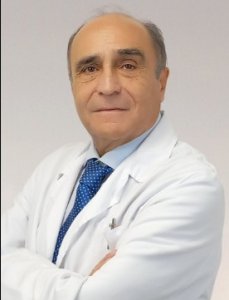
Cesar Canales Bedoya
يتولى الدكتور سيزار كاناليس منذ عام 2015 رئاسة قسم الجراحة العامة وجراحة الجهاز الهضمي، ووحدة الجراحة بالمنظار والروبوت في مستشفى روبر إنترناسيونال (مدريد). وهو جرّاح عام وجهاز هضمي بخبرة تتجاوز 30 عاماً. يتخصص في الجراحة بالمنظار وبالروبوت دا فنشي لحالات البطن المعقّدة، والأورام، وجدار البطن.
يحمل درجة الدكتوراه (بامتياز مع مرتبة الشرف، الجامعة المستقلة بمدريد UAM) ودرجة الطب (مع مرتبة الشرف، جامعة كومبلوتنسي بمدريد UCM). أكمل تدريبه التخصصي في المستشفى الجامعي العام غريغوريو مارانيون
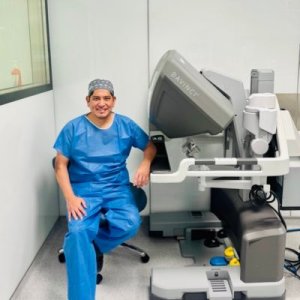
Cesar Levano Linares
الدكتور César Lévano Linares متخصص في الجراحة العامة وجراحة الجهاز الهضمي. يعمل في Rey Juan Carlos University Hospital وFundación Jiménez Díaz University Hospital. وهو معروف بعمله في جراحة القولون والمستقيم بالمنظار.
يحمل درجة الدكتوراه في الطب والجراحة من جامعة مدريد المستقلة. أكمل ماجستيراً في جراحة القولون والمستقيم وقاع الحوض في جامعة سرقسطة. كما يحمل دبلوماً في الجراحة بالمنظار من جامعة لويس باستور في ستراسبورغ، ولديه اعتماد أوروبي في الجراحة بالمنظار (EACCME).
تشمل أبحاثه
مشاركة المحتوى
قصص فيديو من مرضى Bookimed
 Anna Leonova
أسئلة متكررة حول علاج الفتق الإربي في إسبانيا
ما هو نوع إصلاح الفتق الإربي الذي يتم تقديمه عادةً في إسبانيا - مفتوح أم بالمنظار؟
تظل الجراحة المفتوحة التقليدية هي المعيار لإصلاح الفتق الإربي في إسبانيا. وهي تمثل حوالي 94% من الحالات. أصبحت تقنيات المنظار متاحة بشكل متزايد في المراكز الخاصة. وعادة ما يتم تخصيصها للفتق الثنائي أو المتكرر. تستخدم معظم المرافق الإسبانية شبكة متخصصة للإصلاح.
- تكرار الإجراء: يُستخدم الإصلاح المفتوح في أكثر من 94% من الحالات الجراحية الإسبانية.
- التقنيات الجراحية: تقدم العيادات تقنية ليختنشتاين المفتوحة بالشبكة ونهج المنظار TEP أو TAPP.
- المعدات المتخصصة: تستخدم مراكز مثل مستشفى كيرون برشلونة أنظمة روبوتية دافنشي للفتق المعقد.
- وقت التعافي: غالبًا ما يعود مرضى المنظار إلى النشاط الخفيف في غضون 3 إلى 7 أيام.
رؤية خبير Bookimed: في حين أن الجراحة المفتوحة هي الأساس الوطني، تعطي العيادات الخاصة في مدريد وبرشلونة الأولوية للتخصص على الحجم. على سبيل المثال، يركز مركز PAD بشكل خاص على جراحة الجهاز الهضمي مع طبيبين خبيرين فقط. غالبًا ما يضمن هذا النهج المتخصص أن يقوم أخصائي حاصل على درجة الدكتوراه مثل الدكتور كارلوس غارسيا فاسكيز بأحدث التقنيات طفيفة التوغل. يجب على المرضى الذين يبحثون عن المنظار استهداف وحدات الجهاز الهضمي المتخصصة هذه بدلاً من المستشفيات العامة متعددة التخصصات.
إجماع المرضى: يشير المرضى إلى أن المستشفيات العامة تعتمد على إصلاح الشبكة المفتوحة لموثوقيتها. غالبًا ما يختار أولئك الذين يرغبون في تعافي أسرع للعمل أو الرياضة العيادات الخاصة لضمان توفر نهج المنظار.
ما مدى سرعة توقع عودة المريض المسافر إلى الطائرة بعد عملية الفتق الإربي في إسبانيا؟
يمكن للمرضى في إسبانيا عادةً السفر جواً بعد 4 إلى 10 أيام من عملية الفتق الإربي. تسمح الجراحة بالمنظار عموماً بالسفر في غضون 4 إلى 7 أيام. تتطلب الجراحة المفتوحة الانتظار لمدة 10 أيام على الأقل قبل الطيران. قد تتطلب الرحلات الطويلة الانتظار من أسبوعين إلى 4 أسابيع.
- التعافي من المنظار: يمكن السفر بعد 4 إلى 7 أيام من الجراحة بعد إصلاح البطن طفيف التوغل.
- الجدول الزمني للجراحة المفتوحة: خطط لمدة 10 أيام على الأقل قبل ركوب أي رحلة جوية.
- احتياطات الرحلات الطويلة: انتظر من أسبوعين إلى 4 أسابيع للرحلات التي تزيد مدتها عن 4 ساعات.
- قيود رفع الأثقال: تجنب حمل أمتعة تزيد عن 11 كجم (25 رطلاً) لمدة أسبوعين على الأقل.
رؤية خبير Bookimed: غالباً ما تنظم العيادات الإسبانية مثل Centro PAD باقات تتضمن إقامة في المستشفى لمدة يوم واحد تليها يومان في فندق محلي. هذه النافذة التي تبلغ 3 أيام ضرورية لتحديد العلامات المبكرة للإجهاد. اختيار جراح مثل الدكتور كارلوس غارسيا فاسكيز، الذي يتمتع بخبرة تزيد عن 15 عاماً، يمكن أن يساعد في ضمان سير مرحلة الشفاء الأولية بسلاسة قبل السفر.
إجماع المرضى: يؤكد المرضى أنه على الرغم من أن فترة الانتظار الطبية قصيرة، إلا أن التعامل مع الأمتعة الثقيلة بمفردهم هو التحدي الأكبر. يقترح الكثيرون حجز مساعدة في المطار لتجنب إجهاد الشبكة الجراحية أثناء رحلة العودة.
هل التخدير العام إلزامي أم يمكن إجراء العملية تحت التخدير الموضعي؟
التخدير العام ليس إلزامياً لإصلاح الفتق الإربي في إسبانيا. يقدم العديد من الجراحين التخدير الموضعي لإجراءات الإصلاح المفتوح. يمكن للمرضى البقاء مستيقظين أو تلقي تخدير خفيف للراحة. عادة ما يتم حجز التخدير العام للإصلاحات بالمنظار أو الحالات الجراحية المعقدة للغاية.
- خيارات التخدير: غالباً ما تستخدم الإصلاحات المفتوحة التخدير الموضعي أو التخدير النخاعي الإقليمي.
- النهج الجراحي: تتطلب الإصلاحات بالمنظار عادةً تخديراً عاماً لضمان ثبات المريض.
- سرعة التعافي: يسمح التخدير الموضعي بالخروج في نفس اليوم وتحرك أسرع في البداية.
- توافر الخبراء: يجري الدكتور كارلوس غارسيا فاسكيز إصلاحات طفيفة التوغل في مدريد.
رؤية خبير Bookimed: بينما يختار الكثيرون جراحة المنظار بسبب شقوقها الصغيرة، فإن اختيار الإصلاح المفتوح تحت التخدير الموضعي في إسبانيا يمكن أن يقلل بشكل كبير من وقت تعافيك. تظهر البيانات أن المرضى الذين يخضعون لإجراءات التخدير الموضعي يعودون غالباً إلى العمل في غضون 3 أيام. عادة ما تشمل الباقات في عيادات مثل Centro PAD في مدريد إقامة في المستشفى لمدة ليلة واحدة لضمان الاستقرار بعد العملية بغض النظر عن نوع التخدير المستخدم.
إجماع المرضى: يلاحظ المرضى أن البقاء مستيقظاً أثناء الإجراء الذي يستغرق 20 دقيقة ينطوي على الشعور ببعض الضغط ولكنه يتجنب الغثيان المرتبط بالتخدير العام. يقترح الكثيرون إحضار سماعات رأس للبقاء مسترخياً ويؤكدون على السؤال تحديداً عن الخيارات الموضعية أثناء الاستشارة الأولية.
ما هو خطر تكرار الفتق بعد جراحة الفتق في إسبانيا وكيف يتم تقليله؟
تتراوح معدلات تكرار الفتق العامة في إسبانيا من 6.5% إلى 7.3% للجراحات الأولية. يمكن أن تتجاوز التقديرات طويلة المدى 10% بالنسبة للسكان المسنين. تعمل وحدات جدار البطن المتخصصة والتقنيات بالمنظار على تقليل هذه المخاطر بشكل كبير. تظل الشبكات التعويضية الحديثة هي المعيار للتدعيم.
- الوحدات المتخصصة: تقلل الرعاية المتخصصة من خطر التكرار بمقدار خمس مرات مقارنة بالمراكز غير المتخصصة.
- التقنيات الجراحية: يوفر الإصلاح بالمنظار معدل تكرار أقل للمرضى الذين يحتاجون إلى إجراءات ثانوية أو إجراءات باستخدام الشبكة.
- إدارة نمط الحياة: يساعد الإقلاع عن التدخين قبل 4 أسابيع في التئام الكولاجين واستعادة الأنسجة.
- العوامل الفسيولوجية: إدارة السعال المزمن والسمنة تقلل من الضغط داخل البطن على موقع الجراحة.
رؤية خبير Bookimed: بينما تنخفض معدلات التكرار الإجمالية في إسبانيا، فإن اختيار جراح حاصل على شهادات محددة في جدار البطن أمر حيوي. على سبيل المثال، يحمل الدكتور ألفونسو غارسيا فادريك في مستشفى فيثاس فالنسيا توريا درجة الدكتوراه في الجراحة مع مرتبة الشرف. توفر خبرته في إصلاح جدار البطن الروبوتي ميزة تقنية كبيرة للحالات المعقدة. غالبًا ما يؤدي اختيار الأطباء الحاصلين على تميزات أكاديمية متخصصة في الشفاء إلى نتائج أفضل على المدى الطويل.
إجماع المرضى: يشير المرضى إلى أنه من المهم الالتزام الصارم بقيود رفع الأثقال خلال الشهر الأول. يؤكد الكثيرون أن العيادات المتخصصة في مدريد أو برشلونة توفر عودة أسرع للنشاط اليومي.
ما هي المدن الإسبانية التي تجمع بين مراكز علاج الفتق ذات الحجم الكبير وسهولة الوصول الدولي؟
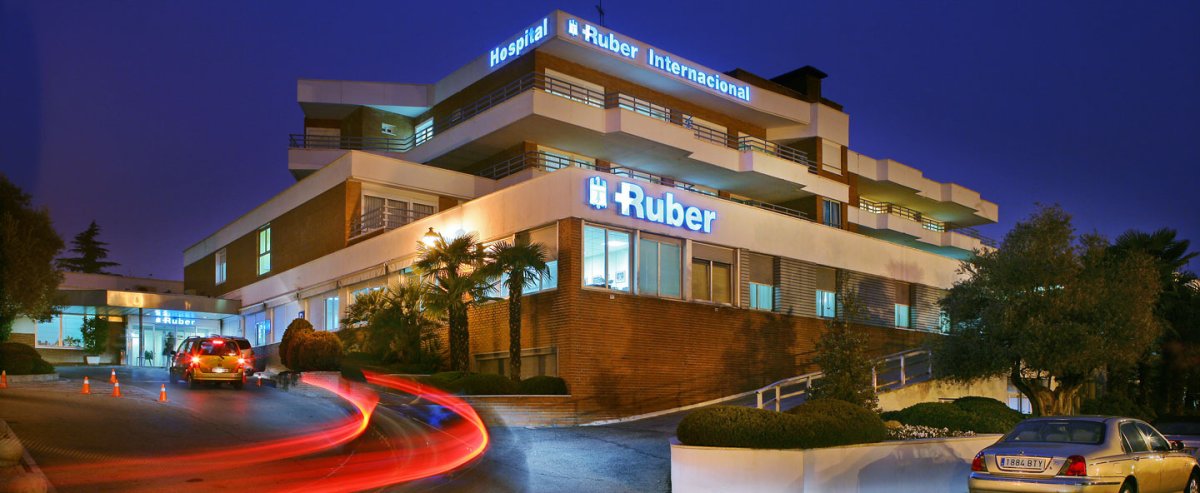
تعد برشلونة ومدريد المركزين الإسبانيين الرئيسيين لجراحات الفتق ذات الحجم الكبير. توفر هذه المدن مراكز متخصصة في جراحة المناظير على بعد 20 دقيقة من المطارات الدولية الرئيسية. مرافق مثل Centro Médico Teknon و Ruber Internacional حاصلة على اعتماد JCI. وهي تخدم آلاف المرضى الدوليين سنوياً.
- الخبرة الجراحية: أجرى الدكتور خافيير سينتينو فورنيس في برشلونة أكثر من 900 عملية فتق.
- التكنولوجيا المتقدمة: تستخدم مراكز مدريد مثل Centro PAD جراحة الروبوت Da Vinci وجراحة المناظير.
- الحجم السريري: يعد Quironsalud Madrid أكبر مركز من حيث حجم المرضى في شبكته.
- البنية التحتية: يخدم مستشفى HM Nou Delfos في برشلونة 400,000 مريض كل عام.
رؤية خبير Bookimed: بينما يختار الكثيرون برشلونة لبيئة التعافي الساحلية، غالباً ما توفر مراكز مدريد وحدات هضمية أكثر تركيزاً. يجري Centro PAD حوالي 160 جراحة متخصصة سنوياً. حتى أن الدكتور كارلوس غارسيا فاسكيز يحمل براءة اختراع لأنظمة الأطراف الاصطناعية لجدار البطن. يشير هذا إلى تخصص عميق في عمليات إعادة البناء المعقدة التي قد لا تضاهيها المستشفيات العامة.
إجماع المرضى: يلاحظ المرضى أن عيادات برشلونة قريبة بشكل استثنائي من المطار للسفر السريع. يوصي الكثيرون بالحجز خارج أوقات الذروة لتجنب حشود الصيف التي يمكن أن تؤثر على أوقات انتظار المستشفى.