عيادات عملية جراحية في النمسا

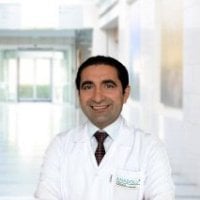
تمت مراجعة المقالة طبيا من قبل
Abdulcabbar Kartal
ما هي تكلفة عملية جراحية في النمسا؟ اكتشف الآن
تتراوح تكلفة الجراحة في النمسا عادةً ما بين $15,400 و $34,100. تعتمد الأسعار النهائية على مدى تعقيد الإجراء، ومدة الإقامة في المستشفى، وما إذا كان يتم استخدام المساعدة الروبوتية. يمكن للمرضى القادمين من الولايات المتحدة توقع توفير ما بين 30-50% مقارنة بأسعار الرعاية الصحية الخاصة في الولايات المتحدة.
تكاليف الجراحة النموذجية في النمسا
- استشارة جراح: من $140
- الختان: السعر عند الطلب
- إزالة الورم الشحمي: السعر عند الطلب
- استئصال الرحم: السعر عند الطلب
- جراحة الفتق الإربي: السعر عند الطلب
- استئصال الورم العضلي (إزالة الألياف الرحمية): $6,200 – $9,500
- قطع القناة الدافقة: السعر عند الطلب
- استئصال المعدة: $17,500 – $25,500
- زراعة القوقعة: $30,000 – $43,000
- بدلة الخصية: السعر عند الطلب
تقع معظم المرافق الجراحية الخاصة في فيينا وسالزبورغ وإنسبروك. وفي حين تظل الجودة ثابتة في جميع أنحاء البلاد، غالبًا ما تضم فيينا العيادات الأكثر تخصصًا. استشر أخصائيًا للحصول على تسعير دقيق ومصمم خصيصًا لاحتياجاتك الطبية وتشخيصك.
| النمسا | تركيا | إسبانيا | |
|---|---|---|---|
| ترميم الفتق السري بالمنظار (انظر. ترميم الفتق السري) | ≈ $3,200 | من $3,300 | من $6,200 |
| تركيب القوقعة الصناعية | ≈ $30,000 | من $14,000 | من $22,000 |
| استئصال سرطان الثدي | ≈ $9,500 | من $4,500 | من $12,000 |
| استئصال الورم العضلي (إزالة الأورام الليفية الرحمية) | ≈ $6,200 | من $3,500 | من $12,100 |
| استئصال المعدة | ≈ $17,500 | من $3,100 | من $20,000 |
جميع أمراض عملية جراحية
مزاياك وضماناتك مع Bookimed
أسعار مباشرة
Bookimed لا يضيف رسوماً إضافية على أسعار علاج عملية جراحية. الأسعار مأخوذة من قوائم الأسعار الرسمية للعيادات. تدفع مباشرة في العيادة مقابل علاجك عند وصولك إلى البلد.
عيادات وأطباء معتمدون فقط
Bookimed ملتزم بسلامتك. نحن نعمل فقط مع المؤسسات الطبية التي تحافظ على معايير دولية عالية في علاج عملية جراحية ولديها التراخيص اللازمة لخدمة المرضى الدوليين في جميع أنحاء العالم.
مساعدة مجانية على مدار الساعة
Bookimed يقدم مساعدة خبراء مجانية. منسق طبي شخصي يدعمك قبل وأثناء وبعد العلاج، ويحل أي مشاكل. لن تكون وحيداً أبداً في رحلة علاج عملية جراحية.

منسقك الطبي الشخصي في Bookimed
- يدعمك في كل مرحلة
- المساعدة في اختيار العيادة الطبية المناسبة والطبيب المناسب
- يضمن الوصول السريع والمريح إلى المعلومات
اكتشف أفضل عيادات عملية جراحية: 7 خيارات معتمدة والأسعار


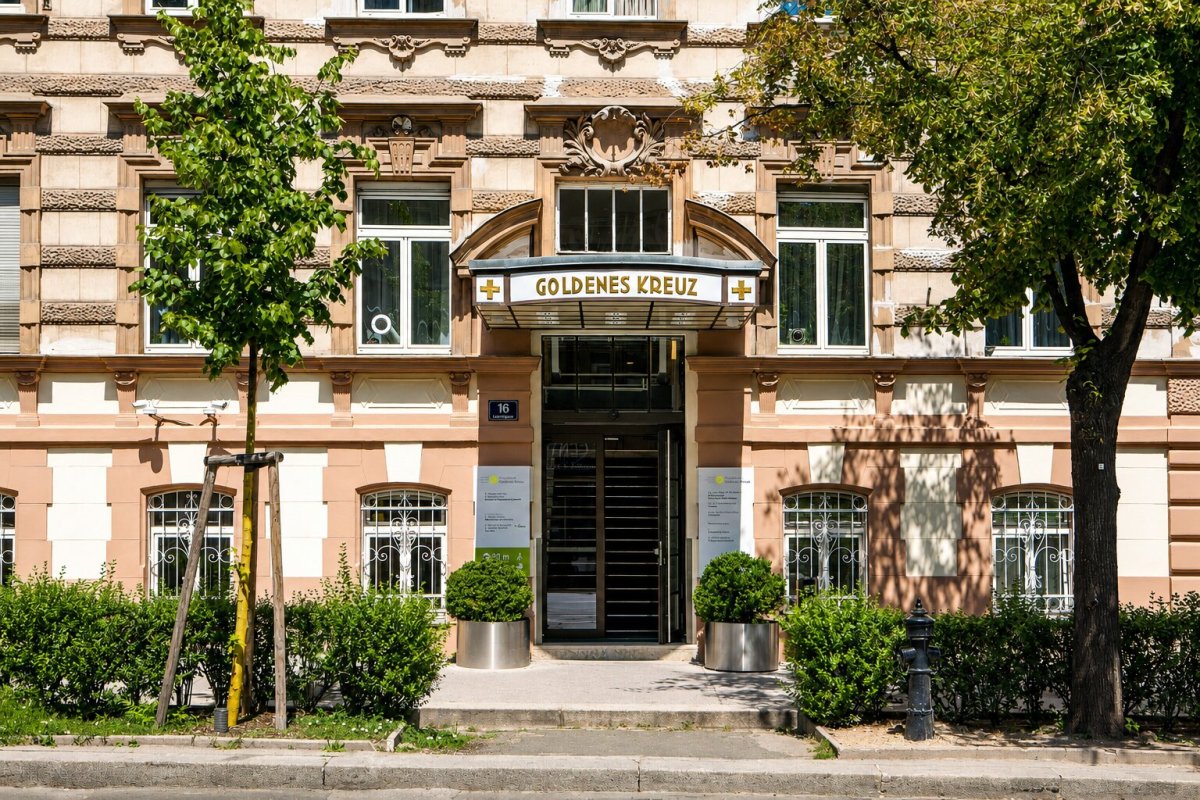
Confraternitaet Private Hospital


Leech Private Clinic
أفضل مراكز عملية جراحية في النمسا
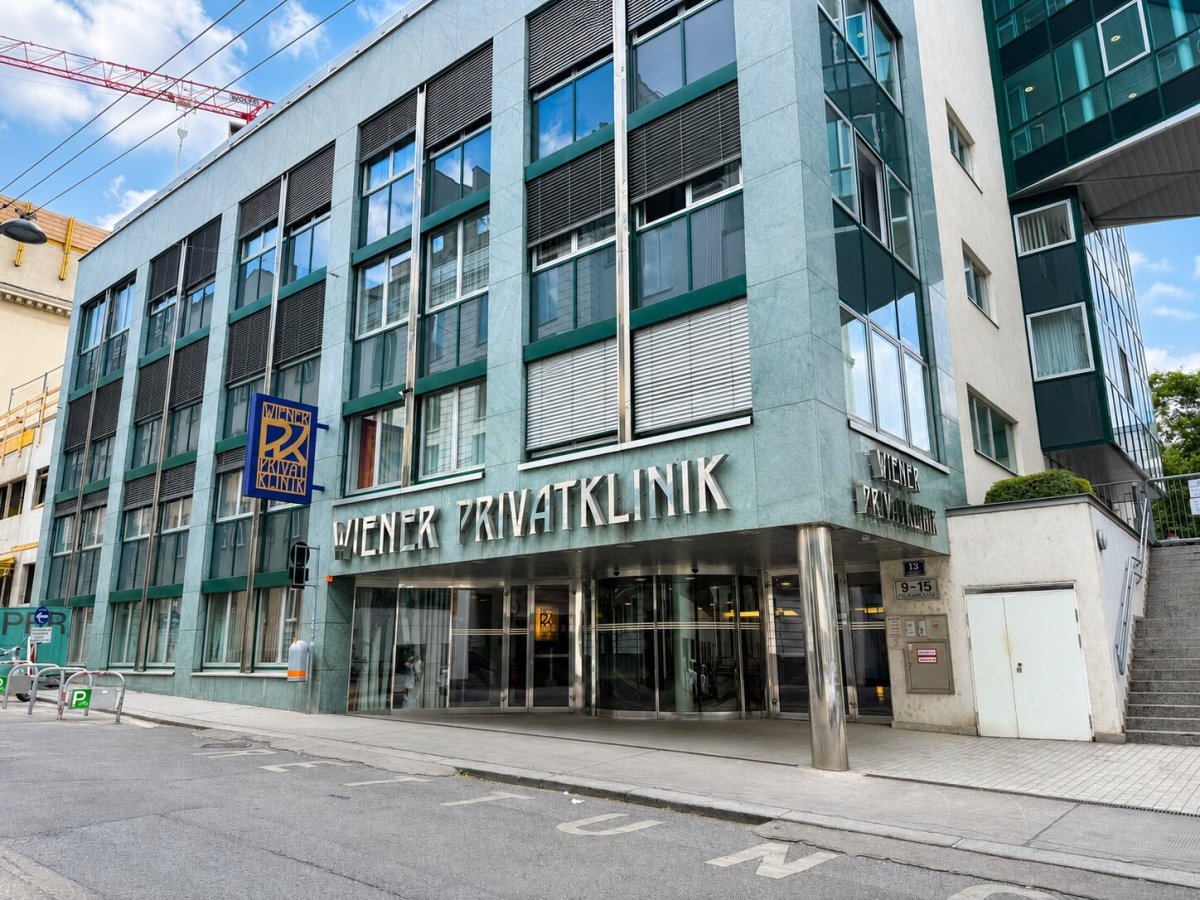
- Wiener Privatklinik, النمسا
- Confraternitaet Private Hospital, النمسا
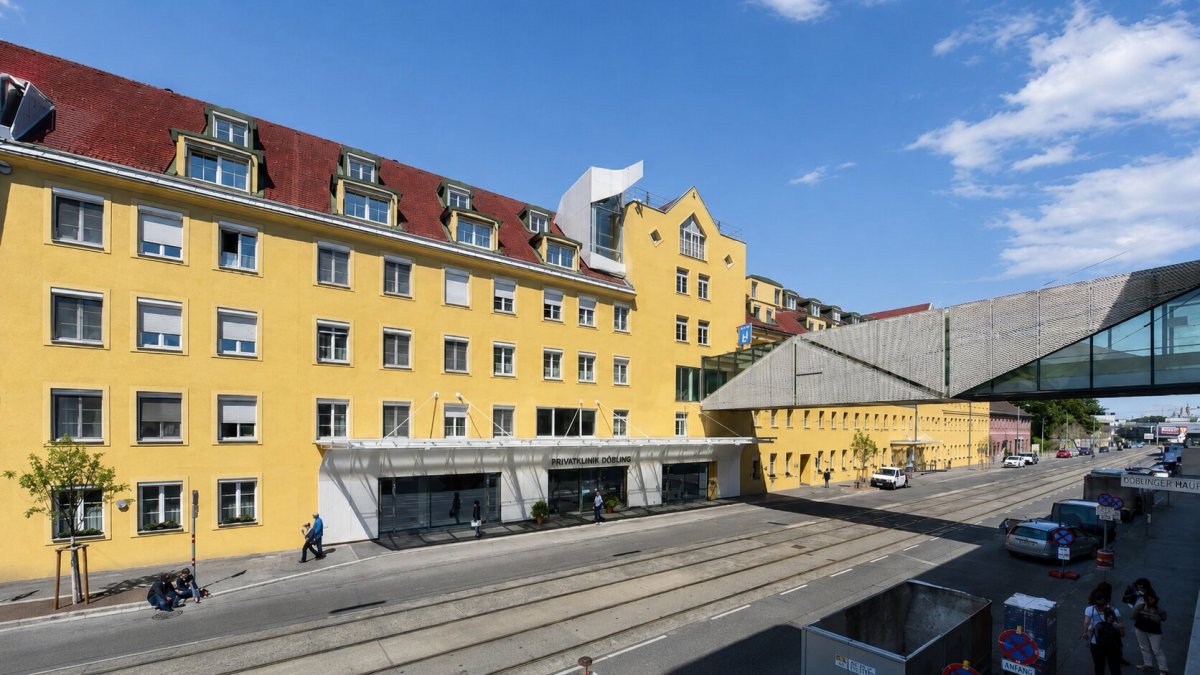
- Döbling Private Hospital, النمسا
- Vienna General Hospital (AKH), النمسا
- Leech Private Clinic , النمسا
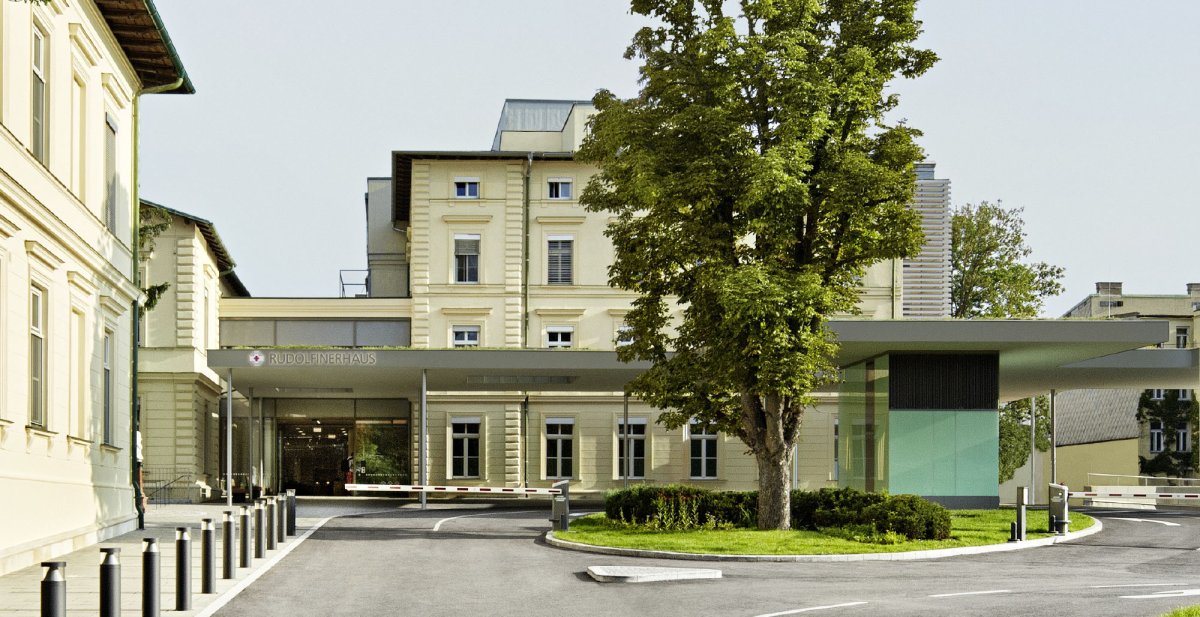
- The Rudolfinerhaus Private Clinic, النمسا
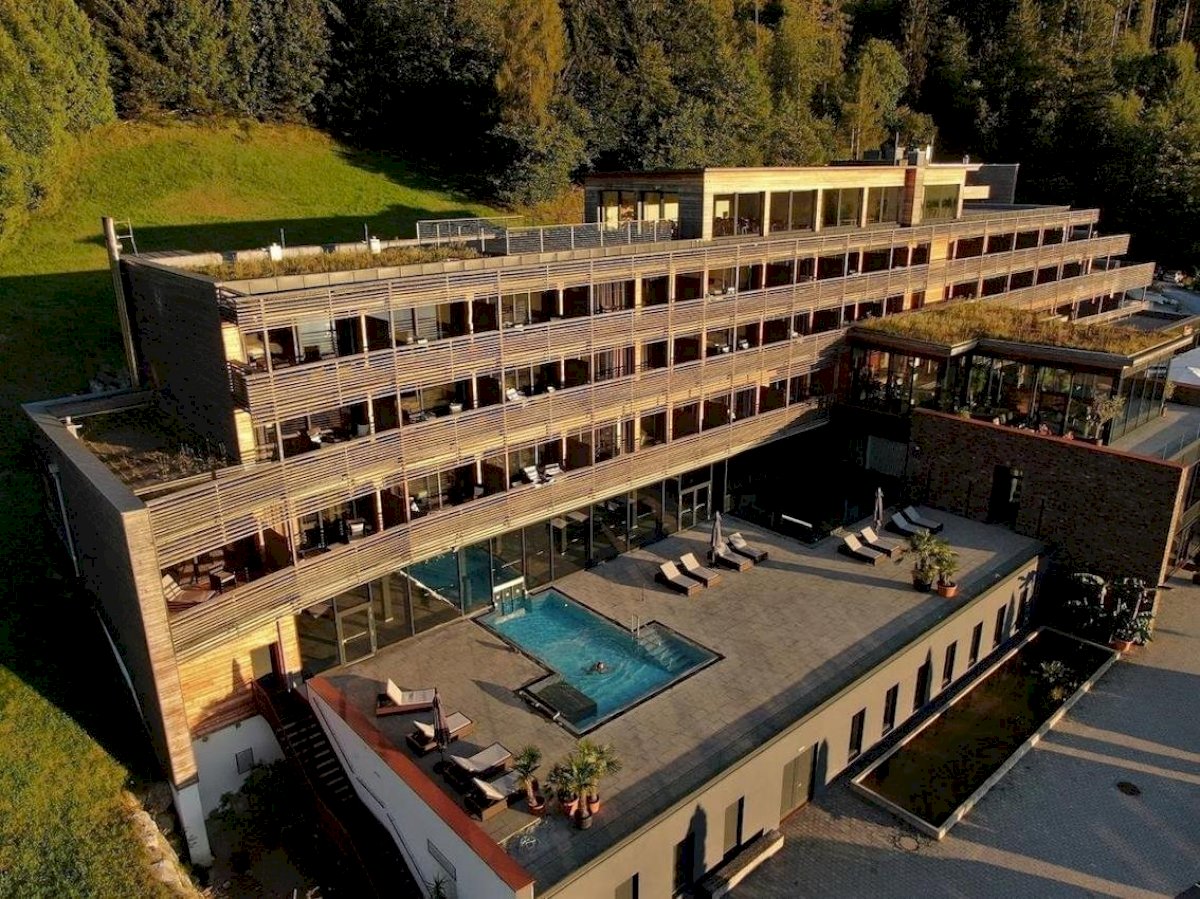
- Armona Medical Alpinresort, النمسا
احصل على تقييم طبي لـ عملية جراحية في النمسا. استشر الآن 21 أطباء ذوي الخبرة.
عرض جميع الأطباء
Harald Rosen
أكثر من 30 عامًا من التخصص في الجراحات التنظيرية طفيفة التوغل - يجمع الدكتور روزن بين الجراحة الدقيقة والخبرة العميقة في أمراض الجهاز الهضمي في فينر بريفاتكلينيك (Wiener Privatklinik).
- خبير في التنظير التشخيصي والعلاجي لاضطرابات الجهاز الهضمي
- يجري استئصالات تنظيرية متقدمة لسرطانات الجهاز الهضمي
- رائد في استخدام أساليب أقل توغلاً لتقليل فترات التعافي
- عضو في مؤسسات طبية رائدة في فيينا

Christoph Neumayer
يعد البروفيسور نوماير خبيرًا رائدًا في جراحة الأوعية الدموية وجراحة الأوعية الدموية التداخلية، مع عقود من الخبرة في إجراءات الشرايين والأوردة والشريان الأورطي.
- يتخصص في التقنيات طفيفة التوغل مثل EVAR/TEVAR وزراعة الدعامات
- رئيس سابق لقسم جراحة الأوعية الدموية في جامعة فيينا الطبية
- رائد في أساليب جراحة الأوعية الدموية الحديثة في النمسا
- ألف العديد من المنشورات العلمية المحكمة حول أمراض الأوعية الدموية

Robert Schmidhammer
يعد البروفيسور الدكتور روبرت شميدهامر خبيراً رائدًا في الجراحة المجهرية وترميم الأعصاب، متخصصاً في استعادة الوظائف بعد الإصابات الشديدة.
- أكثر من 20 عاماً من الخبرة في جراحة الصدمات والجراحة الترميمية
- يرأس مختبر تجديد الأعصاب وهندسة الأنسجة
- يطور تقنيات جراحية مجهرية مبتكرة لإصلاح الأعصاب
- يقوم بتدريس الجيل القادم من الجراحين في جامعة فيينا الطبية

Stefan Sacu
يتخصص البروفيسور ستيفان ساكو في جراحة الشبكية والشبكية الطبية، حيث يقوم بإجراء عمليات استئصال الزجاجية المعقدة وإصلاح ثقوب البقعة الصفراء في مستشفى فينر بريفاتكلينيك (Wiener Privatklinik).
- تدرب في طب العيون في جامعة فيينا الطبية
- استشاري أول في مستشفى فينر بريفاتكلينيك بخبرة تمتد لعقود
- خبير في تصوير الشبكية المتقدم والتقنيات الجراحية
- نشر أبحاثاً مكثفة حول علاج أمراض البقعة الصفراء
مشاركة المحتوى
قصص فيديو من مرضى Bookimed
 Anna Leonova
أسئلة متكررة حول عملية جراحية في النمسا
ما هي جودة الرعاية الجراحية في النمسا؟
في النمسا، تتميز الرعاية الجراحية ذات المستوى العالمي ببروتوكولات سلامة صارمة وتقنيات متطورة، مثل نظام دافنشي الروبوتي. وتتفوق البلاد في العمليات الجراحية المعقدة كزراعة الرئة وجراحات السرطان. وتلتزم مؤسسات مثل مستشفى فيينا الخاص ومستشفى فيينا العام (AKH) بمعايير ISO عالية. ويضمن الجراحون المتخصصون دقةً فنيةً فائقة.
- جراحون ذوو خبرة: يقود أطباء مثل الدكتور والتر كليبتكو أقسام جراحة الصدر الدولية.
- تدفق كبير للمرضى: يعالج مستشفى مدينة فيينا (VKA) 595000 مريض سنوياً ويعمل به 1600 طبيب.
- السلامة المثبتة: يقلل التدريب على جراحة العظام وجراحة الإصابات من معدلات المضاعفات إلى أقل من 2٪ على مستوى البلاد.
- التقنيات المتقدمة: تستخدم العيادات إجراءات الأوعية الدموية الهجينة والجراحة المجهرية والتصوير المقطعي بالإصدار البوزيتروني (PET-CT) من أجل التشخيص الدقيق.
رأي خبراء بوكيمد: يعود تميز النمسا في مجال الجراحة إلى وجود عيادات خاصة تابعة للجامعات. فمراكز مثل عيادة فيينا الخاصة (Wiener Privatklinik) توظف أساتذة من جامعة فيينا الطبية، مما يتيح للمرضى الوصول المباشر إلى باحثين علميين يُجرون آلاف العمليات الجراحية. ستحصلون على خبرة على مستوى جامعي في بيئة مستشفى مريحة ومتعددة اللغات
هل يتمتع الجراحون النمساويون بمؤهلات عالية؟
يشتهر الجراحون النمساويون عالميًا بخبرتهم المتخصصة ودقتهم الفنية العالية في مجالات طبية دقيقة. يعمل معظم الأخصائيين في مستشفيات جامعية، مثل مستشفى فيينا الخاص. ويحافظون على مستوى عالٍ من الخبرة من خلال التركيز حصريًا على مجالات محددة، مثل زراعة الرئة أو جراحة السمنة. يضمن هذا النظام نتائج عالية باستمرار في العمليات الجراحية المعقدة.
- التخصص: أسس الدكتور والتر كليبتكو أحد أكبر مراكز زراعة الرئة في العالم.
- التركيز على الحجم الكبير: قام أخصائيون مثل الدكتور هارالد روزن بإجراء أكثر من 5000 عملية جراحية معقدة.
- الاندماج في البيئة الأكاديمية: يعمل العديد من الجراحين كأساتذة في جامعة فيينا الطبية المرموقة.
- التقنيات المتقدمة: تستخدم العيادات أنظمة الروبوتات وتقنيات الجراحة المجهرية لتحقيق نتائج بأقل قدر من التدخل الجراحي.
رأي خبراء بوكيميد: تُظهر بياناتنا تركيزًا فريدًا من نوعه للأخصائيين ذوي الكفاءة العالية في مستشفى فيينا الخاص (Wiener Privatklinik). يعمل هناك أكثر من 400 طبيب، والعديد منهم أساتذة في جامعة فيينا الطبية. هذا الدور المزدوج يُمكّن المرضى من الوصول إلى جراحين لا يقتصر دورهم على إجراء العمليات الجراحية فحسب، بل يقودون أيضًا أبحاثًا طبية عالمية. هذا الجمع نادر
هل يوجد في المستشفيات النمساوية موظفون يتحدثون اللغة الإنجليزية؟
يُعدّ وجود كوادر طبية ناطقة باللغة الإنجليزية أمراً شائعاً في المستشفيات النمساوية، لا سيما بين الأطباء المتخصصين والجراحين في المدن الكبرى مثل فيينا وغراتس. ورغم أن اللغة الرسمية هي الألمانية، إلا أن الأطباء غالباً ما يتمتعون بمستوى عالٍ من إتقان اللغة الإنجليزية بفضل تدريبهم الدولي. كما توفر العيادات الخاصة والمراكز الجامعية بيئة متعددة اللغات.
- الاستشارات الطبية: يقدم جراحون مثل الدكتور فلوريان فيتزال استشارات باللغتين الإنجليزية والألمانية.
- يضم كل من مستشفى فينر الخاص ومستشفى دوبلينغ الخاص فرق دعم متعددة اللغات.
- العامل الجغرافي: تتوفر اللغة الإنجليزية بشكل أكبر في مراكز فيينا مثل مستشفى فيينا العام (VGH).
- طاقم الدعم: قد يمتلك الموظفون الإداريون والطبيون في المستشفيات العامة مهارات محدودة في اللغة الإنجليزية.
رأي خبراء بوكيمد: تُظهر البيانات من المراكز في فيينا وجود علاقة قوية بين ارتفاع عدد المرضى وإتقان اللغة الإنجليزية. تحافظ المؤسسات الكبيرة، مثل مستشفى فيينا العام (AKH)، الذي يعالج أكثر من 595,000 مريض سنويًا، والعيادات الخاصة المتخصصة التي تضم أكثر من 100 تقييم، باستمرار على أفضل بنية تحتية للمرضى الجراحيين الناطقين باللغة الإنجليزية.
أين تقع أفضل العيادات في النمسا؟
تتركز أفضل العيادات الطبية في النمسا بشكل أساسي في فيينا، تليها مراكز رئيسية في غراتس وإنسبروك وسالزبورغ. وتُعد فيينا المركز الطبي الرائد، إذ تضم مستشفى فيينا العام (AKH)، وهو مستشفى مصنف عالميًا، بالإضافة إلى عيادات خاصة رائدة مثل عيادة فيينا الخاصة ومستشفى دوبلينغ الخاص.
- وسط مدينة فيينا: موطن أكاديمية فيينا للصيدلة (AKH Vienna)، وهي واحدة من المستشفيات الرائدة في العالم في مجال البحوث الجامعية.
- رعاية طبية خاصة عالية الجودة: تقدم عيادة فيينا الخاصة أكثر من 30 قسمًا وأكثر من 400 طبيب مؤهلين تأهيلاً عالياً.
- الجراحة المتخصصة: يقدم مستشفى دوبلينغ الخاص مستوى أمان معتمد من اللجنة الدولية المشتركة (JCI) لجراحات العظام وجراحات البطن المعقدة.
- المراكز الإقليمية: تتخصص عيادة ليخ الخاصة في غراتس في التشخيصات الحديثة والإجراءات الجراحية.
رأي خبراء بوكيميد: تتمتع العيادات في فيينا، مثل عيادة فيينا الخاصة ومستشفى فيينا العام، بميزة هيكلية فريدة. يعمل في هذه المراكز الخاصة العديد من كبار الأساتذة من جامعة فيينا الطبية، مما يتيح للمرضى الوصول إلى خبرات أكاديمية رفيعة المستوى دون فترات الانتظار الطويلة المعتادة في الجامعات الحكومية. تُظهر بياناتنا أن هذه العيادات تستقبل أعدادًا ك
هل يتمتع الأطباء النمساويون بمؤهلات عالية؟
يُعدّ الأطباء النمساويون من بين أكثر المتخصصين تأهيلاً في العالم. وتمتلك البلاد شبكة طبية متطورة، حيث يبلغ عدد الأطباء 5.4 طبيب لكل 1000 نسمة. يخضع الجراحون لست سنوات من التدريب الجامعي، تليها سنوات من برامج الإقامة التخصصية. ويُشترط عليهم التسجيل لدى نقابة الأطباء النمساوية.
- التدريب المكثف: يخضع الأطباء لست سنوات من الدراسة في كلية الطب وفترات تدريب عملي إلزامية.
- الاعتماد: يجب على الأخصائيين اجتياز الامتحانات النهائية والحصول على اعتماد من الغرفة الطبية النمساوية.
- التعليم المستمر: يجب على الأطباء المرخصين إكمال 250 ساعة معتمدة من التعليم الطبي المستمر كل 5 سنوات.
- الدقة الجراحية: غالباً ما يتخصص الجراحون في مجالات ضيقة، مثل جراحة الصدر أو جراحة السمنة.
- التكامل الأكاديمي: العديد من الجراحين البارزين، مثل الدكتور والتر كليبتكو، هم أساتذة في جامعة فيينا.
رأي خبراء بوكيميد: تُظهر بياناتنا أن العيادات الرائدة في فيينا، مثل عيادة فيينا الخاصة ومستشفى دوبلينغ الخاص، تجمع بين خبرة جامعة فيينا الطبية. وهذا يخلق بيئة فريدة تُمكّن المرضى من الوصول إلى أبحاث أكاديمية متقدمة وسرعة القطاع الخاص. فعلى سبيل المثال،
ما الذي ينبغي على السياح الطبيين إحضاره عند السفر إلى النمسا لإجراء عملية جراحية؟
يجب على السياح الطبيين امتلاك جواز سفر ساري المفعول، وتأشيرة شنغن طبية (إن لزم الأمر)، وشهادة طبية مفصلة بصيغة DICOM. كما يُشترط وجود تأمين سفر متخصص بتغطية تصل إلى 30,000 يورو. ويجب على المرضى أيضاً إحضار وصفات طبية أصلية مختومة، وإحالة رسمية من طبيب في بلدهم.
- وثائق السفر: يجب أن يظل جواز السفر ساري المفعول لمدة 3 أشهر بعد تاريخ المغادرة المخطط له.
- المستندات الطبية: يرجى إحضار صور الأشعة السينية الحديثة، ونتائج التصوير بالرنين المغناطيسي على ذاكرة فلاش USB، ونتائج الاختبارات المترجمة.
- الاحتياطات الواجب اتخاذها عند صرف الأدوية: احتفظ بالأدوية في عبواتها الأصلية مع مذكرة طبية رسمية.
- مستلزمات التعافي: أحضر ملابس فضفاضة، وأحذية سهلة الارتداء، وأي ملابس ضاغطة ضرورية.
رأي خبراء بوكيمد: تُظهر البيانات من مراكز رئيسية مثل عيادة فيينا الخاصة ومستشفى فيينا العام (AKH) أن تجهيز السجلات الطبية الرقمية قبل أربعة أسابيع من الجراحة أمر بالغ الأهمية. إذ يقوم الأخصائيون الذين يتعاملون مع أعداد كبيرة من المرضى بمراجعتها بشكل دوري لوضع اللمسات الأخيرة على خطة الجراحة قبل وصولك. هذا التحضير يُمكن أن يُقلل مدة إقامتك في فيينا بعدة أيام، مما يوفر عليك تكاليف الإقامة.
هل سيغطي تأميني تكاليف الجراحة في النمسا؟
تختلف تغطية التأمين للعمليات الجراحية في النمسا باختلاف مكان الإقامة ونوع وثيقة التأمين. لا تغطي معظم خطط التأمين الخاصة في الولايات المتحدة ودول أخرى العمليات الجراحية الاختيارية في الخارج. يدفع المرضى عادةً تكاليف العمليات الجراحية الاختيارية مقدمًا. يمكن لسكان الاتحاد الأوروبي استخدام بطاقة التأمين الصحي الأوروبية (EHIC) للرعاية الطبية الطارئة فقط.
- المرضى الدوليون: لا يغطي برنامج الرعاية الطبية الأمريكي (Medicare) ومعظم بوالص التأمين الخاصة الجراحة الاختيارية في النمسا.
- بالنسبة لسكان الاتحاد الأوروبي: تتطلب الجراحة الاختيارية موافقة مسبقة عبر النموذج S2 لتغطية التكاليف.
- نطاق الأسعار: تتراوح تكلفة العمليات الجراحية العامة في النمسا عادةً بين السعر عند الطلب و السعر عند الطلب.
- إجراءات الدفع: يرجى الاستعداد لدفع 100% من التكاليف من جيبك الخاص، على أن يتم تعويضك من قبل شركة التأمين الخاصة بك لاحقًا.
رأي خبراء بوكيمد: تعالج المراكز الطبية الكبيرة، مثل مستشفى فيينا العام (AKH)، أكثر من 595,000 مريض سنويًا. غالبًا ما تمتلك هذه المؤسسات الكبيرة أنظمة دفع مبسطة للتأمين الدولي. في المقابل، تركز العيادات الخاصة المتخصصة، مثل عيادة فيينا الخاصة (Wiener Privatklinik)،
هل يحتاج المرضى من خارج الاتحاد الأوروبي إلى تأشيرة طبية؟
يحتاج مواطنو الدول غير الأعضاء في الاتحاد الأوروبي عمومًا إلى تأشيرة شنغن من الفئة C لإجراء العمليات الجراحية في النمسا إذا لم يكن لبلدهم اتفاقية إعفاء من التأشيرة. تسمح هذه التأشيرة بالإقامة لمدة تصل إلى 90 يومًا لتلقي العلاج. أما مواطنو الدول المعفاة من التأشيرة، مثل الولايات المتحدة أو كندا، فلا يحتاجون إلى موافقة مسبقة للإقامة قصيرة الأجل.
- فئة التأشيرة: تستخدم النمسا تأشيرة شنغن القياسية للإجراءات الطبية بدلاً من فئة تأشيرة محددة.
- المستندات المطلوبة: يجب على المتقدمين تقديم دعوة رسمية وجدول زمني للعمليات الجراحية من عيادة نمساوية.
- إثبات القدرة المالية: يجب على المرضى إثبات وجود أموال كافية لتغطية جميع النفقات الطبية والإقامة في المستشفى.
- الحد الأقصى لمدة الإقامة: في معظم الحالات، يجب إكمال فترة التعافي بعد العملية الجراحية في غضون 90 يومًا لتجنب طلبات التمديد المعقدة.
رأي خبراء بوكيمد: تُظهر البيانات من مراكز رئيسية مثل عيادة فيينا الخاصة ومستشفى فيينا العام (AKH) عددًا كبيرًا من المرضى الدوليين. ورغم أن هذه العيادات تعالج أكثر من 500,000 مريض سنويًا، إلا أنها لا تُصدر تأشيرات. لذا، ينبغي أن يتلقى المرضى دعوةً للعيادة قبل 4 إلى 12 أسبوعًا من موعد الجراحة، وذلك
هل يوجد في المستشفيات مترجمون للغة الإنجليزية ومترجمون طبيون؟
توفر المستشفيات النمساوية مترجمين فوريين ومترجمين طبيين للغة الإنجليزية لمساعدة المرضى الدوليين. كما تحافظ العيادات الخاصة في فيينا، مثل عيادة فيينا الخاصة، على بيئة متعددة اللغات. ومعظم الجراحين في المراكز الرئيسية، مثل مستشفى فيينا العام، هم أساتذة جامعيون يجيدون اللغة الإنجليزية.
- الطرق المتاحة: توفر العيادات مترجمين فوريين أو موظفين متعددي اللغات للتواصل مع المرضى.
- إتقان الأطباء للغة: يتحدث العديد من الجراحين النمساويين، بمن فيهم الدكتور فلوريان فيتزال، اللغة الإنجليزية بطلاقة.
- العيادات الخاصة: تعطي مؤسسات مثل مستشفى دوبلينغ الخاص الأولوية لمعايير سلامة المرضى الدولية.
- الدعم اللغوي: غالباً ما تضم المستشفيات الجامعية الكبيرة متخصصين يجيدون اللغة الإنجليزية لإجراء العمليات الجراحية المعقدة.
رأي خبراء بوكيمد: في النمسا، غالباً ما يرتبط الدعم اللغوي بحجم المرضى. تعالج المراكز الكبيرة، مثل مستشفى فيينا العام (AKH)، أكثر من 595,000 مريض سنوياً. وعادةً ما تمتلك هذه المؤسسات، التي تستقبل أعداداً كبيرة من المرضى، موارد ترجمة متطورة. ولضمان رعاية شخصية، غالباً ما تُعيّن العيادات الخاصة الأصغر حجماً، التي تضم ما بين 150 و160 سريراً، منسقين متعددي اللغات للعمل مع المرضى ال
هل أحتاج إلى تأشيرة لتلقي العلاج الطبي؟
تختلف متطلبات التأشيرة لإجراء العمليات الجراحية في النمسا باختلاف جنسيتك ومدة إقامتك في البلاد. يحتاج مواطنو الاتحاد الأوروبي والمنطقة الاقتصادية الأوروبية وسويسرا فقط إلى تقديم بطاقة هوية سارية المفعول. أما معظم مواطني الدول غير الأعضاء في الاتحاد الأوروبي، فيحتاجون إلى تأشيرة شنغن أو تأشيرة وطنية خاصة (النوع د) لإجراء العمليات الجراحية.
- لا يحتاج مواطنو الاتحاد الأوروبي/المنطقة الاقتصادية الأوروبية إلى تأشيرة لتلقي العلاج الطبي في منطقة شنغن.
- تأشيرة شنغن: مطلوبة لمواطني الدول غير الأعضاء في الاتحاد الأوروبي للبقاء في البلاد لأسباب طبية لمدة تقل عن 90 يومًا.
- التأشيرة الوطنية: للعلاج الذي يستمر لأكثر من 90 يومًا، يلزم الحصول على تأشيرة من النوع D.
- المستندات المطلوبة: يجب على المرضى تقديم دعوة إلى العيادة وإثبات توفر الأموال.
رأي خبراء بوكيمد: يعالج مستشفى فيينا العام (AKH) ما يقارب 600,000 مريض سنويًا، ويُعدّ بمثابة "مدينة داخل مدينة". ونظرًا لهذا العدد الكبير من المرضى، يُقدّم المستشفى وثائق متخصصة لطلبات التأشيرة. غالبًا ما يستفيد المرضى في المراكز الكبيرة، مثل مستشفى دوبلينغ الخاص، من انخفاض معدل المضاعفات، مما يُساعد على تجنّب تمديد التأشيرة بشكل غير