عملية جراحية في إيطاليا — التكاليف 2026

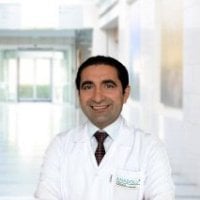
تمت مراجعة المقالة طبيا من قبل
Abdulcabbar Kartal
ما هي تكلفة عملية جراحية في إيطاليا؟ اكتشف الآن
تتراوح تكلفة الجراحة في إيطاليا عادةً ما بين $13,400 و $29,000. تعتمد الأسعار النهائية على التقنية الجراحية المستخدمة، ومدة الإقامة في المستشفى، وما إذا كنت تختار مرفقاً عاماً أو خاصاً. غالباً ما يجد المرضى الدوليون أن التكاليف أقل بنسبة 30-50% مقارنة بالولايات المتحدة للعديد من الإجراءات المتخصصة.
تكاليف الجراحة النموذجية في إيطاليا
- استشارة جراح: من $260
- استئصال الرحم: السعر عند الطلب
- استئصال الورم العضلي (إزالة الأورام الليفية الرحمية): من $6,500
- استئصال المعدة: $14,500 – $21,000
- زراعة القوقعة: $28,000 – $38,000
- استئصال البواسير: السعر عند الطلب
- إصلاح الفتق السري: من $3,500
- استئصال الكلية: من $18,000
- استئصال المرارة: $6,800 – $10,500
- جراحة سرطان الثدي: من $10,500
تتركز المراكز الطبية الرئيسية بشكل أساسي في روما وميلانو. وفي حين أن الرعاية الصحية العامة متاحة للمقيمين، قد تكون أسعار العيادات الخاصة في ميلانو أعلى قليلاً بسبب وجود مرافق بحثية متخصصة. استشر أخصائياً للحصول على تسعير دقيق لحالتك الخاصة.
| إيطاليا | تركيا | إسبانيا | |
|---|---|---|---|
| ترميم الفتق السري بالمنظار (انظر. ترميم الفتق السري) | من $3,500 | من $3,300 | من $6,200 |
| تركيب القوقعة الصناعية | ≈ $28,000 | من $14,000 | من $22,000 |
| استئصال سرطان الثدي | من $10,500 | من $4,500 | من $12,000 |
| استئصال الورم العضلي (إزالة الأورام الليفية الرحمية) | من $6,500 | من $3,500 | من $12,100 |
| استئصال المعدة | ≈ $14,500 | من $3,100 | من $20,000 |
جميع أمراض عملية جراحية
مزاياك وضماناتك مع Bookimed
أسعار مباشرة
Bookimed لا يضيف رسوماً إضافية على أسعار علاج عملية جراحية. الأسعار مأخوذة من قوائم الأسعار الرسمية للعيادات. تدفع مباشرة في العيادة مقابل علاجك عند وصولك إلى البلد.
عيادات وأطباء معتمدون فقط
Bookimed ملتزم بسلامتك. نحن نعمل فقط مع المؤسسات الطبية التي تحافظ على معايير دولية عالية في علاج عملية جراحية ولديها التراخيص اللازمة لخدمة المرضى الدوليين في جميع أنحاء العالم.
مساعدة مجانية على مدار الساعة
Bookimed يقدم مساعدة خبراء مجانية. منسق طبي شخصي يدعمك قبل وأثناء وبعد العلاج، ويحل أي مشاكل. لن تكون وحيداً أبداً في رحلة علاج عملية جراحية.

منسقك الطبي الشخصي في Bookimed
- يدعمك في كل مرحلة
- المساعدة في اختيار العيادة الطبية المناسبة والطبيب المناسب
- يضمن الوصول السريع والمريح إلى المعلومات
اكتشف أفضل عيادات عملية جراحية: 12 خيارات معتمدة والأسعار





La Madonnina Clinic









Clinic Villa Stuart

Mater Oblia Hospital



أفضل مراكز عملية جراحية في إيطاليا
- San Raffaele, إيطاليا
- San Donato Hospital, إيطاليا
- La Madonnina Clinic, إيطاليا
- IRCCS OSPEDALE GALEAZZI - SANT'AMBROGIO , إيطاليا
- Ospedale San Carlo di Nancy, إيطاليا
- Maria Cecilia Hospital, إيطاليا
- Clinic Villa Stuart, إيطاليا
- Mater Oblia Hospital, إيطاليا
- Humanitas Research Hospital , إيطاليا
- Santa Caterina da Siena, إيطاليا
احصل على تقييم طبي لـ عملية جراحية في إيطاليا. استشر الآن 15 أطباء ذوي الخبرة.
عرض جميع الأطباء
Roberto Chiesa
كان الدكتور كييزا رائدًا في تقنية "جذع الفيل المجمد" (frozen elephant trunk) لأمراض الشريان الأورطي، ويقود علاجات عدوى الطعوم الوعائية في سان رافاييل.
- متخصص في أمراض الشريان الأورطي الصدري والصدري البطني
- رئيس سابق لكل من الجمعية الفرنسية والجمعية الإيطالية للجراحة الوعائية
- تدرب على جراحة القلب والأوعية الدموية في ميلانو وليون وهيوستن
- المنسق العلمي لمجلة Vascular Update Journal
- عضو في لجان المبادئ التوجيهية للجمعية الأوروبية للجراحة الوعائية

Luca Aldrighetti
تم إجراء أكثر من 3000 عملية استئصال للكبد - كان البروفيسور ألدريغيتي رائدًا في التقنيات طفيفة التوغل في مستشفى سان رافاييل.
- أكثر من 900 عملية استئصال للكبد بالمنظار - من بين أعلى الأحجام في جميع أنحاء العالم
- رئيس جراحة الكبد والقنوات الصفراوية في سان رافاييل - أحد المراكز الرائدة في أوروبا
- المدير العلمي للمجموعة الإيطالية لجراحة الكبد طفيفة التوغل
- نشر أكثر من 650 عملاً بحثيًا حول تقنيات جراحة الكبد

Caterina Lania
الدكتورة كاترينا لانيا هي أخصائية مسالك بولية رائدة في مستشفى سان رافاييل، متخصصة في أمراض الجهاز البولي التناسلي للذكور والإناث مع أكثر من 150 مقالاً علمياً منشوراً.
- متخصصة في طب الذكورة، والجراحة العامة، وجراحة المسالك البولية
- تجري جميع أنواع الإجراءات التشخيصية للعقم، والعجز الجنسي، وأورام المثانة
- خبيرة في علاج الأمراض الخلقية والمكتسبة للأعضاء التناسلية الذكرية
- تجري أبحاثاً حول الفيزيولوجيا المرضية للجهاز البولي التناسلي

Francesco Grecchi
يتخصص الدكتور غريتشي في جراحة الوجه والفكين في معهد IRCCS Galeazzi للعظام، ولديه أكثر من 100 منشور في هذا المجال.
- مرجع للجمعية الوطنية لخلل التنسج الأديمي الظاهر
- استشاري في المعهد الإيطالي لطب الأسنان في ميلانو
- عضو مؤسس في GISOS، مع التركيز على الاندماج العظمي والتركيب
مشاركة المحتوى
قصص فيديو من مرضى Bookimed
 Anna Leonova
أسئلة متكررة حول عملية جراحية في إيطاليا
هل الجراحة مجانية للسياح في إيطاليا؟
الجراحة ليست مجانية للسياح من خارج الاتحاد الأوروبي في إيطاليا. توفر المستشفيات العامة رعاية طوارئ منقذة للحياة لجميع المسافرين. ومع ذلك، يتلقى مواطنو خارج الاتحاد الأوروبي فواتير مقابل هذه الخدمات لاحقًا. الإجراءات الاختيارية متاحة فقط من خلال المرافق الخاصة. تتراوح تكاليف الجراحة في إيطاليا عادةً من _price_from_ إلى _price_to_.
- الرعاية الصحية العامة: الوصول محدود للمقيمين وحاملي بطاقة التأمين الصحي الأوروبية (EHIC).
- فواتير الطوارئ: يدفع سياح خارج الاتحاد الأوروبي الرسوم الكاملة لزيارات الطوارئ ودخول المستشفى العاجل.
- العيادات الخاصة: تتعامل مراكز مثل سان رافاييل مع الحالات الاختيارية على نفقة المريض.
- المستندات المطلوبة: يجب على الأجانب تقديم تأمين ساري المفعول أو ضمان دفع عند القبول.
رؤية خبير Bookimed: غالبًا ما توفر المراكز ذات الحجم الكبير في ميلانو تكاليف أكثر قابلية للتنبؤ من العيادات الإقليمية الصغيرة. على سبيل المثال، يقوم IRCCS Ospedale Galeazzi - Sant'Ambrogio بإجراء 75% من جراحات تقويم العظام التصحيحية في إيطاليا. يسمح حجم حالاتهم الهائل ببروتوكولات جراحية موحدة. غالبًا ما تؤدي هذه الكفاءة إلى فواتير طبية أكثر شفافية للمرضى الدوليين مقارنة بالمستشفيات المحلية العامة.
إجماع المرضى: يشير المرضى إلى أنه على الرغم من أن رعاية الطوارئ ذات جودة عالية، يجب على المسافرين من خارج الاتحاد الأوروبي توقع فواتير تتجاوز 5000 يورو للإجراءات الشائعة مثل استئصال الزائدة الدودية. يؤكد الكثيرون أن الحصول على تأمين سفر شا
هل يمكن للسياح الطبيين اختيار جراحهم الخاص في إيطاليا؟
يمكن للسياح الطبيين في إيطاليا اختيار جراحهم الخاص بشكل أساسي من خلال نظام الرعاية الصحية الخاص. تسمح المرافق الخاصة مثل سان رافاييل أو مستشفى سان كارلو دي نانسي بالاختيار المباشر. في المقابل، يقوم النظام العام بتعيين المتخصصين بناءً على التوفر في وقت الموعد.
- اختيار النظام: توفر المستشفيات الخاصة استقلالية كاملة لاختيار جراحين وخبراء طبيين محددين.
- الاختيار المباشر: يمكن للمرضى البحث في مؤهلات الأطباء ومستويات خبرتهم في المرافق المعتمدة من قبل اللجنة الدولية المشتركة (JCI).
- الخبراء الرائدون: يقود جراحون مثل الدكتور جوزيبي سبيزيالي والدكتور روبرتو باسانِي أقسامًا متخصصة.
- مراكز الشمال: تجري مستشفيات ميلانو مثل سان دوناتو أكثر من 9400 عملية سنويًا بتخصص عالٍ.
رؤية خبير Bookimed: تعمل ميلانو كمركز استراتيجي للاستقلالية الجراحية لأن عياداتها تحمل شهادات متعددة من الدرجة الأولى. يتعامل مستشفى IRCCS Ospedale Galeazzi - Sant'Ambrogio مع 75% من جراحات تقويم العظام التصحيحية في إيطاليا. يسمح هذا التركيز في الحجم للمرضى بالعثور على خبراء متخصصين للغاية يقومون بآلاف الإجراءات المحددة. غالبًا ما توفر المراكز ذات الحجم الكبير قدرة تنبؤ أفضل للمرضى الدوليين الذين يحتاجون إلى جراحات ثانوية معقدة.
إجماع المرضى: يشير المرضى إلى أن كبار الجراحين الإيطاليين يمتلئ جدولهم بسرعة، لذا فإن التحقق من المؤهلات من خلال السجلات الرسمية في وقت مبكر أمر ضروري. يوصي الكثيرون بتأكيد اختيار الجراح كتابةً وتخصيص ميزانية لموظفين يتحدثون الإنجليزية ل
ما هي فترات الانتظار النموذجية للجراحة الاختيارية للسياح؟
تتراوح فترات انتظار الجراحة الاختيارية للسياح في إيطاليا من 2 إلى 4 أسابيع في المرافق الخاصة. بينما تواجه الأنظمة العامة تأخيرات تتراوح بين 3 إلى 12 شهراً، توفر المراكز الخاصة مثل مستشفى سان دوناتو جدولة فورية تقريباً. عادةً ما يحصل المرضى على الرعاية بشكل أسرع بكثير من السكان المحليين الذين يستخدمون الخدمة الصحية الوطنية.
- إجراءات القلب: غالباً ما تستغرق جدولة استبدال الصمامات أو جراحة المجازة من 1 إلى 4 أسابيع.
- جراحة العظام: تتطلب الإجراءات الكبرى مثل استبدال الورك عموماً فترة انتظار تتراوح من 2 إلى 6 أشهر.
- الجراحة التجميلية: تستغرق الفترة من الاستشارة إلى الإجراء عادةً من 2 إلى 4 أسابيع في العيادات الخاصة في ميلانو.
- التشخيص السريع: يتم الانتهاء من الفحوصات قبل الجراحة في مرافق مثل سان رافاييل في غضون أيام.
رؤية خبير Bookimed: أصبحت ميلانو المركز الجراحي الأكثر كفاءة في إيطاليا بسبب الكثافة العالية للعيادات. يتعامل مركز IRCCS Ospedale Galeazzi - Sant'Ambrogio وحده مع 343,500 مريض سنوياً. يسمح هذا الحجم الهائل لهذه المراكز بالحفاظ على أجنحة دولية متخصصة تتجاوز قوائم الانتظار المحلية القياسية. غالباً ما يضمن اختيار عيادة في شبكة سان دوناتو تنسيقاً أسرع بين التشخيص وغرفة العمليات.
إجماع المرضى: يشير المرضى الدوليون إلى أن الحجز في روما أو ميلانو يمكن أن يتم في غضون أيام قليلة فقط في حالة الدفع الخاص. من المهم تجنب شهري يوليو وأغسطس حيث قد تؤدي إجازات العيادات المحلية إلى إضافة 1-2 أسبوع إلى جدولك الزمني.
هل يتحدث الجراحون وموظفو المستشفيات الإيطاليون اللغة الإنجليزية؟
عادةً ما يتحدث الجراحون الإيطاليون في المرافق الخاصة والمدن الكبرى مثل ميلانو وروما اللغة الإنجليزية بطلاقة. يكمل العديد من المتخصصين، مثل أولئك الموجودين في مستشفى سان رافاييل، تدريبًا دوليًا في الولايات المتحدة أو المملكة المتحدة. تظل عملية التواصل مع طاقم التمريض والإدارة أكثر صعوبة في المستشفيات العامة.
- الخبرة الطبية: غالبًا ما يتدرب الجراحون في سان رافاييل في مؤسسات مثل كلية بايلور للطب.
- الكفاءة الإقليمية: تحافظ المراكز في ميلانو وروما على معايير لغة إنجليزية أعلى من العيادات العامة الريفية.
- طاقم الدعم: الكفاءة بين الممرضين والفرق الإدارية أقل عمومًا منها بين كبار الجراحين.
- المرافق الخاصة: تعطي المراكز المعتمدة مثل مستشفى ماريا سيسيليا (JCI) الأولوية للموظفين الذين يتحدثون الإنجليزية للمرضى الدوليين.
رؤية خبير Bookimed: تُظهر البيانات وجود علاقة بين حجم أبحاث العيادة وكفاءة اللغة الإنجليزية. تجري مستشفيات الأبحاث الكبيرة المعتمدة من IRCCS مثل مستشفى سان دوناتو أو سان رافاييل أكثر من 52,000 عملية جراحية سنويًا. تتطلب تعاوناتهم الأكاديمية العالمية بطبيعة الحال من الموظفين الحفاظ على معايير عالية للغة الإنجليزية للبروتوكولات الطبية المعقدة.
إجماع المرضى: يشير المرضى إلى أنه على الرغم من أن الجراحين يشرحون الإجراءات بوضوح باللغة الإنجليزية، إلا أن نوبات العمل الليلية غالبًا ما تشمل موظفين يتحدثون الإيطالية فقط. يساعد استخدام تطبيقات الترجمة في سد الفجوة مع طاقم الدعم أثناء التعافي.
كيف تقارن الإقامة في المستشفى للجراحة في إيطاليا بغيرها من الدول؟
غالبًا ما تستمر الإقامات الجراحية في إيطاليا من 5 إلى 10 أيام. وهذا يتجاوز المتوسط الذي يتراوح بين يوم واحد إلى 3 أيام في الولايات المتحدة أو شمال أوروبا. تعطي البروتوكولات الإيطالية الأولوية للمراقبة طويلة الأمد للمرضى الداخليين والعلاج الطبيعي داخل المستشفى. تجري مرافق مثل سان رافاييل أكثر من 52,000 عملية سنويًا بمعدلات نجاح عالية.
- مدة التعافي: غالبًا ما تتطلب العمليات الجراحية الكبرى 10 أيام أو أكثر من مراقبة المرضى الداخليين.
- التخصص السريري: مستشفى سان دوناتو رائد في جراحة القلب بأكثر من 9,400 عملية سنويًا.
- الإقامات العظمية: تتضمن عمليات استبدال المفاصل عادةً من 7 إلى 14 يومًا من التعافي تحت الإشراف.
- معايير المرافق: تحافظ المراكز المعتمدة من IRCCS في ميلانو وروما على أعلى المعايير الطبية الأوروبية.
رؤية خبير Bookimed: تركز البروتوكولات الجراحية الإيطالية بشكل كبير على منع إعادة الإدخال إلى المستشفى من خلال الإقامات الممتدة. بينما تقوم المستشفيات الأمريكية بتسريح المرضى بسرعة، تحتفظ المراكز الإيطالية مثل Galeazzi Sant-Ambrogio بالمرضى حتى اكتمال العلاج الطبيعي الأولي. هذا النهج مفيد بشكل خاص لحالات العظام المعقدة، حيث يتم تركيز 75% من جراحات المراجعة في إيطاليا في مراكز متخصصة في ميلانو لضمان الإشراف المتخصص.
إجماع المرضى: يقترح المرضى حزم أمتعة تكفي لمدة أسبوع على الأقل حتى للإجراءات الروتينية مثل استئصال الزائدة الدودية. إنهم يقدرون الرعاية الشاملة بجانب السرير والعلاج الطبيعي، على الرغم من أنهم يوصون بإحضار
هل المستشفيات الإيطالية معتمدة دوليًا؟
تحمل العديد من المستشفيات الإيطالية اعتمادات دولية مرموقة، لا سيما المراكز الخاصة البارزة ومؤسسات الأبحاث الكبيرة. تحافظ مرافق مثل مستشفى هيومانيتاس للأبحاث ومستشفى ماريا سيسيليا على شهادة اللجنة الدولية المشتركة (JCI). تضمن هذه المعايير توافق سلامة المرضى والجودة السريرية مع المعايير الطبية العالمية.
- الشهادات الأساسية: يشير اعتماد JCI إلى الالتزام ببروتوكولات سلامة الرعاية الصحية الدولية الصارمة.
- التميز الأكاديمي: تتمتع المرافق الرائدة مثل سان رافاييل بوضع IRCCS (المعهد العلمي للبحث والاستشفاء والرعاية الصحية).
- تكريمات متخصصة: تم إدراج IRCCS Ospedale Galeazzi - Sant'Ambrogio في قائمة نيوزويك لأفضل العيادات المتخصصة في العالم.
- حجم العمليات الجراحية: يجري مستشفى سان دوناتو أكثر من 9400 عملية قلب سنويًا، وهو أعلى حجم في إيطاليا.
رؤية خبير Bookimed: غالبًا ما يتركز التميز الطبي الإيطالي في لومبارديا. تخدم عيادات مثل سان رافاييل وسان دوناتو في ميلانو أكثر من 300,000 مريض سنويًا. يسمح هذا الحجم الكبير لهذه المؤسسات بأن تكون رائدة في علاجات مثل أول علاج بالخلايا الجذعية في العالم لمرض ADA-SCID. يجب على المرضى الذين يبحثون عن جراحة معقدة إعطاء الأولوية لمراكز الأبحاث عالية السعة هذه للحصول على موارد سريرية أفضل.
إجماع المرضى: يشير المرضى إلى أنه على الرغم من أن أفضل العيادات الخاصة في ميلانو غالبًا ما تفتخر بشهادات دولية وموظفين يتحدثون الإنجليزية، فإن المستشفيات العامة تلبي متطلبات السلامة الإلزامية للاتحاد الأوروبي. ي
ما هي العلاجات الجراحية الأكثر شعبية في إيطاليا للسياح الطبيين؟
تعد إيطاليا وجهة رائدة لجراحات القلب والعظام والأورام، حيث تعمل ميلانو وروما كمراكز طبية رئيسية. تتفوق البلاد في التقنيات طفيفة التوغل. تجري المراكز المتخصصة أكثر من 52,000 عملية سنويًا. تصل معدلات النجاح في إجراءات إنقاذ الأطراف المعقدة إلى 95% في المؤسسات الرائدة.
- جراحة القلب: يجري مستشفى سان دوناتو أكثر من 9,400 عملية قلب مفتوح وطفيفة التوغل سنويًا.
- رعاية العظام: يتعامل مركز جالياتزي سانت أمبروجيو مع 75% من جميع جراحات مراجعة العظام المعقدة في إيطاليا.
- الأورام المتقدمة: أجرى جراحون مثل الدكتور لوكا ألدرغيتي أكثر من 3,000 عملية استئصال للكبد باستخدام تقنيات تنظير البطن.
- جراحة العمود الفقري: أكمل متخصصون مثل الدكتور روبرتو باساني أكثر من 3,500 إجراء للعمود الفقري في المجموع.
رؤية خبير Bookimed: بينما يركز العديد من المرضى على روما للجراحة العامة، تعد ميلانو الرائدة المدعومة بالبيانات في الرعاية المتخصصة ذات الحجم الكبير. تدير العيادات هناك، مثل سان دوناتو وسان رافاييل، أكثر من 300,000 مريض سنويًا لكل منهما. يسمح هذا الحجم الهائل للجراحين بصقل تقنيات متخصصة مثل "جذع الفيل المجمد" (frozen elephant trunk) لإصلاحات الشريان الأبهر. نادرًا ما تتوفر هذه الإجراءات المحددة في العيادات الإقليمية الأصغر.
إجماع المرضى: يقدر المرضى النتائج الطبيعية للأعمال التجميلية الإيطالية، لكنهم يؤكدون على ضرورة تخصيص ميزانية لإقامات تتراوح بين 2 إلى 4 أسابيع لإدارة التعافي. يشير الكثيرون إلى أن اختيار أطباء يتحدثون الإنجليزية بطلاقة أمر
هل يمكن إدارة المضاعفات بعد الجراحة بعد عودتي إلى المنزل؟
يمكن إدارة المضاعفات بعد الجراحة في إيطاليا من المنزل من خلال خطط رعاية منظمة والمراقبة عن بعد. تظهر الإحصاءات أن أكثر من 40% من المشاكل الجراحية تحدث بعد الخروج من المستشفى. تستخدم العيادات الإيطالية مثل سان رافاييل مشاركة الصور والاستشارات عن بعد لتتبع الشفاء واكتشاف علامات العدوى المبكرة.
- المراقبة عن بعد: يستخدم الجراحون التطبيقات أو البريد الإلكتروني لفحص صور الجروح يومياً وتحديثات التقدم.
- العناية بالجروح: حافظ على جفاف الشقوق وراقب يومياً أي زيادة في الاحمرار أو إفرازات كثيفة.
- الالتزام بالأدوية: اتبع الجداول الموصوفة لتسكين الألم والمضادات الحيوية لمنع الانتكاسات الشائعة.
- بروتوكولات الحركة: المشي الخفيف يحسن الدورة الدموية ويمنع تجلط الدم خلال مراحل التعافي المبكرة.
رؤية خبير Bookimed: تتعامل المراكز الإيطالية مثل IRCCS Ospedale Galeazzi - Sant'Ambrogio مع أحجام هائلة، بما في ذلك 75% من جراحات تقويم العظام التصحيحية في إيطاليا. خبرتهم في الحالات المعقدة تعني أنهم غالباً ما يقدمون باقات رعاية وقائية تشمل زيارات افتراضية. تساعدهم هذه الخبرة في التعامل مع الحالات الكبيرة على تحديد المشاكل المحتملة قبل أن يغادر المريض ميلانو.
إجماع المرضى: يشير المرضى إلى أن التورم أو الكدمات الطفيفة يتم التعامل معها بسهولة عبر مراسلات واتساب مع جراحيهم. ومع ذلك، يقترح الكثيرون التأكد من وجود طبيب محلي احتياطي لأن بعض العيادات في بلد المريض تتردد في علاج مضاعفات جراحة أجريت في الخارج.
لماذا تعتبر إيطاليا خياراً أول للرعاية الجراحية بين السياح الطبيين؟
تعد إيطاليا وجهة جراحية رائدة لأنها تجمع بين نظام رعاية صحية مصنف ضمن أفضل 5 أنظمة عالمياً وتوفير كبير في التكاليف. غالباً ما يوفر المرضى الدوليون ما بين 30% إلى 70% مقارنة بالأسعار في الولايات المتحدة أو المملكة المتحدة. تقضي العيادات الخاصة الإيطالية على قوائم الانتظار وتوفر وصولاً فورياً إلى التقنيات الروبوتية والتدخلات الجراحية طفيفة التوغل.
- حجم العمليات الجراحية: يجري مستشفى سان دوناتو 9,400 عملية قلب سنوياً.
- الريادة السريرية: يتعامل سان رافاييل مع أكثر من 52,000 عملية جراحية وكان رائداً في علاج الخلايا الجذعية ADA-SCID.
- الهيمنة في جراحة العظام: يجري مركز جالياتزي-سانت أمبروجيو 75% من جميع جراحات تقويم العظام التصحيحية في إيطاليا.
- كفاءات الخبراء: أجرى جراحون مثل الدكتور لوكا ألدريغيتي أكثر من 3,000 عملية استئصال كبد معقدة.
رؤية خبير Bookimed: تعمل ميلانو كمركز رئيسي للحالات عالية التعقيد نظراً لتركيز التخصص الشديد فيها. تدير عيادات مثل سان دوناتو وجالياتزي-سانت أمبروجيو أكثر من 300,000 مريض سنوياً لكل منهما. يسمح هذا الحجم الهائل لهذه المراكز بالحفاظ على تكاليف أقل مع الإبلاغ عن معدلات نجاح تنافس أفضل المرافق الغربية.
إجماع المرضى: غالباً ما يوصي المرضى بالعيادات الخاصة في ميلانو أو روما لتجنب تأخيرات النظام العام وضمان الحصول على دعم باللغة الإنجليزية. يجد الكثيرون أنه يمكنهم الجمع بين جراحة عالية الجودة وعطلة استشفائية في جبال الدولوميت أو البندقية بتكلفة أقل من تكلفة إجراء أساسي في الولايات المتحدة.
هل يتحدث الجراحون والطاقم الطبي الإيطاليون الإنجليزية؟
يتحدث معظم الجراحين الإيطاليين في المستشفيات الخاصة الرائدة في ميلانو وروما الإنجليزية بطلاقة. غالبًا ما يكمل هؤلاء المتخصصون زمالات دولية أو أبحاثًا في مؤسسات مثل مستشفى جامعة توماس جيفرسون. بينما يتمتع الأطباء بالكفاءة، قد تكون مهارات اللغة الإنجليزية لدى طاقم الدعم والممرضين في المرافق العامة محدودة.
- اعتمادات العيادة: تم تصنيف مستشفيي سان رافاييل وسان دوناتو من قبل مجلة نيوزويك ويخدمان آلاف المرضى الدوليين.
- خبرة الطبيب: يتمتع جراحون مثل الدكتور لويجي ماسوني بأكثر من 35 عامًا من الخبرة السريرية.
- الكفاءة اللغوية: غالبًا ما يقود المتخصصون في مستشفى ماريا سيسيليا المعتمد من قبل اللجنة الدولية المشتركة (JCI) مؤتمرات طبية دولية.
- الاتجاهات الإقليمية: تعطي المراكز الخاصة في المدن الشمالية مثل ميلانو الأولوية للفرق الطبية الناطقة بالإنجليزية.
رؤية خبير Bookimed: تظهر البيانات أن العيادات الحاصلة على اعتمادات JCI أو IRCCS، مثل سان رافاييل، تجذب أطباء ذوي تدريب عالمي واسع. غالبًا ما يكون هؤلاء الجراحون أعضاء في الجمعيات الطبية الأمريكية أو البريطانية. تضمن هذه الخلفية الأكاديمية قدرتهم على شرح الخطوات الجراحية المعقدة بلغة إنجليزية واضحة.
إجماع المرضى: يشير المرضى إلى أنه على الرغم من أن الجراحين غالبًا ما يكونون ثنائيي اللغة تمامًا، إلا أن التواصل مع ممرضي التعافي قد يكون صعبًا. يقترح الكثيرون استخدام تطبيقات الترجمة للتفاعلات اليومية مع الاعتماد على الأطباء للمناقشات الطبية التفصيلية.