العودة إلى الصفحة الرئيسية
820К+ مريضًا حصلوا على المساعدة منذ عام 2014
50 دول
1,500 عيادات
6K+ تقييمات
3K+ طبيب مؤهل

ما هي تكلفة عملية جراحية في الصين؟ اكتشف الآن

Surgery in China typically costs between $12,900 and $35,500. The total expense depends on the facility type, the complexity of the procedure, and whether you choose a public or private international hospital. Patients can expect 50-70% savings compared to the US.

Typical Surgery Costs in China

  • Online consultation with surgeon: $300 – $400
  • CT of the chest: $300 – $600
  • Hysterectomy (uterus removal): $11,500 – $22,500
  • Myomectomy (removal of uterine fibroids): $8,800 – $14,200
  • Stomach resection: $18,500 – $36,500
  • Cochlear implant placement: $28,500 – $43,500
  • Hemorrhoidectomy: $2,800 – $6,200
  • Umbilical hernia repair: $3,800 – $8,200
  • Nephrectomy: $14,500 – $26,500
  • Breast cancer surgery: $9,800 – $21,000

Major medical centers are concentrated in Beijing, Shanghai, and Suzhou. Prices in Tier 1 cities like Beijing and Shanghai are generally higher than in regional hubs. Consulting with a specialist can help you determine the exact costs for your specific medical needs.

الصينتركياإسبانيا
قلع العينمن $4,500من $5,400من $8,500
عملية استئصال البواسيرمن $2,800من $1,200من $4,000
جراحة موس المجهريةمن $2,400من $2,200من $2,200
جراحة سرطان الرئةمن $24,500من $17,000من $40,000
ترميم الفتق السري بالمنظار (انظر. ترميم الفتق السري)من $3,800من $1,500من $2,000
تم التحقق من البيانات بواسطة Bookimed اعتبارًا من June 2026، استنادًا إلى طلبات المرضى والعروض الرسمية من 3 عيادة حول العالم. تستند التكاليف المتوسطة إلى الفواتير الحقيقية (2025–2026) ويتم تحديثها شهريًا. قد تختلف الأسعار الفعلية.

مزاياك وضماناتك مع Bookimed

أسعار مباشرة

Bookimed لا يضيف رسوماً إضافية على أسعار علاج عملية جراحية. الأسعار مأخوذة من قوائم الأسعار الرسمية للعيادات. تدفع مباشرة في العيادة مقابل علاجك عند وصولك إلى البلد.

عيادات وأطباء معتمدون فقط

Bookimed ملتزم بسلامتك. نحن نعمل فقط مع المؤسسات الطبية التي تحافظ على معايير دولية عالية في علاج عملية جراحية ولديها التراخيص اللازمة لخدمة المرضى الدوليين في جميع أنحاء العالم.

مساعدة مجانية على مدار الساعة

Bookimed يقدم مساعدة خبراء مجانية. منسق طبي شخصي يدعمك قبل وأثناء وبعد العلاج، ويحل أي مشاكل. لن تكون وحيداً أبداً في رحلة علاج عملية جراحية.

لماذا نحن؟

منسقك الطبي الشخصي في Bookimed

  • يدعمك في كل مرحلة
  • المساعدة في اختيار العيادة الطبية المناسبة والطبيب المناسب
  • يضمن الوصول السريع والمريح إلى المعلومات

اكتشف أفضل عيادات عملية جراحية: 3 خيارات معتمدة والأسعار

تم تصنيف العيادات بواسطة نظام Bookimed الذكي، باستخدام تحليل علوم البيانات عبر 5 معايير رئيسية.
Fuda Hospital
Yanda International Hospital
مستشفى شيامن هيومانيتي

أفضل مراكز عملية جراحية في الصين

  • Fuda Hospital, الصين
  • Yanda International Hospital, الصين
  • مستشفى شيامن هيومانيتي, الصين

احصل على تقييم طبي لـ في الصين: اختر أخصائيك من بين الأفضل في هذا المجال

عرض جميع الأطباء
يؤكد

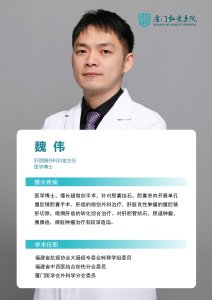
Wei Wei

16سنة خبره ١٦ سنة

د. وي وي، دكتور في الطب، مدير قسم جراحة الكبد والطرق الصفراوية والبنكرياس.

متخصص في الجراحات طفيفة التوغّل فائقة الصِغَر. تشمل إجراءاته استئصال المرارة بالمنظار عبر منفذ واحد لعلاج حصوات المرارة والسلائل، والعلاج طفيف التوغّل لسرطان الكبد، والاستئصال الكبدي بالمنظار للأورام الكبدية الحميدة. كما يجري العلاج التحويلي لسرطان الكبد المتقدم. ويعالج تحصي القنوات الصفراوية داخل الكبد، وأورام الطرق الصفراوية، وسرطان البنكرياس، وأورام الطحال.

تشمل عضوياته المهنية مجموعة النقائل التابعة للجنة سرطان القولون والمستقيم برابطة فوجيان لمكافحة السرطان. وهو أيضًا عضو في شعبة الإصابات بجمعية فوجيان للطب التكاملي، وفي شعبة الجراحة بجمعية شيامن الطبية.

مشاركة المحتوى

Twitter XLinkedinFacebookWhatsAppEmail
أحصل على الرابط

قصص فيديو من مرضى Bookimed

Dayana
جمعت بين إجازتي في أنطاليا والفحص الطبي.
إجراء: فحص صحة الإناث (انظر فحص النساء)
Igor
كان رائعاً! التنقلات والإقامة والعلاج - كل شيء مشمول.
إجراء: زرع الأسنان
مستشفى: WestDent Clinic
Marina
قام Bookimed بكل شيء من أجلي. لم أضطر للقلق بشأن أي شيء.
إجراء: فحص صحة الإناث (انظر فحص النساء)
مستشفى: Severance Hospital
محدث: 11/10/2025
تأليف
Anna Leonova
Anna Leonova
رئيس فريق تسويق المحتوى
محررة طبية معتمدة لديها خبرة تزيد عن 10 سنوات، طوّرت محتوى Bookimed الموثوق، مدعومة بماجستير في علم اللغة ومقابلات مع خبراء طبيين من جميع أنحاء العالم.
تمت المراجعة من قبل المستشار الطبي في Bookimed
Abdulcabbar Kartal
جراح القولون والمستقيم
الأستاذ المشارك الدكتور عبد الجبار كارتال جراح متخصص في جراحة القولون والمستقيم والجراحة العامة، وخاصةً جراحة HIPEC وجراحة السمنة. وهو حاصل على شهادة من الجمعية الأوروبية لجراحة القولون والمستقيم (FEBS-C) وأجرى أكثر من 500 عملية جراحية لعلاج السمنة.
قد تحتوي هذه الصفحة على معلومات تتعلق بمختلف الحالات الطبية والعلاجات وخدمات الرعاية الصحية المتوفرة في بلدان مختلفة. يرجى العلم أن المحتوى مقدم لأغراض إعلامية فقط ولا ينبغي تفسيره على أنه نصيحة أو إرشادات طبية. يرجى استشارة طبيبك أو أخصائي طبي مؤهل قبل البدء أو تغيير العلاج الطبي.

أسئلة متكررة حول عملية جراحية في الصين

هذه الأسئلة الشائعة مأخوذة من مرضى حقيقيين يبحثون عن رعاية طبية عبر Bookimed. يتم تقديم الإجابات من قبل منسقين طبيين ذوي خبرة وممثلين موثوقين من العيادات.

What safety standards and international accreditations do Chinese hospitals offering surgery maintain?

Chinese surgical hospitals maintain safety through the national Class 3 Grade A (San Jia) system and international Joint Commission International (JCI) accreditation. Facilities like Fuda Cancer Hospital and Yanda International Hospital hold JCI status. These standards govern infection control, surgical protocols, and patient safety across 40+ clinical departments.

  • Domestic ranking: Class 3 Grade A represents the highest tier for complex surgical capabilities.
  • International validation: JCI accreditation confirms adherence to global patient safety and hygiene benchmarks.
  • Clinical trials: Xiamen Humanity Hospital holds specialized accreditations for drug and medical device trials.
  • Quality management: Many facilities utilize ISO 9001 and ISO 15189 for laboratory diagnostic accuracy.

Bookimed Expert Insight: Our data shows that top-rated Chinese hospitals often manage massive patient volumes. Yanda International Hospital serves 2,500,000 patients annually and maintains 3,000 beds. This high surgical turnover allows surgeons like Dr. Wei Li to perform 10,000+ procedures. Such volume typically correlates with more refined clinical pathways and standardized safety protocols in major hubs like Beijing.

Patient Consensus: Patients note that safety standards feel most consistent in tier-1 cities like Beijing and Guangzhou. They suggest getting all post-op care plans and records in writing before leaving the facility.

How are surgeons in China qualified, and what post-surgical support is provided?

Surgeons in China qualify through a rigorous 8 to 14 year training path involving medical degrees, national licensing, and residency. Professionals at top-tier Class 3A hospitals often hold PhDs and international fellowships. Post-surgical care employs Enhanced Recovery After Surgery (ERAS) protocols and nurse-led discharge services to expedite healing.

  • Training duration: Surgeons complete 5 to 8 years of medical school plus mandatory residency.
  • Licensing standards: Candidates must pass the National Medical Licensing Examination (NMLE) for clinical practice.
  • Specialist requirements: Attending doctors must publish research and complete rural service for provincial certification.
  • Recovery protocols: Hospitals use ERAS to minimize pain and reduce hospital stays through optimized care.
  • Follow-up systems: Centers conduct structured phone or AI check-ins at 1, 3, 7, and 28 days.

Bookimed Expert Insight: Quality signals in China are tied to hospital classification. Class A Level III clinics like Yanda International Hospital offer the highest standard of care and often integrate traditional Chinese medicine with international protocols. Choosing doctors at these institutions, such as Prof. Wei Li with 40+ years of experience, ensures access to surgeons who have performed 10,000+ procedures.

Patient Consensus: Patients note that while surgical skill is high at top hospitals, following up from abroad can be difficult. They suggest getting all digital surgical notes immediately and using WeChat for informal but quick communication with hospital staff.

How long must a medical tourist plan to stay and what should they pack?

Medical tourists in China should plan a stay of 14 to 28 days for surgical procedures. This timeline includes pre-operative consultations, the surgery itself, and essential post-operative monitoring. Major orthopedic or oncology treatments often require the full 4-week window to ensure safe travel. Stay durations range from _price_from_ to _price_to_ depending on the complexity.

  • Stay duration: Plan 24 weeks for orthopedic or complex oncology surgeries.
  • Clinical recovery: Cosmetic procedures require 10–14 days for healing and stitch removal.
  • Packing essentials: Include universal type A or I adapters and compression garments.
  • Digital tools: Download translation apps and local payment platforms before arrival.
  • Post-op clothing: Pack loose-fitting items or front-closure tops to accommodate swelling.

Bookimed Expert Insight: China's top-tier facilities, like the JCI-accredited Fuda Cancer Hospital, often manage high patient volumes with over 30,000 international cases. We see a pattern where clinics combining modern technology with traditional approaches, such as Yanda International Hospital, require longer stays. This allows for integrated rehabilitation protocols that significantly improve long-term mobility after joint replacements.

Patient Consensus: Patients emphasize bringing a companion to help navigate hospital layouts and language barriers. It is also vital to pack personal toiletries and snacks, as basic hospital amenities can differ from Western standards.

Which cities are best for high-quality surgery, and how do they support international patients logistically?

Beijing and Guangzhou are premier hubs for high-quality surgery in China. These cities feature JCI-accredited facilities and Class A level III clinics. They support international patients with dedicated wings. Services include visa extensions, multilingual staff, and seamless digital payments through passport-linked accounts.

  • Specialized expertise: Prof. Yong Wu performed the most total ankle arthroplasties worldwide.
  • Clinical volume: Yanda International Hospital in Beijing treats 2,500,000 patients annually.
  • Advanced oncology: Fuda Cancer Hospital offers over 10 minimally invasive chemotherapy alternatives.
  • Logistical support: Top facilities provide airport pickups, 24/7 translators, and on-site document notarization.

Bookimed Expert Insight: Beijing hospitals like Yanda International show a distinct pattern of massive scale, operating 39 specialized departments under one roof. This concentration allows international patients to complete complex diagnostics and surgery in one location. This significantly reduces the typical 2-week travel timeline found in smaller regional centers.

Patient Consensus: Patients note that staying in major hubs like Beijing avoids the language barriers found in smaller cities. They emphasize that while private wings handle visas and payments easily, booking 2–3 months ahead is essential for top surgeons.

What is included in a typical surgery package for foreigners?

Surgery packages for foreigners in China typically bundle medical procedures with essential logistical support for a seamless experience. These comprehensive plans generally include surgeon fees, anesthesia, operating room costs, and pre-operative diagnostics. International patients often receive dedicated translation services and VIP airport transfers at JCI-accredited facilities.

  • Medical fees: Covers surgeon, anesthesiologist, and nursing staff costs during the procedure.
  • Hospital stay: Includes 1–3 nights in a private room with monitoring and meals.
  • Diagnostics: Bundles pre-operative blood work, ECGs, and necessary imaging like PET-CT.
  • Logistics: Provides VIP airport-to-hotel transfers and a personal medical interpreter.

Bookimed Expert Insight: Data from high-volume centers like Yanda International Hospital shows that Class A level III clinics often integrate traditional Chinese approaches with international protocols. This unique combination is frequently included in neurosurgery and rehab packages. Patients at these top-tier facilities benefit from systems designed to handle over 2,000,000 people annually.

Patient Consensus: Patients emphasize the need to get an itemized list before traveling. One patient noted that while English-speaking support adds a premium, it is vital for navigating complex medical discussions.

Is it safe for foreigners to undergo surgery in China?

Surgery in China is safe for foreigners who choose prestigious JCI-accredited facilities in major cities like Beijing and Guangzhou. Leading centers like Yanda International Hospital serve 2,500,000 patients annually. High clinical volumes ensure surgeons often perform 500+ procedures yearly, resulting in exceptional technical skill levels.

  • Accreditation: Top-tier hospitals like Fuda Cancer Hospital maintain Joint Commission International (JCI) standards.
  • Clinical volume: Experts like Prof. Wei Li have performed 10,000+ orthopedic procedures throughout 40+ years.
  • Technology: International departments offer advanced tools including Da Vinci robots and cryosurgery systems.
  • Facility grade: Class A Level III hospitals represent the highest tier of Chinese medical care.

Bookimed Expert Insight: High-volume centers in China offer a unique clinical advantage for complex reconstructions. For example, Prof. Yong Wu at Amcare has performed 1,000+ total ankle arthroplasties. This specialization level is rare internationally. Our data shows these experts often develop proprietary techniques, like the Cui Bankart repair, which are now used globally.

Patient Consensus: Patients emphasize that navigating the system alone is difficult due to language barriers. They recommend hiring a medical translator and staying in international wings to ensure clear communication about medications and recovery protocols.

How do I verify that the surgeon I choose is qualified and experienced?

Verify a surgeon in China by confirming Joint Commission International (JCI) accreditation and hospital tier status. Primary indicators of expertise include high procedural volumes and international fellowships. Top specialists often hold professorships at Peking University or Tsinghua University. These credentials ensure adherence to global medical standards.

  • Clinic accreditation: Choose JCI-accredited facilities like Fuda Cancer Hospital or Yanda International Hospital.
  • Doctoral titles: Look for Chief Physician or Professor roles at major university-affiliated hospitals.
  • Procedural volume: Verify specific case numbers, such as Dr. Wei Li's 10,000+ joint replacements.
  • International training: Prioritize surgeons with advanced fellowships from institutions in Singapore, Europe, or USA.

Bookimed Expert Insight: In China, surgical expertise is concentrated in Class A Level III hospitals. Our data shows top-tier doctors like Prof. Yong Wu often perform 1,000+ niche procedures, which is world-leading volume. This high frequency typically leads to more refined techniques and better patient outcomes compared to regional centers.

Patient Consensus: Patients note that verifying credentials independently is difficult because many registries are in Chinese. They highly recommend using professional translation help for consultations to ensure complication rates and aftercare plans are clearly explained.

What are the key questions I should ask during my surgical consultation?

Successful surgery in China requires clarifying the procedures, surgeon experience, and recovery protocols. Ask about the surgeons qualifications and specific case volume for your condition. Inquire about the technologies used, such as computer-assisted systems or minimally invasive techniques. Confirm and understand the post-operative support provided.

  • Surgeon experience: Ask how many times they performed this specific procedure personally.
  • Clinical credentials: Verify if the facility holds JCI (Joint Commission International) accreditation.
  • Surgical technique: Confirm if they use specialized methods like Cuis Bankart repair.
  • Anesthesia provider: Ensure a qualified doctor administers anesthesia rather than a nurse.
  • Facility volume: Check if the hospital handles high volumes, like 2,500,000 annual patients.

Bookimed Expert Insight: China features world-leading specialists who have pioneered unique techniques. Dr. Guoqing Cui developed his own shoulder repair methods. Prof. Yong Wu has performed over 1,000 total ankle arthroplasties. This level of specialization often means these doctors handle the most complex cases globally. Look for surgeons who have developed their own eponymous techniques for the best results.

Patient Consensus: Patients emphasize the need to see official licenses and before-and-after photos of similar cases. Many recommend bringing a translator to record conversations and ensure all post-op care protocols are in writing.

Will there be a language barrier during my hospital stay?

Language barriers in Chinese hospitals are common but manageable through specialized international departments and professional coordination. JCI-accredited facilities like Fuda Cancer Hospital in Guangzhou serve patients from over 100 countries. These centers often provide dedicated staff to bridge communication gaps during complex surgical procedures.

  • International departments: Clinics like Yanda International Hospital offer dedicated services for foreign-speaking patients.
  • English-speaking surgeons: Prof. Wei Li and Prof. Guoqing Cui provide English-fluent orthopedic care.
  • Accreditation standards: JCI-accredited hospitals follow strict protocols to provide safe, clear medical communication.
  • Support staff: Major centers in Beijing and Guangzhou employ coordinators for international patient logistics.

Bookimed Expert Insight: Data shows a clear divide between hospital tiers in China. While Yanda International Hospital serves 2.5 million patients annually with structured international support, smaller regional clinics often lack English-speaking staff. Patients should prioritize facilities in tier-1 cities like Beijing or Guangzhou to ensure consistent communication throughout their surgical stay.

Patient Consensus: Patients note that while translation apps help with basic needs, they often fail with complex medical terms. Having a Mandarin-speaking companion or a professional medical translator is highly recommended to avoid confusion during post-operative care and discharge.

How are payments handled for foreign patients?

Foreign patients in China typically pay through upfront deposits, international wire transfers, or digital platforms like Alipay and WeChat Pay. Hospitals usually require 100% of the estimated surgery cost before treatment begins. Many facilities also accept major credit cards and international insurance with prior authorization.

  • Payment timing: Full payment of estimated costs is generally required before surgery starts.
  • Digital methods: Patients often use Alipay or WeChat Pay with a tourist SIM card.
  • Wire transfers: International transfers are common but require 3 to 10 business days.
  • Currency handling: Costs for surgery in China range from _price_from_ to _price_to_.

Bookimed Expert Insight: High-capacity facilities like Yanda International Hospital, which serves 2,500,000 patients annually, often have dedicated departments for international billing. Our data shows that JCI-accredited clinics in Beijing and Guangzhou are more likely to provide transparent, bilingual contracts. This helps prevent the payment disputes sometimes seen at smaller clinics.

Patient Consensus: Patients suggest setting up a local payment app immediately upon arrival to avoid high currency conversion fees. They also recommend carrying some cash in USD as a backup since some hospital ATMs may limit foreign cards.

Can I travel home immediately after surgery, or is it advisable to stay in China for recovery?

It is not advisable to travel home immediately after surgery in China. Medical experts recommend staying 1 to 2 weeks for monitoring. Long-haul flights increase risks of blood clots and wound complications. Changes in cabin pressure can cause pain or open stitches during travel.

  • Recovery timeline: Stay 7–14 days for major procedures to ensure stable healing.
  • Clinical observation: International hospitals like Yanda International provide 24/7 post-operative rehabilitation.
  • Expert clearance: Surgeons like Dr. Wei Li often require 14 days before flying.
  • Travel safety: Use compression gear and blood thinners to prevent deep vein thrombosis.

Bookimed Expert Insight: China's Class A Level III hospitals, like Yanda International, manage massive patient volumes of 2,500,000 annually. This high intensity means surgeons have vast experience but bedside follow-up is brief. Staying locally for 10 days allows you to use affordable recovery hotels, which cost only $20–50 per night.

Patient Consensus: Patients warn that flying home too soon can be a disaster due to unbearable swelling and pain. Many note that staying near the clinic is safer because emergency care is difficult to find once you leave.

احصل على استشارة مجانية

حدد أفضل طريقة للاتصال بك