علاج كيس البنكرياس في إسبانيا — احصل على 3 عيادات مختارة خصيصاً لك


تمت مراجعة المقالة طبيا من قبل
فهد مولود
كيف نعمل؟
ما هي تكلفة كيس البنكرياس إجراءات التشخيص والعلاج في إسبانيا؟ اعرف الآن
اكتشف أفضل كيس البنكرياس العيادات في إسبانيا: 3 خيارات معتمدة والأسعار








احصلوا على تقييم طبي لـ كيس البنكرياس في إسبانيا: استشيروا أطباء ذوي خبرة الآن
عرض جميع الأطباء
Xavier Centeno Fornies
يتخصص الدكتور كزافييه سنتينو في أكياس البنكرياس في مركز تيكنون الطبي (Centro Médico Teknon)، مع تدريب متقدم في مايو كلينك وكليفلاند كلينك فلوريدا.
- 32 سنة من الخبرة في جراحة الجهاز الهضمي
- تدرب على جراحة القولون والمستقيم بالمنظار في ICARD
- معتمد من جمعية ERAS لبروتوكولات التعافي المعزز
- عضو في الجمعية الأمريكية لجراحي القولون والمستقيم
Cesar Canales Bedoya
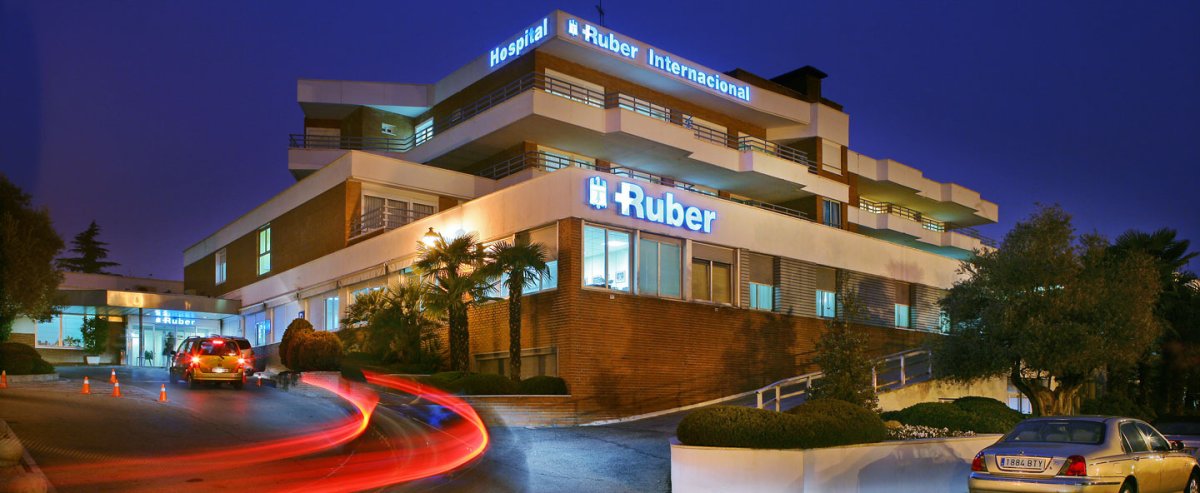
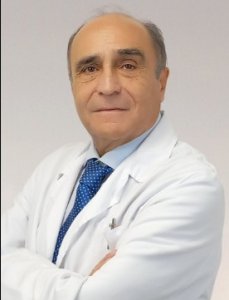
يتولى الدكتور سيزار كاناليس منذ عام 2015 رئاسة قسم الجراحة العامة وجراحة الجهاز الهضمي، ووحدة الجراحة بالمنظار والروبوت في مستشفى روبر إنترناسيونال (مدريد). وهو جرّاح عام وجهاز هضمي بخبرة تتجاوز 30 عاماً. يتخصص في الجراحة بالمنظار وبالروبوت دا فنشي لحالات البطن المعقّدة، والأورام، وجدار البطن.
يحمل درجة الدكتوراه (بامتياز مع مرتبة الشرف، الجامعة المستقلة بمدريد UAM) ودرجة الطب (مع مرتبة الشرف، جامعة كومبلوتنسي بمدريد UCM). أكمل تدريبه التخصصي في المستشفى الجامعي العام غريغوريو مارانيون
مشاركة المحتوى
قصص فيديو من مرضى Bookimed
 Anna Leonova
أسئلة متكررة حول علاج كيس البنكرياس في إسبانيا
ما هو نوع كيس البنكرياس الذي أعاني منه، وهل يتطلب جراحة فورية؟
يصنف المتخصصون في إسبانيا أكياس البنكرياس إلى غير مخاطية (حميدة) أو مخاطية (ما قبل سرطانية). نادراً ما تكون الجراحة الفورية ضرورية ما لم تظهر سمات عالية الخطورة مثل اليرقان، أو مكونات صلبة، أو توسع في القناة الرئيسية. تتطلب معظم الأكياس مراقبة دورية فقط عبر التصوير بالرنين المغناطيسي أو الموجات فوق الصوتية بالمنظار في مرافق معتمدة من اللجنة الدولية المشتركة (JCI).
- معايير التشخيص: يقوم الأطباء بتقييم حجم الكيس، وموقعه، وتكوين السوائل، واتصال القناة.
- مؤشرات عالية الخطورة: يوصى بإجراء جراحة عاجلة للأكياس التي يزيد حجمها عن 3 سنتيمترات مع وجود عقيدات صلبة.
- بروتوكول المراقبة: تخضع الأكياس المستقرة ومنخفضة الخطورة عادةً للتصوير كل 6 إلى 12 شهراً.
- التكنولوجيا المتخصصة: تستخدم المراكز الإسبانية التصوير بالرنين المغناطيسي بقوة 3 تسلا وأنظمة دافنشي الروبوتية للدقة.
رؤية خبير Bookimed: تظهر البيانات أن إسبانيا هي واحدة من أفضل 5 وجهات عالمية لجراحة الجهاز الهضمي المعقدة. تضم مراكز مثل مستشفى روبر الدولي (Hospital Ruber Internacional) ومركز تكنون الطبي (Centro Médico Teknon) جراحين يتمتعون بخبرة تزيد عن 30 عاماً. يتخصص الدكتور سيزار كاناليس بيدويا في الأورام الروبوتية، وهو أمر حيوي إذا كشفت المراقبة عن تغيرات عالية الخطورة. اختيار مركز ذو حجم كبير من المرضى، مثل HM Sanchinarro، يضمن الوصول إلى مجالس الأورام متعددة التخصصات لتحديد المرحلة بدقة.
إجماع المرضى: يشير المرضى إلى أنه من الشائع والمخيف سماع كلمة ما قبل سرطانية، لكن
كيف تقرر المستشفيات الإسبانية ما إذا كانت الكيسة منخفضة المخاطر أم عالية المخاطر؟
تحدد المستشفيات الإسبانية مستويات مخاطر كيسات البنكرياس باستخدام إرشادات أوروبية قائمة على الأدلة تركز على الحجم والتغيرات الهيكلية. يصنف الأطباء الكيسات على أنها عالية المخاطر إذا تجاوزت 30 مم. كما يقومون بمراقبة معدلات النمو التي تتجاوز 5 مم سنويًا أو ظهور أعراض جديدة لمرض السكري والتهاب البنكرياس.
- مراقبة التصوير: يستخدم الأطباء التصوير بالرنين المغناطيسي بقوة 3 تسلا والأشعة المقطعية لمراقبة التغيرات الهيكلية بمرور الوقت.
- علامات الخطر العالية: تشير الجدران السميكة، أو العقيدات الجدارية، أو المكونات الصلبة إلى خطر أعلى للإصابة بالخباثة.
- تأثر القناة: تعتبر القناة البنكرياسية الرئيسية المتوسعة علامة حمراء رئيسية للتدخل الجراحي.
- التشخيص المتقدم: يقوم التصوير بالموجات فوق الصوتية بالمنظار والشفط بالإبرة الدقيقة باختبار علم الخلايا للسائل إذا كانت الخصائص مقلقة.
رؤية خبير Bookimed: تحتل إسبانيا المرتبة الخامسة عالميًا في الطلبات الطبية، ويرجع ذلك جزئيًا إلى حجم التشخيص المرتفع لديها. يخدم مستشفى Hospital Universitario HM Sanchinarro 400,000 مريض سنويًا. يسمح هذا النطاق الهائل للمتخصصين بتحديد أنماط نمو نادرة قد تغفل عنها المراكز الأصغر. بالنسبة للحالات المعقدة، يضمن اختيار المراكز ذات الحجم الكبير في مدريد أو برشلونة الوصول إلى متخصصين مثل الدكتور سيزار كاناليس بيدويا، المعترف به كواحد من أفضل الجراحين في إسبانيا.
إجماع المرضى: يشير المرضى إلى أنه من الضروري إحضار تقارير التصوير الأصلية إلى الاستشارات. ويؤكدون على أه
متى يوصى بالجراحة فعلياً بدلاً من المراقبة؟
تحل جراحة كيسات البنكرياس في إسبانيا محل المراقبة عندما يكشف التصوير عن ميزات عالية الخطورة مثل العقيدات الجدارية الصلبة أو توسع القناة المحدد. يعد الانتقال إلى الجراحة أمراً ضرورياً إذا نمت الكيسات بسرعة أو تسببت في أعراض مثل اليرقان والتهاب البنكرياس. عادةً ما تؤكد الفرق متعددة التخصصات في المستشفيات الإسبانية المعتمدة من قبل JCI هذه المؤشرات الجراحية.
- وصمات عالية الخطورة: وجود مكونات صلبة أو عقيدات جدارية داخل بنية الكيسة.
- تأثر القناة: توسع القناة البنكرياسية الرئيسية الذي يتجاوز 10 مم يشير إلى حالة ما قبل سرطانية.
- النمو السريع: زيادة في حجم الكيسة أثناء المراقبة المتسلسلة بالرنين المغناطيسي أو التصوير بالموجات فوق الصوتية بالمنظار (EUS).
- الأعراض السريرية: ظهور جديد لألم في البطن، أو يرقان، أو التهاب بنكرياس حاد متكرر.
رؤية خبير Bookimed: غالباً ما تعطي المراكز الإسبانية مثل مستشفى روبر الدولي (Hospital Ruber Internacional) ومركز تكنون الطبي (Centro Médico Teknon) الأولوية للجراحة بمساعدة الروبوت لهذه الحالات. تظهر البيانات أن الدكتور سيزار كاناليس بيدويا، وهو جراح من الطراز الأول، يستخدم نظام دافنشي Xi لإدارة أورام الجهاز الهضمي المعقدة. إن اختيار منشأة تجري أكثر من 6000 عملية جراحية سنوياً يضمن احتفاظ الفريق الجراحي بالكفاءة العالية اللازمة لتقليل المخاطر بعد الجراحة مثل النواسير البنكرياسية.
إجماع المرضى: يشير المرضى إلى أنه من الشائع الخضوع للمراقبة لعدة سنوات باستخدام الرنين المغناطيسي قبل أن تصبح التدخلا
ما هي التقنيات الجراحية المستخدمة في إسبانيا لأكياس البنكرياس عالية الخطورة؟
يستخدم الجراحون الإسبان بروتوكولات أورام موحدة لعلاج أكياس البنكرياس عالية الخطورة. تشمل التقنيات الرئيسية إجراء ويبل، واستئصال البنكرياس البعيد، واستئصال البنكرياس الكلي. تستخدم المراكز الرائدة في مدريد وبرشلونة أنظمة دافنشي Xi الروبوتية وجراحة المناظير لضمان الدقة والتعافي السريع للمرضى.
- إجراء ويبل: إزالة رأس البنكرياس والاثني عشر والمرارة للأكياس الموجودة في الرأس.
- استئصال البنكرياس البعيد: يستهدف الأكياس الموجودة في الذيل أو الجسم، وغالباً ما يحافظ على الطحال.
- الجراحة طفيفة التوغل: توفر أنظمة دافنشي الروبوتية رؤية ثلاثية الأبعاد لإعادة بناء الأنسجة المعقدة.
- تقنيات الحفاظ على المتني: الاستئصال أو الاستئصال المركزي يحافظ على الأنسجة السليمة للآفات الكيسية الحدودية.
- التحليل أثناء الجراحة: يؤكد تحليل هوامش الأنسجة المجمدة وجود حواف نظيفة لمنع تكرار السرطان.
رؤية خبير Bookimed: تظهر البيانات أن مدريد وبرشلونة تخدمان أحجاماً هائلة من المرضى، حيث يعالج مستشفى Universitario HM Sanchinarro 400,000 شخص سنوياً. هذا التردد العالي أمر بالغ الأهمية لجراحة البنكرياس. تستخدم عيادات مثل مستشفى Ruber Internacional أحدث طرازات دافنشي Xi، بينما يصنف جراحون مثل الدكتور سيزار كاناليس بيدويا ضمن أفضل المتخصصين في البلاد من قبل فوربس. يضمن اختيار هذه المراكز ذات الحجم الكبير الوصول إلى جراحين ذوي خبرة موثقة في أورام الجهاز الهضمي المعقدة.
إجماع المرضى: يؤكد المرضى على أهمية العثور على مركز ثالثي ذو حجم كبير
كيف أختار المستشفى المناسب في إسبانيا لعلاج البنكرياس؟
لاختيار المستشفى الإسباني المناسب لعلاج البنكرياس، أعط الأولوية للمراكز المعتمدة من قبل اللجنة الدولية المشتركة (JCI) التي تجري أكثر من 20 عملية استئصال للبنكرياس سنوياً. ابحث عن فرق متعددة التخصصات في مدريد أو برشلونة تستخدم التصوير بالرنين المغناطيسي بقوة 3 تسلا والموجات فوق الصوتية بالمنظار لتحديد مرحلة الكيس بدقة والتخطيط الجراحي.
- الاعتماد المتخصص: ابحث عن المرافق الحاصلة على اعتماد اللجنة الدولية المشتركة (JCI) أو شهادة الأيزو لضمان السلامة.
- حجم العمليات الجراحية: اختر المستشفيات التي تجري ما لا يقل عن 15 إلى 20 عملية استئصال معقدة كل عام.
- التشخيص المتقدم: تأكد من توفر الوصول في الموقع إلى التصوير بالرنين المغناطيسي عالي الدقة، والتصوير المقطعي بالإصدار البوزيتروني (PET-CT)، والموجات فوق الصوتية بالمنظار (EUS).
- اللجان متعددة التخصصات: تأكد من أن الحالات تتم مراجعتها من قبل أطباء الأورام، وأطباء الأشعة، وجراحي الجهاز الهضمي المتخصصين.
رؤية خبير Bookimed: تتركز رعاية البنكرياس من الدرجة الأولى في إسبانيا في مدريد وبرشلونة. يتمتع الدكتور سيزار كاناليس بيدويا في مستشفى روبر الدولي بسجل حافل يمتد لـ 30 عاماً ويحتل مراتب عليا في جراحة الجهاز الهضمي. في حين أن المراكز الكبيرة مثل مستشفى جامعة HM سانشينارو تدير 400,000 مريض سنوياً، فإن اختيار متخصص مركز داخل هذه الوحدات ذات الحجم الكبير يضمن دقة جراحية أكثر تخصيصاً.
إجماع المرضى: يؤكد المرضى أن الهيبة العامة للمستشفى أقل أهمية من الحجم السنوي لحالات البنكرياس التي ي
كم من الوقت يُتوقع مني البقاء في إسبانيا بعد جراحة البنكرياس؟
عادةً ما يبقى المرضى الدوليون في إسبانيا لمدة تتراوح بين 10 إلى 14 يوماً بعد جراحة البنكرياس. تستغرق الإقامة في المستشفى من 5 إلى 15 يوماً اعتماداً على نوع الإجراء. يشترط الجراحون استقرار حالة التعافي، بما في ذلك تحمل النظام الغذائي والسيطرة على الألم، قبل السماح للمرضى بالسفر دولياً.
- الإقامة في المستشفى: توقع البقاء من 5 إلى 15 يوماً لإجراءات مثل عملية ويبل.
- الإقامة بعد الخروج: ابقَ في البلاد لمدة 7 أيام إضافية لمراقبة المصارف الجراحية.
- مراقبة التعافي: يؤكد الجراحون على الحركة والشهية قبل الموافقة على السفر للعودة إلى الوطن.
- جراحة طفيفة التوغل: قد يكون التعافي أقصر بالنسبة للجراحات بالمنظار في المراكز الإسبانية المتقدمة.
رؤية خبير Bookimed: تستخدم المراكز الإسبانية مثل مستشفى روبر الدولي (Hospital Ruber Internacional) ومركز تكنون الطبي (Centro Médico Teknon) نظام دافنشي إكس آي (Da Vinci Xi). تعطي المستشفيات ذات الحجم الكبير التي تجري أكثر من 23,000 جراحة سنوياً الأولوية للتقنيات طفيفة التوغل. يمكن للنهج المتقدم بالمنظار تقليل فترة إقامتك الأولية في المستشفى إلى أقل من 5 أيام. وهذا يسمح بتعافٍ أكثر راحة في فندق قريب.
إجماع المرضى: يشير المرضى إلى أن السفر في وقت مبكر جداً أمر صعب بسبب الإرهاق الشديد والتعامل مع الأمتعة. وينصحون بالحفاظ على مرونة رحلات العودة لأن مراقبة المصارف غير المتوقعة غالباً ما تطيل فترة الإقامة.
هل يتحدث الأطباء الإسبان الإنجليزية، وهل ستؤثر حواجز اللغة على رعايتي؟
تعد الكفاءة في اللغة الإنجليزية عالية في قطاع الرعاية الصحية الخاص في إسبانيا. غالبًا ما يتحدث كبار المتخصصين في مدريد وبرشلونة الإنجليزية بطلاقة. توظف معظم المرافق المعتمدة من قبل اللجنة الدولية المشتركة (JCI) موظفين ثنائيي اللغة لضمان السلامة. نادراً ما تؤثر حواجز اللغة على الرعاية السريرية في هذه المراكز التي تخدم المرضى الدوليين.
- التدريب المتخصص: أكمل العديد من الأطباء زمالات في الولايات المتحدة أو المملكة المتحدة.
- التنسيق السريري: توفر المستشفيات الخاصة منسقين مخصصين للمرضى الدوليين.
- معايير الاعتماد: تحافظ المراكز المعتمدة من JCI على بروتوكولات اتصال صارمة من أجل السلامة.
- التركيز على التكنولوجيا: غالبًا ما يتم تدريب المهنيين الذين يستخدمون أنظمة دا فينشي باللغة الإنجليزية.
رؤية خبير Bookimed: تظهر البيانات وجود صلة واضحة بين التصنيف العالمي للعيادة وكفاءتها في اللغة الإنجليزية. تخدم مستشفيات مثل Centro Médico Teknon أو Ruber Internacional أكثر من 25,000 مريض سنويًا. غالبًا ما يتم نشر أبحاث جراحيهم، مثل الدكتور سيزار كاناليس بيدويا، في مجلات دولية. يضمن هذا التفاعل العالمي قدرتهم على مناقشة الأمراض المعقدة والمخاطر الجراحية باللغة الإنجليزية بفعالية.
إجماع المرضى: يشير المرضى إلى أنه على الرغم من أن الجراحين غالبًا ما يكونون طلقاء، إلا أن الموظفين الإداريين والممرضات قد تكون لديهم لغة إنجليزية محدودة. يساعد إحضار ملخص طبي مترجم في تجنب الصعوبات أثناء تسجيل الوصول أو عند مناقشة تعليمات الخروج.