أمراض الجهاز الهضمي في كوريا الجنوبية — التكاليف 2026


تمت مراجعة المقالة طبيا من قبل
فهد مولود
ما هي تكلفة أمراض الجهاز الهضمي في كوريا الجنوبية؟ اكتشف الآن
تتراوح تكلفة أمراض الجهاز الهضمي في كوريا الجنوبية عادةً ما بين $6,300 و $28,000. تعتمد الأسعار على نوع المنشأة المحددة، والتخدير المطلوب، وما إذا كان يتم إجراء خزعات أثناء التشخيص. يمكن للمرضى توقع توفير ما يقرب من 40-60% مقارنة بالولايات المتحدة في معظم إجراءات واستشارات المعدة.
تكاليف أمراض الجهاز الهضمي النموذجية في كوريا الجنوبية
- استشارة مع أخصائي أمراض الجهاز الهضمي: السعر عند الطلب
- تنظير المعدة: $150 – $210
- تنظير القولون: $350 – $400
- الموجات فوق الصوتية: $100 – $150
- التصوير بالرنين المغناطيسي لمنطقة واحدة: $480 – $530
- الأشعة المقطعية (CT): السعر عند الطلب
- تحليل صورة الدم الكاملة: السعر عند الطلب
- فحص طبي أساسي: السعر عند الطلب
- استئصال المعدة: من $15,000
- العلاج بالخلايا الجذعية: السعر عند الطلب
تشمل المراكز الطبية الرئيسية سيول، ودايغو، وإنتشون. وفي حين توفر مراكز سيول تركيزاً عالياً من كبار المتخصصين، قد توفر مدن مثل دايغو أو إنتشون أسعاراً أكثر تنافسية. استشر أخصائياً للحصول على تسعير دقيق لاحتياجاتك الطبية المحددة.
| كوريا الجنوبية | تركيا | إسبانيا | |
|---|---|---|---|
| العلاج بالهرمونات | ≈ $2,500 | من $1,100 | من $600 |
| العلاج الموجه | ≈ $6,500 | من $3,000 | من $5,000 |
| استئصال المعدة | من $15,000 | من $3,100 | من $20,000 |
| استئصال المريء | ≈ $28,000 | من $12,000 | من $26,000 |
| استئصال المرارة | ≈ $5,500 | من $3,000 | من $10,600 |
جميع أمراض أمراض الجهاز الهضمي
مزاياك وضماناتك مع Bookimed
أسعار مباشرة
Bookimed لا يضيف رسوماً إضافية على أسعار علاج أمراض الجهاز الهضمي. الأسعار مأخوذة من قوائم الأسعار الرسمية للعيادات. تدفع مباشرة في العيادة مقابل علاجك عند وصولك إلى البلد.
عيادات وأطباء معتمدون فقط
Bookimed ملتزم بسلامتك. نحن نعمل فقط مع المؤسسات الطبية التي تحافظ على معايير دولية عالية في علاج أمراض الجهاز الهضمي ولديها التراخيص اللازمة لخدمة المرضى الدوليين في جميع أنحاء العالم.
مساعدة مجانية على مدار الساعة
Bookimed يقدم مساعدة خبراء مجانية. منسق طبي شخصي يدعمك قبل وأثناء وبعد العلاج، ويحل أي مشاكل. لن تكون وحيداً أبداً في رحلة علاج أمراض الجهاز الهضمي.

منسقك الطبي الشخصي في Bookimed
- يدعمك في كل مرحلة
- المساعدة في اختيار العيادة الطبية المناسبة والطبيب المناسب
- يضمن الوصول السريع والمريح إلى المعلومات
اكتشف أفضل عيادات أمراض الجهاز الهضمي: 33 خيارات معتمدة والأسعار
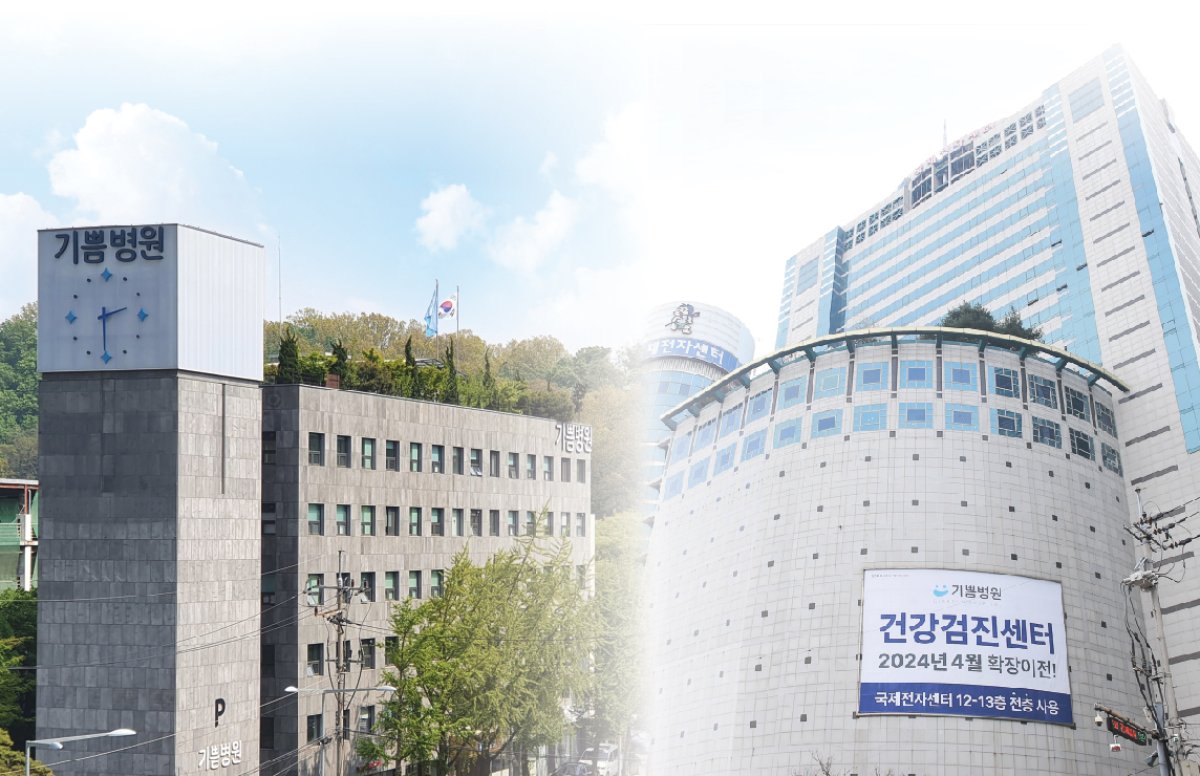




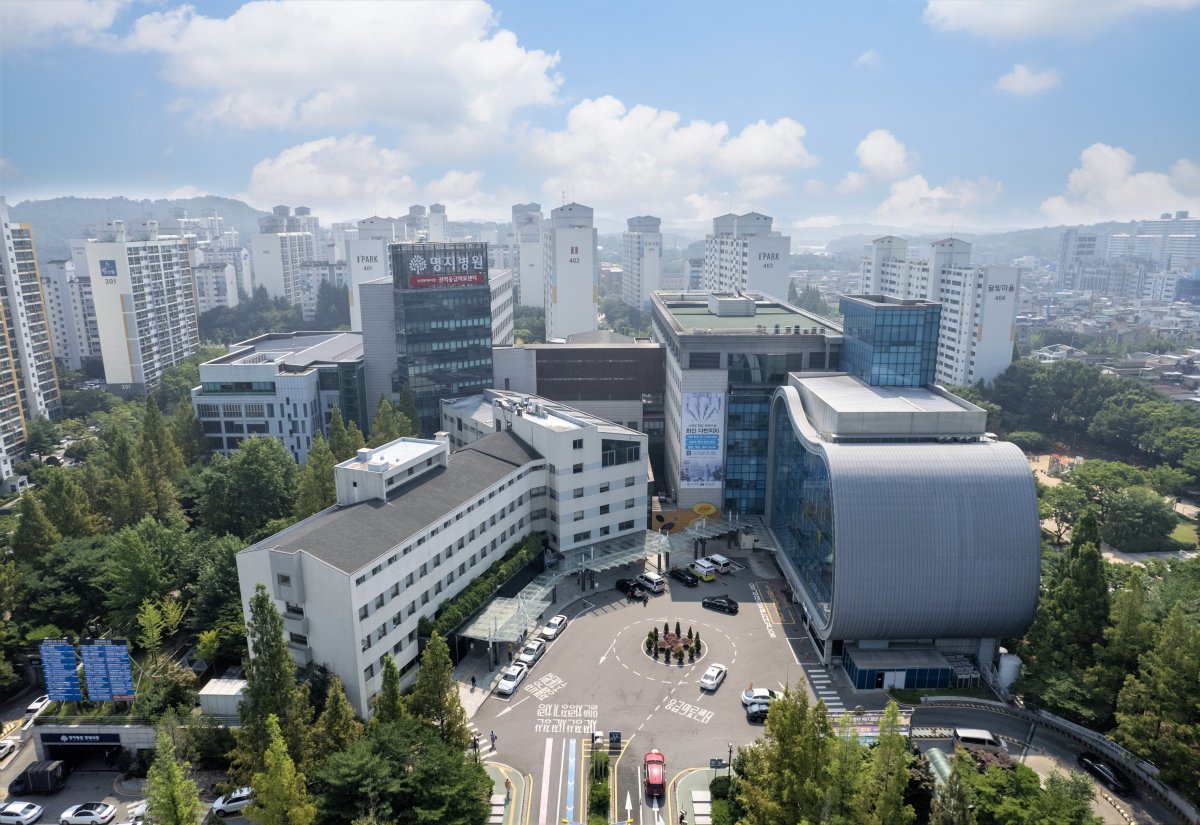

Wonjin Plastic Surgery Clinic







أفضل مراكز أمراض الجهاز الهضمي في كوريا الجنوبية
- مستشفى جيبيوم العام, كوريا الجنوبية
- Samsung Medical Center, كوريا الجنوبية
- Myongji Hospital, كوريا الجنوبية
- VG Plastic Surgery, كوريا الجنوبية
- NAEUN HOSPITAL, كوريا الجنوبية
- JK Plastic Surgery Center, كوريا الجنوبية
- Wonjin Plastic Surgery Clinic, كوريا الجنوبية
- Ewha Womans University Medical Center, كوريا الجنوبية
- Asan Medical Center, كوريا الجنوبية
- Seoul National University Bundang Hospital (SNUBH), كوريا الجنوبية
احصل على تقييم طبي لـ أمراض الجهاز الهضمي في كوريا الجنوبية. استشر الآن 11 أطباء ذوي الخبرة.
عرض جميع الأطباء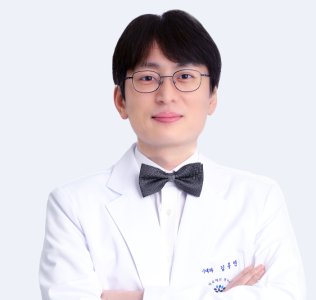
Kim Jong Yeon
البروفيسور كيم جونغ-يون هو طبيب أمراض الجهاز الهضمي في مستشفى ميونغجي. يعالج أمراض المريء والمعدة والقولون والكبد، بما في ذلك تليف الكبد والتهاب الكبد. ويجري عمليات التنظير العلاجي، مثل استئصال السلائل بالمنظار. كما يشغل منصب نائب مدير مركز الرعاية الصحية الدولية.
وهو عضو في مركز فشل الكبد، ويعمل مع فرق متخصصة في أمراض الكبد وسرطان الكبد وزراعة الأعضاء لتقديم رعاية منسقة لأمراض الكبد المتقدمة ولمرشحي زراعة الكبد.
حاصل على درجة دكتور في الطب من كلية الطب بجامعة جيونبوك الوطنية. أ
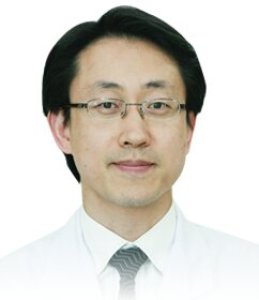
Cheon Wonseok
الدكتور تشون وونسوك رئيس قسم أمراض الجهاز الهضمي في مستشفى نا-أون. يعالج اضطرابات الجهاز الهضمي، ويُجري تنظير الجهاز الهضمي العلوي وتنظير القولون واستئصال السلائل والاستئصال تحت المخاطية بالتنظير (ESD). يعالج سرطاني المعدة والمريء وعدوى الملوية البوابية. كما يعالج أمراض الكبد وأمراض الأمعاء الالتهابية، بما في ذلك داء كرون والتهاب القولون التقرّحي. ويوفّر تنظير الأمعاء الدقيقة بالكبسولة.
الاعتمادات: اختصاصي حاصل على شهادة البورد في التنظير الهضمي. عضو مدى الحياة في الجمعية الكورية لتنظي
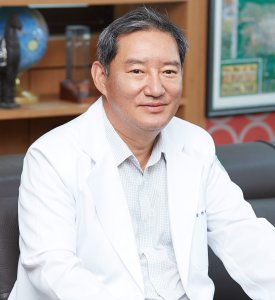
Ha Hunyoung
الدكتور ها هيونيونغ هو مدير مستشفى نايون. وهو اختصاصي طب وقائي يتمتع بـ39 عامًا من الخبرة السريرية.
التعليم: دكتوراه في الطب (MD)، كلية الطب بجامعة هانيانغ. ماجستير ودكتوراه في الطب الوقائي، الدراسات العليا بجامعة هانيانغ.
التركيز السريري: عيادة تساقط الشعر والسمنة للوقاية من تساقط الشعر، إدارة الوزن، شفط الدهون ونقل الدهون. عيادة مكافحة الشيخوخة والعافية للعلاج بالاستخلاب وبرامج مكافحة الشيخوخة. علاج حيوي متقدم باستخدام الجزء الوعائي اللحمي (SVF) لعلاج تساقط الشعر وتعزيز الجهاز
Yu Yeonghun
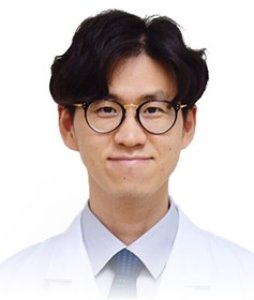
الدكتور يو يونغهون جرّاح جهاز هضمي ويحمل دكتوراه في الطب. يختص بأمراض وأورام الكبد والبنكرياس والقنوات الصفراوية (HPB). يتركز عمله على سرطانات الكبد والبنكرياس والقنوات الصفراوية والمرارة، إضافة إلى حصوات المرارة وأمراض المرارة الأخرى.
أتمّ فترة الامتياز وإقامة الجراحة العامة في مركز تشا بوندانغ الطبي، ثم أنهى زمالة جراحة HPB في مركز سامسونغ الطبي. عمل أستاذاً مساعداً سريرياً للجراحة في مستشفى جامعة كونكوك تشونغجو وفي مركز سامسونغ الطبي، ثم أصبح أستاذاً للجراحة في مستشفى جامعة أولجي.
المراجعات
جميع المراجعاتمشاركة المحتوى
قصص فيديو من مرضى Bookimed
 Anna Leonova
أسئلة متكررة حول أمراض الجهاز الهضمي في كوريا الجنوبية
ما هي معايير السلامة التي تتبعها أقسام أمراض الجهاز الهضمي في كوريا الجنوبية؟
تلتزم أقسام أمراض الجهاز الهضمي في كوريا الجنوبية ببروتوكولات السلامة الصارمة التي تفرضها وزارة الصحة والرعاية الاجتماعية. تحافظ المنشآت الرائدة على اعتماد اللجنة الدولية المشتركة (JCI) وشهادة KOIHA. تضمن هذه المعايير مستويات عالية من السيطرة على العدوى للإجراءات مثل التنظير الداخلي وتنظير القولون في سيول و إنتشون.
- معايير الاعتماد: تمتلك منشآت مثل مركز جامعة إيهوا النسائية الطبي اعتماد اللجنة الدولية المشتركة JCI بالعلامة الذهبية.
- الشهادة الوطنية: يحافظ كل من مركز سامسونج الطبي ومركز آسان الطبي على حالة سلامة KOIHA الإلزامية.
- السلامة الرقمية: يستخدم مستشفى جامعة سيول الوطنية للنقابة (SNUBH) نظام BESTcare لمنع الأخطاء الطبية أثناء الإجراءات.
- جودة المختبر: تتبع مختبرات التشخيص معايير ISO الدولية لمعالجة الخزعات وعلم الأمراض في الوقت الفعلي.
رأي خبير Bookimed: تُظهر البيانات وجود علاقة قوية بين حجم المرضى الكبير والابتكار في السلامة في سيول. على سبيل المثال، يعالج مركز سامسونج الطبي أكثر من 2,000,000 مريض سنويًا. يقود هذا الحجم الكبير اعتماد تقنيات منع الأخطاء مثل نظام BESTcare. عند اختيار العيادة، ابحث عن تلك التي تستقبل أكثر من 1,500,000 مريض سنويًا. غالبًا ما تقود هذه المراكز الكبيرة في الحجم المعايير الوطنية للسلامة.
إجماع المرضى: يلاحظ المرضى أن سرعة التشخيص رائعة. ذكر أحد المرضى أنه أكمل العديد من الاستطلاعات والاختبارات المعقدة في وقت قصير جدًا. يشددون على أنه رغم أن الرعاية فعالة، فإن الطاقم الطبي يظل عالي ا
كيف أتحقق من مؤهلات طبيب الجهاز الهضمي الكوري؟
تحقق من أن طبيب الجهاز الهضمي الكوري حاصل على شهادة البورد من الجمعية الكورية للطب الباطني والجمعية الكورية لمناظير الجهاز الهضمي (KSGE). يحتفظ الأخصائيين من الدرجة الأولى أيضًا بعضوية في الجمعية الكورية لأمراض الجهاز الهضمي (KSG) ولديهم مناصب في المستشفيات الجامعية. تؤكد هذه المؤهلات على تدريب متقدم في إجراءات التنظير وأمراض الجهاز الهضمي.
- ترخيص طبي: التسجيل لدى الجمعية الطبية الكورية لممارسة الطب في كوريا الجنوبية.
- شهادة التخصص: معتمد من البورد في الطب الباطني مع تدريب تخصصي فرعي في أمراض الجهاز الهضمي والتنظير.
- اللقب الأكاديمي: أساتذة في مركز سامسونج الطبي أو مركز أسان الطبي يقودون البحوث السريرية.
- عضوية الجمعية: عضوية نشطة في الجمعية الكورية لمناظير الجهاز الهضمي لضمان جودة الإجراءات.
رؤية خبير بوكيميد: أحجام المرضى العالية تعتبر مؤشرًا مهمًا لجودة الرعاية في كوريا. على سبيل المثال، يخدم مركز سامسونج الطبي أكثر من 2,000,000 مريض سنويًا. الأطباء مثل الدكتور جونغ كين لي غالبًا ما يتخصصون في مجالات ضيقة جدًا مثل سرطانات البنكرياس والأقنية الصفراوية. اختيار أستاذ في مركز ذو حجم مرتفع عمومًا يضمن أنهم قد أجروا آلاف الإجراءات المحددة مثل ESD أو ERCP.
إجماع المرضى: يلاحظ المرضى أن كل شيء منظم بكفاءة. يؤكدون على أنه رغم أن الإجراءات ليست رخيصة، إلا أن الطاقم الطبي والخدمات تكون مهنية وتشغيلية. البحث عن أطباء حصلوا على تدريب دولي، مثل في ستانفورد أو هارفارد، هو أيضًا طريقة شائعة للتحقق من الخبرة.
ما مدى أمان الإجراءات التنظيرية المتقدمة في كوريا الجنوبية؟
تتمتع الإجراءات التنظيرية المتقدمة في كوريا الجنوبية بمعايير سلامة عالية استثنائية. تشمل المخاطر المعترف بها التهاب البنكرياس بعد ERCP، النزيف الطفيف بعد ESD، وحدوث ثقوب نادرة. تبلغ المستشفيات الرائدة في سيول عن معدلات مضاعفات أقل بكثير من المتوسطات العالمية بسبب خبرة الجراحين ذوي العمليات الكبيرة وتقنيات المراقبة المتقدمة.
- مخاطر ERCP: يحدث التهاب البنكرياس في حوالي 3% من الحالات في المراكز الكورية ذات العمليات الكبيرة.
- مضاعفات ESD: تتراوح معدلات حدوث الثقب من 2-5%، وهو أقل من العديد من المعايير الدولية.
- النزيف بعد العملية الجراحية: يصل النزيف المتأخر عادة إلى ذروته بين اليومين الثالث والخامس بعد ESD المعدي.
- مكافحة العدوى: تعتبر العدوى المتعلقة بـ EUS نادرة وتدار بتدخل تنظيري فوري على مدار 24 ساعة.
رؤية خبيرة من Bookimed: تظهر البيانات من المنشآت الكبرى مثل مركز سامسونغ الطبي ومركز آسان الطبي ارتباطاً واضحاً بين حجم العمليات الجراحية والسلامة. تقوم هذه المؤسسات بأكثر من 65,000 عملية جراحية سنوياً، مما يسمح للجراحين بتحسين التقنيات التي تقلل من إصابات الأنسجة. يجب على المرضى التخطيط للبقاء في كوريا لمدة 7 إلى 10 أيام لضمان إمكانية التعامل مع أي نزيف متأخر من قبل الفريق الجراحي الأصلي.
توافق المرضى: يلاحظ المرضى أنه على الرغم من أن المضاعفات الكبرى نادرة، فإن الحمى بعد الإجراءات تؤخذ بجدية كبيرة من قبل الفرق الطبية الكورية. يؤكدون على أهمية البقاء قرب المستشفى لمدة أسبوع للتعامل بسرعة مع أي أعراض شفاء محتملة.
هل تقبل المستشفيات الكورية شرائح وتقارير علم الأمراض الأجنبية؟
عادة ما تتطلب المؤسسات الطبية الكورية إعادة تقييم شرائح علم الأمراض الأجنبية بدلاً من قبول التقارير الخارجية كنهائية. يقوم أخصائيو علم الأمراض في المراكز الكبرى مثل مركز سامسونج الطبي أو مركز أسان الطبي بمراجعة داخلية لضمان دقة التشخيص للتخطيط العلاجي. يُعتبر الاستعداد لإعادة التشخيص ممارسة شائعة.
- عملية المراجعة: يقوم أخصائيو علم الأمراض المتخصصون بإعادة فحص الشرائح الأصلية للتحقق من النتائج الأولية وتصنيف الحالات.
- المعايير التقنية: يجب أن تلبي الشرائح بروتوكولات التلوين العالية الجودة لتكون مؤهلة للمراجعة.
- خيارات رقمية: تقبل بعض المستشفيات العامة صور الشرائح الرقمية عالية الدقة (WSI) للمشاورات الأولية.
- إجراءات متكررة: غالبًا ما يخضع المرضى لتنظير داخلي جديد أو خزعة للحصول على عينات نسيجية طازجة.
رؤية خبير من بوكيمد: تُظهر البيانات من مستشفيات سيول الرائدة أن المراكز التي تستخدم نظام BESTcare الرقمي، مثل مستشفى جامعة سيول الوطني بوندانغ، تعطي الأولوية للبيانات المتكاملة. بينما تساهم الشرائح الأجنبية في تدوين التاريخ المرضي، تعتمد هذه المراكز ذات السعة العالية على التشخيصات الداخلية للحفاظ على معدلات نجاحها البالغة 90٪ في عمليات زرع الأعضاء المعقدة وحالات الأورام. يجب على المرضى إحضار الشرائح الفعلية والكتل البارافينية الأصلية لتجنب التأخير في بدء العلاج المكثف.
نظرة إجماعية للمرضى: يلاحظ المرضى أن حتى الشرائح من المعامل الغربية المعتمدة عادة ما تواجه إعادة تلوين أو إعادة تقييم كاملة عند الوصول. من الأكثر عملية تو
ما هي فترة التعافي بعد إجراء ESD أو ERCP المعقد في كوريا الجنوبية؟
عادةً ما تتطلب فترة التعافي بعد إجراء ESD أو ERCP المعقد في كوريا الجنوبية من 1 إلى 4 أيام من الإقامة في المستشفى. ينبغي للمرضى التخطيط لإقامة داخل البلاد لمدة 7 إلى 10 أيام للمراقبة والمتابعة. توفر مراكز مثل مركز سامسونج الطبي رعاية متخصصة لحالات القنوات الصفراوية والمعدة المعقدة باستخدام تقنيات تنظير متقدمة.
- الإقامة في المستشفى: توقع 1-3 أيام في المستشفى للمراقبة بعد إجراءات ESD أو الإجراءات المعقدة.
- فترة المراقبة: يراقب الأطباء خطر التهاب البنكرياس أو الانثقاب خلال الـ 48 ساعة الأولى.
- إجمالي وقت السفر: خطط للإقامة 7-10 أيام في كوريا لأشمل الفحوصات المسبقة والمتابعات اللاحقة.
- الانتقال الغذائي: يتبع المرضى عادة نظام غذائي ناعم لمدة 1–2 أسبوع بعد الإجراء.
رؤية خبير من بوكميد: تظهر البيانات من مراكز ذات حجم عمليات كبير مثل مركز أسان الطبي، الذي يجري أكثر من 65,000 عملية سنويًا، اتجاهًا واضحًا. تركز هذه المؤسسات على سرعة معالجة التشخيصات. غالبًا ما تسمح هذه الكفاءة للمرضى الدوليين بإتمام جميع الفحوصات والاستشارات الضرورية قبل الإجراء في فترة زمنية قصيرة ومبهرة تصل إلى 48 ساعة فقط قبل التدخل الفعلي.
إجماع المرضى: لاحظ المرضى أنه من المهم البقاء بالقرب من المستشفى لبضعة أيام بعد الخروج. وقد أبرز أحد المرضى أن الإجراءات فعالة، لكن تخصيص أسبوع احتياطي يساعد في التكيف مع الانتقال إلى الأطعمة النعمة.
ما هي مدة صلاحية التأشيرة الطبية الكورية الجنوبية C-3-1 وهل يمكن تمديدها؟
عادةً ما تسمح تأشيرة C-3-1 الطبية الكورية الجنوبية بالبقاء لمدة 90 يومًا في البداية. تسمح سلطات الهجرة بتمديدات للمتابعات المتعددة مثل تشريح الغشاء المخاطي بالمنظار (ESD) أو تنظير القولون. يجب تقديم خطاب رسمي من المستشفى يوضح تفاصيل خطة العلاج المحددة والضرورة الطبية للبقاء لمدة أطول.
- صلاحية التأشيرة: عادة ما تكون التأشيرات الطبية الأولية محدودة بـ 90 يومًا لعلاج نشط.
- عملية التمديد: التمديدات ممكنة داخل كوريا ولكن تتطلب 5-10 أيام عمل للمعالجة.
- المستندات المطلوبة: خطاب رعاية من المستشفى إلزامي لإثبات أن العلاج لم يكتمل.
- الدعم السريري: تتعامل مراكز كبيرة مثل مستشفى سامسونج الطبي بشكل روتيني مع الوثائق للمرضى الدوليين.
رؤية الخبير من بوكيميد: تُظهر البيانات من مراكز رئيسية في سيول ميزة واضحة للمرضى في المستشفيات ذات الحجم الكبير. يقوم مستشفى سامسونج الطبي ومستشفى أساني الطبي بخدمة أكثر من 1.8 مليون مريض سنويًا ولديهم مكاتب مخصصة لوثائق التأشيرات. هذه المؤسسات الكبيرة أكثر خبرة في صياغة خطابات الضرورة الطبية المحددة التي تتطلبها الهجرة الكورية لتمديد نجاح التأشيرات لمدة 90 يومًا.
اتفاق المرضى: يلاحظ المرضى أن الرعاية الطبية سريعة ومنظمة بشكل استثنائي، لكن تكاليف الإقامة الطويلة الأمد يمكن أن تتراكم بسرعة. من المهم أن يؤكد المستشفى الجدول الزمني الكامل للمتابعات في وقت مبكر لضمان تغطية التأشيرة لكامل فترة الرعاية.
لماذا تعتبر سيول الوجهة الرئيسية للعلاج الداخلي المتقدم لمرض التهاب الأمعاء (IBD) مقارنة بمدن أخرى مثل بوسان؟
تظل سيول الوجهة الأساسية للعلاج المتقدم لالتهاب الأمعاء بسبب التركيز العالي لمراكز الأبحاث المتخصصة والتكنولوجيا. تتعامل المستشفيات في سيول، مثل مركز أسان الطبي، مع 80٪ من حالات الجهاز الهضمي المعقدة. تقدم هذه المرافق إجراءات محددة مثل التنظير المعوي بالبالون المزدوج واستئصال الغشاء المخاطي بالتنظير الداخلي (ESD).
- التكنولوجيا المتخصصة: تستخدم مراكز سيول التنظير المعوي المتقدم بالبالون المزدوج لتصوير الأمعاء الدقيقة المتعمقة.
- حجم العيادة: يعالج مركز أسان الطبي أكثر من 11,800 مريض خارجي يوميًا بنجاح كبير.
- مؤهلات الخبراء: يختص البروفيسور جونغ كيون لي في مركز سامسونج الطبي في الحالات المعقدة للبنكرياس والقنوات الصفراوية.
- التكامل الرقمي: يستخدم مستشفى جامعة سيول الوطنية في بندانغ نظام BESTcare المحوسب لمنع الأخطاء.
رؤية الخبراء من Bookimed: بينما تعتبر بوسان ممتازة للفحوصات الروتينية، تعمل مستشفيات سيول مثل مركز سامسونج الطبي وفقًا للمعايير الرئاسية مع مكاتب مخصصة للمواطنين الدوليين. تُظهر البيانات أن المرضى غالبًا ما يختارون سيول للتدخل المعقد الأولي لكنهم يتعافون في بوسان. تربط رحلة طيران مدتها ساعة واحدة بين المدينتين، مما يتيح تلقي العلاج عالي التقنية يليه فترة تعافي هادئة.
إجماع المرضى: يلاحظ المرضى أنه على الرغم من أن بوسان توفر أوقات انتظار أقصر للفحوصات البسيطة، إلا أن أولئك الذين يعانون من مرض التهاب الأمعاء المعقد يفضلون السفر إلى سيول. ويؤكدون أن الطاقم المتخصص والسرعة التشغيلية في مراكز سيول الكبرى تبرر ال