استئصال المريء في إسبانيا — احصل على 3 عيادات مطابقة مع التكاليف


تمت مراجعة المقالة طبيا من قبل
فهد مولود
ما هي تكلفة استئصال المريء في إسبانيا؟ اكتشف الآن
من $26,000. يعتمد السعر النهائي على الأسلوب الجراحي، ومستوى العيادة، ومدة الرعاية المركزة المطلوبة. تغطي معظم عروض الأسعار الطبية في إسبانيا الفحوصات قبل الجراحة، وأتعاب الجراح، والتخدير، والإقامة الأولية في المستشفى.
- الأسلوب الجراحي: تضيف الجراحة الروبوتية باستخدام نظام دافنشي عادةً ما بين 20 إلى 30% إلى التكلفة الإجمالية.
- موقع المدينة: غالباً ما تكون الأسعار في المراكز الكبرى مثل مدريد وبرشلونة أعلى منها في المراكز الإقليمية.
- مقر العيادة: قد تكون الباقات في مدريد أغلى بنسبة 15-20% مقارنةً بالباقات في مدن مثل إشبيلية.
- الإقامة في المستشفى: تؤدي الفترات الطويلة للإقامة في وحدة العناية المركزة إلى زيادة إجمالي الفاتورة الطبية.
رأي خبراء Bookimed: يضمن اختيار المراكز المعتمدة من JCI في برشلونة أو مدريد الوصول إلى تقنيات جراحية متطورة. يتميز كل من سينترو ميديكو تكنون وكلينيكا يونيفرسيداد دي نافارا بأنظمة روبوتية متقدمة لعلاجات الأورام المعقدة. غالباً ما يؤدي استقبال أعداد كبيرة من المرضى في هذه المراكز إلى مسارات رعاية أكثر كفاءة. وبينما تظل مدريد وجهة رئيسية، تقدم عيادات مثل هوسبيتال إتش إم نو ديلفوس حلولاً تقنية تنافسية.
المزايا الرئيسية
لماذا تختار إسبانيا لإجراء جراحة استئصال المريء؟
- عيادات معتمدة: تحتضن إسبانيا مستشفيات معتمدة من JCI. تلتزم هذه المؤسسات بمعايير عالية في رعاية المرضى والسلامة.
- أحدث التقنيات: يتم استخدام تقنيات طفيفة التوغل، مثل إجراء Ivor Lewis. بالإضافة إلى ذلك، تُستخدم الأنظمة الروبوتية مثل Da Vinci Xi لتعزيز الدقة وتقليل وقت التعافي.
- معدلات نجاح عالية: تتمتع عمليات استئصال المريء في إسبانيا بمعدل فعالية ملحوظ يتراوح بين 85-90% للمرضى الذين يعانون من سرطان المريء في مراحله المبكرة.
- جراحون خبراء: غالبًا ما يحمل الجراحون الإسبان شهادات من المجلس الأوروبي لجراحة الصدر. وقد أجرى العديد منهم أكثر من 500 عملية استئصال للمريء، مما يضمن أنهم يجلبون خبرة واسعة ومهارة عالية لممارستهم.
احصل على حلول متقدمة لجراحة استئصال المريء في عيادات موثوقة من $26,000.
| تركيا | إسبانيا | ألمانيا | |
|---|---|---|---|
| استئصال المريء | من $12,000 | من $26,000 | من $16,600 |
مزاياك وضماناتك مع Bookimed
أسعار مباشرة
Bookimed لا يضيف رسوماً إضافية على أسعار استئصال المريء. الأسعار مأخوذة من قوائم الأسعار الرسمية للعيادات. تدفع مباشرة في العيادة مقابل استئصال المريء عند وصولك.
عيادات وأطباء معتمدون فقط
Bookimed ملتزم بسلامتك. نحن نعمل فقط مع المؤسسات الطبية التي تحافظ على معايير دولية عالية في استئصال المريء ولديها التراخيص اللازمة لخدمة المرضى الدوليين في جميع أنحاء العالم.
مساعدة مجانية على مدار الساعة
Bookimed يقدم مساعدة خبراء مجانية. منسق طبي شخصي يدعمك قبل وأثناء وبعد العلاج، ويحل أي مشاكل. لن تكون وحيداً أبداً في رحلة استئصال المريء.

منسقك الطبي الشخصي في Bookimed
- يدعمك في كل مرحلة
- المساعدة في اختيار العيادة الطبية المناسبة والطبيب المناسب
- يضمن الوصول السريع والمريح إلى المعلومات
اكتشف أفضل استئصال المريء العيادات في إسبانيا: 6 خيارات معتمدة والأسعار





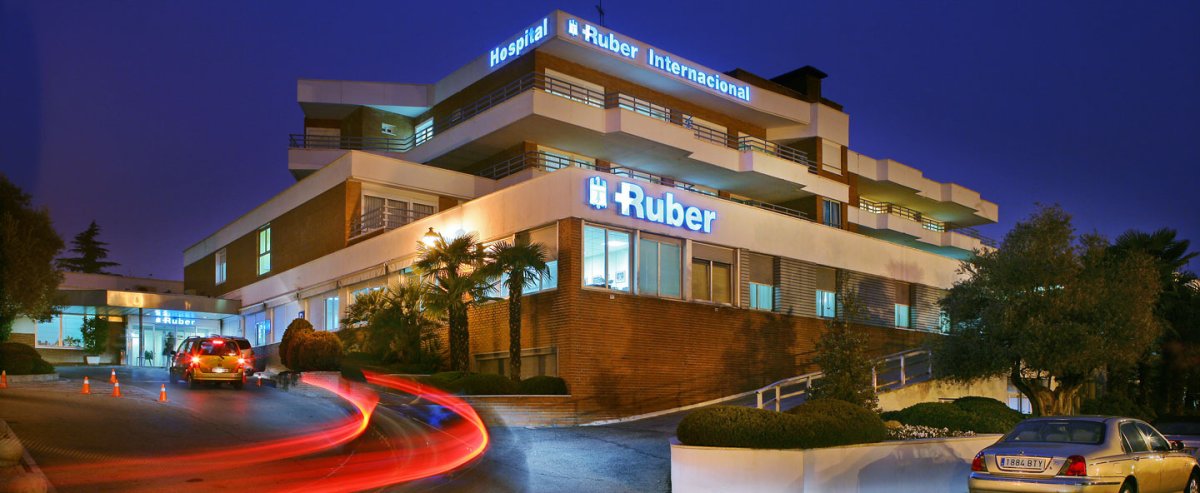


SJD Barcelona Children’s Hospital










نظرة عامة على استئصال المريء في إسبانيا
- جراحة سرطان المعدة - من $28,500
تزيل هذه العملية أورام المعدة ، وتساعد في الحد من انتشار السرطان وتخفيف الأعراض ، وتساعد في البقاء على قيد الحياة والرفاهية بشكل عام.
- قطع الثرب - من $9,500
تزيل العملية الطبقة الدهنية في البطن والمعروفة باسم الثرب لعلاج أمراض البطن أو الوقاية منها.
- استئصال المريء - من $26,000
يتضمن الإجراء إزالة جزء من المريء لعلاج العديد من التشوهات ، مما يضمن تحسين القدرة على البلع.
- Gastroectomy - من $23,500
تقوم العملية بإزالة معدتك بالكامل أو جزء منها لعلاج أمراض المعدة وتحسين نوعية حياتك.
- دافنشي استئصال المعدة - من $18,000
تستهدف هذه الجراحة ، التي تتم آليًا ، مشاكل المعدة عن طريق إزالة أجزاء منها أو كلها ، مما يوفر دقة وسرعة في الشفاء.
- استئصال المريء - من $22,000
تتضمن العملية إزالة جزء من أنبوب الطعام لعلاج أمراض معينة ، مما يعود بالفائدة على صحة المريض.
اليوم 1
- وصوله الى البلاد.
- التحويل للعيادة.
- الإقامة في العيادة (إن وجدت).
اليوم الثاني
- استشارة أولية مع أخصائي.
- الخضوع للفحوصات الطبية اللازمة.
- مناقشة حول الإجراء وخطة العملية.
يوم 3
- الفحص الصحي قبل الجراحة.
- لقاء مع طبيب التخدير.
- إجراءات إضافية إذا لزم الأمر.
اليوم الرابع
- يوم استئصال المريء.
- يتم إعطاء التخدير العام.
- تستغرق العملية 3-6 ساعات.
يوم 5-14
- رعاية ما بعد الجراحة في العيادة.
- الفحوصات الدورية والمراقبة من قبل الطاقم الطبي.
- يبقى المريض في العيادة لمدة 10 أيام.
الأسبوع 2-6
- بدء عملية إعادة التأهيل.
- تمارين منتظمة لاستعادة القوة والحركة.
- استشارات المتابعة مع المختص.
الأسبوع السابع
- العودة إلى العمل ، اعتمادًا على تقدم الاسترداد.
- العودة التدريجية لممارسة الرياضة والأنشطة الأخرى.
- يمكن رؤية النتيجة النهائية في هذه المرحلة.
يرجى ملاحظة أن هذا دليل عام وقد تختلف كل حالة.
- إيداع Bookimed: 200 دولار أو 200 يورو.
- وديعة العيادة: ادفع نسبة محددة مقدمًا.
احصل على تقييم طبي لـ استئصال المريء في إسبانيا: اختر أخصائيك من بين الأفضل في هذا المجال
عرض جميع الأطباء
Miquel Sans Cuffí
يتخصص الدكتور سانس كوفي في اضطرابات الجهاز الهضمي المعقدة، ويتمتع بخبرة واسعة في أمراض الأمعاء الالتهابية وإجراءات استئصال المريء في مركز تكنون الطبي (Centro Médico Teknon).
- أكمل تدريباً متقدماً في جامعة كيس وسترن ريسرف في الولايات المتحدة الأمريكية
- مؤلف لأكثر من 150 منشوراً وأكثر من 500 عرض تقديمي في المؤتمرات
- عضو في العديد من جمعيات أمراض الجهاز الهضمي المرموقة
- يركز على أمراض الأمعاء الالتهابية والتهاب الأمعاء المزمن

Dr Sanchez Yague
رائد في إسبانيا في مجال استئصال الغشاء المخاطي بالتنظير الداخلي – قدم الدكتور سانشيز ياغي هذه التقنية في الأندلس بعد تدريب متخصص في اليابان.
- _doctor_8312_عاماً_ من الخبرة في أمراض الجهاز الهضمي وتقنيات التنظير المتقدمة
- أول من استخدم عالمياً دعامة AXIOS مقاس 15 مم لتصريف السوائل البنكرياسية
- زميل الكلية الأمريكية لأمراض الجهاز الهضمي والجمعية الأمريكية لتنظير الجهاز الهضمي
- حاصل على الميدالية الذهبية من الجمعية الأندلسية لأمراض الجهاز الهضمي
- مؤلف مشارك في الأدلة المرجعية للجمعية الأوروبية لتنظير الجهاز الهضمي
José Miguel Esteban Lopez-jamar
رائد في التصوير بالموجات فوق الصوتية التنظيرية في إسبانيا – يقود الدكتور لوبيز-جامار وحدة التنظير الهضمي في مستشفى روبر الدولي.
- 20 عاماً من الخبرة في التنظير الهضمي المتقدم
- متخصص في العلاجات طفيفة التوغل لأمراض الجهاز الهضمي المعقدة
- قائد في الدراسات الأوروبية متعددة المراكز حول العلاجات التنظيرية
- تدرب في مؤسسات مرموقة بما في ذلك المركز الطبي الأكاديمي في أمستردام
Sonia Peña
قصص فيديو من مرضى Bookimed
المراجعات
جميع المراجعات


مشاركة المحتوى
 Anna Leonova
حقائق سريعة عن استئصال المريء
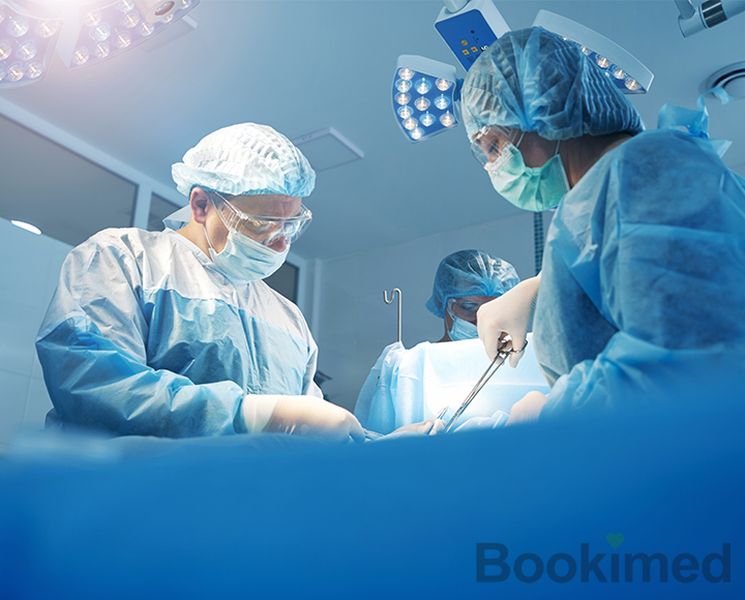
استئصال المريء
استئصال المريء هو إجراء جراحي لاستئصال جزء من المريء أو المريء كله، وغالباً ما يستخدم لعلاج سرطان المريء.
أسئلة متكررة حول استئصال المريء في إسبانيا
كم تبلغ مدة الإقامة في المستشفى لاستئصال المريء في إسبانيا؟
تستغرق الإقامة في المستشفى لعملية استئصال المريء في إسبانيا عادةً ما بين 7 إلى 14 يوماً. يقضي المرضى عادةً أول يوم أو يومين في وحدة العناية المركزة للمراقبة المتخصصة قبل الانتقال إلى جناح الجراحة لفترة التعافي المتبقية.
- العناية المركزة: يقضي معظم المرضى من 24 إلى 48 ساعة في وحدة العناية المركزة لمراقبة العلامات الحيوية.
- جناح الجراحة: بعد وحدة العناية المركزة، يبقى المرضى من 7 إلى 10 أيام في غرفة خاصة.
- الإجراء طفيف التوغل: غالباً ما تؤدي الأساليب بالمنظار أو الروبوتية إلى إقامات أقصر تتراوح بين 7 إلى 9 أيام.
- التعافي الكامل: على الرغم من قصر مدة الإقامة في المستشفى، فإن التعافي الكامل يتطلب عادةً من 6 إلى 8 أسابيع.
رؤية خبير Bookimed: تسلط البيانات الواردة من مراكز إسبانية رائدة مثل Clinica Universidad de Navarra ومستشفى Ruber Internacional الضوء على اتجاه نحو الخروج المبكر. غالباً ما تستخدم المستشفيات التي تجري أكثر من 20,000 عملية جراحية سنوياً بروتوكولات تعافي محسنة. تعطي هذه الأنظمة الأولوية للحركة المبكرة والدعم الغذائي المتخصص لمساعدة المرضى على العودة إلى المنزل في غضون 9 أيام كمتوسط.
إجماع المرضى: يركز معظم المرضى على أهمية أول 48 ساعة في وحدة العناية المركزة باعتبارها المرحلة الأكثر أهمية. ويؤكدون أنه على الرغم من حدوث الخروج الطبي في غضون أسبوعين، إلا أن التكيف مع العادات الغذائية الجديدة هو الانتقال الأكثر أهمية على المدى الطويل.
كم تستغرق عملية استئصال المريء؟
تستغرق عملية استئصال المريء عادةً من 6 إلى 8 ساعات من وقت العمل الجراحي الفعلي. تختلف المدة بناءً على التقنيات الجراحية، مثل الأساليب طفيفة التوغل أو الجراحة المفتوحة. تستخدم المراكز المتخصصة في إسبانيا، مثل Centro Médico Teknon، أنظمة روبوتية متقدمة من طراز Da Vinci Xi لتحسين الدقة الجراحية.
- مدة الإجراء: تستغرق معظم العمليات من 6 إلى 8 ساعات حسب تعقيد الحالة.
- الإقامة في المستشفى: يبقى المرضى عادةً في المستشفى لمدة 12 يوماً للمراقبة والتعافي.
- التأثير التكنولوجي: قد تستغرق التقنيات المدعومة بالروبوت من 3 إلى 6 ساعات في أيدي الجراحين ذوي الخبرة.
- الجدول الزمني للتعافي: يتم العودة إلى العمل في غضون 6 إلى 8 أسابيع بعد الإجراء.
رؤية خبير Bookimed: على الرغم من أن وقت العملية طويل، إلا أن خبرة الجراح في إسبانيا هي عامل تميز رئيسي. تجري العيادات الكبرى مثل مستشفى Ruber Internacional ومستشفى Universitario HM Madrid آلاف العمليات سنوياً. تشير البيانات إلى أن المستشفيات التي لديها عدد كبير من المرضى واعتماد JCI غالباً ما تحقق نتائج أفضل لهذا الإجراء المعقد.
إجماع المرضى: يؤكد المرضى أنه على الرغم من أن يوم الجراحة طويل، فإن التحدي الحقيقي هو التكيف مع سعة المعدة المخفضة التي تبلغ 2 أونصة (حوالي 60 مل). يوصي الكثيرون باستخدام وسائد مثلثة (wedge pillows) للنوم للتحكم في ارتجاع المريء بعد الجراحة خلال العامين الأولين من التكيف.
هل ستتم إزالة المريء بالكامل؟
نادرًا ما تتضمن عملية استئصال المريء في إسبانيا إزالة المريء بالكامل ما لم تمتد الأورام على طوله بالكامل. عادةً ما يقوم الجراحون بإجراء استئصال جزئي للمريء، حيث يزيلون فقط الجزء المصاب والأنسجة المحيطة لضمان هوامش واضحة مع الحفاظ على أكبر قدر ممكن من العضو السليم.
- مدى الجراحة: تتراوح الإزالة من 1/3 إلى معظم العضو بناءً على هوامش الورم.
- طرق إعادة البناء: عادةً ما يقوم الجراحون بسحب المعدة أو الأمعاء لربط ما تبقى من المريء.
- التقنيات المتقدمة: تستخدم المراكز الإسبانية مثل Hospital Ruber Internacional روبوت Da Vinci Xi للدقة.
- دعم التعافي: أنابيب التغذية المؤقتة هي المعيار حيث ينتقل المرضى إلى وجبات أصغر وأكثر تكرارًا.
رؤية خبير Bookimed: تحافظ مراكز الأورام الإسبانية مثل Clinica Universidad de Navarra على نتائج من الدرجة الأولى من خلال دمج الروبوتات عالية المستوى مع معايير السلامة المعتمدة من JCI. بينما تعتبر إجراءات إيفور لويس (Ivor Lewis) شائعة، فإن الاختيار بين النهج عبر الصدر وعبر الفتحة غالبًا ما يعتمد على حجم العمليات الجراحية المحدد للمستشفى.
إجماع المرضى: يجد العديد من المرضى أن عليهم التعود على النوم بشكل دائم على وسادة إسفينية لمنع الارتجاع. على الرغم من أن مدى الإزالة يختلف، إلا أن معظمهم يركزون على رحلة العام نحو تناول الطعام بشكل مريح.
ما هي الآثار الجانبية بعد استئصال المريء؟
يسبب استئصال المريء عادةً إرهاقًا قصير المدى، وفقدان الشهية، وعدم الراحة عند البلع. تشمل الآثار الجانبية طويلة المدى متلازمة الإغراق (dumping syndrome)، والارتجاع الحمضي المزمن، وفقدان الوزن. يحتاج المرضى غالبًا إلى تعديلات غذائية دائمة ويجب أن يناموا في وضع مائل لمنع الشفط والارتجاع أثناء التعافي.
- متلازمة الإغراق: تسبب حركة الطعام السريعة الغثيان والدوار والضعف بعد الأكل بفترة وجيزة.
- تكون التضيقات: قد تؤدي الأنسجة الندبية إلى تضييق المريء، مما يتطلب توسيعًا بالمنظار بشكل دوري.
- إدارة الارتجاع: من الضروري النوم بزاوية 30 درجة لمنع الارتجاع الصفراوي أو الحمضي.
- تغيرات النظام الغذائي: يجب على المرضى تناول 6-8 وجبات صغيرة مع تجنب المشروبات الغازية والأطعمة الصلبة.
رؤية خبير Bookimed: بينما تعد عملية استئصال المريء معقدة، تقدم إسبانيا بعضًا من أعلى مرافق الأورام تصنيفًا على مستوى العالم. مراكز مثل Hospital Ruber Internacional و Centro Médico Teknon معتمدة من قبل JCI وتستخدم أنظمة الروبوت Da Vinci Xi. غالبًا ما تؤدي هذه التقنيات إلى شقوق أصغر، مما يساعد في تقليل آلام الجانب والخدر طويل الأمد الشائع في الجراحة المفتوحة التقليدية.
- إجماع المرضى: يجد العديد من المرضى أنه على الرغم من تغير أنماط الهضم بشكل دائم، إلا أن جودة الحياة تتحسن بشكل كبير بعد فترة التعافي الأولية التي تستغرق 12 أسبوعًا. تعد المداومة على وجبات صغيرة وإدارة متلازمة الإغراق المتأخرة بعد تناول الكربوهيدرات أهم العادات اليومية التي يتم الإبلاغ عنها.
لماذا تعد الجراحة ضرورية حتى بعد الانتهاء من العلاج الكيميائي/الإشعاعي؟
تظل الجراحة ضرورية بعد العلاج الكيميائي أو الإشعاعي لأن هذه العلاجات غالبًا ما تعمل فقط على تقليص حجم الأورام بدلاً من القضاء عليها تمامًا. تعمل استئصال المريء على إزالة أي خلايا سرطانية مجهرية متبقية والغدد الليمفاوية المتأثرة فعليًا لمنع التكرار الموضعي وتحقيق نتيجة علاجية لسرطان المريء.
- المرض المتبقي: تزيل الجراحة خلايا السرطان المتبقية التي لا تستطيع التصوير والمناظير اكتشافها.
- منع التكرار: إزالة موقع الورم الرئيسي تقلل بشكل كبير من خطر عودة السرطان.
- التقييم المرضي: يحلل الجراحون الأنسجة التي تمت إزالتها للتأكد مما إذا كان العلاج الكيميائي قد حقق استجابة كاملة.
- إزالة الغدد الليمفاوية: تنظيف العقد المحيطة يعالج الانتشار المحتمل الذي قد يغفل عنه الإشعاع وحده.
من $26,000. تستخدم عيادات مثل Centro Médico Teknon و Hospital Ruber Internacional أنظمة الروبوت Da Vinci Xi. تساعد هذه الدقة المتقدمة الجراحين في التنقل في تشريح الصدر المعقد بشكل أكثر أمانًا من الطرق المفتوحة التقليدية.
إجماع المرضى: يجد العديد من المرضى أن الجراحة هي الطريقة الوحيدة للشعور بالتحرر الحقيقي من السرطان على الرغم من صعوبة التعافي الأولي لمدة شهرين. ويؤكدون على أهمية بدء النشاط البدني في وقت مبكر والعمل مع المعالجين لإدارة التورم بعد الجراحة والعادات الغذائية الجديدة.