عيادات أمراض الجهاز الهضمي في إسرائيل


تمت مراجعة المقالة طبيا من قبل
فهد مولود
ما هي تكلفة أمراض الجهاز الهضمي في إسرائيل؟ اكتشف الآن
تتراوح تكلفة خدمات الجهاز الهضمي في إسرائيل عادةً ما بين $8,900 و $26,800. تتأثر الأسعار بمدى تعقيد الحالة، والاختيار بين المراكز الطبية العامة أو الخاصة، وما إذا كان التخدير العام أو تحليل الخزعة مطلوباً أثناء التصوير. يمكن للمرضى توفير ما يقرب من 15-20% مقارنة بتكاليف العلاج الطبي في الولايات المتحدة.
تكاليف خدمات الجهاز الهضمي النموذجية في إسرائيل
- تنظير المعدة مع خزعة: $1,100 – $1,800
- تنظير القولون: من $1,200
- تصوير بالرنين المغناطيسي لمنطقة واحدة: $1,000 – $1,800
- العلاج بالخلايا الجذعية: السعر عند الطلب
- استئصال الزائدة الدودية: السعر عند الطلب
- استئصال المرارة: السعر عند الطلب
- استئصال المريء: من $40,000
- تصوير بالموجات فوق الصوتية: من $150
- فحص طبي أساسي: السعر عند الطلب
- التصوير المقطعي المحوسب (CT): السعر عند الطلب
يتم تقديم معظم خدمات الجهاز الهضمي المتخصصة في تل أبيب والقدس ورمات غان. وفي حين أن معايير العلاج ثابتة، فإن استشارة أخصائي يمكن أن تساعدك في الحصول على تقدير دقيق للسعر بناءً على احتياجاتك التشخيصية المحددة وتاريخك الطبي.
| إسرائيل | تركيا | إسبانيا | |
|---|---|---|---|
| العلاج بالهرمونات | ≈ $2,200 | من $1,100 | من $600 |
| العلاج الموجه | ≈ $6,500 | من $3,000 | من $5,000 |
| استئصال المعدة | ≈ $17,000 | من $3,100 | من $20,000 |
| استئصال المريء | من $40,000 | من $12,000 | من $26,000 |
| استئصال المرارة | ≈ $8,500 | من $3,000 | من $10,600 |
جميع أمراض أمراض الجهاز الهضمي
مزاياك وضماناتك مع Bookimed
أسعار مباشرة
Bookimed لا يضيف رسوماً إضافية على أسعار علاج أمراض الجهاز الهضمي. الأسعار مأخوذة من قوائم الأسعار الرسمية للعيادات. تدفع مباشرة في العيادة مقابل علاجك عند وصولك إلى البلد.
عيادات وأطباء معتمدون فقط
Bookimed ملتزم بسلامتك. نحن نعمل فقط مع المؤسسات الطبية التي تحافظ على معايير دولية عالية في علاج أمراض الجهاز الهضمي ولديها التراخيص اللازمة لخدمة المرضى الدوليين في جميع أنحاء العالم.
مساعدة مجانية على مدار الساعة
Bookimed يقدم مساعدة خبراء مجانية. منسق طبي شخصي يدعمك قبل وأثناء وبعد العلاج، ويحل أي مشاكل. لن تكون وحيداً أبداً في رحلة علاج أمراض الجهاز الهضمي.

منسقك الطبي الشخصي في Bookimed
- يدعمك في كل مرحلة
- المساعدة في اختيار العيادة الطبية المناسبة والطبيب المناسب
- يضمن الوصول السريع والمريح إلى المعلومات
اكتشف أفضل عيادات أمراض الجهاز الهضمي: 16 خيارات معتمدة والأسعار











Soroka Medical Center


Herzliya Medical Center
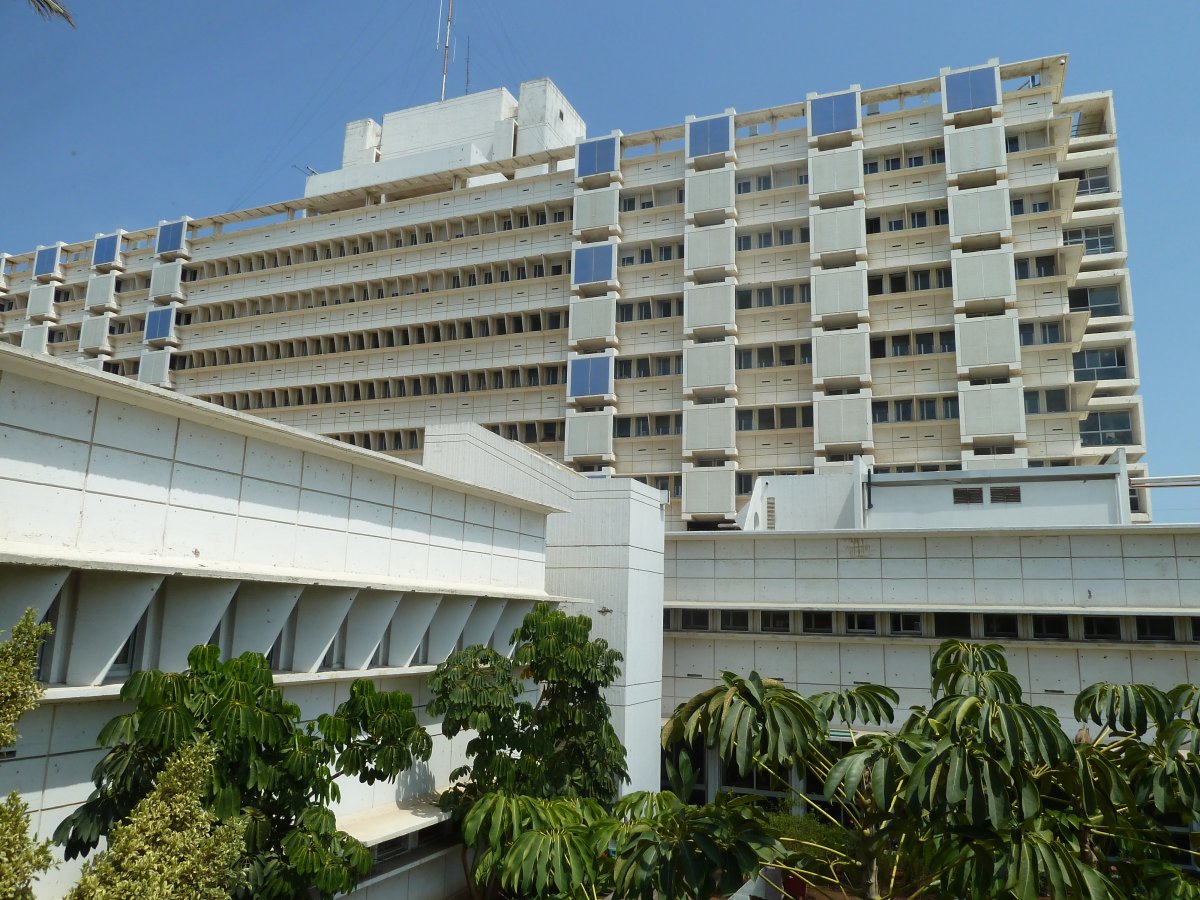
State Hospital Edith Wolfson
أفضل مراكز أمراض الجهاز الهضمي في إسرائيل
- Sourasky Medical Center (Ichilov), إسرائيل
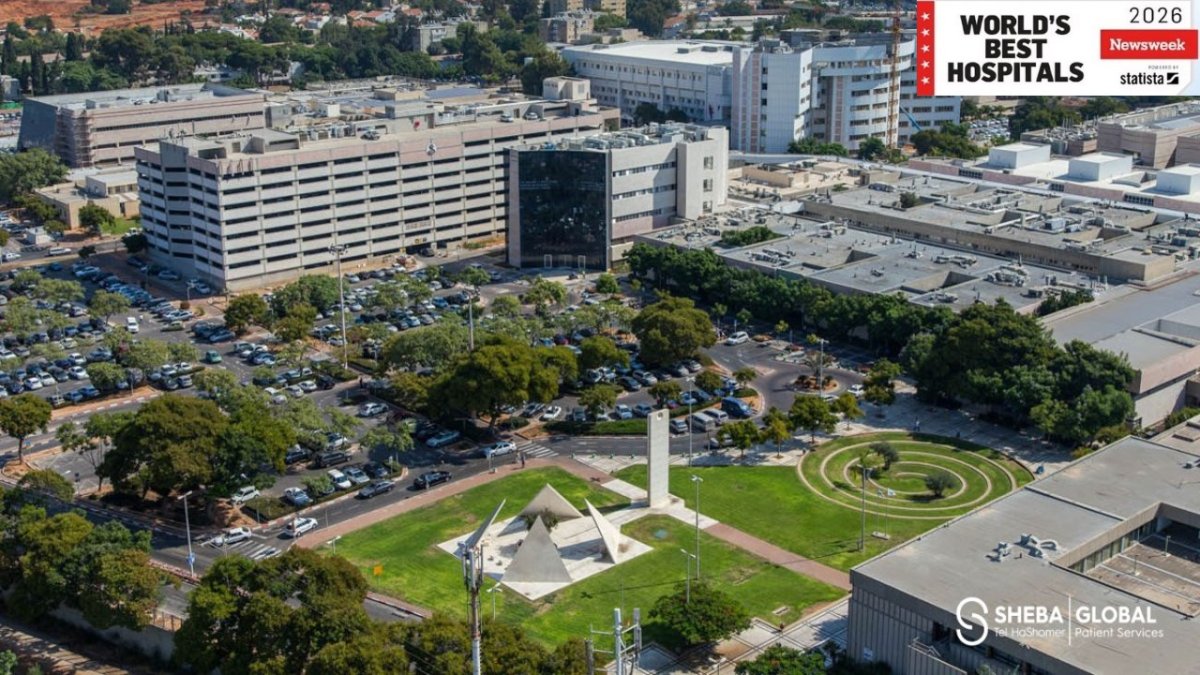
- مركز شيبا الطبي, إسرائيل
- Assuta Medical Center, إسرائيل
- Hadassah Medical Center, إسرائيل
- Rambam Medical Center, إسرائيل
- Schneider Center for Children Medicine, إسرائيل
- Soroka Medical Center, إسرائيل
- Rabin Medical Center, إسرائيل
- Herzliya Medical Center , إسرائيل
- State Hospital Edith Wolfson, إسرائيل
احصل على تقييم طبي لـ أمراض الجهاز الهضمي في إسرائيل. استشر الآن 21 أطباء ذوي الخبرة.
عرض جميع الأطباء
Nadir Arber
يترأس البروفيسور نادير أربر المركز المتكامل الوحيد للوقاية من السرطان في إسرائيل مركزًا على وقف سرطانات الجهاز الهضمي قبل أن تبدأ. وقد ألف أكثر من 300 ورقة علمية حول صحة الجهاز الهضمي.
- أكثر من 30 عامًا من التخصص في الوقاية والكشف المبكر عن سرطانات الجهاز الهضمي
- يقود مركز الوقاية من السرطان في مركز سوراسكي الطبي
- زمالة بحثية في مركز نيويورك-بريسبيتيريان
- عضو في الجمرية الأمريكية لأمراض الجهاز الهضمي والجمرية الأوروبية لأورام الجهاز الهضمي
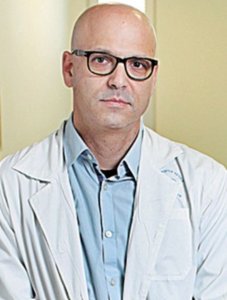
Professor Ido Nachmany
البروفيسور إيدو ناخماني يرأس القسم الجراحي الثاني في مركز شيبا الطبي. يختص بجراحات HPB (الكبد والبنكرياس والقنوات الصفراوية) والجراحة الروبوتية لأمراض الكبد والبنكرياس والقنوات الصفراوية، ولأورام الغدد الصماء العصبية في الجهاز الهضمي. كما يجري جراحات الغدة الكظرية والطحال والمعدة. أدرجته فوربس ضمن أفضل أطباء إسرائيل.
يطوّر تقنيات جراحية طفيفة التوغل بالروبوت والمنظار، بهدف دقة أعلى وتعافٍ أسرع.
المؤهلات: محاضر كبير في جامعة تل أبيب. عضو في ASTS وIHPBA. أتمّ زمالتَي HPB وزراعة ال
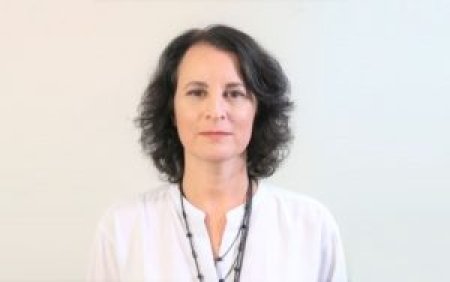
Einat Shacham Shmueli
الدكتورة عينات شاحام‑شموئيلي استشارية أورام طبية في عيادة الجهاز الهضمي، مركز السرطان، مركز شيبا الطبي. تعالج سرطانات القولون والمعدة والبنكرياس، وتدير حالات المرض النقيلي. تستخدم التشخيص الدقيق والواسمات الحيوية، والعلاجات الجهازية، والعلاج الإشعاعي. تُقدَّم الرعاية ضمن فريق متعدد التخصصات.
نشرت أكثر من 25 مقالة مُحكَّمة حول أورام الجهاز الهضمي وبيولوجيا الأورام والعلاجات الجديدة، ويشمل عملها دراسات عن وضع الدعامات لعلاج الانسداد الخبيث في القولون. تعمل باحثة في برامج دولية، منها المع
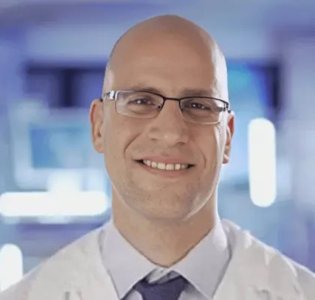
Almog Ben Yaacov
الدكتور ألموغ بن-يعقوب جرّاح استشاري في قسم الجراحة العامة وجراحة الأورام (Surgery C) في مركز شيبا الطبي. يختص في الجراحة الخافِضة للخلايا الورمية (CRS) مع العلاج الكيميائي داخل الصفاق بفرط الحرارة (HIPEC). يركّز سريريًا على سرطان المعدة والساركوما وأورام القولون والمستقيم المعقّدة. منذ 2018، أجرى أكثر من 200 إجراء HIPEC.
حاصل على درجة MD من جامعة سيميلويس عام 2006، مع مرتبة الشرف. تدريب في جراحة القلب والصدر في مركز شيبا الطبي. إقامة في الجراحة العامة في مونتيفيوري (Albert Einstein) و
المراجعات
جميع المراجعاتمشاركة المحتوى
قصص فيديو من مرضى Bookimed
 Anna Leonova
أسئلة متكررة حول أمراض الجهاز الهضمي في إسرائيل
كيف تضمن مراكز أمراض الجهاز الهضمي في إسرائيل معايير السلامة الدولية؟
مراكز أمراض الجهاز الهضمي في إسرائيل تحافظ على معايير السلامة الدولية من خلال اعتماد اللجنة المشتركة الدولية (JCI) وبروتوكولات وزارة الصحة الصارمة. تتبع المرافق الرائدة مثل مركز سوراسكي الطبي ومركز أسوتا الطبي مقاييس صارمة لمكافحة العدوى وسلامة المرضى. تستخدم هذه المستشفيات تقنيات تشخيصية متقدمة بما في ذلك التنظير الكبسولي بالفيديو والموجات فوق الصوتية التدخلية.
- الاعتماد الدولي: يضمن اعتماد JCI أن العيادات تفي بمعايير الجودة والسلامة العالمية للرعاية الصحية.
- بروتوكولات السلامة: تتبع المراكز معايير ISO الدولية والإرشادات الطبية المستمدة من الاتحاد الأوروبي لوحدات التنظير.
- التشخيص المتقدم: تقدم المرافق اختبارات متخصصة مثل الاستئصال بالترددات الراديوية وتقنيات التصوير الرقمي عالي الدقة.
- الرقابة الفنية: يجلب المتخصصون مثل البروفيسور نادي عرابير أكثر من 30 سنة من الخبرة في علاج أمراض الجهاز الهضمي.
رؤية خبير بوكيميد: تظهر مراكز الجهاز الهضمي الإسرائيلية كفاءة استثنائية من خلال دمج فرق التشخيص والجراحة. في مركز شيبا الطبي، الذي يعالج أكثر من 1,500,000 مريض سنويًا، غالباً ما يتعاون الباحثون مباشرة مع الأطباء. يتيح هذا التآزر للمرضى الانتقال من الفحوصات المتقدمة مثل التنظير الداخلي بالموجات فوق الصوتية إلى الجراحة الروبوتية في نفس المرفق، مما يقلل بشكل كبير من مدة التشخيص مقارنة بالمراكز التي تحتوي على مختبرات خارجية.
موافقة المرضى: يلاحظ المرضى أن المستشفيات في تل أبيب والقدس تقدم رعاية عالمية المستوى بأجهزة حديثة. يوصو
ما هي مدة الإقامة في إسرائيل لإجراء تنظير القولون مع استئصال السليلة؟
عادة ما يحتاج المرضى الدوليون إلى 1–2 يوم في إسرائيل لإجراء تنظير القولون مع استئصال الورم الحميد المحتمل. هذه العملية تتم في العيادات الخارجية وتتضمن الخروج في نفس اليوم. ينبغي أن تصل قبل العملية بيوم للتجهيز. معظم المرضى يمكنهم السفر إلى ديارهم بعد 24 ساعة من العلاج في المراكز المعتمدة من قبل اللجنة المشتركة الدولية في تل أبيب أو القدس.
- مدة الإقامة الكلية: 1–2 يوم للحالات القياسية.
- مدة الإجراء: يستغرق الفحص وإزالة الأورام الحميدة 1–2 ساعة.
- فترة المراقبة: معظم المرضى يغادرون العيادة في نفس المساء.
- إقامة ممتدة: قد تتطلب الأورام الحميدة الكبيرة من 3 إلى 5 أيام لمراقبة الخزعة.
رؤية خبراء Bookimed: تشير بياناتنا إلى أن العيادات في تل أبيب، مثل مركز سوراسكي الطبي، فعالة للغاية للمسافرين الدوليين بسبب خدمات علم الأمراض السريعة. كان الدكتور إروين سانتو في سوراسكي الأول في إسرائيل باستخدام الموجات فوق الصوتية التداخلية. يضمن هذا البيئة التقنية العالية معالجة حتى الخزعات المعقدة بسرعة. غالبًا ما ينسق المرضى مغادرتهم لليوم التالي لتقليل تكاليف الفندق.
اتفاق المرضى: يشير المرضى إلى أنه من المهم البقاء في فندق بالقرب من المستشفى في الليلة الأولى للتعافي براحة. يقدرون التنسيق الدقيق ويجدون أنهم يستطيعون عادة العودة إلى الوطن دون مشاكل في اليوم التالي.
ما هي مخاطر ومعدلات نجاح الاستئصال بالمنظار في إسرائيل؟
عمليات استئصال الأورام المتقدمة بالمناظير في إسرائيل تحافظ على معايير سلامة عالية مع معدلات مضاعفات يمكن التحكم فيها. يحدث النزيف في 5% إلى 10% من حالات استئصال الغشاء المخاطي بالمنظار (EMR). نسبة الانثقاب في عمليات الاستئصال بالطريقة الشاملة تحت المخاطية (ESD) تبقى عموماً أقل من 2% في إجراءات المعدة. مراكز رائدة مثل مركز سوراسكي الطبي تسجل نسبة نجاح تصل إلى 90% في الحالات المتعلقة بالأورام.
- خطر النزيف: يحدث في 5-10% من الحالات، ويتم التعامل معه بشكل أساسي أثناء العملية الأولية.
- نسبة الانثقاب: تبقى أقل من 2% في عمليات استئصال الغشاء المخاطي في المعدة بالطريقة الشاملة تحت المخاطية عندما تنفذ بواسطة أطباء الجهاز الهضمي الخبراء.
- التضييقات المريئية: تُلاحظ في 10-20% من الحالات بعد استئصال الغشاء المخاطي الشامل، وغالبًا ما تتطلب إجراء توسعة بالمنظار بسيطة.
- نسبة النجاح: المرافق متعددة التخصصات في إسرائيل تسجل نسبة نجاح تصل إلى 90% في علاجات الأورام المعقدة بالجهاز الهضمي.
رأي خبير Bookimed: تبدي أقسام الجهاز الهضمي في إسرائيل ارتباطًا قويًا بين الأعداد الكبيرة من المرضى وانخفاض مخاطر الإجراءات الطبية. على سبيل المثال، يعالج مركز شيبا الطبي 1.9 مليون مريض سنويًا عبر 1,990 تخصصًا. يتيح هذا الحجم الهائل للأطباء الحفاظ على كفاءة فنية عالية. غالبًا ما يستفيد المرضى الذين يختارون هذه المراكز ذات الحجم الكبير من بروتوكولات الأمان الموحدة التي تبقي احتمالات المضاعفات الكبيرة دون 5%.
إجماع المرضى: يلاحظ المرضى أنه في حين أن الن
هل تترك جراحة الجهاز الهضمي بالمنظار في إسرائيل ندوباً مرئية؟
تؤدي جراحات الجهاز الهضمي بالمنظار في إسرائيل إلى ندوب صغيرة تميل لأن تصبح شبه غير مرئية. يستخدم الجراحون 3-4 شقوق صغيرة تتراوح بين 0.5 إلى 1 سم. غالبًا ما تتلاشى هذه العلامات الصغيرة بشكل كبير خلال 6-12 شهرًا. تُولي مراكز JCI المعتمدة في تل أبيب والقدس الأولوية للنتائج التجميلية باستخدام تقنيات دقيقة.
- حجم الشق: يتراوح حجم الفتحات عند كل موقع بين 0.5 و1 سم.
- استراتيجية الموضع: غالبًا ما يضع الجراحون الشقوق في ثنيات الجلد الطبيعية أو في السرة.
- الجدول الزمني للتعافي: عادة ما يتلاشى الاحمرار، تاركًا خطوطًا رقيقة باهتة بعد سنة واحدة من الشفاء.
- التقنية المستخدمة: الأنظمة الروبوتية والأدوات قليلة التوغل في أسوتا أو هداسا تقلل من إصابة الأنسجة.
نظرة الخبراء من Bookimed: تقوم الأقسام الجراحية الإسرائيلية، مثل تلك في مركز سوراسكي الطبي، بإجراء أكثر من 34,000 عملية جراحية سنويًا. يسمح هذا الحجم الكبير للجراحين، مثل الدكتور رون غرينبرغ، بتطوير تقنيات الإغلاق التي تقلل من التوتر المرئي على الجلد. غالبًا ما يستفيد المرضى من استخدام الصمغ الجراحي المتخصص أو الخيوط القابلة للذوبان. غالبًا ما تؤدي هذه المواد إلى شفاء أكثر سلاسة مقارنة بالدبابيس التقليدية المستخدمة في المراكز التي تقل فيها الجراحة.
إجماع المرضى: يُلاحظ معظم المرضى أن الاحمرار الأولي يبدو واضحًا ولكنه يتلاشى إلى علامات باهتة جداً يسهل إخفاؤها. اتباع نصائح العناية اللاحقة مثل استخدام العلاجات السيليكونية وتجنب التعرض للشمس يساعد البقع الصغيرة على الاندماج بشكل مثالي
كيف ومتى سأحصل على نتائج التنظير الداخلي في إسرائيل؟
يقوم أطباء الجهاز الهضمي ذوو الخبرة في إسرائيل بتفسير صور التنظير الداخلي الخاصة بك على الفور أثناء الإجراء. غالبًا ما يقدم أخصائيون بارزون مثل د. أورين شيبوليت أو بروفيسور د. ندير أربير في مركز سوراسكي الطبي (إيخيلوف) ملخصات شفوية باللغة الإنجليزية أثناء فترة التعافي. عادةً ما تتلقى تقارير طبية رسمية ومكتوبة باللغة الإنجليزية خلال 1 إلى 7 أيام.
- التفسير المتخصص: يقوم أطباء الجهاز الهضمي المعتمدون بمراجعة الصور الرقمية مباشرة لضمان دقة التشخيص الفورية.
- النتائج الأولية: يتلقى معظم المرضى ملخصًا شفويًا باللغة الإنجليزية خلال فترة التعافي بعد الإجراء.
- الإطار الزمني للتقرير: يتم عادةً إصدار التقارير الطبية النهائية ثنائية اللغة في غضون 1 إلى 7 أيام عمل.
- تـأخر الخزعة: قد تستغرق التقارير الكاملة التي تشمل نتائج علم الأمراض من 7 إلى 14 يومًا للانتهاء.
رؤية خبيرة من بوكيميد: تعطي العيادات الخاصة في إسرائيل مثل مركز أسوتا الطبي الأولوية لدعم لوجستيات المرضى الدوليين من خلال توفير صور مشروحة مطبوعة في نفس اليوم. تُظهر بياناتنا أنه بينما تعتمد المستشفيات العامة اللغة العبرية افتراضيًا، إلا أن المتخصصين في العيادات الخاصة غالبًا ما يوفرون تقارير ثنائية اللغة بشكل استباقي. يمكن أن يوفر لك ذلك ما يصل إلى 3 أيام من الانتظار للحصول على الترجمات الرسمية اللازمة للرعاية اللاحقة في المنزل.
اتفاقية المرضى: يشير المرضى إلى أن الأطباء عادة ما يشاركون النتائج الرئيسية فور استيقاظك. بينما تظهر التقارير العبرية في التطبيقات بسرعة، فإن الح
لماذا تعتبر تل أبيب وجهة مفضلة لأمراض الجهاز الهضمي؟
تقدم تل أبيب أعلى كثافة لأقسام أمراض الجهاز الهضمي ذات الحجم الكبير في إسرائيل. توفر مرافق مثل مركز سوراسكي الطبي ومركز أسوتا الطبي تشخيصات متقدمة. تقع هذه المراكز بالقرب من مراكز النقل الكبرى. وهي متخصصة في إجراءات معقدة مثل التنظير بواسطة الكبسولة الفيديو والجراحة الروبوتية.
- كثافة العيادات: تستضيف تل أبيب مراكز رئيسية مثل سوراسكي وأسوتا على مسافات قصيرة.
- الحجم الكبير: يدير مركز سوراسكي الطبي أكثر من 1,800,000 زيارة للمرضى و34,000 عملية جراحية سنويًا.
- الخبرة المتخصصة: يتخصص خبراء محليون مثل الدكتور أورين شيبوليت في أمراض الكبد والمعدة المعقدة.
- الاعتماد: معظم الأقسام الكبرى في هذا المجال تحمل اعتماد JCI وترتيبات من Newsweek.
رؤية خبير بوكيميد: تعد تل أبيب الخيار الاستراتيجي للمرضى الدوليين بفضل بنيتها التحتية الطبية. تشير بياناتنا إلى أن العيادات هنا، مثل سوراسكي، توظف ما يزيد عن 2,200 طبيب. هذه الكثافة العالية تضمن توفر آراء متخصصة ثانية داخل نفس المدينة. وهو ما يقلل بشكل كبير من وقت السفر بين الاستشارات.
إجماع المرضى: غالبًا ما يطلق المرضى على تل أبيب عاصمة السياحة الطبية نظرًا لقربها القريب من المستشفيات الكبرى. يلاحظ الكثيرون أن الإقامة بالقرب من الشاطئ أثناء زيارة العيادات مثل إيخيلوف تجعل عملية العلاج أقل توترًا.
لماذا تُعد إسرائيل واحدة من الوجهات الرائدة في جراحة الأعصاب؟
تُعدّ إسرائيل مركزًا رائدًا في جراحة الأعصاب بفضل مزيجها من التطورات الطبية عالية التقنية والخبرات الجراحية المتميزة. وتستخدم مرافق متطورة مثل مركز شيبا الطبي أنظمة ملاحة تعتمد على الذكاء الاصطناعي والتصوير بالرنين المغناطيسي أثناء الجراحة في الوقت الفعلي. وتشير المراكز المتخصصة إلى نسبة نجاح تصل إلى 98% في العمليات الجراحية المعقدة، بما في ذلك جراحة الدماغ مع اليقظة وعلاج اضطرابات الحركة.
- التكنولوجيا المتقدمة: تستخدم العيادات الموجات فوق الصوتية المركزة الموجهة بالرنين المغناطيسي (MRgFUS) والأنظمة الروبوتية لإجراء الشقوق.
- الخبرة الجراحية: يقود جراحون مثل الدكتور تسفي رام جمعيات دولية بخبرة تزيد عن 25 عامًا.
- الوصول السريع: يمكن للمرضى الدوليين عادةً تحديد مواعيد لإجراء عمليات جراحية معقدة في الدماغ أو العمود الفقري في غضون 2-4 أسابيع.
- الرعاية الطبية المعتمدة: المراكز الكبيرة مثل سوراسكي (إيشيلوف) وأسوتا معتمدة من قبل اللجنة الدولية المشتركة، مما يؤكد سلامتها.
رأي خبراء بوكيمد: تُظهر البيانات فرقًا واضحًا بين خيارات العلاج في القطاعين العام والخاص في إسرائيل. تُجري المراكز الخاصة، مثل مركز أسوتا الطبي، أكثر من 92,000 عملية جراحية سنويًا، وتتيح للمرضى اختيار جراح را
ما هي أنواع الأمراض العصبية التي يتم علاجها في إسرائيل؟
يعالج جراحو الأعصاب الإسرائيليون طيفاً واسعاً من الحالات، بدءاً من أورام الدماغ والحبل الشوكي وصولاً إلى الاضطرابات الوظيفية المعقدة. وتستخدم المراكز المتخصصة أحدث التقنيات، مثل جهاز جاما نايف، والتحفيز العميق للدماغ، والتصوير بالرنين المغناطيسي أثناء الجراحة، لتشخيص دقيق للغاية لحالات الصرع، ومرض باركنسون، وأمراض الأوعية الدموية الدماغية.
- الأمراض السرطانية: علاج الأورام الدبقية والأورام السحائية وأورام الغدة النخامية باستخدام استئصال قاعدة الجمجمة.
- الاضطرابات الوظيفية: علاج مرض باركنسون والرعاش الأساسي باستخدام التحفيز العميق للدماغ.
- أمراض العمود الفقري: تصحيح الجنف، وانزلاق الغضروف، وأورام العمود الفقري باستخدام الأنظمة الروبوتية.
- علاج أمراض الأوعية الدموية الدماغية: العلاج الجراحي لتمدد الأوعية الدموية الدماغية والتشوهات الشريانية الوريدية باستخدام التدخلات داخل الأوعية الدموية.
- جراحة الأعصاب للأطفال: رعاية متخصصة لاستسقاء الرأس والتشوهات الخلقية في مراكز طب الأطفال المتخصصة.
رأي خبراء بوكيمد: غالبًا ما تجمع المستشفيات الإسرائيلية بين تخصصات طبية متعددة لمعالجة الحالات المعقدة. ففي مركز سوراسكي ا
ما هي المستشفيات في إسرائيل التي تشتهر بأقسام جراحة الأعصاب فيها؟
تضم إسرائيل مراكز جراحة أعصاب عالمية المستوى، مثل مركز سوراسكي الطبي، ومركز شيبا الطبي، ومركز هداسا الطبي. وتُعدّ هذه المؤسسات رائدة عالميًا في علاج أورام الدماغ المعقدة، وأمراض العمود الفقري، واضطرابات الحركة. وتستخدم أحدث التقنيات، مثل جهاز جاما نايف، والأنظمة الروبوتية، والتصوير بالرنين المغناطيسي أثناء الجراحة.
- سوراسكي (إيخيلوف): يجري أكثر من 2500 عملية جراحية عصبية سنوياً في تل أبيب بنسبة نجاح تبلغ 98%.
- مركز شيبا الطبي: مصنف ضمن أفضل عشرة مستشفيات في العالم، حيث يعالج 1.9 مليون مريض سنوياً.
- مركز هداسا الطبي: مرشح لجائزة نوبل للسلام. رائد في جراحة الأعصاب للأطفال والعلاج الجيني.
- مركز أسوتا الطبي: أكبر منشأة طبية خاصة في إسرائيل. متخصص في جراحات العمود الفقري والدماغ طفيفة التوغل.
- مستشفى شنايدر للأطفال: مركز رائد في جراحة الأعصاب للأطفال، يعالج 275000 طفل سنوياً.
رأي خبراء بوكيمد: تُظهر بياناتنا أنه بينما يلجأ معظم المرضى للعلاج في تل أبيب، يُقدّم مركز رامبام الطبي في حيفا رعايةً فريدةً لإصابات الدماغ. فهو يضم وحدةً متخصصةً للعناية المركزة العصبية تُعالج ما يقارب مليون مريض سنويًا. وهذا ما يجعله
من هم أبرز جراحي الأعصاب في إسرائيل؟
من بين أبرز جراحي الأعصاب الإسرائيليين البروفيسور تسفي رام، والبروفيسور شلومي كونستانتيني، والبروفيسور إسحاق فريد من مركز سوراسكي الطبي. ويشغل هؤلاء المتخصصون مناصب قيادية في الجمعية الأوروبية لجمعيات جراحة الأعصاب (EANS) والجمعية العالمية لجراحة الأعصاب التجسيمية والوظيفية (WSSFN). ويستخدمون تقنيات رسم الخرائط المتقدمة أثناء الجراحة وأنظمة الروبوتات.
- البروفيسور تسفي رام: خبير في جراحة أورام الدماغ طفيفة التوغل والعلاج الجيني للسرطان.
- الأستاذ شلومي كونستانتيني: متخصص في إجراءات التنظير العصبي المعقدة للأطفال والجراحة المجهرية لأورام الدماغ.
- الأستاذ إسحاق فريد: خبير في جراحة الصرع، ورسم خرائط الدماغ الوظيفية، وتحفيز الدماغ العميق.
- الدكتور إيلي أشكينازي: جراح عظام رائد في مستشفى أسوتا، متخصص في نظام TOPS المبتكر.
رأي خبراء بوكيمد: تشير بيانات مركز سوراسكي وشيبا إلى وجود علاقة وثيقة بين ارتفاع عدد العمليات الجراحية وسلامة المرضى. فعلى سبيل المثال، يُجري مركز سوراسكي أكثر من 34,000 عملية جراحية لعلاج الأورام سنويًا بنسبة نجاح تصل إلى 90%. لذا، ينبغي على المرضى الذين يحتاجون إلى استئصال أورام معقدة إعطاء الأولوية لمراكز كهذه، حيث يُجري الجراحون مئات العمليات الجراحية ا