تحص صفراوي العلاج في كوريا الجنوبية - التكاليف 2026


تمت مراجعة المقالة طبيا من قبل
فهد مولود
ما هي تكلفة تحص صفراوي إجراءات التشخيص والعلاج في كوريا الجنوبية؟ اعرف الآن
تتضمن تكلفة علاج حصوات المرارة في جمهورية كوريا عادةً التشخيصات الأساسية مثل استشارة طبيب الجهاز الهضمي، والتي تتراوح تكلفتها بين $55 و $75، بالإضافة إلى التدخلات الجراحية الأولية. تعتمد النفقات الإجمالية بشكل عام على النهج الجراحي، ومدة الإقامة في المستشفى، ومستوى العيادة. وغالباً ما يوفر المرضى ما يقرب من 30-50% مقارنة بتكاليف الرعاية الصحية في الولايات المتحدة وأوروبا الغربية. وتعد سيول وإنشيون المراكز الرئيسية لهذه الإجراءات.
تكاليف علاج حصوات المرارة النموذجية في جمهورية كوريا
- استشارة طبيب الجهاز الهضمي: $55 – $75
- تنظير المعدة: $150 – $210
- تحليل دم شامل: من $200
- تخطيط كهربية القلب (ECG): من $30
رؤية خبراء Bookimed: بالنسبة للحالات المعقدة التي تنطوي على مضاعفات في القناة الصفراوية، يوصى بالمراكز متعددة التخصصات مثل مركز أسان الطبي (Asan Medical Center). حيث يحافظون على معدل نجاح يصل إلى 90% للإجراءات عالية التعقيد المتعلقة بالأعضاء. يجب على المرضى الذين يبحثون عن تقنيات متقدمة التفكير في مستشفى جامعة سيول الوطنية بوندانغ (SNUBH)، وهو أول مرفق رقمي في كوريا. حيث يستخدم نظام BESTcare لتقليل الأخطاء الطبية. وتعتبر العمليات طفيفة التوغل في مركز إيهوا النسائي الطبي (Ewha Womans University Medical Center) مثالية للمرضى الذين يعطون الأولوية للنتائج الجمالية مع الحد الأدنى من الندوب.
مزاياك وضماناتك مع Bookimed
أسعار مباشرة
Bookimed لا يضيف رسوماً إضافية على أسعار علاج تحص صفراوي. الأسعار مأخوذة من قوائم الأسعار الرسمية للعيادات. تدفع مباشرة في العيادة مقابل علاجك عند وصولك إلى البلد.
عيادات وأطباء معتمدون فقط
Bookimed ملتزم بسلامتك. نحن نعمل فقط مع المؤسسات الطبية التي تحافظ على معايير دولية عالية في علاج تحص صفراوي ولديها التراخيص اللازمة لخدمة المرضى الدوليين في جميع أنحاء العالم.
مساعدة مجانية على مدار الساعة
Bookimed يقدم مساعدة خبراء مجانية. منسق طبي شخصي يدعمك قبل وأثناء وبعد العلاج، ويحل أي مشاكل. لن تكون وحيداً أبداً في رحلة علاج تحص صفراوي.

منسقك الطبي الشخصي في Bookimed
- يدعمك في كل مرحلة
- المساعدة في اختيار العيادة الطبية المناسبة والطبيب المناسب
- يضمن الوصول السريع والمريح إلى المعلومات
اكتشف أفضل تحص صفراوي العيادات في كوريا الجنوبية: 11 خيارات معتمدة والأسعار
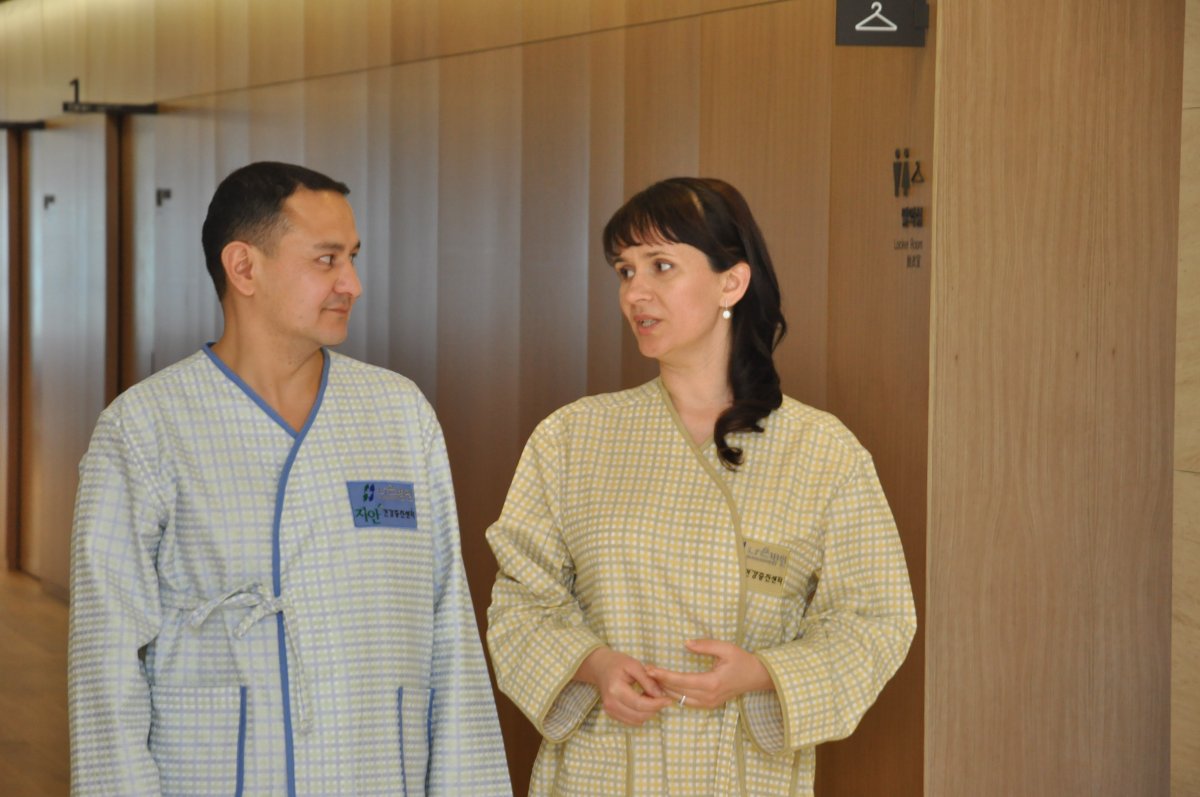










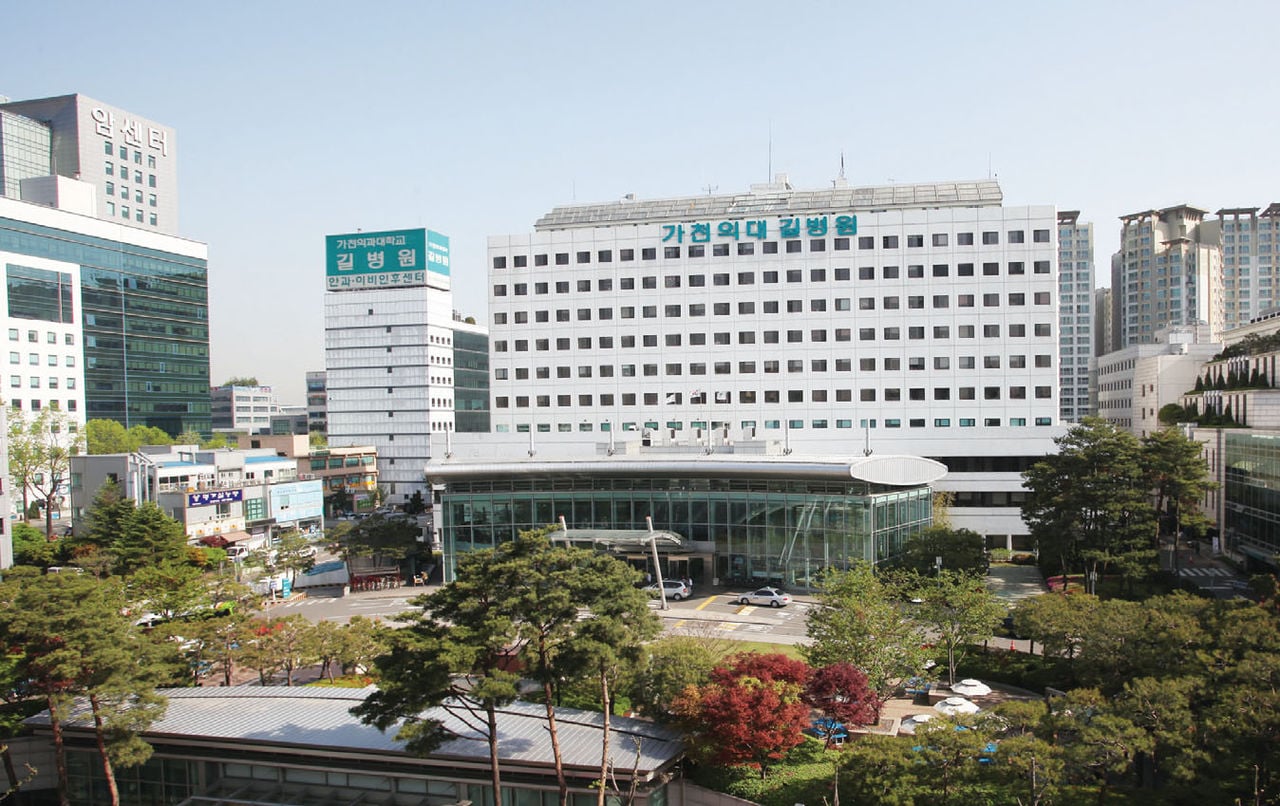




Bumin Hospital Seoul


احصل على تقييم طبي لـ في كوريا الجنوبية. استشر الآن 7 أطباء ذوي الخبرة.
عرض جميع الأطباء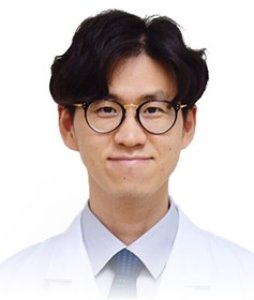
Yu Yeonghun
الدكتور يو يونغهون جرّاح جهاز هضمي ويحمل دكتوراه في الطب. يختص بأمراض وأورام الكبد والبنكرياس والقنوات الصفراوية (HPB). يتركز عمله على سرطانات الكبد والبنكرياس والقنوات الصفراوية والمرارة، إضافة إلى حصوات المرارة وأمراض المرارة الأخرى.
أتمّ فترة الامتياز وإقامة الجراحة العامة في مركز تشا بوندانغ الطبي، ثم أنهى زمالة جراحة HPB في مركز سامسونغ الطبي. عمل أستاذاً مساعداً سريرياً للجراحة في مستشفى جامعة كونكوك تشونغجو وفي مركز سامسونغ الطبي، ثم أصبح أستاذاً للجراحة في مستشفى جامعة أولجي.
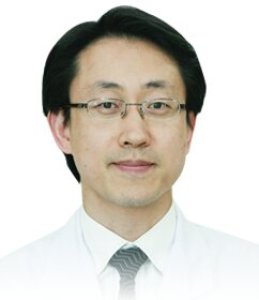
Cheon Wonseok
الدكتور تشون وونسوك رئيس قسم أمراض الجهاز الهضمي في مستشفى نا-أون. يعالج اضطرابات الجهاز الهضمي، ويُجري تنظير الجهاز الهضمي العلوي وتنظير القولون واستئصال السلائل والاستئصال تحت المخاطية بالتنظير (ESD). يعالج سرطاني المعدة والمريء وعدوى الملوية البوابية. كما يعالج أمراض الكبد وأمراض الأمعاء الالتهابية، بما في ذلك داء كرون والتهاب القولون التقرّحي. ويوفّر تنظير الأمعاء الدقيقة بالكبسولة.
الاعتمادات: اختصاصي حاصل على شهادة البورد في التنظير الهضمي. عضو مدى الحياة في الجمعية الكورية لتنظي
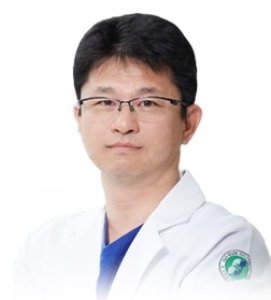
Song Hwayeong
الدكتور سونغ هوايونغ اختصاصي أمراض الجهاز الهضمي. تشمل مجالات تركيزه سرطانات الجهاز الهضمي (المعدة والمريء) والتنظير المتقدم (تنظير المعدة، وتنظير القولون، والاستئصال تحت المخاطية بالمنظار (ESD)، واستئصال السلائل). كما يعالج الدكتور سونغ أمراض الجهاز الهضمي والكبد، بما في ذلك الارتجاع المعدي المريئي، والتهاب المعدة، والتهاب الكبد، وعدوى الملوية البوابية (H. pylori)، وأمراض الكبد.
أتمّ الدكتور سونغ زمالة في أمراض الجهاز الهضمي في مستشفى إيلسان بايك التابع لجامعة إنجي. وشغل منصب أستاذ سر
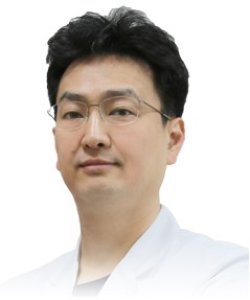
Kim Taekhyeon
الدكتور كيم تايكهيون جرّاح جهاز هضمي ورئيس قسم جراحة الجهاز الهضمي في مستشفى نايون. حصل على درجتَي دكتوراه الطب والماجستير من كلية الطب بجامعة تشونغ أنغ. أكمل فترة الامتياز في مستشفى سونغاي، وإقامة الجراحة العامة في مستشفى جامعة تشونغ أنغ، ثم أنهى زمالة في جراحة الجهاز الهضمي في مستشفى سانت ماري بسيول. عمل سابقًا جرّاحًا استشاريًا في مستشفى غوانغميونغ سونغاي.
تشمل أبحاثه السيرفايفين وHSP90 في سرطان القولون والمستقيم، والسرطانات الأولية الثانية لدى مرضى سرطان المعدة، وسرطان المعدة من نو
مشاركة المحتوى
قصص فيديو من مرضى Bookimed
 Anna Leonova
أسئلة متكررة حول علاج تحص صفراوي في كوريا الجنوبية
ما هو العلاج الجراحي القياسي لحصوات المرارة المصحوبة بأعراض في كوريا الجنوبية؟
استئصال المرارة بالمنظار هو العلاج الجراحي القياسي لحصوات المرارة المصحوبة بأعراض في كوريا الجنوبية. يقوم الجراحون بإزالة المرارة من خلال شقوق صغيرة في البطن. هذا النهج طفيف التوغل مفضل للغاية. فهو يسمح بالتعافي السريع وعادة ما يتطلب يومًا أو يومين فقط من الإقامة في المستشفى.
- التقنية الجراحية: تظل الإزالة بالمنظار هي المعيار الذهبي في المراكز الكورية الجنوبية الكبرى.
- خيارات متقدمة: تعمل الجراحة بمساعدة الروبوت باستخدام نظام دافنشي على تحسين الدقة والنتائج التجميلية.
- تقليل الندبات: يتم إجراء تنظير البطن أحادي الموقع بشكل متكرر لتقليل الألم بعد الجراحة مباشرة.
- بديل العلاج: يقتصر استئصال المرارة المفتوح بدقة على الحالات المعقدة أو الالتهابات التشريحية الشديدة.
رؤية خبير Bookimed: كوريا الجنوبية هي مركز طبي عالمي، حيث تحتل المرتبة السادسة في بيانات الطلب العالمية لدينا. المستشفيات مثل مستشفى جامعة سيول الوطنية بوندانغ (SNUBH) رقمية بالكامل. وهي تستخدم نظام BESTcare للقضاء على الأخطاء الطبية أثناء جراحات البطن المعقدة. تجري المراكز الكبيرة مثل مركز آسان الطبي أكثر من 65,000 عملية سنويًا. غالبًا ما يؤدي هذا الحجم الكبير إلى نتائج أفضل للمرضى في إجراءات المرارة.
إجماع المرضى: يشير المرضى إلى أنه من الضروري التأكد من أن الأعراض مرتبطة حقًا بحصوات المرارة قبل الجراحة. يذكر الكثيرون أنه على الرغم من سرعة التعافي، يعاني البعض من عدم تحمل مؤقت للدهون أو تغيرات في الجهاز الهضمي بعد ذلك.
هل جراحة المرارة الروبوتية متاحة للمرضى الدوليين الذين يزورون كوريا؟
تتوفر جراحة المرارة الروبوتية على نطاق واسع للمرضى الدوليين في المراكز الطبية المعتمدة في كوريا الجنوبية. تستخدم المرافق الحديثة أنظمة روبوتية من نوع Da Vinci و Hugo لإجراءات استئصال المرارة. توفر معظم المستشفيات الجامعية في سيول أقساماً دولية مخصصة لإدارة الخدمات اللوجستية والتنسيق الطبي.
- التكنولوجيا المتاحة: تقوم الأنظمة الروبوتية Da Vinci و Hugo بإجراء عمليات استئصال طفيفة التوغل.
- المؤسسات الرائدة: مراكز معتمدة من قبل JCI مثل مستشفى سيفيرانس ومركز أسان الطبي.
- جراحون خبراء: يدير متخصصون مثل البروفيسور الدكتور جونغ كيون لي حالات حصوات المرارة المعقدة.
- بروتوكولات السلامة: يجب أن تمتلك العيادات المسجلة تأميناً ضد الأخطاء الطبية لحماية المرضى الدوليين.
رؤية خبير Bookimed: على الرغم من أن الجراحة الروبوتية توفر دقة عالية، إلا أنها غالباً ما تُعامل كترقية اختيارية. تُظهر البيانات أن المراكز الأكاديمية مثل مستشفى جامعة سيول الوطنية تحافظ على أعلى إحصائيات النجاح. يجب على المرضى التحقق من توفر الروبوتات أثناء المراجعة الأولية لملفاتهم لضمان عدم حجز المعدات.
إجماع المرضى: يسلط المرضى الضوء على أهمية التأكد من وجود موظفين يتحدثون الإنجليزية أثناء الفحوصات قبل العملية. يؤكد الكثيرون أن وجود جدول زمني واضح للمراقبة بعد العملية أمر حيوي قبل حجز رحلات العودة.
كم من الوقت يجب أن أخطط للبقاء في كوريا الجنوبية لإجراء جراحة استئصال المرارة بالمنظار؟
خطط للبقاء في كوريا الجنوبية لمدة 7 إلى 10 أيام لإجراء جراحة استئصال المرارة بالمنظار. تغطي هذه الفترة الاختبارات قبل الجراحة، والإجراء طفيف التوغل، والمراقبة بعد الجراحة. يحتاج معظم المرضى إلى ليلة أو ليلتين في المستشفى. يجب أن تبقى محلياً حتى تؤكد المتابعة النهائية أنك لائق للسفر جواً.
- الإقامة في المستشفى: توقع ليلة أو ليلتين من المراقبة الداخلية بعد الإجراء الذي يستغرق ساعتين.
- مرحلة ما قبل الجراحة: خصص يومًا أو يومين لاختبارات الدم، والموجات فوق الصوتية، وتصريح التخدير.
- تصريح الطيران: يطلب الجراحون عادةً فحصًا إلزاميًا بعد 5 إلى 7 أيام من الجراحة قبل السفر.
- فترة التعافي: خصص 3 إلى 4 أيام في فندق محلي للتعامل مع آلام ما بعد الجراحة.
رؤية خبير Bookimed: بينما يختار الكثيرون عيادات أصغر، يوفر مركز أسان الطبي ومستشفى جامعة سيول الوطني شبكات أمان لا مثيل لها للحالات المعقدة. تعالج هذه المرافق أكثر من 10,000 مريض يوميًا وتحتفظ باعتماد JCI. يضمن هذا الحجم الكبير أن الفرق الجراحية مستعدة لأي اختلافات تشريحية أثناء استئصال المرارة.
إجماع المرضى: يشير المرضى إلى أنه من الضروري البقاء حتى تتوقف عن تناول مسكنات الألم القوية وتتمكن من المشي بشكل طبيعي. يقترح الكثيرون تجنب الرحلات الجوية المبكرة لأن حمل الأمتعة الثقيلة أو الجلوس لفترات طويلة يمكن أن يكون غير مريح للغاية مباشرة بعد الجراحة.
هل من الآمن السفر جواً بعد استئصال المرارة في كوريا؟
السفر جواً بعد استئصال المرارة في كوريا آمن بعد 7 إلى 10 أيام من الجراحة بالمنظار. تتطلب الرحلات الطويلة انتظار 14 يوماً. يجب على مرضى الجراحة المفتوحة الانتظار من 4 إلى 6 أسابيع. احرص دائماً على الحصول على شهادة لياقة للطيران من جراحك الكوري قبل التوجه إلى مطار إنتشون الدولي.
- الجدول الزمني للسفر: انتظر من 7 إلى 14 يوماً للإجراءات بالمنظار أو من 4 إلى 6 أسابيع للإجراءات المفتوحة.
- الوثائق الطبية: احمل ملخص الخروج والتقرير الجراحي باللغة الإنجليزية للعبور الدولي.
- الوقاية من الجلطات: ارتدِ جوارب ضاغطة وامشِ كل ساعة لمنع تجلط الأوردة العميقة.
- القيود البدنية: اطلب مساعدة الكرسي المتحرك لتجنب رفع الأمتعة الثقيلة أو إجهاد شقوق البطن.
رؤية خبراء Bookimed: على الرغم من وجود عيادات أساسية، فإن اختيار المراكز المعتمدة من JCI مثل مستشفى سيفيرانس أو مركز آسان الطبي يضمن الوصول إلى فرق متعددة التخصصات. تدير هذه المستشفيات أكثر من 30,000 جراحة سنوياً. خبرتهم حيوية في حال حدوث مضاعفات مثل تسرب الصفراء قبل رحلتك. توفر المراكز الكبيرة أيضاً تقارير طبية شاملة باللغة الإنجليزية تطلبها شركات الطيران وشركات التأمين.
إجماع المرضى: يشير المرضى إلى أن المشي في المطار أكثر إرهاقاً مما كان متوقعاً. يقترحون الانتظار حتى تتمكن من التحرك براحة دون مسكنات ألم قوية قبل ركوب الرحلات الطويلة.
هل تتطلب حصوات المرارة التي لا تظهر عليها أعراض إجراء جراحة في كوريا؟
بشكل عام، لا تتطلب حصوات المرارة التي لا تظهر عليها أعراض إجراء جراحة في كوريا. تفضل الإرشادات الجراحية المحلية المراقبة والانتظار للحصوات الصامتة. يوصي المتخصصون عادةً بالتدخل فقط في حال ظهور عوامل خطر. وعادة ما يتم حجز الجراحة للحصوات التي تسبب الألم أو الالتهاب أو مضاعفات محددة مثل سماكة جدار المرارة المزمنة.
- حجم الحصوة: غالبًا ما يوصي الجراحون بالإزالة للحصوات التي يتجاوز حجمها 2 إلى 3 سم.
- وجود الزوائد اللحمية (البوليبات): وجود زوائد لحمية في المرارة يزيد من مخاطر الإصابة بالسرطان، مما يبرر غالبًا إجراء جراحة استباقية.
- تكلس الجدار: تتطلب المرارة الخزفية (Porcelain gallbladder) الإزالة بسبب ارتباطها العالي بالسرطان.
- المراقبة التشخيصية: يخضع المرضى لفحوصات الموجات فوق الصوتية الدورية وتحاليل الدم الكيميائية الحيوية لتتبع التغيرات.
رؤية خبير Bookimed: تُظهر بيانات Bookimed تركيزًا عاليًا للمرافق المعتمدة من قبل اللجنة الدولية المشتركة (JCI) في سيول، مثل مستشفى سيفيرانس ومركز آسان الطبي. تعطي هذه المراكز الأولوية لتقنيات تنظير البطن طفيفة التوغل. وبينما تتم مراقبة الحصوات الصغيرة، يستخدم الجراحون الكوريون أنظمة إلكترونية متقدمة مثل BESTcare لتتبع الحالات التي لا تظهر عليها أعراض بأمان بمرور الوقت. تسمح هذه المراقبة عالية التقنية بجدولة جراحية سريعة فقط عندما تتغير المؤشرات السريرية.
إجماع المرضى: يجد المرضى أن الجراحين الكوريين محافظون للغاية فيما يتعلق بالحصوات الصامتة حقًا. وغالبًا ما يقترحون طلب آراء ثانية إذا
هل يتم تقديم علاجات غير جراحية أو علاجات تحافظ على المرارة للمرضى المعرضين لمخاطر عالية في كوريا؟
توفر كوريا الجنوبية علاجات غير جراحية وتحافظ على المرارة خصيصًا للمرضى المعرضين لمخاطر عالية. تقدم المراكز المعتمدة من JCI في سيول تصريف المرارة وإزالة الحصوات بالمنظار. تساعد هذه الخيارات المرضى المسنين أو أولئك الذين يعانون من حالات حادة على تجنب استئصال المرارة الكامل. يستخدم الأطباء تصويرًا متقدمًا لضمان سلامة الإجراء.
- إجراءات التصريف: يعمل التصريف عن طريق الجلد أو بالمنظار على استقرار المرضى المعرضين لمخاطر عالية المصابين بالتهاب المرارة الحاد.
- تقنيات طفيفة التوغل: يستخدم الجراحون جراحة المنظار عبر الفتحات الطبيعية (NOTES) لتقليل الندبات.
- التشخيص المتقدم: تستخدم العيادات تنظير المعدة وتحليل الدم الكيميائي الحيوي لتقييم مخاطر العلاج.
- الأنظمة الروبوتية: تستخدم المراكز المتخصصة روبوتات دافنشي للدقة في حالات المرارة المعقدة.
رؤية خبير Bookimed: بينما تحتل كوريا الجنوبية المرتبة السادسة عالميًا في السياحة العلاجية على Bookimed، يجب على المرضى ملاحظة أن المراكز ذات الحجم الكبير مثل مستشفى سيفيرانس تخدم 4 ملايين مريض سنويًا. يسمح هذا النطاق الهائل للمتخصصين بالحفاظ على كفاءة عالية في تقنيات الحفاظ على المرارة التي تعد أقل شيوعًا في المرافق الأصغر. اختيار مستشفى رقمي مثل مستشفى جامعة سيول الوطنية بوندانغ يضمن الوصول إلى أنظمة مراقبة متكاملة أثناء التعافي.
إجماع المرضى: يشير المرضى إلى أنه على الرغم من وجود خيارات للحفاظ على الأعضاء، غالبًا ما يوصي الأطباء بالجراحة بمجرد استقرار حالة المريض لمنع تكرار الحصوات في المس
هل سأحتاج إلى تغيير نظامي الغذائي بشكل دائم بعد إزالة المرارة في كوريا؟
لا توجد تغييرات غذائية دائمة مطلوبة بعد إزالة المرارة في كوريا. يعود معظم المرضى إلى عادات الأكل الطبيعية في غضون 4 أسابيع. يستمر كبدك في إنتاج العصارة الصفراوية، لكنها تتدفق الآن مباشرة إلى الأمعاء الدقيقة. قد تسبب الأطباق الكورية الغنية بالدهون انتفاخاً أو عسر هضم مؤقتاً أثناء التعافي.
- الجدول الزمني للتعافي: يستأنف معظم المرضى نظاماً غذائياً قياسياً في غضون شهر واحد بعد الجراحة.
- النظام الغذائي الأولي: أعط الأولوية للأطعمة الخفيفة قليلة الدسم مثل عصيدة الأرز (Juk) لمدة أسبوعين.
- الأطعمة الكورية الأساسية: استبدل الكيمتشي الأحمر الحار بالكيمتشي الأبيض المعتدل لتجنب التهيج.
- الأطعمة عالية المخاطر: تجنب لحم بطن الخنزير (Samgyeopsal) والدجاج المقلي خلال الشهر الأول.
رؤية خبير Bookimed: على الرغم من أن التعافي عادة ما يكون سريعاً، اختر عيادات مثل مستشفى جامعة سيول الوطنية أو مركز آسان الطبي نظراً لحجم العمليات الجراحية الكبير لديهم. يجري مركز آسان أكثر من 65,000 عملية سنوياً. يضمن هذا المستوى من الخبرة إجراءات دقيقة طفيفة التوغل، مما يساعد على استقرار الهضم بشكل أسرع. كما يقدم العديد من كبار الجراحين الكوريين استشارات شاملة في أمراض الجهاز الهضمي بعد الجراحة للمساعدة في تحديد مسببات الحساسية الغذائية الشخصية في وقت مبكر.
إجماع المرضى: يشير المرضى إلى أنه على الرغم من أن التغيير ليس دائماً، إلا أن العثور على الأطعمة المسببة للمشاكل هو عملية شخصية. يتمنى الكثيرون لو كانوا أكثر استعداداً لحالات الإلحاح المعوي خلال الأسابيع