قيلة معدية العلاج في كوريا الجنوبية - التكاليف 2026


تمت مراجعة المقالة طبيا من قبل
فهد مولود
ما هي تكلفة قيلة معدية إجراءات التشخيص والعلاج في كوريا الجنوبية؟ اعرف الآن
مزاياك وضماناتك مع Bookimed
أسعار مباشرة
Bookimed لا يضيف رسوماً إضافية على أسعار علاج قيلة معدية. الأسعار مأخوذة من قوائم الأسعار الرسمية للعيادات. تدفع مباشرة في العيادة مقابل علاجك عند وصولك إلى البلد.
عيادات وأطباء معتمدون فقط
Bookimed ملتزم بسلامتك. نحن نعمل فقط مع المؤسسات الطبية التي تحافظ على معايير دولية عالية في علاج قيلة معدية ولديها التراخيص اللازمة لخدمة المرضى الدوليين في جميع أنحاء العالم.
مساعدة مجانية على مدار الساعة
Bookimed يقدم مساعدة خبراء مجانية. منسق طبي شخصي يدعمك قبل وأثناء وبعد العلاج، ويحل أي مشاكل. لن تكون وحيداً أبداً في رحلة علاج قيلة معدية.

منسقك الطبي الشخصي في Bookimed
- يدعمك في كل مرحلة
- المساعدة في اختيار العيادة الطبية المناسبة والطبيب المناسب
- يضمن الوصول السريع والمريح إلى المعلومات
اكتشف أفضل قيلة معدية العيادات في كوريا الجنوبية: 8 خيارات معتمدة والأسعار














احصلوا على تقييم طبي لـ قيلة معدية في كوريا الجنوبية: استشيروا أطباء ذوي خبرة الآن
عرض جميع الأطباء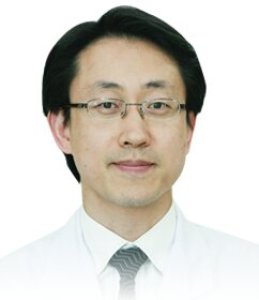
Cheon Wonseok
الدكتور تشون وونسوك رئيس قسم أمراض الجهاز الهضمي في مستشفى نا-أون. يعالج اضطرابات الجهاز الهضمي، ويُجري تنظير الجهاز الهضمي العلوي وتنظير القولون واستئصال السلائل والاستئصال تحت المخاطية بالتنظير (ESD). يعالج سرطاني المعدة والمريء وعدوى الملوية البوابية. كما يعالج أمراض الكبد وأمراض الأمعاء الالتهابية، بما في ذلك داء كرون والتهاب القولون التقرّحي. ويوفّر تنظير الأمعاء الدقيقة بالكبسولة.
الاعتمادات: اختصاصي حاصل على شهادة البورد في التنظير الهضمي. عضو مدى الحياة في الجمعية الكورية لتنظي
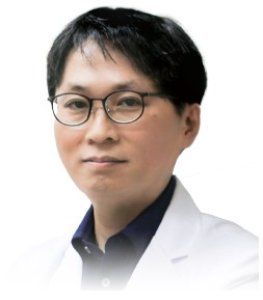
Kim Taegyun
الدكتور كيم تاي غيون اختصاصي أمراض الجهاز الهضمي. يركّز على أمراض وأورام البنكرياس والقنوات الصفراوية، بما في ذلك التهاب البنكرياس، وأكياس البنكرياس وسرطانه، والتهاب المرارة، وحصوات المرارة (الحصاة الصفراوية)، وسرطان القنوات الصفراوية. كما يجري تنظيراً هضمياً متقدّماً، بما في ذلك التنظير الراجع للقنوات الصفراوية والبنكرياس (ERCP). ويعالج أورام الجهاز الهضمي، والزوائد اللحمية في المعدة والقولون، وسرطان المعدة، والأورام تحت المخاطية (SMT).
التعليم والتدريب: دكتور في الطب (MD)، كلية الطب
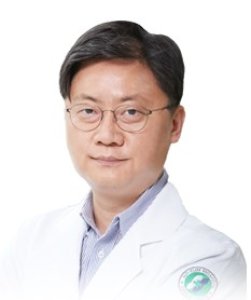
Pak Seongjin
الدكتور باك سونغ جين اختصاصي أمراض الجهاز الهضمي. يركّز على التنظير والإجراءات المتقدمة مثل تنظير المعدة، وتنظير القولون، واستئصال السلائل، والاستئصال تحت المخاطي بالتنظير (ESD). كما يعالج أمراض الجهاز الهضمي والكبد، بما في ذلك تليّف الكبد، والتهاب البنكرياس، والتهاب الكبد، وعدوى الملوية البوابية.
حصل على درجة دكتور في الطب (MD) والماجستير في الطب الباطني من جامعة تشونغ-أنغ. وأتمّ إقامة الطب الباطني وزمالة أمراض الجهاز الهضمي في مستشفى جامعة تشونغ-أنغ.
يعمل أستاذًا سريريًا في كل
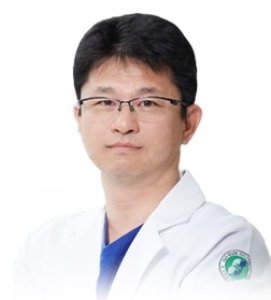
Song Hwayeong
الدكتور سونغ هوايونغ اختصاصي أمراض الجهاز الهضمي. تشمل مجالات تركيزه سرطانات الجهاز الهضمي (المعدة والمريء) والتنظير المتقدم (تنظير المعدة، وتنظير القولون، والاستئصال تحت المخاطية بالمنظار (ESD)، واستئصال السلائل). كما يعالج الدكتور سونغ أمراض الجهاز الهضمي والكبد، بما في ذلك الارتجاع المعدي المريئي، والتهاب المعدة، والتهاب الكبد، وعدوى الملوية البوابية (H. pylori)، وأمراض الكبد.
أتمّ الدكتور سونغ زمالة في أمراض الجهاز الهضمي في مستشفى إيلسان بايك التابع لجامعة إنجي. وشغل منصب أستاذ سر
مشاركة المحتوى
قصص فيديو من مرضى Bookimed
 Anna Leonova
أسئلة متكررة حول علاج قيلة معدية في كوريا الجنوبية
ما هي طرق العلاج الأولية لحالات المعدة في كوريا؟
تعطي طرق العلاج الأولية لحالات المعدة في كوريا الأولوية للتقنيات التنظيرية المتقدمة والجراحة طفيفة التوغل للمشاكل الهيكلية. تؤكد المراكز الرائدة على الكشف المبكر باستخدام تنظير المعدة عالي الدقة. وغالباً ما تجمع هذه المرافق بين التشخيص الدقيق والإدارة الدوائية باستخدام فكسوبرازان أو ريباميبيد لعلاج التهاب المعدة.
- التدخل التنظيري: يجري الجراحون تشريح تحت المخاطية بالمنظار (ESD) واستئصال السلائل لعلاج السرطانات في مراحلها المبكرة.
- التقنيات الجراحية: تتخصص المستشفيات في جراحة تثنية القاع لنيسن بالمنظار لعلاج الارتجاع وتشريح العقد الليمفاوية D2.
- التشخيص المتقدم: تستخدم المرافق تنظير الكبسولة للأمعاء الدقيقة والموجات فوق الصوتية التنظيرية للتقييم الدقيق للفتق المعدي.
- الرعاية الدوائية: غالباً ما يصف الأخصائيون مثبطات مضخة البروتون (PPIs) كأداة تشخيصية وعلاجية أولية.
رؤية خبير Bookimed: يتم تحديد رعاية المعدة في كوريا من خلال أحجام المرضى الهائلة التي تدفع نحو الدقة الجراحية. على سبيل المثال، يجري مركز آسان الطبي أكثر من 65,500 عملية سنوياً، بينما يدير مستشفى سيفيرانس 1.6 مليون مريض خارجي. يسمح هذا التركيز في الحالات للجراحين بإتقان الإجراءات المعقدة، مما يؤدي إلى كفاءة أعلى من مراكز ذات أحجام منخفضة في أماكن أخرى.
إجماع المرضى: يلاحظ المرضى أن الرعاية الصحية الكورية مدفوعة بالبروتوكولات بشكل استثنائي، حيث تنتقل من التقييم الأولي إلى التنظير وتخطيط العلاج بشكل أسرع بكثير مما هي عليه في البلدان الأخرى. ويؤكدون أن الأدوية
هل يتوفر العلاج بالمنظار للآفات المعدية في مرحلة مبكرة؟
يعد العلاج بالمنظار خياراً قياسياً للآفات المعدية المبكرة في كوريا الجنوبية. يستخدم الأخصائيون استئصال الغشاء المخاطي بالمنظار (EMR) وتشريح تحت المخاطية بالمنظار (ESD) لعلاج الآفات المحصورة في الغشاء المخاطي. تحافظ هذه الإجراءات على المعدة وتضمن معدلات بقاء عالية لحالات المراحل المبكرة.
- التقنيات المتاحة: يسمح تشريح تحت المخاطية بالمنظار (ESD) المتقدم بإزالة أورام المعدة الكبيرة والمسطحة.
- أهلية العلاج: مناسب للآفات الصغيرة والسطحية التي لا تنطوي على مخاطر عالية لانتشار الغدد الليمفاوية.
- الفوائد السريرية: يختبر المرضى تعافياً أسرع وألماً أقل مقارنة بجراحة البطن التقليدية.
- شهادات الخبراء: يتم إجراء العمليات بواسطة أطباء جهاز هضمي معتمدين من البورد ولديهم شهادات تخصص فرعي في التنظير الداخلي.
رؤية خبير Bookimed: تحافظ كوريا الجنوبية على تركيز عالٍ من المرافق المعتمدة من قبل JCI والمتخصصة في تقنية ESD. يدير مستشفى جامعة سيول الوطنية في بوندانغ وحده 1,500,000 مريض سنوياً. يسمح هذا الحجم الهائل للأخصائيين الكوريين مثل الدكتور تشيون وون سيوك بالحفاظ على دقة استثنائية في استئصال سرطان المعدة المبكر.
إجماع المرضى: يؤكد المرضى على أهمية تأكيد العمق المقدر وحالة التقرح للآفة قبل العلاج. يلاحظ الكثيرون أنه على الرغم من تفضيل إجراء ESD، فقد تكون الجراحة الإضافية ضرورية إذا أظهر علم الأمراض النهائي نتائج إيجابية في الحواف.
ما هو نهج علاج بكتيريا الملوية البوابية (Helicobacter pylori) في كوريا؟
تعطي كوريا الجنوبية الأولوية لاستئصال بكتيريا الملوية البوابية باستخدام العلاج الرباعي القائم على البزموت والعلاجات المصممة خصيصاً والموجهة بواسطة تفاعل البوليميراز المتسلسل (PCR) لمواجهة المقاومة العالية للمضادات الحيوية. تستخدم البروتوكولات الحديثة أنظمة علاجية مدتها 10-14 يوماً وحاصرات الأحماض التنافسية للبوتاسيوم (P-CABs). تعمل هذه الاستراتيجيات المتقدمة على تحسين معدلات النجاح بشكل كبير مقارنة بالعلاجات الثلاثية التقليدية التي تستغرق 7 أيام.
- البروتوكول القياسي: يشمل العلاج الرباعي عادةً البزموت، ومثبطات مضخة البروتون، والميترونيدازول، والتتراسيكلين.
- التشخيص الشخصي: يستخدم الأطباء اختبارات PCR للكشف عن مقاومة الكلاريثرومايسين قبل اختيار المضادات الحيوية.
- الوقاية من سرطان المعدة: يتم وصف العلاج بقوة لحالات التهاب المعدة لتقليل مخاطر الإصابة بالخباثة على المدى الطويل.
- إشراف الخبراء: يدير متخصصون مثل الدكتور تشيون وون سيوك في مستشفى نا-إيون الحالات المعقدة.
رؤية خبير Bookimed: بينما لا تزال العديد من الدول تستخدم العلاج الثلاثي الأساسي، تستفيد المستشفيات الكورية مثل مستشفى جامعة سيول الوطنية في بوندانغ من مكانتها كرواد رقميين لدمج نتائج PCR مباشرة في نظام BESTcare. وهذا يضمن حصول 1.5 مليون مريض سنوياً على مجموعات من المضادات الحيوية المتوافقة تحديداً مع ملف المقاومة الخاص بهم. غالباً ما يؤدي اختيار منشأة ذات تشخيص رقمي متكامل إلى تجنب الحاجة إلى دورة علاجية ثانية أكثر كثافة.
إجماع المرضى: يشير المرضى إلى أن الأط
ما هي المزايا التي توفرها كوريا للعلاج الهضمي؟
توفر كوريا الجنوبية خبرة طبية عالية الكثافة للرعاية الهضمية. يتمكن المرضى من الوصول إلى تشخيصات متقدمة مثل تنظير المعدة والجراحة طفيفة التوغل في مستشفيات معتمدة من اللجنة الدولية المشتركة (JCI). تستخدم المراكز المتخصصة في سيول التصوير المدعوم بالذكاء الاصطناعي وأنظمة المرضى الرقمية. تضمن هذه التقنيات الدقة في علاج أمراض البطن والمعدة المعقدة.
- خبرة متخصصة: غالباً ما يتعامل الجراحون مع أحجام كبيرة من العمليات، مثل أكثر من 65,000 عملية سنوياً في مركز آسان الطبي.
- تشخيص سريع: تعمل المستشفيات على تبسيط سير العمل بدءاً من الاستشارة الأولية وصولاً إلى التصوير المتقدم واختبارات التنظير.
- اعتراف عالمي: تظهر مرافق رائدة مثل مستشفى سيفيرانس باستمرار في قوائم أفضل مستشفيات العالم وفقاً لمجلة نيوزويك.
- مؤهلات متقدمة: يحمل متخصصون مثل الدكتورة يي جين لي شهادات في تنظير الجهاز الهضمي.
رؤية خبير Bookimed: بينما تقدم العديد من الدول جراحة عامة، تستضيف كوريا الجنوبية مراكز أكاديمية ضخمة مثل مستشفى جامعة سيول الوطنية الذي يضم أكثر من 1,300 سرير. يسمح هذا الحجم بالتخصص الدقيق. يمكن لطبيب واحد، مثل الدكتور تشيون وون سيوك، التركيز حصرياً على استئصال الغشاء المخاطي التنظيري وسرطان المعدة. بالنسبة للمرضى، تؤدي هذه الخبرة العميقة عادةً إلى معدلات نجاح أعلى في الإجراءات الهضمية المعقدة أو النادرة.
إجماع المرضى: يقدر المرضى سرعة انتقال المستشفيات الكورية من الحديث الأول إلى الفحوصات. يلاحظ الكثيرون الراحة في التعامل مع أطباء يعالجون مئات الحا
هل سأواجه حواجز لغوية أثناء العلاج في كوريا؟
تعمل المستشفيات الكورية الجنوبية الكبرى على تقليل الحواجز اللغوية من خلال توظيف منسقين دوليين متخصصين وطاقم طبي يتحدث الإنجليزية. تسهل المرافق المعتمدة من JCI في سيول التواصل السلس لعلاج القيلة المعدية. عادة ما يتفاعل المرضى مع أطباء الجهاز الهضمي المعتمدين الذين غالباً ما يحملون مؤهلات دولية أو زمالات من مؤسسات في الولايات المتحدة.
- الأقسام الدولية: تحتفظ عيادات مثل مستشفى سيفيرانس بمراكز متخصصة للمرضى الأجانب.
- خبرة الأطباء: يحمل متخصصون مثل الدكتور جين يونغ كيم درجات علمية من جامعة جونز هوبكنز.
- الدعم الرقمي: يستخدم مستشفى جامعة سيول الوطنية (SNUBH) أنظمة رقمية لتقليل الأخطاء وتحسين التواصل.
- خدمات الترجمة: توفر المراكز الموجودة في سيول غالباً منسقين للمرضى من أوروبا والإمارات والولايات المتحدة.
رؤية خبير Bookimed: تم هيكلة الدعم اللغوي في المراكز الرائدة مثل مركز أسون الطبي بناءً على أعداد المرضى الكبيرة. تتعامل هذه المؤسسات مع أكثر من 10,000 مريض خارجي يومياً. يسمح هذا النطاق لهم بتوظيف فرق ترجمة دائمة للغات متنوعة. قد تتخصص العيادات الأصغر في مدن مثل تشونان بشكل مختلف. تركز RE:YOUTH على رعاية كبار الشخصيات (VIP) لمرضى اثنين فقط يومياً لضمان الاهتمام الشخصي.
إجماع المرضى: يلاحظ المرضى أنه بينما يتحدث الجراحون الإنجليزية بطلاقة، قد يستخدم الطاقم المساعد مثل الممرضات عبارات أساسية. من المفيد طلب تعليمات الخروج مكتوبة لضمان وضوح جرعات الأدوية بعد مغادرة المستشفى.