أمراض الجهاز الهضمي في النمسا — التكاليف 2026


تمت مراجعة المقالة طبيا من قبل
فهد مولود
ما هي تكلفة أمراض الجهاز الهضمي في النمسا؟ اكتشف الآن
تتراوح تكلفة خدمات أمراض الجهاز الهضمي في النمسا عادةً ما بين $12,400 و $37,100. تعتمد النفقات الإجمالية على خبرة الأخصائي، وما إذا كانت التشخيصات تُجرى في عيادات خاصة، ومدى تعقيد التدخلات الجراحية. وعلى الرغم من أن النمسا وجهة متميزة، إلا أنه لا يزال بإمكان المرضى تحقيق وفورات تتراوح بين 20-30% مقارنة بالولايات المتحدة في الإجراءات المعقدة.
تكاليف أمراض الجهاز الهضمي النموذجية في النمسا
- استشارة أخصائي أمراض الجهاز الهضمي: السعر عند الطلب
- تنظير المعدة: من $500
- تنظير القولون: $650 – $1,100
- فحص الجهاز الهضمي: السعر عند الطلب
- استئصال المعدة: $17,500 – $25,500
- إزالة زوائد المعدة اللحمية: $1,100 – $2,200
- العلاج بالخلايا الجذعية: السعر عند الطلب
- جراحة الارتجاع المعدي المريئي (GERD) بالمنظار: السعر عند الطلب
- استئصال المرارة: $7,200 – $10,500
- استئصال الزائدة الدودية: السعر عند الطلب
تتركز المراكز الطبية الكبرى في فيينا وغراتس وسالزبورغ. قد تكون الرسوم الإدارية في العيادات الخاصة في فيينا أعلى قليلاً منها في سالزبورغ أو غراتس. للحصول على سعر دقيق لحالتك الخاصة، استشر أخصائياً لمناقشة نتائج تشخيصك.
| النمسا | تركيا | إسبانيا | |
|---|---|---|---|
| العلاج بالهرمونات | ≈ $1,800 | من $1,100 | من $600 |
| العلاج الموجه | ≈ $9,000 | من $3,000 | من $5,000 |
| استئصال المعدة | ≈ $17,500 | من $3,100 | من $20,000 |
| استئصال المريء | ≈ $30,000 | من $12,000 | من $26,000 |
| استئصال المرارة | ≈ $7,200 | من $3,000 | من $9,200 |
جميع أمراض أمراض الجهاز الهضمي
مزاياك وضماناتك مع Bookimed
أسعار مباشرة
Bookimed لا يضيف رسوماً إضافية على أسعار علاج أمراض الجهاز الهضمي. الأسعار مأخوذة من قوائم الأسعار الرسمية للعيادات. تدفع مباشرة في العيادة مقابل علاجك عند وصولك إلى البلد.
عيادات وأطباء معتمدون فقط
Bookimed ملتزم بسلامتك. نحن نعمل فقط مع المؤسسات الطبية التي تحافظ على معايير دولية عالية في علاج أمراض الجهاز الهضمي ولديها التراخيص اللازمة لخدمة المرضى الدوليين في جميع أنحاء العالم.
مساعدة مجانية على مدار الساعة
Bookimed يقدم مساعدة خبراء مجانية. منسق طبي شخصي يدعمك قبل وأثناء وبعد العلاج، ويحل أي مشاكل. لن تكون وحيداً أبداً في رحلة علاج أمراض الجهاز الهضمي.

منسقك الطبي الشخصي في Bookimed
- يدعمك في كل مرحلة
- المساعدة في اختيار العيادة الطبية المناسبة والطبيب المناسب
- يضمن الوصول السريع والمريح إلى المعلومات
اكتشف أفضل عيادات أمراض الجهاز الهضمي: 6 خيارات معتمدة والأسعار




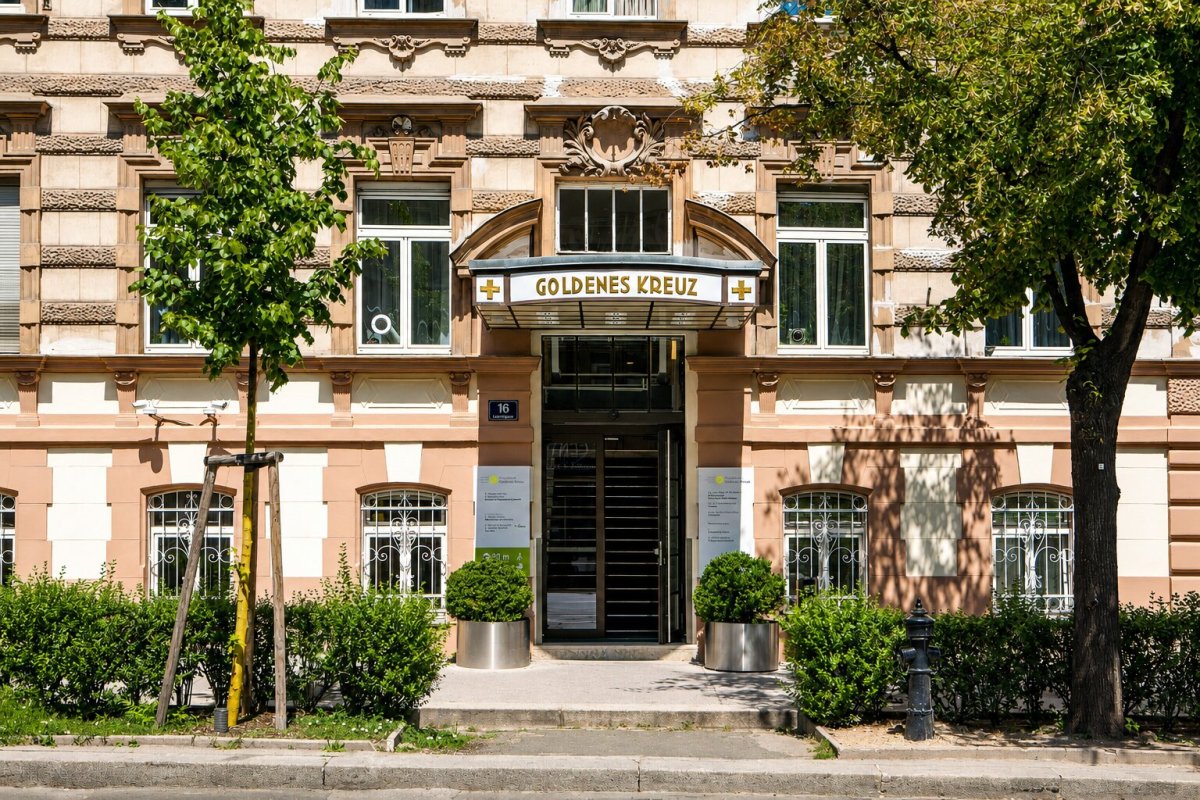
Confraternitaet Private Hospital

Leech Private Clinic
أفضل مراكز أمراض الجهاز الهضمي في النمسا
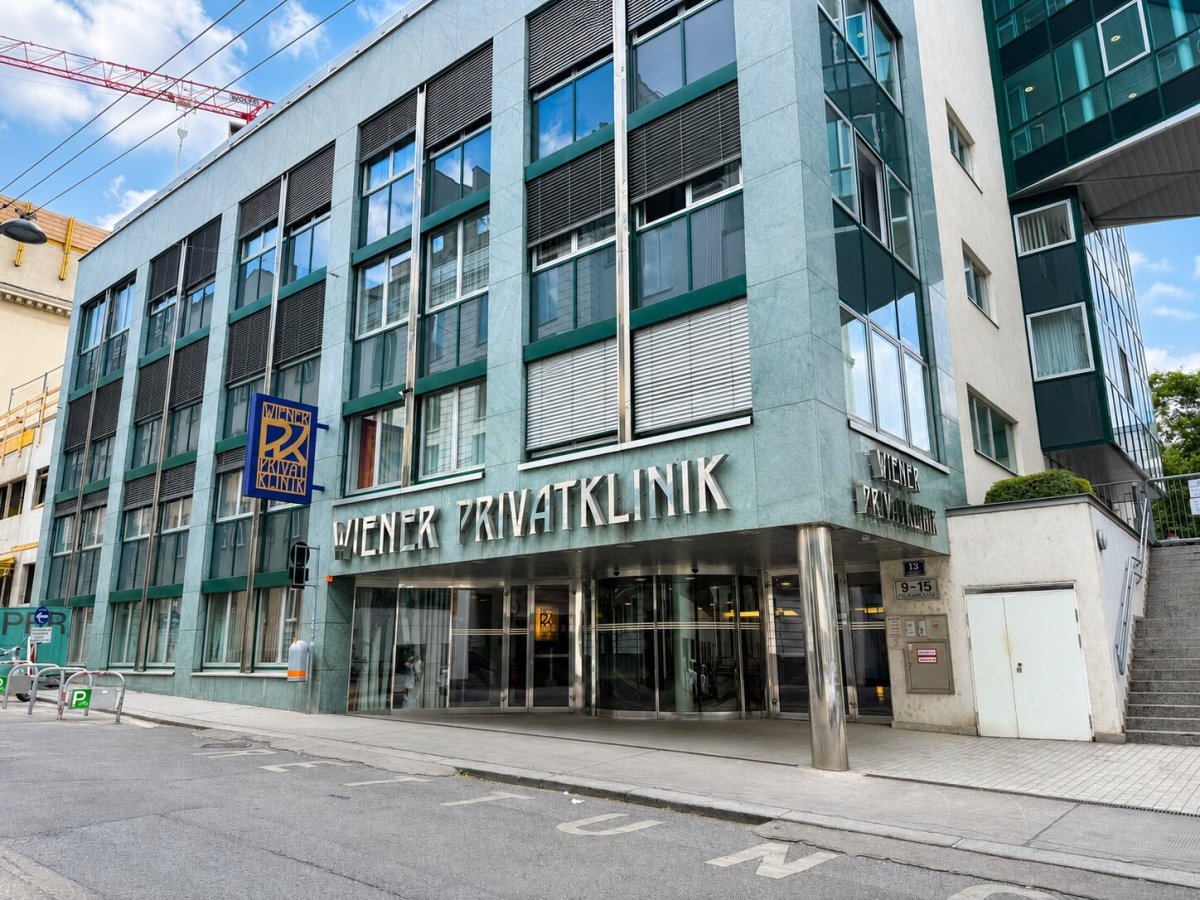
- Wiener Privatklinik, النمسا
- Vienna General Hospital (AKH), النمسا
- Confraternitaet Private Hospital, النمسا
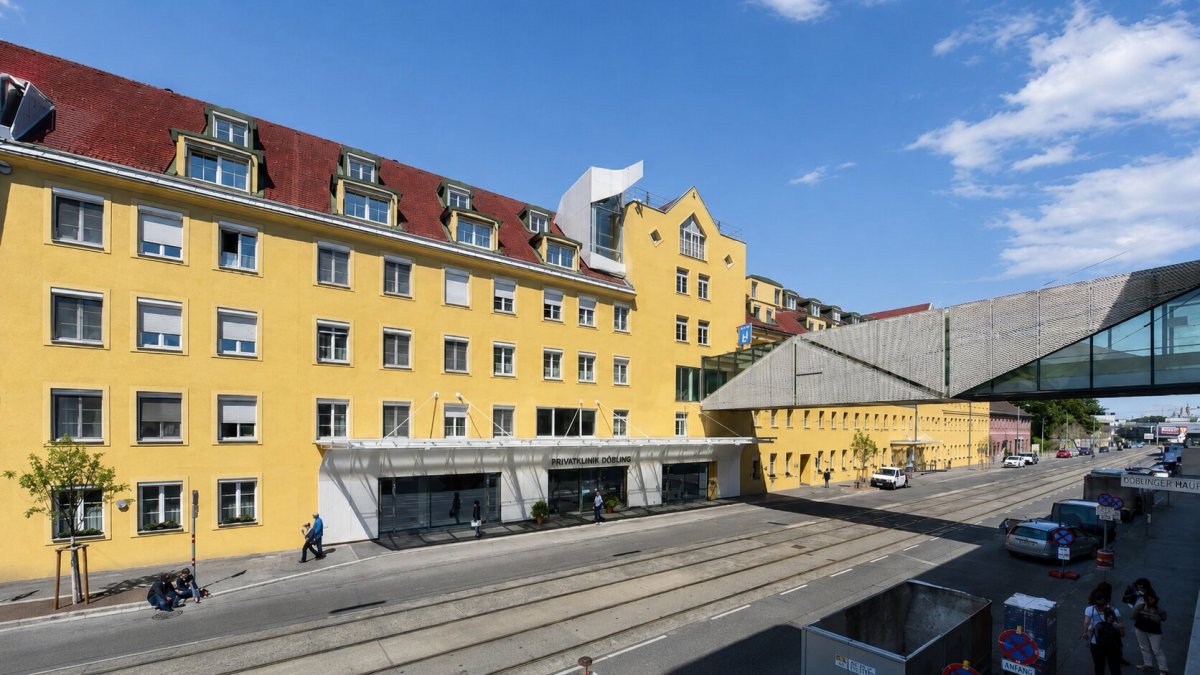
- Döbling Private Hospital, النمسا
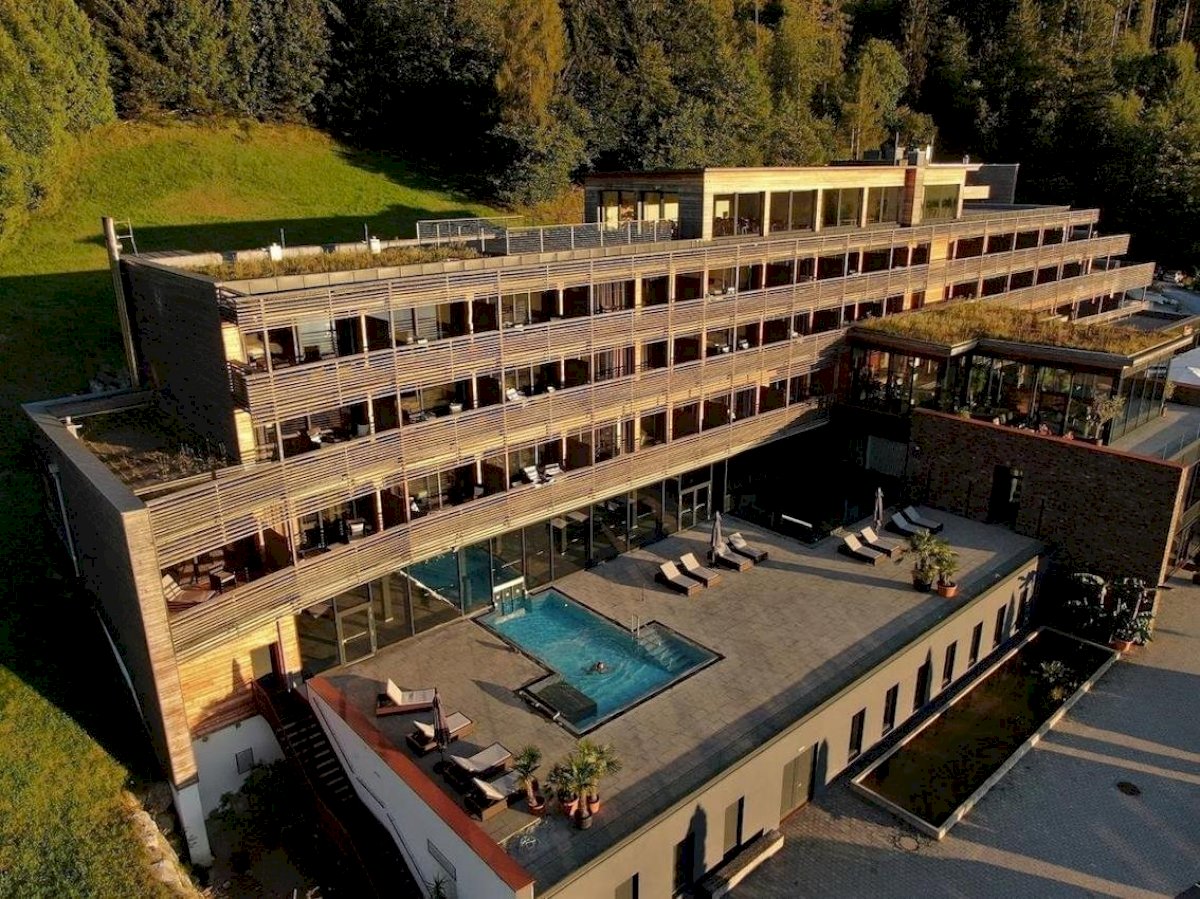
- Leech Private Clinic , النمسا
- Armona Medical Alpinresort, النمسا
احصل على تقييم طبي لـ أمراض الجهاز الهضمي في النمسا. استشر الآن 7 أطباء ذوي الخبرة.
عرض جميع الأطباء
Camel Kopty
يجمع الدكتور كامل قبطي بين الخبرة المتقدمة في الطب الباطني وأمراض الدم/الأورام مع نهج يركز على المريض في مستشفى فينر بريفات كلينيك.
- متخصص في العلاجات الجهازية مثل العلاج الكيميائي والعلاج المناعي
- تلقى تدريبه في جامعة فيينا الطبية - واحدة من أفضل كليات الطب في أوروبا
- يركز على الرعاية الشمولية والداعمة للحالات المعقدة
- شارك في أبحاث الأورام السريرية للعلاجات الجهازية الجديدة

Martin Schindl
يتخصص البروفيسور شيندل في جراحة الكبد والبنكرياس والقنوات المرارية (HPB) وزراعة الكبد - وهي مجالات رئيسية للحالات البطنية المعقدة في مستشفى فينير بريفات كلينيك.
- أكثر من 20 عاماً من الخبرة في الجراحة الحشوية وزراعة الأعضاء
- أستاذ الجراحة في جامعة فيينا الطبية
- خبير في تجديد الكبد ونتائج جراحة الأورام
- استشاري أول للجراحات البطنية الورمية المعقدة
- نشر على نطاق واسع حول جراحة HPB وزراعة الكبد

Sebastian F Schoppmann
يعد البروفيسور شوبمان رائدًا في عمليات استئصال المريء طفيفة التوغل، حيث قدم التقنيات الروبوتية في فينر بريفاتكلينيك.
- أكثر من 20 عامًا من التخصص في الأورام الخبيثة في المريء والمعدة
- رئيس وحدة جراحة الجهاز الهضمي العلوي في جامعة فيينا الطبية
- نشر أبحاثاً مكثفة حول المؤشرات الحيوية للسرطان والبيئة الدقيقة للأورام
- عضو نشط في صياغة الإرشادات الدولية لعلاج الأورام

Michael Trauner
يقود البروفيسور تراونر مركزًا متخصصًا للكبد ويجري أبحاثًا حول الأمراض الصفراوية. يعالج حالات الكبد والقنوات الصفراوية المعقدة في مستشفى فيينا العام.
- أكثر من 20 عامًا في طب الجهاز الهضمي والكبد
- أسس مركز الكبد في جامعة غراتس الطبية
- رئيس قسم الجهاز الهضمي في جامعة فيينا الطبية منذ عام 2010
- أبحاث منشورة حول أمراض القنوات الصفراوية والكبد الدهني
- عضو في الجمعية الأمريكية لدراسة أمراض الكبد
المراجعات
جميع المراجعاتمشاركة المحتوى
قصص فيديو من مرضى Bookimed
 Anna Leonova
أسئلة متكررة حول أمراض الجهاز الهضمي في النمسا
ما مدى أمان طب الجهاز الهضمي في النمسا؟
يتميز طب الجهاز الهضمي في النمسا بأمان استثنائي بفضل البروتوكولات الطبية الصارمة للاتحاد الأوروبي والتركيز العالي للمتخصصين. تُستخدم في الإجراءات تقنيات متقدمة طفيفة التوغل وروبوتية. في عيادات مثل مستشفى دوبلينج الخاص، يكون معدل المضاعفات أقل بكثير من القيم الاسمية الدولية، مما يضمن سلامة عالية للمرضى.
- التخصص: أجرى الدكتور كامل قبطي أكثر من 28,000 إجراء تنظيري تشخيصي وعلاجي.
- السلامة السريرية: يتبع مستشفى دوبلينج الخاص أهداف سلامة المرضى الدولية التابعة لـ JCI في جميع العمليات الجراحية.
- مخاطر منخفضة: تظهر بيانات السجل الوطني أن خطر حدوث ثقب أثناء تنظير القولون في النمسا أقل من 0.1%.
- المراقبة المكثفة: يوفر أطباء التخدير النمساويون مراقبة متخصصة، مما يزيد من الأمان مقارنة بالتخدير الأحادي.
رأي خبراء Bookimed: تظهر البيانات ارتباطاً قوياً بين النشاط الأكاديمي والسلامة في فيينا. يشغل خبراء مثل الدكتور سيباستيان ف. شوبمان والدكتور مارتن شيندل مناصب قيادية في الجمعية النمساوية لجراحة الأورام أثناء عملهم في عيادة فيينا الخاصة. هذا الربط بين البحث الجامعي والممارسة الخاصة يعني أن المرضى يتلقون علاجاً جراحياً يعتمد على أحدث دراسات السلامة وبروتوكولات الأورام.
رأي المرضى: يشير المرضى إلى أن عملية العلاج تبدو احترافية للغاية ومفهومة، وغالباً ما يصفون البيئة بأنها أكثر اهتماماً من المراكز الطبية الأخرى. يؤكد الكثيرون أن الأطباء يستجيبون بسرعة للطلبات ويقدمون ملاحظات مباشرة وصادقة حول نتائج العلاج دون تأخير غير ضروري.
ما هي مؤهلات وخبرات أطباء الجهاز الهضمي في النمسا؟
يجب على أطباء الجهاز الهضمي النمساويين إكمال 6 سنوات من كلية الطب، تليها 5-6 سنوات من الإقامة في الطب الباطني. ثم يخضعون لـ 4-5 سنوات من التدريب المتخصص في أمراض الجهاز الهضمي. تقوم الغرفة الطبية النمساوية (Ärztekammer) باعتماد هؤلاء المتخصصين كأطباء متخصصين في الطب الباطني وأمراض الجهاز الهضمي.
- خبرة واسعة: أجرى كبار المتخصصين، مثل الدكتور كامل كوبتي، أكثر من 28,000 إجراء تنظيري.
- النشاط العلمي: يعمل العديد من المتخصصين كأساتذة في جامعة فيينا الطبية.
- حجم العمل السريري: يستقبل مستشفى فيينا العام (AKH) أكثر من 595,000 مريض سنوياً في 42 عيادة.
- التخصص: غالباً ما يرأس الأطباء وحدات متخصصة في أمراض الكبد أو أبحاث أورام الجهاز الهضمي.
رأي خبراء Bookimed: تظهر بياناتنا أن كبار المتخصصين النمساويين غالباً ما يحصلون على شهادة مزدوجة في الجراحة الحشوية والطب الباطني. على سبيل المثال، غالباً ما يقوم الجراحون في عيادة Wiener Privatklinik بإجراء تنظير تشخيصي وجراحات روبوتية معقدة لنفس المرض. يؤدي هذا الاستمرار في الرعاية الطبية عادةً إلى خطط علاج أكثر دقة مقارنة بالعيادات التي يتم فيها فصل التشخيص عن الجراحة.
رأي المرضى: يشير المرضى إلى أن المتخصصين في فيينا متجاوبون للغاية ويقدمون ملاحظات واضحة ومباشرة حول نتائج التحاليل. غالباً ما يشعرون بثقة أكبر هنا مقارنة بأنظمة الرعاية الصحية الأوروبية الأخرى لأن الأطباء يشرحون الخطوات التالية دون تأخير غير ضروري.
ما هي معدلات النجاح وإحصائيات السلامة لإجراءات أمراض الجهاز الهضمي في النمسا؟
في النمسا، يُظهر تخصص الجهاز الهضمي معدلات نجاح عالية في الإجراءات التنظيرية: في العيادات الرائدة، تكتمل عملية تنظير القولون بنجاح في 99% من الحالات. وتُبلغ المراكز المتخصصة عن معدل إصابة بالتهاب البنكرياس بعد إجراء تصوير البنكرياس والقنوات الصفراوية بالمنظار (ERCP) بنسبة 3-5%، وهو أقل بكثير من المعدلات العالمية. وقد أجرى متخصصون مثل الدكتور كامل قبطي من عيادة فيينا الخاصة أكثر من 28,000 عملية تنظير ناجحة.
- حجم الإجراءات المنفذة: أجرى الدكتور كامل قبطي أكثر من 28,000 فحص تنظيري تشخيصي وعلاجي.
- مؤشرات السلامة: في مستشفى دوبلينج الخاص، معدل المضاعفات أقل بكثير من القيم المرجعية الدولية.
- معدلات النجاح: تحقق الفرق المتخصصة في النمسا عادةً نسبة نجاح تصل إلى 95% في إزالة حصوات المرارة باستخدام تقنية ERCP.
- القدرات السريرية: يستقبل مستشفى فيينا العام (AKH) 595,000 مريض سنوياً باستخدام 6 مختبرات خاصة به.
رأي خبراء Bookimed: تُظهر البيانات الواردة من المراكز الكبرى في فيينا وجود علاقة مباشرة بين الحجم الكبير للإجراءات المنفذة وسلامة المرضى. على سبيل المثال، ترتبط الخبرة الواسعة للدكتور كامل قبطي، الذي أجرى أكثر من 28,000 إجراء في عيادة فيينا الخاصة، بمعدلات الكشف والإزالة العالية الملحوظة في عيادات الجهاز الهضمي الخاصة في النمسا. يجب على المرضى الذين يرغبون في إجراء ERCP إعطاء الأولوية للعيادات التي تضم متخصصين مماثلين يعملون بحجم كبير لتقليل المخاطر.
آراء المرضى: يشير المرضى إلى أن تنظير القولون في فيينا يتم بسرعة وبدون ألم،
ما هو النهج القياسي للتخدير في إجراءات التنظير الداخلي في النمسا؟
في النمسا، يستخدم أطباء الجهاز الهضمي عادةً التخدير المعتدل أو التخدير قصير الأمد لإجراءات التنظير. يتم إعطاء المرضى أدوية مثل البروبوفول أو الميدازولام لضمان الراحة التامة. من المحتمل أن تشعر بالنعاس لمدة 4-8 ساعات بعد الإجراء. يُمنع القيادة أو تشغيل الآلات لمدة 24 ساعة.
- أنواع التخدير: يستخدم متخصصون مثل الدكتور كامل كوبتي البروبوفول لإجراء تنظير تشخيصي غير مؤلم، دون أي ذكريات عن الإجراء.
- الإشراف الطبي: غالبًا ما يراقب أطباء التخدير المرضى أثناء تنظير القولون الروتيني في مرافق مثل عيادة فيينا الخاصة (Wiener Privatklinik).
- فترة التعافي: يبقى معظم المرضى في غرفة الإفاقة لمدة تتراوح بين ساعة إلى ساعتين.
- القيود اليومية: بعد الإجراء، يجب عليك العثور على مرافق ليصطحبك إلى المنزل.
رأي خبراء Bookimed: يفضل المرضى مستشفى فيينا العام (AKH) وعيادة فيينا الخاصة لأن لديهم فرق تخدير كاملة للتشخيص الروتيني. بينما تستخدم بعض الدول بخاخات موضعية فقط، غالبًا ما تجري العيادات النمساوية أكثر من 28,000 إجراء بمشاركة متخصصين مؤهلين في التخدير. هذا الحجم الكبير يضمن إجراءً أكثر أمانًا وعملية استيقاظ أكثر سلاسة.
رأي المرضى: يشير المرضى إلى أنهم يستيقظون دون تذكر أي شيء عن الإجراء ويشعرون بالاسترخاء الشديد. ويؤكدون أنه على الرغم من شعورهم باليقظة بعد ساعة، إلا أن المستشفى التزم بصرامة بقاعدة عدم القيادة حتى اليوم التالي.
كم تستغرق مدة الإقامة في المستشفى لإجراء تنظير داخلي في النمسا؟
عادةً لا يتطلب التنظير التشخيصي في النمسا إقامة في المستشفى. غالبًا ما يتم خروج المرضى في نفس اليوم أو في اليوم التالي. تتطلب الإجراءات العلاجية، مثل إزالة الزوائد اللحمية، عادةً من يوم إلى يومين من المراقبة السريرية. التعافي بعد التخدير سريع. يستعيد معظم المرضى وعيهم في غضون 30 دقيقة ويخرجون بعد ذلك بوقت قصير.
- الإقامة التشخيصية: في معظم الحالات، يمكن الخروج من المستشفى في نفس اليوم بعد 4-6 ساعات من المراقبة.
- الإقامة العلاجية: بعد التدخلات المعقدة، مثل إزالة الزوائد اللحمية، تعتبر المراقبة لمدة 24 ساعة هي المعيار.
- التعافي بعد التخدير: في العيادات النمساوية، يُستخدم البروبوفول لضمان التعافي السريع والنقل الأسرع بعد الإجراء.
- الخبرة السريرية: أجرى الدكتور كامل قبطي من عيادة Wiener Privatklinik أكثر من 28,000 إجراء تنظيري.
رأي خبراء Bookimed: بينما يخدم مستشفى فيينا العام (AKH) حوالي 600,000 مريض سنويًا، توفر العيادات الخاصة مثل Wiener Privatklinik خدمة أسرع للسياح الدوليين. تظهر البيانات أن اختيار أخصائيي الطب الباطني ذوي الخبرة في إجراء أكثر من 20,000 عملية يضمن تشخيصًا فعالًا. هذا الحجم الكبير من العمل يقلل من مخاطر تمديد الإقامة في المستشفى بعد العلاج بسبب تأخيرات طفيفة في التعافي.
رأي المرضى: يشير المرضى إلى أن فعالية التخدير النمساوي تسمح بخروج سريع من المستشفى. حتى أن أحد المرضى تمكن من السفر بنجاح في نفس المساء بعد إجراء صباحي. من المفيد طلب تقرير الخروج فورًا للحصول على تصريح للسفر جوًا.
ما هي فترة التعافي بعد إجراءات الجهاز الهضمي في النمسا؟
تختلف فترات التعافي بعد إجراءات الجهاز الهضمي في النمسا اعتماداً على تعقيد الإجراء. يعود المرضى الذين يخضعون لتنظير الجهاز الهضمي التشخيصي غالباً إلى العمل الخفيف في غضون 24 ساعة. بعد جراحات البطن الكبرى، مثل استئصال المعدة أو المرارة، يلزم عادةً من أسبوع إلى أسبوعين للتعافي الأولي والعودة إلى العمل المكتبي.
- الجراحة بالمنظار: يبدأ معظم المرضى في المشي في نفس اليوم بعد عملية جراحية صغيرة بأربعة شقوق.
- الإقامة في المستشفى: بعد جراحات المرارة بالمنظار البسيطة، من المتوقع الخروج من المستشفى في غضون 24 ساعة.
- تعديل النظام الغذائي: بعد أي عملية جراحية للمرارة، يجب اتباع نظام غذائي منخفض السعرات الحرارية لعدة أسابيع.
- الإجراءات المعقدة: بعد استئصال القولون أو العمليات الجراحية لأمراض الأمعاء الالتهابية، يلزم من 4 إلى 6 أسابيع للتعافي البدني الكامل.
رأي خبراء Bookimed: تُظهر بيانات المراكز الطبية الكبرى، مثل مستشفى فيينا العام (AKH)، الذي يخدم 595,000 مريض سنوياً، أن الأقسام المتخصصة المتكاملة تعمل على تحسين رعاية ما بعد الجراحة بشكل كبير. غالباً ما يستفيد المرضى الذين يختارون العيادات الخاصة، مثل Wiener Privatklinik، من مرافق ذات تصنيف 4.7 نجوم تضمن سرعة الحركة. تسمح هذه الكفاءة السريرية غالباً للمرضى الأجانب بالعودة إلى ديارهم بأمان في غضون 7-10 أيام بعد العمليات الجراحية الكبرى للأعضاء الداخلية.
رأي المرضى: يشير المرضى إلى أن التخدير في العيادات النمساوية يتم بشكل أخف، مما يسمح باستعادة الوضوح الذهني بشكل أسرع بعد الإجراءا
أين تقع أفضل مراكز أمراض الجهاز الهضمي في النمسا؟
تقع المراكز الرئيسية لأمراض الجهاز الهضمي في النمسا في فيينا وغراتس، وتتمتع بعيادات معتمدة من قبل ISO ومعرفة متخصصة مكتسبة في الجامعات. تشمل المؤسسات الرائدة عيادة فيينا الخاصة (Wiener Privatklinik) ومستشفى فيينا العام (AKH)، والتي تجمع بين التشخيص المتقدم والبحث الأكاديمي. تتوافق معظم المراكز مع معايير ISO الدولية وهي مدرجة في تصنيفات Newsweek لجودة الرعاية الطبية.
- مستشفى فيينا العام (AKH): يستقبل أكثر من 595,000 مريض سنوياً ويضم 42 عيادة ومعهداً جامعياً متخصصاً.
- عيادة فيينا الخاصة (Wiener Privatklinik): تضم أكثر من 30 قسماً وتعد من بين أفضل المستشفيات في العالم.
- عيادة دوبلينج الخاصة (Döbling): تحافظ على شهادة ISO وتبلغ عن معدلات مضاعفات أقل بكثير من المتوسط الدولي.
- عيادة ليتش الخاصة (Leech): تمتلك أقسام تشخيص حديثة في غراتس ولديها 15 عاماً من الخبرة الجراحية.
رأي خبراء Bookimed: تظهر البيانات وجود ارتباط قوي بين المنصب الأكاديمي واختيار المريض في النمسا. يشغل المتخصصون المؤهلون تأهيلاً عالياً، مثل الدكتور سيباستيان ف. شوبمان والدكتور مارتن شيندل من عيادة فيينا الخاصة، مناصب أستاذية في جامعة فيينا الطبية أيضاً. يسمح هذا الدور المزدوج للمرضى الخصوصيين بالوصول إلى نفس بروتوكولات البحث عالية المستوى كما هو الحال في المستشفيات الجامعية العامة، ولكن مع أوقات دخول أسرع بكثير.
رأي المرضى: يشير المرضى إلى أن مراكز فيينا تعالج طلبات المرضى الدوليين الذين يدفعون تكاليف علاجهم بأنفسهم بسلاسة وتضمن تواصلاً واضحاً ومهنياً. يؤك