علاج التهاب البنكرياس في كوريا الجنوبية: 11 مستشفيات


تمت مراجعة المقالة طبيا من قبل
فهد مولود
ما هي تكلفة التهاب البنكرياس إجراءات التشخيص والعلاج في كوريا الجنوبية؟ اعرف الآن
تتضمن تكلفة علاج التهاب البنكرياس في جمهورية كوريا عادةً تشخيصات متخصصة مثل تنظير المعدة والتي تتراوح ما بين $150 إلى $210، واستشارة متخصصة مع طبيب أمراض الجهاز الهضمي تتراوح ما بين $55 إلى $75. تعتمد النفقات الإجمالية على المرحلة السريرية، ومدة الإقامة في المستشفى، ومستوى المستشفى. يمكن للمرضى تحقيق وفورات تقارب 40-50% مقارنة بالولايات المتحدة. تشمل الوجهات الرئيسية لهذا العلاج سيول وإنشيون.
تكاليف علاج التهاب البنكرياس النموذجية في جمهورية كوريا
- استشارة طبيب أمراض الجهاز الهضمي: $55 – $75
- تنظير المعدة: $150 – $210
- تحليل دم موسع: من $200
- تخطيط كهربية القلب (ECG): من $30
رؤية خبراء Bookimed: بالنسبة للمرضى الذين يحتاجون إلى خبرة جراحية عالية المستوى، يعد مركز آسان الطبي (Asan Medical Center) خياراً أولياً. وباعتباره أكبر مركز متعدد التخصصات في كوريا، فإنه يجري أكثر من 65,000 عملية جراحية سنوياً مع معدل نجاح في زراعة الأعضاء يصل إلى 90%. يجب على المرضى الذين يبحثون عن تقنيات متقدمة التفكير في مستشفى جامعة سيول الوطنية في بوندانغ (SNUBH). تعمل هذه المنشأة كأول مستشفى رقمي في كوريا، وهي مدمجة بأنظمة الذكاء الاصطناعي والجراحة الروبوتية للتدخلات الجراحية الدقيقة في البطن.
مزاياك وضماناتك مع Bookimed
أسعار مباشرة
Bookimed لا يضيف رسوماً إضافية على أسعار علاج التهاب البنكرياس. الأسعار مأخوذة من قوائم الأسعار الرسمية للعيادات. تدفع مباشرة في العيادة مقابل علاجك عند وصولك إلى البلد.
عيادات وأطباء معتمدون فقط
Bookimed ملتزم بسلامتك. نحن نعمل فقط مع المؤسسات الطبية التي تحافظ على معايير دولية عالية في علاج التهاب البنكرياس ولديها التراخيص اللازمة لخدمة المرضى الدوليين في جميع أنحاء العالم.
مساعدة مجانية على مدار الساعة
Bookimed يقدم مساعدة خبراء مجانية. منسق طبي شخصي يدعمك قبل وأثناء وبعد العلاج، ويحل أي مشاكل. لن تكون وحيداً أبداً في رحلة علاج التهاب البنكرياس.

منسقك الطبي الشخصي في Bookimed
- يدعمك في كل مرحلة
- المساعدة في اختيار العيادة الطبية المناسبة والطبيب المناسب
- يضمن الوصول السريع والمريح إلى المعلومات
اكتشف أفضل التهاب البنكرياس العيادات في كوريا الجنوبية: 11 خيارات معتمدة والأسعار
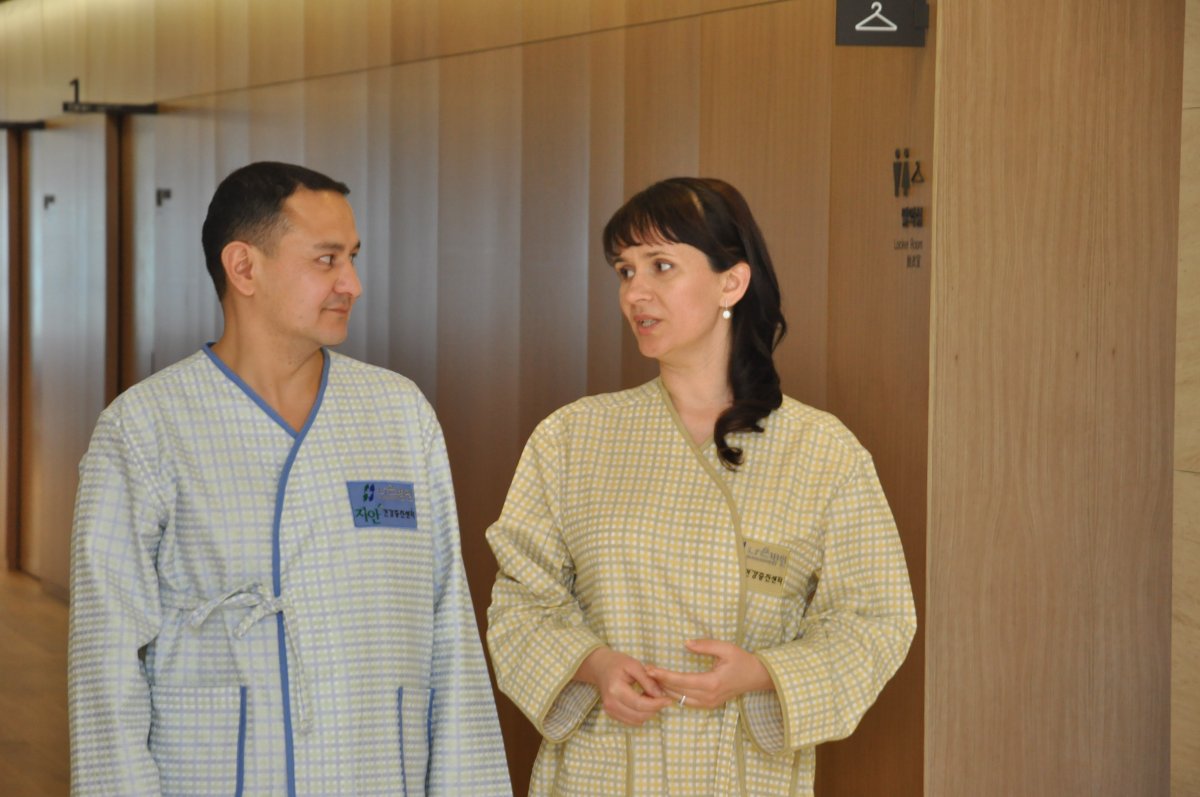











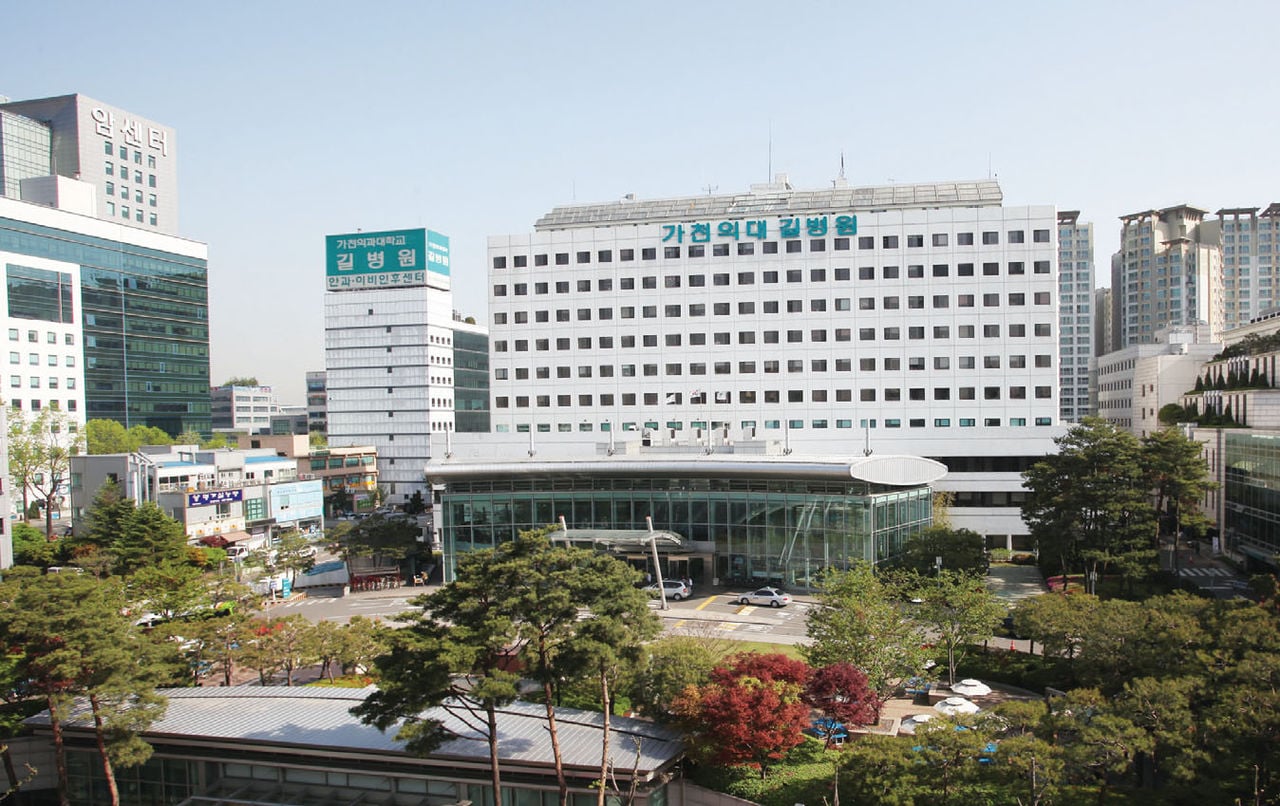




Bumin Hospital Seoul


احصل على تقييم طبي لـ في كوريا الجنوبية. استشر الآن 7 أطباء ذوي الخبرة.
عرض جميع الأطباء
Cheon Wonseok
الدكتور تشون وونسوك رئيس قسم أمراض الجهاز الهضمي في مستشفى نا-أون. يعالج اضطرابات الجهاز الهضمي، ويُجري تنظير الجهاز الهضمي العلوي وتنظير القولون واستئصال السلائل والاستئصال تحت المخاطية بالتنظير (ESD). يعالج سرطاني المعدة والمريء وعدوى الملوية البوابية. كما يعالج أمراض الكبد وأمراض الأمعاء الالتهابية، بما في ذلك داء كرون والتهاب القولون التقرّحي. ويوفّر تنظير الأمعاء الدقيقة بالكبسولة.
الاعتمادات: اختصاصي حاصل على شهادة البورد في التنظير الهضمي. عضو مدى الحياة في الجمعية الكورية لتنظي
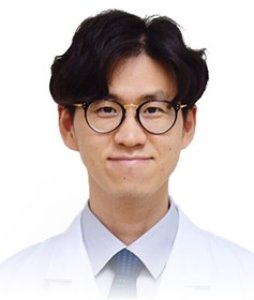
Yu Yeonghun
الدكتور يو يونغهون جرّاح جهاز هضمي ويحمل دكتوراه في الطب. يختص بأمراض وأورام الكبد والبنكرياس والقنوات الصفراوية (HPB). يتركز عمله على سرطانات الكبد والبنكرياس والقنوات الصفراوية والمرارة، إضافة إلى حصوات المرارة وأمراض المرارة الأخرى.
أتمّ فترة الامتياز وإقامة الجراحة العامة في مركز تشا بوندانغ الطبي، ثم أنهى زمالة جراحة HPB في مركز سامسونغ الطبي. عمل أستاذاً مساعداً سريرياً للجراحة في مستشفى جامعة كونكوك تشونغجو وفي مركز سامسونغ الطبي، ثم أصبح أستاذاً للجراحة في مستشفى جامعة أولجي.
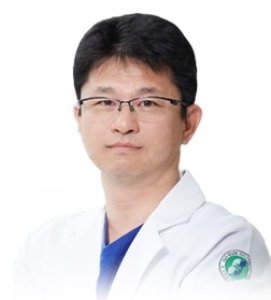
Song Hwayeong
الدكتور سونغ هوايونغ اختصاصي أمراض الجهاز الهضمي. تشمل مجالات تركيزه سرطانات الجهاز الهضمي (المعدة والمريء) والتنظير المتقدم (تنظير المعدة، وتنظير القولون، والاستئصال تحت المخاطية بالمنظار (ESD)، واستئصال السلائل). كما يعالج الدكتور سونغ أمراض الجهاز الهضمي والكبد، بما في ذلك الارتجاع المعدي المريئي، والتهاب المعدة، والتهاب الكبد، وعدوى الملوية البوابية (H. pylori)، وأمراض الكبد.
أتمّ الدكتور سونغ زمالة في أمراض الجهاز الهضمي في مستشفى إيلسان بايك التابع لجامعة إنجي. وشغل منصب أستاذ سر
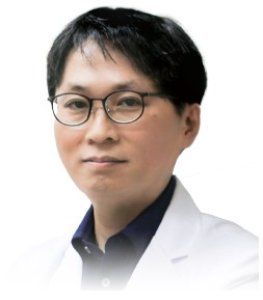
Kim Taegyun
الدكتور كيم تاي غيون اختصاصي أمراض الجهاز الهضمي. يركّز على أمراض وأورام البنكرياس والقنوات الصفراوية، بما في ذلك التهاب البنكرياس، وأكياس البنكرياس وسرطانه، والتهاب المرارة، وحصوات المرارة (الحصاة الصفراوية)، وسرطان القنوات الصفراوية. كما يجري تنظيراً هضمياً متقدّماً، بما في ذلك التنظير الراجع للقنوات الصفراوية والبنكرياس (ERCP). ويعالج أورام الجهاز الهضمي، والزوائد اللحمية في المعدة والقولون، وسرطان المعدة، والأورام تحت المخاطية (SMT).
التعليم والتدريب: دكتور في الطب (MD)، كلية الطب
مشاركة المحتوى
قصص فيديو من مرضى Bookimed
 Anna Leonova
أسئلة متكررة حول علاج التهاب البنكرياس في كوريا الجنوبية
ما مدى أمان العلاج بالمنظار أو الجراحة بالمنظار لالتهاب البنكرياس الحاد في المستشفيات الكورية؟
تعتبر علاجات التهاب البنكرياس الحاد بالمنظار والجراحة بالمنظار في كوريا الجنوبية آمنة للغاية. تصل معدلات النجاح إلى 85% في المراكز التخصصية الكبرى. يستخدم الجراحون نهجاً تدريجياً لإعطاء الأولوية للطرق طفيفة التوغل. وهذا يقلل من المضاعفات مثل النزيف وتطور الناسور مقارنة بالجراحة المفتوحة.
- معدلات النجاح: تتجاوز معدلات نجاح التصريف بالموجات فوق الصوتية بالمنظار 90% لتجمعات السوائل المعقدة.
- سجلات السلامة: تُظهر الطرق بالمنظار معدل بقاء على قيد الحياة بنسبة 96% في دراسات التهاب البنكرياس الناخر.
- إدارة المخاطر: تحافظ البروتوكولات المتخصصة على معدلات التهاب البنكرياس بعد الإجراء عند حوالي 6.5% لعمليات ERCP.
- معايير المرافق: تتم معظم الإجراءات في مستشفيات معتمدة من JCI مع دعم متعدد التخصصات في وحدة العناية المركزة.
رؤية خبير Bookimed: تعتمد سلامة المرضى بشكل كبير على الأنظمة الرقمية لمنع الأخطاء. يستخدم مستشفى جامعة سيول الوطنية بوندانغ نظام BESTcare لتقليل الأخطاء الطبية. هذا أمر بالغ الأهمية لالتهاب البنكرياس لأن العلاج يتضمن إدارة معقدة للأدوية والسوائل عبر فرق العناية المركزة والجراحة.
إجماع المرضى: يؤكد المرضى على انتظار تحوصل النخر قبل البدء في الإجراءات الغازية. ويوصون بالمراكز ذات الحجم الكبير مثل مركز أسان الطبي لضمان أن الفريق الجراحي لديه خبرة واسعة في التعامل مع المضاعفات النادرة.
ما هي المؤهلات التي يجب أن أبحث عنها عند اختيار أخصائي التهاب البنكرياس في كوريا؟
يتطلب اختيار أخصائي التهاب البنكرياس في كوريا التحقق من شهادة البورد في أمراض الجهاز الهضمي وعضوية التخصص الفرعي في الجمعية الكورية للبنكرياس والقنوات الصفراوية. يجب على المرضى إعطاء الأولوية للأطباء في المرافق الحاصلة على اعتماد معهد كوريا لاعتماد الرعاية الصحية (KOIHA) أو اللجنة الدولية المشتركة (JCI). تضمن هذه المؤهلات الالتزام بمعايير السلامة الوطنية والدولية الصارمة.
- الشهادة الطبية: أخصائي معتمد من البورد ومعترف به من قبل وزارة الصحة والرعاية الاجتماعية الكورية.
- خبرة التنظير: ترخيص تخصص فرعي في تنظير الجهاز الهضمي لإجراءات مثل تصوير البنكرياس والقنوات الصفراوية بالمنظار.
- العضوية المتخصصة: عضوية نشطة في الجمعية الكورية للبنكرياس والقنوات الصفراوية (KPBA) للحصول على أحدث إرشادات الإدارة.
- المكانة الأكاديمية: تشير المناصب الجامعية في المستشفيات التعليمية إلى الخبرة في إدارة الحالات المعقدة المدعومة بالأبحاث.
رؤية خبير Bookimed: تظهر البيانات أن حجم العمل في المستشفى هو مؤشر جودة حاسم في سيول. تدير المراكز الكبرى مثل مستشفى جامعة سيول الوطنية ومستشفى سيفيرانس أكثر من مليون مريض خارجي سنويًا. غالبًا ما تقدم المراكز ذات الحجم الكبير مراكز متخصصة للبنكرياس والقنوات الصفراوية. تدمج هذه الوحدات أطباء الجهاز الهضمي والجراحين في فريق واحد لتنسيق أسرع. يمثل البروفيسور جونغ كيون لي في مركز سامسونج الطبي هذا الأمر. فهو يجمع بين التدريب الدولي والعضوية النشطة في الجمعية الكورية للبنكرياس والقنوات الصفراوية.
إجماع المرضى: يش
هل من الممكن إجراء جراحة طفيفة التوغل لالتهاب البنكرياس الناخر، وهل يستخدم الجراحون الكوريون نهج 'Step-up'؟
يستخدم الجراحون الكوريون نهج 'step-up' طفيف التوغل لالتهاب البنكرياس الناخر. تحل هذه الطريقة محل الجراحات المفتوحة الكبيرة ببروتوكولات تعتمد على التصريف أولاً. وهي تشمل تصريف القسطرة عن طريق الجلد والتنضير خلف الصفاق بمساعدة الفيديو. تقلل هذه التقنيات من الإجهاد الجراحي وتحسن أوقات التعافي لحالات البنكرياس المعقدة.
- الالتزام بالمبادئ التوجيهية: توصي الجمعية الكورية للبنكرياس والقنوات الصفراوية رسميًا بنهج 'step-up'.
- تسلسل العلاج: يبدأ الأطباء بالتصريف قبل التفكير في استئصال النخر الجراحي.
- التوقيت الأمثل: عادة ما يتم تأجيل التدخلات الكبرى لمدة 4 أسابيع حتى يتم عزل النخر.
- الفوائد السريرية: تقلل هذه الاستراتيجية من معدلات فشل الأعضاء مقارنة بالجراحة المفتوحة الفورية.
- خبراء متخصصون: يتخصص البروفيسور جونغ كيون لي في التهاب البنكرياس في مركز سامسونج الطبي.
رؤية خبير Bookimed: بينما يدير مركز أسان الطبي ومستشفى جامعة سيول الوطني أحجامًا هائلة تزيد عن 1.5 مليون مريض سنويًا، تتطلب حالات البنكرياس اعتمادًا محددًا. ابحث عن مرافق تضم أعضاء من الجمعية الكورية للبنكرياس والقنوات الصفراوية، مثل البروفيسور جونغ كيون لي، لضمان اتباع أحدث بروتوكولات 'step-up' بدلاً من الطرق المفتوحة التقليدية. تعمل المستشفيات الرقمية مثل SNUBH على تعزيز السلامة بشكل أكبر باستخدام أنظمة لمنع الأخطاء أثناء هذه العلاجات المعقدة ومتعددة المراحل.
إجماع المرضى: يؤكد المرضى أن استراتيجية التصريف أولاً غالبًا ما تتجنب الجراحة الكب
كم من الوقت سأحتاج للبقاء في كوريا لعلاج التهاب البنكرياس والمتابعة؟
يبقى المرضى عادةً في كوريا الجنوبية لمدة تتراوح بين 7 إلى 14 يومًا لعلاج التهاب البنكرياس. قد تتحسن الحالات الخفيفة في غضون 5 أيام. تتطلب الحالات المتوسطة في المتوسط 10 أيام من الاستشفاء. غالبًا ما يتطلب التهاب البنكرياس الحاد أو التدخلات الجراحية من أسبوعين إلى 3 أسابيع لتحقيق الاستقرار والحصول على تصريح السفر الآمن.
- الاستقرار في الحالات الخفيفة: تستمر فترة الاستشفاء عادةً من 3 إلى 5 أيام للعلاج التحفظي.
- التعافي في الحالات المتوسطة: يبلغ متوسط فترة الإقامة في المستشفى 10 أيام لتحقيق الاستقرار والتصوير الطبي.
- التدخل الجراحي: تتطلب الإجراءات طفيفة التوغل عادةً من 9 إلى 10 أيام في المستشفى.
- توقيت المتابعة: يستغرق التعافي الأولي محليًا من 7 إلى 14 يومًا قبل السفر جوًا.
رؤية خبير Bookimed: تضمن البنية التحتية للرعاية الصحية الرقمية في كوريا، في مراكز مثل مستشفى جامعة سيول الوطنية في بوندانغ، انتقالات تشخيصية سريعة. غالبًا ما يكمل المرضى سلسلة تشخيصية كاملة تشمل تخطيط القلب، وتنظير المعدة، وتحاليل الدم الموسعة في غضون 48 ساعة. يمكن لهذه الكفاءة أن تقلل من إجمالي فترة الإقامة التشخيصية مقارنة بالمناطق الأخرى. تدير المراكز ذات الحجم الكبير مثل مركز آسان الطبي أكثر من 2500 مريض داخلي يوميًا. يسمح هذا النطاق بالوصول الفوري إلى متخصصين مثل البروفيسور جونغ كيون لي للحالات الصفراوية المعقدة.
إجماع المرضى: يشير المرضى إلى أن المشاكل الصفراوية أو النخر المصاب بالعدوى يمكن أن يضاعف بسرعة مدة إقامتك. من المهم جمع جميع الفحوصات ا
ما هو الدعم المتاح للمرضى الدوليين بعد الخروج من المستشفى عقب علاج التهاب البنكرياس في كوريا؟
يتلقى المرضى الدوليون دعمًا رقميًا ولوجستيًا شاملاً بعد علاج التهاب البنكرياس في كوريا. تشمل الخدمات عمليات نقل السجلات الطبية الإلكترونية الموحدة، والمراقبة عن بُعد من خلال أنظمة مدمجة بالذكاء الاصطناعي، واستشارات غذائية مفصلة. تدير مراكز الرعاية الصحية الدولية المتخصصة التواصل طويل الأمد والوثائق الطبية الأساسية باللغة الإنجليزية للأطباء المحليين.
- المراقبة الرقمية: تستخدم مستشفيات مثل سيفيرانس الذكاء الاصطناعي والطب عن بُعد لتتبع التعافي عن بُعد.
- دعم اللغة: يسهل المنسقون الطبيون الدوليون التواصل بين المرضى والفرق السريرية بعد الخروج.
- التوجيه الغذائي: توفر المراكز المتخصصة خططًا غذائية تركز على متطلبات تناول البروتين العالي والدهون المنخفضة.
- تنسيق الخدمات اللوجستية: تدير الفرق لوجستيات الخروج بما في ذلك وصفات الأدوية وتعليمات المتابعة المحلية.
رؤية خبير Bookimed: يجب على المرضى إعطاء الأولوية للعيادات ذات الأنظمة الإلكترونية المتكاملة مثل نظام BESTcare في مستشفى جامعة سيول الوطنية بوندانغ. تظهر بياناتنا أن المستشفيات التي تستقبل أكثر من 1.5 مليون مريض سنويًا غالبًا ما تمتلك بنية تحتية رقمية أكثر قوة للمتابعة عن بُعد. هذا يمنع الأخطاء الطبية ويضمن انتقالًا أكثر سلاسة عند عودتك إلى المنزل لمواصلة الرعاية.
إجماع المرضى: يشير المرضى إلى أنه من المهم التأكد مما إذا كانت خطوط المساعدة التمريضية للمتابعة تتحدث الإنجليزية أو تتطلب مترجمًا. يقترح الكثيرون الانضمام فورًا إلى مجموعات المراسلة عبر الهاتف المحمول الخاصة بالم
ما هي المدن الكورية التي تضم أكبر مراكز لعلاج التهاب البنكرياس وتوفر أسهل وصول للسياح الطبيين؟
تعد سيول وإنشيون المراكز الرئيسية لعلاج التهاب البنكرياس عالي الحجم في كوريا الجنوبية. توفر سيول أعلى تركيز للمرافق متعددة التخصصات مثل مركز أسان الطبي. توفر إنشيون وصولاً سريعاً من المحطات الدولية. تتميز كلتا المدينتين بمستشفيات معتمدة من JCI مع مراكز رعاية صحية دولية مخصصة.
- حجم العمليات في سيول: يجري مركز أسان الطبي أكثر من 65,000 عملية جراحية سنويًا مع 11,800 مريض خارجي يوميًا.
- الخبرة المتخصصة: يتخصص البروفيسور جونغ كيون لي في مركز سامسونج الطبي في حالات البنكرياس والقنوات الصفراوية المعقدة.
- الوصول في إنشيون: يقع مركز جامعة غاشون جيل الطبي على بعد ساعة واحدة من مطار إنشيون الدولي.
- التشخيص المتقدم: يخدم مستشفى جامعة سيول الوطنية (SNUH) 10,700 مريض يوميًا ويتصدر الإحصائيات الوطنية لعلاج سرطان البنكرياس.
رؤية خبير Bookimed: غالبًا ما تمتلك المراكز ذات الحجم الكبير في سيول مثل SNUH ومستشفى سيفيرانس بروتوكولات تشخيصية مخصصة `شاملة في مكان واحد`. تسمح هذه الأنظمة للمرضى الدوليين بإكمال فحوصات البنكرياس الشاملة في حوالي خمس ساعات. هذه الكفاءة حاسمة للحالات الحادة حيث يلزم التدخل الفوري لمنع المضاعفات.
إجماع المرضى: يشير المرضى إلى أن اختيار المراكز في سيول يضمن سعة ERCP على مدار الساعة طوال أيام الأسبوع ومنسقين يتحدثون الإنجليزية. يوصي الكثيرون باستخدام تطبيقات الترجمة لتسهيل التواصل أثناء القبول والمتابعة بعد الجراحة.