علاج إلتهاب المعدة في كوريا الجنوبية — احصل على 3 عيادات مختارة خصيصاً لك


تمت مراجعة المقالة طبيا من قبل
فهد مولود
كيف نعمل؟
ما هي تكلفة إلتهاب المعدة إجراءات التشخيص والعلاج في كوريا الجنوبية؟ اعرف الآن
تبدأ تكلفة علاج التهاب المعدة في جمهورية كوريا عادةً باستشارة طبيب الجهاز الهضمي، والتي تتراوح ما بين $55 إلى $75. وتتراوح تكلفة الفحوصات التشخيصية الأساسية مثل تحليل الدم الكيميائي الحيوي ما بين $60 إلى $130 لتحديد الأسباب الكامنة. تعتمد التكاليف الإجمالية على شدة الالتهاب، والإجراءات التنظيرية المطلوبة، ومستوى العيادة. وغالباً ما يجد المرضى توفيراً بنسبة 40-60% مقارنة بالولايات المتحدة. تشمل أهم المراكز الطبية لرعاية الجهاز الهضمي سيول وإنشيون.
تكاليف علاج التهاب المعدة النموذجية في جمهورية كوريا
- استشارة طبيب الجهاز الهضمي: $55 – $75
- تحليل الدم الكيميائي الحيوي: $60 – $130
- تخطيط القلب (ECG): من $30
رؤية خبراء Bookimed: بالنسبة لالتهاب المعدة المزمن الذي يتطلب تشخيصات متخصصة، توفر المستشفيات الرقمية مثل مستشفى جامعة سيول الوطنية في بوندانغ أنظمة متطورة لمنع الأخطاء الطبية. يجب على المرضى الذين يبحثون عن تدخلات تنظيرية متخصصة التفكير في مستشفى Na-Eun. هناك، يقوم الدكتور تشيون وون سيوك بإجراءات متقدمة مثل استئصال الغشاء المخاطي بالتنظير. وتعد المراكز الحاصلة على اعتماد اللجنة الدولية المشتركة (JCI) مثل مستشفى سيفيرانس الأفضل للمرضى الدوليين الذين يحتاجون إلى طاقم يتحدث الإنجليزية ورعاية منسقة. كما توفر المراكز ذات الكثافة العالية مثل مركز آسان الطبي أكثر النتائج موثوقية للحالات المعقدة.
اكتشف أفضل إلتهاب المعدة العيادات في كوريا الجنوبية: 12 خيارات معتمدة والأسعار
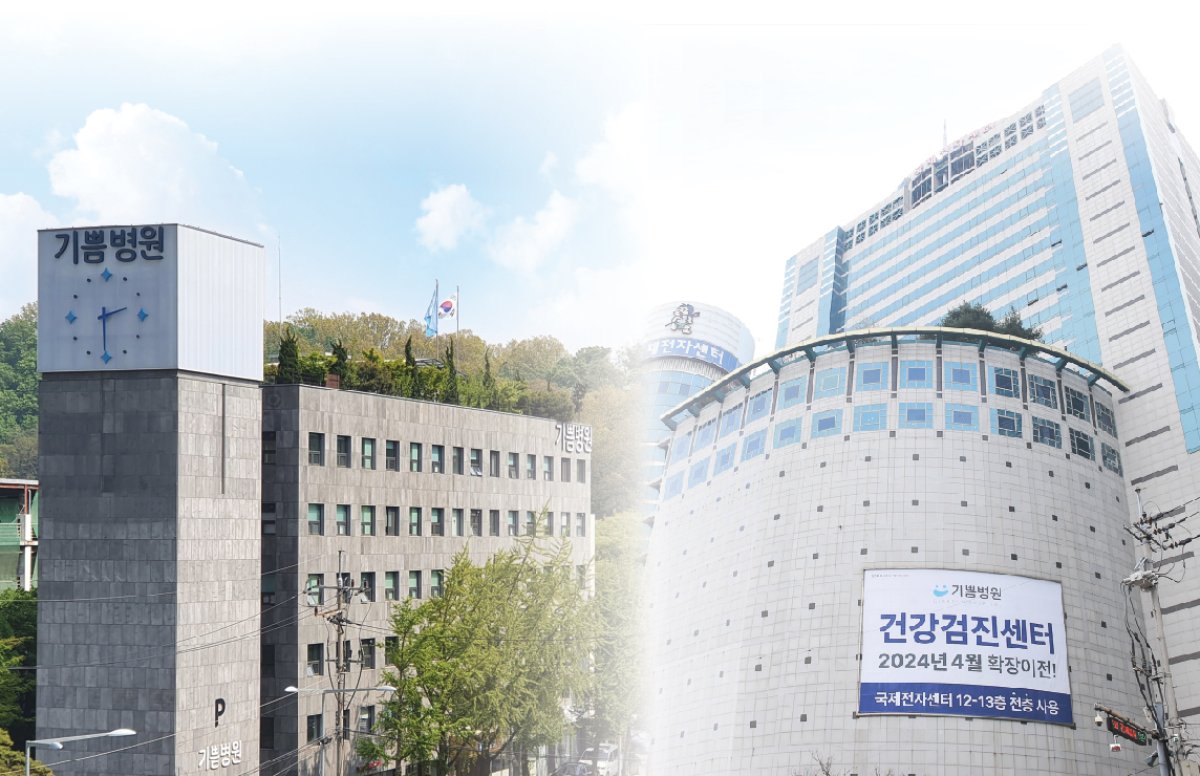
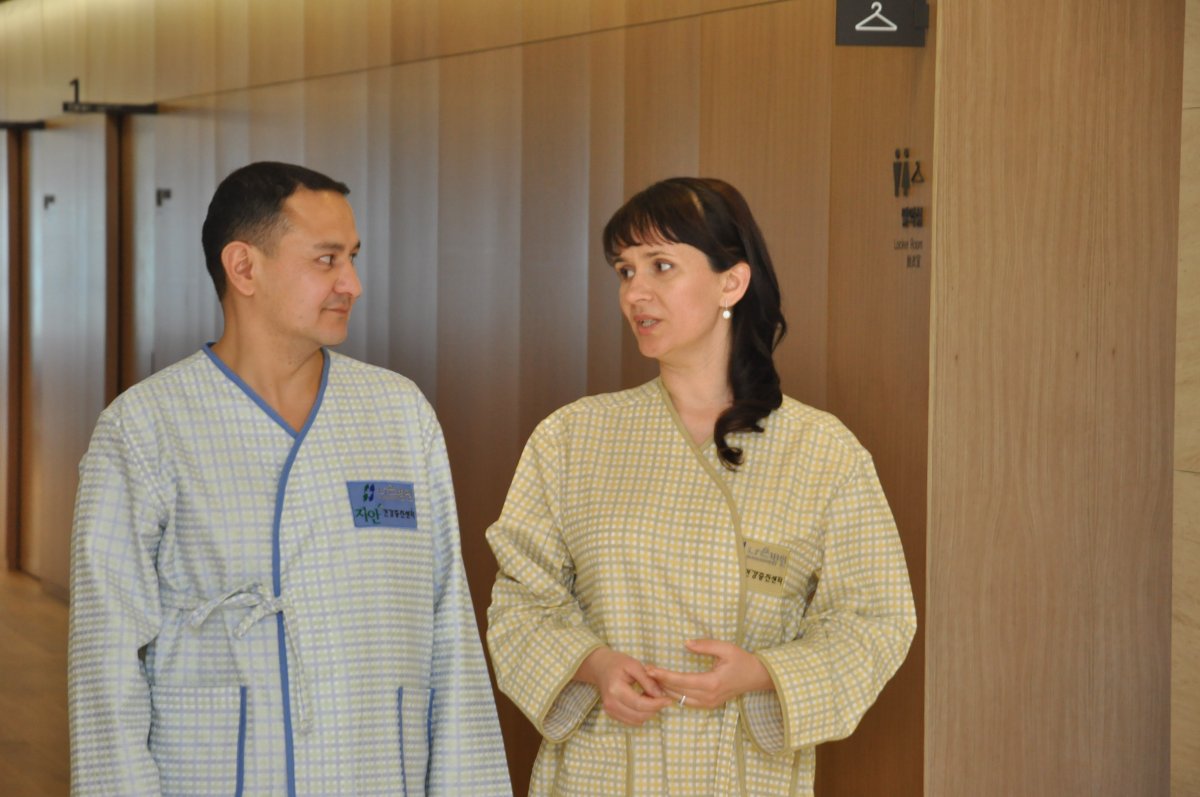











Bumin Hospital Seoul

احصل على تقييم طبي لـ في كوريا الجنوبية. استشر الآن 6 أطباء ذوي الخبرة.
عرض جميع الأطباء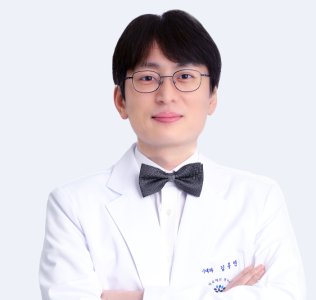
Kim Jong Yeon
البروفيسور كيم جونغ-يون هو طبيب أمراض الجهاز الهضمي في مستشفى ميونغجي. يعالج أمراض المريء والمعدة والقولون والكبد، بما في ذلك تليف الكبد والتهاب الكبد. ويجري عمليات التنظير العلاجي، مثل استئصال السلائل بالمنظار. كما يشغل منصب نائب مدير مركز الرعاية الصحية الدولية.
وهو عضو في مركز فشل الكبد، ويعمل مع فرق متخصصة في أمراض الكبد وسرطان الكبد وزراعة الأعضاء لتقديم رعاية منسقة لأمراض الكبد المتقدمة ولمرشحي زراعة الكبد.
حاصل على درجة دكتور في الطب من كلية الطب بجامعة جيونبوك الوطنية. أ
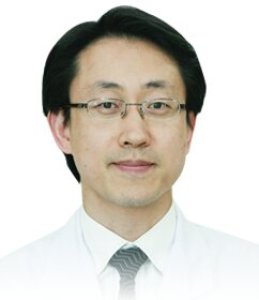
Cheon Wonseok
الدكتور تشون وونسوك رئيس قسم أمراض الجهاز الهضمي في مستشفى نا-أون. يعالج اضطرابات الجهاز الهضمي، ويُجري تنظير الجهاز الهضمي العلوي وتنظير القولون واستئصال السلائل والاستئصال تحت المخاطية بالتنظير (ESD). يعالج سرطاني المعدة والمريء وعدوى الملوية البوابية. كما يعالج أمراض الكبد وأمراض الأمعاء الالتهابية، بما في ذلك داء كرون والتهاب القولون التقرّحي. ويوفّر تنظير الأمعاء الدقيقة بالكبسولة.
الاعتمادات: اختصاصي حاصل على شهادة البورد في التنظير الهضمي. عضو مدى الحياة في الجمعية الكورية لتنظي
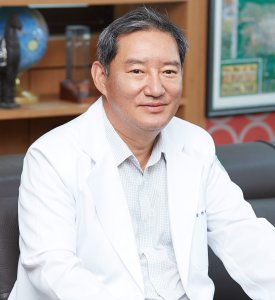
Ha Hunyoung
الدكتور ها هيونيونغ هو مدير مستشفى نايون. وهو اختصاصي طب وقائي يتمتع بـ39 عامًا من الخبرة السريرية.
التعليم: دكتوراه في الطب (MD)، كلية الطب بجامعة هانيانغ. ماجستير ودكتوراه في الطب الوقائي، الدراسات العليا بجامعة هانيانغ.
التركيز السريري: عيادة تساقط الشعر والسمنة للوقاية من تساقط الشعر، إدارة الوزن، شفط الدهون ونقل الدهون. عيادة مكافحة الشيخوخة والعافية للعلاج بالاستخلاب وبرامج مكافحة الشيخوخة. علاج حيوي متقدم باستخدام الجزء الوعائي اللحمي (SVF) لعلاج تساقط الشعر وتعزيز الجهاز
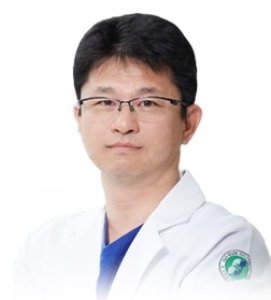
Song Hwayeong
الدكتور سونغ هوايونغ اختصاصي أمراض الجهاز الهضمي. تشمل مجالات تركيزه سرطانات الجهاز الهضمي (المعدة والمريء) والتنظير المتقدم (تنظير المعدة، وتنظير القولون، والاستئصال تحت المخاطية بالمنظار (ESD)، واستئصال السلائل). كما يعالج الدكتور سونغ أمراض الجهاز الهضمي والكبد، بما في ذلك الارتجاع المعدي المريئي، والتهاب المعدة، والتهاب الكبد، وعدوى الملوية البوابية (H. pylori)، وأمراض الكبد.
أتمّ الدكتور سونغ زمالة في أمراض الجهاز الهضمي في مستشفى إيلسان بايك التابع لجامعة إنجي. وشغل منصب أستاذ سر
مشاركة المحتوى
قصص فيديو من مرضى Bookimed
 Anna Leonova
أسئلة متكررة حول علاج إلتهاب المعدة في كوريا الجنوبية
ما هي الأدوية التي توصف عادة لالتهاب المعدة في كوريا؟
يصف الأطباء في كوريا مثبطات الحمض والعوامل الواقية للغشاء المخاطي لعلاج التهاب المعدة. تشمل الأدوية الشائعة حاصرات الحمض التنافسية للبوتاسيوم مثل تيجوبرازان (Tegoprazan) ودواء ريباميبيد (Rebamipide) الواقي للغشاء المخاطي. إذا كانت بكتيريا الملوية البوابية (Helicobacter pylori) موجودة، يصف المتخصصون علاجاً ثلاثياً لمدة 14 يوماً يتكون من مثبطات مضخة البروتون مع المضادات الحيوية.
- مثبطات الحمض: توفر حاصرات الحمض التنافسية للبوتاسيوم الأحدث راحة أسرع من مثبطات مضخة البروتون التقليدية.
- العوامل الواقية للغشاء المخاطي: يساعد ريباميبيد ومستخلص الشيح (Artemisia) في التئام بطانة المعدة عن طريق زيادة المخاط.
- علاج الملوية البوابية: يستخدم الأطباء أموكسيسيلين وكلاريثروميسين مرتين يومياً للقضاء على العدوى البكتيرية.
- مدة العلاج: تستمر معظم الوصفات الطبية للحالات الحادة لمدة أسبوعين لضمان التئام الغشاء المخاطي.
رؤية خبير Bookimed: تستخدم مراكز أمراض الجهاز الهضمي الكورية مثل مستشفى جامعة سيول الوطنية ومركز أسان الطبي حاصرات الحمض التنافسية للبوتاسيوم المطورة محلياً. توفر هذه الأدوية، مثل فيكسوبرازان (Fexuprazan)، تحكماً أسرع في الأعراض مقارنة بمثبطات مضخة البروتون القياسية. يعكس هذا الابتكار التخصص العالي لكوريا في رعاية المعدة، حيث تدير المستشفيات الكبرى أكثر من 10,000 مريض يومياً.
إجماع المرضى: يشير المرضى إلى أن الأطباء يجمعون بشكل متكرر بين عوامل تبطين المعدة ومخفضات الحمض للحصول على راحة شاملة. يؤكد الكثيرون على أهمية طلب اخ
هل اختبار *الملوية البوابية* (Helicobacter pylori) إلزامي لمرضى التهاب المعدة في كوريا؟
اختبار الملوية البوابية ليس إلزامياً قانونياً لجميع مرضى التهاب المعدة في كوريا، ولكنه معيار سريري للمجموعات عالية الخطورة. تغطي خدمة التأمين الصحي الوطنية الفحص لالتهاب المعدة الضموري والتاريخ العائلي لسرطان المعدة. الاختبار ضروري للمرضى الذين يعانون من القرحة الهضمية أو سرطان المعدة المبكر.
- تكرار الفحص: توفر البرامج الوطنية تنظيراً للمعدة كل عامين للبالغين من سن 40 إلى 75 عاماً.
- معايير التأمين: تنطبق التغطية على التهاب المعدة الضموري أو التاريخ العائلي الموثق لسرطان المعدة.
- أدوات التشخيص: يستخدم المتخصصون اختبارات اليورياز السريعة، واختبارات التنفس باليوريا، واختبارات المقاومة الجزيئية.
- تخصصات الخبراء: يركز أطباء الجهاز الهضمي المعتمدون مثل الدكتور تشيون وون سيوك على مقاومة الكلاريثروميسين.
رؤية خبير Bookimed: على الرغم من أن الاختبار ليس إلزامياً، إلا أن الحجم الكبير لإجراءات المعدة في سيول يخلق كفاءة فريدة. يتعامل مستشفى جامعة سيول الوطنية ومركز أسان الطبي معاً مع أكثر من مليوني مريض خارجي سنوياً. هذا النطاق الهائل يعني أن أطباء الجهاز الهضمي الكوريين غالباً ما يحددون الملوية البوابية أثناء الفحوصات الروتينية قبل أن تتطور الأعراض بالكامل. بالنسبة للمرضى الدوليين، هذا يجعل التشخيصات المعقدة مثل استئصال الغشاء المخاطي بالمنظار أكثر سهولة خلال زيارة سريرية واحدة.
هل يغطي التأمين الصحي الوطني في كوريا علاج التهاب المعدة للمرضى الأجانب؟
يغطي التأمين الصحي الوطني (NHI) في كوريا علاج التهاب المعدة للمقيمين الأجانب المسجلين في البرنامج. يدفع المرضى المؤهلون ما بين 30% إلى 60% للرعاية الخارجية و20% للإقامة في المستشفى. يجب على الزوار لفترات قصيرة والسياح دفع التكاليف الطبية بالكامل من مالهم الخاص.
- معايير الأهلية: مطلوب إقامة لمدة تزيد عن 6 أشهر أو العمل في شركة كورية مشاركة.
- الاشتراك الإلزامي: يخضع المقيمون لفترات طويلة الحاملون لتأشيرات D-2 أو F-5 للتسجيل الإلزامي في NHI.
- نطاق التغطية: يشمل التأمين استشارات الأطباء، وأدوية القضاء على بكتيريا الملوية البوابية (H. pylori)، ووصفات التهاب المعدة المزمن.
- أدوات التشخيص: غالبًا ما تشمل الخدمات المدعومة تحاليل الدم الكيميائية الحيوية، وتخطيط القلب الكهربائي (ECG)، واستشارات أطباء الجهاز الهضمي.
رؤية خبير Bookimed: بينما يوفر التأمين الصحي الوطني وفورات كبيرة، فإن حجم المراكز الطبية الكورية يعد عاملاً أمنياً رئيسياً. يخدم مركز أسان الطبي أكثر من 11,000 مريض خارجي يومياً. ويتعامل مستشفى جامعة سيول الوطنية مع 10,700 مريض يومياً. هذا الحجم الهائل من التشخيص يعني أن أطباء الجهاز الهضمي الكوريين يحددون مشاكل المعدة في مراحلها المبكرة بسرعة ودقة استثنائيتين.
إجماع المرضى: يشير المرضى إلى أن الزوار لفترات قصيرة يجب أن يحصلوا على تأمين سفر خاص لتجنب دفع 100% من التكاليف. يوصي الكثيرون بطلب باقات أسعار ثابتة للأجانب إذا كنت غير مؤهل للتأمين الوطني.
متى يجب إجراء تنظير المعدة لالتهاب المعدة في كوريا؟
تفرض الإرشادات الكورية الجنوبية إجراء تنظير للمعدة كل عامين للبالغين الذين تبلغ أعمارهم 40 عاماً فما فوق. غالباً ما يحتاج المرضى الذين يعانون من التهاب المعدة الضموري المزمن أو الحؤول المعوي إلى فحوصات سنوية. يعد التنظير الفوري ضرورياً في حالة ظهور أعراض إنذارية مثل فقدان الوزن، أو صعوبة البلع، أو علامات نزيف الجهاز الهضمي.
- عمر الفحص الروتيني: يخضع البالغون الذين تبلغ أعمارهم 40 عاماً فما فوق لفحص كل عامين بموجب البرنامج الوطني.
- مراقبة المخاطر العالية: غالباً ما يوصي المتخصصون بفحوصات سنوية لمرضى التهاب المعدة الضموري المزمن.
- المحفزات العرضية: يتطلب حرقة المعدة المستمرة أو آلام البطن رغم تناول الدواء إجراء تنظير معدة تشخيصي.
- عوامل الخطر الوراثية: يبدأ الأفراد الذين لديهم تاريخ عائلي للإصابة بسرطان المعدة في إجراء الفحوصات في وقت مبكر.
رؤية خبير Bookimed: تجري المراكز ذات الحجم الكبير مثل مركز أسان الطبي ومستشفى سيفيرانس أكثر من 60,000 عملية سنوياً. تستخدم هذه المرافق المعتمدة من قبل JCI أنظمة رقمية متقدمة للكشف عن التغيرات المخاطية المجهرية الشائعة في التهاب المعدة. تشير البيانات إلى أن المرضى الذين يختارون هذه المراكز المتخصصة يستفيدون من بروتوكولات متطورة للغاية للوقاية من السرطان.
إجماع المرضى: يشير المرضى إلى أن عملية الفحص فعالة للغاية في المستشفيات الكبيرة في سيول. يؤكد الكثيرون على أهمية اتباع قاعدة الصيام لمدة 8 ساعات بدقة لضمان الحصول على نتائج تشخيصية واضحة.
هل تُستخدم العلاجات الكورية التقليدية جنبًا إلى جنب مع علاج التهاب المعدة الحديث؟
غالبًا ما يكمل الطب الكوري التقليدي علاج التهاب المعدة الحديث في كوريا الجنوبية لتحسين النتائج السريرية وشفاء الغشاء المخاطي. تستخدم المراكز الحديثة مثبطات مضخة البروتون والمضادات الحيوية. كما تدمج العديد من العيادات مغليات الأعشاب والوخز بالإبر للسيطرة على الالتهاب المزمن ومنع التغيرات الضمورية.
- العلاج بالأعشاب: قد يحسن "يوكجونجا-تانغ" التغيرات المرضية في حالات التهاب المعدة الضموري.
- بروتوكولات الوخز بالإبر: يستخدم المتخصصون وخز الإبر الخاص بالدستور الثماني لحل الانزعاج المعدي المستمر.
- السيطرة على الالتهاب: يساعد الجينسنغ الأحمر الكوري في التعافي بعد علاج القضاء على بكتيريا الملوية البوابية.
- التشخيص المتكامل: يستخدم الأطباء التنظير المتقدم جنبًا إلى جنب مع الطرق التقليدية لدقة الفحص.
رؤية خبراء Bookimed: بينما تعطي المراكز الكبرى مثل مستشفى جامعة سيول الوطنية في بوندانغ الأولوية للتشخيص الرقمي والذكاء الاصطناعي، غالبًا ما يدمج كبار أطباء الجهاز الهضمي طب نمط الحياة. يركز الدكتور جين يونغ كيم في CHAUM بشكل خاص على نهج تكاملي يربط بين طب الجهاز الهضمي الغربي وعلم طول العمر. إن اختيار عيادة توازن بين خبرة التنظير عالية المستوى وطب نمط الحياة الشخصي يمكن أن يعزز بشكل كبير التعافي طويل الأمد لمشاكل الجهاز الهضمي المزمنة.
إجماع المرضى: يشير المرضى إلى أن المستشفيات الرئيسية تعطي الأولوية للأدوية الغربية والتنظير، لذا من الضروري مناقشة توافق الأعشاب مع طبيب الجهاز الهضمي الخاص بك. يقترح الكثيرون زيارة عيادات تقليدية من