علاج مرض كرون في كوريا الجنوبية: 7 مستشفيات


تمت مراجعة المقالة طبيا من قبل
فهد مولود
ما هي تكلفة مرض كرون إجراءات التشخيص والعلاج في كوريا الجنوبية؟ اعرف الآن
تتضمن تكلفة علاج داء كرون في مراكز جمهورية كوريا عادةً التشخيصات الأساسية مثل استشارة طبيب الجهاز الهضمي والتي تتراوح بين $55 و $75. من $3,500. تعتمد النفقات الإجمالية على شدة المرض واستخدام العلاجات البيولوجية، على الرغم من أن المرضى الدوليين غالباً ما يحققون وفورات تتراوح بين 40-60% مقارنة بالولايات المتحدة. تشمل أهم وجهات العلاج سيول وإنشيون.
تكاليف علاج داء كرون النموذجية في جمهورية كوريا
- استشارة طبيب الجهاز الهضمي: $55 – $75
- تحليل دم موسع: من $200
- العلاج بالخلايا الجذعية: من $3,500
رؤية خبراء Bookimed: بالنسبة للحالات المعقدة من أمراض الأمعاء الالتهابية، توفر المراكز متعددة التخصصات مثل مركز أسان الطبي رعاية عالية القيمة. وتستفيد الحالات التي تتطلب تشخيصات متخصصة من مستشفى نا-أون (Na-Eun Hospital)، حيث يقدم المدير تشيون وون سيوك تنظيراً كبسولياً متخصصاً. قد يفكر المرضى الذين يبحثون عن أساليب مبتكرة في مركز RE:YOUTH للعلاج بالخلايا الجذعية الشريانية. تضمن المستشفيات المعتمدة من اللجنة الدولية المشتركة (JCI) في سيول معايير السلامة الدولية للمرضى من جميع أنحاء العالم.
| كوريا الجنوبية | تركيا | إسبانيا | |
|---|---|---|---|
| الفصل الانتقائي للدم | ≈ $1,800 | ≈ $1,600 | ≈ $1,800 |
| العلاج بالهرمونات | ≈ $2,500 | من $1,100 | من $600 |
| العلاج بالخلايا الجذعية | من $3,500 | من $1,600 | من $33,600 |
| استئصال المرارة | ≈ $5,500 | من $3,000 | من $10,700 |
| استئصال الزوائد الجلدية الشرجية | ≈ $450 | ≈ $350 | من $3,900 |
مزاياك وضماناتك مع Bookimed
أسعار مباشرة
Bookimed لا يضيف رسوماً إضافية على أسعار علاج مرض كرون. الأسعار مأخوذة من قوائم الأسعار الرسمية للعيادات. تدفع مباشرة في العيادة مقابل علاجك عند وصولك إلى البلد.
عيادات وأطباء معتمدون فقط
Bookimed ملتزم بسلامتك. نحن نعمل فقط مع المؤسسات الطبية التي تحافظ على معايير دولية عالية في علاج مرض كرون ولديها التراخيص اللازمة لخدمة المرضى الدوليين في جميع أنحاء العالم.
مساعدة مجانية على مدار الساعة
Bookimed يقدم مساعدة خبراء مجانية. منسق طبي شخصي يدعمك قبل وأثناء وبعد العلاج، ويحل أي مشاكل. لن تكون وحيداً أبداً في رحلة علاج مرض كرون.

منسقك الطبي الشخصي في Bookimed
- يدعمك في كل مرحلة
- المساعدة في اختيار العيادة الطبية المناسبة والطبيب المناسب
- يضمن الوصول السريع والمريح إلى المعلومات
اكتشف أفضل مرض كرون العيادات في كوريا الجنوبية: 7 خيارات معتمدة والأسعار















احصلوا على تقييم طبي لـ مرض كرون في كوريا الجنوبية: استشيروا أطباء ذوي خبرة الآن
عرض جميع الأطباء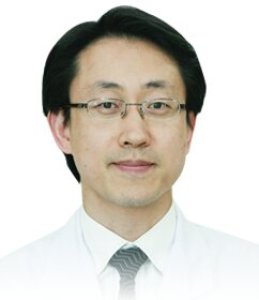
Cheon Wonseok
الدكتور تشون وونسوك رئيس قسم أمراض الجهاز الهضمي في مستشفى نا-أون. يعالج اضطرابات الجهاز الهضمي، ويُجري تنظير الجهاز الهضمي العلوي وتنظير القولون واستئصال السلائل والاستئصال تحت المخاطية بالتنظير (ESD). يعالج سرطاني المعدة والمريء وعدوى الملوية البوابية. كما يعالج أمراض الكبد وأمراض الأمعاء الالتهابية، بما في ذلك داء كرون والتهاب القولون التقرّحي. ويوفّر تنظير الأمعاء الدقيقة بالكبسولة.
الاعتمادات: اختصاصي حاصل على شهادة البورد في التنظير الهضمي. عضو مدى الحياة في الجمعية الكورية لتنظي
مشاركة المحتوى
قصص فيديو من مرضى Bookimed
 Anna Leonova
أسئلة متكررة حول علاج مرض كرون في كوريا الجنوبية
ما هي أفضل المستشفيات الكورية لعلاج داء كرون؟
يعد مركز أسوان الطبي (Asan Medical Center) خياراً رائداً لعلاج داء كرون. فهو يضم أول وأكبر مركز متخصص لأمراض الأمعاء الالتهابية في كوريا. تدير هذه المنشأة حوالي 6000 مريض يعانون من داء كرون والتهاب القولون التقرحي. كما توفر مستشفيات أخرى رفيعة المستوى في سيول، مثل مستشفى سيفيرانس (Severance Hospital) ومستشفى جامعة سيول الوطنية (Seoul National University Hospital)، رعاية متقدمة ومتعددة التخصصات.
- مركز أسوان الطبي: صُنف في المرتبة الخامسة عالمياً في أمراض الجهاز الهضمي من قبل مجلة نيوزويك في عام 2024.
- الإجراءات المتقدمة: تقدم المراكز العلاج الهرموني، والعلاج بالخلايا الجذعية، والاستئصال بالمنظار.
- الرعاية الصحية الرقمية: يتميز مستشفى جامعة سيول الوطنية برقمنة كاملة لتقليل الأخطاء.
- الأطباء المتخصصون: الدكتور تشيون وون سيوك متخصص في داء كرون في مستشفى نا-أون (Na-Eun Hospital).
رؤية خبير Bookimed: بينما تعطي المستشفيات الجامعية الكبرى الأولوية للجراحات المعقدة، فإن تركيز كوريا على الأنظمة الرقمية يوفر ميزة كبيرة لإدارة داء كرون. يستخدم مستشفى جامعة سيول الوطنية في بوندانغ نظام BESTcare لمنع الأخطاء الطبية. يضمن هذا النهج عالي التقنية تتبعاً دقيقاً للأدوية طويلة الأمد ونتائج المختبر للحالات الالتهابية المزمنة.
إجماع المرضى: يشير المرضى إلى أن المستشفيات الجامعية الكبرى موثوقة لعلاج النوبات الحادة. ومع ذلك، يجب على المسافرين إحضار إحالة محلية والتخطيط لوجود مترجم للتنقل عبر الخطوات الإدارية المعقدة في هذه المراكز الكبيرة.
ما هي العلاجات المستخدمة بشكل روتيني في كوريا؟
تستخدم كوريا الجنوبية بشكل روتيني تقنيات تشخيصية متقدمة وعلاجات مبتكرة لإدارة مرض كرون. تشمل البروتوكولات السريرية القياسية تنظير الكبسولة عالي الدقة، والعلاجات البيولوجية، والعلاج الهرموني. كما تقدم المراكز الطبية الرائدة في سيول علاجات ناشئة مثل العلاج بالخلايا الجذعية الشريانية للحالات الالتهابية المعقدة.
- التصوير التشخيصي: تستخدم المراكز المتخصصة تنظير الكبسولة لتصوير إصابات الأمعاء الدقيقة.
- التنظير المتقدم: يقوم الأخصائيون بإجراء استئصال الغشاء المخاطي بالتنظير (ESD) لإدارة الأنسجة بدقة.
- الإجراءات التدخلية: تجري الفرق السريرية بشكل روتيني تنظير القولون مع أخذ خزعات لتحديد مرحلة الالتهاب.
- العلاج بالخلايا الجذعية: تتخصص مستشفيات مثل RE:YOUTH في طرق توصيل الخلايا الجذعية الشريانية.
رؤية خبير Bookimed: بينما يبحث العديد من المرضى عن كوريا لأغراض التجميل، فإن البنية التحتية لأمراض الجهاز الهضمي في البلاد مبنية على نطاق واسع. تخدم المرافق الكبيرة مثل مستشفى جامعة سيول الوطنية في بوندانغ أكثر من 1,500,000 مريض سنويًا وتعمل في بيئات رقمية بالكامل. يسمح هذا الحجم الكبير لأطباء مثل الدكتور تشيون وون سيوك بالحفاظ على خبرة تخصصية فرعية في أمراض الأمعاء الالتهابية، والتي غالبًا ما يتم إدارتها داخل مراكز تشخيصية بمستوى الأورام بدلاً من العيادات الخاصة الصغيرة.
ما مدى شيوع جراحة داء كرون في كوريا؟
أصبحت جراحة داء كرون أكثر شيوعاً في كوريا مع ارتفاع معدلات الإصابة. تظهر الإحصاءات أن 60% إلى 80% من المرضى الكوريين يحتاجون إلى جراحة في نهاية المطاف. تبلغ معدلات التدخل المبكر 9.1% في غضون خمس سنوات من التشخيص. وتمثل التقنيات التنظيرية طفيفة التوغل الآن ما يصل إلى 50% من هذه الإجراءات.
- خطر الجراحة التراكمي: يحتاج ما يصل إلى 80% من المرضى إلى جراحة كبرى خلال حياتهم.
- الإجراءات الشائعة: تمثل جراحة الشرج للناسور ما يقرب من 40% من جميع الحالات.
- التدخل المبكر: يخضع حوالي 5% من المرضى لاستئصال الأمعاء في غضون عام واحد.
- معدلات إعادة الجراحة: يحتاج حوالي 31% من المرضى إلى جراحة ثانية في غضون 10 سنوات.
رؤية خبراء Bookimed: تظهر البيانات الواردة من المراكز الرئيسية في سيول تركيزاً عالياً للحالات المعقدة. يجري مركز آسان الطبي أكثر من 65,000 عملية سنوياً في جميع الأقسام. يعالج مستشفى سيفيرانس 1.6 مليون مريض خارجي سنوياً ويحتفظ باعتماد JCI. قد يفضل المرضى هذه المرافق ذات الحجم الكبير لخبرتها الواسعة في التعامل مع المضاعفات الشرجية.
إجماع المرضى: غالباً ما يقلق المرضى بشأن احتمالية تكرار الإصابة العالية بعد العملية الأولى. يشير الكثيرون إلى أن اختيار متخصص يستخدم طرق التنظير يجعل التعافي أسهل بكثير.
كيف يتم التعامل مع النواسير والمضاعفات الشرجية؟
تدير المراكز الكورية الجنوبية النواسير المرتبطة بمرض كرون باستخدام استراتيجية متعددة التخصصات تركز على مكافحة العدوى وشفاء الأنسجة. يجمع الجراحون المتخصصون وأطباء الجهاز الهضمي بين الأدوية البيولوجية والإجراءات التي تحافظ على العضلة العاصرة مثل LIFT أو العلاج بالخلايا الجذعية. تهدف هذه التدخلات إلى إغلاق المسارات مع الحفاظ الكامل على التحكم في الأمعاء.
- مكافحة العدوى: يقوم الجراحون بإجراء شق وتصريف أو وضع خيط (Seton) لعلاج تعفن الدم الشرجي.
- الخيار الجراحي: يستخدم الأطباء بضع الناسور للمسارات البسيطة والسدائل المتقدمة للحالات المعقدة.
- الحفاظ على العضلة العاصرة: ربط مسار الناسور بين العضلة العاصرة (LIFT) يغلق المسارات دون إتلاف العضلات.
- العلاج البيولوجي: تعطي أدوية مضادات عامل نخر الورم (Anti-TNF) مثل إنفليكسيماب الأولوية لإغلاق الناسور بشكل دائم وتمنع تكراره.
رؤية خبير Bookimed: كوريا الجنوبية رائدة في الطب الخلوي لمضاعفات مرض كرون. تتخصص عيادات مثل RE:YOUTH في طرق التوصيل الشرياني للعلاج بالخلايا الجذعية. يمكن أن يكون هذا النهج أكثر فعالية من الحقن الموضعي، حيث يوصل الخلايا العلاجية عبر إمدادات الدم مباشرة إلى الأنسجة الشرجية الملتهبة.
إجماع المرضى: يشير المرضى إلى أن المناقشات المحلية حول العلاج الكوري نادرة في الأوساط الدولية. ويؤكدون على ضرورة التشاور مباشرة مع أخصائيي القولون والمستقيم الكوريين الذين يستخدمون أدوات تشخيصية متقدمة مثل تنظير الكبسولة.