قرحة المعدة العلاج في كوريا الجنوبية - التكاليف 2026


تمت مراجعة المقالة طبيا من قبل
فهد مولود
ما هي تكلفة قرحة المعدة إجراءات التشخيص والعلاج في كوريا الجنوبية؟ اعرف الآن
مزاياك وضماناتك مع Bookimed
أسعار مباشرة
Bookimed لا يضيف رسوماً إضافية على أسعار علاج قرحة المعدة. الأسعار مأخوذة من قوائم الأسعار الرسمية للعيادات. تدفع مباشرة في العيادة مقابل علاجك عند وصولك إلى البلد.
عيادات وأطباء معتمدون فقط
Bookimed ملتزم بسلامتك. نحن نعمل فقط مع المؤسسات الطبية التي تحافظ على معايير دولية عالية في علاج قرحة المعدة ولديها التراخيص اللازمة لخدمة المرضى الدوليين في جميع أنحاء العالم.
مساعدة مجانية على مدار الساعة
Bookimed يقدم مساعدة خبراء مجانية. منسق طبي شخصي يدعمك قبل وأثناء وبعد العلاج، ويحل أي مشاكل. لن تكون وحيداً أبداً في رحلة علاج قرحة المعدة.

منسقك الطبي الشخصي في Bookimed
- يدعمك في كل مرحلة
- المساعدة في اختيار العيادة الطبية المناسبة والطبيب المناسب
- يضمن الوصول السريع والمريح إلى المعلومات
اكتشف أفضل قرحة المعدة العيادات في كوريا الجنوبية: 3 خيارات معتمدة والأسعار






احصلوا على تقييم طبي لـ قرحة المعدة في كوريا الجنوبية: استشيروا أطباء ذوي خبرة الآن
عرض جميع الأطباء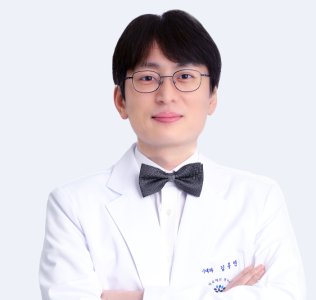
Kim Jong Yeon
البروفيسور كيم جونغ-يون هو طبيب أمراض الجهاز الهضمي في مستشفى ميونغجي. يعالج أمراض المريء والمعدة والقولون والكبد، بما في ذلك تليف الكبد والتهاب الكبد. ويجري عمليات التنظير العلاجي، مثل استئصال السلائل بالمنظار. كما يشغل منصب نائب مدير مركز الرعاية الصحية الدولية.
وهو عضو في مركز فشل الكبد، ويعمل مع فرق متخصصة في أمراض الكبد وسرطان الكبد وزراعة الأعضاء لتقديم رعاية منسقة لأمراض الكبد المتقدمة ولمرشحي زراعة الكبد.
حاصل على درجة دكتور في الطب من كلية الطب بجامعة جيونبوك الوطنية. أ
Cheon Wonseok
الدكتور تشون وونسوك رئيس قسم أمراض الجهاز الهضمي في مستشفى نا-أون. يعالج اضطرابات الجهاز الهضمي، ويُجري تنظير الجهاز الهضمي العلوي وتنظير القولون واستئصال السلائل والاستئصال تحت المخاطية بالتنظير (ESD). يعالج سرطاني المعدة والمريء وعدوى الملوية البوابية. كما يعالج أمراض الكبد وأمراض الأمعاء الالتهابية، بما في ذلك داء كرون والتهاب القولون التقرّحي. ويوفّر تنظير الأمعاء الدقيقة بالكبسولة.
الاعتمادات: اختصاصي حاصل على شهادة البورد في التنظير الهضمي. عضو مدى الحياة في الجمعية الكورية لتنظي
Kim Taegyun
الدكتور كيم تاي غيون اختصاصي أمراض الجهاز الهضمي. يركّز على أمراض وأورام البنكرياس والقنوات الصفراوية، بما في ذلك التهاب البنكرياس، وأكياس البنكرياس وسرطانه، والتهاب المرارة، وحصوات المرارة (الحصاة الصفراوية)، وسرطان القنوات الصفراوية. كما يجري تنظيراً هضمياً متقدّماً، بما في ذلك التنظير الراجع للقنوات الصفراوية والبنكرياس (ERCP). ويعالج أورام الجهاز الهضمي، والزوائد اللحمية في المعدة والقولون، وسرطان المعدة، والأورام تحت المخاطية (SMT).
التعليم والتدريب: دكتور في الطب (MD)، كلية الطب
Pak Seongjin
الدكتور باك سونغ جين اختصاصي أمراض الجهاز الهضمي. يركّز على التنظير والإجراءات المتقدمة مثل تنظير المعدة، وتنظير القولون، واستئصال السلائل، والاستئصال تحت المخاطي بالتنظير (ESD). كما يعالج أمراض الجهاز الهضمي والكبد، بما في ذلك تليّف الكبد، والتهاب البنكرياس، والتهاب الكبد، وعدوى الملوية البوابية.
حصل على درجة دكتور في الطب (MD) والماجستير في الطب الباطني من جامعة تشونغ-أنغ. وأتمّ إقامة الطب الباطني وزمالة أمراض الجهاز الهضمي في مستشفى جامعة تشونغ-أنغ.
يعمل أستاذًا سريريًا في كل
مشاركة المحتوى
قصص فيديو من مرضى Bookimed
 Anna Leonova
أسئلة متكررة حول علاج قرحة المعدة في كوريا الجنوبية
ما هي طرق العلاج الأساسية لقرحة المعدة في كوريا؟
يعطي علاج قرحة المعدة في كوريا الأولوية للاستئصال الدوائي لجرثومة الملوية البوابية (Helicobacter pylori) والعلاج الداخلي المتقدم. تستخدم العيادات الكورية أنظمة مضادات حيوية مخصصة بناءً على اختبارات مقاومة PCR. يحقق هذا النهج الدقيق معدلات شفاء تصل إلى 90%. يستخدم المتخصصون حاصرات الحمض التنافسية للبوتاسيوم (P-CABs) وعوامل حماية الغشاء المخاطي مثل ريباميبيد لتسريع الشفاء.
- علاج الاستئصال: العلاج الثلاثي لمدة 14 يومًا أو العلاج المصاحب لمدة 10 أيام يقضي على جرثومة الملوية البوابية.
- التشخيص الدقيق: تكتشف الاختبارات القائمة على PCR مقاومة المضادات الحيوية قبل بدء العلاج.
- الأدوية المتقدمة: توفر حاصرات P-CAB من الجيل التالي تثبيطًا أسرع للحمض مقارنة بمثبطات مضخة البروتون (PPIs) القياسية.
- التدخل بالمنظار: يقوم المتخصصون بإجراء استئصال الغشاء المخاطي بالمنظار (ESD) لإدارة الآفات المعقدة.
رؤية خبراء Bookimed: تجمع مراكز أمراض الجهاز الهضمي الكورية مثل مستشفى سيفيرانس بين التشخيص عالي التقنية وواقيات الغشاء المخاطي المتخصصة. تظهر البيانات أن الممارسين غالبًا ما يصفون ريباميبيد أو إيكابيت الصوديوم جنبًا إلى جنب مع حاصرات الحمض القياسية. يهدف هذا البروتوكول الفريد مزدوج المفعول إلى إصلاح الأنسجة بشكل أسرع. وهذا يساعد في تفسير سبب حفاظ المنطقة على معدلات نجاح عالية جدًا في شفاء آفات المعدة.
إجماع المرضى: يشير المرضى إلى أن تنظير المعدة غالبًا ما يتم في نفس اليوم مع التخدير. ويؤكدون على اتباع تغييرات غذائية صارمة لتجنب التكرار،
هل يغطي التأمين الصحي الوطني الكوري علاج جرثومة المعدة (H. pylori) للزوار؟
لا يغطي التأمين الصحي الوطني الكوري علاج جرثومة المعدة (H. pylori) للزوار لفترات قصيرة والسياح. تتطلب أهلية التغطية فترة إقامة لا تقل عن 6 أشهر. يجب على الزوار دفع التكاليف الكاملة من جيبهم الخاص مقابل الاختبارات التشخيصية وأدوية الاستئصال في المرافق الطبية الكورية.
- أهلية التأمين: يتطلب التسجيل الإلزامي 6 أشهر من الإقامة المستمرة في كوريا.
- حالة تأشيرة السياحة: يظل حاملو تأشيرات الفئة B أو C غير مؤهلين للحصول على مزايا التأمين الصحي الوطني (NHI).
- معايير الاسترداد: حتى المقيمون لا يحصلون على تغطية إلا لحالات محددة مثل القرحة الهضمية.
- الوصول إلى العلاج: توفر المراكز الدولية في مستشفيات مثل مستشفى سيفيرانس خدمات باللغة الإنجليزية.
رؤية خبير Bookimed: على الرغم من وجود باقات تشخيصية عامة، توفر المستشفيات الجامعية مثل مستشفى سيفيرانس خبرة عالية المستوى، حيث تخدم 1.6 مليون مريض خارجي سنويًا. يضمن هذا الحجم أسعارًا موحدة وبروتوكولات تشخيصية فعالة للزوار الدوليين. يدير أطباء متخصصون مثل الدكتور تشيون وون سيوك في مستشفى نا-أون الحالات المعقدة باستخدام التنظير الداخلي المتقدم لاستئصال الغشاء المخاطي عند الضرورة.
إجماع المرضى: يشير المرضى إلى أن الزوار لفترات قصيرة يجب أن يخصصوا ميزانية تتراوح بين 300 إلى 500 دولار لدورة الاختبارات والأدوية الكاملة. تُظهر التجربة العملية أن دفع سعر السائح غير المؤمن عليه هو المعيار لأولئك الذين يقيمون لفترات قصيرة.
ما هي المستشفيات الكورية التي يفضلها المرضى الدوليون لعلاج قرحة المعدة؟
يفضل المرضى الدوليون المرافق المعتمدة من قبل اللجنة الدولية المشتركة (JCI) مثل مستشفى سيفيرانس ومركز آسان الطبي لأمراض الجهاز الهضمي. تقدم هذه المراكز تقنيات متقدمة في استئصال الغشاء المخاطي بالمنظار والجراحة الروبوتية. تتخصص الفرق متعددة التخصصات في مركز سامسونج الطبي في اضطرابات الجهاز الهضمي المعقدة وإدارة بكتيريا الملوية البوابية (Helicobacter pylori). توفر مراكز الرعاية الصحية الدولية المخصصة منسقين يتحدثون الإنجليزية وخدمات الترجمة الطبية.
- سعة المستشفى: يعالج مستشفى سيفيرانس 1.6 مليون مريض خارجي سنوياً برعاية معتمدة من JCI.
- التشخيص المتقدم: تستخدم مراكز سيول التنظير عالي الدقة لتحديد مراحل قرحة المعدة بدقة.
- الخبرة المتخصصة: يركز الدكتور تشيون وون سيوك في مستشفى نا-أيون على استئصال الغشاء المخاطي بالمنظار.
- دعم اللغة: توفر المراكز الدولية دعماً متعدد اللغات بالإنجليزية والروسية والعربية.
رؤية خبير Bookimed: بينما تجذب مستشفيات سيول الكبرى أكبر عدد من المرضى، يوفر مستشفى نا-أيون في إنتشون ميزة استراتيجية. فهو حاصل على اعتماد KOIHA ويقوده طبيب متخصص في التنظير. قربه من المطار الدولي يجعله مثالياً للمسافرين لأغراض طبية الذين يبحثون عن رعاية متخصصة في الجهاز الهضمي دون ازدحام وسط سيول.
إجماع المرضى: يشير المرضى إلى أن المستشفيات الجامعية الكبرى تقدم خدمات ترجمة سلسة للتنظير. كما يؤكدون أنه على الرغم من أن التكنولوجيا الكورية ممتازة، إلا أن الحالات غير العاجلة قد تواجه فترات انتظار أطول.
ما هي الإرشادات الغذائية التي يوصي بها الأطباء الكوريون أثناء التعافي من قرحة المعدة؟
يوصي الأطباء الكوريون بنظام غذائي صارم غير مهيج وخفيف يركز على عصيدة الأرز (juk) والبروتينات المطهوة على البخار. يؤكد البروتوكول على تناول وجبات صغيرة ومتكررة من 5 إلى 6 مرات يوميًا. يجب على المرضى تجنب الصوديوم والتوابل لحماية الغشاء المخاطي للمعدة ودعم إصلاح الأنسجة أثناء الشفاء.
- كثافة المغذيات: تعطي أنظمة التعافي الغذائية الأولوية لتناول كميات عالية من البروتين تصل إلى 1.5 جرام لكل كيلوجرام من وزن الجسم.
- تكرار الوجبات: تناول 5 إلى 6 وجبات صغيرة يوميًا يقلل من ضغط المعدة وإنتاج الحمض.
- العناصر المقيدة: يجب على المرضى تجنب اليخنات الحارة والقهوة والكحول والمشروبات الغازية تمامًا.
- حماية الغشاء المخاطي: يفضل تناول الأطعمة الدافئة والرطبة مثل التوفو والسمك المطهو على البخار بدلاً من الخضروات النيئة.
رؤية خبير Bookimed: على الرغم من أهميتها الثقافية، يحظر الأطباء في المراكز الكبرى مثل مستشفى سيفيرانس الكيمتشي التقليدي بشكل صريح لمدة 4 إلى 6 أسابيع. تشير البيانات إلى أن النسخ المملحة القياسية تهيج القرحة. غالبًا ما يوصي الأطباء ببديل بروبيوتيك سريري غير متبل فقط بمجرد أن يظهر فوهة الغشاء المخاطي شفاءً كبيرًا في التنظير الداخلي.
إجماع المرضى: يشير المرضى إلى أن الشعور بالتحسن لا يكفي لاستئناف نظام غذائي طبيعي. يؤكد الكثيرون على أهمية الالتزام بعصيدة الأرز الدافئة حتى يؤكد تنظير المتابعة أن القرحة قد التأمت تمامًا.
ما هو الجدول الزمني النموذجي للتعافي والمتابعة للسياح الطبيين بعد علاج قرحة المعدة في كوريا؟
يتضمن التعافي بعد علاج قرحة المعدة في كوريا عادةً إقامة محلية تتراوح من 7 إلى 14 يومًا. يخضع السياح الطبيون لاستقرار أولي ومراقبة غذائية قبل السفر. تشمل المتابعة إجراء تنظير داخلي متكرر بعد 6 إلى 12 أسبوعًا لتأكيد الشفاء واستبعاد وجود أي أورام خبيثة.
- الإقامة في المستشفى: تستمر الرعاية الداخلية من 2 إلى 3 أيام لبروتوكولات العلاج الدوائي.
- التعافي الجراحي: تتطلب الإصلاحات المعقدة للقرحة المثقوبة من 9 إلى 10 أيام في المستشفى.
- التدرج الغذائي: ينتقل المرضى من السوائل إلى الأطعمة اللينة في غضون 48 ساعة بعد الإجراء.
- الفحص الإلزامي: يلزم إجراء تنظير داخلي متكرر بعد 6 إلى 8 أسابيع من العلاج الأولي.
رؤية خبير Bookimed: بينما يتوقع الكثيرون الخروج الفوري، تعطي المرافق الكورية رفيعة المستوى مثل مستشفى سيفيرانس الأولوية لبيانات التشخيص الشاملة. تخدم هذه المراكز أكثر من 1.6 مليون مريض خارجي سنويًا وتستخدم سجلات صحية إلكترونية متقدمة لمشاركة السجلات. يسمح هذا التكامل الرقمي للمرضى الدوليين بنقل رعايتهم إلى أطبائهم في بلدانهم مع صور تنظيرية وتقارير خزعة دقيقة.
إجماع المرضى: يؤكد المرضى على البقاء في كوريا لمدة أسبوع واحد على الأقل لتجنب مضاعفات السفر. كما يذكرون أن تناول البروبيوتيك يساعد في إدارة الانتفاخ خلال المرحلة المكثفة من التعافي بالمضادات الحيوية.
ما هي المضاعفات أو علامات التحذير التي يجب على السياح الطبيين مراقبتها بعد علاج قرحة المعدة؟
يجب على المرضى مراقبة آلام البطن الحادة، أو الحمى الشديدة، أو البراز الأسود الذي يشبه القطران بعد علاج قرحة المعدة. قد تشير هذه العلامات إلى حدوث ثقب أو نزيف داخلي يهدد الحياة. يعد التقييم الطبي الفوري ضروريًا لإدارة مضاعفات مثل متلازمة الإغراق، أو انسداد مخرج المعدة، أو الالتهابات الجهازية بفعالية.
- النزيف الداخلي: راقب القيء الذي يشبه تفل القهوة أو البراز الأسود.
- ثقب المعدة: الألم المفاجئ والشديد في أعلى المعدة يتطلب رعاية فورية.
- متلازمة الإغراق: غالبًا ما يحدث التعرق والإسهال بعد 30 دقيقة من تناول الطعام.
- صحة الأوعية الدموية: قد تتطور جلطات الدم بسبب السفر الطويل بعد الجراحة.
رؤية خبير Bookimed: تضم كوريا الجنوبية مرافق نخبوية مثل مستشفى سيفيرانس، الذي يخدم 1.6 مليون مريض خارجي سنويًا. العديد من أطباء الجهاز الهضمي الكوريين، مثل الدكتور جين يونغ كيم، حاصلون على مؤهلات من مؤسسات مثل جونز هوبكنز. هذه الخبرة المتخصصة ضرورية لأن القرح المعقدة غالبًا ما تتطلب تقنيات تنظيرية متقدمة مثل ESD. يجب على المرضى تأكيد حالة الإصابة بجرثومة المعدة (H. pylori) قبل المغادرة لضمان القضاء على السبب الرئيسي تمامًا.
إجماع المرضى: يلاحظ المرضى أن الآثار الجانبية للمضادات الحيوية مثل الطعم المعدني شائعة أثناء العلاج. يؤكد الكثيرون على استخدام البروبيوتيك لتجنب الإسهال الشديد وتعلم عبارات كورية لألم المعدة لسد فجوات التواصل أثناء حالات الطوارئ.
كيف يقوم الأخصائيون الكوريون باختبار جرثومة المعدة (H. pylori) قبل بدء علاج الاستئصال؟
يستخدم الأخصائيون الكوريون خزعات تعتمد على التنظير واختبارات غير جراحية للكشف عن جرثومة المعدة. تشمل أدوات التشخيص القياسية اختبار اليورياز السريع للحصول على نتائج فورية وعلم الأنسجة للتعرف المباشر. تُستخدم الاختبارات الجزيئية المتقدمة عبر تفاعل البوليميراز المتسلسل (PCR) لتحديد مقاومة المضادات الحيوية قبل بدء علاج استئصال مخصص.
- اختبار اليورياز السريع: يوفر نتائج سريعة أثناء التنظير من خلال تغيير اللون الحساس لدرجة الحموضة.
- علم الأنسجة: يحدد الفحص المجهري المباشر البكتيريا ويقيم التهاب أنسجة المعدة.
- الاختبارات الجزيئية: تستخدم تقنية DPO-PCR للكشف عن الطفرات الجينية التي تسبب مقاومة للكلاريثروميسين.
- اختبار التنفس باليوريا: طريقة غير جراحية عالية الدقة تُستخدم غالبًا للتأكيد بعد العلاج.
رؤية خبير Bookimed: يضع دمج الاختبارات الجزيئية DPO-PCR في المراكز الكورية معيارًا إقليميًا للدقة. بينما تستخدم العديد من الدول العلاج الثلاثي القياسي، يستفيد أخصائيون مثل الدكتورة يي جين لي من هذه الاختبارات لتجاوز السلالات المقاومة. يضمن هذا النهج القائم على البيانات معدل نجاح أعلى للاستئصال في الخط الأول في المرافق ذات الحجم الكبير مثل مستشفى سيفيرانس.
إجماع المرضى: يشير المرضى إلى أن التوقف عن تناول أدوية مثل حاصرات الحموضة لمدة أسبوعين أمر حيوي للحصول على نتائج واضحة. إنهم يقدرون مدى سرعة تقديم العيادات للنتائج، وغالبًا ما يحصلون عليها خلال نفس زيارة المستشفى.