علاج الاورام الحميدة في الجهاز الهضمي في كوريا الجنوبية: 10 مستشفيات


تمت مراجعة المقالة طبيا من قبل
فهد مولود
ما هي تكلفة الاورام الحميدة في الجهاز الهضمي إجراءات التشخيص والعلاج في كوريا الجنوبية؟ اعرف الآن
تتضمن تكلفة علاج سلائل الجهاز الهضمي في جمهورية كوريا عادةً إجراء تنظير تشخيصي للمعدة يتراوح سعره بين $150 و $210. وفي حين أن رموز الإجراءات المحددة لاستئصال السلائل غير مدرجة، فإن استشارة أخصائي أمراض الجهاز الهضمي تتراوح عادةً بين $55 و $75. تعتمد النفقات الإجمالية على مستوى المستشفى والتخدير المطلوب. وغالباً ما يوفر المرضى الدوليون ما بين 40-60% مقارنة بالتكاليف الطبية في الولايات المتحدة. وتعد سيول وإنشيون المركزين الرئيسيين لهذه الإجراءات.
تكاليف علاج سلائل الجهاز الهضمي النموذجية في جمهورية كوريا
- استشارة أخصائي أمراض الجهاز الهضمي: $55 – $75
- تنظير المعدة: $150 – $210
- تحليل دم موسع: من $200
- تخطيط كهربية القلب (ECG): من $30
رؤية خبراء Bookimed: يجب على المرضى الذين يبحثون عن خبرة سريرية عالية المستوى التفكير في مركز أسان الطبي (Asan Medical Center). فهو يجري أكثر من 65,000 عملية سنوياً باتباع نهج متعدد التخصصات. وبالنسبة لأولئك الذين يعطون الأولوية للتكنولوجيا المتقدمة، يستخدم مستشفى جامعة سيول الوطنية في بوندانغ (SNUBH) نظام BESTcare الرقمي للتشخيص الدقيق. أما بالنسبة لإجراءات التنظير المتخصصة، يوفر مستشفى نا-أون (Na-Eun Hospital) إمكانية الوصول إلى مدراء مثل تشيون وون سيوك، الذي يركز على عمليات الإزالة المعقدة مثل استئصال الغشاء المخاطي بالتنظير.
| كوريا الجنوبية | تركيا | إسبانيا | |
|---|---|---|---|
| ازالة الاورام الحميدة في المعدة | من $240 | من $450 | ≈ $1,300 |
مزاياك وضماناتك مع Bookimed
أسعار مباشرة
Bookimed لا يضيف رسوماً إضافية على أسعار علاج الاورام الحميدة في الجهاز الهضمي. الأسعار مأخوذة من قوائم الأسعار الرسمية للعيادات. تدفع مباشرة في العيادة مقابل علاجك عند وصولك إلى البلد.
عيادات وأطباء معتمدون فقط
Bookimed ملتزم بسلامتك. نحن نعمل فقط مع المؤسسات الطبية التي تحافظ على معايير دولية عالية في علاج الاورام الحميدة في الجهاز الهضمي ولديها التراخيص اللازمة لخدمة المرضى الدوليين في جميع أنحاء العالم.
مساعدة مجانية على مدار الساعة
Bookimed يقدم مساعدة خبراء مجانية. منسق طبي شخصي يدعمك قبل وأثناء وبعد العلاج، ويحل أي مشاكل. لن تكون وحيداً أبداً في رحلة علاج الاورام الحميدة في الجهاز الهضمي.

منسقك الطبي الشخصي في Bookimed
- يدعمك في كل مرحلة
- المساعدة في اختيار العيادة الطبية المناسبة والطبيب المناسب
- يضمن الوصول السريع والمريح إلى المعلومات
اكتشف أفضل الاورام الحميدة في الجهاز الهضمي العيادات في كوريا الجنوبية: 10 خيارات معتمدة والأسعار










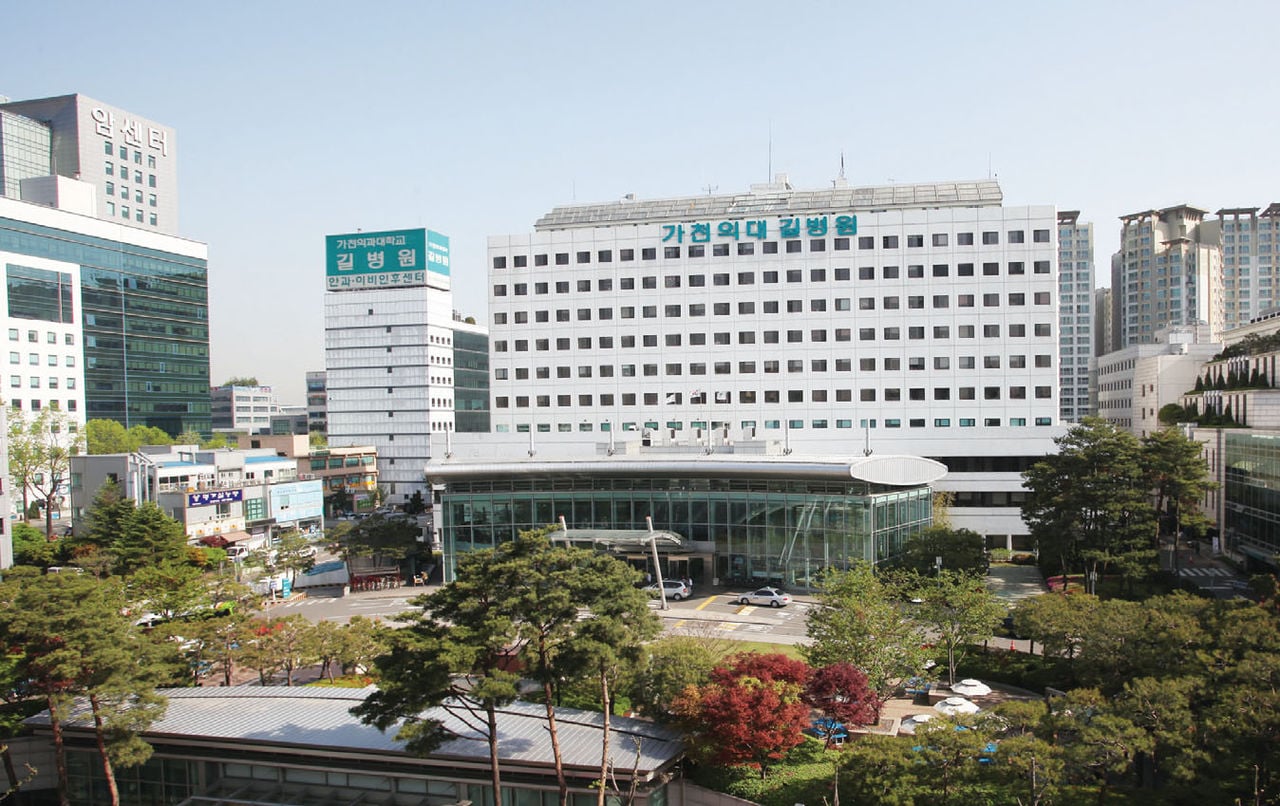




Bumin Hospital Seoul


احصلوا على تقييم طبي لـ الاورام الحميدة في الجهاز الهضمي في كوريا الجنوبية: استشيروا أطباء ذوي خبرة الآن
عرض جميع الأطباء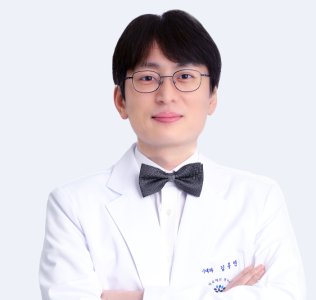
Kim Jong Yeon
البروفيسور كيم جونغ-يون هو طبيب أمراض الجهاز الهضمي في مستشفى ميونغجي. يعالج أمراض المريء والمعدة والقولون والكبد، بما في ذلك تليف الكبد والتهاب الكبد. ويجري عمليات التنظير العلاجي، مثل استئصال السلائل بالمنظار. كما يشغل منصب نائب مدير مركز الرعاية الصحية الدولية.
وهو عضو في مركز فشل الكبد، ويعمل مع فرق متخصصة في أمراض الكبد وسرطان الكبد وزراعة الأعضاء لتقديم رعاية منسقة لأمراض الكبد المتقدمة ولمرشحي زراعة الكبد.
حاصل على درجة دكتور في الطب من كلية الطب بجامعة جيونبوك الوطنية. أ
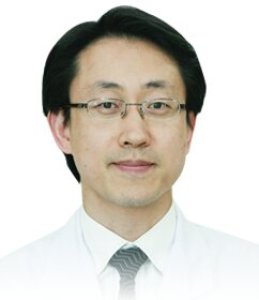
Cheon Wonseok
الدكتور تشون وونسوك رئيس قسم أمراض الجهاز الهضمي في مستشفى نا-أون. يعالج اضطرابات الجهاز الهضمي، ويُجري تنظير الجهاز الهضمي العلوي وتنظير القولون واستئصال السلائل والاستئصال تحت المخاطية بالتنظير (ESD). يعالج سرطاني المعدة والمريء وعدوى الملوية البوابية. كما يعالج أمراض الكبد وأمراض الأمعاء الالتهابية، بما في ذلك داء كرون والتهاب القولون التقرّحي. ويوفّر تنظير الأمعاء الدقيقة بالكبسولة.
الاعتمادات: اختصاصي حاصل على شهادة البورد في التنظير الهضمي. عضو مدى الحياة في الجمعية الكورية لتنظي
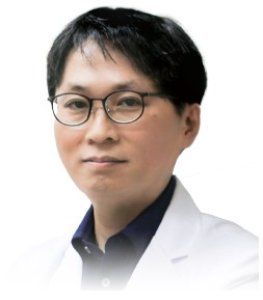
Kim Taegyun
الدكتور كيم تاي غيون اختصاصي أمراض الجهاز الهضمي. يركّز على أمراض وأورام البنكرياس والقنوات الصفراوية، بما في ذلك التهاب البنكرياس، وأكياس البنكرياس وسرطانه، والتهاب المرارة، وحصوات المرارة (الحصاة الصفراوية)، وسرطان القنوات الصفراوية. كما يجري تنظيراً هضمياً متقدّماً، بما في ذلك التنظير الراجع للقنوات الصفراوية والبنكرياس (ERCP). ويعالج أورام الجهاز الهضمي، والزوائد اللحمية في المعدة والقولون، وسرطان المعدة، والأورام تحت المخاطية (SMT).
التعليم والتدريب: دكتور في الطب (MD)، كلية الطب
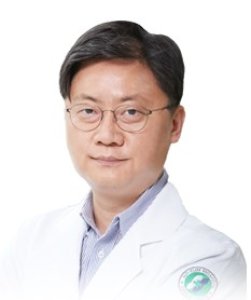
Pak Seongjin
الدكتور باك سونغ جين اختصاصي أمراض الجهاز الهضمي. يركّز على التنظير والإجراءات المتقدمة مثل تنظير المعدة، وتنظير القولون، واستئصال السلائل، والاستئصال تحت المخاطي بالتنظير (ESD). كما يعالج أمراض الجهاز الهضمي والكبد، بما في ذلك تليّف الكبد، والتهاب البنكرياس، والتهاب الكبد، وعدوى الملوية البوابية.
حصل على درجة دكتور في الطب (MD) والماجستير في الطب الباطني من جامعة تشونغ-أنغ. وأتمّ إقامة الطب الباطني وزمالة أمراض الجهاز الهضمي في مستشفى جامعة تشونغ-أنغ.
يعمل أستاذًا سريريًا في كل
مشاركة المحتوى
قصص فيديو من مرضى Bookimed
 Anna Leonova
أسئلة متكررة حول علاج الاورام الحميدة في الجهاز الهضمي في كوريا الجنوبية
كيف يتم علاج سلائل الجهاز الهضمي عادة في كوريا الجنوبية؟
يعالج الأطباء في كوريا الجنوبية سلائل الجهاز الهضمي باستخدام الاستئصال التنظيري طفيف التوغل أثناء فحوصات التشخيص. تشمل التقنيات القياسية استئصال السلائل بالحلقة الباردة للنموات الصغيرة، والاستئصال المخاطي التنظيري للآفات الأكبر حجمًا. تستخدم المراكز المتخصصة تشريح تحت المخاطية التنظيري للحالات المعقدة لضمان الإزالة الكاملة للأنسجة ما قبل السرطانية.
- السلائل الصغيرة: يستخدم المتخصصون الملقط البارد أو الحلقات للنموات التي يقل حجمها عن 9 مم.
- السلائل الكبيرة: يقوم الخبراء بإجراء استئصال مخاطي تنظيري للسلائل التي يتراوح حجمها بين 10 مم و 19 مم.
- الإزالة المتقدمة: يستخدم الجراحون تشريح تحت المخاطية التنظيري للآفات المسطحة أو المعقدة التي يزيد حجمها عن 26 مم.
- رعاية ما بعد الإجراء: يقوم أخصائيو علم الأمراض بتحليل جميع الأنسجة المستأصلة لتحديد جداول المتابعة.
رؤية خبير Bookimed: تحتل كوريا الجنوبية مرتبة عالمية عالية في رعاية الجهاز الهضمي بسبب أحجام الفحص الهائلة. تخدم المراكز الكبرى مثل مستشفى جامعة سيول الوطنية أكثر من 10,000 مريض يوميًا. تسمح هذه الكثافة لأطباء التنظير الكوريين بإتقان عمليات التشريح المعقدة التي قد تتطلب جراحة مفتوحة في أماكن أخرى. تتراوح باقات إزالة سلائل المعدة في سيول عادةً بين 2,800 دولار و 5,200 دولار.
إجماع المرضى: يلاحظ المرضى أن الأطباء غالبًا ما يزيلون السلائل فورًا أثناء الفحوصات الأولية بدلاً من الانتظار. ويؤكدون على أهمية التحقق من نتائج علم الأمراض بسرعة للتأكد مما إذا كان هناك حاجة إلى مزي
ما هي المتابعة الموصى بها بعد إزالة الزوائد اللحمية في كوريا الجنوبية؟
تتبع المتابعة في كوريا الجنوبية إرشادات الجمعية الكورية للتنظير الهضمي (KSGE) بناءً على علم الأمراض وحجم الزوائد اللحمية. يحتاج المرضى المعرضون لخطر كبير والذين لديهم زوائد لحمية أكبر من 10 مم أو أورام غدية متعددة إلى متابعة في غضون 3 سنوات. عادةً ما تعود الحالات منخفضة المخاطر بعد 5 سنوات لإجراء تنظير القولون أو المعدة مرة أخرى.
- النتائج عالية المخاطر: تتم المتابعة في غضون 3 سنوات للأورام الغدية ذات خلل التنسج عالي الدرجة أو المكونات الزغابية.
- النتائج منخفضة المخاطر: يتلقى المرضى الذين لديهم 1-2 من الأورام الغدية الأنبوبية الصغيرة عادةً توصية بالمتابعة لمدة 5 سنوات.
- الإزالة المجزأة: تتطلب الاستئصال المجزأ للزوائد اللحمية الكبيرة إجراء فحص بعد 6 أشهر لضمان السلامة.
- جودة الإجراء: يتم تقصير الفترات الفاصلة إذا كان تحضير الأمعاء ضعيفًا أو إذا كانت إزالة الزوائد اللحمية غير مكتملة محتملة.
رؤية خبير Bookimed: تعمل البنية التحتية الرقمية في مراكز مثل مستشفى جامعة سيول الوطنية في بوندانغ (SNUBH) على تقليل الأخطاء التشخيصية من خلال تتبع البيانات الآلي. في حين تشير الإرشادات إلى 3-5 سنوات، غالبًا ما يوصي المتخصصون الكوريون بجداول فحص أكثر استباقية قليلاً. تجري المراكز ذات الحجم الكبير مثل مركز أسان الطبي أكثر من 65,000 عملية سنويًا، مما يضمن دقة عالية في توقيت المتابعة القائم على علم الأمراض.
إجماع المرضى: يلاحظ المرضى أن العيادات الكورية الجنوبية استباقية للغاية بشأن جدولة المناظير المتكررة. يؤكد الكثيرون على أهمية حفظ تق
هل من الممكن اكتشاف ورم حميد (بوليب) وإزالته في نفس اليوم خلال زيارة واحدة؟
يمكن اكتشاف وإزالة الأورام الحميدة في الجهاز الهضمي خلال نفس الزيارة في جمهورية كوريا. يستخدم المتخصصون مناظير متخصصة ذات قنوات جراحية لإجراء استئصال فوري للورم. يلغي هذا النهج الحاجة إلى تخدير منفصل أو تحضيرات أو مواعيد مستشفى متعددة.
- تكامل الإجراء: يستخدم الأطباء حلقات أو ملقط عبر المنظار للإزالة الفورية.
- تقنيات متقدمة: تستخدم مرافق مثل مستشفى سيفيرانس (Severance Hospital) تقنية استئصال الغشاء المخاطي بالمنظار للأورام المعقدة.
- مستويات الخبرة: يتخصص أطباء الجهاز الهضمي المعتمدون مثل الدكتورة يي جين لي في تنظير الجهاز الهضمي.
- بروتوكولات السلامة: تعتمد الإزالة الفورية على موافقتك قبل الإجراء ومخاطر النزيف الحالية.
رؤية خبير Bookimed: تتعامل المستشفيات الرقمية الكورية مثل مستشفى جامعة سيول الوطنية في بوندانغ مع أكثر من 30,000 عملية سنويًا. تعني أنظمة السجلات الصحية الإلكترونية المتكاملة لديهم أن نتائج التشخيص والتاريخ الجراحي يمكن الوصول إليها على الفور. تسمح هذه البنية التحتية للجراحين باتخاذ قرار الإزالة في نفس اليوم بيقين سريري أعلى من الأنظمة اليدوية.
إجماع المرضى: يشير المرضى إلى أنه من الضروري التأكد من أن نموذج الموافقة الخاص بك يغطي الإزالة مسبقًا. ويقترحون سؤال العيادة تحديدًا عما إذا كان بإمكانهم إزالة الأورام الحميدة الصغيرة أثناء الفحص الأولي.
هل التخدير الواعي متاح وفعال لإجراءات إزالة الزوائد اللحمية في كوريا الجنوبية؟
يعد التخدير الواعي معياراً وفعالاً للغاية لإزالة الزوائد اللحمية في كوريا الجنوبية. يُعرف محلياً باسم تنظير النوم، ويُستخدم في أكثر من 93% من الحالات. يستخدم المتخصصون البروبوفول أو الميدازولام لضمان راحة المريض. تسمح هذه الطريقة للأطباء بإجراء عمليات إزالة دقيقة في نفس اليوم فور اكتشافها.
- البروتوكولات المتاحة: تستخدم العيادات التخدير القائم على البروبوفول أو الميدازولام لضمان إجراءات غير مؤلمة.
- السلامة السريرية: تفرض الجمعية الكورية للتنظير الهضمي مراقبة صارمة للأكسجين وضغط الدم.
- دقة الكشف: يحافظ التخدير على ثبات المرضى، مما يزيد بشكل كبير من نجاح الكشف عن الزوائد اللحمية وإزالتها.
- العلاج في نفس اليوم: يقوم الأطباء بعمليات الإزالة أثناء الفحص الأولي لتجنب المواعيد المتعددة.
رؤية خبير Bookimed: تتخصص كوريا الجنوبية في التشخيص الرقمي عالي الحجم. يخدم مستشفى سيفيرانس ومستشفى جامعة سيول الوطنية ملايين المرضى سنوياً. هذا النطاق الهائل يعني أن بروتوكولات التخدير متطورة بشكل استثنائي. تُظهر بيانات Bookimed أن المراكز الرائدة مثل مركز أسان الطبي تجري أكثر من 65,000 عملية سنوياً. يضمن هذا الحجم الكبير أن الفرق الطبية هي خبراء في إدارة التخدير للإجراءات المعقدة مثل استئصال الغشاء المخاطي بالتنظير.
إجماع المرضى: يشير المرضى إلى أن التخدير يجعل الإزالة تبدو كحدث روتيني بدلاً من جراحة. وغالباً ما يحذرون من أنه على الرغم من أن الإجراء مريح، إلا أن التحضير هو الجزء الأكثر تطلباً.
كم من الوقت يجب أن أنتظر قبل السفر جواً بعد إزالة الزوائد اللحمية (البوليبات)؟
يمكن للمرضى عادةً السفر جواً بعد أربع وعشرين إلى ثمان وأربعين ساعة من إزالة الزوائد اللحمية الصغيرة. تتطلب الزوائد الأكبر حجماً التي تزيد عن عشرة مليمترات فترة انتظار تتراوح من سبعة إلى أربعة عشر يوماً. يسمح هذا التأخير لموقع الجراحة بالالتئام. كما أنه يقلل من المخاطر الناتجة عن ضغط المقصورة والنزيف الداخلي المتأخر.
- الزوائد الصغيرة: السفر آمن عادةً في غضون 24 إلى 48 ساعة بعد الإجراءات البسيطة.
- الزوائد الكبيرة: انتظر من 7 إلى 14 يوماً إذا كانت الزائدة تتجاوز 10 مليمترات.
- النزيف الداخلي: تصل المخاطر إلى ذروتها بعد 5 إلى 7 أيام من الإجراء خلال مرحلة الشفاء.
- تمدد الغازات: تتمدد غازات الأمعاء بنسبة 30% عند ارتفاع الطيران، مما يسبب ضغطاً شديداً في البطن.
رؤية خبراء Bookimed: تستخدم المراكز الكورية الجنوبية مثل مركز أسان الطبي أنظمة رقمية متقدمة لمراقبة التعافي. غالباً ما يقوم متخصصون مثل الدكتور تشيون وون سيوك بإجراء استئصال الغشاء المخاطي بالمنظار للحالات المعقدة. قد تتطلب هذه التقنيات الدقيقة فترات مراقبة أطول من الفحوصات القياسية قبل السفر جواً بأمان.
إجماع المرضى: يشير المرضى إلى أن تأثير التخدير المتبقي يبدو أكثر تقييداً من الإجراء نفسه. يوصي الكثيرون بالراحة لمدة يومين على الأقل للتعامل مع الانتفاخ والتعب بعد الإجراء.
ما هي المستشفيات الأكثر خبرة في رعاية سلائل الجهاز الهضمي المعقدة؟
تتفوق المستشفيات الجامعية الرائدة في كوريا الجنوبية في إزالة سلائل الجهاز الهضمي المعقدة أو الكبيرة أو المسطحة دون الحاجة إلى جراحة كبرى. تستخدم هذه المراكز تقنيات استئصال الغشاء المخاطي بالتنظير (EMR) وتشريح تحت المخاطية بالتنظير (ESD). تشمل المؤسسات الرئيسية مركز أسان الطبي (Asan Medical Center)، ومستشفى سيفيرانس (Severance Hospital)، ومستشفى جامعة سيول الوطنية (Seoul National University Hospital) في سيول.
- مركز أسان الطبي: أكثر من 65,000 عملية سنوياً مع نجاح كبير في حالات الأورام المعقدة والجهاز الهضمي.
- مستشفى سيفيرانس: منشأة معتمدة من اللجنة الدولية المشتركة (JCI) تعالج أكثر من 1.6 مليون مريض خارجي سنوياً باستخدام وحدات تنظير متقدمة.
- مستشفى جامعة سيول الوطنية في بوندانغ: أول مستشفى رقمي في كوريا، يستخدم أنظمة لتقليل الأخطاء الطبية أثناء الإجراءات.
- تقنيات متخصصة: توفر تقنية تشريح تحت المخاطية بالتنظير (ESD) المتقدمة لإزالة السلائل الكبيرة والصعبة.
رؤية خبير Bookimed: بينما تقوم العديد من المراكز المحلية بإجراء فحوصات روتينية، تتطلب الحالات المعقدة مستشفيات من المستوى الثالث ذات حجم عمل كبير مثل مركز أسان الطبي أو مستشفى جامعة سيول الوطنية. تدير هذه المرافق أكثر من 10,000 مريض يومياً. يضمن هذا الحجم الهائل أن يحافظ الجراحون مثل الدكتور تشيون وون سيوك أو الدكتورة مين جونغ بارك على الدقة التقنية العالية اللازمة للإزالات الصعبة. اختيار مستشفى رقمي مثل مستشفى بوندانغ يقلل المخاطر بشكل أكبر من خلال فحوصات السلامة الآلية أثناء التخدير والتعا