العودة إلى الصفحة الرئيسية
820К+ مريضًا حصلوا على المساعدة منذ عام 2014
50 دول
1,500 عيادات
6K+ تقييمات
3K+ طبيب مؤهل

ما هي تكلفة التهاب الكبد المزمن ب إجراءات التشخيص والعلاج في كوريا الجنوبية؟ اعرف الآن

السعر يقدم بعد الطلب

مزاياك وضماناتك مع Bookimed

أسعار مباشرة

Bookimed لا يضيف رسوماً إضافية على أسعار علاج التهاب الكبد المزمن ب. الأسعار مأخوذة من قوائم الأسعار الرسمية للعيادات. تدفع مباشرة في العيادة مقابل علاجك عند وصولك إلى البلد.

عيادات وأطباء معتمدون فقط

Bookimed ملتزم بسلامتك. نحن نعمل فقط مع المؤسسات الطبية التي تحافظ على معايير دولية عالية في علاج التهاب الكبد المزمن ب ولديها التراخيص اللازمة لخدمة المرضى الدوليين في جميع أنحاء العالم.

مساعدة مجانية على مدار الساعة

Bookimed يقدم مساعدة خبراء مجانية. منسق طبي شخصي يدعمك قبل وأثناء وبعد العلاج، ويحل أي مشاكل. لن تكون وحيداً أبداً في رحلة علاج التهاب الكبد المزمن ب.

لماذا نحن؟

منسقك الطبي الشخصي في Bookimed

  • يدعمك في كل مرحلة
  • المساعدة في اختيار العيادة الطبية المناسبة والطبيب المناسب
  • يضمن الوصول السريع والمريح إلى المعلومات

اكتشف أفضل التهاب الكبد المزمن ب العيادات في كوريا الجنوبية: 1 خيار معتمدة والأسعار
تم تصنيف العيادات بواسطة نظام Bookimed الذكي، باستخدام تحليل علوم البيانات عبر 5 معايير رئيسية.

احصلوا على تقييم طبي لـ التهاب الكبد المزمن ب في كوريا الجنوبية: استشيروا أطباء ذوي خبرة الآن

عرض جميع الأطباء
يؤكد

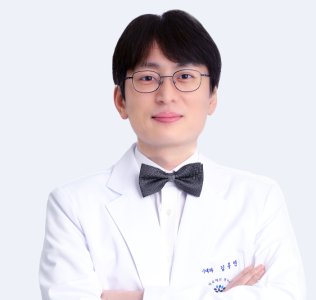
Song Hwayeong

21سنة خبره ١٦ سنة • تم تنفيذ 88351+ علاجات

الدكتور سونغ هوايونغ اختصاصي أمراض الجهاز الهضمي. تشمل مجالات تركيزه سرطانات الجهاز الهضمي (المعدة والمريء) والتنظير المتقدم (تنظير المعدة، وتنظير القولون، والاستئصال تحت المخاطية بالمنظار (ESD)، واستئصال السلائل). كما يعالج الدكتور سونغ أمراض الجهاز الهضمي والكبد، بما في ذلك الارتجاع المعدي المريئي، والتهاب المعدة، والتهاب الكبد، وعدوى الملوية البوابية (H. pylori)، وأمراض الكبد.

أتمّ الدكتور سونغ زمالة في أمراض الجهاز الهضمي في مستشفى إيلسان بايك التابع لجامعة إنجي. وشغل منصب أستاذ سريري في كليات الطب بجامعات إنجي وغاتشون وإنها. والدكتور سونغ مدير مركز أمراض الجهاز الهضمي في مستشفى نايون.

الاعتمادات: عضو عامل في الجمعية الكورية للطب الباطني، والجمعية الكورية لتنظير الجهاز الهضمي، والجمعية الكورية لأمراض الجهاز الهضمي. عضو لجنة مكافحة المنشطات في رابطة WKBL.

أبحاث مختارة: سرطانة الخلايا الكبدية مجهولة السبب؛ التشمّع الصفراوي الأولي مع متلازمات التداخل؛ علاج التهاب الكبد B المزمن المقاوم لدواء لاميفودين؛ وكليفودين في تشمّع الكبد المرتبط بفيروس التهاب الكبد B (HBV).

يؤكد

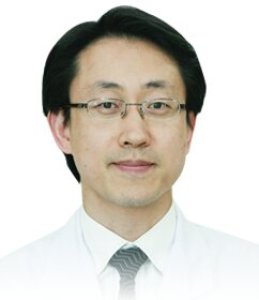
Pak Seongjin

21سنة خبره ١٦ سنة

الدكتور باك سونغ جين اختصاصي أمراض الجهاز الهضمي. يركّز على التنظير والإجراءات المتقدمة مثل تنظير المعدة، وتنظير القولون، واستئصال السلائل، والاستئصال تحت المخاطي بالتنظير (ESD). كما يعالج أمراض الجهاز الهضمي والكبد، بما في ذلك تليّف الكبد، والتهاب البنكرياس، والتهاب الكبد، وعدوى الملوية البوابية.

حصل على درجة دكتور في الطب (MD) والماجستير في الطب الباطني من جامعة تشونغ-أنغ. وأتمّ إقامة الطب الباطني وزمالة أمراض الجهاز الهضمي في مستشفى جامعة تشونغ-أنغ.

يعمل أستاذًا سريريًا في كلية الطب بجامعة غاتشون وكلية الطب بجامعة إينها. وهو عضو عامل في الجمعية الكورية للطب الباطني، والجمعية الكورية لتنظير الجهاز الهضمي، والجمعية الكورية لأمراض الجهاز الهضمي، والجمعية الكورية لأمراض البنكرياس والقنوات الصفراوية.

يؤكد

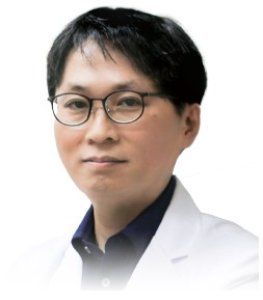
Kim Taegyun

24سنة خبره ١٦ سنة

الدكتور كيم تاي غيون اختصاصي أمراض الجهاز الهضمي. يركّز على أمراض وأورام البنكرياس والقنوات الصفراوية، بما في ذلك التهاب البنكرياس، وأكياس البنكرياس وسرطانه، والتهاب المرارة، وحصوات المرارة (الحصاة الصفراوية)، وسرطان القنوات الصفراوية. كما يجري تنظيراً هضمياً متقدّماً، بما في ذلك التنظير الراجع للقنوات الصفراوية والبنكرياس (ERCP). ويعالج أورام الجهاز الهضمي، والزوائد اللحمية في المعدة والقولون، وسرطان المعدة، والأورام تحت المخاطية (SMT).

التعليم والتدريب: دكتور في الطب (MD)، كلية الطب بجامعة جونبوك الوطنية. ماجستير في الطب، جامعة أولسان. برنامج الامتياز، مستشفى جامعة جونبوك الوطنية. إقامة في الأمراض الباطنية، المركز الطبي لخدمة قدامى المحاربين. زمالات في أمراض الجهاز الهضمي، مستشفى هايونديه بايك التابع لجامعة إنجي ومركز أسان الطبي.

المسيرة المهنية: طبيب استشاري واختصاصي في مستشفى قدامى المحاربين في غوانغجو والمركز الطبي لخدمة قدامى المحاربين.

مشاركة المحتوى

Twitter XLinkedinFacebookWhatsAppEmail
أحصل على الرابط

قصص فيديو من مرضى Bookimed

Dayana
جمعت بين إجازتي في أنطاليا والفحص الطبي.
إجراء: فحص صحة الإناث (انظر فحص النساء)
Igor
كان رائعاً! التنقلات والإقامة والعلاج - كل شيء مشمول.
إجراء: زرع الأسنان
مستشفى: WestDent Clinic
Marina
قام Bookimed بكل شيء من أجلي. لم أضطر للقلق بشأن أي شيء.
إجراء: فحص صحة الإناث (انظر فحص النساء)
مستشفى: Severance Hospital
محدث: 06/30/2026
تأليف
Anna Leonova
Anna Leonova
رئيس فريق تسويق المحتوى
محررة طبية معتمدة لديها خبرة تزيد عن 10 سنوات، طوّرت محتوى Bookimed الموثوق، مدعومة بماجستير في علم اللغة ومقابلات مع خبراء طبيين من جميع أنحاء العالم.
تمت المراجعة من قبل المستشار الطبي في Bookimed
فهد مولود
محرر طبي وعالم بيانات
طبيب عام. حاصل على 4 جوائز علمية. خدم في غرب آسيا. رئيس الفريق الطبي الناطق بالعربية سابقا ومسؤول عن معالجة البيانات ودقة المحتوى الطبي حاليا.
فهد مولود Linkedin
قد تحتوي هذه الصفحة على معلومات تتعلق بمختلف الحالات الطبية والعلاجات وخدمات الرعاية الصحية المتوفرة في بلدان مختلفة. يرجى العلم أن المحتوى مقدم لأغراض إعلامية فقط ولا ينبغي تفسيره على أنه نصيحة أو إرشادات طبية. يرجى استشارة طبيبك أو أخصائي طبي مؤهل قبل البدء أو تغيير العلاج الطبي.

أسئلة متكررة حول علاج التهاب الكبد المزمن ب في كوريا الجنوبية

هذه الأسئلة الشائعة مأخوذة من مرضى حقيقيين يبحثون عن رعاية طبية عبر Bookimed. يتم تقديم الإجابات من قبل منسقين طبيين ذوي خبرة وممثلين موثوقين من العيادات.

What are the primary treatments for chronic hepatitis B in South Korea?

Primary treatments for chronic hepatitis B in South Korea involve long-term antiviral suppression using potent oral agents. Specialists at institutions like Naeun Hospital prescribe Tenofovir and Entecavir as first-line therapies. These medicines effectively lower viral loads to prevent liver cirrhosis and liver cancer.

  • Potent antivirals: Tenofovir and Entecavir maintain high genetic barriers against viral resistance.
  • Besifovir therapy: Specialist centres offer Besifovir, a newer antiviral agent approved in Korea.
  • Clinical monitoring: Management includes blood tests and abdominal ultrasounds at least twice yearly.
  • Regenerative medicine: KOIHA-accredited clinics provide regenerative treatments, including gene and tissue therapies.

Bookimed Expert Insight: Clinical volume at Korean centres is a key quality indicator. Gastroenterologists like Dr Song Hwayeong at Naeun Hospital have performed over 88,000 procedures. This vast experience helps specialists accurately decide between active antiviral therapy or simple monitoring. Standard packages focus on daily pills. However, Korean hospitals often lead in regenerative medicine research. They offer options for complex liver cases.

Patient Consensus: Patients note that standard care in South Korea involves indefinite daily antivirals. This treatment keeps viral loads low. They emphasise that regular monitoring is just as vital as the medication itself. This monitoring includes blood tests and ultrasounds.

How long do I need to take medication for chronic hepatitis B treatment in South Korea?

Chronic hepatitis B treatment in South Korea typically requires lifelong medication to manage the virus. Most patients use daily oral antivirals indefinitely to prevent liver damage. Doctors may only consider stopping treatment if specific markers remain stable for at least 2 years. One example is HBeAg seroconversion.

  • Maintenance therapy: Antivirals like Entecavir or Tenofovir generally require long-term, daily use.
  • Stopping criteria: Medication cessation requires undetectable viral levels for several years under supervision.
  • Monitoring frequency: Specialists perform liver scans and blood tests every 6 months indefinitely.
  • Specialist expertise: Experts like Dr Song Hwayeong have managed thousands of complex liver cases.

Bookimed Expert Insight: South Korea offers a high density of specialists with experience in drug-resistant cases. Dr Song Hwayeong at NAEUN HOSPITAL has performed over 88,000 procedures. He also published research specifically on lamivudine-resistant hepatitis B. With this level of clinical volume, patients receive precise adjustments to their long-term medication protocols.

Patient Consensus: Patients note that treatment in South Korea is a long-term commitment. It is not a quick fix. They emphasise planning for regular follow-up scans. They also stress the need for a stable medication supply when returning to Australia.

Should I see a specialist for chronic hepatitis B treatment in South Korea?

A specialist in South Korea for chronic hepatitis B provides access to some of the world's most experienced liver experts. Korean hepatologists use diagnostic tools like FibroScan and DNA testing to prevent cirrhosis. Treatment follows strict national guidelines, providing highly effective antiviral therapies such as Tenofovir TAF.

  • Expert practitioners: Specialists such as Dr Song Hwayeong at NAEUN HOSPITAL have managed over 80,000 procedures.
  • Clinical research: Leading centres carry Korean Ministry of Health designations for advanced gene and tissue therapies.
  • Monitoring protocols: National guidelines require liver scans and blood tests every 6 months for patient safety.
  • Quality standards: Korean hospitals often hold KOIHA accreditation. This guarantees international safety and care levels.

Bookimed Expert Insight: Many believe general doctors can manage viral loads. However, South Korea's gastroenterology centres offer a significant advantage through high-volume specialisation. Experts like Dr Song Hwayeong at NAEUN HOSPITAL have published research on drug-resistant hepatitis B cases. This academic depth helps Korean specialists achieve controlled long-term outcomes for complex liver conditions.

Patient Consensus: Patients note that liver care in South Korea is excellent. They suggest visiting international clinics at hospitals to bypass referral delays. It is common to treat hepatitis B as a long-term managed condition. This requires regular ultrasound and blood work twice a year.

When should I start medication for chronic hepatitis B in South Korea?

South Korean specialists recommend starting antivirals when viral DNA levels rise. They also start them when liver damage appears. Intervention begins immediately for patients with cirrhosis. Guidelines also prioritise medication for those with high viral loads and elevated enzymes. International standards inform these decisions. The Korean Association for the Study of the Liver (KASL) also informs them.

  • Cirrhosis criteria: Patients with liver scarring start therapy regardless of viral load or enzyme levels.
  • HBeAg-positive cases: Treatment generally begins if HBV DNA reaches 20,000 IU/mL with elevated enzymes.
  • HBeAg-negative cases: Doctors often start medication when HBV DNA exceeds 2,000 IU/mL and inflammation exists.
  • Pregnancy protection: Treatment starts between weeks 24 and 32 if viral loads exceed 200,000 IU/mL.

Bookimed Expert Insight: Chronic hepatitis B care in South Korea is highly specialised. Dr Song Hwayeong at Naeun Hospital has performed over 88,000 procedures. Leading gastroenterologists there often have research backgrounds in drug-resistant cases. This level of expertise means patients receive the most effective modern antivirals, like Tenofovir, based on their specific viral strain.

Patient Consensus: Patients note that viral load counts are the most important factor for starting treatment. Many mention that if tests are normal, South Korean doctors suggest monitoring every 6 months. This is instead of starting medication.

How often do I need to be monitored for chronic hepatitis B in South Korea?

Monitoring for chronic hepatitis B in South Korea usually involves check-ups every 3 to 12 months. Specialists like Dr Song Hwayeong at Naeun Hospital recommend blood tests every 6 months for inactive carriers. Patients with cirrhosis or those over 40 require ultrasound surveillance twice a year.

  • Monitoring frequency: Inactive carriers typically require liver function tests every 6 months.
  • Active treatment: Patients on antivirals often undergo HBV DNA testing every 12 to 24 weeks.
  • Cancer screening: Patients aged 40+ need abdominal ultrasounds and AFP tests every 6 months.
  • Initial diagnosis: New chronic cases may require testing at 3-month intervals during early stages.

Bookimed Expert Insight: Specialist experience varies significantly in South Korea. Dr Song Hwayeong at Naeun Hospital has performed over 88,000 procedures. He also conducts specific research on drug-resistant hepatitis B. Choosing a specialist with high procedure volumes means more accurate interpretation of complex liver markers.

Patient Consensus: Patients note that 6-monthly blood tests are standard for monitoring. Many also suggest requesting a Fibroscan alongside annual ultrasounds if viral loads remain high. Advocates emphasise that treatment plans should focus on viral load rather than just age.

Can I take herbal remedies or traditional medicine for chronic hepatitis B in South Korea?

Patients can access traditional Korean medicine (Hanbang) in South Korea, but it is not a cure for chronic hepatitis B. Herbal remedies should only ever complement antiviral therapy. Evidence-based treatments remain the gold standard. Some herbs may even cause liver damage or interact with antiviral drugs.

  • Antiviral integration: Conventional antivirals like Tenofovir or Entecavir remain the primary treatment.
  • Specialist monitoring: Doctors like Prof. Song Hwayeong at NAEUN Hospital oversee complex cases.
  • Regulatory safety: KOIHA-accredited hospitals follow strict safety standards for all medical interventions.
  • Liver toxicity: Certain 'natural' remedies are known to worsen liver inflammation or fibrosis.

Bookimed Expert Insight: South Korea's medical system offers a high level of specialisation. Leading gastroenterologists like Prof. Song Hwayeong have published research specifically on drug-resistant hepatitis B. This academic expertise means major centres like NAEUN Hospital, which treats 500,000 patients annually, are better equipped to monitor how traditional remedies might interfere with modern antiviral protocols.

Patient Consensus: Patients emphasise that traditional medicine is an adjunct, not a replacement. Many warn against using over-the-counter liver teas without a hepatologist's approval in South Korea.

Is treatment available for pregnant women with chronic hepatitis B in South Korea to prevent mother-to-child transmission?

Medical centres in South Korea provide established protocols to prevent mother-to-child hepatitis B transmission. Treatment involves maternal antivirals starting at 28 weeks for high viral loads. Newborns receive immunoglobulin and vaccines within 12 hours. Specialist clinics like Naeun Hospital in Incheon offer these treatments under KOIHA quality standards.

  • Antiviral prophylaxis: Doctors prescribe tenofovir for mothers with DNA levels exceeding 200,000 IU/mL.
  • Infant immunoprophylaxis: Newborns receive the first vaccine dose and immune globulin immediately after birth.
  • Specialist expertise: Dr Song Hwayeong at Naeun Hospital researches antiviral resistance in chronic cases.
  • Accredited facilities: KOIHA-accredited hospitals follow safety standards that match international clinical research requirements.

Bookimed Expert Insight: While many centres treat liver disease, patients should look for specialists with academic ties to leading institutions. Dr Song Hwayeong and Dr Pak Seongjin at Naeun Hospital are clinical professors at major Korean medical colleges. This academic background often translates to higher precision in managing complex viral loads during the third trimester.

Patient Consensus: Patients emphasise early viral load testing. They also stress that the delivery hospital provides immediate post-birth protection. Managing the pregnancy involves coordinating between infectious disease specialists and obstetricians. This coordination helps protect the baby effectively.

احصل على استشارة مجانية

حدد أفضل طريقة للاتصال بك