التهاب القولون التقرحي العلاج في كوريا الجنوبية - التكاليف 2026


تمت مراجعة المقالة طبيا من قبل
فهد مولود
ما هي تكلفة التهاب القولون التقرحي إجراءات التشخيص والعلاج في كوريا الجنوبية؟ اعرف الآن
Ulcerative colitis treatment cost in Republic of Korea typically involves a consultation with a gastroenterologist ranging from $55 to $75. Primary therapeutic approaches include Curcumin IV therapy, which runs $350 to $800, and advanced options like stem cell therapy. Total expenses depend on disease severity, medication type, and clinic tier, though international patients often find significant savings compared to the US. Top treatment centers are located in Seoul and Incheon.
Typical Ulcerative Colitis Treatment Costs in Republic of Korea
- Consultation with a gastroenterologist: $55 – $75
- Curcumin IV therapy: $350 – $800
- Stem cell for ulcerative colitis: السعر عند الطلب
Bookimed Expert Insight: Patients with refractory conditions benefit most from centers offering advanced regenerative medicine. Naeun Hospital is government-designated for such therapies and features specialists like Dr. Cheon Wonseok, who focuses explicitly on inflammatory bowel disease. For complex surgical needs, Seoul National University Hospital reports an 86.5% anus preservation rate, significantly exceeding many Western benchmarks. JCI-accredited facilities in Seoul offer the highest safety standards for international medical tourists.
| كوريا الجنوبية | تركيا | إسبانيا | |
|---|---|---|---|
| الفصل الانتقائي للدم | ≈ $1,800 | ≈ $1,600 | ≈ $1,800 |
| العلاج الوريدي بالكركمين | ≈ $350 | ≈ $900 | ≈ $450 |
مزاياك وضماناتك مع Bookimed
أسعار مباشرة
Bookimed لا يضيف رسوماً إضافية على أسعار علاج التهاب القولون التقرحي. الأسعار مأخوذة من قوائم الأسعار الرسمية للعيادات. تدفع مباشرة في العيادة مقابل علاجك عند وصولك إلى البلد.
عيادات وأطباء معتمدون فقط
Bookimed ملتزم بسلامتك. نحن نعمل فقط مع المؤسسات الطبية التي تحافظ على معايير دولية عالية في علاج التهاب القولون التقرحي ولديها التراخيص اللازمة لخدمة المرضى الدوليين في جميع أنحاء العالم.
مساعدة مجانية على مدار الساعة
Bookimed يقدم مساعدة خبراء مجانية. منسق طبي شخصي يدعمك قبل وأثناء وبعد العلاج، ويحل أي مشاكل. لن تكون وحيداً أبداً في رحلة علاج التهاب القولون التقرحي.

منسقك الطبي الشخصي في Bookimed
- يدعمك في كل مرحلة
- المساعدة في اختيار العيادة الطبية المناسبة والطبيب المناسب
- يضمن الوصول السريع والمريح إلى المعلومات
اكتشف أفضل التهاب القولون التقرحي العيادات في كوريا الجنوبية: 11 خيارات معتمدة والأسعار
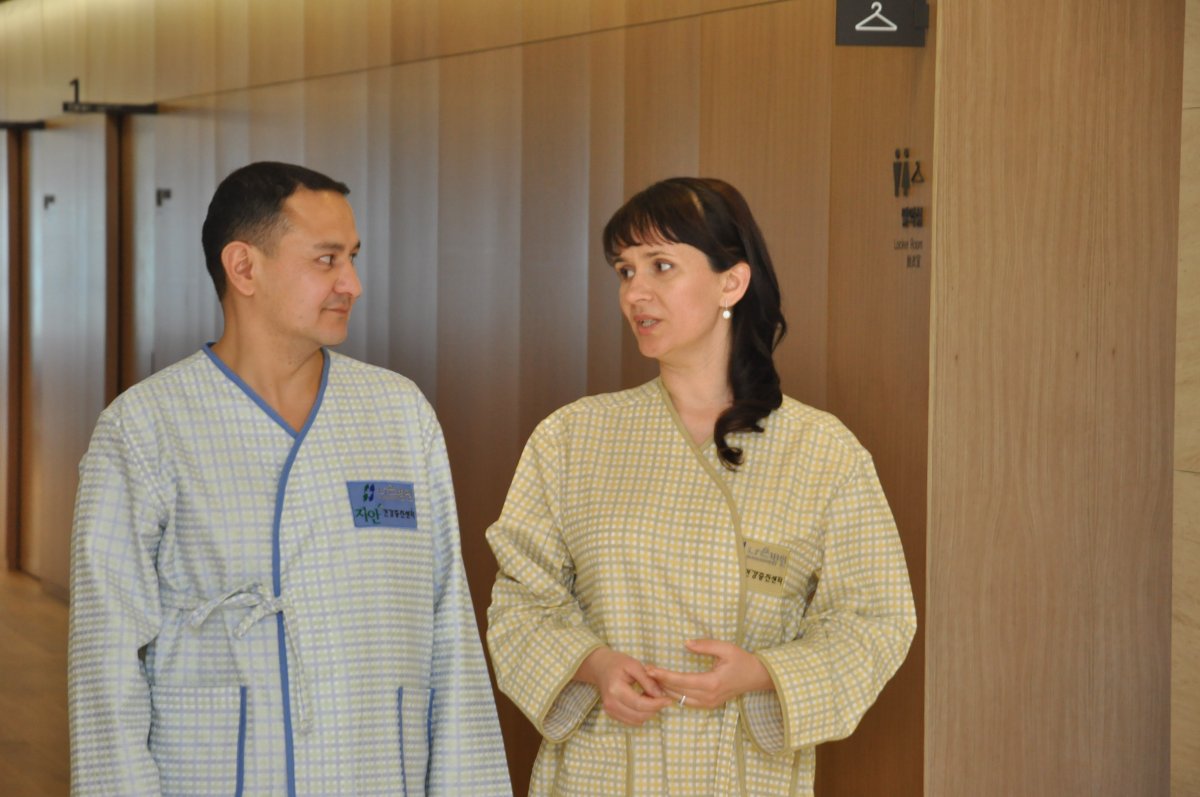










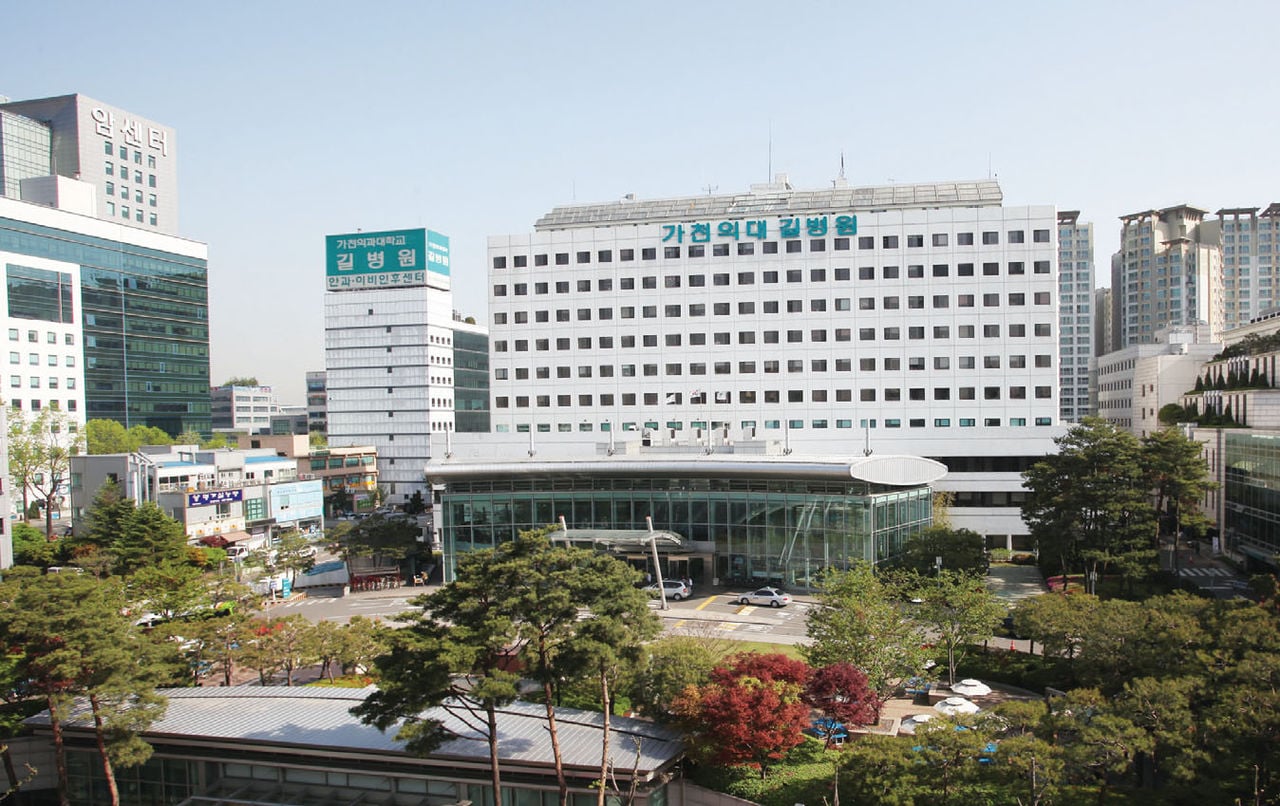




Bumin Hospital Seoul


احصلوا على تقييم طبي لـ التهاب القولون التقرحي في كوريا الجنوبية: استشيروا أطباء ذوي خبرة الآن
عرض جميع الأطباء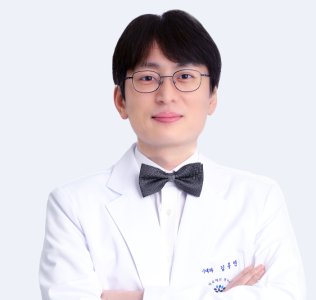
Kim Jong Yeon
البروفيسور كيم جونغ-يون هو طبيب أمراض الجهاز الهضمي في مستشفى ميونغجي. يعالج أمراض المريء والمعدة والقولون والكبد، بما في ذلك تليف الكبد والتهاب الكبد. ويجري عمليات التنظير العلاجي، مثل استئصال السلائل بالمنظار. كما يشغل منصب نائب مدير مركز الرعاية الصحية الدولية.
وهو عضو في مركز فشل الكبد، ويعمل مع فرق متخصصة في أمراض الكبد وسرطان الكبد وزراعة الأعضاء لتقديم رعاية منسقة لأمراض الكبد المتقدمة ولمرشحي زراعة الكبد.
حاصل على درجة دكتور في الطب من كلية الطب بجامعة جيونبوك الوطنية. أ
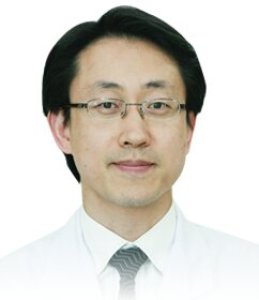
Cheon Wonseok
الدكتور تشون وونسوك رئيس قسم أمراض الجهاز الهضمي في مستشفى نا-أون. يعالج اضطرابات الجهاز الهضمي، ويُجري تنظير الجهاز الهضمي العلوي وتنظير القولون واستئصال السلائل والاستئصال تحت المخاطية بالتنظير (ESD). يعالج سرطاني المعدة والمريء وعدوى الملوية البوابية. كما يعالج أمراض الكبد وأمراض الأمعاء الالتهابية، بما في ذلك داء كرون والتهاب القولون التقرّحي. ويوفّر تنظير الأمعاء الدقيقة بالكبسولة.
الاعتمادات: اختصاصي حاصل على شهادة البورد في التنظير الهضمي. عضو مدى الحياة في الجمعية الكورية لتنظي
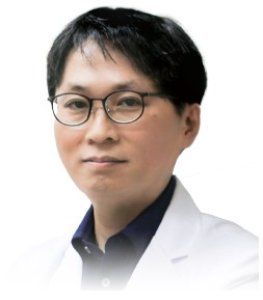
Kim Taegyun
الدكتور كيم تاي غيون اختصاصي أمراض الجهاز الهضمي. يركّز على أمراض وأورام البنكرياس والقنوات الصفراوية، بما في ذلك التهاب البنكرياس، وأكياس البنكرياس وسرطانه، والتهاب المرارة، وحصوات المرارة (الحصاة الصفراوية)، وسرطان القنوات الصفراوية. كما يجري تنظيراً هضمياً متقدّماً، بما في ذلك التنظير الراجع للقنوات الصفراوية والبنكرياس (ERCP). ويعالج أورام الجهاز الهضمي، والزوائد اللحمية في المعدة والقولون، وسرطان المعدة، والأورام تحت المخاطية (SMT).
التعليم والتدريب: دكتور في الطب (MD)، كلية الطب
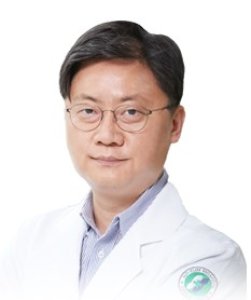
Pak Seongjin
الدكتور باك سونغ جين اختصاصي أمراض الجهاز الهضمي. يركّز على التنظير والإجراءات المتقدمة مثل تنظير المعدة، وتنظير القولون، واستئصال السلائل، والاستئصال تحت المخاطي بالتنظير (ESD). كما يعالج أمراض الجهاز الهضمي والكبد، بما في ذلك تليّف الكبد، والتهاب البنكرياس، والتهاب الكبد، وعدوى الملوية البوابية.
حصل على درجة دكتور في الطب (MD) والماجستير في الطب الباطني من جامعة تشونغ-أنغ. وأتمّ إقامة الطب الباطني وزمالة أمراض الجهاز الهضمي في مستشفى جامعة تشونغ-أنغ.
يعمل أستاذًا سريريًا في كل
المراجعات
جميع المراجعاتمشاركة المحتوى
قصص فيديو من مرضى Bookimed
 Anna Leonova
أسئلة متكررة حول علاج التهاب القولون التقرحي في كوريا الجنوبية
هل جراحة التهاب القولون التقرحي آمنة في كوريا الجنوبية؟
تعتبر جراحة التهاب القولون التقرحي في كوريا الجنوبية آمنة للغاية. تسجل البلاد معدل بقاء على قيد الحياة بنسبة 99% لهذه الإجراءات. تحافظ المراكز الطبية الكورية على خطر استئصال القولون لمدة عام واحد بنسبة 5.4%. وهذا أقل بكثير من نسبة 42.9% المسجلة في الولايات المتحدة.
- اعتماد التقنيات طفيفة التوغل: تُستخدم تقنيات تنظير البطن في 60% من جراحات التهاب القولون التقرحي.
- أنظمة السلامة الرقمية: تستخدم عيادات مثل SNUBH أنظمة BESTcare لمنع الأخطاء الطبية.
- الخبرة المتخصصة: تسجل المراكز الكبرى مثل مركز أسان الطبي صفر وفيات في الجراحات الاختيارية.
- معايير الاعتماد: تمتلك المرافق الرائدة شهادات JCI و KOIHA لضمان السلامة.
رؤية خبير Bookimed: تظهر البيانات أن كوريا الجنوبية تتخصص في كفاءة الحجم الكبير التي تحافظ على السلامة. يجري مركز أسان الطبي أكثر من 65,000 عملية سنوياً مع الحفاظ على معدل نجاح بنسبة 90% للإجراءات المعقدة. يستفيد المرضى من هذه الخبرة السريرية الهائلة. حتى على هذا النطاق، تعالج مراكز مثل SNUH أكثر من 10,000 مريض يومياً بدقة رقمية كاملة. يضمن هذا المعدل المرتفع أن الجراحين يتعاملون مع حالات أكثر تعقيداً من معظم أقرانهم العالميين.
إجماع المرضى: يصف المرضى عملية العلاج بأنها نوعية وتشغيلية. ويشيرون إلى أن الموظفين والأطباء يتمتعون بمهارات عالية. على الرغم من أن البعض يلاحظ أن تكاليف الغرف المميزة والإجراءات أعلى، إلا أنهم يؤكدون أن الرعاية الطبية سريعة ومهنية بشكل استثنائي.
ما هي العمليات المقدمة لالتهاب القولون التقرحي وكيف يتم الاختيار؟
يقدم الجراحون أربعة إجراءات رئيسية لعلاج التهاب القولون التقرحي. استئصال المستقيم والقولون الترميمي مع جيب على شكل حرف J (J-pouch) هو الخيار الاختياري الأكثر شيوعاً. استئصال المستقيم والقولون الكلي مع فغر اللفائفي النهائي هو بديل نهائي. تشمل الخيارات الأخرى مفاغرة اللفائفي والمستقيم أو جيب كوك. يعتمد الاختيار على حالة الطوارئ، ووظيفة العضلة العاصرة، واحتياجات نمط حياة المريض.
- استئصال المستقيم والقولون الترميمي: إزالة القولون والمستقيم مع إنشاء جيب داخلي.
- فغر اللفائفي النهائي: يتضمن إزالة فتحة الشرج ويتطلب كيساً خارجياً دائماً.
- مفاغرة اللفائفي والمستقيم: الحفاظ على المستقيم لربطه بالأمعاء الدقيقة.
- معايير الاختيار: يقوم الأخصائيون بتقييم قوة العضلة العاصرة الشرجية ووجود سرطان المستقيم.
رؤية خبير Bookimed: تُظهر البيانات من المراكز الكبرى في سيول مثل مركز أسان الطبي، الذي يجري أكثر من 65,000 عملية سنوياً، تفضيلاً كبيراً للنهج طفيف التوغل. غالباً ما تعطي العيادات في كوريا الأولوية للحفاظ على القولون والمستقيم للمرضى الصغار للحفاظ على الخصوبة. على الرغم من شعبية جيب J، قد يوصي جراحون مثل الدكتور تشيون وون سيوك في مستشفى نا-أون بنهج تدريجي يبدأ باستئصال القولون تحت الكلي لضمان استقرار المريض قبل إعادة البناء النهائية.
إجماع المرضى: يشير المرضى إلى أن جيب J لا يعني العودة إلى روتين طبيعي لاستخدام المرحاض. يجد الكثيرون أن فغر اللفائفي يوفر في الواقع مزيداً من الحرية للسفر والأنشطة اليومية دون خطر الإلحاح أو الالتهاب عند
ما هي المؤهلات التي يجب أن أبحث عنها في جراح القولون والمستقيم الكوري؟
ابحث عن جراح حاصل على ترخيص أخصائي طبي وزمالة في جراحة القولون والمستقيم. غالبًا ما يحمل الأخصائيون الكوريون رفيعو المستوى شهادة تخصص فرعي من الجمعية الكورية لأمراض القولون والمستقيم. يجب أن يعملوا في مرافق معتمدة من JCI مثل مستشفى سيفيرانس أو مستشفى جامعة سيول الوطنية.
- ترخيص الأخصائي: يؤكد إكمال الإقامة واجتياز الامتحان الوطني للترخيص الطبي.
- تدريب الزمالة: يتطلب 1-2 سنة من التدريب المركز خصيصًا في جراحة القولون والمستقيم.
- شهادة التنظير: يجب على أطباء التنظير المعتمدين من KSCP إجراء أكثر من 150 منظار قولون تحت الإشراف أثناء التدريب.
- المؤهلات الأكاديمية: يحمل العديد من الأخصائيين الكوريين الرائدين درجة دكتور في الطب (MD) ودكتوراه (PhD).
رؤية خبير Bookimed: يعد حجم المرضى مؤشرًا رئيسيًا للجودة في المشهد الطبي التنافسي في سيول. على سبيل المثال، يخدم مركز أسان الطبي أكثر من 11,000 مريض خارجي يوميًا. يضمن هذا النطاق الهائل أن الجراحين مثل الدكتور تشيون وون سيوك في مستشفى نا-أون يحافظون على كفاءة فنية عالية. غالبًا ما تتمتع المراكز الكبيرة بمعدلات نجاح أعلى لحالات أمراض الأمعاء الالتهابية المعقدة.
إجماع المرضى: يشير المرضى إلى أنه من المفيد التحقق مما إذا كان الطبيب يتمتع بخبرة دولية. كما يؤكدون على استخدام لوحات معلومات المستشفى للتحقق من عدد الإجراءات المحددة التي يجريها الجراح كل عام.
ما هي المدة المعتادة للإقامة في المستشفى والتعافي بعد جراحة التهاب القولون التقرحي في كوريا؟
عادةً ما يبقى المرضى في المستشفيات الكورية لمدة تتراوح بين 5 إلى 10 أيام بعد جراحة التهاب القولون التقرحي. وغالباً ما تسمح الإجراءات بالمنظار بالخروج في غضون 3 إلى 5 أيام. يستغرق التعافي البدني الكامل عموماً من 6 إلى 12 أسبوعاً. تستخدم المراكز ذات الكثافة العالية في سيول بروتوكولات جراحية متقدمة لتسريع الشفاء.
- الإقامة في المستشفى: توقع من 3 إلى 5 أيام للجراحة بالمنظار، ومن 7 إلى 14 يوماً للجراحة المفتوحة.
- اعتماد التقنيات طفيفة التوغل: يستخدم الجراحون تقنيات المنظار أو الروبوت في أكثر من 84% من الحالات.
- التحريك المبكر: تشجع البروتوكولات على المشي في غضون 24 ساعة لتسريع استعادة وظيفة الأمعاء.
- العودة للنشاط: يمكن استئناف المهام اليومية الخفيفة في غضون 4 أسابيع. يتطلب رفع الأشياء الثقيلة 8 أسابيع من التعافي.
رؤية خبير Bookimed: تعتمد الكفاءة الجراحية في كوريا على أحجام المرضى الهائلة في مراكز مثل مركز أسان الطبي ومستشفى سيفيرانس. عالج مركز أسان أكثر من 182,000 مريض سنوياً، وأدار مستشفى سيفيرانس 1.6 مليون مريض خارجي. يساعد هذا التكرار الشديد الجراحين على إتقان بناء الجيوب المعوية (J-pouch) المعقدة. يستفيد المرضى من فرق تمريض متخصصة تتعامل مع هذه الأعداد الكبيرة يومياً.
إجماع المرضى: يجد المرضى أن التعافي منضبط وسريع، لكنهم يشيرون إلى أن التحكم في الحاجة الملحة لاستخدام الحمام بعد إجراء الجيب المعوي (J-pouch) يستغرق عدة أشهر. يؤكد الكثيرون على أهمية حزم أمتعة خفيفة للإقامات القصيرة وإعطاء الأولوية للمشي في اليوم الأول
هل تتوفر التقنيات طفيفة التوغل (تنظير البطن/الجراحة الروبوتية) للمرضى الدوليين؟
تعد جراحات تنظير البطن والجراحة الروبوتية طفيفة التوغل متاحة على نطاق واسع للمرضى الدوليين في جمهورية كوريا. تستخدم المراكز الطبية من الدرجة الأولى أنظمة متقدمة مثل روبوت دا فينشي للإجراءات القولونية والمستقيمية المعقدة. تضمن هذه التقنيات شقوقاً أصغر وأوقات تعافي أسرع لمرضى التهاب القولون التقرحي.
- الأنظمة الروبوتية: تستخدم مستشفيات مثل سيفيرانس وSNUBH منصات روبوتية مدعومة بالذكاء الاصطناعي لجراحة البطن.
- الدقة السريرية: يقوم الجراحون بإجراء استئصال القولون الكامل باستخدام الروبوتات لضمان دقة جراحية عالية.
- معايير الاعتماد: تحافظ المرافق على شهادات JCI وKOIHA لضمان سلامة المرضى الدوليين.
- فترة التعافي: غالباً ما تقلل الأساليب طفيفة التوغل من فترات الإقامة في المستشفى إلى أسبوع أو أسبوعين فقط.
رؤية خبراء Bookimed: بينما تقدم العديد من الدول الجراحة الروبوتية، فإن المراكز الكورية مثل مستشفى جامعة سيول الوطنية كانت رقمية بالكامل منذ عام 2004. هذا التكامل طويل الأمد للتصوير الرقمي وأنظمة السجلات الطبية الإلكترونية (EHR) يبسط تنسيق الإجراءات الروبوتية المعقدة للمرضى الدوليين. تتعامل عيادات مثل مركز آسان الطبي مع أحجام هائلة، حيث تعالج أكثر من 11,800 مريض خارجي يومياً بمعدلات نجاح عالية.
إجماع المرضى: يشير المرضى إلى أن المنسقين الناطقين بالإنجليزية والباقات الشاملة تجعل الجراحة الروبوتية المتقدمة سهلة الوصول. يؤكد الكثيرون أنه على الرغم من أن التكاليف أعلى من الجراحة التقليدية، إلا أن الدقة والتعافي السريع يستحقان الاستثم
هل سأحتاج إلى فغر اللفائفي المؤقت وكيف يتم إدارته أثناء إقامتي؟
غالبًا ما تتطلب جراحة التهاب القولون التقرحي في كوريا الجنوبية إجراء فغر اللفائفي المؤقت. يحمي هذا الإجراء الحقيبة الداخلية (J-pouch) أثناء الشفاء. تستخدم المراكز الطبية الكورية الجنوبية ممرضات متخصصات في العناية بالجروح لتدريب المرضى على العناية بالفغرة. يبقى المرضى عادةً في المستشفى لمدة تتراوح بين 4 إلى 10 أيام بعد الجراحة.
- التثقيف حول الفغرة: توفر الممرضات المتخصصات تدريبًا يوميًا على استخدام الأكياس والعناية بالجلد.
- بروتوكول المراقبة: تتابع الفرق الطبية حجم الإخراج ولون الفغرة أثناء فترة التعافي.
- الانتقال الغذائي: ينتقل المرضى من السوائل الصافية إلى خطة نظام غذائي منخفض الألياف.
- الجدول الزمني للإغلاق: يقوم الجراحون عادةً بإغلاق فغر اللفائفي بعد 8 إلى 12 أسبوعًا.
رؤية خبير Bookimed: يُظهر تحليل بيانات المستشفيات الكورية الجنوبية تكاملاً قويًا للأنظمة الرقمية. يستخدم مستشفى جامعة سيول الوطنية في بوندانغ نظام BESTcare لتقليل الأخطاء. تضمن هذه الرقابة الرقمية تتبعًا دقيقًا لمخرجات الفغرة ومستويات الإلكتروليت، مما يساعد الأطباء على تعديل السوائل الوريدية بشكل أسرع مما تسمح به المراقبة اليدوية.
إجماع المرضى: يشير المرضى إلى أن إخراج الفغرة يكون متكررًا جدًا في البداية. يوصون بطلب جلسات تدريب كاملة والتقاط صور للعملية قبل الخروج من المستشفى. وأكد أحد المرضى في مركز أسون الطبي أن الموظفين الذين يتحدثون الإنجليزية وفروا جميع المستلزمات اللازمة للرعاية المنزلية.
ما نوع المتابعة المطلوبة بعد مغادرة كوريا؟
تتطلب المتابعة الطبية لالتهاب القولون التقرحي بعد مغادرة كوريا الحصول على خطة رعاية منظمة من طبيب الجهاز الهضمي الخاص بك. يجب أن تتضمن هذه الخطة نتائج المختبر الحديثة، وتقارير تنظير القولون، وجدولاً زمنياً محدداً للأدوية. يجب على المرضى تأمين طبيب متخصص محلي في بلدهم الأصلي قبل المغادرة لضمان استمرار العلاج والمراقبة دون انقطاع.
- الوثائق الطبية: اجمع جميع سجلات التشخيص وبروتوكولات المتابعة التفصيلية قبل المغادرة النهائية.
- الانتقال إلى متخصص: ابحث عن متخصص في أمراض الأمعاء الالتهابية في بلدك لتولي الرعاية على الفور.
- جدولة الفحوصات: رتب لإجراء تحاليل دم أساسية واختبارات الكالبروتكتين في البراز كل 3 أشهر في البداية.
- التتبع الرقمي: راقب الأعراض يومياً لمشاركتها مع الفرق الكورية أو المحلية عبر الاستشارات الافتراضية.
رؤية خبير Bookimed: بينما يعتقد الكثيرون أن المهام الإدارية للمغادرة هي الأولوية، تظهر بياناتنا أن الاستمرارية السريرية هي العامل الحقيقي للتعافي. تتعامل مراكز مثل مستشفى جامعة سيول الوطنية ومركز آسان الطبي مع آلاف الحالات المعقدة وتتخصص في الرعاية الرقمية. لقد رأينا أن المرضى الذين يستخدمون منسقين يتحدثون الإنجليزية لترجمة السجلات يتجنبون العقبة الشائعة المتمثلة في تأخير العلاج عند العودة إلى الوطن.
إجماع المرضى: يؤكد المرضى على الحاجة إلى خطط متابعة مطبوعة ويقترحون تخصيص ميزانية للفحوصات المخبرية المتكررة. يشير الكثيرون إلى أن وجود جهة اتصال تتحدث الإنجليزية في العيادة أمر حيوي لحل أسئلة الأدوية لاحقاً.